You absolutely can charge an EV in the rain, modern electric vehicles and charging equipment are engineered for it. The high‑voltage bits are sealed, the connectors are weather‑rated, and multiple safety systems shut things down if water shows up where it shouldn’t. Still, there are a few situations where you need to be careful, especially with older outlets or improvised home setups.
Bottom line up front
Can you charge an EV in the rain? Short answer
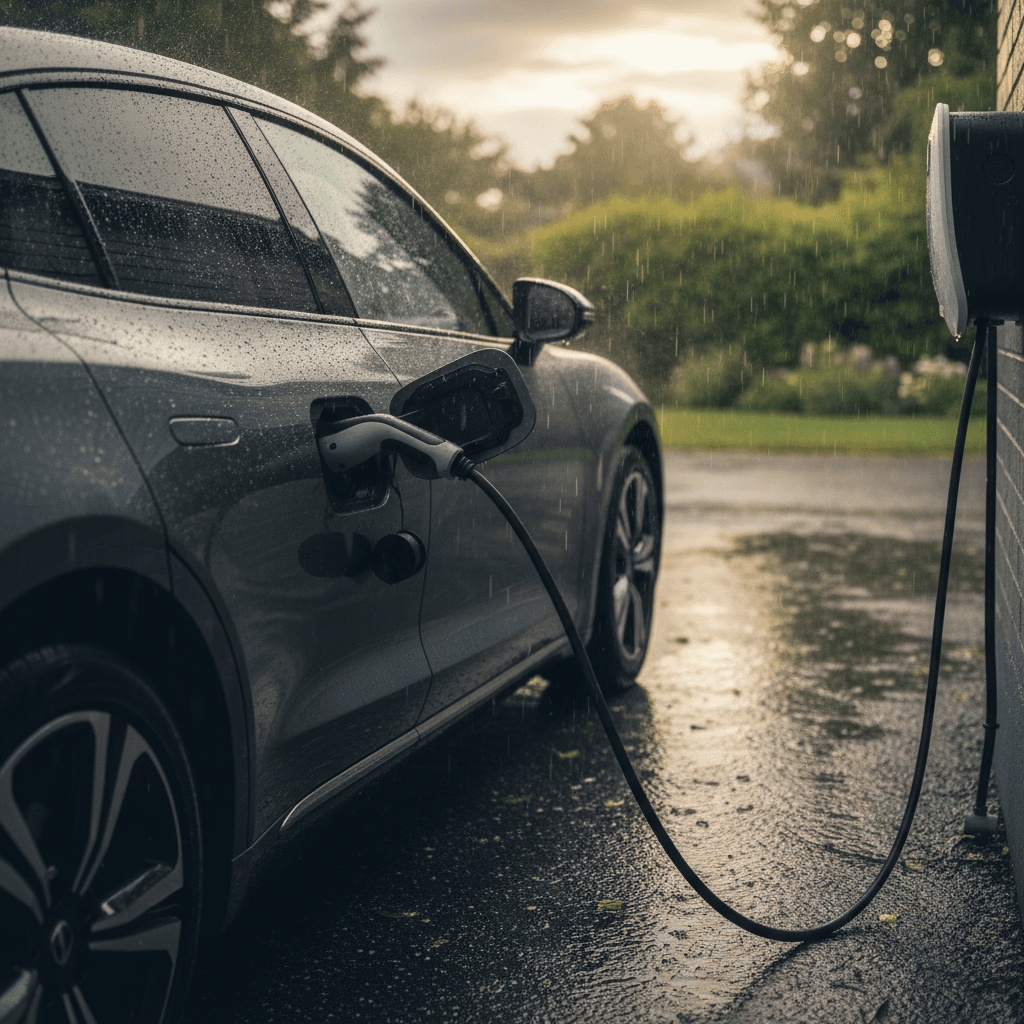
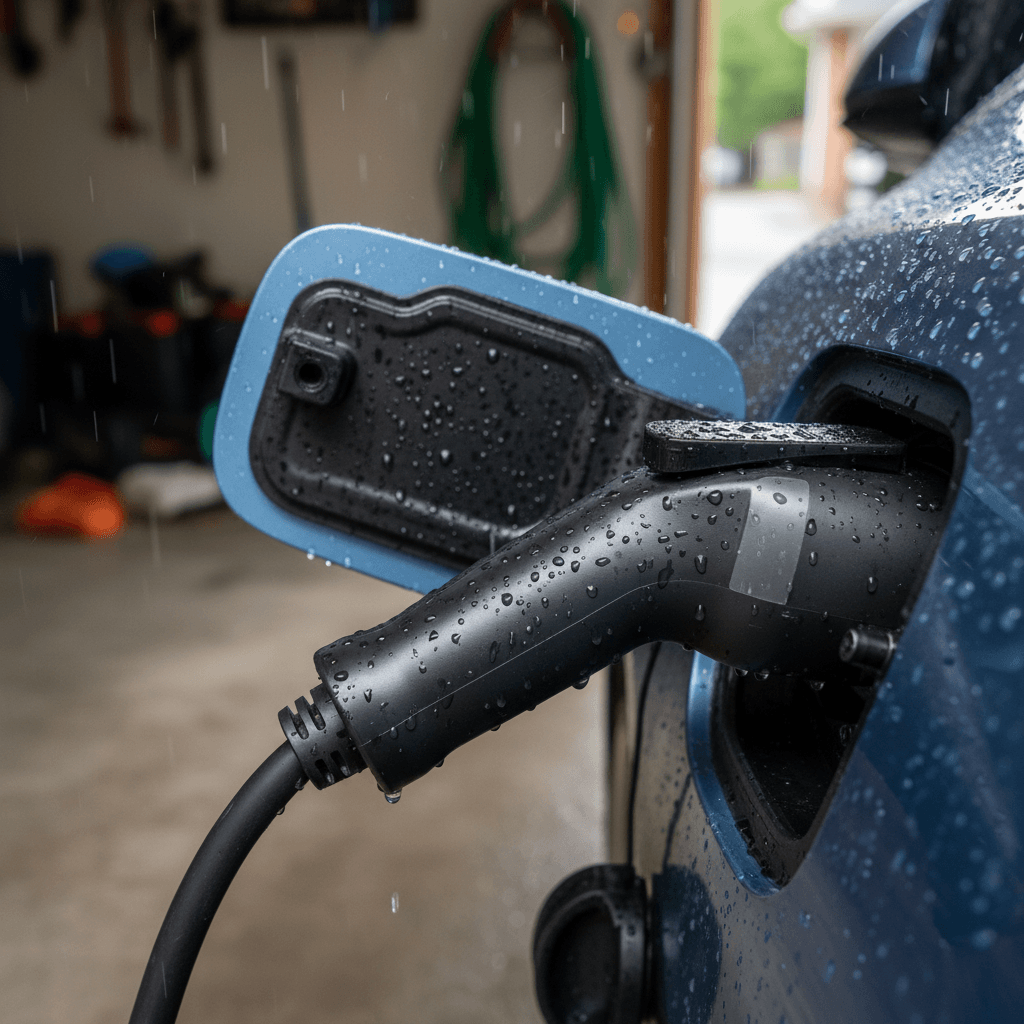
The short answer is yes: you can charge an electric car in the rain, snow, or on a wet driveway. EVs, charge ports, and connectors are designed to meet strict electrical safety standards that assume outdoor, all‑weather use. Power isn’t even energized at the plug until the vehicle and charger complete a handshake and confirm that the connection is secure and grounded.
- Level 1 and Level 2 (AC) chargers use SAE J1772 or NACS connectors engineered with recessed pins and insulation so you can plug and unplug safely in wet conditions.
- DC fast chargers (CCS, CHAdeMO, NACS) add even more interlocks and monitoring because they move much higher power.
- The charging system constantly looks for ground faults and leaks; if it sees anything abnormal, it cuts power in milliseconds.
When rain CAN be a problem
How EV charging hardware stays safe in wet weather
If you’re used to treating electricity and water as mortal enemies, EV charging can feel counter‑intuitive. Under the skin, though, there’s a lot of engineering going on to make wet‑weather charging boringly safe.
Key safety features that make rain charging possible
Dead until connected
Weatherproof housings
Ground‑fault protection
On top of that, EV ports and connectors are physically designed to manage rain. The pins sit deep inside plastic chambers, charge ports usually have drain channels, and the ground pin connects first and disconnects last to keep the system safe from the moment you plug in until the moment you pull the connector out.
Home charging in the rain: garage, driveway, and apartments
Charging in a garage or carport
If you have a fully enclosed garage, wet‑weather charging is almost a non‑issue. Your main concerns are proper wiring and ventilation for the charging hardware, not rain.
- Use a dedicated 240V circuit for a Level 2 charger.
- Mount the EVSE where it won’t be hit by vehicles or doors.
- Keep the charge cable off the floor where water might pool.
Charging in a driveway or open lot
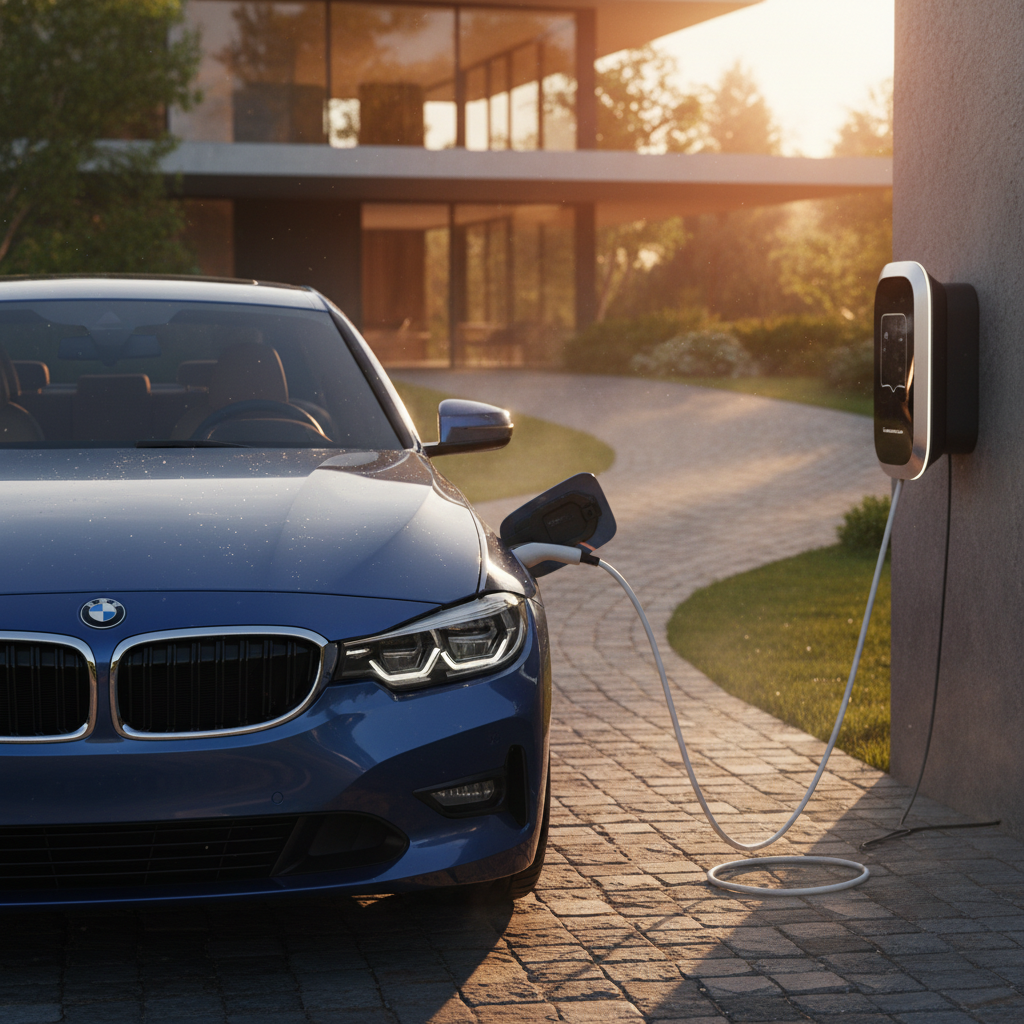
Outdoor home charging is very common in the U.S. and absolutely can be done safely in the rain, as long as the equipment is rated for outdoor use.
- Hard‑wired or plug‑in Level 2 units with weatherproof enclosures are ideal.
- If you use a portable charger, keep the brick off the ground and out of standing water.
- Use a covered, GFCI‑protected outlet for any 120V (Level 1) charging.
Apartment & condo charging
Public and DC fast charging in rain and storms
Public Level 2 and DC fast chargers are built with harsher conditions in mind than most homes, sun, snow, road salt, and, yes, heavy rain. If a station is live and not taped off, operators expect people to use it in all normal weather.
Rainy-day charging: home vs. public
What to expect when using public Level 2 and DC fast chargers in wet weather, compared to home setups.
| Scenario | Is rain charging okay? | What to watch for |
|---|---|---|
| Home Level 1 (120V outlet) | Yes, if outdoor‑rated and GFCI | Old outlets, rust, loose covers, extension cords |
| Home Level 2 wallbox | Yes | Cable management, avoid puddles at base |
| Public Level 2 (workplace, parking garage) | Yes | Watch for damaged cables or cracked housings |
| DC fast charging (highways, travel plazas) | Yes | Avoid standing water around the pedestal; report any errors or arcing to the operator |
Lightning and severe storms
What you should NOT do when charging in the rain
- Don’t use extension cords for routine EV charging, especially outdoors in the rain. Most are not rated for continuous high current or wet conditions.
- Don’t lay the charging brick or plug in a puddle. Rain on the outside is fine; submersion is not what most equipment is designed for.
- Don’t tape over vents or labels on your EVSE to “waterproof” it, those vents are there for cooling and drainage.
- Don’t ignore cracks or damage to cables, plugs, or housings. Water plus damaged insulation is how shocks and tripped breakers happen.
- Don’t force a connector if something feels off. If it doesn’t latch smoothly or the port looks obstructed, stop and inspect in good light.
- Don’t defeat safety features like GFCI outlets or breakers that keep tripping in the rain. They’re trying to tell you something is wrong with the circuit or environment.
Check the weakest link: the household outlet
Best practices checklist for rainy-day charging
Quick safety checklist before you plug in
1. Inspect the plug and cable
Look for cuts, kinks, exposed wires, or cracked plastic. A clean, intact cable is safe to use in wet weather; a damaged one isn’t.
2. Check the outlet or pedestal
For home outlets, make sure the cover closes, there’s no rust, and the receptacle is GFCI‑protected. For public stations, avoid units with broken screens or obviously damaged cables.
3. Keep electronics off the ground
Place portable chargers (the "brick") on a wall mount, stand, or at least a dry spot, not where water naturally pools.
4. Plug in confidently, then leave it alone
Insert the connector fully until it clicks. Once charging starts, you don’t need to keep adjusting it, even if the weather worsens.
5. Use your app for status, not the cable
Most EVs and chargers have an app or dashboard. Check that instead of wiggling the plug or repeatedly unplugging in the rain.
6. Unplug in stages
When you’re done, stop charging through the app or vehicle first, then unplug the connector. Coil the cable so it can drain and dry before storage.
Does rain affect charging speed or battery health?
Rain itself doesn’t slow charging or hurt your battery. What does matter is temperature. Cool, wet days often come with cooler battery temperatures, and EVs adjust charge rates to protect the pack, especially at high DC fast‑charging speeds.
- On Level 1 and Level 2, you probably won’t notice a difference unless temperatures are near freezing.
- On DC fast chargers, your car may slow down if the battery is cold, regardless of whether it’s raining or clear skies.
- Moisture around the car body has no direct impact on the high‑voltage battery, which lives in a sealed pack under the vehicle.
Pro tip for road trips
Setting up a weather-ready home EV charging station
If you’re still shopping for an EV or upgrading your charging setup, you can make rainy‑day charging nearly foolproof with a few installation choices. This is especially important if you park outside year‑round.
Why a proper outdoor install is worth it
Smart hardware and placement
- Choose a Level 2 EVSE that’s explicitly rated for outdoor use with a robust IP rating.
- Mount it on a solid surface (wall or post) where snow, ice, and roof runoff won’t dump directly on it.
- Plan cable routing so it hangs with a natural drip loop and doesn’t drag across gravel, snow, or standing water.
Electrical work done right
- Use a dedicated circuit sized correctly for the charger’s amperage.
- Have an electrician install or verify GFCI protection where needed, especially for outdoor receptacles.
- If your panel is marginal today, consider sizing wiring and conduit to support future, higher‑power charging.
Think ahead when you’re shopping used
How Recharged helps you shop confidently for a used EV
Rainy‑day charging questions usually come from a deeper place: you want to know that your EV, its battery, and your future charging routine will be safe and predictable. That’s exactly the kind of uncertainty Recharged was built to remove from the used‑EV process.
Buying used? Get clarity before you ever plug in
Verified battery health
Charging guidance
Flexible ways to switch cars
If you’re not sure which models fit your daily driving and charging reality, you can start by browsing used EVs filtered by range and charging speeds. That makes it easier to match a car, and a charging plan, to the kind of weather and parking you live with today.
FAQ: Charging your EV in the rain
Frequently asked questions
The big takeaway: yes, you can charge an EV in the rain, and the industry has spent years engineering connectors, cables, and charge ports around that simple expectation. Focus your caution where it matters most, old outlets, damaged hardware, standing water, and active lightning, and rainy‑day charging becomes just another part of normal EV ownership. When you’re ready to pick a used EV and build a charging routine that works for your driveway, climate, and budget, Recharged is set up to walk you through each step.