If you’re new to electric vehicles, it’s natural to wonder: can I charge my EV in the rain without getting shocked or damaging the car? The short answer is yes, modern EVs and charging equipment are engineered to charge safely in rain and snow. The longer answer is that you still need to treat the setup like any other outdoor electrical device and use some common‑sense precautions.
Quick answer
Can I Charge My EV in the Rain?
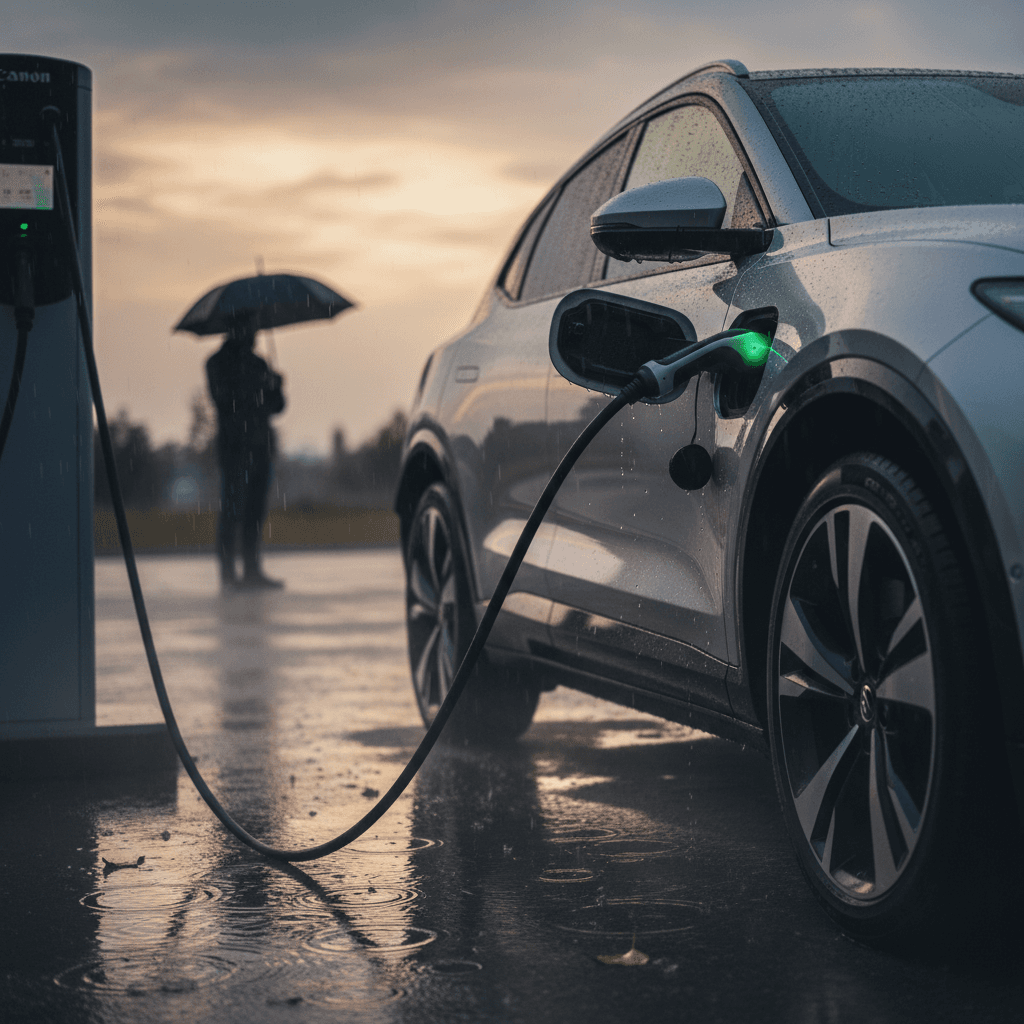
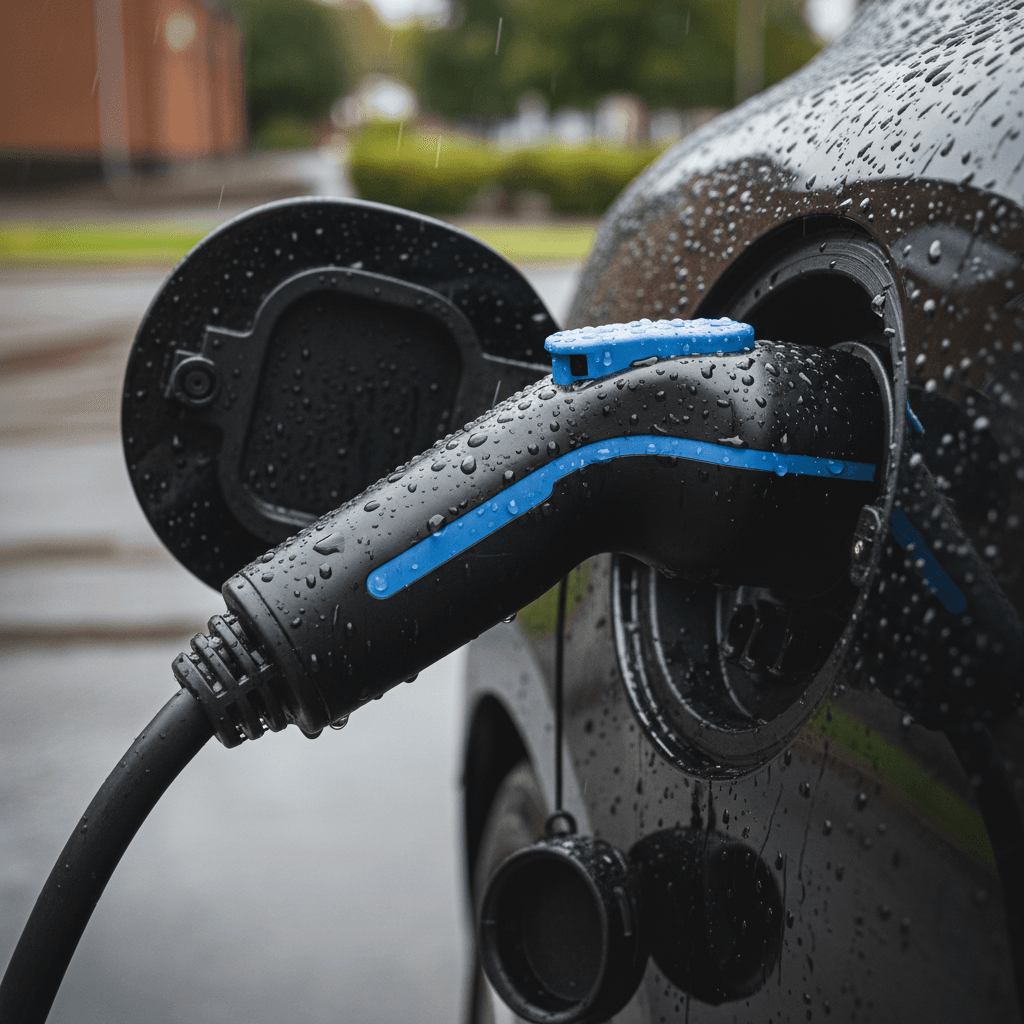
For most situations, light rain, steady rain, even wet pavement, it is safe to plug in and charge your EV outdoors. In fact, U.S. safety regulators specifically note that plug‑in EV chargers are weather‑resistant, and automakers like Mazda and others publicly confirm that you can charge in rain or snow as long as you follow normal safety guidance from the owner’s manual.
That’s because the parts that carry high voltage are sealed away from the elements. The connector and charge port are designed so no current flows until the car and charger “handshake” electronically. If that handshake fails or something looks off, like a short circuit caused by moisture, the charger will refuse to start the session.
Important nuance
How EV Chargers Stay Safe When It’s Wet
EV charging hardware goes through extensive testing so you can use it outside in real‑world conditions. Here’s what’s working behind the scenes every time you plug in during a downpour.
Built‑In Protections That Make Wet‑Weather Charging Possible
Why your EV doesn’t turn into a giant hair dryer in the rain
Weatherproof housings & seals
Ground fault protection (GFCI)
Smart “handshake” before power flows
What Do Typical EV Charging IP Ratings Mean?
Most home and public EVSE (electric vehicle supply equipment) that’s certified and installed correctly is designed for outdoor use year‑round. The key is using purpose‑built EV gear, not improvised extension cords or bargain adapters that weren’t designed for wet environments.
Home vs. Public Charging in the Rain
Charging at Home in Wet Weather
If your EV usually charges in a garage, rain is a non‑issue. But millions of drivers charge outdoors in driveways or carports.
- Use a dedicated circuit and properly installed Level 1 or Level 2 EVSE.
- For outdoor outlets, use an "in‑use" weatherproof cover rated for wet locations.
- Mount wall units at the recommended height to keep connectors away from standing water.
- Avoid running cords under garage doors where they can pinch, fray, or sit in puddles.
Public Charging in the Rain
Public DC fast chargers and Level 2 stations are built with weather exposure in mind.
- Concrete pads and bollards typically keep equipment above puddles.
- Enclosures are sealed against rain, dust, and road spray.
- Many stations add canopies to keep you (not just the hardware) out of the worst of the weather.
- If a pedestal, screen, or connector looks cracked, loose, or flooded, move to a different stall and report it to the network.
Comfort tip
Weather Conditions When You Should Pause Charging
Normal wet weather is fine. But there are a few conditions where the safest move is to delay charging or relocate the car.
- Flooding or deep standing water around the charger, cable, or where you’d stand. If you wouldn’t plug in a power tool there, don’t plug in your car.
- Severe thunderstorms with nearby lightning. While equipment is grounded, it’s still smart to avoid plugging or unplugging during active lightning strikes in your immediate area.
- Visible damage to the charge port, connector, cable, or station, cracks, exposed wiring, melted plastic, or loose covers.
- Submersion or flood‑damaged vehicles. If your EV has been in a flood, don’t attempt to charge it at all; have it inspected by a dealer or qualified EV shop.
- Improvised setups using household extension cords, multi‑plug adapters, or outlets that aren’t rated for outdoor/wet‑location use. These are weak points in bad weather.
Skip the “storm test”
Practical Tips for Charging Your EV in the Rain
Once you understand how the hardware is designed, day‑to‑day wet‑weather charging simply comes down to a few habits. Think of them as your rainy‑day charging checklist.
Rainy‑Day EV Charging Checklist
1. Check where you’re standing
Avoid standing in deep puddles or on metal grates while plugging or unplugging. Normal wet pavement is fine; ankle‑deep water isn’t.
2. Inspect the connector quickly
Before you plug in, glance at the connector and cable. If you see cracked plastic, exposed wires, or heavy corrosion, choose another charger or stop using that cord.
3. Keep the outlet connection dry
The highest‑risk area for backyard DIY setups is where an EVSE or extension cord meets a wall outlet. Use outdoor‑rated receptacles and covers, and never leave plug connections sitting in water.
4. Don’t force a wet, dirty port
If the charge port is packed with snow, ice, or mud, gently clear it, then let residual moisture drain or evaporate. Don’t jab at the contacts with metal tools or sopping rags.
5. Plug in firmly, then leave it
Push the connector in until it clicks and the car shows charging status. Avoid repeatedly plugging and unplugging just to “test” things in wet weather.
6. Follow the owner’s manual
Every EV has specific guidance on charging and weather. When in doubt, follow the automaker’s instructions over something you read online.
Good news for daily drivers
Charging in Snow, Ice, and Road Salt
The same design features that protect your EV in the rain also help in winter conditions, but snow and ice add a few quirks.
Rain vs. Snow: What Changes When You Plug In
Safety is similar, but usability and range are different
Snow & ice on the connector
Road salt and slush
Cold weather will temporarily reduce battery efficiency, so you may spend more time plugged in in winter than in summer. That makes it even more important to have a reliable, weather‑rated home setup and to be comfortable using public chargers in all conditions.
Range tip
Does Weather Charging Affect a Used EV Differently?
If you’re driving, or shopping for, a used EV, you might wonder whether years of rain and snow charging make it less safe. In most cases, a well‑maintained used EV is just as safe to charge in the rain as a new one.
- Check for physical wear around the charge port: loose doors, cracked plastics, or damaged seals deserve a closer look.
- Ask for or review any service records mentioning charging issues or water intrusion.
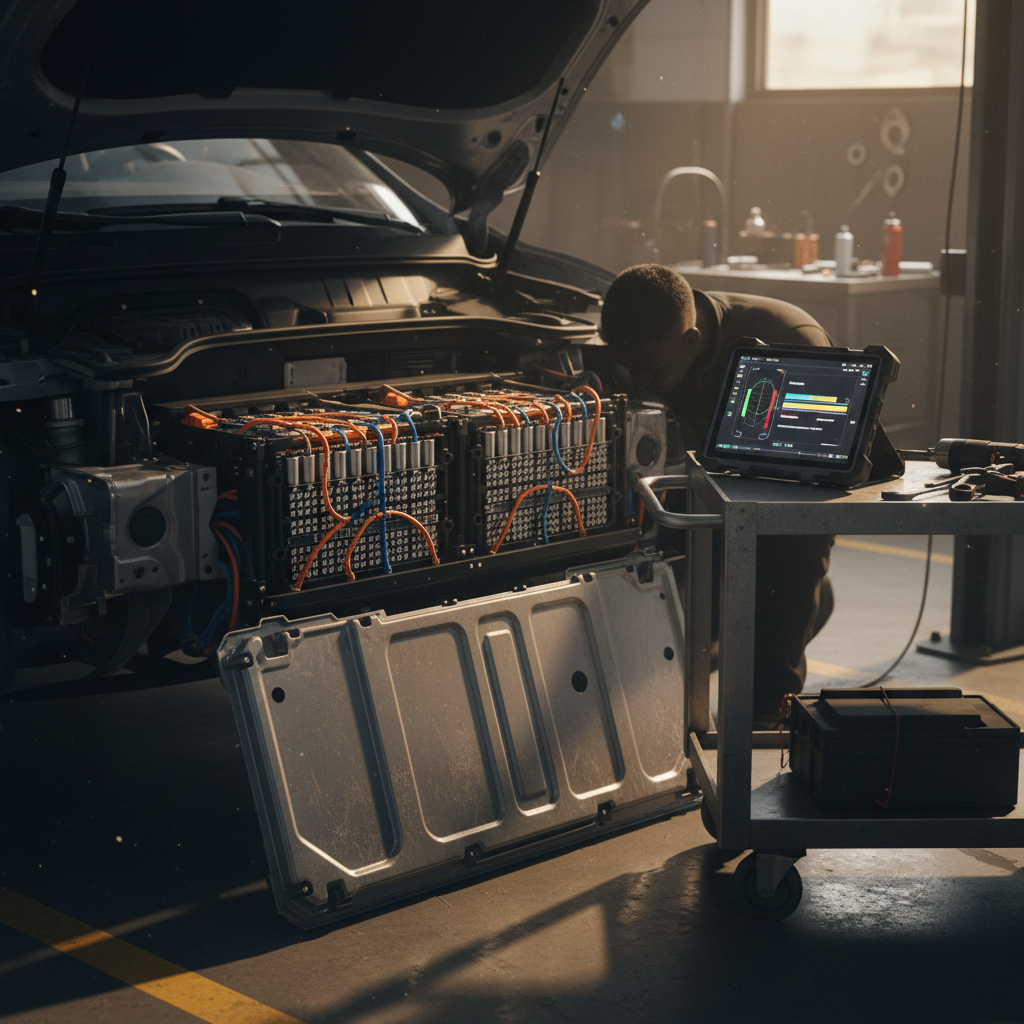
- Use tools like a Recharged Score battery and systems report when you’re evaluating a used EV; that kind of inspection looks beyond cosmetic condition to the health of key components.
- If you buy a home charger with a used EV, confirm it’s a certified, outdoor‑rated unit, not a modified extension cord or unlisted device.
How Recharged can help
FAQ: Charging an EV in the Rain or Storms
Common Questions About Wet‑Weather EV Charging
The Bottom Line on Charging an EV in Wet Weather
Modern EVs are built to be driven and charged in the real world, which means rain, snow, slush, and the occasional sideways downpour. As long as you’re using certified, undamaged equipment and avoiding obviously unsafe conditions like flooding, you can confidently charge your EV in the rain at home or at public stations.
If you’re shopping for a used EV, don’t let weather worries hold you back. Focus instead on overall battery health, service history, and the quality of your charging setup. Marketplace providers like Recharged can help you compare vehicles, understand real‑world range, and set up charging that fits your home and driving habits, so your EV is easy to live with, no matter what the forecast says.