If you live in California, an electric car increasingly feels less like a futuristic idea and more like the obvious next vehicle. The state leads the nation in EV adoption and charging, and in 2025 a California electric car is easier to own, charge, and resell than ever, especially if you understand the incentives, charging options, and how to shop smart for a used EV.
Snapshot: California’s EV moment
Why California is built for electric cars
California’s electric car landscape at a glance
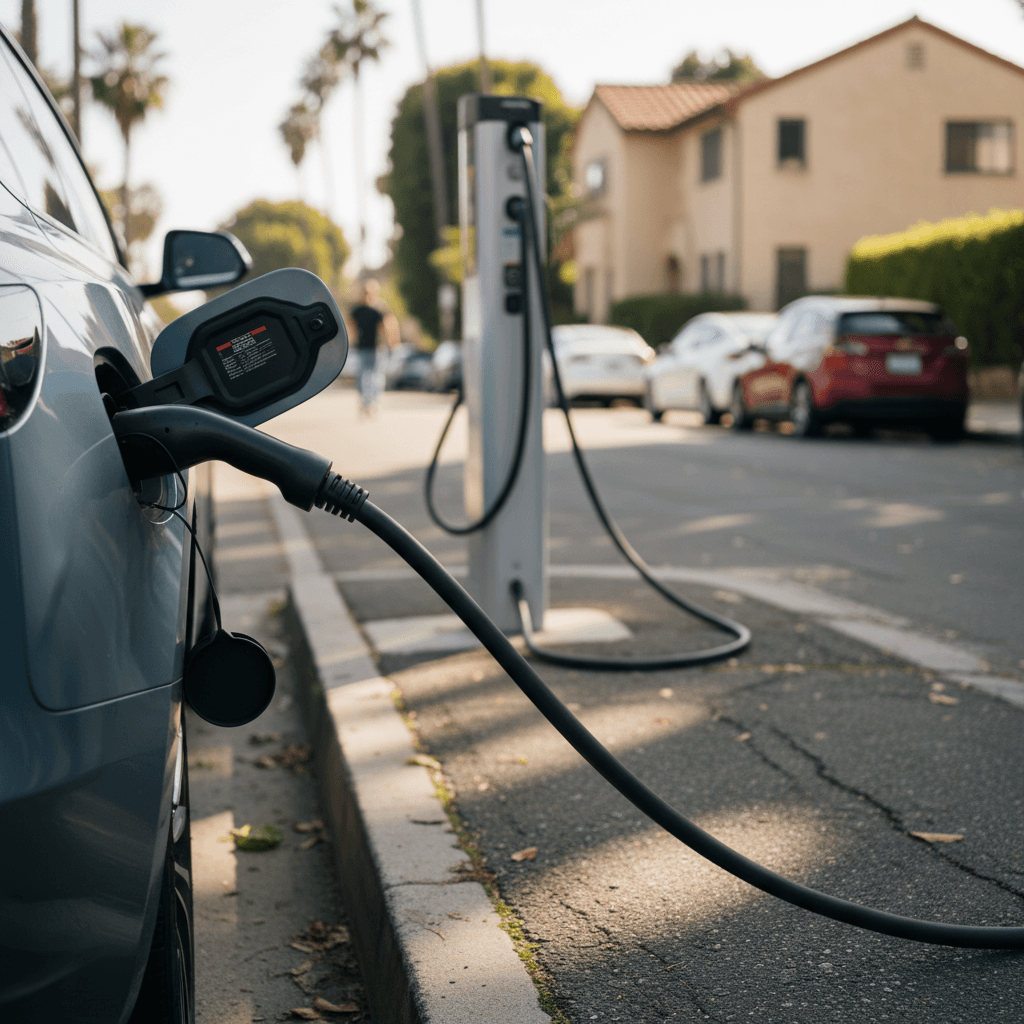
California’s climate, dense metro areas, and aggressive clean-air goals all favor electric cars. You’re rarely battling sub-zero temperatures that hurt range, and most daily commutes fall well within the real-world range of modern EVs. On top of that, the state has spent years building out charging and pushing automakers toward zero-emission sales, which means more EV choices and more plugs nearly everywhere you drive.
Think like a commuter, not a road-tripper
California EV incentives and perks in 2025
EV incentives have been a moving target nationally, but California continues to sweeten the deal for electric drivers, especially lower- and moderate-income households. Program budgets and rules change frequently, so always check official sites before you sign a contract, but here’s the landscape as of late 2025.
Key incentives for California electric car buyers
Stack what you can, but start your research before you visit a dealer
Rebates & purchase incentives
State and local programs can offer thousands of dollars toward a new or used EV, with extra help for income-qualified buyers.
- State rebate programs (like CVRP or regional successors)
- Utility rebates for home chargers
- Occasional local air-district incentives
Carpool lane (HOV) access
Qualifying EVs can obtain HOV lane stickers, even with just the driver on board. That can turn a brutal commute into a manageable one.
Check CHP and DMV guidance to confirm which plates and stickers you need before applying.
Tax credits & local breaks
California layers its own EV support on top of (sometimes changing) federal tax rules.
- Sales-tax relief in limited programs
- Utility off-peak charging rates
- Occasional local parking or toll discounts
Incentives are not guaranteed
If you’re shopping a used EV, especially one over a year old, look for programs that specifically mention used electric vehicles. Some offer smaller dollar amounts but can be much easier to qualify for, and a well-priced used EV plus a modest rebate can beat a heavily discounted new gasoline car on total cost of ownership.
Charging a California electric car: home vs public
You’ll get the best ownership experience when you can plug in where you sleep. Public charging fills in the gaps, road trips, apartment living, or days when you’re running all over the Bay or LA. California’s advantage is that you can realistically mix both without a lot of compromise.
Home charging: your daily workhorse
If you have a driveway or garage, a Level 2 home charger on a 240-volt circuit is the closest thing to automotive magic you’ll ever experience.
- Plug in at night, wake up with a full “tank”
- Typically adds 25–35 miles of range per hour
- Pairs well with time-of-use rates from utilities
Installation costs vary widely depending on panel capacity and distance from your electrical service, so get at least two quotes from licensed electricians.
Public charging: California’s growing safety net
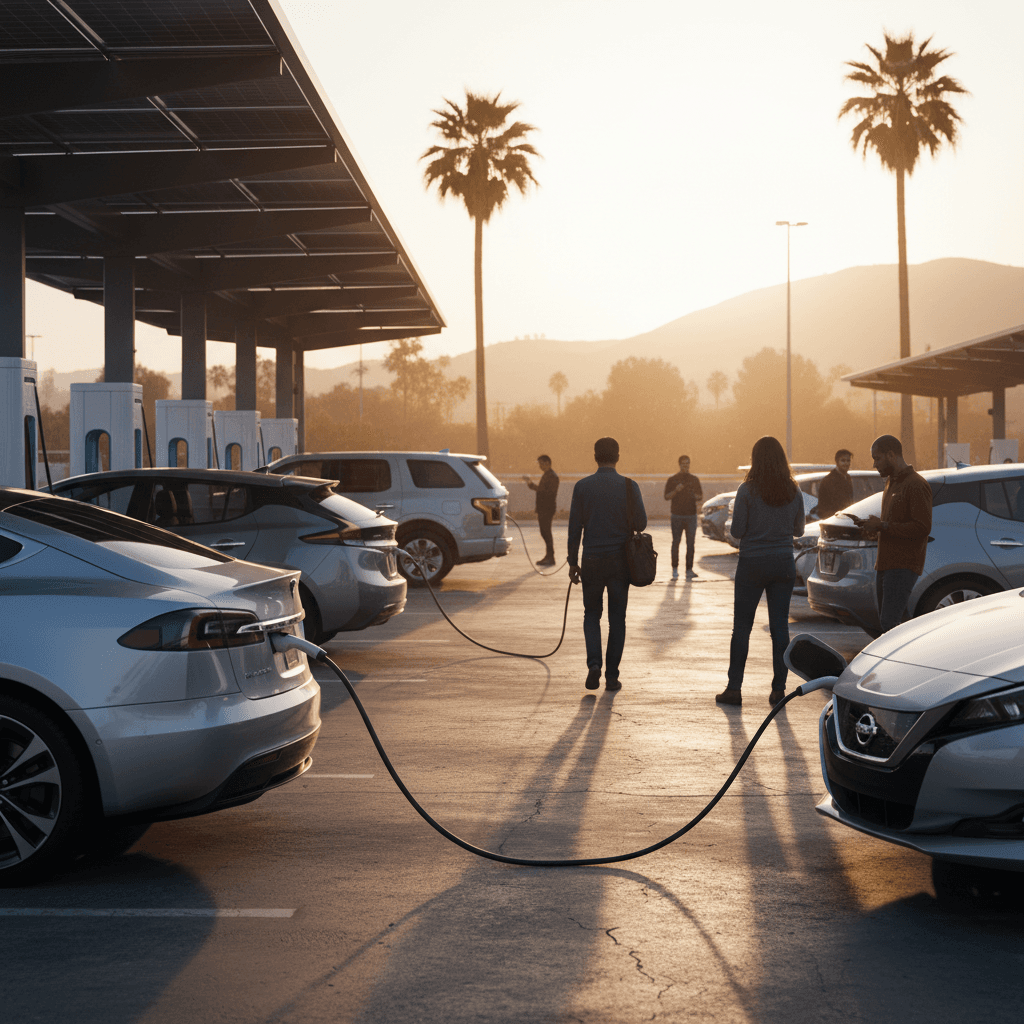
California’s network now tops 200,000 public and shared chargers, including Level 2 and DC fast chargers at grocery stores, parking structures, workplaces, and even traditional gas stations.
- Best for road trips or when you can’t charge at home
- Fast chargers can add 150+ miles in 20–40 minutes on many newer EVs
- Apps from networks and mapping tools show real-time availability
If you rent or live in a condo, look at workplace charging and neighborhood DC fast chargers as part of your routine.
Map your personal charging triangle
Real-world costs of owning an EV in California
Sticker price is only part of the story. With a California electric car, your fuel and maintenance bills often shrink enough to offset a higher payment, especially if you drive more than 12,000 miles per year or endure expensive gasoline in your area.
Typical ownership costs: California EV vs gas car
Illustrative, not guaranteed, your costs will vary by utility, vehicle, and driving habits.
| Cost factor | Electric car (EV) | Gasoline car |
|---|---|---|
| Fuel/energy | Often 30–50% less per mile, especially with off-peak rates | Volatile gasoline prices; higher cost per mile |
| Maintenance | No oil changes, fewer moving parts; tires and brakes still wear | Regular oil changes, more fluids and filters, more complex drivetrain |
| Registration & fees | Some extra state fees, but offset by fuel and maintenance savings for many drivers | Standard registration; no EV fees but higher fuel and service costs |
| Resale value | Best for models with strong range and charging speed; used EV market maturing fast | Depends on fuel economy and demand; some models depreciate quickly |
| Total cost over 5 years | Often competitive or lower if you drive a lot and capture incentives | Can be cheaper to buy but more expensive to run, especially in high-gas-price areas |
Assumes roughly 12,000 miles per year and average California electricity and gasoline prices.
Don’t ignore insurance
Buying a used electric car in California
In many ways, California is the best place in the country to buy a used EV. Lease returns and early adopters mean there’s plenty of inventory, and mild weather is kinder to batteries than harsh winters or extreme heat. But shopping a used EV is not the same as shopping a used gas car, you need better data on the battery and charging history.
Essential checklist for a used California electric car
1. Start with the battery report
Battery health is the heart of a used EV’s value. With Recharged, every vehicle comes with a <strong>Recharged Score Report</strong> that includes verified battery diagnostics so you’re not guessing about remaining capacity.
2. Review charging history
Ask how the car was charged. Frequent DC fast charging isn’t a deal-breaker on its own, but a mix of home Level 2 and occasional fast charging is ideal for long-term health.
3. Check remaining warranty coverage
Most EVs carry separate battery warranties, often 8 years and a set mileage. Confirm in-service date and mileage so you know how much factory coverage is left.
4. Inspect for coastal or flood exposure
California coastal cars can see more corrosion; vehicles imported from other states may have flood history. Use a vehicle-history report and, ideally, a lift inspection.
5. Test real-world range
On a test drive, note the starting state of charge and range estimate, then drive 20–30 miles and compare. You’re looking for consistent, predictable behavior rather than perfection.
6. Confirm charging-port standard
Most newer EVs in North America are moving toward the NACS (Tesla-style) connector. Make sure you understand which connector your used EV uses and whether it includes any necessary adapters.
Where Recharged fits in
Ready to find your next EV?
Browse VehiclesBattery health and warranty basics
Battery packs in modern EVs are designed to last, think in terms of years and miles, not phone-style “dead after two years” fears. That said, they do age. In California’s mild climate, many owners see gradual loss of range over time rather than sudden failure, especially if they mostly charge at home and avoid living at 100% charge.
- Most EVs carry an 8-year (or longer) battery warranty, usually tied to mileage (like 100,000 miles).
- Warranties typically cover major defects or excessive degradation, not normal, slow capacity loss.
- A 5–10% range drop over several years is common; big step-changes or sudden faults deserve investigation.
- Fast charging is fine when you need it; daily use at high states of charge is what tends to accelerate wear.
Avoid the “mystery battery” purchase
“On a used EV, the battery isn’t just another component, it’s the value proposition. You want objective data, not a hopeful guess.”
How to choose the right EV for California driving
Choosing an electric car in California is less about chasing the highest range number and more about matching the car to your lifestyle: your commute, parking situation, road-trip habits, and budget. The good news is that the state’s robust charging network gives you flexibility that drivers in other regions simply don’t have.
Match your California lifestyle to the right EV
Think in use-cases, not just model names
Urban apartment dweller
Look for:
- Compact EV or smaller crossover
- Strong DC fast-charging capability
- Access to nearby public chargers or workplace plugs
Public charging will be a big part of your routine, so favor models that charge quickly and fit tight parking spaces.
Long-distance commuter
Look for:
- EPA range comfortably above your daily round-trip
- Comfortable seats and good ADAS features
- Home Level 2 charging
You may not need 350 miles of range, but you do want a cushion for detours and heavy traffic.
Weekend adventurer
Look for:
- All-wheel drive (if you head to Tahoe or mountain passes)
- Good DC fast-charging speeds
- Available roof racks or tow rating, if needed
Plan your routes around high-speed chargers on I‑5, 101, or 395 and you’ll be surprised how easily an EV handles your favorite escapes.
Growing family
Look for:
- Spacious interior and cargo room
- Strong safety ratings
- Simple rear-seat access for child seats
Factor in HOV lane access on your daily grind, it can turn a family crossover EV into a serious quality-of-life upgrade.
Common concerns about California electric cars
Even in a state that’s been pushing EVs for more than a decade, shoppers have understandable questions. The same themes pop up again and again: range, grid capacity, wildfire outages, and whether EVs will actually hold their value. It’s smart to ask, just make sure you match the concerns with what’s actually happening on the ground in 2025.
Range and traffic
Power outages and wildfires
Resale value is maturing
FAQs: California electric car ownership
Frequently asked questions about California electric cars
The bottom line on California electric cars
California has quietly turned into an electric-car proving ground. With more public chargers than gas nozzles, a deep pool of used EVs, and policies that still tilt in favor of zero-emission vehicles, a well-chosen EV can fit naturally into daily life from San Diego to Sacramento. The key is to match the car to your driving, secure at least one reliable place to charge, and insist on clear battery information, especially when you’re buying used.
If you’re ready to explore a California electric car without the guesswork, browsing used EVs on Recharged is a smart next step. You’ll see verified battery health, transparent pricing, and support from EV specialists who live and breathe this transition, so you can spend less time worrying about kilowatts and more time enjoying the drive.