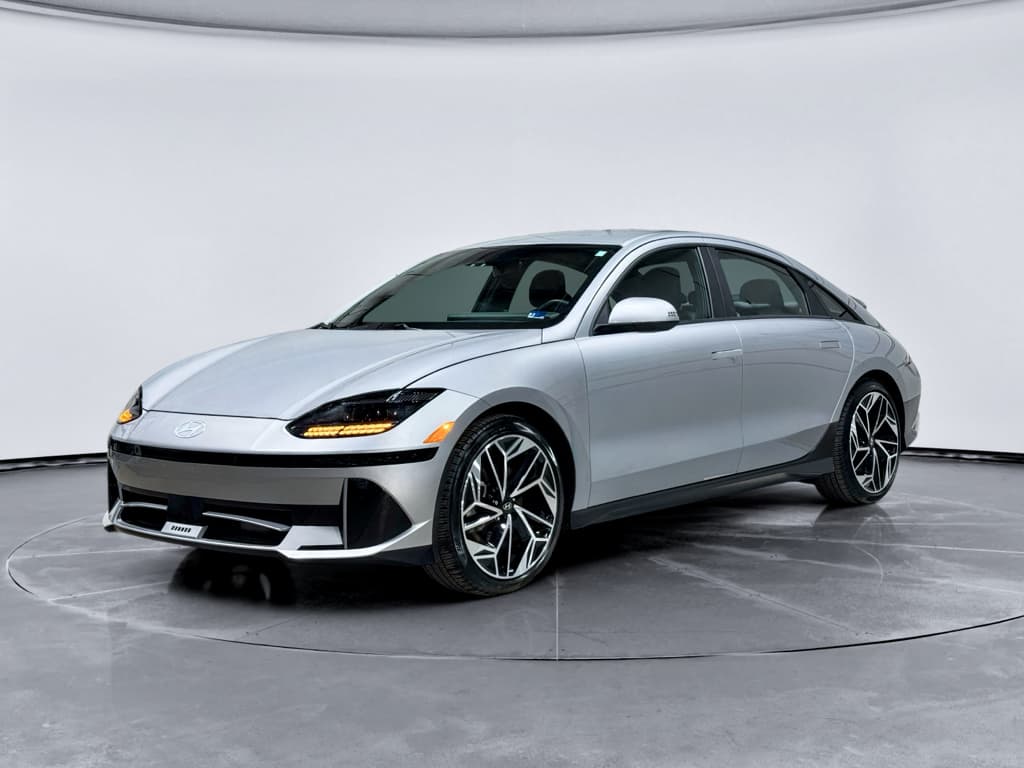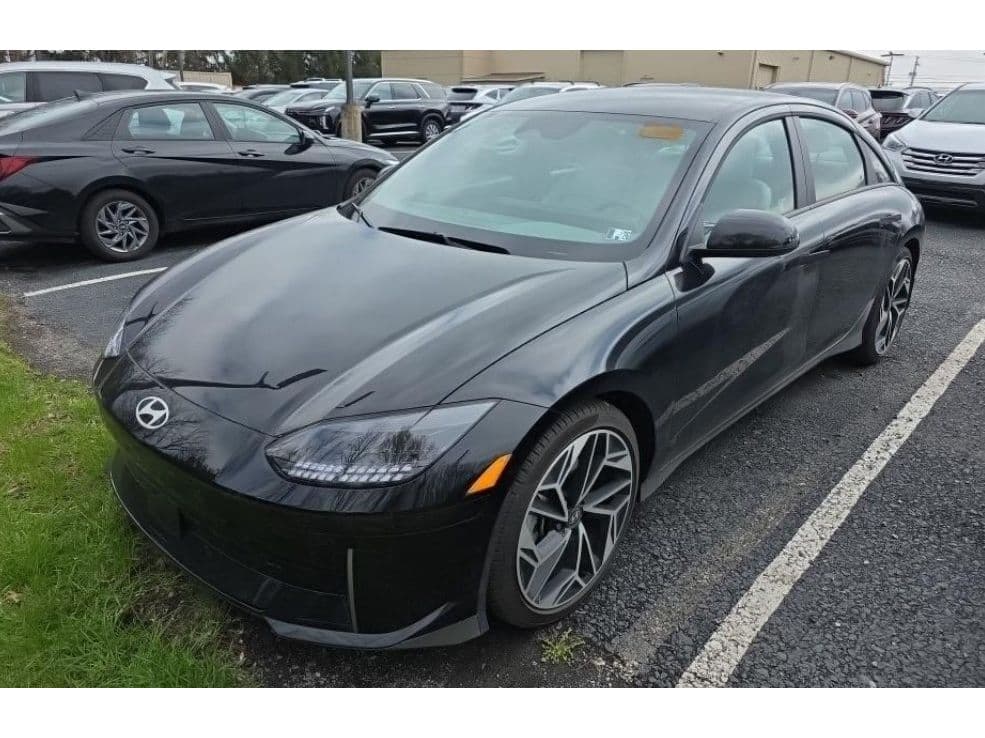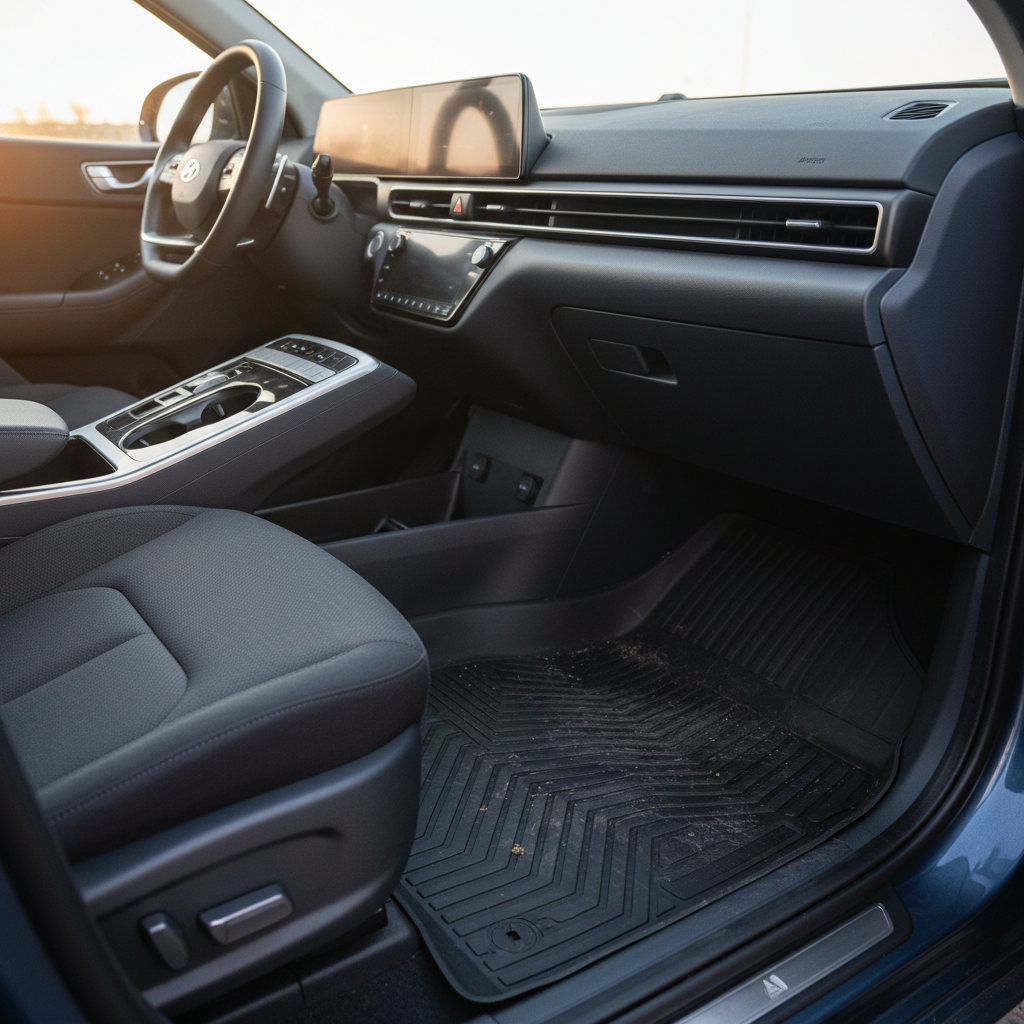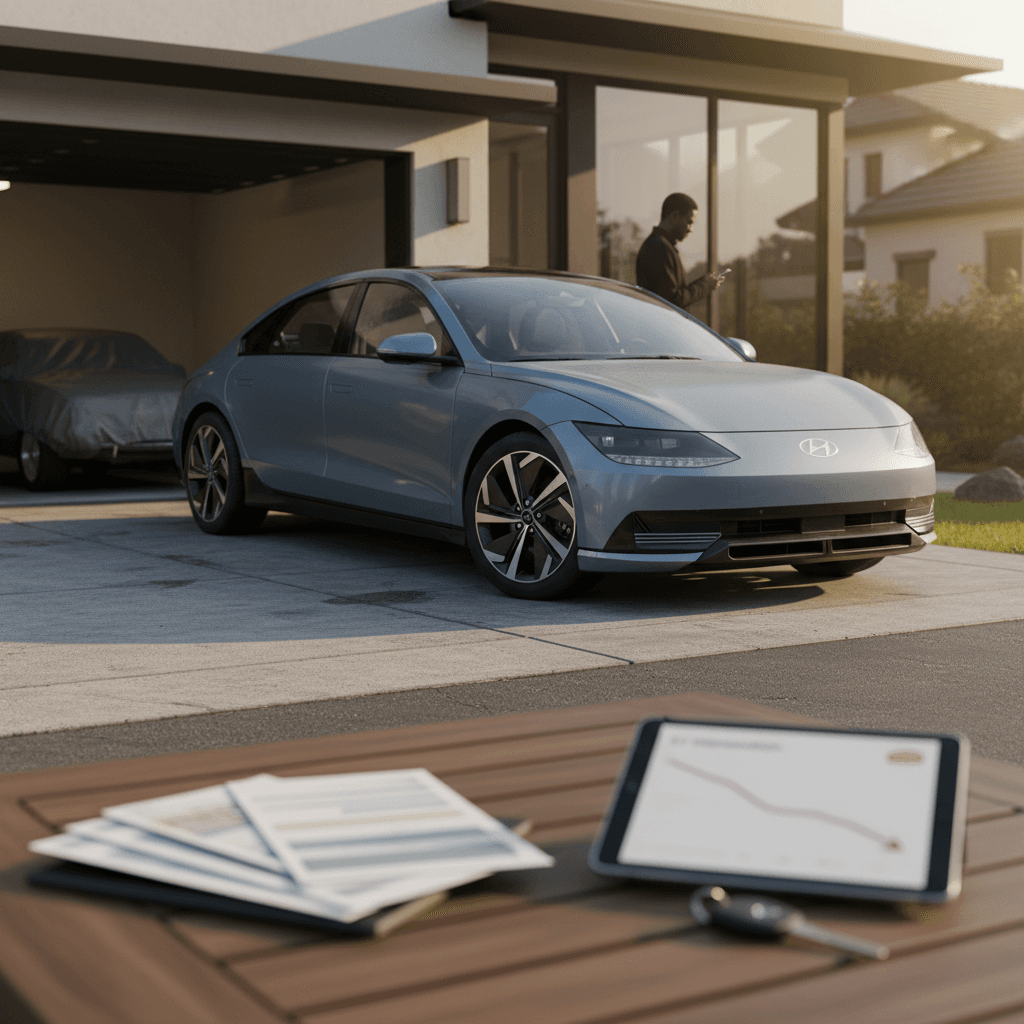
If you’re eyeing a 3‑year‑old Hyundai Ioniq 6, you’re probably wondering two things: how hard it’s already depreciated, and whether that makes it a smart buy. Early EVs in general have taken big resale hits, but the Ioniq 6 adds strong efficiency, fast‑charging, and a long battery warranty to the equation, features that can turn steep depreciation into real value for second owners.
Model years & timing
Hyundai Ioniq 6 value after 3 years: what to expect
Across the EV market, it’s common to see five‑figure depreciation in the first three years. Hyundai’s own E‑GMP platform cousin, the Ioniq 5, is tracking around 55–60% of original MSRP after 3 years, and real‑world auction and retail data suggest the Ioniq 6 is following a similar path, sometimes a bit softer because it’s newer and still finding its used‑market footing.
Hyundai Ioniq 6 value snapshot after 3 years
In plain language, that means the first owner usually absorbs the bulk of the hit. By the time you’re shopping 3‑year‑old cars, the curve is already flattening, and the remaining warranty coverage does a lot to keep risk in check, especially if you have objective data on battery health, not just mileage.
How fast does the Hyundai Ioniq 6 depreciate?
The depreciation story on the Ioniq 6 is really a mix of three forces: general EV price resets, Hyundai’s brand‑wide resale track record, and hefty new‑car incentives that never show up on the window sticker, but absolutely influence used values later.
- Year 1: The biggest drop, often 20–30% from sticker once real‑world discounts and incentives are accounted for.
- Years 2–3: Depreciation moderates but still bites, think another 10–20% combined, depending on trim, mileage, and regional demand.
- After year 3: The curve typically flattens; battery warranty and reliability reputation start to matter more than age alone.
Why headline % can be misleading
Realistic price ranges for a 3‑year‑old Ioniq 6
Exact values swing with mileage, condition, options, and local incentives, but by 3 years in, most Ioniq 6s fall into a few predictable buckets. Below is a directional guide for U.S. retail asking prices in 2026 for 2023 model‑year cars; treat it as a sanity check, not a quote.
Typical 3‑year‑old Hyundai Ioniq 6 price bands (2023 MY in 2026)
Approximate U.S. retail asking ranges assuming clean title and average mileage; high‑miles or rough condition cars can undercut these numbers, low‑miles cream‑puffs may sit above.
| Trim / Drivetrain | Original MSRP (approx.) | Typical 3‑yr price | Notes |
|---|---|---|---|
| SE Standard Range RWD | $42,000 | $23,000–$27,000 | Shortest range, often the value leader if you don’t road‑trip much. |
| SE / SEL Long Range RWD | $45,000–$48,000 | $26,000–$31,000 | Sweet spot for efficiency and price; usually plenty on the market. |
| SEL / Limited AWD | $51,000–$56,000 | $30,000–$35,000 | Higher power and more equipment, but a heavier depreciation hit from a higher MSRP. |
| Heavily optioned / low‑miles cars | Varies | $1,000–$3,000 above band | Panoramic roof, tech packages and rare colors can push asking prices higher. |
Always compare several real listings in your region; EV pricing is changing faster than traditional gas vehicles.
Use depreciation to your advantage
Why the Ioniq 6 depreciates the way it does
Key drivers of Ioniq 6 resale value
Understanding these levers helps you judge whether a specific car is fairly priced.
Aggressive EV incentives
Hyundai has used large rebates and lease cash to stay competitive against Tesla and others. That pushes real new‑car transaction prices down, and later makes used prices look softer compared with the inflated MSRP number.
Battery tech & charging
The E‑GMP platform delivers excellent efficiency and 800‑V fast charging. Those traits support resale, especially for road‑trip drivers, but they haven’t fully overcome broader EV price deflation yet.
Brand & demand
Hyundai’s resale has historically lagged brands like Toyota and Tesla. Combine that with a still‑maturing used‑EV buyer base, and you get attractive bargains for second owners.
Market‑wide EV price reset
From 2023 through 2025, the EV market went through heavy price turbulence. Tesla cut prices repeatedly, tax‑credit rules changed, and many brands dialed up rebates to keep sales moving. The Ioniq 6 was launched right into that storm, so its early depreciation is steeper than what you might see in a more stable era.
Car‑specific story
At the car level, things look better: the Ioniq 6 is efficient, comfortable, and backed by a strong battery warranty. Owner‑reported issues exist but haven’t yet translated into systemic long‑term reliability doubts. That gives it room to stabilize in years 4–7, especially if Hyundai continues to sort out software and component recalls.
Battery health & warranty: the biggest value drivers
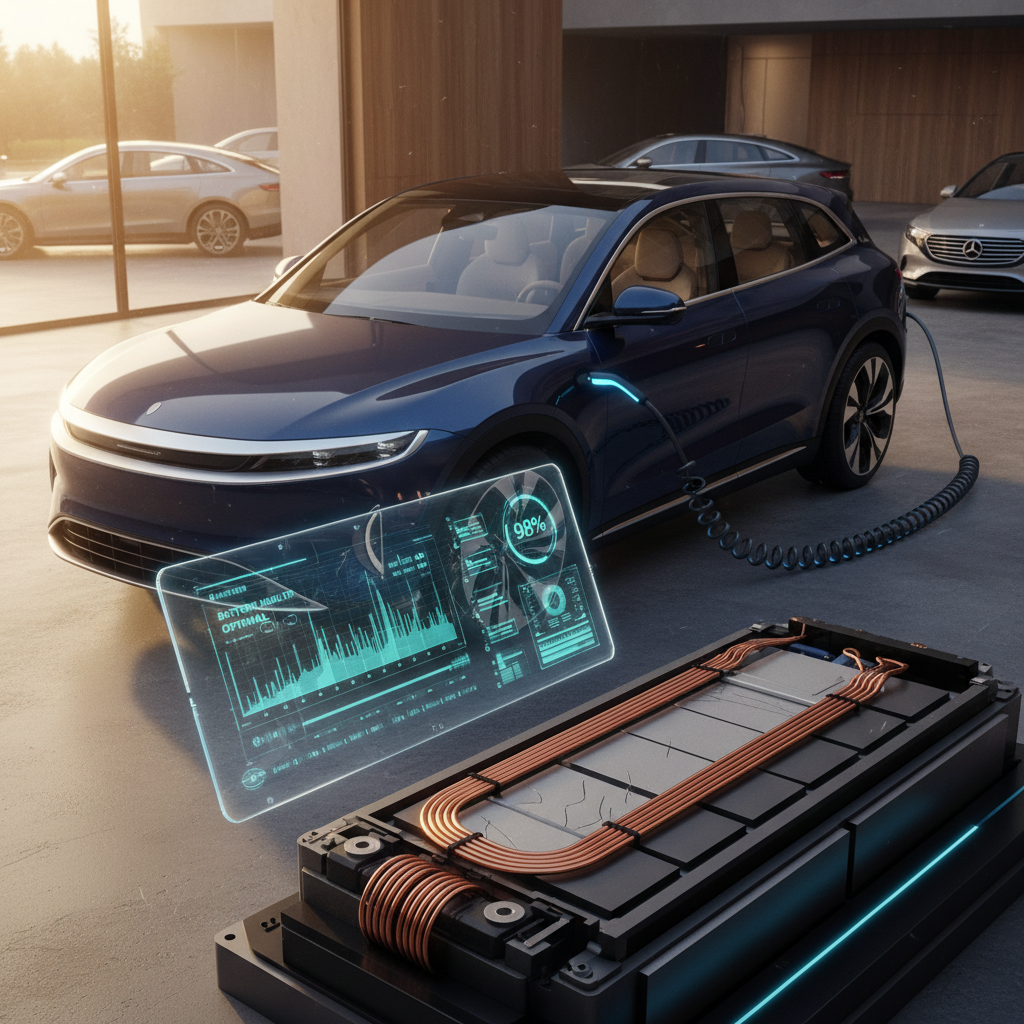
With any used EV, the battery is the asset. A three‑year‑old Ioniq 6 should still have the vast majority of its usable capacity and a long runway left on Hyundai’s high‑voltage coverage, but the exact state of that pack can swing value by thousands of dollars.
- Hyundai backs the Ioniq 6 battery with a 10‑year/100,000‑mile warranty against defects and excessive capacity loss, starting from the original in‑service date.
- At year 3 and ~36,000 miles, you typically still have 7 years and over 60,000 miles of HV battery coverage remaining.
- Real‑world owners and testing on the E‑GMP platform show modest degradation in the first few years, especially on cars that don’t fast‑charge constantly or live in extreme climates.
- Where value gets hurt is with abused packs: frequent 100% DC‑fast charging, very high or very low state‑of‑charge storage, or persistent overheating. Those patterns can show up clearly in detailed battery‑health reports.
How Recharged helps here
Ready to find your next EV?
Browse Vehicles
Ioniq 6 resale value vs Tesla Model 3 and rivals
Shoppers often cross‑shop a used Ioniq 6 against a Tesla Model 3, Hyundai Ioniq 5, Kia EV6, and sometimes compact SUVs like the Model Y or VW ID.4. Each has its own depreciation pattern, but a few broad themes stand out.
Approximate 3‑year resale value comparison
Directionally compares 3‑year value retention for popular midsize EVs, assuming similar original price and mileage. Percentages are broad market observations, not guarantees.
| Model | Approx. 3‑yr value retention | Resale reputation notes |
|---|---|---|
| Hyundai Ioniq 6 | ≈55–60% | Strong efficiency and charging help; brand perception and heavy incentives soften resale. |
| Hyundai Ioniq 5 | ≈55–60% | Very similar pattern to Ioniq 6; earlier launch means more mature used‑market data. |
| Kia EV6 | ≈55–60% | Mechanically related; resale depends heavily on incentives and regional demand. |
| Tesla Model 3 | ≈60–65% | Still the benchmark for resale, though massive price cuts in 2023–2024 compressed that advantage. |
| VW ID.4 / similar | ≈50–58% | Mixed owner reviews and incentives lead to wider swings in used pricing. |
Tesla still tends to hold a small edge overall, but Hyundai and Kia have narrowed the gap as their EVs prove themselves.
Why you might still pick the Ioniq 6
Is a 3‑year‑old Hyundai Ioniq 6 a good buy?
Great fit if…
- You want a modern, aero‑sedan EV with excellent efficiency and fast‑charging capability.
- Passenger comfort, quiet highway manners and distinctive design rank above having a hatchback.
- You like the idea of letting someone else eat the first $10k–$15k of depreciation.
- You value a long 10‑year battery warranty and are willing to buy from a source that can verify battery health.
Think twice if…
- You live in an area where public CCS fast charging is sparse or unreliable, and you road‑trip constantly.
- You’re extremely sensitive to any risk of software bugs, service campaigns or dealer inconsistency.
- You prefer the charging simplicity and ecosystem integration of Tesla’s Supercharger‑centric setup.
- You’re on a tight budget and can’t comfortably absorb unexpected out‑of‑warranty repairs once the basic bumper‑to‑bumper coverage ends.
Leasing history matters
How to evaluate a used Ioniq 6 in minutes
With depreciation already baked in, the real job is filtering the *right* 3‑year‑old Ioniq 6 from the wrong ones. Here’s a simple framework you can use whether you’re browsing at a franchise dealer, online marketplace, or a dedicated EV retailer like Recharged.
7‑step checklist for judging a 3‑year‑old Ioniq 6
1. Start with VIN and history
Run a full history report. Walk away from branded titles, undisclosed accidents, significant flood risk, or cars that spent time in regions with serious charging infrastructure gaps unless priced accordingly.
2. Confirm remaining warranty
Ask for the original in‑service date and mileage. You want a clear picture of what’s left on the 5‑year/60,000‑mile basic warranty and the 10‑year/100,000‑mile battery and electric‑drive coverage.
3. Demand a true battery‑health readout
Odometer alone doesn’t tell you how the pack has aged. Use platforms like Recharged that provide a <strong>diagnostic battery report</strong> (not just a dash guess at range) so you can compare cars objectively.
4. Check for completed recalls & campaigns
The Ioniq 6 shares hardware with other Hyundai/Kia EVs that have seen Integrated Charging Control Unit (ICCU) campaigns and 12‑volt charging fixes. Verify these are completed; it’s a positive sign, not a red flag, when they’re properly documented.
5. Inspect tires, brakes & suspension
EVs are heavy. Uneven tire wear or shudder under braking can signal past curb impacts, poor alignment, or worn components. Factor replacement costs into your offer, especially on 19‑ or 20‑inch wheels.
6. Evaluate charging behavior
If you can, observe a DC‑fast‑charge session. You’re looking for consistent ramp‑up to expected kW levels and stable operation, no sudden drop‑offs or repeated charger handshake failures that could hint at deeper issues.
7. Test all tech & driver aids
Spend time with the infotainment, over‑the‑air update settings, adaptive cruise, lane‑keep and parking sensors. Glitches aren’t uncommon in any modern EV; you want to know about them before you sign anything.
How Recharged streamlines this process
Owner experience, reliability and known issues
Three years in, the Ioniq 6 doesn’t have the decades‑long track record of, say, a Corolla, but the early signals are reasonably encouraging, with a few important caveats that should factor into price and warranty decisions.
What we’re seeing so far from Ioniq 6 owners
Patterns from early owners, service campaigns, and platform siblings like the Ioniq 5 and Kia EV6.
Drivetrain robustness
The core electric motors and reduction gearboxes have been largely trouble‑free so far, echoing the simplicity advantage most EVs have over gasoline drivetrains.
ICCU / 12‑volt campaigns
Hyundai has issued service actions for issues where the Integrated Charging Control Unit could fail and stop charging the 12‑volt system. Many cars have now had updated parts or software. A properly documented fix is a good sign.
Software & UX quirks
Some owners report bugs around driver‑assist behavior, charging‑session handshakes, or infotainment lag. These don’t necessarily tank resale, but they do make it more important to test‑drive thoroughly and confirm recent software updates.
Don’t ignore warranty transfer details
Best Ioniq 6 trims for long‑term value
Not every Ioniq 6 trim ages the same way. Three years in, some configurations are clearly better bets for value‑conscious buyers than others.
Trim choices that tend to hold up best
Prioritize usable range, efficiency and common equipment over the flashiest spec sheet.
SE / SEL Long Range RWD
For many buyers, this is the sweet spot. You get the larger battery, excellent real‑world efficiency, and simpler RWD hardware. Depreciation is meaningful, but not disproportionate, and there are usually plenty to choose from.
AWD for the right climates
SEL and Limited AWD trims bring stronger acceleration and all‑weather traction, but from a value standpoint they only make sense where snow, steep grades, or towing needs justify the extra complexity and initial cost.
Avoid ultra‑rare specs, unless priced right
Odd color combos, low‑volume options or extremely oversized wheels can narrow your buyer pool when you eventually sell. They’re fine if you love them, but don’t overpay for uniqueness alone.
If you’re chasing the best long‑term value, you’re usually better off with a well‑equipped mid‑trim car in a neutral color and common wheel size, with documented service and a clean battery report, than with the flashiest Limited AWD on oversized wheels and a riskier history.
Frequently asked questions about Ioniq 6 3‑year value
Ioniq 6 3‑year value: common questions
Bottom line: who should buy a 3‑year‑old Ioniq 6?
For the right shopper, a 3‑year‑old Hyundai Ioniq 6 is exactly where value and modern EV tech intersect. The first owner has already taken the biggest depreciation hit, yet you still inherit a sleek, efficient sedan with years of battery warranty remaining and road‑trip‑worthy charging speeds. The trade‑offs, softer brand resale compared with Tesla, evolving software, and the usual EV‑era growing pains, are real but manageable if you buy carefully.
If you drive a lot of highway miles, appreciate comfort and design, and want to keep your total cost of ownership in check, it’s worth putting the Ioniq 6 near the top of your shortlist. Just be choosy: prioritize strong battery‑health data, clean history, and a fair price relative to original equipment and today’s new‑EV deals. And if you’d like help finding that sweet‑spot car, Recharged can walk you through options, run the numbers, and deliver a vetted Ioniq 6 to your driveway without the guesswork.