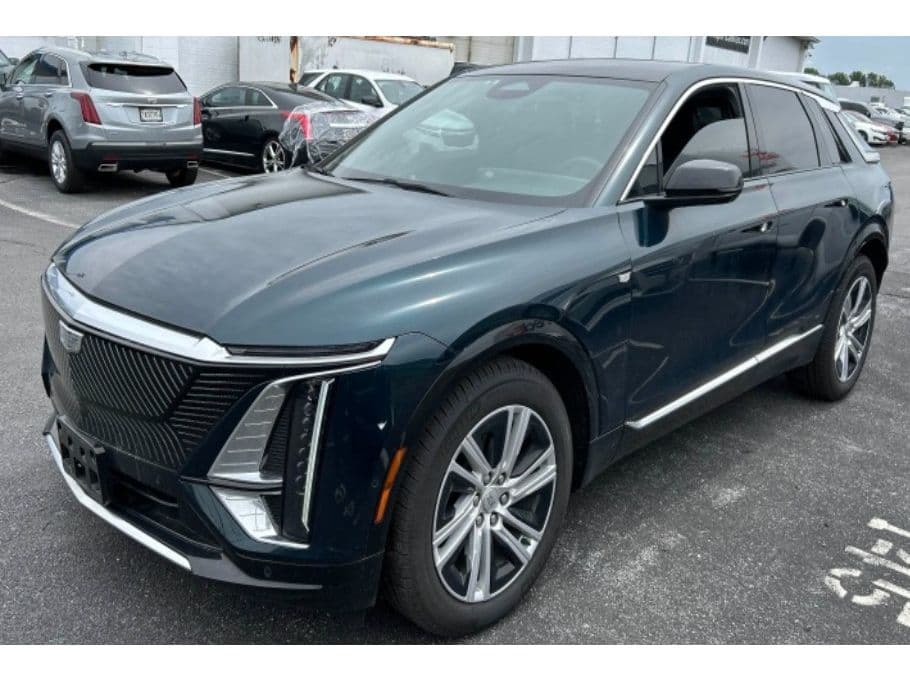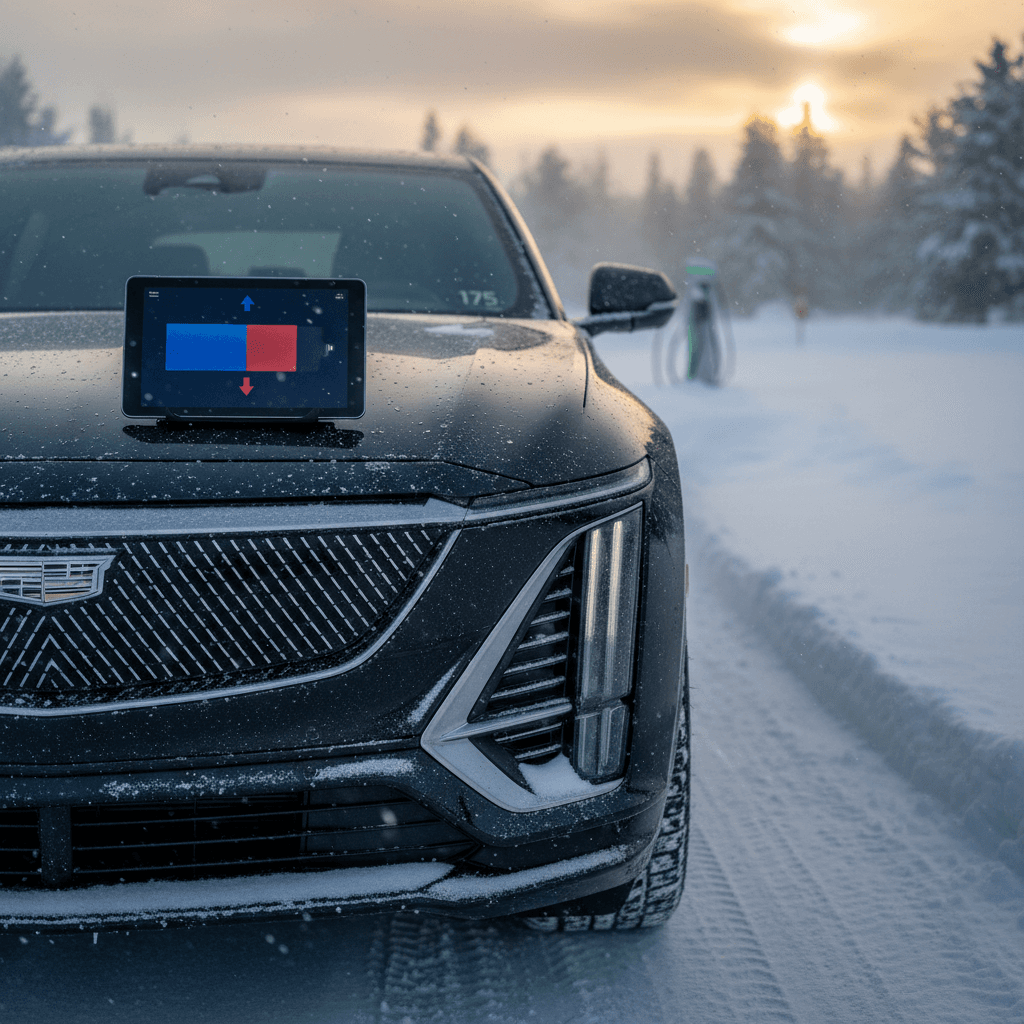
If you drive a Cadillac Lyriq in a cold climate, you’ve probably noticed that the range estimate drops as soon as temperatures dip. Understanding realistic Cadillac Lyriq winter range loss percentage helps you plan trips, choose the right charging strategy, and judge whether a new or used Lyriq actually fits your lifestyle.
Cold-weather context
Cadillac Lyriq winter range loss: quick overview
Cadillac Lyriq typical winter range impact
Those ranges are based on patterns seen across modern EVs with similar battery sizes and heating hardware. For a Lyriq rated around 308–314 miles of EPA range depending on trim and wheels, that means it’s normal to see roughly 220–260 miles of practical winter range in real-world freezing conditions, and sometimes less on very short, cold-city trips.
Why EVs lose range in cold weather
To understand any discussion of Cadillac Lyriq winter range loss percentage, it helps to know what cold weather actually does to an EV. Most of the effect isn’t unique to Cadillac; it’s just how lithium-ion batteries and electric drivetrains behave in freezing temperatures.
- Battery chemistry slows down: In cold temperatures, the chemical reactions inside the pack are less efficient. You get higher internal resistance, which means more energy lost as heat and less available power for propulsion.
- Cabin heating is energy hungry: Unlike gas cars that use engine waste heat, EVs often rely on resistive heaters and heat pumps. Keeping a big cabin like the Lyriq’s warm at 10–30°F can easily consume several kilowatts on its own.
- Tire rolling resistance increases: Colder rubber is stiffer, and winter tires (if fitted) add even more resistance. Snow and slush also increase drag.
- More auxiliary loads are running: Defrosters, seat and steering wheel heaters, lights, and wipers all draw power from the same battery that moves the car.
- Short trips never warm the pack: Repeated 5–10 minute drives are the worst case scenario. The battery never fully warms up, but you pay the same heating penalty each time you start.
Range loss vs. battery damage
Estimated Cadillac Lyriq winter range loss by temperature
Cadillac doesn’t publish an official winter range curve for the Lyriq, and real-world results depend heavily on how and where you drive. Still, based on owner patterns from similar EVs and basic physics, you can use the estimates below as a planning baseline rather than a strict rule.
Cadillac Lyriq winter range loss percentage (estimated)
Approximate short-trip range loss for a Cadillac Lyriq compared with its EPA rating, assuming normal highway speeds, moderate traffic, and regular cabin heating.
| Outside temperature | Typical loss vs. EPA | Approx. usable range (308–314 mi EPA) | Notes |
|---|---|---|---|
| 45–60°F (cool fall) | 5–10% | 280–300 mi | Barely noticeable; mostly efficiency hit from denser air and light heat use |
| 32–40°F (light winter) | 10–15% | 260–280 mi | Heater starts to matter; preconditioning helps a lot |
| 20–32°F (freezing) | 20–25% | 230–260 mi | Most common winter scenario for many owners |
| 10–20°F (very cold) | 25–35% | 200–235 mi | Short drives and city use can push toward the high end |
| Below 10°F (deep winter) | 30–40%+ | 185–215 mi (or lower for very short trips) | Expect significant loss, especially with snow, wind, and frequent stops |
These numbers are directional estimates meant for trip planning. Your actual results may be better or worse depending on speed, wind, terrain, tire choice, and how aggressively you heat the cabin.
Think of these ranges as conservative planning numbers, especially if you’re new to EVs or considering a Lyriq as your first electric SUV. Experienced drivers often learn to trim 5–10 percentage points off these losses with better habits once they understand how much preconditioning, tire choice, and speed matter.
How to sanity-check your own loss percentage
Real-world factors that change your Lyriq’s winter range
Two Lyriqs parked on the same street can see very different winter range loss percentages because of how they’re driven and equipped. Here are the biggest real-world levers that move your number up or down.
What moves your winter range up or down
Same Cadillac Lyriq, very different outcomes depending on how you use it.
Driving speed
Above 70 mph, aerodynamic drag skyrockets, especially in cold dense air.
- 60–65 mph can save 10–15% range vs. 75–80 mph.
- Strong headwinds amplify the effect.
Trip length
Short drives are the enemy of winter range.
- First 10–15 minutes mostly heat the cabin and battery.
- Longer highway legs see efficiency improve once everything is warm.
Cabin heat usage
How warm you like your cabin matters a lot.
- Cranked HVAC at 75–78°F costs noticeable range.
- Using seat and wheel heaters lets you lower cabin temp and save energy.
Road & tire conditions
Snow, slush, and winter tires increase rolling resistance.
- Expect several extra kWh/100 mi on deep winter tires.
- Underinflated tires further drag efficiency down.
Parking & storage
Garage vs. street parking changes everything.
- A mildly heated or attached garage keeps the pack warmer.
- Street-parked Lyriqs in single-digit temps start every trip at a disadvantage.
Preconditioning habits
Preconditioning while plugged in helps twice.
- Warms the cabin and the pack before departure.
- Reduces on-road heater draw and improves charging speed when you fast-charge.
Good news for highway commuters
How to reduce winter range loss in your Cadillac Lyriq
You can’t change physics, but you can stack the deck in your favor. These practical habits help lower your Cadillac Lyriq winter range loss percentage without making the car uncomfortable or inconvenient to live with.
Cold-weather habits that actually work
1. Precondition while plugged in
Use the myCadillac app or in-car settings to warm the cabin and battery before you leave, ideally while the Lyriq is still on Level 2 at home. This shifts a big chunk of heating load to your utility instead of your battery.
2. Favor seat and wheel heaters
These use much less energy than blasting hot air. Set the cabin temperature a few degrees lower than you would in a gas car and lean on the seat and steering wheel heaters to stay comfortable.
3. Combine errands into longer trips
Instead of three 10-minute hops, plan one 30-minute loop. Longer continuous drives let the battery warm up and stay warm, improving efficiency after the first few miles.
4. Drop your cruising speed a bit
On the highway, 5–10 mph slower can give you back a double-digit percentage of range in the cold, especially in an aero-heavy SUV like the Lyriq.
5. Keep tires properly inflated
Cold air shrinks tire pressure. Check your pressures regularly in winter and keep them near the placard in the door jamb. Underinflation quietly eats away at range and can affect handling.
6. Use Eco or range-optimized modes
If your Lyriq trim offers drive modes that soften throttle and HVAC response, use them on marginal days when you’re close to your distance target.
Avoid fast-charging a frozen pack when you can
Charging a Cadillac Lyriq in cold weather
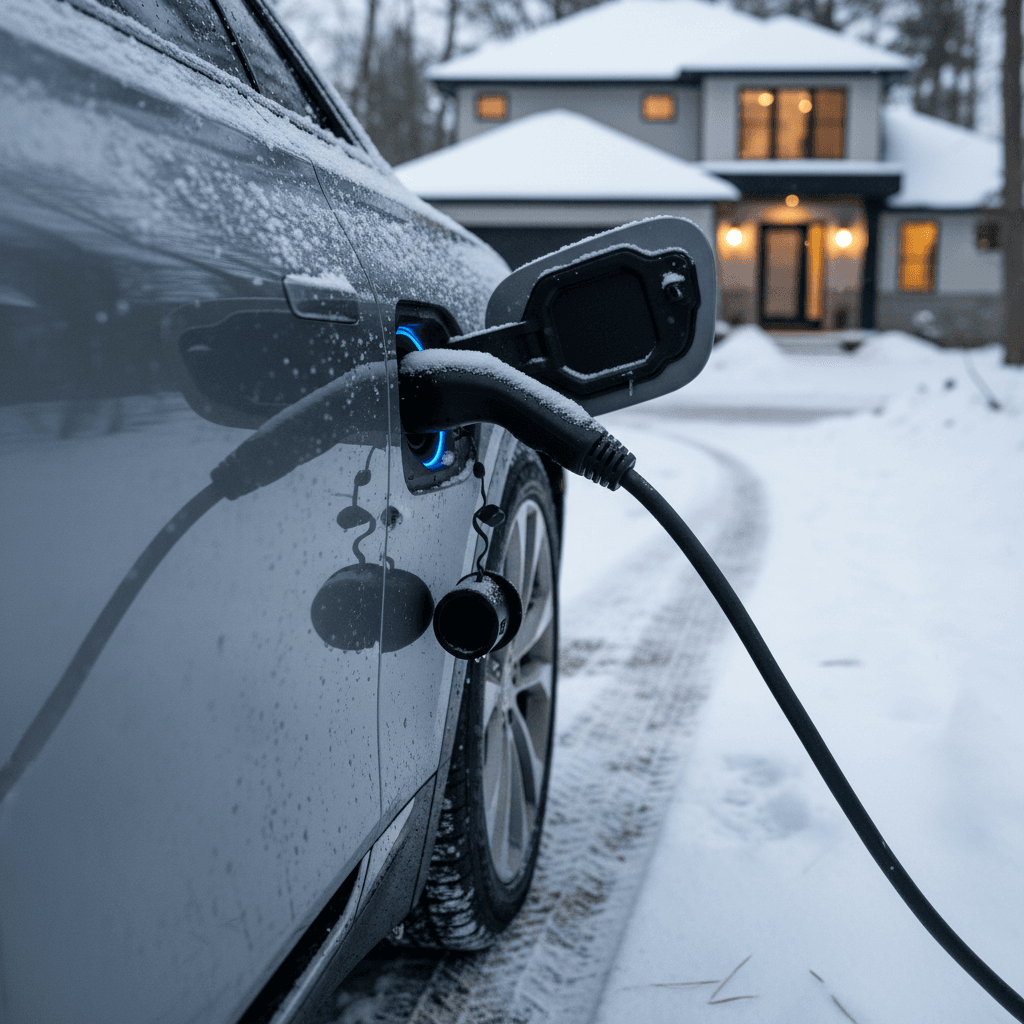
Winter range and winter charging behavior are tightly linked. How you charge your Lyriq in freezing conditions affects both how far you can go and how quickly you can get back on the road.
Home charging strategy
- Schedule departure times: Use the Lyriq’s charge scheduling to finish charging shortly before you leave. A pack that just reached its target SOC (state of charge) is warmer and more efficient.
- Level 2 beats Level 1: A 240V Level 2 charger not only fills the pack faster but also brings more heat into the system during charging.
- Don’t always charge to 100%: For daily use, 70–90% is usually enough and healthier for long-term battery life. Save full charges for road trips.
Public DC fast charging in winter
- Arrive with a warm pack: If possible, drive 20–30 minutes before fast-charging, or use built-in battery preconditioning when navigating to the charger.
- Expect slower speeds at first: In deep cold, the station may start slow while the Lyriq’s thermal system warms the pack.
- Plan more conservative stops: If your EPA-rated highway leg is 200 miles, consider planning 130–160 mile legs in single-digit temps, especially with headwinds or snow.
Thinking about a home charger?
Used Cadillac Lyriq winter range & battery health
If you’re considering a used Cadillac Lyriq, winter performance raises a different concern: is the range loss you’re seeing normal cold-weather behavior, or is it a sign of deeper battery degradation? That’s where objective battery-health data becomes valuable.
Winter questions to ask about a used Lyriq
Whether you shop locally or through Recharged, press for specifics, not just a salesperson’s reassurance that “it’s fine in winter.”
Ask for real range history
- How far does the car typically go between charges in summer vs. winter at highway speeds?
- Have previous owners done many DC fast charges, or mostly charged at home?
- Any service records related to the high-voltage battery or thermal system?
Look for a battery health report
- A proper diagnostic scan can estimate remaining capacity vs. new.
- Objective reports, like Recharged’s Recharged Score, give a verified snapshot of the pack’s condition and charging history.
- This context helps you separate normal winter loss from permanent capacity fade.
At Recharged, every used EV we list includes a Recharged Score Report that covers battery health, charging behavior, and fair-market pricing. That makes it easier to answer questions like, “Is this 12–15% winter loss just the weather, or has this Lyriq already given up 10% of its original capacity?” With verified data, you’re not guessing based on a single cold test drive.
Winter range and financing
FAQ: Cadillac Lyriq winter range loss
Frequently asked questions about Cadillac Lyriq winter range
Key takeaways for Lyriq owners and shoppers
If you’re driving or shopping for a Cadillac Lyriq in a cold-weather state, plan for a winter range loss percentage in the 20–30% range for typical freezing days, with the possibility of 30–40% in deep winter or on very short, heater-heavy trips. That’s normal behavior for a modern EV, not a sign that something’s wrong with the car. The real questions are how that range lines up with your routes, and what habits you’re willing to adopt to keep the loss on the low side.
Preconditioning, smart charging, modest highway speeds, and good tire maintenance go a long way toward preserving winter range without sacrificing comfort. If you’re evaluating a used Cadillac Lyriq, adding verified battery-health data to the picture, through tools like Recharged’s Recharged Score Report, helps you distinguish between normal seasonal behavior and long-term degradation, so you can buy with more confidence.