If you’ve started shopping for a pre-owned electric car in 2025, you’ve probably noticed something odd: used EV inventory levels feel thin, yet your feeds are full of stories about plunging EV prices and an “EV glut.” Both things are true, and understanding the tension between tight supply and soft prices is the key to shopping smart this year.
The quick take
Used EV inventory in 2025 at a glance
Used EV market snapshot, 2025
The headline is that more used EVs are selling, faster, even while wholesale values are still slipping. That combination, rising volume, falling prices, and shorter days’ supply, is the textbook definition of a market where buyers suddenly have leverage, but not endless choice.
Why used EV inventory is tighter than you think
On paper, 2025 should be the year of overflowing used EV lots. A record wave of EVs sold and leased in 2021–2023 is finally hitting its first trade‑in and off‑lease cycle. Yet several structural forces are keeping used EV inventory constrained compared with gas cars.
Four forces shaping 2025 used EV supply
Big volumes on the horizon, but a squeeze in the here‑and‑now
1. The pandemic hole in lease returns
Overall vehicle lease volumes plunged in 2020–2022. That means fewer three‑ to five‑year‑old vehicles of any kind returning to the market in 2025. EVs are a growing slice of a smaller used‑vehicle pie.
2. EV lease spike is mostly a 2026 story
EV leasing exploded in 2023–2024, but those cars don’t hit used lots in force until 2026 and beyond. Industry forecasts show EV lease returns dipping slightly in 2025, then surging more than 200% in 2026. The real off‑lease EV wave is still offshore.
3. Aggressive new‑EV incentives
Automakers have been stuffing new EVs with incentives and subsidized leases. For many lessees, it’s cheaper to roll into a new lease than buy out the old one, so fewer well‑kept EVs are joining the used pool this year.
4. Growing trust in EV longevity
Early fears that EV batteries would be toast by year eight simply haven’t materialized at scale. Many owners are keeping their EVs longer, especially if they don’t see a compelling new‑model upgrade, which further crimps late‑model supply.
Don’t confuse headlines with your local lot
How many used EVs are actually on the market?
Precise used EV inventory counts change week by week, but several 2025 data points give us a clear shape of the market. Think of it this way: there are more used EVs than ever before, yet they still represent a slim slice of the overall used‑car universe.
Used EV inventory vs. the wider used‑car market, 2025
How used EV supply, turnover, and pricing stack up against all used vehicles in 2025.
| Metric (U.S., 2025) | Used EVs | All Used Vehicles | What it means for you |
|---|---|---|---|
| Share of used retail sales | ~2–3% of units | 100% | EVs are still a niche slice of used sales, even as they grow quickly. |
| YOY change in used EV sales (mid‑2025) | +40% | Low single digits | EVs are the growth engine of the used market; demand is outpacing supply. |
| Average days’ supply (mid‑2025) | ~40 days | ~45–50 days | Used EVs tend to turn faster than the average used vehicle. |
| Wholesale price change vs. 2024 (early 2025) | ≈ –3.2% | ≈ –0.9% | EVs are depreciating faster, putting downward pressure on retail prices. |
| Share of wholesale auction volume (Q1 2025) | ~2.7–2.9% | 100% | A record share of auction lanes are now EVs, signaling more selection for dealers. |
Used EVs are a small but rapidly growing corner of the used‑vehicle market, with tighter supply and steeper depreciation than gas cars.
The key takeaway is counterintuitive: used EVs look scarce and abundant at the same time. Scarce, because they’re still only a few percent of all used vehicles and turn quickly. Abundant, because compared with 2022–2023, there are many more choices, across more brands, with more realistic pricing.

Prices, depreciation, and days’ supply
Inventory levels only matter in context of what’s happening to prices and how fast cars are moving. In 2025, the used EV story is defined by heavier depreciation than gas vehicles, but also by stabilizing values compared with the wild swings of 2022–2023.
Wholesale values: EVs take a bigger hit
At major wholesale auctions, where many franchise and independent dealers get their inventory, EVs saw roughly triple the year‑over‑year price decline of gas vehicles in early 2025. That reflects both the pullback in new‑EV pricing and lingering consumer anxiety about batteries.
For you, that means there’s more room between auction cost and retail asking price than there used to be. A savvy shopper with good data can capture a meaningful slice of that spread.
Retail prices: down from peaks, nudging toward stability
On the retail side, average listing prices for used EVs eased into the mid‑$30,000s in 2025, down sharply from the pandemic peaks and roughly in line with well‑equipped crossovers. In some segments, compact sedans and hatchbacks, late‑model EVs now undercut similar gas cars on price.
The most liquid used EVs, think Tesla Model 3 and Model Y, still move quickly when they’re priced right, even as headline prices drift down.
What tight but softening used EV pricing means for buyers
It’s not 2021 anymore, and that’s good news for your wallet.
1. Less overpaying for hype
The 2021–2022 mania pushed some used EVs above MSRP. Those days are gone. In 2025, pricing is driven more by fundamentals: battery health, range, and equipment, not fear of missing out.
2. Real negotiation room
Dealers know EV values are still drifting downward year‑over‑year. That creates more willingness to negotiate on older inventory or on models with weaker demand, especially if their floorplan clock is ticking.
3. Condition and battery reports matter more
As pricing compresses, the way a car is presented matters. Listings with transparent battery‑health data, clean histories, and fresh reconditioning stand out and can command slightly firmer prices than mystery cars.
Use days’ supply as your secret weapon
Who has the metal: where used EV inventory lives
Not all corners of the market are created equal. In 2025, used EV inventory is highly concentrated by brand, model, geography, and channel.
Where you’ll actually find used EVs in 2025
Follow the fleets, follow the sun, follow the software.
1. Tesla still dominates, but less so
Tesla models, especially the Model 3 and Model Y, remain the backbone of the used EV market. In 2025 they account for nearly 40% of one‑ to five‑year‑old used EV sales.
However, their share is slowly easing as more Hyundai, Ford, VW, and GM products age into the used pool.
2. Big three states: CA, TX, FL
California still leads in used EV inventory, but Texas and Florida have joined it as heavyweights. Together, those three states represent nearly half of used EV volume. If you live elsewhere, you’re often shopping across state lines, or online.
3. Online‑first retailers and marketplaces
Because used EVs are thin on the ground in many local markets, more inventory sits with online‑focused platforms that can source nationally and deliver. That’s where Recharged plays: a focused marketplace for used EVs, with nationwide delivery and transparent battery health data.
Meanwhile, at the wholesale level, EVs now make up the highest share of auction lane volume on record. That helps dealers experiment with EV inventory without betting the store, but it also means the best units can change hands before they ever hit a public listing.
Watch for problem‑child inventory
Shopping strategies when used EV inventory is tight
In a market where the best used EVs are outnumbered by the merely okay, how you shop matters almost as much as what you buy. Here’s how to tilt the odds in your favor in 2025.
2025 playbook for buying a used EV in a tight market
1. Decide on range and charging needs first
Before you fall in love with a badge, be ruthless about your minimum acceptable range, charging access, and climate. If you need 250 real‑world miles in winter and DC fast‑charge capability, that instantly filters the field and keeps you from wasting time on under‑spec’d bargains.
2. Shop nationally, not just locally
Used EV inventory is lumpy. A car that’s rare in your ZIP code may be common two states away. Use marketplaces and retailers that can <strong>deliver nationwide</strong>, and compare total cost (vehicle + shipping or delivery), not just sticker price.
3. Make battery health non‑negotiable
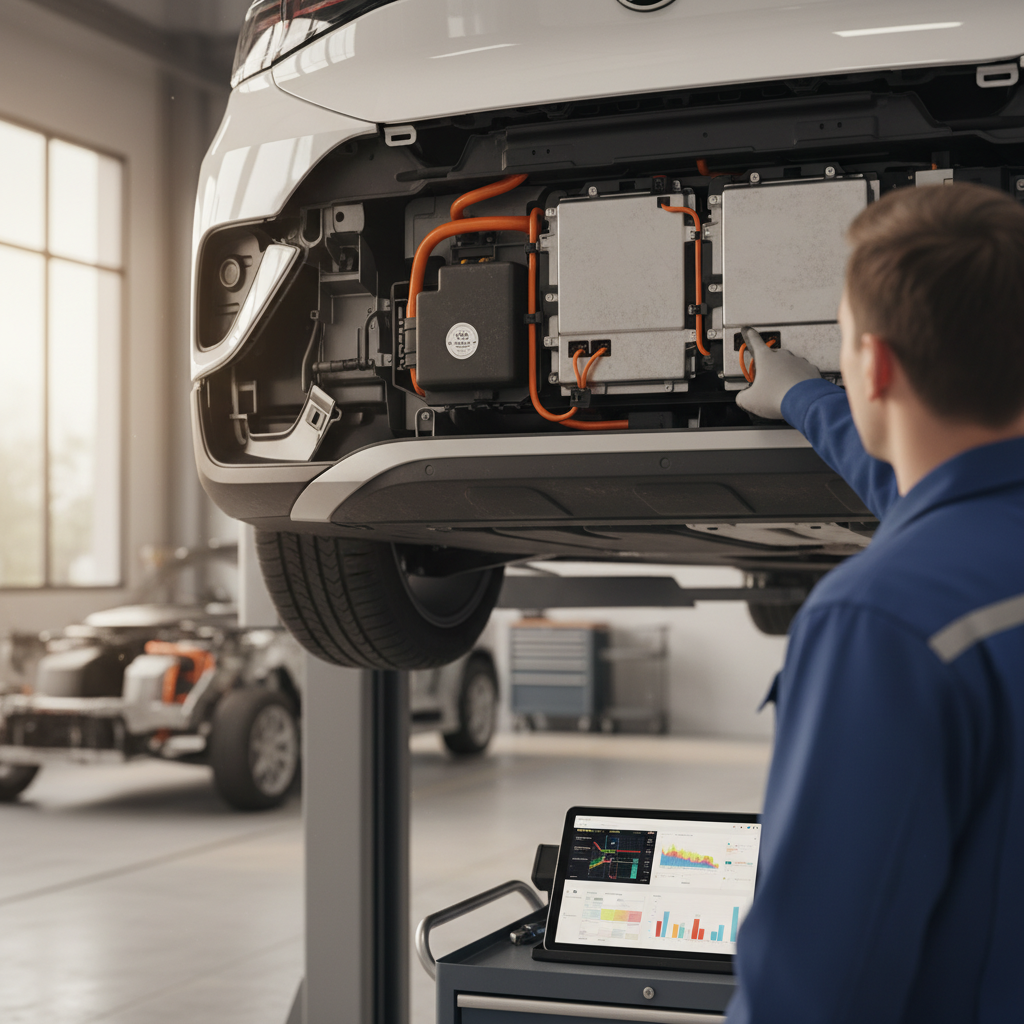
Treat battery data the way you’d treat a pre‑purchase inspection on a classic car. Look for listings that provide <strong>verified state‑of‑health metrics</strong>, not just guesswork based on the dash display. At Recharged, that’s baked into every Recharged Score report.
4. Use market data to time your move
Seasonality still matters. Tax‑refund season, expiring incentives, and new‑model launches can all temporarily swell used inventory and pressure prices. Pay attention to days’ supply trends and be ready to move quickly when your spec car appears.
5. Be flexible on color and trim, firm on chemistry
With limited selection, insisting on a specific paint color can be self‑sabotage. Better to compromise on aesthetics and be picky about <strong>battery chemistry, warranty status, and fast‑charge performance</strong>, the stuff you feel every day.
6. Run the total cost of ownership math
A slightly higher purchase price on a used EV with healthy battery, cheaper home charging, and lower maintenance can pencil out better than a ‘deal’ that needs tires, brakes, and a big range haircut in three years.
Where Recharged fits in
How Recharged helps you navigate a thin market
Most used‑car infrastructure was built for gas vehicles: you kick the tires, sniff the exhaust, try the radio, and call it good. EVs are different. Their value lives in software, cells, and charging curves. When inventory is tight, you can’t afford to be wrong about any of that.
Recharged Score battery diagnostics
Every EV on Recharged comes with a Recharged Score Report that measures usable battery capacity, estimated real‑world range, and charging performance. That lets you compare a five‑year‑old hatchback in Oregon to a three‑year‑old crossover in Virginia on equal footing.
Market‑aligned pricing and financing
Our pricing teams live in the data, wholesale indices, regional days’ supply, and current retail listings, so you’re not paying 2022 money for a 2025 car. Add in EV‑savvy financing options and you get a clear, apples‑to‑apples payment picture versus gas alternatives.
Trade‑in, instant offer, and consignment
Already own an EV? Recharged can value your trade, make an instant offer, or list it on consignment. That helps free up more quality used EV inventory for the next owner, and makes your upgrade path smoother.
If you’re near Richmond, VA, you can also visit the Recharged Experience Center to see vehicles in person, talk through charging and ownership questions with EV specialists, and test‑drive before your car is delivered.
FAQ: Used EV inventory levels in 2025
Common questions about 2025 used EV supply
The bottom line on 2025 used EV inventory
Used EV inventory levels in 2025 occupy a strange middle ground. There’s finally enough volume for real choice, yet still too little for casual, walk‑up‑and‑buy shopping in many ZIP codes. Prices are no longer unhinged, but they’re not collapsing either. For you as a buyer, that’s actually a sweet spot, if you use data, stay flexible, and refuse to compromise on battery health.
If you want help navigating that maze, Recharged exists for precisely this moment. Every car we list comes with a Recharged Score battery‑health report, market‑aligned pricing, EV‑savvy financing, and the option to trade in or consign your current vehicle, with delivery right to your driveway. In a world of thin inventories, that combination is how you turn a tricky used‑EV market into an opportunity.