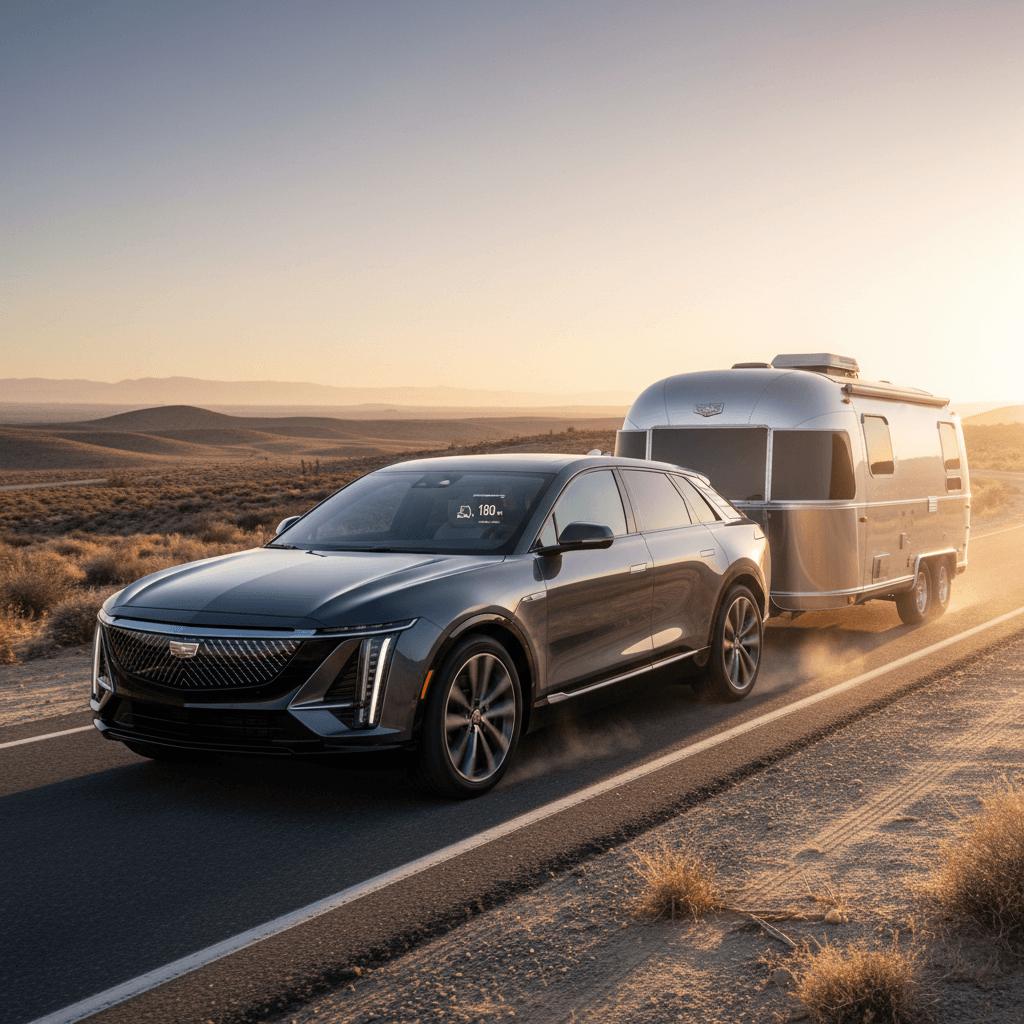
If you’re eyeing a Cadillac Lyriq to tow a small camper, boat, or utility trailer, you’re probably asking two questions: How much can it tow? and how much range will I lose? This guide walks through Cadillac Lyriq towing capacity and realistic range loss so you can plan trips without white‑knuckle range anxiety.
Quick snapshot
Cadillac Lyriq towing: what you need to know
Not every Lyriq is created equal when it comes to towing. Cadillac offers an optional factory tow package on many trims, but some early or lower-spec models may not have it. Towing without that package isn’t recommended, both for safety and warranty reasons. Before you hitch up, it’s critical to understand your specific Lyriq’s tow rating, tongue weight limit, and payload capacity.
- Only Lyriqs with the factory tow package are rated for towing.
- Maximum rating is designed for braked trailers; unbraked limits are lower.
- Payload (people + cargo + tongue weight) often becomes the real bottleneck, not the tow rating.
- Range loss from towing can easily turn a 300‑mile SUV into a 150‑mile tow vehicle.
Always check your door‑jamb label
Cadillac Lyriq factory towing capacity by configuration
Exact ratings can vary slightly by model year and equipment, but most U.S.‑spec Lyriq models with the factory towing package fall into the same general ballpark. Think of the figures below as a starting framework; always verify your specific VIN and owner’s manual.
Typical Cadillac Lyriq towing specs (factory tow package)
Representative ratings for common Lyriq configurations. Always confirm your own vehicle’s label and manual.
| Lyriq configuration | Drive | Typical max trailer weight (braked) | Approx. tongue weight limit | Notes |
|---|---|---|---|---|
| Standard battery, Luxury trim w/ tow package | RWD | 3,500 lb | ~350 lb | Most common tow‑rated configuration |
| Standard battery, Sport or higher trims w/ tow package | AWD | 3,500 lb | ~350 lb | Extra traction, same rating |
| Lyriq without factory tow package | RWD/AWD | Not rated | N/A | Hitch receivers do not make these vehicles tow‑rated |
| European markets (for reference only) | RWD/AWD | Similar or lower | Varies by law | Regional rules may cap ratings differently |
Use these figures as planning guides, not legal limits.
Don’t forget payload
How much range the Cadillac Lyriq loses while towing
Towing range is where expectations often collide with reality. A rear‑drive Lyriq can approach 300 miles of EPA range unloaded, but bolt on a camper and that number shrinks fast. The big culprits are aerodynamic drag from tall trailers and the extra mass you’re pulling.
Typical Cadillac Lyriq range loss when towing
For planning, many EV owners use a simple rule of thumb: assume you’ll get about half of your normal highway range when towing a sizable box trailer. With the Lyriq, that means designing trips around 120–160 miles between fast‑charge stops, not 250–300.
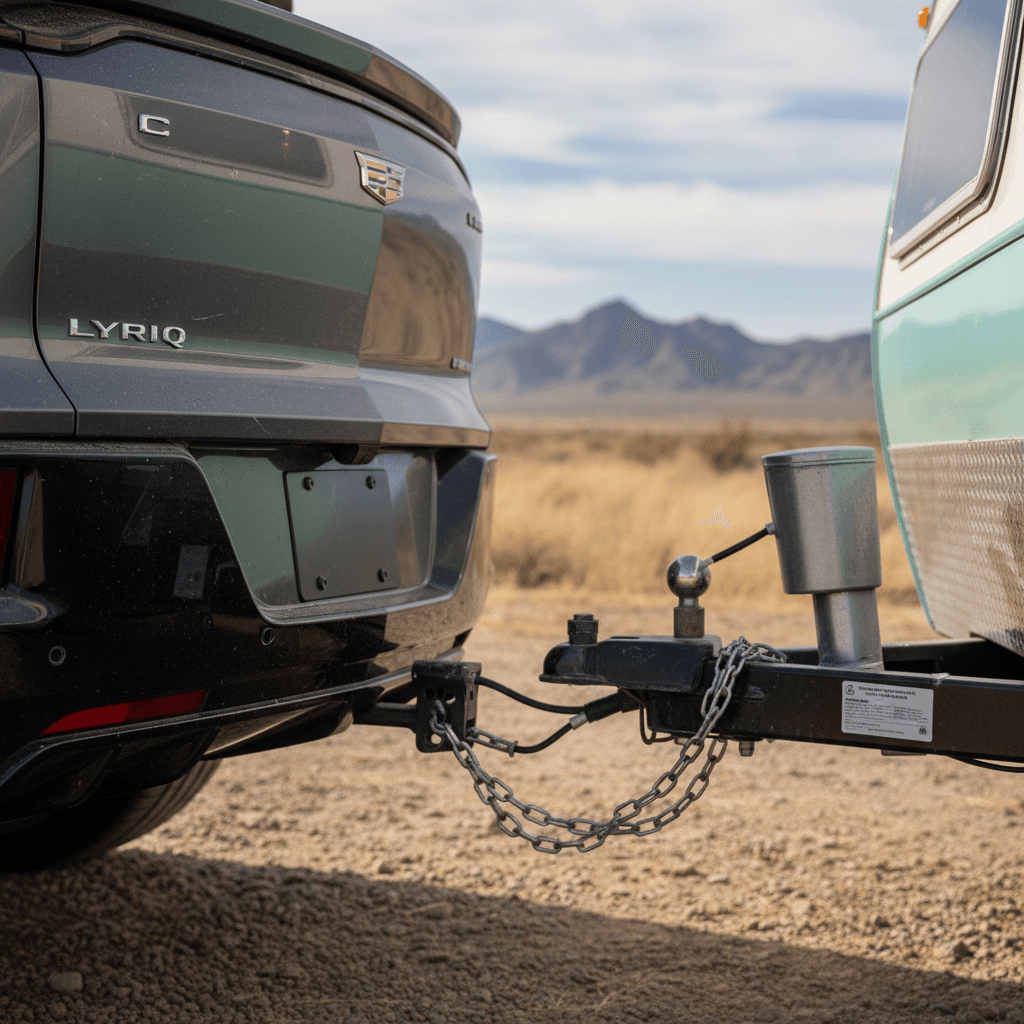
Real‑world Cadillac Lyriq towing scenarios and estimates
Let’s translate percentages into something more usable: how many miles you can reasonably plan for on a charge. The examples below assume a Lyriq with roughly 300 miles of EPA range and typical U.S. highway speeds (60–70 mph). Your numbers will move up or down with weather, speed, terrain, and driving style.
Sample Lyriq towing scenarios
These aren’t lab numbers, they’re planning ranges that build in a safety buffer.
Light utility trailer
Setup: 1,200–1,800 lb open utility or small boat trailer.
- Estimated range loss: 15–25%
- Usable highway range: 220–255 miles
- Best for: Yard projects, motorcycles, jet skis.
Compact travel trailer
Setup: 2,000–2,800 lb single‑axle camper, modest height.
- Estimated range loss: 30–40%
- Usable highway range: 180–210 miles
- Best for: Weekend camping within one state.
Tall boxy camper near max
Setup: 3,000–3,500 lb, tall frontal area, family + gear.
- Estimated range loss: 40–50%+
- Usable highway range: 140–180 miles
- Best for: Shorter hops with frequent fast charging.
Don’t plan to 0%
5 factors that change Lyriq range loss when towing
Two Lyriq owners can tow almost identical trailers and see very different consumption. That’s because towing efficiency is highly sensitive to how and where you drive. Keep these five variables in mind when you’re trying to predict range.
Key drivers of range loss while towing
1. Speed and aerodynamics
Above about 55 mph, <strong>air resistance grows quickly</strong>. A tall, flat‑front trailer at 70 mph can burn dramatically more energy than the same trailer at 60 mph.
2. Trailer weight and rolling resistance
More mass means more work getting moving and climbing hills. Heavier dual‑axle trailers also add rolling resistance through extra tires and bearings.
3. Terrain and elevation
Long grades, mountain passes, and constant rolling hills all chew through range. You’ll claw some of that back on descents with regen, but not all of it.
4. Weather and temperature
Cold weather thickens lubricants and increases HVAC loads. Strong headwinds or crosswinds can spike drag even on an otherwise efficient setup.
5. Load in the Lyriq itself
Passengers, cargo, roof boxes, and hitch‑mounted racks all add weight and sometimes drag. It’s easy to underestimate how much you’re actually hauling.
Use energy instead of miles
Trip planning and charging strategy when towing a Lyriq
Towing with an EV isn’t hard, but it does require thinking like a logistics manager. Your stops come more often and last a bit longer, especially if you’re sharing chargers with other drivers. Careful planning keeps the trip relaxing instead of stressful.
1. Shorten your legs on purpose
When towing a boxy trailer, plan charging stops every 120–160 miles instead of stretching to 200+. That gives you a cushion for headwinds, detours, or a busy charger where you need to skip a station.
Map your route around DC fast chargers you can reach even with 40–50% extra consumption. Apps like PlugShare, Chargeway, and the networks’ own apps help filter for pull‑through or trailer‑friendly stations.
2. Aim for the fast part of the charging curve
Like most EVs, the Lyriq charges fastest from around 10–60%. On tow trips, it’s often quicker overall to stop more often for short sessions in that window than to go from 5–90% in one long stretch.
Think in segments: drive 90–120 minutes, charge 20–30 minutes, repeat. That rhythm tends to work well for both the battery and the people in the car.
Charging tactics that work well when towing
Small adjustments add up to smoother EV tow trips.
Prioritize easy access
Look for pull‑through or edge stalls so you don’t have to unhitch. If that’s not available, plan extra time to drop the trailer safely before you plug in.
Charge when you’re stopped anyway
Try to align charging with meals and breaks. It’s easier to tolerate a 30‑minute session when you’re already grabbing lunch or stretching your legs.
Monitor chargers ahead
Use network apps to see stall availability and power levels before you arrive. If the next station is heavily used, consider stopping a bit earlier at a quieter site.
Use your Lyriq’s nav smarts
Protecting your Lyriq’s battery when you tow
Towing itself doesn’t doom an EV battery, but heavy loads and frequent DC fast charging do add stress. The goal is to stay within what the pack’s thermal and charging systems can comfortably handle, especially if you plan to keep the vehicle long term or you’re shopping the used market.
- Avoid repeated full‑throttle launches with a heavy trailer; build speed gradually.
- Keep speeds reasonable, energy use and battery temps climb fast above 70 mph when towing.
- In hot weather, don’t immediately fast‑charge from 5% after a long climb; let the pack cool a bit if possible.
- On multi‑day trips, charge to 80–90% overnight instead of 100% unless you need the extra buffer first thing in the morning.
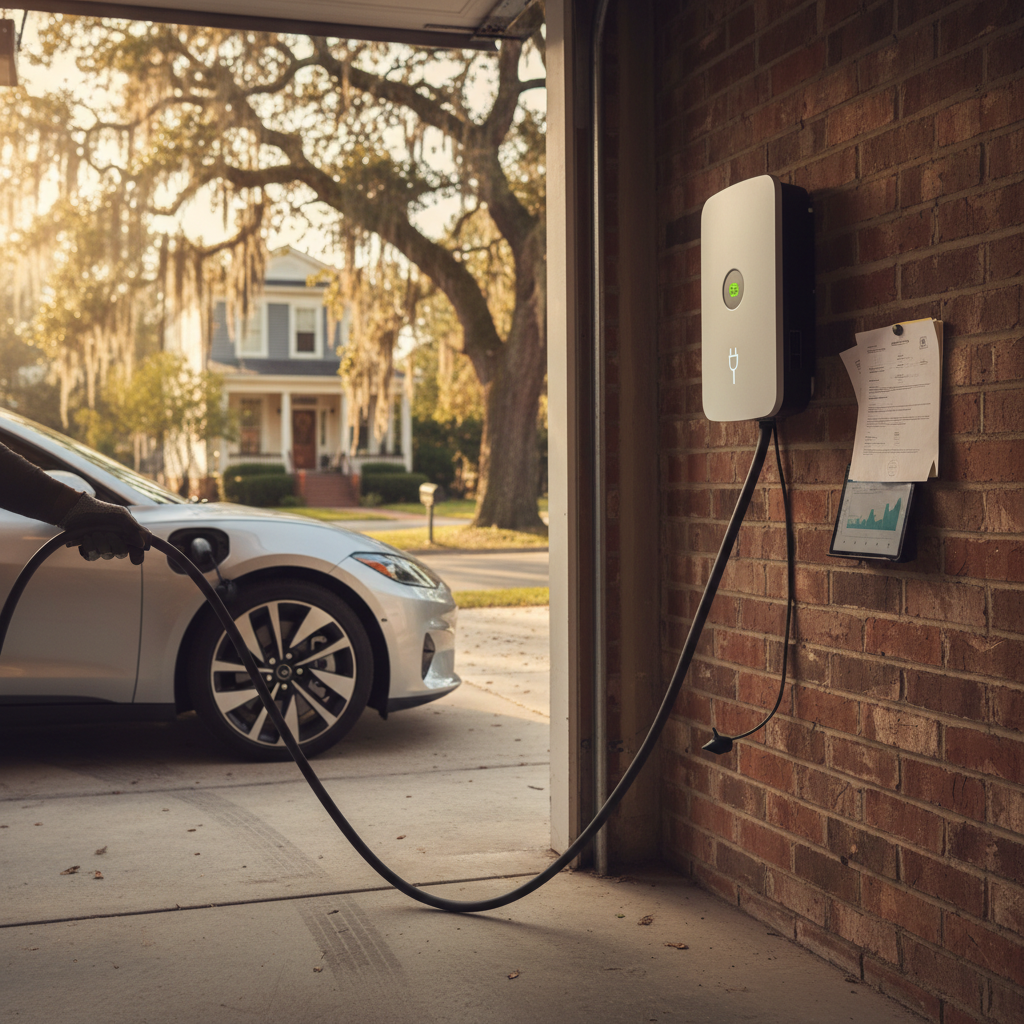
- When you’re home, use Level 2 AC charging for recovery instead of relying on DC fast charging.
What about long‑term degradation?
Checklist for buying a used Cadillac Lyriq for towing
If you’re shopping for a used Lyriq with towing in mind, you face two extra layers of homework: confirming that the SUV is actually tow‑rated and making sure previous owners didn’t abuse it with heavy loads and poor charging habits. That’s exactly the kind of due diligence Recharged built its buying experience around.
Used Lyriq towing buyer checklist
1. Confirm the factory tow package
Look for a <strong>factory‑installed receiver hitch and wiring</strong>, and cross‑check the window sticker or build sheet if available. Aftermarket hitches on non‑rated Lyriqs are a red flag if you plan to tow near capacity.
2. Inspect the hitch and wiring
Check for rust, bent components, or damaged wiring around the connector. Excessive wear can indicate frequent heavy towing or backing incidents.
3. Review battery health
Ask for a <strong>battery health report</strong> or diagnostic scan. At Recharged, every vehicle comes with a Recharged Score Report that verifies pack health and charging history, so you’re not guessing how the previous owner used it.
4. Look for uneven tire and brake wear
Unusual rear tire wear or tired brakes may hint at repeated heavy towing or overloading. It’s not a deal‑breaker on its own, but it should factor into pricing and negotiation.
5. Test‑drive with weight if possible
If the seller is amenable, a short drive with cargo in the back can help you gauge how the Lyriq handles under load, listen for clunks around the hitch and feel for any instability.
6. Ask about road‑trip and fast‑charging habits
A Lyriq that spent its life on long‑distance road trips towing near max weight and fast‑charging daily deserves closer scrutiny than a local commuter that only occasionally pulled a small trailer.
How Recharged can help
Ready to find your next EV?
Browse VehiclesCadillac Lyriq towing & range loss: FAQ
Frequently asked questions about Lyriq towing
Bottom line: Is the Cadillac Lyriq good for towing?
If your towing needs center on small campers, boats, or utility trailers a few times a year, the Cadillac Lyriq can be a capable and comfortable tow partner, provided you have the factory tow package and you’re realistic about range loss. Plan for 30–50% less range on highway tow trips, build your route around reliable DC fast‑charging, and keep an eye on payload and speeds. Do that, and the Lyriq delivers the quiet, torque‑rich towing experience EVs are known for, without turning every trip into a math problem.
If you’re considering a used Cadillac Lyriq as a tow vehicle, it pays to dig into battery health and towing history. That’s where Recharged’s combination of the Recharged Score battery diagnostics, transparent pricing, and EV‑specialist guidance comes in. You can shop and compare used EVs online, understand exactly how a given Lyriq has been used, and decide with confidence whether it fits the way you tow today, and the way you plan to tow tomorrow.