If you’re thinking about buying an electric car right now, you’re not alone, and you’re not early anymore. In 2024, EVs reached roughly 10% of new light-duty vehicle sales in the U.S., and sales in 2025 are still growing even as incentives shift and headlines turn choppy. That mix of momentum and uncertainty is exactly why doing your homework before signing a contract matters more than ever.
The EV market in one glance
Why buying an electric car feels different in 2025
Buying an EV used to mean picking from a short list of expensive, early‑adopter models. Today, there are dozens of choices across segments, from compact hatchbacks to three‑row SUVs and electric pickups. At the same time, incentives are changing, tariffs are in flux, and interest rates remain higher than they were a few years ago. That combination makes 2025 a year where you can get a good deal, but only if you understand the moving parts: total cost of ownership, charging, battery health, and how to navigate new vs. used.
Key upsides and trade-offs of going electric
If you’re on the fence, start here.
Why drivers switch to EVs
- Lower running costs: Electricity is typically cheaper per mile than gasoline, especially if you can charge at home off‑peak.
- Less maintenance: No oil changes, fewer moving parts, and regenerative braking that reduces wear.
- Instant torque: Smooth, quiet acceleration that makes even modest EVs feel quick in city driving.
- Home "refueling": Start each day with a full “tank” if you have a driveway or garage.
Where EVs can still frustrate
- Charging access: Apartment and street parkers may rely heavily on public charging, which is less convenient and more expensive.
- Road trips: Fast‑charging networks have improved but can still mean planning and occasional waits.
- Up‑front price: EVs still tend to sticker higher than comparable gas cars, even if incentives and lower running costs help.
- Policy volatility: Tax credits and tariffs are shifting in 2025, which affects pricing and availability.
Quick take: Is an electric car right for you?
5-minute fit check for first-time EV buyers
1. Your daily mileage
Add up your typical weekday driving. If you’re under 60–80 miles per day, almost any modern EV will cover your routine easily, even with some battery degradation in a used car.
2. Your parking situation
If you have a <strong>driveway, garage, or deeded parking</strong> with access to electricity, an EV is much easier to live with. If you park on the street, you’ll want to research local public charging options before you buy.
3. Your road-trip patterns
Do you regularly drive 300+ miles in a day? If so, look at models with strong DC fast‑charging (150 kW or higher) and map out fast chargers along your usual routes.
4. Your ownership horizon
EVs make the most financial sense if you plan to keep the car at least 4–6 years, so you can spread the higher purchase price over lower running costs.
5. Your budget comfort zone
Run the numbers on <strong>total monthly cost</strong>: payment, insurance, electricity, and any home charging install, not just the sticker price.
The true cost of owning an EV
How EV ownership costs stack up
New EVs can cost more up front than comparable gasoline cars, but the equation changes once you factor in fuel, maintenance, and incentives. Home charging often makes your “fuel” bill significantly lower, and the lack of oil changes and exhaust systems helps on maintenance. Insurance can be slightly higher, especially on newer, higher‑value models, and parts availability can still slow some repairs. For many drivers who can charge at home, the monthly cost picture ends up being closer than the sticker prices suggest, sometimes lower, especially on used EVs that have already taken their initial depreciation hit.
Where EVs usually save you money
- Fuel: Even with rising electricity prices in some regions, cost per mile is typically lower than gasoline, especially on off‑peak utility rates.
- Maintenance: No engine oil, spark plugs, timing belts, or transmission fluid changes. Brake pads last longer because of regenerative braking.
- State and local perks: Some states and utilities still offer rebates on vehicles or home chargers, plus discounted EV rates.
Where EVs can cost more
- Up‑front price: Many new EVs still sit above $45,000, though used prices have fallen sharply since 2022.
- Insurance: Higher vehicle values and specialized repair procedures can push premiums up, especially for newer models.
- Public fast charging: Per‑kWh or per‑minute pricing at fast chargers can erode some of the fuel savings versus home charging.
Run a real total-cost comparison
EV incentives and why timing matters in 2025
Incentives have been a major driver of EV adoption, and 2025 is a transition year. Federal clean‑vehicle credits, state programs, and new tariffs are reshaping price tags in ways most buyers don’t see until they’re sitting in the finance office. The headline: buying an electric car this year could be thousands cheaper, or more expensive, depending on how and when you do it.
- Federal clean-vehicle credits continue to favor EVs that meet North American assembly and battery sourcing rules. Some models qualify for the full credit, some for partial, and others for none.
- Used EVs can be eligible for a separate tax credit when purchased through a dealer, subject to income and price caps.
- Several states still layer on additional rebates or tax incentives for EV purchases or home charger installations, while a few have added new registration fees for EVs.
- Tariffs on imported vehicles and battery components are adding cost pressure to some models, even as automakers and dealers discount to keep sales moving.
Watch the fine print on incentives
Charging at home and on the road
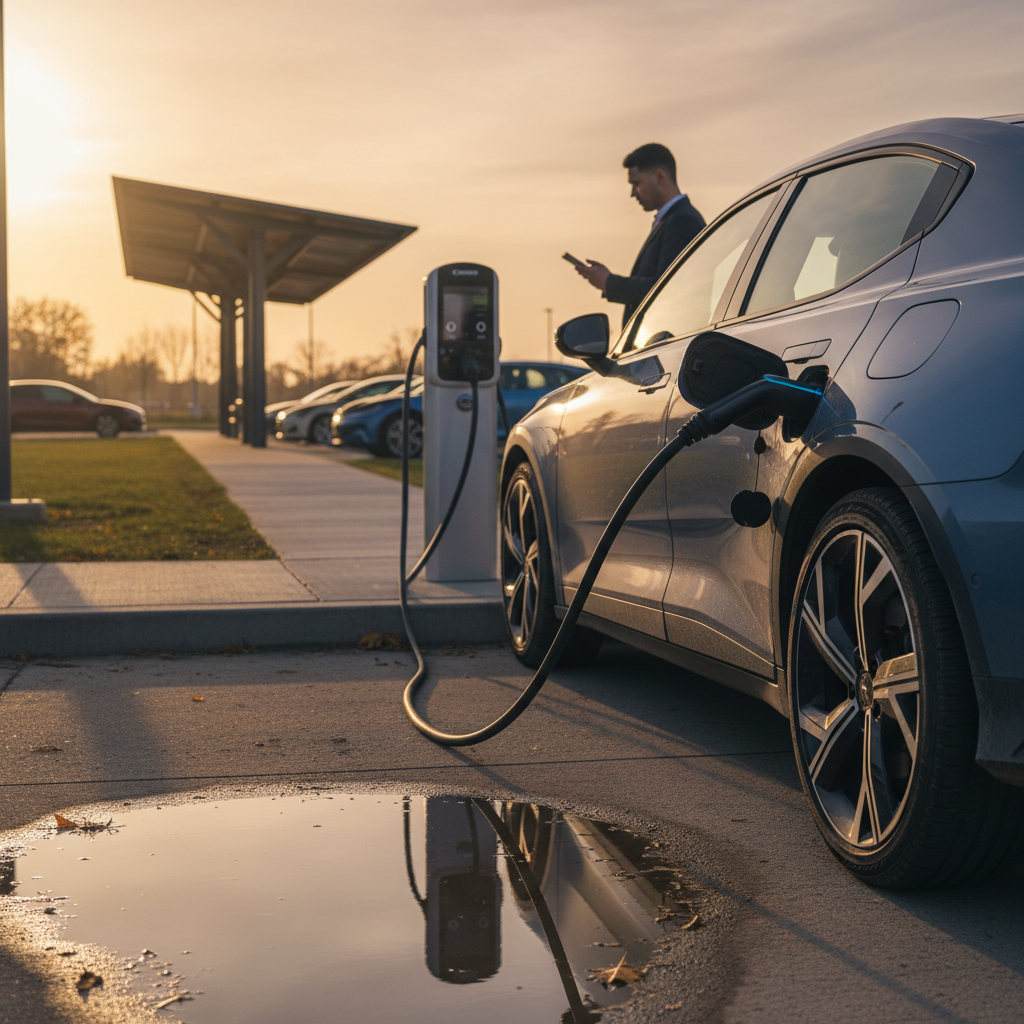
The happiest EV owners have a reliable place to plug in. In practice, that usually means Level 2 home charging plus public fast charging for road trips. Before buying an electric car, sketch out how you’ll handle both your daily driving and the long hauls.
Your main EV charging options
Think in terms of where you park most nights.
Level 1 (standard outlet)
Uses a regular 120‑volt outlet. Adds roughly 3–5 miles of range per hour of charging.
- Fine for very short commutes.
- Often too slow if you regularly drive more than 30–40 miles per day.
Level 2 (240V home or workplace)
Uses a 240‑volt circuit, like an electric dryer. Adds 20–40 miles of range per hour.
- Ideal for overnight charging at home.
- May require a new circuit or panel work; get a quote before you buy.
DC fast charging (public)
High‑power chargers typically located along highways and in urban hubs.
- Can add 150+ miles of range in 20–30 minutes on many newer EVs.
- Best for road trips, not daily use, due to cost and battery wear.
Safety check before you plug in
Battery health and range: What really matters
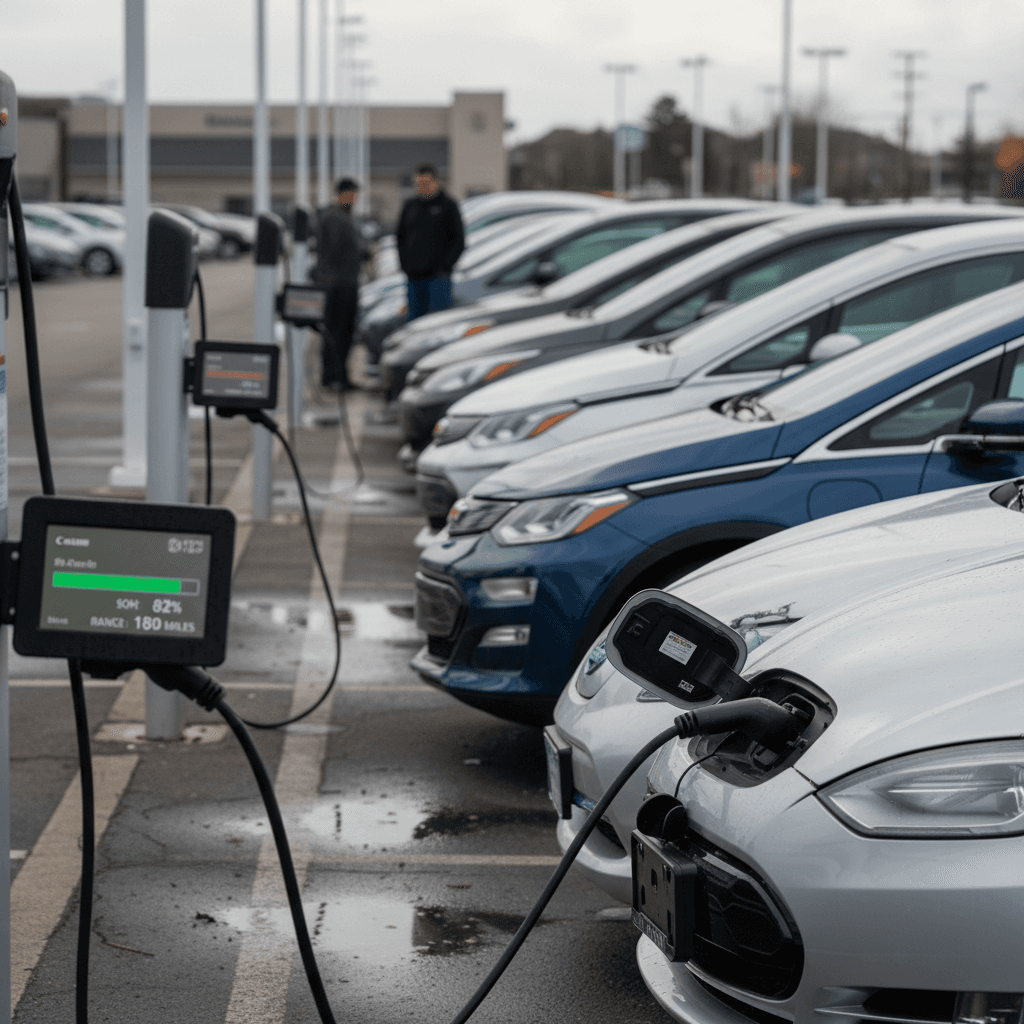
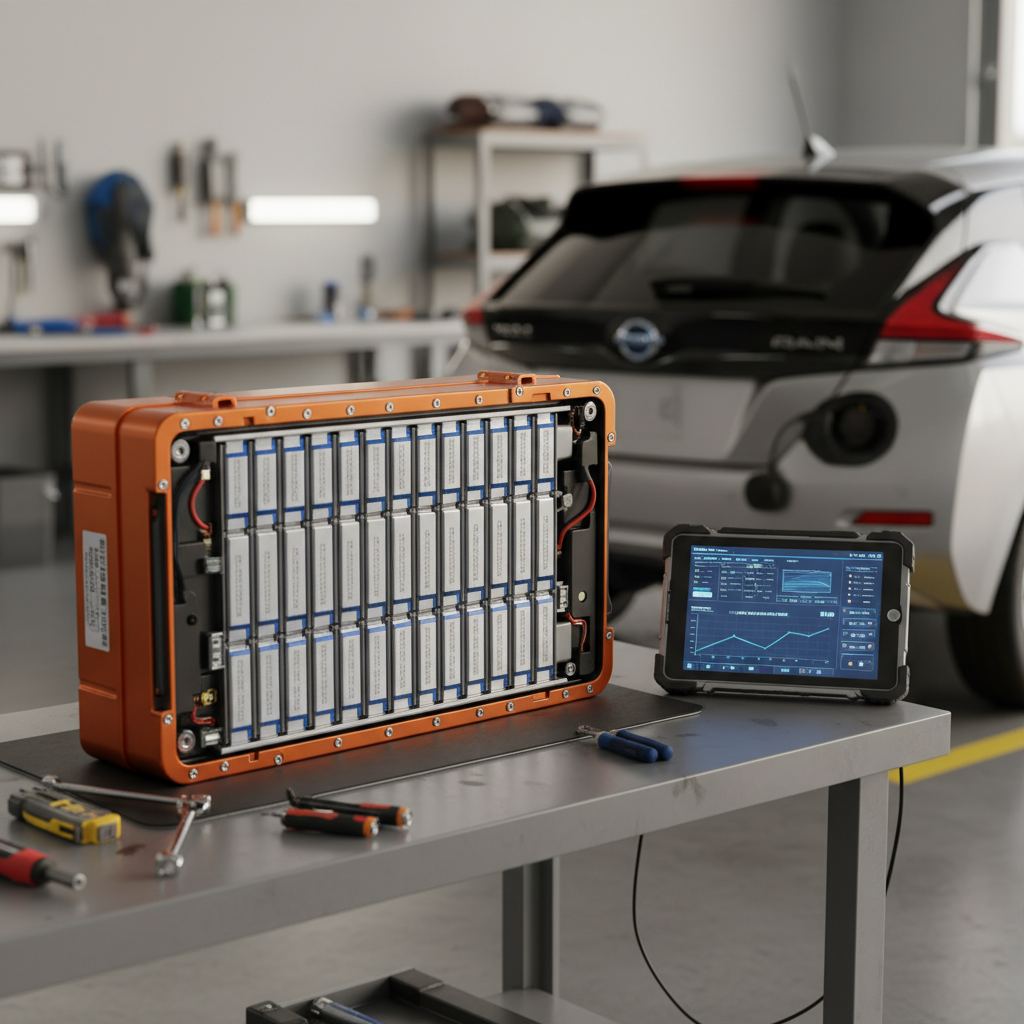
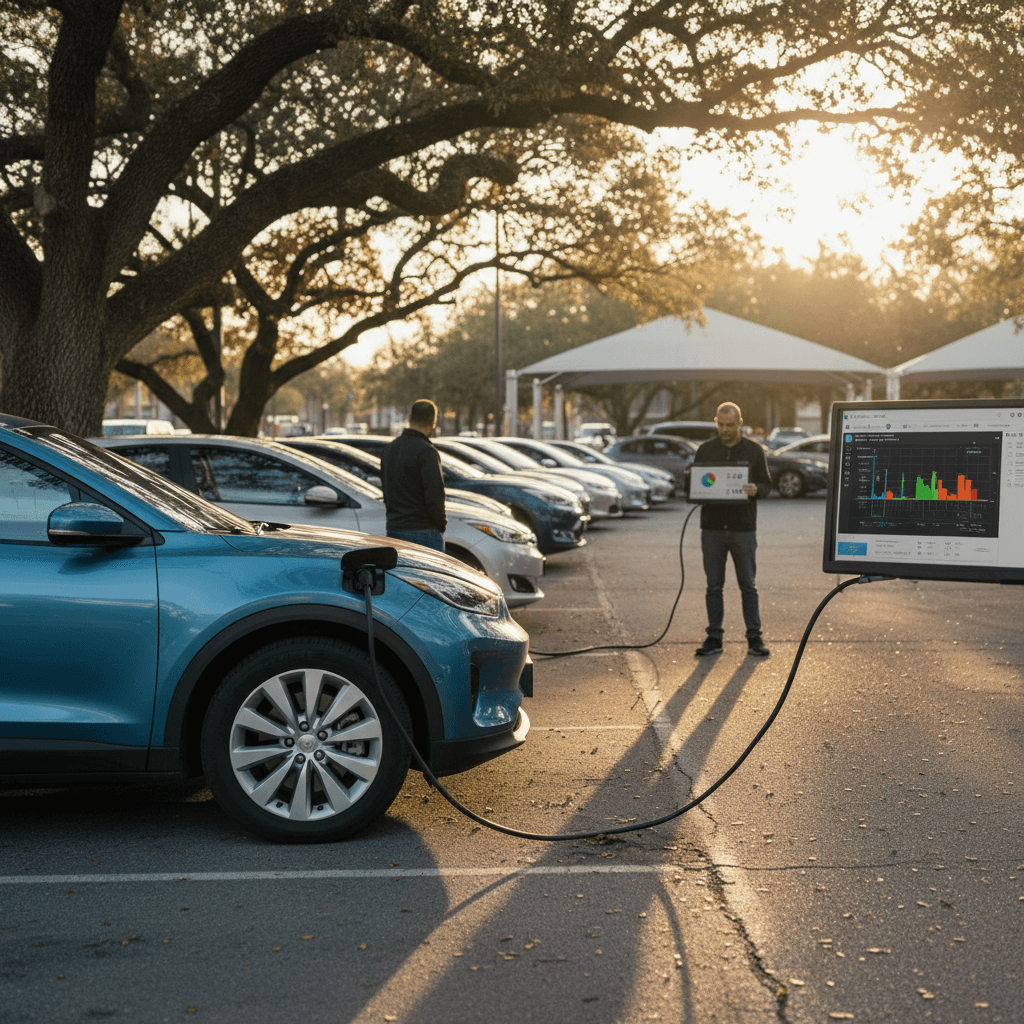
Battery health is the EV equivalent of engine condition in a gas car. All lithium‑ion batteries lose some capacity over time, but the rate of degradation depends on how the car has been driven, charged, and stored. Heat, frequent fast charging, and keeping the battery at 100% for long stretches can all speed things up. That’s why you should treat range claims on a spec sheet as a starting point, not a guarantee.
- New EVs commonly advertise 220–320 miles of range; expect somewhat less in winter or at highway speeds.
- Used EVs may have lost 5–20% of original capacity depending on age, mileage, and usage.
- Cold weather, high speeds, and rooftop cargo boxes all reduce real‑world range.
- Many automakers provide battery warranties around 8 years/100,000 miles, sometimes more on specific components.
How Recharged handles battery health
Buying a used electric car: Bigger savings, different risks
Used EVs are where many shoppers find the sweet spot between price and technology. Depreciation has been steep on some models, especially earlier long‑range cars and luxury trims, which means you can sometimes buy a three‑ or four‑year‑old EV for a fraction of its original MSRP. The trade‑off: more variation in battery health, shorter remaining warranty coverage, and a wider spread in how previous owners actually used the car.
New vs. used electric cars at a glance
There’s no one right answer, only what fits your budget, risk tolerance, and driving habits.
| Decision factor | New EV | Used EV |
|---|---|---|
| Up-front price | Highest, often $45k+ | Lower; steep depreciation can mean good deals |
| Incentives | Most likely to qualify for current federal/state credits | Some models qualify for used-EV credit via dealers |
| Battery health | Full capacity, covered by full warranty | Capacity loss varies; must be checked carefully |
| Tech and features | Latest driver-assist, charging speeds, software | May lack newest range or charging improvements |
| Monthly cost | Higher payment but lower maintenance/fuel | Lower payment; maintenance and battery risk depend on age/miles |
Use this table as a starting point, then compare specific models and offers.
Why marketplaces matter for used EVs
How to test-drive and evaluate an EV
A 10‑minute spin around the block won’t tell you much about an EV. You’re buying a very quiet, very torquey computer on wheels, and software, charging behavior, and comfort can matter just as much as spec‑sheet performance. When you get behind the wheel, use the time to judge both how the car feels and how it fits into your daily routine.
What to check on an EV test drive
1. Charging info on the screen
Dig into the charging menus. Can you easily set charge limits and schedules? Does the car show nearby chargers with pricing and availability?
2. One-pedal driving and regen
Try different regenerative braking settings. Some drivers love strong regen and barely touch the brake pedal; others prefer a more traditional feel.
3. Ride, noise, and seats
EVs feel different because there’s no engine noise masking road and wind sounds. Pay attention to seat comfort and how the suspension handles rough pavement.
4. Infotainment and controls
Are the menus intuitive? Do climate controls require too many taps? How well does your phone connect for navigation and music?
5. Real-world efficiency
On a longer test drive, watch the energy use readout. If possible, include some highway and some stop‑and‑go driving to see how efficiency fluctuates.
Financing, trade-ins, and working with dealers
Financing an EV looks a lot like financing any other car, loan terms, interest rates, and trade‑in values all apply. The difference is that some lenders, OEMs, and dealers run EV‑specific programs: lower APRs, free home charger bundles, or prepaid charging credits. In 2025, with incentives shifting and tariffs in play, many dealers are also getting more aggressive on discounts, especially for models that have piled up on lots.
Traditional dealer route
- Negotiate price, trade‑in, and financing in person.
- Good if you need to see and drive multiple models the same day.
- Can be time‑consuming, and EV expertise varies widely by store.
Digital-first marketplaces
- Shop, finance, and sign paperwork online, with pricing that reflects actual battery health.
- Access to nationwide inventory and home delivery rather than just local dealer stock.
- At Recharged, EV specialists guide you through incentives, charging setup, and trade‑in options, including instant offers or consignment for your current vehicle.
Leverage your trade-in
Ready to find your next EV?
Browse VehiclesStep-by-step checklist for buying an electric car
From first search to charging your new EV
1. Clarify your driving needs
Write down your daily miles, how often you road‑trip, how long you plan to keep the car, and where you park at night. This will narrow your range and charging requirements quickly.
2. Set a total monthly budget
Decide what you can afford including payment, insurance, electricity, and a realistic home‑charging install. Don’t forget potential tax credits or rebates that might offset costs.
3. Shortlist 3–5 models
Compare range, charging speeds, interior space, and driver‑assist features. Include at least one used option; falling used EV prices can make a big difference in monthly cost.
4. Check incentives and eligibility
Use official federal and state resources, or an EV‑savvy retailer, to confirm which credits you and each vehicle qualify for. Rules can change mid‑year, so rely on up‑to‑date information.
5. Evaluate battery health (especially used)
Request a battery health report or diagnostics, not just odometer readings. On Recharged, the Recharged Score makes this standard on every vehicle we list.
6. Arrange financing and trade-in
Get pre‑qualified with your bank or a marketplace like Recharged, then compare offers. Use your trade‑in as leverage; you’re free to walk away if the numbers don’t add up.
7. Plan your charging setup
Schedule a licensed electrician to quote a Level 2 charger install if needed, or line up workplace/public options if home charging isn’t available.
8. Take a meaningful test drive
Drive the car in conditions that mirror your real life, highway speeds, hills, rough pavement, and spend time in the menus so there are no surprises after delivery.
Buying an electric car: FAQ
Common questions about buying an electric car
Bottom line on buying an electric car
Buying an electric car in 2025 isn’t a niche experiment anymore, it’s a mainstream decision with real upsides and a few new variables to respect. If you understand your driving patterns, have a credible plan for charging, and take battery health seriously (especially on used vehicles), an EV can deliver lower running costs, a quieter commute, and a better ownership experience than many gas cars.
The details matter: which incentives you actually qualify for, how a specific model charges on the routes you drive, and how the battery has aged in any used car you’re considering. That’s where leaning on EV‑focused retailers can help. At Recharged, every used EV comes with a Recharged Score battery report, transparent pricing tied to that data, and EV‑specialist support from first search to nationwide delivery. Whether you buy from Recharged or elsewhere, take the time to ask the battery questions, run the total‑cost numbers, and build a charging plan. Do that, and buying an electric car becomes less of a leap and more of a smart, informed upgrade.