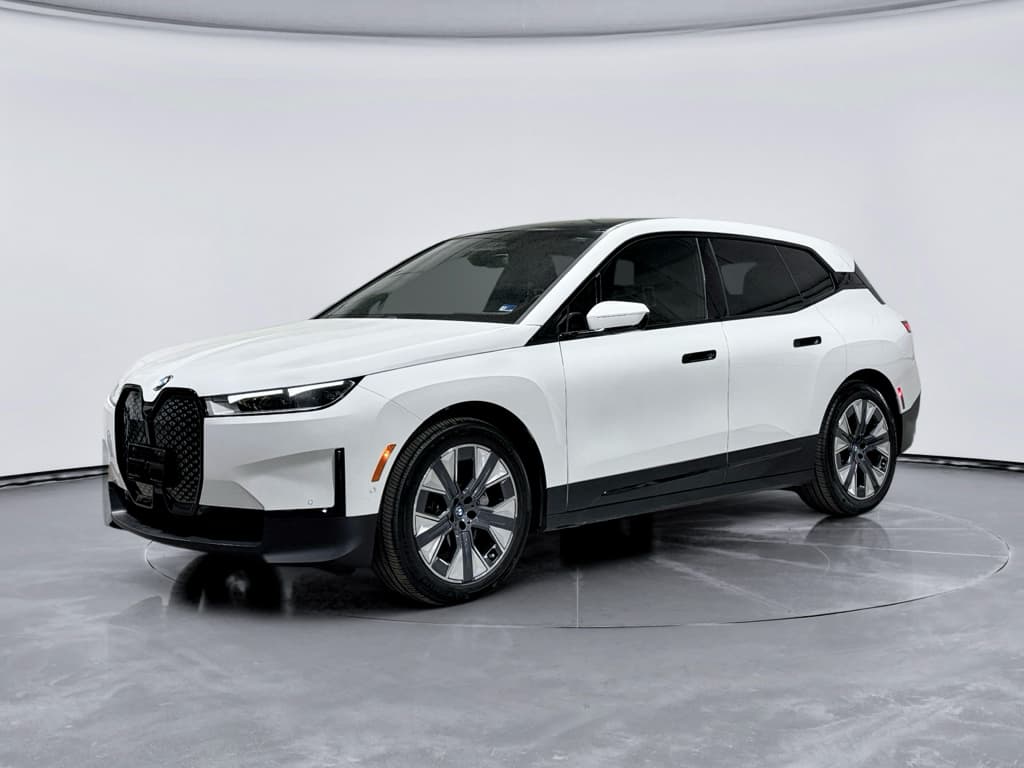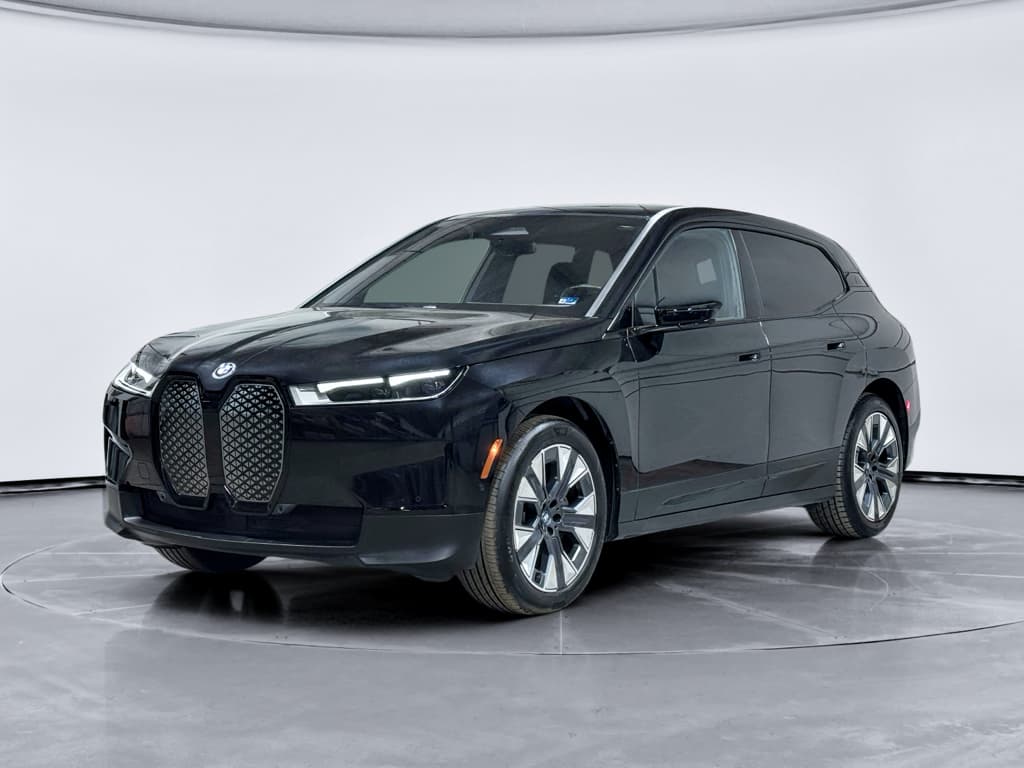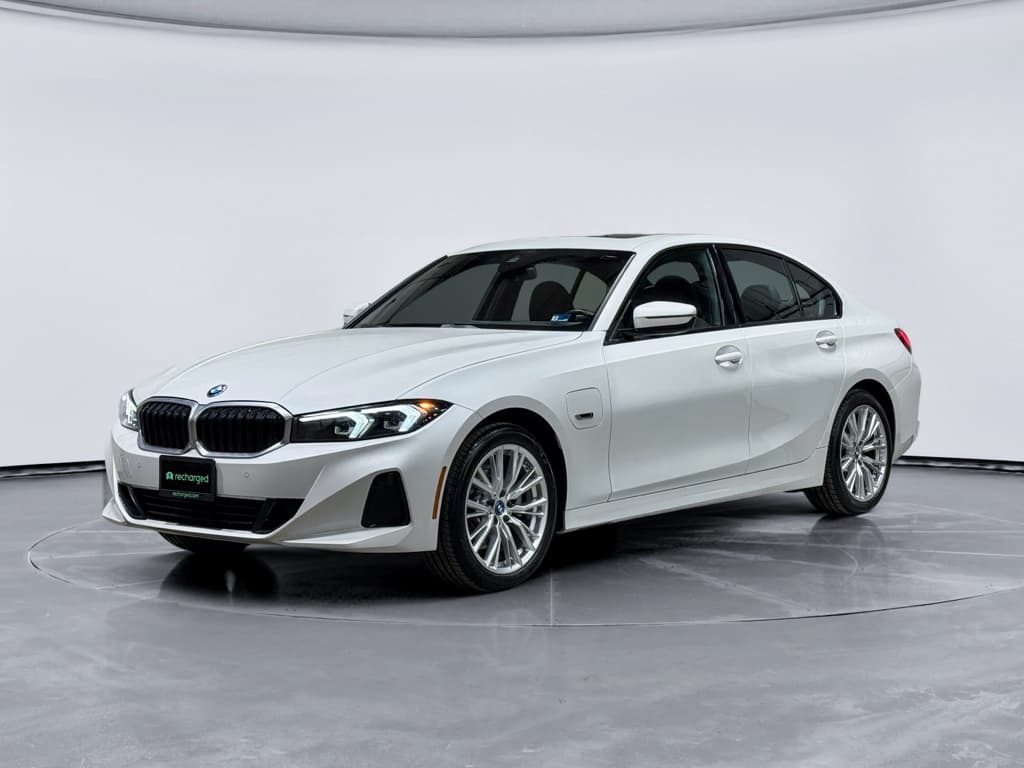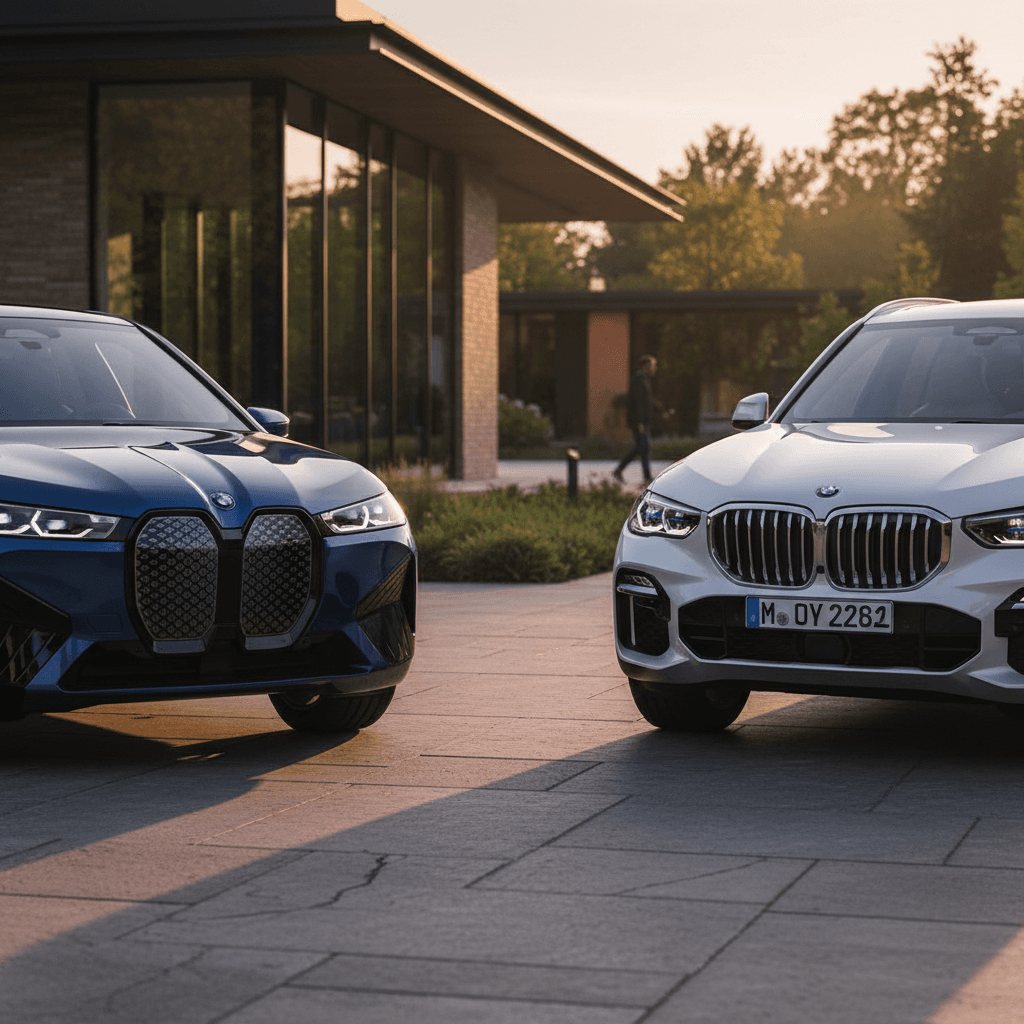
If you’re cross-shopping the BMW iX vs BMW X5 and wondering which you should buy, you’re really choosing between two different philosophies of luxury family SUV. The iX is a clean-sheet, all-electric flagship. The X5, especially the xDrive50e plug-in hybrid, is a familiar, ultra-refined SUV easing you into electrification. The right answer depends less on badges and 0–60 times and more on how you actually drive and charge.
Two very different "BMW SUVs"
BMW iX vs. BMW X5: quick overview
At a glance: BMW iX vs BMW X5 (2024–2025 U.S. models)
How the all‑electric iX stacks up against the X5 and X5 xDrive50e plug‑in hybrid
BMW iX (xDrive50 / M60)
- Powertrain: Dual‑motor AWD, all‑electric
- Output: ~516 hp (xDrive50), up to 610 hp (M60)
- EPA range: up to ~307 miles for xDrive50
- Energy use: luxury‑SUV‑typical but far cheaper than gas per mile
- Strengths: Ultra‑quiet, futuristic interior, generous range, smooth ride
- Best for: Daily commuting and road trips if you’re comfortable planning DC fast charging
BMW X5 (40i / 50e PHEV)
- Powertrain: Turbo inline‑6 with 48V mild‑hybrid (40i) or plug‑in hybrid (50e)
- X5 xDrive50e: ~483 hp combined, 0–60 mph under 4.5 s in independent tests
- EV range (50e): EPA ~35–40 miles all‑electric before switching to hybrid
- Strengths: Familiar refueling, strong towing, excellent highway comfort
- Best for: Mixed driving, frequent long trips where gas backup reduces planning overhead
Key trade‑offs
- iX advantages: Lower per‑mile energy cost, simpler powertrain, smoother and quieter, full EV incentives on used models in some states
- X5 advantages: Better towing support, true 7‑seat option on some trims, no DC‑fast dependency, especially as a plug‑in hybrid
- Wild card: Your home charging situation and daily mileage matter more than spec sheets
Key numbers: BMW iX vs X5 xDrive50e
Powertrains, performance and driving feel
BMW iX: dedicated electric platform
The iX rides on a dedicated EV architecture with dual electric motors and standard xDrive all‑wheel drive. In U.S. trims you’re usually looking at:
- xDrive50: ~516 hp, plenty of instant torque, 0–60 mph in the mid‑4‑second range when tested by the press.
- M60: up to ~610 hp, performance comparable to traditional M‑badged SUVs, but with the smooth, single‑gear surge you only get from an EV.
Because the battery is in the floor, the iX has a low center of gravity. It’s heavy, but it masks that weight well with strong, linear acceleration and a relaxed, almost "GT" ride tuning, less attack‑mode than an X5 M, more quiet confidence.
BMW X5: gas and plug‑in options
The current X5 lineup in the U.S. is built around a turbocharged inline‑6 with a smooth 8‑speed automatic. Two configurations matter most for this comparison:
- xDrive40i (mild hybrid): Turbo I6 plus a 48‑V mild‑hybrid system; think ~375 hp, refined and strong but fundamentally a gasoline SUV.
- xDrive50e plug‑in hybrid: Turbo I6 plus a larger electric motor and battery. Combined output is around 483 hp and over 500 lb‑ft, and independent testing has seen 0–60 mph in the high‑3‑ to low‑4‑second range.
The 50e can feel quicker than the iX xDrive50 in short bursts because the electric motor and engine team up. But it’s also more complex: you have an engine, transmission, exhaust, and a high‑voltage system to maintain over time.
How they feel from behind the wheel
Range, fuel economy and charging experience
This is where "BMW iX vs BMW X5, which should you buy" stops being an abstract comparison and starts being about your daily routine. Ask yourself two questions: how many miles do you typically drive in a day? And where will you plug in?
Range and energy use: BMW iX vs BMW X5 xDrive50e
Approximate EPA figures for recent U.S. models. Always verify exact ratings for the model year and trim you’re considering.
| Model | Type | Approx. EPA electric range | Gas / hybrid efficiency | Max DC fast charge | Home charging typical |
|---|---|---|---|---|---|
| BMW iX xDrive50 | All‑electric | ~307 mi | ~77 MPGe combined | Up to ~195 kW; ~35 min 10–80% in ideal conditions | ~10–11 hours 0–100% on a 48A Level 2 |
| BMW iX M60 | All‑electric | High‑200s mi | Slightly lower than xDrive50 | Similar peak rates | Same hardware; slightly more energy use |
| BMW X5 xDrive50e | Plug‑in hybrid | ~35–40 mi EV, then gas | ~58 MPGe combined; ~22–25 mpg once battery is depleted | None (AC charging only) | ~3–4 hours 0–100% on a 240V Level 2 |
| BMW X5 xDrive40i | Gas / mild hybrid | N/A | Low‑20s mpg combined | N/A | Not applicable, fuel only |
Range and efficiency numbers are rounded and can vary with wheels, options and conditions.
DC fast charging vs. no fast charging
In dense, charger‑rich parts of the U.S., the iX makes a strong case as a primary family vehicle. You can leave home every morning with a full "tank" and stop at high‑power DC sites on the way to the mountains or the beach. If you live somewhere with sparse charging or unreliable infrastructure, the X5 50e’s gasoline backup can be comforting, your first 30–40 miles are electric, and beyond that it behaves like a high‑end X5 40i.
Space, comfort and everyday practicality
Passenger and cargo space
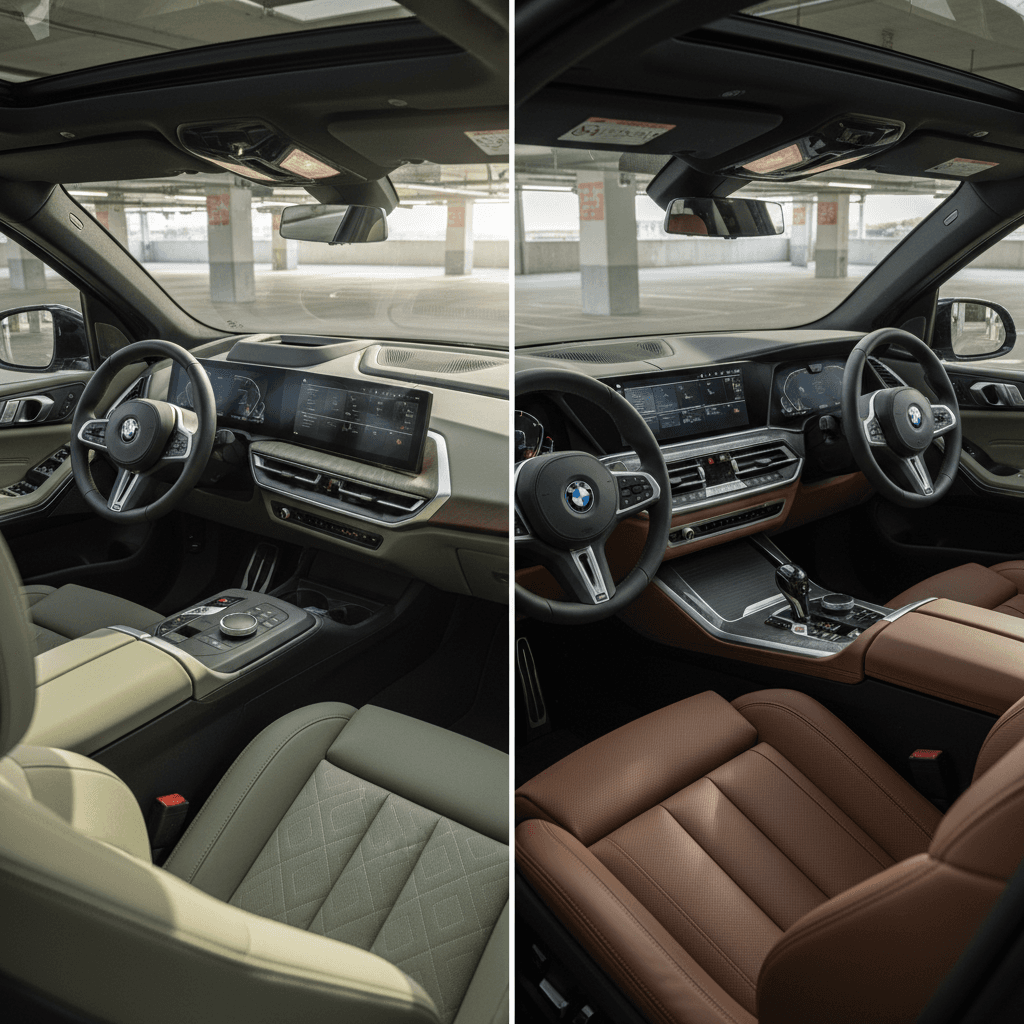
Dimensionally, the iX and X5 live in the same neighborhood: mid‑size luxury SUV with plenty of room for four adults plus luggage. The iX uses its EV platform to free up a very airy cabin with a flat floor and huge glass area. Rear passengers get generous legroom and a lounge‑like feel, especially without a transmission tunnel.
The X5’s packaging is more traditional: upright dash, higher beltline, and a conventional center tunnel. On paper, cargo space behind the second row is similar, but the X5’s squarer tailgate and under‑floor storage can make it easier to pack bulky items like strollers.
Seating, towing and roof racks
The X5 offers configurations the iX simply doesn’t. On some X5 trims you can spec a third row (small, but helpful for kid carpools) and a factory tow package that supports serious towing by luxury‑SUV standards. Hitch options and published towing limits for the iX are far more limited, and some owners resort to aftermarket solutions just for bike racks.
If you know you need to tow a boat, camper, or track car, or carry a roof box, the X5 is the safer bet. If your life is more about school runs, Costco, and road trips where you’re not maxing out payload, the iX’s spacious two‑row layout is a virtue rather than a limitation.
Family‑friendly details
Ownership costs, incentives and resale
BMW shopping is rarely about squeezing pennies, but with a choice like BMW iX vs BMW X5 the long‑term cost profile does matter. You’re weighing higher upfront price and EV infrastructure against fuel, maintenance and potential depreciation.
Cost of ownership: where the iX and X5 differ
Energy, maintenance, incentives and depreciation all tell slightly different stories.
Energy & fuel costs
- iX: Electricity is usually much cheaper per mile than premium gas, especially if you can charge at home on off‑peak rates.
- X5 50e: If you plug in regularly, most local trips use little or no fuel. On long highway drives, it behaves like a ~22–25 mpg SUV.
- X5 40i: All fuel, all the time. Great if you never want to think about charging, but you’ll feel it at the pump.
Maintenance and complexity
- iX: No oil changes, spark plugs, exhaust or transmission. You’re mainly maintaining tires, brakes, coolant and cabin filters.
- X5 50e: Has both a modern BMW gas drivetrain and a high‑voltage system. More parts, more systems to service as it ages.
- Used buyers: Simplicity favors the iX; complexity favors careful inspection on a 50e.
Incentives & depreciation
- New‑car federal EV credits shifted after the Inflation Reduction Act; many BMWs no longer qualify directly, but leasing can sometimes pass credits through on new vehicles.
- On the used side, some buyers can access a modest federal used‑EV credit plus state or utility incentives for an iX, while plug‑in hybrids may qualify for fewer programs.
- Luxury EVs like the iX can depreciate faster early on, which is good news if you’re shopping used.
How Recharged helps on the used side
Which BMW SUV fits your driving pattern?
Real‑world scenarios: iX vs X5 vs X5 50e
Daily commuter with home charging
You drive 20–50 miles most days and can install a Level 2 charger at home.
The iX lets you treat every morning like you’ve just filled the tank, with virtually no fuel‑station stops.
The X5 50e also works well, your whole week might fit in its EV range, but you’ll still have engine warm‑ups and oil changes over time.
Verdict: <strong>BMW iX</strong> if you’re ready for full EV life; <strong>X5 50e</strong> if you want to keep a parachute in the form of gasoline.
Frequent long‑distance road‑tripper
Your typical trip is 200–600 miles with passengers and luggage.
The iX can do this, but you must be comfortable planning DC fast‑charge stops and living with variable charging speeds and station crowds.
The X5 50e shines here: plug in overnight at home, start out on electric, and lean on gasoline when chargers are inconvenient or busy.
Verdict: <strong>X5 xDrive50e</strong> is the low‑friction choice for road‑trip heavy lifestyles.
Urban / apartment living
You don’t have guaranteed home charging; you rely on workplace or public chargers.
Owning an iX without reliable overnight charging is possible but will feel like chasing infrastructure. You’ll spend more time thinking about SOC than you probably want.
The X5 50e still benefits from plugging in when you can, but you’re never stranded if a charger is down, just refuel like any other SUV.
Verdict: <strong>X5 xDrive50e</strong> unless you already have rock‑solid access to overnight charging at work or in your building.
Towing, skiing and adventure gear
You tow a trailer, carry multiple bikes, or regularly head up to the mountains fully loaded.
Towing knocks range down in any EV, and official towing support for the iX is more constrained in the U.S. than in Europe.
The X5 platform, especially with a factory tow package, is built with this use case in mind.
Verdict: <strong>X5 (40i or 50e)</strong> is the safer long‑term bet for heavy‑duty utility.
Used BMW iX vs. used BMW X5: what to watch for
Shopping used is where the question "BMW iX vs BMW X5, which should you buy?" intersects with some very real risks and opportunities. Luxury EVs tend to take a steep first‑owner depreciation hit, and complicated plug‑in hybrids can hide expensive surprises if you’re not careful.
Key checks when evaluating a used BMW iX or X5 xDrive50e
1. Battery health and warranty coverage
On an iX or X5 50e, the high‑voltage battery is the most expensive single component. Confirm remaining <strong>factory battery warranty</strong> (usually 8 years/100,000 miles from original in‑service date) and request objective health data. Recharged’s <strong>Score Report</strong> does this for you using specialized diagnostics.
2. Charging behavior and history
Ask the seller how and where the vehicle was charged. An iX that lived on DC fast charging its whole life may show more degradation than one that primarily used home Level 2. For an X5 50e, verify that the car reliably charges on Level 1 and Level 2 and doesn’t throw intermittent errors.
3. Hybrid system complexity on X5 50e
The X5 50e has both a full BMW combustion drivetrain and an EV system. In addition to normal X5 checks (cooling system, suspension, oil leaks), pay attention to any drivetrain warning lights, rough handoffs between EV and gas, or unusual noises when the engine kicks in.
4. Software, options and driver‑assist features
Both models are software‑heavy. Make sure all driver‑assist systems, cameras and parking aids work as expected. On a test drive, verify that adaptive cruise, lane‑keeping and parking sensors operate smoothly and without random alerts.
5. Previous use case and mileage mix
A low‑mileage city iX with lots of short trips might have more cosmetic wear but less highway stone‑chipping than a high‑mileage commuter. For an X5 50e, a history of mostly electric commuting with occasional trips is ideal; heavy towing or track use is harder on mechanical components.
6. Total cost vs. alternatives
Compare the asking price of a used iX or X5 50e not just to new‑car MSRP but to other used luxury EVs and PHEVs. Sometimes, a slightly older, higher‑trim iX can be a better value than a newer, base‑trim X5 40i once you factor in fuel savings and ownership profile.
Don’t skip a pre‑purchase inspection
Decision checklist: BMW iX vs. BMW X5
- Do you have reliable overnight charging where you live? If not, lean X5 50e or 40i.
- How often do you drive more than 200 miles in a day? If rarely, the iX’s range is probably ample.
- Will you tow, use a roof box, or regularly haul seven people? If yes, the X5 is more flexible.
- Is your priority the quietest, smoothest, most futuristic experience? That’s the iX.
- Is your priority minimizing complexity while still cutting fuel use? A used iX can be simpler than a plug‑in hybrid X5.
- Are you comfortable planning charging stops on road trips? If not, a plug‑in hybrid X5 is a better bridge to electrification.
- What does your local charging and fuel pricing look like? In many regions, electrons are dramatically cheaper than premium gas, but it’s worth running the math for your ZIP code.
- Finally, are you shopping new or used? If used, factor in depreciation: a 2‑3‑year‑old iX can be a relative bargain versus an equivalent‑age X5 with similar equipment.
FAQ: BMW iX vs. BMW X5
Frequently asked questions about BMW iX vs BMW X5
Bottom line: which should you buy?
If you have reliable home charging, don’t tow heavy trailers, and like the idea of trading gas stations for electrons, the BMW iX is the more future‑proof choice. It’s quieter, simpler under the skin, and delivers the kind of effortless, high‑torque driving experience that makes EVs addictive. If you’re not ready to commit fully, or your life is defined by long, loosely planned road trips, towing, or inconsistent charging access, the BMW X5 xDrive50e plug‑in hybrid is the smarter compromise, giving you meaningful electric miles without re‑architecting your habits overnight.
From there, it’s about finding the right example. On the used market, a well‑priced iX with a healthy pack can be a spectacular value; a carefully vetted X5 50e can be the do‑everything family SUV that quietly slashes your fuel bill. Recharged exists to make that decision easier, with battery‑health verified listings, expert EV guidance, and nationwide delivery baked in. Once you’re clear on how you drive and charge, choosing between BMW’s electric flagship and its plug‑in workhorse stops being mysterious, and starts feeling like the fun part of shopping.