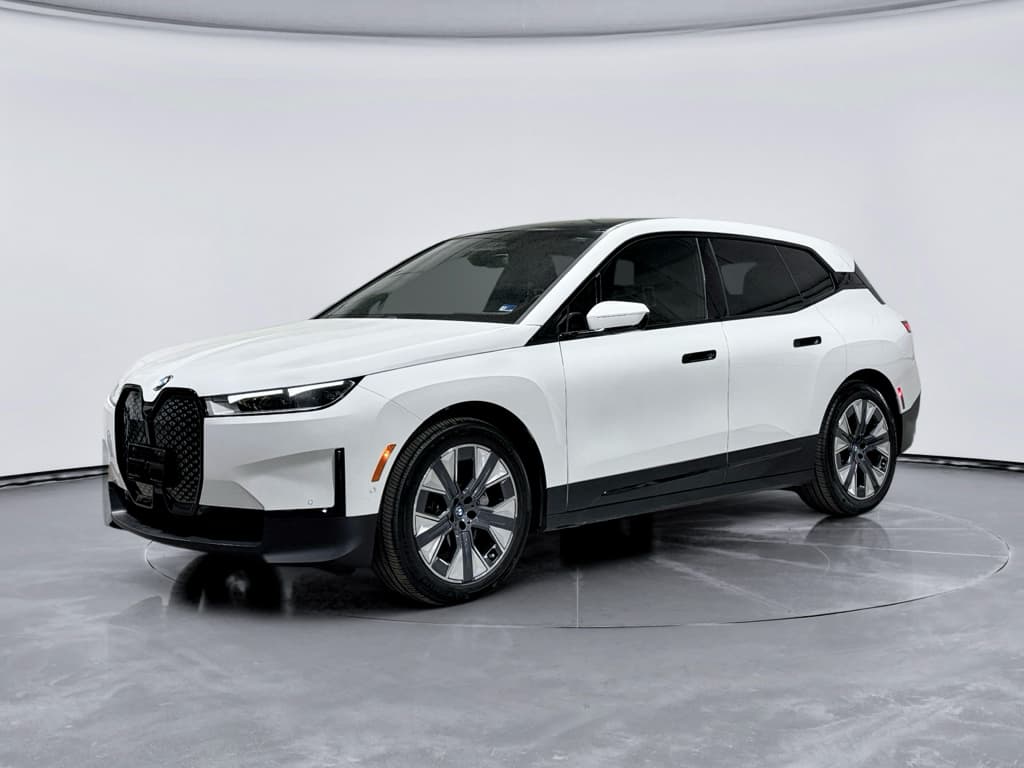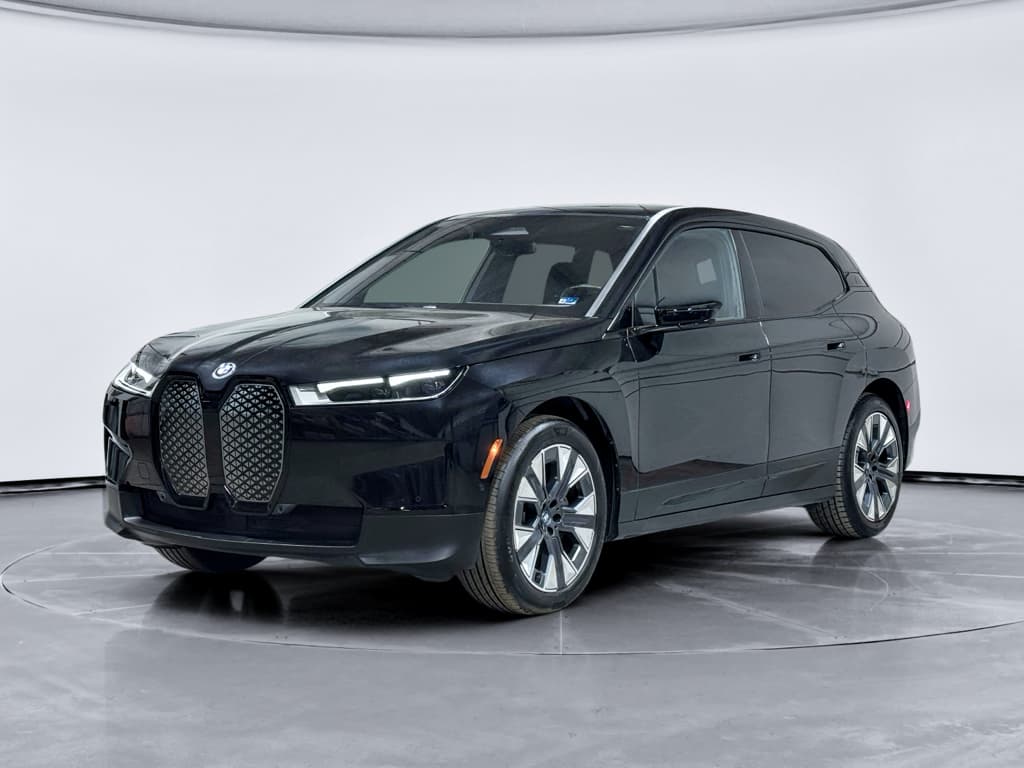
If you own a BMW iX, you’ve probably already discovered its sci‑fi cabin, silent shove and equally futuristic depreciation curve. When you look up your BMW iX KBB value on Kelley Blue Book, the number can feel like a jump scare, especially compared with what you paid just a few years ago.
Quick take
BMW iX KBB value at a glance
Key BMW iX value numbers right now
Those headline numbers explain the cognitive dissonance many owners feel: the iX drives like a six‑figure spaceship, but after a few years the KBB value drops into nicely‑equipped‑Camry territory. The good news is that once you understand how that value is calculated, and which levers you can still pull, you’re in a much stronger position as a seller.
How Kelley Blue Book calculates BMW iX value
When you punch your VIN or trim into KBB, you’re not getting a single, monolithic number. You’re getting a set of values, trade‑in, private party, and suggested retail, each tuned to a different type of sale. Under the hood, KBB blends auction data, dealer transaction prices, asking prices, historical trends, mileage and condition adjustments, plus location and seasonality.
- Trade‑in value – What a dealer might offer you as a wholesale price when you swap your iX for something else. This is typically the lowest number on the page.
- Private party value – An estimate of what you might get selling your iX directly to another driver, assuming honest description and average time to sell.
- Dealer retail value – A ballpark of what a franchised dealer might ask on their lot after reconditioning, fees and warranty markup. This is usually the highest of the three.
For a high‑dollar EV like the iX, those three numbers can be separated by five figures. A 2025 iX M60, for example, can show trade‑in value in the mid‑$70,000s and dealer retail north of $85,000, depending on mileage and condition. Your personal KBB value will slide up or down that scale as you tweak the inputs.
Use KBB as a range, not a verdict
New vs. used BMW iX pricing today
To put KBB’s numbers in context, it helps to look at where the iX sits new versus used. On paper, the iX is a six‑figure SUV. In the used market, early examples now overlap with new compact crossovers and mid‑level Model Y trims.
BMW iX pricing snapshot (late 2024–early 2026)
Approximate national pricing ranges; your local KBB and market values will vary by region, mileage and condition.
| Model year / trim | New MSRP (when new) | Typical KBB & market used value | Notes |
|---|---|---|---|
| 2025 iX xDrive50 | ≈ $88,000–$89,000 | High $70,000s to low $80,000s | Near‑new examples; incentives and discounts can push real transaction prices below MSRP. |
| 2025 iX M60 | ≈ $112,000–$113,000 | Mid‑$80,000s to low $90,000s | Performance trim with stronger options and better relative resale. |
| 2024 iX (various trims) | Mid‑$80,000s to low $110,000s | Low‑ to mid‑$50,000s | One‑ to two‑year‑old trucks showing steep early EV depreciation. |
| 2022 iX (launch year) | From mid‑$80,000s | Low‑ to mid‑$30,000s | KBB resale values around $34,000 for average‑mileage examples. |
MSRP data based on recent model‑year guides; used pricing based on national listing averages.
In other words, the KBB value on a 2022 iX can be less than half of a 2025’s fair purchase price, despite the underlying architecture being essentially the same. That spread is painful for the first owner, and a massive opportunity for the second.
BMW iX depreciation: why values fall so fast
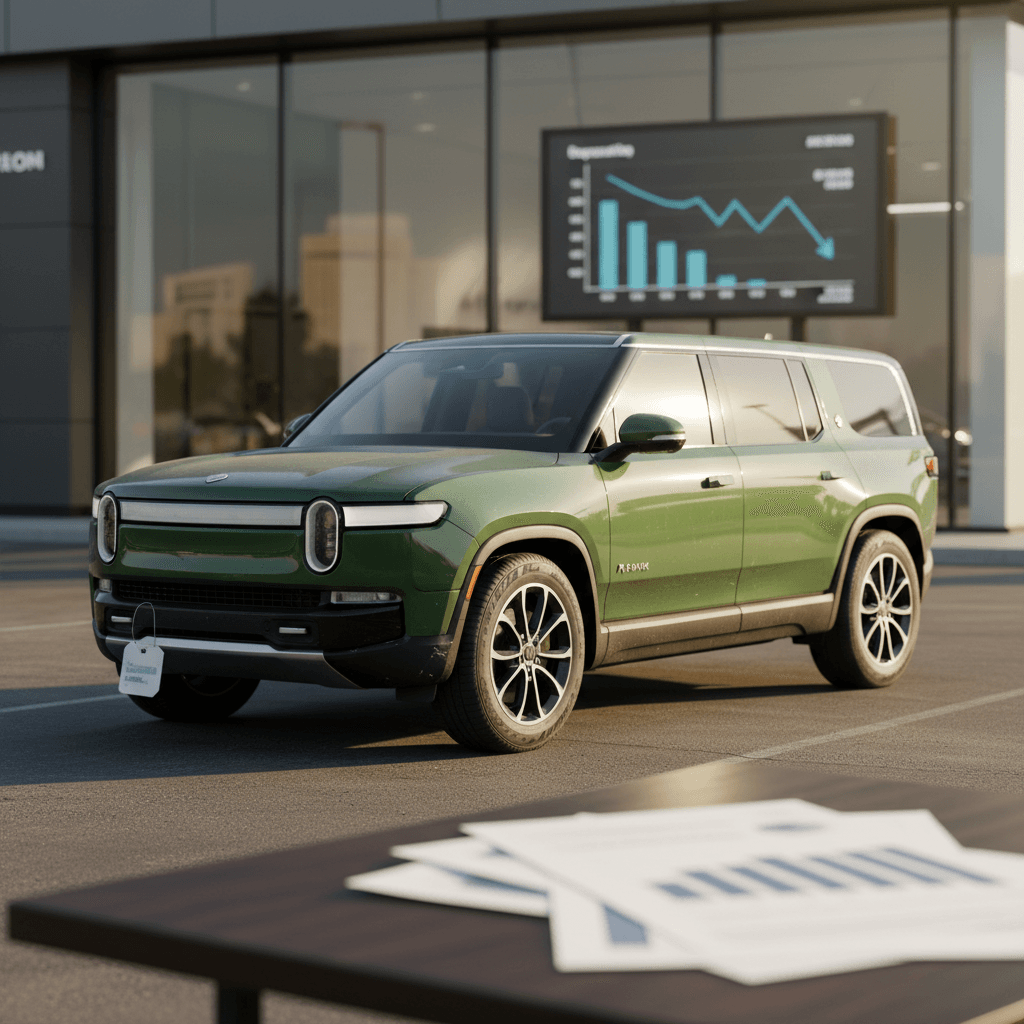
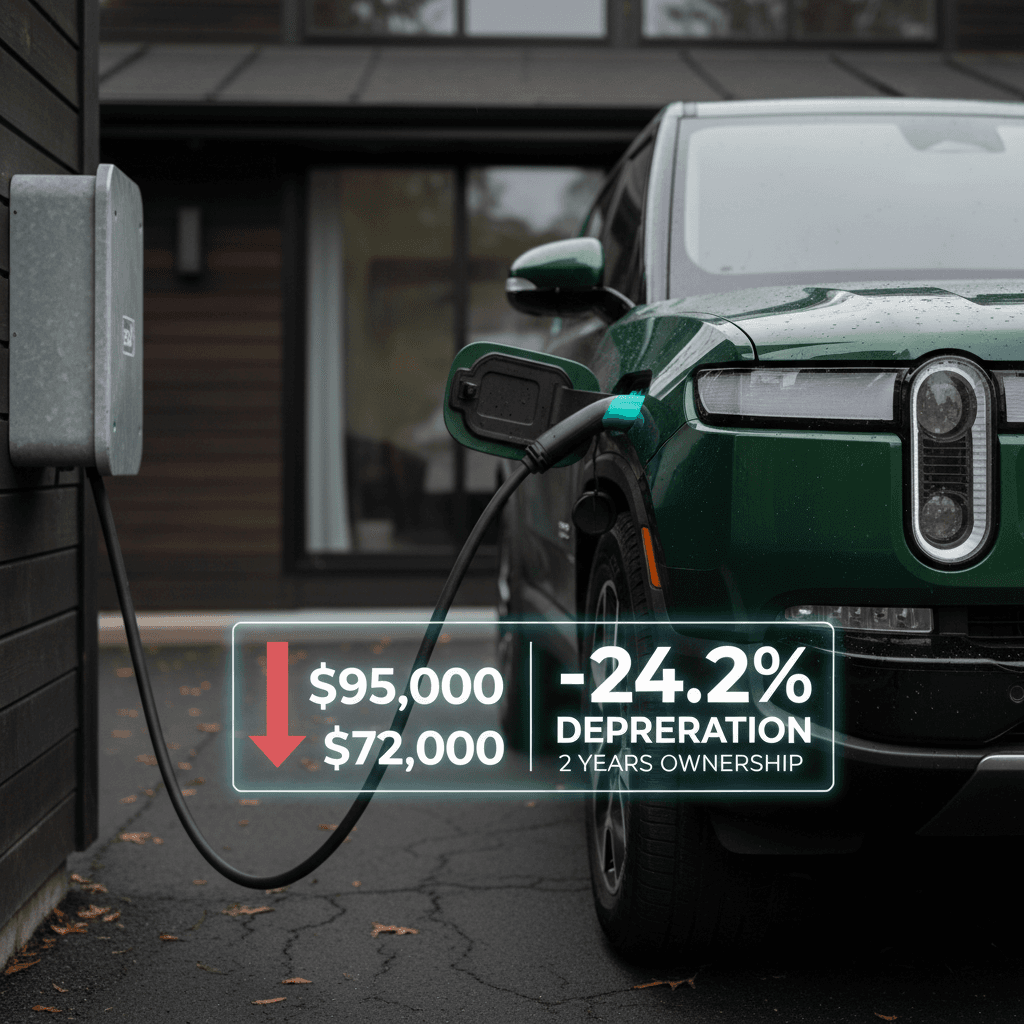
If you feel like your iX is melting in value faster than you’d expect from a BMW SUV, you’re not imagining it. Independent studies estimate a five‑year depreciation of roughly 70–71% for the iX, worse than the already‑soft luxury EV average and dramatically steeper than comparable gas SUVs.
BMW iX depreciation vs typical SUV
Why KBB numbers for the iX look harsher than you may be used to
EV tech whiplash
Each new model year brings more range, faster charging and better driver‑assist. Yesterday’s cutting‑edge iX suddenly looks merely good, and KBB adjusts values down to match shopper expectations.
Pricey from day one
The iX launched as a high‑MSRP halo SUV. Luxury EVs with big sticker prices often take the steepest percentage hit in the first 3–5 years.
Market volatility
Tax credits, lease deals and aggressive discounting on new EVs all push used values down. KBB bakes those incentives into its calculations.
For 2022 models, Kelley Blue Book’s own depreciation tables show a current resale value in the mid‑$30,000s after only three years on the road, down from original MSRPs in the $80,000s. Separate data sets put a three‑year drop at just over 50% and a five‑year fall north of 70%. That’s not a gentle glide; it’s a cliff.
Depreciation is the single biggest cost
8 factors that change your BMW iX KBB value
What moves your BMW iX KBB number up or down
1. Trim & original MSRP
An iX M60 started life much more expensive than an xDrive50, which drags its KBB dollar value up, but high‑MSRP EVs also take harsher percentage hits. In some cases, a well‑optioned xDrive50 can be the sweet spot for buyers.
2. Mileage vs. model year
KBB’s default assumptions hover around 12,000 miles per year. If your 2022 iX has 20,000 miles instead of 40,000, you’ll typically see a noticeable bump in both trade‑in and private‑party values.
3. Battery health & range
KBB doesn’t directly measure your high‑voltage battery, but buyers and EV‑savvy retailers do. An iX that still delivers close to its original EPA range is worth more than one that’s visibly sagged.
4. Accident and repair history
A clean Carfax and BMW service records are jet fuel for your KBB‑range value. Structural repairs, airbag deployments or flood damage can push offers far below what the KBB slider suggests.
5. Options & packages
Features like the larger wheels, premium audio, Driving Assistance Professional, or the M60’s performance upgrades can justify prices above bare‑bones KBB numbers, especially if a buyer is hunting that exact spec.
6. Region & climate
Cold‑weather states may value the iX’s winter capability, but harsh climates can also raise questions about corrosion and range drop. In hot states, battery thermal management and garage storage history start to matter.
7. Market timing
KBB updates its values constantly, but the real market can move faster when new incentives drop or gas prices spike. Listing right before a wave of lease returns hits can mean stiffer competition.
8. Where you sell
A BMW store, independent dealer and EV‑focused marketplace like <strong>Recharged</strong> will all view your iX differently. The same VIN can pull three very different offers on the same week.
KBB vs. real‑world BMW iX prices
So which number should you believe: the tidy KBB estimate or the messy real world? The answer is "both", if you know how to read them.
Where KBB shines
- Baseline sanity check: If an offer is $10,000 below KBB trade‑in for your iX, you know something’s off.
- Condition dial‑in: Toggling between "rough" and "excellent" helps you see how much that curb rash or cracked windshield really costs.
- Negotiation anchor: Dealers know their KBB numbers. Walking in informed prevents the classic "market’s down" hand‑waving.
Where the market wins
- Fast‑moving EV prices: On a model with big monthly swings, live listings and recent sales often tell the story sooner than KBB.
- Battery‑specific value: A documented healthy pack can justify prices above KBB, especially with a third‑party battery report.
- Unique specs: A rare color, loaded M60 or ultra‑low‑mile iX may pull real‑world offers well above standard KBB curves.
How Recharged uses (and improves on) KBB
Ready to find your next EV?
Browse VehiclesHow to improve your BMW iX trade‑in or sale price
You can’t rewrite BMW’s depreciation tables, but you absolutely can control whether you’re at the top or bottom of the KBB range for your iX. Think of it as staging a house before listing it, except the house is a fast, slightly polarizing German spaceship.
Practical steps before you get a value or list your iX
1. Get your software and maintenance up to date
Make sure all BMW software updates, recalls and scheduled services are done and documented. A fully up‑to‑date iX reassures both KBB‑driven buyers and EV specialists that it’s been cared for.
2. Fix the cheap, obvious stuff
Repair cracked glass, broken lights and glaring curb rash. These are small dollars that can move your iX from "fair" to "good" in KBB’s condition slider and make a big psychological difference to buyers.
3. Detail the interior and address odors
The iX’s cabin is its party trick. A proper detail, steam‑cleaned seats, clean glass, no food smells, helps your car photograph like a higher‑value example in a crowded search results page.
4. Document battery health and charging habits
If you’ve mostly AC‑charged at home and avoided frequent 100% DC fast charges, say so. A third‑party battery health report, like the <strong>Recharged Score</strong>, can support a price above generic KBB estimates.
5. Gather records, keys and accessories
Full service history, both key fobs, OEM charging cable and manuals all paint a picture of a cared‑for iX. Missing pieces give buyers leverage to push you toward the low end of book value.
6. Get multiple offers, not just one
Compare a dealership trade‑in, an instant‑offer service and an EV‑focused marketplace like <strong>Recharged</strong>. On a niche model like the iX, spread between the lowest and highest offer can be huge.
How BMW iX value compares to rival luxury EV SUVs
The iX doesn’t lose value in a vacuum. KBB and other analysts compare it against peers like the Audi Q8 e‑tron, Mercedes‑Benz EQE SUV and Rivian R1S. Across that group, the whole class depreciates faster than comparable gas SUVs, but the iX still manages to stand out.
Resale context: BMW iX vs other luxury EV SUVs
Broad directional snapshot of resale behavior among key BMW iX competitors.
| Model | Approx. 5‑yr depreciation | Resale reputation | What it means for KBB value |
|---|---|---|---|
| BMW iX | ≈ 70–71% | Among the weakest in BMW’s SUV lineup | KBB values fall quickly; older model years look "cheap" next to new stickers. |
| Mercedes‑Benz EQE SUV | High 60s–low 70s% | Also drops fast | Similar story: big luxury EV price, heavy early‑years drop. |
| Audi Q8 e‑tron | Mid‑60s% | Softer but still steep | Better on paper than iX, but still far worse than gas Q8. |
| Rivian R1S | Mid‑60s% (early data) | Volatile, brand in high demand | KBB values are still settling as production scales and incentives shift. |
Percentages are approximate five‑year depreciation figures from independent analyses; individual KBB values will vary by trim and spec.
Don’t compare your iX to a gas X5
When it makes sense to sell your BMW iX
Timing the market perfectly is impossible, but there are clear inflection points in the BMW iX value curve, places where KBB and real‑world prices tend to take another step down. If you’re on the fence about keeping or selling, it helps to know where you are on that curve.
BMW iX ownership vs. value: rough guide
Years 0–3: New and nearly new
KBB values are falling the fastest in this window.
If you’re going to bail early, do it before your bumper‑to‑bumper warranty expires.
Lease customers often dodge the worst of this drop, owners do not.
Years 3–5: The second‑owner sweet spot
Most of the brutal depreciation is already baked in.
A well‑kept iX with strong battery health can look like a bargain to the next owner.
Selling here can still feel painful, but not catastrophic.
Years 5–8: Value shopper territory
KBB values flatten into the low‑to‑mid‑20s (or lower) on early model‑year iX SUVs.
Battery longevity and repair costs loom larger in buyer calculations.
If you love the car and the pack is healthy, this is where "drive it into the ground" starts making sense.
Watch the warranty cliff
BMW iX KBB value: FAQs
Frequently asked questions about BMW iX KBB value
Bottom line: making the most of your BMW iX’s value
The BMW iX is a spectacular, slightly weird, deeply capable electric SUV that pays you back in silence and speed, and takes it back in depreciation. KBB is simply the messenger. It reflects a market where luxury EVs, especially high‑MSRP ones, fall in value faster than most owners are used to.
The play, if you already own one, is not to rage at the KBB page. It’s to understand where your particular iX sits relative to book value, shore up the factors you can control, presentation, documentation, battery health, and shop it where it will be properly understood. That might mean getting competing trade‑in quotes, listing privately, or using an EV‑specialist marketplace like Recharged that bakes battery diagnostics and transparent pricing into every deal.
If you’re shopping for a used BMW iX, the same dynamics work in your favor. Depreciation is the original owner’s problem; you get the spaceship. Just make sure you have the data, especially on battery health, to separate the great deals from the ticking time bombs.