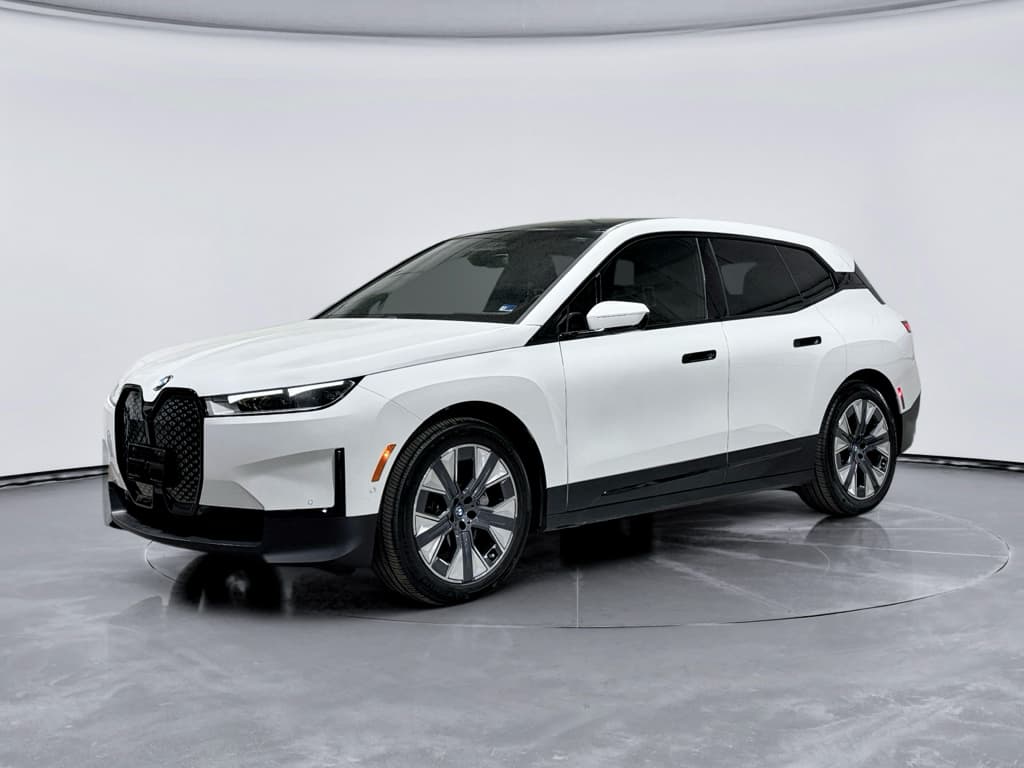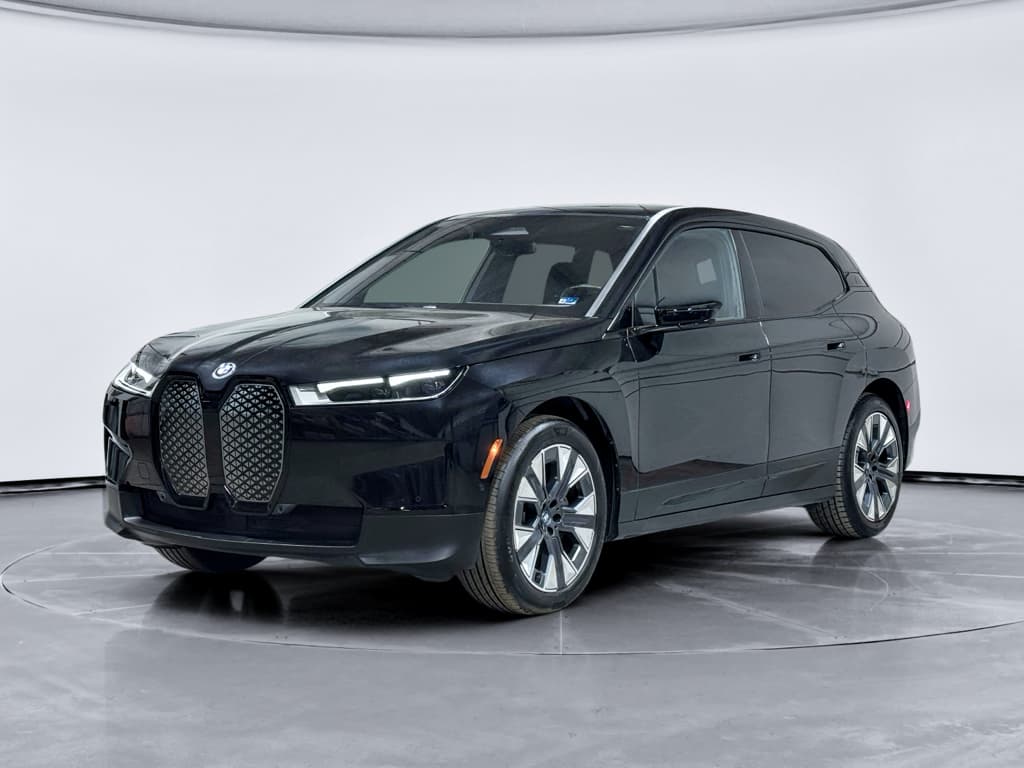
If you’re eyeing a 2024 BMW i7, you’re probably drawn to its theater‑on‑wheels luxury and quiet, electric power. But with a six‑figure flagship that’s packed with tech, it’s smart to ask about 2024 BMW i7 problems before you sign anything, especially if you’re shopping used.
Quick take
Overview: Should you worry about 2024 BMW i7 problems?
The i7 is BMW’s electric version of the 7 Series flagship, introduced for 2023 and carried into 2024 with more trims, including the potent M70. It rides on BMW’s latest luxury platform and layers on almost every tech feature the brand offers. That combination, new platform, new powertrain, heavy software, usually means early‑generation quirks, and the i7 is no exception.
2024 BMW i7 at a glance
What we do see so far: a cluster of safety recalls (typical for a brand‑new flagship), recurring tech and connectivity hiccups, and some build‑quality complaints that pop up more often on forums than in glossy brochures. The upside is that many issues are fixable via software updates or under warranty, if you know to ask.
Used i7 shopping tip
2024 BMW i7 recalls: safety issues you need to know
Independent data sources note that recent BMW EVs, including the 2023–2024 i7, have been subject to several recalls, most of them affecting relatively small build windows. If you’re shopping new or used, you want to know which of these apply and whether the fixes have been done.
Major recalls affecting 2023–2024 BMW i7 models
Always run the VIN through an official recall checker (BMW or NHTSA) for the latest status. Here are some headline issues owners should ask about.
| Issue | What can happen | Typical fix | What to ask the seller |
|---|---|---|---|
| Integrated brake system faults | Loss of power brake assist; ABS and stability control may not function, increasing stopping distance and crash risk | Replacement of the integrated brake module with updated parts | “Was the brake system recall completed, and do you have documentation?” |
| Seat frame weld defect (front seats) | In certain crashes, the seat structure may not perform as designed, increasing injury risk | Inspection and, if needed, replacement of affected front seats | “Is this i7 within the seat‑weld recall build range, and has BMW cleared it?” |
| High‑voltage battery module assembly | Improperly assembled battery modules could fail and in rare cases increase risk of shutdown or fire | Inspection and targeted replacement of specific battery modules | “Has this car ever had high‑voltage battery work under recall or warranty?” |
| Steering spindle / joint issue on some trims | Risk of steering spindle failure that can increase steering effort unexpectedly | Replacement of the steering spindle’s double universal joint | “Is this VIN flagged for the steering recall, and was the repair completed?” |
This table summarizes high‑level themes; individual campaigns can be more specific.
Don’t ignore recall letters
Common 2024 BMW i7 problems reported by owners
Formal reliability scores for the i7 are still labeled “NA” in a lot of databases because there aren’t enough years of data yet. That means owner reports, on forums, early reviews, and service bulletins, carry extra weight. Here are the recurring issues that surface most often for the 2023–2025 i7 family, including 2024 models.
Top owner‑reported BMW i7 issues
Patterns that keep coming up in early ownership reports
Connectivity & eSIM issues
Some i7 owners report the built‑in eSIM randomly dropping connection, especially with certain carriers. That can disrupt over‑the‑air updates, streaming, and some connected‑services features.
Infotainment lag & app glitches
Reports include laggy responses from the curved display, frozen screens, and problems with individual apps (for example Spotify cutting out or the theater screen buffering and disconnecting).
Automatic door quirks
On cars with the power‑assisted automatic doors, owners mention inconsistent closing, doors re‑opening unexpectedly on slopes, or the need for recalibration after software updates.
None of these are as dramatic as an engine failure, but when you’ve just bought a six‑figure luxury flagship, repeated trips to the service lane for glitchy doors or streaming apps can feel like death by a thousand cuts.
Battery and charging issues on the BMW i7
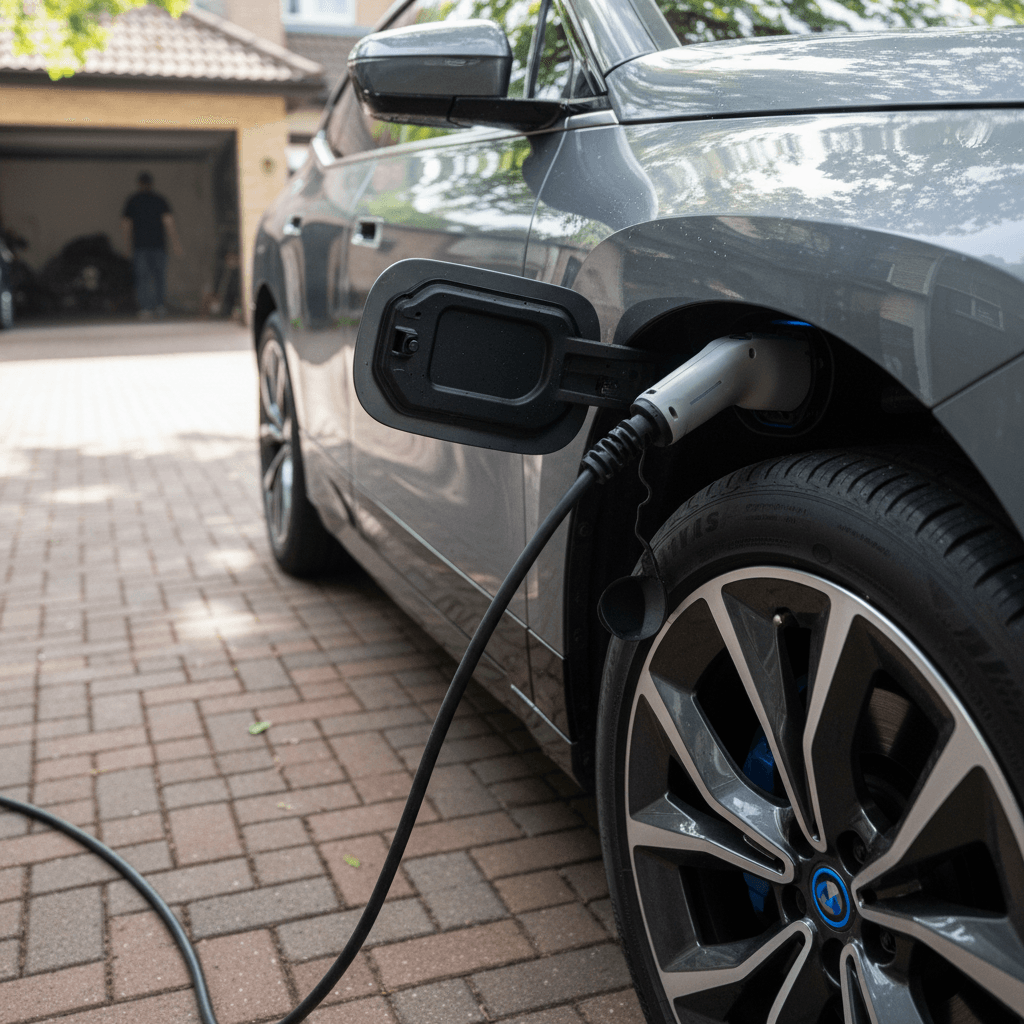
So far, the i7 hasn’t developed a pattern of catastrophic battery failures in everyday use, but there are a few battery‑related concerns you should be aware of, especially if you’re planning to keep the car long‑term or buying used.
- High‑voltage battery recall windows. A limited group of 2023–2024 BMW EVs, including some i7s, were flagged for battery module inspection and potential replacement due to assembly concerns. Most affected cars should be addressed at the dealer level, but always confirm by VIN.
- Range vs. real‑world use. Owners commonly see real‑world highway range lower than the EPA figure, particularly at 75+ mph or in cold weather. That’s normal for EVs, but worth planning around on a 300‑mile‑class luxury sedan.
- DC fast‑charging curve. The i7 can charge very quickly at high‑power DC stations when conditions are ideal, but some owners note that charging speeds drop off faster than expected if the pack isn’t preconditioned or if you’re on back‑to‑back fast‑charge sessions.
- Home charging sensitivity. Like many high‑end EVs, the i7 can be picky about older home wiring or marginal wall connectors. Poor grounding, loose connections, or undersized circuits can trigger charging faults.
Battery‑health advantage when buying used
Software and tech glitches in a tech‑heavy EV
BMW built the i7 to be a rolling tech showcase: giant curved display up front, optional 31‑inch rear theater screen, Bowers & Wilkins audio, ambient lighting that could put a nightclub to shame. All of that runs on complex software. When it works, it’s magic. When it doesn’t, owners notice.
Infotainment & UI problems
- Slow boot or laggy menus when the car first wakes up.
- Frozen screens requiring a system reboot or power cycle.
- Streaming issues on the rear theater screen, buffering, lost sign‑ins, or apps that stop responding mid‑movie.
- Occasional Bluetooth dropouts with certain phones.
Update & integration quirks
- Over‑the‑air updates that stall or fail, then complete on the second or third try.
- New software versions fixing one issue but introducing new minor glitches elsewhere.
- Features that behave differently after an update (for example, driver‑assist tuning or the way the ambient lighting responds).
The pattern is familiar on modern luxury EVs: constant software iteration, and occasionally, you’re the beta tester.
The good news on software
Ride quality, noise, and build-quality complaints
Luxury sedans live and die by how they feel at 75 mph on a broken freeway. The i7 gets most of that equation right, supple air suspension, quiet cabin, rock‑solid structure, but a few recurring annoyances still bubble up in owner chatter.
What owners notice on the road
Small things that matter in a big luxury EV
Wind noise from mirrors
Some owners report more wind noise around the side mirrors than they’d expect in this segment, particularly on certain wheel/tire combos.
Interior squeaks & rattles
A handful of i7 owners mention creaks from the rear cabin or parcel‑shelf area over rough pavement, suggesting trim that needs adjustment or re‑seating.
Adaptive suspension feel
Depending on mode and wheel size, a few drivers feel the car can be surprisingly firm over sharp impacts. Others love the control. It’s worth test‑driving on the kind of roads you actually use.
Wheel size matters
How reliable is the 2024 BMW i7 long‑term?
Because the i7 launched for 2023, we’re still in the “watch and learn” phase on long‑term reliability. Big‑picture brand data shows BMW sitting in the middle of the pack: not Lexus‑level bulletproof, but not at the bottom either. Electric BMWs add a new twist, simpler drivetrains than gas cars, but far more software and electronics.
What we know so far
- Most i7 service visits in the first years are for software, sensors, and trim, not failed motors or inverters.
- BMW’s high‑voltage battery warranty (typically 8 years/100,000+ miles in the U.S.) adds a safety net for major battery issues.
- Several recalls have already cleaned up early component problems in brakes, seats, and steering.
What’s still uncertain
- How the i7’s complex electronics will age at 8–10+ years, especially outside of warranty.
- Real‑world battery degradation past 100,000 miles, particularly in hot climates or for frequent DC‑fast‑charging users.
- Long‑term costs for flagship‑grade parts like air suspension, rear‑axle steering, and ultra‑complex interior trim.
Flagship rule of thumb
Checklist: buying a used 2023–2024 BMW i7
If you’re considering a used 2024 BMW i7, or a 2023 with similar hardware, go in with a plan. Here’s a focused checklist you can run through with any seller or dealer.
11 things to check before you buy a used i7
1. Run the VIN for recalls
Use an official lookup to confirm there are <strong>no open recalls</strong> for brakes, steering, seats, or battery modules. If anything is open, insist it be completed before delivery.
2. Confirm software is up to date
Ask the dealer to install the latest BMW software version and provide a record. Newer builds often fix earlier glitches with connectivity, apps, and driver‑assist systems.
3. Inspect for warning lights
On the test drive, make sure there are <strong>no persistent warnings</strong> for driver‑assist, brakes, or high‑voltage systems. Intermittent alerts are still a red flag, document them.
4. Test all doors and comfort features
Cycle the power doors, soft‑close, comfort access, and trunk several times. Listen for odd noises or inconsistent operation, especially on inclines or with doors partially open.
5. Stress‑test the infotainment
Pair your phone, stream audio, use navigation, and, if equipped, run the rear theater screen. Watch for freezes, lag, or apps that crash repeatedly.
6. Check connectivity and eSIM status
Verify that <strong>connected services are active</strong>, the eSIM registers properly, and remote functions (locking, pre‑conditioning) work from the app.
7. Listen for interior rattles
Drive over rough pavement at low speed with the radio off. Creaks from the rear shelf, C‑pillars, or doors can be fixable, but they’re easier to negotiate into the price than to chase later.
8. Evaluate ride and noise on the highway
Take it to 65–75 mph. Note wind noise around mirrors and roof, as well as any vibration or harshness over expansion joints. Compare different drive modes.
9. Ask for battery health information
Request any available <strong>state‑of‑health reports</strong> from BMW service records. If you’re buying through Recharged, review the Recharged Score battery‑health section for that specific car.
10. Review service history
Look for regular maintenance and software updates, not just repairs. Gaps in history, especially in the first two years, may mean missed campaigns or updates.
11. Consider an independent EV inspection
A shop that understands high‑voltage systems and air suspensions can spot issues a generic inspection might miss. It’s cheap insurance on a flagship EV.
How Recharged fits in
Ready to find your next EV?
Browse VehiclesWhen a 2024 BMW i7 is the right choice, and when to walk away
When the i7 makes sense
- You want a full‑size luxury EV with a truly special cabin and quiet highway manners.
- Most of your driving is commuting and road‑tripping on paved roads, not rough‑and‑ready adventures.
- You’re comfortable with complex tech and don’t mind the occasional software quirk in exchange for big‑screen theatrics.
- You’re buying a car with clean recall history, up‑to‑date software, and documented service.
When to consider something else
- You prioritize set‑it‑and‑forget‑it reliability over cutting‑edge features, think of a simpler EV from a brand known for rock‑solid dependability.
- You’re highly sensitive to interior ticks and wind noise; even minor squeaks will drive you crazy.
- Your budget can’t absorb potential out‑of‑warranty electrical or suspension repairs on a flagship European luxury car.
- You prefer a car where nearly every shop in town is comfortable working on it; the i7 is still specialty territory.
The 2024 BMW i7 delivers exactly what it promises: electric power wrapped in old‑school limousine comfort and new‑school tech. Its problems are mostly the predictable kind for an early‑generation luxury EV, software, electronics, and a few recall cleanups, rather than fundamental flaws in the electric drivetrain. If you shop carefully, verify recall and update history, and get a clear picture of battery health, the i7 can be a deeply satisfying way to go all‑electric at the top of the market.