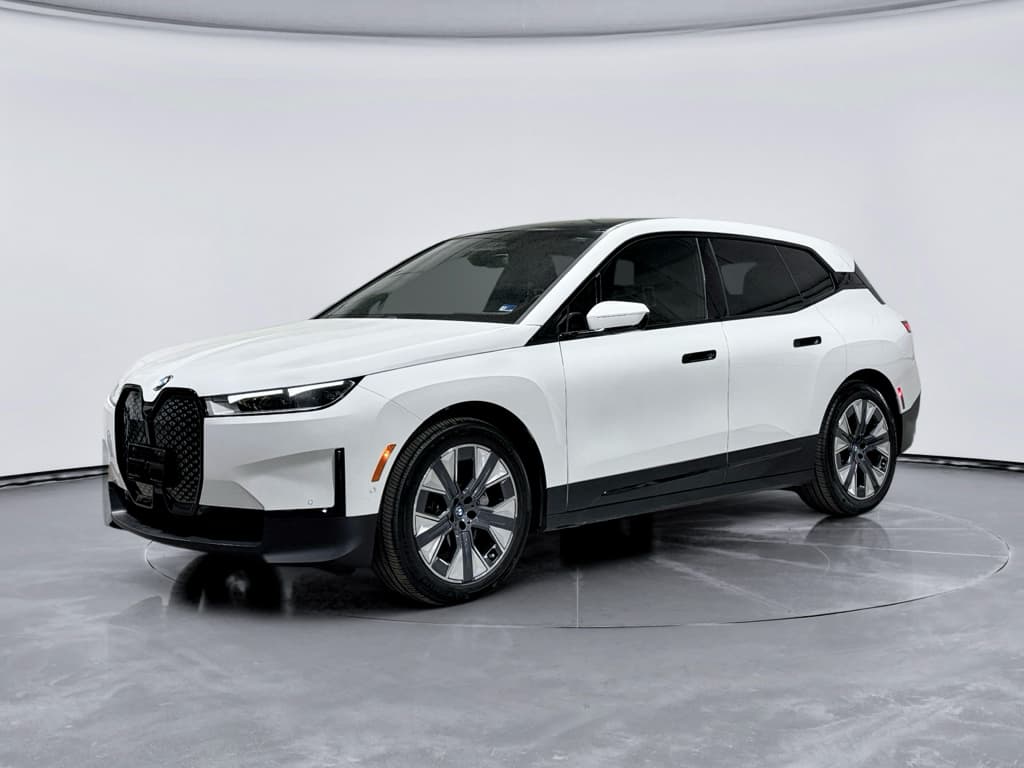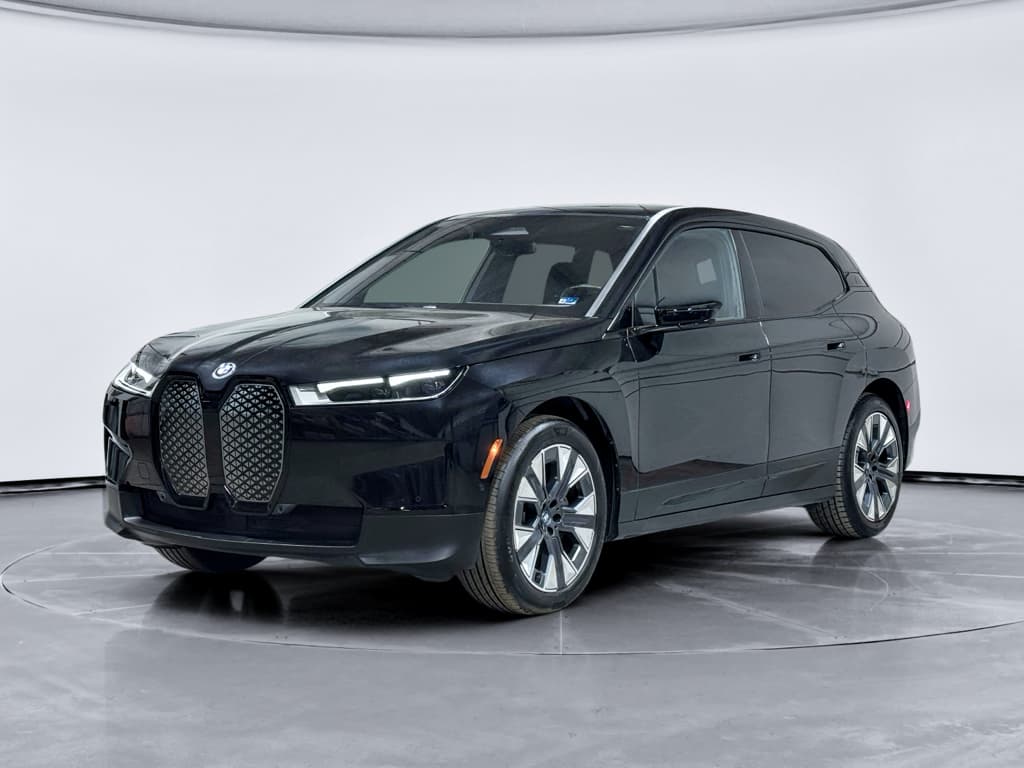
If you’re considering a BMW iX, you already know it’s a high-tech luxury SUV. The big question is what it **costs per mile to drive**, especially compared with a gas-powered X5 or similar SUV. The answer depends on where you charge, but with today’s U.S. electricity prices the iX can be surprisingly affordable to run if you play your cards right.
Key takeaway
BMW iX cost per mile: quick overview
BMW iX driving cost at a glance (2025–2026)
Those ranges are averages for U.S. drivers. Your own number depends on **three variables**: how efficient your iX is in your climate and driving style, what you pay per kWh, and how much you use public chargers instead of a home Level 2 setup.
Rule of thumb
How to calculate BMW iX cost per mile
You don’t need to be an engineer to estimate your **BMW iX cost per mile to drive**. There’s a simple formula you can reuse for any EV:
- Find your iX’s energy use in **kWh per 100 miles** (EPA rating or your trip computer).
- Find your electricity price in **$/kWh** (from your utility bill or charging app).
- Multiply the two, then divide by 100 to get **$ per mile**.
Cost per mile formula
Example: 36 kWh/100 mi × $0.16/kWh ÷ 100 = $0.0576 per mile (about 5.8¢/mi).
Example 1: Average U.S. home electricity
Let’s assume:
- Efficiency: 36 kWh/100 miles (typical BMW iX mix of city/highway)
- Home rate: $0.16/kWh (roughly current U.S. residential average)
Cost per mile = 36 × 0.16 ÷ 100 = $0.0576 ≈ 6¢ per mile.
Example 2: Expensive power or mostly DC fast
Now assume:
- Same 36 kWh/100 miles
- Public DC fast: $0.40/kWh (common on major networks today)
Cost per mile = 36 × 0.40 ÷ 100 = $0.144 ≈ 14¢ per mile.
This is why your mix of home vs public charging matters so much.
BMW iX efficiency and battery basics
Before you can nail down cost per mile, you need a sense of how efficient the BMW iX actually is. Different trims, wheel sizes, and driving conditions all shift the numbers slightly, but the pattern is consistent.
Typical BMW iX efficiency numbers
What most U.S. drivers can expect in mixed use
iX xDrive40 / eDrive models
Smaller‑battery or single‑motor versions in some markets are a bit more efficient:
- ~34–37 kWh/100 miles
- Better in city than highway driving
iX xDrive50 (most common in U.S.)
The mainstream U.S. model with the larger battery typically sees:
- ~36–39 kWh/100 miles real‑world
- EPA mixed rating in that same ballpark
iX M60 (performance focus)
More power and wider tires mean higher consumption:
- ~39–42+ kWh/100 miles
- Higher still at sustained high speeds
Cold‑weather impact
Home charging: BMW iX cost per mile
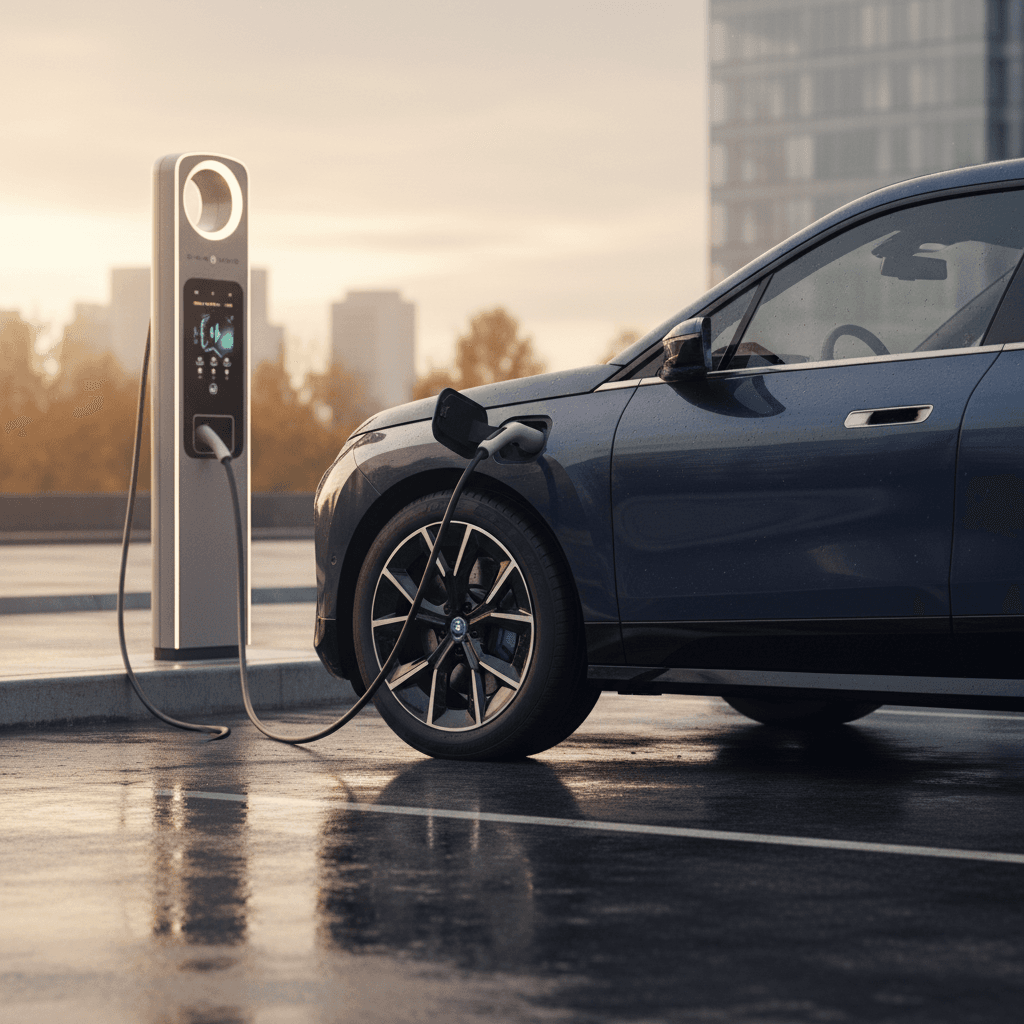
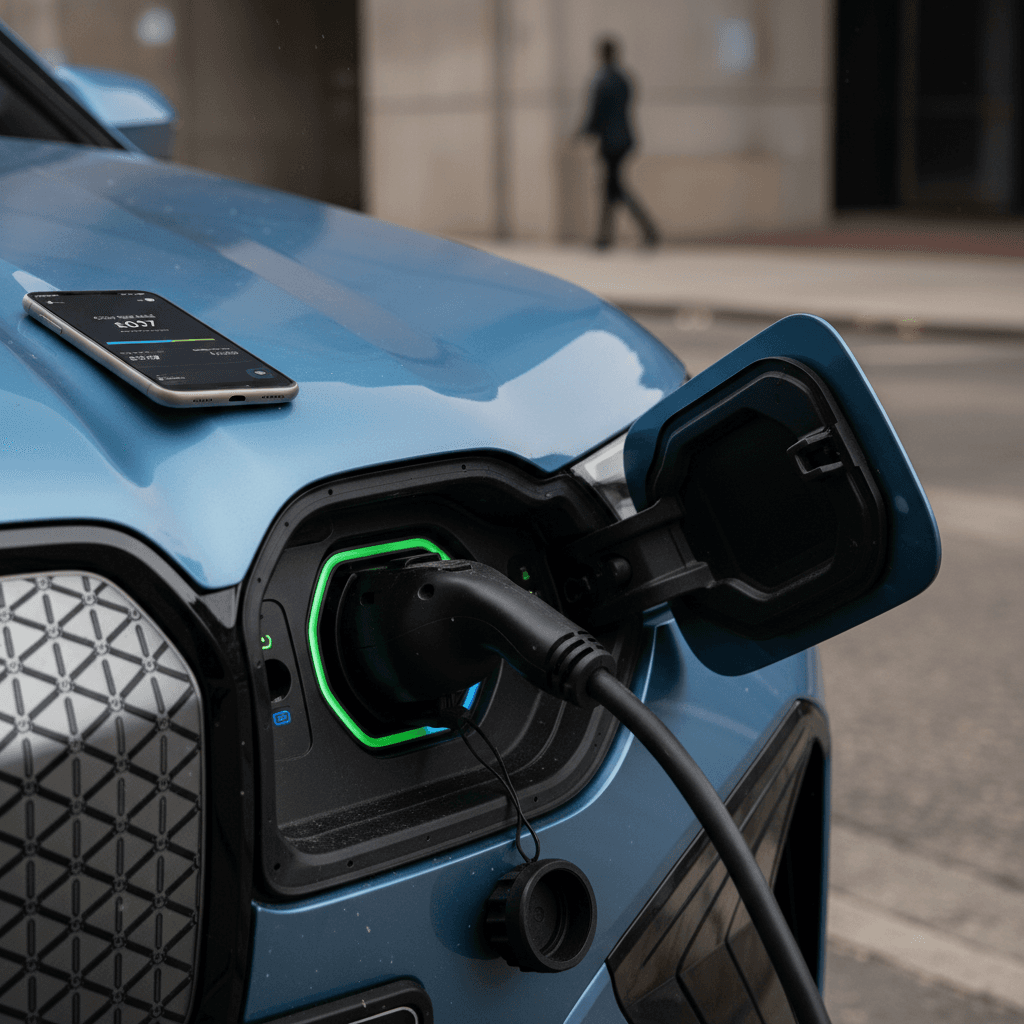
For most BMW iX owners in the U.S., the **lowest cost per mile** comes from home Level 2 charging. National residential electricity prices are now hovering around the mid‑teens in cents per kWh, though some states are much cheaper and a few coastal markets are significantly higher.
BMW iX home charging cost per mile examples
Approximate cost per mile for a BMW iX at different residential electricity rates, assuming 36 kWh/100 miles efficiency.
| Electricity price (per kWh) | Cost per 100 miles | Cost per mile |
|---|---|---|
| $0.12 | $4.32 | $0.043 (4.3¢) |
| $0.16 | $5.76 | $0.058 (5.8¢) |
| $0.20 | $7.20 | $0.072 (7.2¢) |
| $0.25 | $9.00 | $0.090 (9.0¢) |
Numbers are rounded estimates to keep the math simple.
Look for off‑peak discounts
Put differently, if you drive about **12,000 miles per year**, home charging at an average of 6¢ per mile works out to roughly **$720 per year in electricity**. Even at 9¢ per mile, you’re still only around **$1,080 per year**, very competitive for a large, powerful SUV.
Public charging: what a BMW iX mile really costs
Public charging is still affordable compared with gasoline, but it’s a very different story from home charging. Many U.S. DC fast‑charging networks now charge on a **per‑kWh basis**, with typical prices in the **$0.30–$0.60 per kWh** range depending on speed, membership, and region.
BMW iX DC fast charging cost per mile examples
Estimated iX cost per mile at common DC fast‑charging price points, assuming 36 kWh/100 miles.
| DC fast price (per kWh) | Cost per 100 miles | Cost per mile |
|---|---|---|
| $0.30 | $10.80 | $0.108 (10.8¢) |
| $0.40 | $14.40 | $0.144 (14.4¢) |
| $0.50 | $18.00 | $0.180 (18.0¢) |
| $0.60 | $21.60 | $0.216 (21.6¢) |
Sessions often include idle fees or per‑minute pricing; think of these as directionally correct rather than exact.
Beware all‑public charging ownership
The other catch with public charging is **inconsistency**: some locations bundle parking fees, some charge idle fees if you linger after reaching 100%, and prices can vary widely even within the same network. Budget with a margin of safety if you expect to depend on it.
BMW iX vs gas luxury SUV cost per mile
To understand whether the BMW iX is a smart financial move, you have to compare it with a **comparable gasoline SUV**, think BMW X5, Audi Q7, or Mercedes‑Benz GLE. Those vehicles commonly return **20–23 mpg** in mixed driving, sometimes less in city use.
Gas luxury SUV example
- Fuel economy: 22 mpg combined
- Gas price: $3.75/gal (you may pay more or less locally)
Cost per mile = $3.75 ÷ 22 = $0.17 per mile (17¢/mi).
High‑performance trims or heavy city driving can push real‑world numbers above 20¢/mi.
BMW iX comparison
- Home charging at 6¢/mi: ~65% cheaper per mile than the gas SUV.
- Home charging at 9¢/mi: still about 50% cheaper.
- Pure DC fast at ~15¢/mi: roughly **on par** with a gasoline SUV at today’s prices.
That’s why owners who can charge at home most of the time get the biggest financial benefit from an iX.
Where the iX really shines
Real‑world scenarios: what BMW iX owners actually spend
Every BMW iX owner’s situation is a little different. Here are three realistic scenarios that show how charging habits change your cost per mile.
Three BMW iX ownership scenarios
Same vehicle, very different running costs
1. Suburban homeowner
- Charges 90% at home, 10% DC fast on road trips.
- Home rate: $0.15/kWh, off‑peak at $0.12.
- Blended cost: around 6–7¢/mi.
- Annual 12,000 mi: roughly $750 in electricity.
2. Urban apartment dweller
- Charges 20% at home/garage, 80% public DC fast.
- Public rate: $0.38/kWh on average.
- Blended cost: around 13–15¢/mi.
- Annual 12,000 mi: roughly $1,700–$1,800.
3. Road‑trip heavy driver
- Drives 18,000+ mi/year, 70% home, 30% DC fast.
- Blended rate: home $0.14, DC fast $0.40.
- Blended cost: roughly 8–10¢/mi.
- Annual fuel spend: about $1,500–$1,800.
Compare that to gasoline
How to lower your BMW iX cost per mile
7 ways to cut your BMW iX cost per mile
1. Maximize home Level 2 charging
Install or use an existing 240‑volt outlet where possible. Charging at home overnight is almost always cheaper than public DC fast charging and often cheaper than workplace charging, too.
2. Use scheduled and off‑peak charging
Dig into the iX’s charging menus and your utility’s app. Set the car to start charging when your power is cheapest, typically late at night. This small tweak can save you hundreds of dollars over a few years.
3. Monitor your efficiency
Reset a trip meter and watch your **kWh/100 mi** over a few tanks of electrons. Gentler acceleration, ECO PRO mode, and smart use of climate control can easily improve efficiency by 5–15%.
4. Precondition while plugged in
In cold or very hot weather, use the BMW app to heat or cool the cabin while the iX is still plugged in. That draws energy from the grid instead of the battery and keeps your on‑road consumption lower.
5. Avoid unnecessary DC fast charging
Reserve DC fast charging for trips you truly need to make quickly. Frequent high‑power sessions not only cost more per kWh, they can add wear to the battery over the long term.
6. Right‑size your wheels and tires
If you’re still shopping, know that **bigger wheels and performance tires** look great but often add a few kWh/100 mi to your consumption. Smaller wheels and all‑season tires are cheaper to feed.
7. Buy used with verified battery health
A healthy high‑voltage battery keeps your efficiency closer to factory numbers. When you shop used, look for a detailed battery health report so you’re not paying more per mile due to hidden degradation.
Don’t ignore charging hardware
Used BMW iX cost per mile – where Recharged fits in
If you’re considering a **used BMW iX**, cost per mile becomes even more important. You’re balancing a lower purchase price against long‑term running costs, and battery health is at the center of that equation.
Why battery health matters for cost per mile
As an iX ages, a well‑cared‑for battery should lose only a modest amount of usable capacity. But a car that’s fast‑charged constantly or stored in extreme heat can end up needing more energy per mile and more frequent charging stops. That translates into:
- Slightly higher kWh/100 miles.
- Less usable range per charge.
- More reliance on pricey public charging.
How Recharged helps you buy smarter
Every BMW iX listed on Recharged comes with a Recharged Score Report that includes:
- Verified battery health diagnostics, so you see how the pack is performing.
- A clear view of fair market pricing for that specific vehicle.
- Expert EV‑specialist support to talk through charging options, home setup, and expected running costs.
That way, you’re not guessing about cost per mile, you’re buying with eyes open.
Because Recharged is built around used EVs, you can also compare a BMW iX against other electric SUVs on the platform. If your priority is **lowest possible cost per mile**, your EV specialist can steer you toward trims and wheel/tire combinations that keep consumption down.
FAQ: BMW iX cost per mile and ownership costs
Frequently asked questions about BMW iX cost per mile
Bottom line: is the BMW iX cheap to run?
Viewed strictly through the lens of **cost per mile to drive**, the BMW iX is a strong value, especially for a large, powerful luxury SUV. If you can charge mostly at home, you’re typically looking at **6–9¢ per mile**, which undercuts comparable gasoline models by a wide margin and cushions you against volatility at the pump.
The key is to understand your own charging reality. A suburban owner with off‑peak rates will live a very different financial life than an urban driver leaning heavily on $0.40/kWh DC fast chargers. Run the numbers with your local electricity prices, be realistic about your habits, and, if you’re shopping used, lean on tools like the **Recharged Score battery health report** to make sure the iX you choose delivers the low running costs you’re expecting.