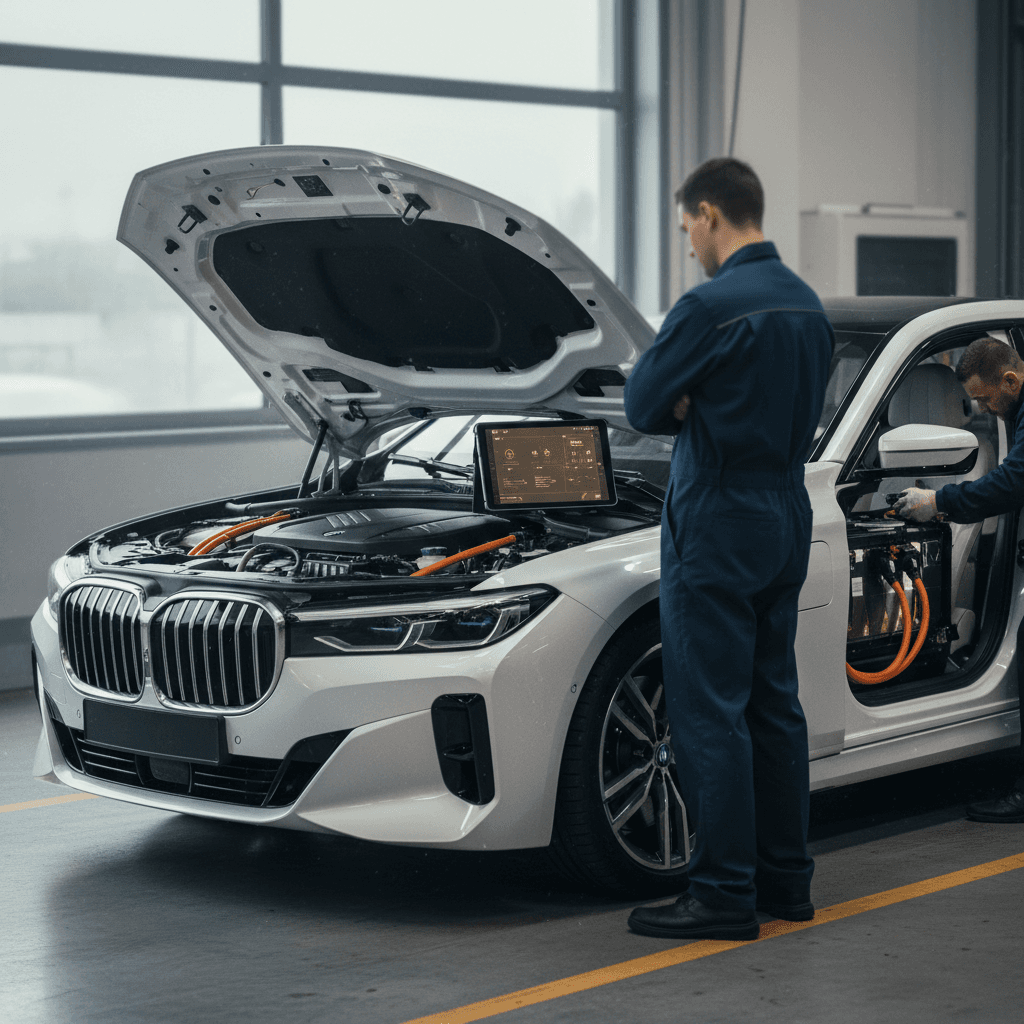
If you’re shopping for a used BMW i7 or already own one, understanding the full BMW i7 recalls list isn’t just a paperwork exercise. Recalls tell you where engineers have found weaknesses in the car’s systems, and how BMW is required to fix them at no cost. For a flagship electric sedan like the i7, those campaigns have focused mainly on high‑voltage battery behavior and software that controls the drive system.
Quick reality check
Overview: BMW i7 recalls list and why it matters
As of early 2025, the BMW i7 has been involved in several multi-model recall campaigns in the U.S., typically grouped with the i4 and iX because they share similar eDrive components and battery architecture. The big themes are:
- High-voltage battery control issues that can cause a temporary or complete loss of drive power.
- Battery cell module manufacturing concerns that, in rare cases, could increase the risk of a thermal event or sudden power loss.
- Drive-motor software logic that may shut down the high‑voltage system unnecessarily, again leading to a brief loss of propulsion.
The good news: the major campaigns are either software-only fixes (often delivered via over‑the‑air updates) or module replacements that BMW performs free of charge. That means a recalled i7 isn’t automatically a bad bet, especially if you can verify that all work is complete.
BMW i7 recall activity at a glance
BMW i7 recalls by year and model
Because BMW files recalls by campaign, not just by model, it can be confusing to figure out which BMW i7 years are affected and why. Below is a simplified, owner‑friendly view of the most significant U.S. campaigns that include the i7. Exact production windows and VIN ranges are determined by BMW and the National Highway Traffic Safety Administration (NHTSA), so always confirm against official tools before acting.
Major BMW i7 recall campaigns (U.S.)
High‑level summary of the most important recall campaigns that include the BMW i7. Campaign numbers and dates are approximate and for orientation only.
| Approx. campaign | Issue focus | Model years incl. i7 | Typical symptom | Remedy |
|---|---|---|---|---|
| Early 2023 – HV battery monitoring software | Battery-management software can misdiagnose conditions and momentarily cut power. | 2023 i7 | Possible temporary loss of propulsion, especially while charging or shortly after. | Dealer software update to the high‑voltage battery management electronics. |
| Mid 2025 – Drive-motor software power-loss recall | Electric-drive software may incorrectly detect a fault and shut down the HV system. | 2023–2024 i7 (plus other BMW EVs) | Brief loss of drive power while driving; braking and steering remain available. | Over‑the‑air (OTA) or dealer-installed software update. |
| Mid/late 2025 – HV battery cell-module recall (small population) | Excessive compression force during battery cell assembly may stress module frames. | Select 2023–2024 i7 units only | Higher lifetime risk of HV battery failure and, in rare cases, thermal event. | Replacement of affected battery cell modules at BMW dealers. |
Use this as a roadmap, then verify details for your exact car using a VIN lookup.
Don’t rely only on model year
High-voltage battery recalls on the BMW i7
The i7’s high‑voltage battery pack is central to two key recall themes so far: how the pack is monitored by software, and how individual cell modules were assembled at the factory.
1. Battery monitoring software can trigger power loss
One of the earliest i7-related recalls centered on software that monitors the high‑voltage battery’s charging and operating conditions. Under certain edge cases, the system might misdiagnose a fault, reset the control unit, and interrupt electrical power. In practical terms, that could mean a temporary loss of propulsion while driving or charging.
- Applies primarily to early production 2023 BMW i7 sedans, often grouped with i4 and iX models.
- Root cause is software logic in the battery management electronics, not physical battery damage in most cars.
- Dealers remedy the issue with a software update; owners are typically not instructed to stop driving if no symptoms appear.
What you’ll notice as a driver
2. Battery cell-module compression concern (small VIN range)
A much smaller, mid‑decade recall involves just over a hundred BMW EVs in the U.S., including a handful of i7s, where the force used to compress individual battery cells into a module may have exceeded specifications during assembly. Over thousands of miles and charge cycles, that extra stress can weaken the module frame.
- Covers a very limited group of 2023–2024 BMW i7 sedans built in a specific production window.
- Potential outcomes include shutdown of the high‑voltage system and, in rare cases, increased risk of a thermal event (battery fire).
- BMW dealers replace specific high‑voltage battery cell modules free of charge; BMW has reported no injuries tied to this issue as of the campaign announcement.
Battery and fire-risk language can sound scarier than it is
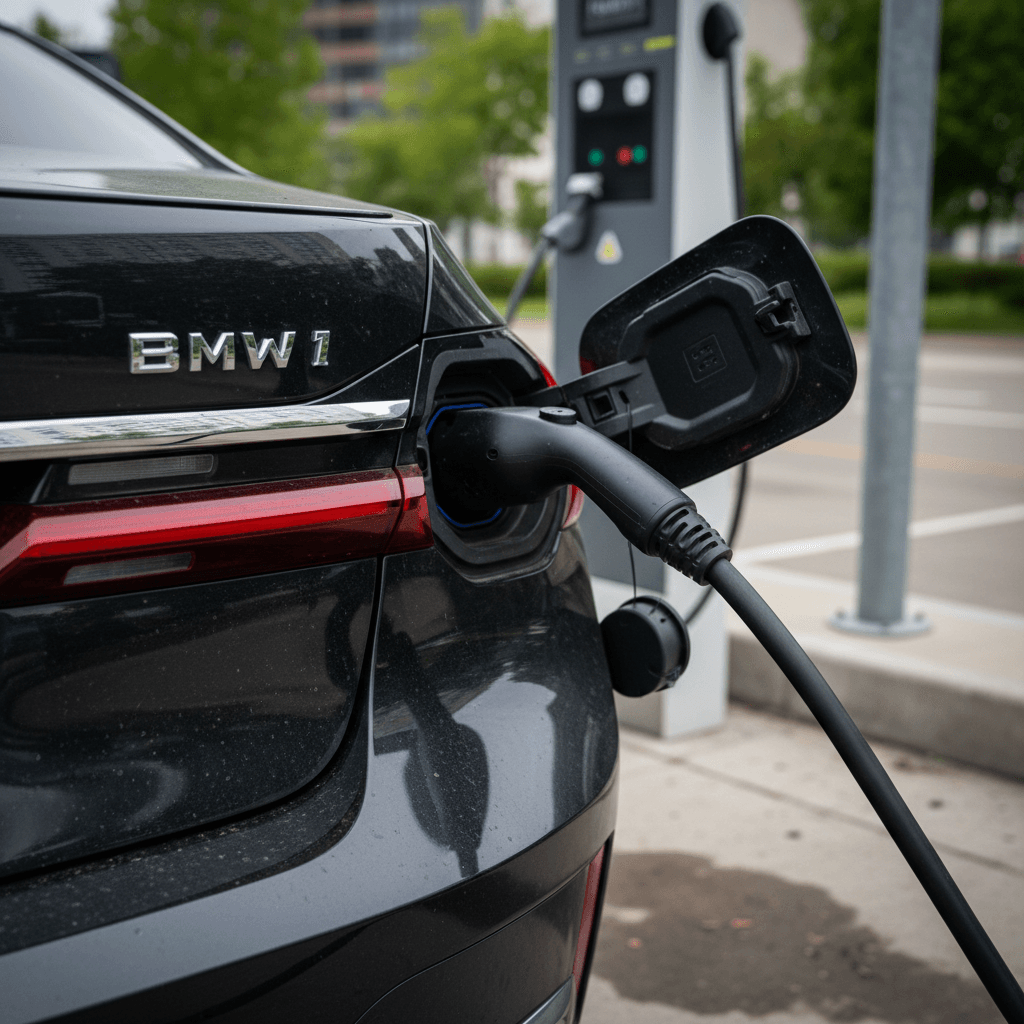
Software-related power loss recall on the BMW i7
In 2025, BMW launched a large software recall covering more than 70,000 EVs in the U.S., including the i7. This time the focus wasn’t the battery pack itself, but the electric drive motor software that talks to the high‑voltage system.
What triggers the recall?
Under specific conditions, the drive-motor software may incorrectly detect a double-isolation fault, essentially thinking there’s an electrical insulation problem when there isn’t. To protect the system, the car enters a fail‑safe mode that shuts down the high‑voltage system.
The result is a loss of propulsion for about 15–20 seconds, even though steering and braking continue to work.
Which BMW i7s are covered?
- 2023–2024 BMW i7 models sold in the U.S., alongside certain i4, i5, and iX vehicles.
- Exact VIN ranges depend on production dates and software versions loaded from the factory.
BMW handles the fix either with an over‑the‑air update or a quick dealer visit, no hardware swaps are usually required.
Why software recalls are owner-friendly
How to check if a specific BMW i7 has open recalls
Whether you already own an i7 or you’re eyeing a used example online, you should always check recall status by VIN. In the U.S., you have two main ways to do that, and both are free.
Two reliable ways to look up BMW i7 recalls
You only need the 17‑character VIN, usually visible at the base of the windshield or on registration documents.
1. BMW USA recall lookup
BMW runs its own recall checker for U.S. vehicles.
- Go to the official BMW USA safety and emissions recall page.
- Enter the full VIN of the i7 you’re checking.
- Review any open campaigns and recommended actions.
BMW’s tool shows what still needs to be done, which is what matters for safety and resale value.
2. NHTSA VIN lookup
You can also use the federal recall database:
- Visit the NHTSA recall lookup site.
- Enter the VIN and run a search.
- See a list of safety recalls, status, and basic descriptions.
NHTSA is a good cross‑check if you want a second, independent source.
Pre-purchase recall checklist for a used BMW i7
1. Run a VIN recall check yourself
Don’t just take the seller’s word for it. Use the BMW or NHTSA lookup tools with the actual VIN and save screenshots of the results for your records.
2. Confirm repair completion dates
If recalls show as completed, ask for service records or a printout from a BMW dealer showing which campaigns were done and on what dates.
3. Look for open campaigns on battery or power loss
Open high‑voltage or power‑loss recalls aren’t dealbreakers by themselves, but plan time to get them done quickly after purchase, and avoid long highway trips before they’re addressed.
4. Ask who performed the work
Recall repairs should be performed at an authorized BMW center. Verify the dealership name on invoices, especially for high‑voltage battery work.
5. Combine recall info with battery health data
A clean recall history doesn’t guarantee a healthy pack. Pair recall checks with an independent battery health report whenever possible.
How Recharged handles recall checks for you
What BMW i7 recalls mean if you’re buying used
In the used market, recalls can actually be a positive sign if they’ve been handled correctly. They show that known issues were identified and fixed under regulatory oversight rather than ignored. For a complex luxury EV like the BMW i7, here’s how to read that history.
How recalls affect value
- Completed recalls rarely hurt resale value; they can even boost confidence in early model years.
- A pattern of ignored or overdue campaigns can be a red flag about how the car was maintained.
- Battery-module replacement recalls may slightly reduce short‑term demand, but they also mean the pack has newer components.
In today’s market, most sophisticated EV shoppers expect some recall history, what they care about is documentation.
Questions smart buyers ask
- “Are there any open recalls on this VIN right now?”
- “Do you have proof that required software updates were actually installed?”
- “Has this i7 ever had high‑voltage battery modules replaced? If so, when and why?”
If a seller can’t answer these questions, assume you’ll need to do extra homework, or move on.
Where the Recharged Score fits in
BMW i7 recall FAQ
Frequently asked questions about BMW i7 recalls
Key takeaways for current and future BMW i7 owners
- The BMW i7 has participated in several multi‑model EV recalls focused on battery monitoring, cell‑module integrity, and drive‑motor software, but most fixes are straightforward and free.
- A recall history isn’t a reason to avoid the i7 outright; incomplete or poorly documented work is.
- Always confirm recall status by VIN, not just by model year, trim, or seller claims.
- For used shoppers, pair recall checks with independent battery health data to understand the car’s long‑term prospects, not just its compliance status.
- Buying through a specialist like Recharged gives you a head start: our Recharged Score Report, recall checks, and EV‑savvy advisors help you separate solid BMW i7s from the ones that could cost you later.
As luxury EVs like the BMW i7 age into the used market, recall history is going to matter more, not less. If you treat recalls as a roadmap, rather than a scarlet letter, you can zero in on well‑maintained cars that have had their early issues sorted. And if you’d rather not decode all of that on your own, Recharged is built to help you navigate every step, from recall status and battery health to fair pricing and financing.