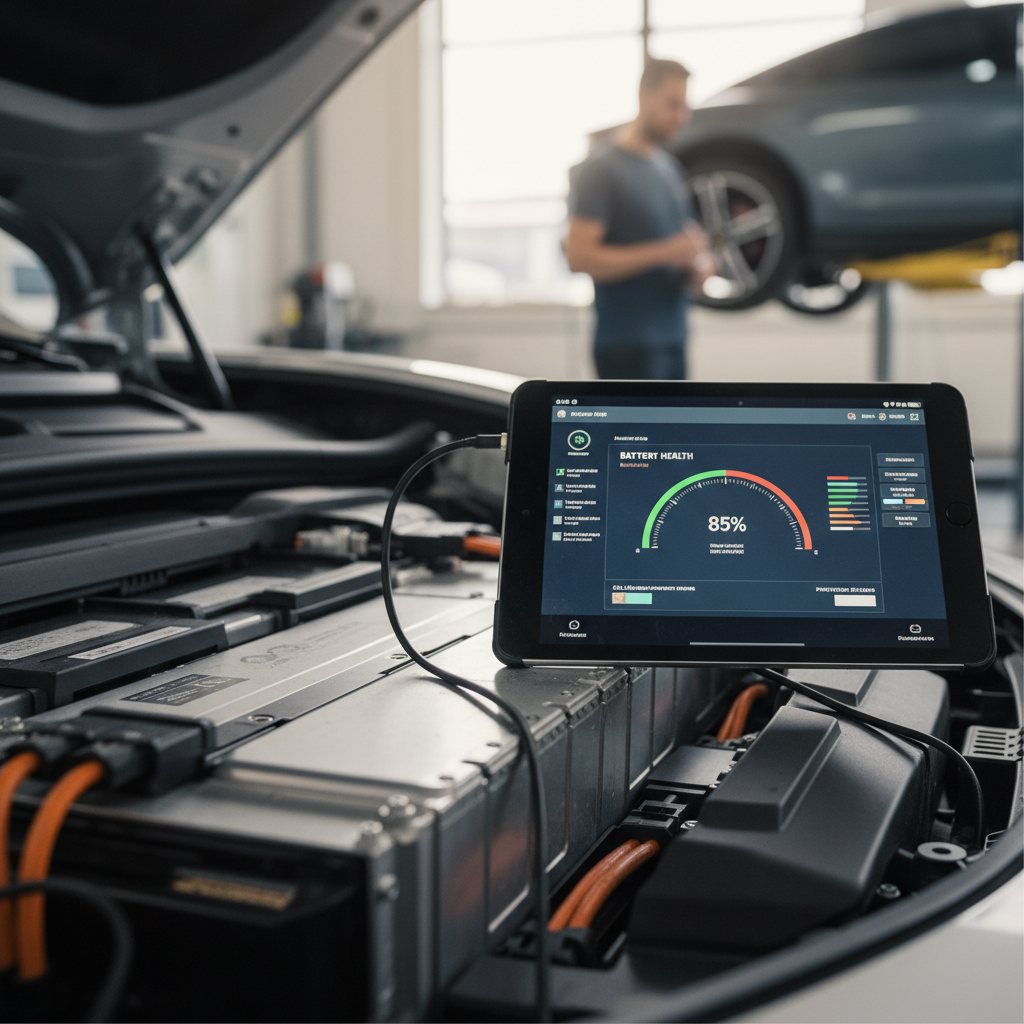
The BMW i7 is a 6,000‑pound, leather‑lined spaceship with mood lighting, and like any complicated spaceship, it needs a plan. The official BMW i7 maintenance schedule is simpler than a gas 7 Series, but it’s also easy to misunderstand, especially if you’re coming from oil changes and timing belts. This guide breaks down what actually needs to be serviced, when, and how to keep costs sane, whether you’re driving a brand‑new i7 or shopping for a used one.
Key idea: time matters more than miles
BMW i7 maintenance overview
First, the good news: there’s no engine oil, no spark‑plug roulette, no exhaust system simmering under the floorboards. The i7’s routine maintenance revolves around brakes, fluids, filters, tires, suspension checks and software. BMW bundles most of this into its Condition Based Service (CBS) system and, for new cars, the BMW Ultimate Care maintenance program.
BMW i7 maintenance at a glance
Where to find your exact schedule
How BMW i7 service works: CBS and Ultimate Care
Condition Based Service (CBS)
BMW’s Condition Based Service is the brain that runs your i7’s maintenance reminders. Instead of a simple 10,000‑mile timer, the car looks at time, mileage, brake wear, and driving style.
- Service alerts appear in iDrive and the My BMW app.
- Items are usually labeled by month/year instead of miles (especially brake fluid and inspections).
- It updates automatically when a BMW center completes service.
BMW Ultimate Care for the i7
New BMWs in the U.S. typically include a BMW Ultimate Care maintenance plan for the first few years or 36,000 miles. That plan usually covers:
- Brake fluid at the time interval.
- Cabin air microfilter(s).
- Multi‑point vehicle checks and software updates.
- Some other scheduled items spelled out in your plan documents.
On a used i7, ask if any Ultimate Care or Ultimate Care+ extensions are still active, they’re tied to the VIN, not the owner, and can add real value.
Don’t ignore the “2‑year service” on EVs
BMW i7 maintenance schedule by time and mileage
BMW doesn’t publish a neat 5,000‑10,000‑15,000‑mile table for the i7 the way generic car sites do. Instead, the car calls you in when CBS says it’s time. That said, real‑world owner experiences and BMW’s own maintenance patterns give us a practical schedule you can plan around.
Typical BMW i7 maintenance schedule (approximate)
Use this as a planning tool alongside the official reminders in your i7’s iDrive system and maintenance booklet.
| Interval | What’s usually done | Notes for i7 owners |
|---|---|---|
| Every 12 months or 7,500–10,000 miles | General inspection, tire rotation (if applicable), top off washer fluid, visual brake check | Often combined into your normal visit; BMW may stretch mileage if you drive very little. |
| Every 24 months (2 years) | Brake fluid replacement, cabin microfilter, vehicle check | This is the big recurring service on the i7, even with low mileage. |
| Every 4 years | HVAC and cabin filters, detailed inspection of suspension, steering, rubber components | May also include key‑fob battery check and software updates, depending on dealer. |
| Every 6 years+ | Coolant checks for thermal management system (battery, inverter, motor), more intensive chassis inspection | Follow BMW guidance closely here; EV cooling systems are critical for battery longevity. |
| As needed (mileage‑dependent) | Tires, wiper blades, alignment, brake pads/rotors | Heavier i7s can be tough on tires; expect more frequent replacements than a 3 Series. |
Intervals are time‑based first; mileage is secondary on most EV items.
City driver vs. road‑tripper
What actually gets serviced on an EV: i7 vs. gas BMW
BMW i7 vs. gas 7 Series: what you do (and don’t) service
Some old worries disappear; a few new priorities show up.
Things you *don’t* worry about on an i7
- Engine oil & filter – there’s no combustion engine.
- Spark plugs, coils, fuel system – all gone.
- Exhaust, O2 sensors, cats – not on the menu.
- Transmission service – the i7 uses a simple single‑speed gearset.
That alone erases several thousand dollars of lifetime maintenance versus a V8 7 Series.
What still matters (or matters more)
- Brake fluid – time‑based, typically every 2 years.
- Cabin filters – big, multi‑zone climate systems need clean filters.
- Tires & alignment – heavy, torquey EV; expect wear.
- Suspension & bushings – weight + 21" wheels = hard life.
- Battery cooling system – inspections and software to keep temps in check.

Let the car tattle on itself
BMW i7 maintenance costs and how to keep them in check
Routine services on a BMW i7 are not the horror‑movie bills you might associate with a twin‑turbo V8. The real money is in two places: tires and out‑of‑warranty repairs if something complicated goes wrong. Here’s a rough sense of what to expect in the U.S. at a BMW dealer versus a good independent EV‑savvy shop:
Typical BMW i7 maintenance items and ballpark costs
Actual prices vary by region and dealer; use this as a directional planning tool.
| Service | Interval | BMW dealer | Independent shop |
|---|---|---|---|
| Brake fluid flush | Every 2 years | $180–$260 | $140–$220 |
| Cabin microfilter(s) | Every 2–4 years | $180–$300 | $120–$220 |
| Vehicle check / multi‑point inspection | Every 2 years+ | Often bundled, $200–$350 if itemized | $150–$250 |
| Tire replacement (set of 4, 20–21") | 30k miles or less on heavy EV | $1,600–$2,400+ | $1,200–$2,000 |
| Four‑wheel alignment | As needed, often with new tires | $250–$350 | $180–$280 |
Figures assume out‑of‑pocket payment; BMW Ultimate Care may cover some items during the initial term.
Where the i7 actually saves you money
Maintenance tips if you’re buying a used BMW i7
On the used market, the i7 is a six‑figure car doing battle with depreciation. Maintenance history is one of the few ways to separate a pampered flagship from a neglected tech experiment. This is exactly the sort of thing Recharged was built to clarify.
Used BMW i7 maintenance checks before you buy
1. Verify brake‑fluid services by date
Look for brake‑fluid changes roughly every 2 years. A 2023 i7 should show completed fluid service by 2025. Gaps here suggest the car has been skipping basic care.
2. Check for open or overdue service items in iDrive
From the i7’s menu, pull up Service Required. Any red or overdue items are bargaining chips, or reasons to walk away if the seller won’t address them.
3. Inspect tires and alignment wear
Uneven or chewed outer shoulders on those huge wheels can hint at curb kisses and missed alignments. Budget for a fresh set of EV‑rated tires if tread is low or wear is ugly.
4. Ask for BMW service history printouts
A BMW dealer can print a VIN‑based service history. You’re looking for consistent visits every 1–2 years, not a five‑year blank space followed by a frantic catch‑up service.
5. Get a battery‑health assessment
With any used luxury EV, battery health is the ballgame. At Recharged, every car gets a <strong>Recharged Score</strong> that includes verified battery diagnostics, so you’re not guessing about range or degradation.
6. Confirm remaining warranty and Ultimate Care
Know exactly how much factory warranty, high‑voltage battery coverage, and any BMW Ultimate Care/Ultimate Care+ plans are left. That coverage can be worth thousands of dollars.
How Recharged makes this easier
BMW i7 maintenance checklist
If you’d rather think in simple tasks than in BMW acronyms, here’s a plain‑English BMW i7 maintenance schedule you can keep in your notes app and hand to whichever shop you trust.
- Every 6–12 months: Check tire pressures, tread depth, washer fluid, and wiper performance; rotate tires if your setup allows it.
- Every 24 months: Schedule a brake‑fluid flush, cabin filter replacement, and full vehicle health check (suspension, steering, lights, safety systems).
- Every 4 years: Repeat the 2‑year items plus a more detailed inspection of rubber bushings, ball joints, and the battery cooling system; make sure all software campaigns and recalls are current.
- As needed: Replace tires and wiper blades, perform alignment if the car pulls or you see uneven wear, repair curb damage to wheels before it compromises sealing.
- Before warranty expiry: Have a BMW dealer do a thorough inspection and address any borderline items while the car is still covered.
Different maintenance strategies for different i7 owners
Low‑mileage city driver
You’ll hit time‑based 2‑year services long before big mileage, don’t skip them.
Prioritize tire inspections; stop‑and‑go plus weight can chew through tread quietly.
Consider staying with a BMW dealer while Ultimate Care is active, then move to a trusted EV‑savvy independent.
High‑mileage highway commuter
You’ll see tires and perhaps alignment more often; budget accordingly.
Keep brake‑fluid and vehicle checks on the 2‑year clock even if CBS seems optimistic.
Track degradation trends, note real‑world highway range once a year so you notice if it changes.
Short‑term lessee (3–4 years)
Most scheduled i7 services will be covered by BMW Ultimate Care during your lease.
Your only big out‑of‑pocket will likely be tires or wheel damage, treat curbs like enemies.
Follow the digital schedule exactly; excessive deferred maintenance can trigger lease‑end charges.
Long‑term keeper / out‑of‑warranty
Build a relationship with an independent shop that understands high‑voltage systems.
Stay religious about brake fluid and cooling‑system checks to protect the battery and drive units.
Put aside an annual maintenance budget; it’s cheaper than panic when a warning light appears.
BMW i7 maintenance FAQ
Frequently asked questions about the BMW i7 maintenance schedule
Bottom line on BMW i7 maintenance
The BMW i7’s maintenance schedule looks intimidating only until you translate it from BMW‑speak into human. Follow the two‑year rhythm for brake fluid and inspections, watch your tires, and keep the CBS reminders green, and the car will go on performing like the rolling lounge it is. Compared with an equivalent gas 7 Series, the routine upkeep is refreshingly un‑dramatic.
If you’re shopping used, this is where a structured view of maintenance and battery health really pays off. A Recharged Score Report pulls together battery diagnostics, service records, and fair‑market pricing so you know whether that i7 in your sights has been living at the spa or skipping its checkups. In a car this sophisticated, that knowledge is worth as much as any option package.