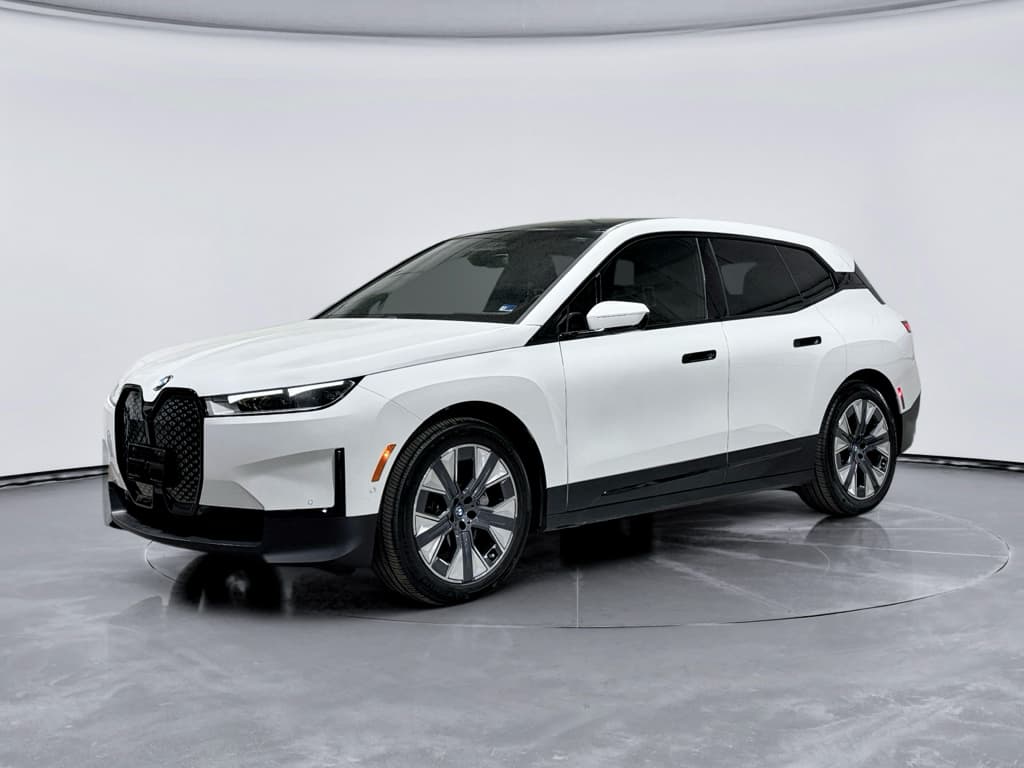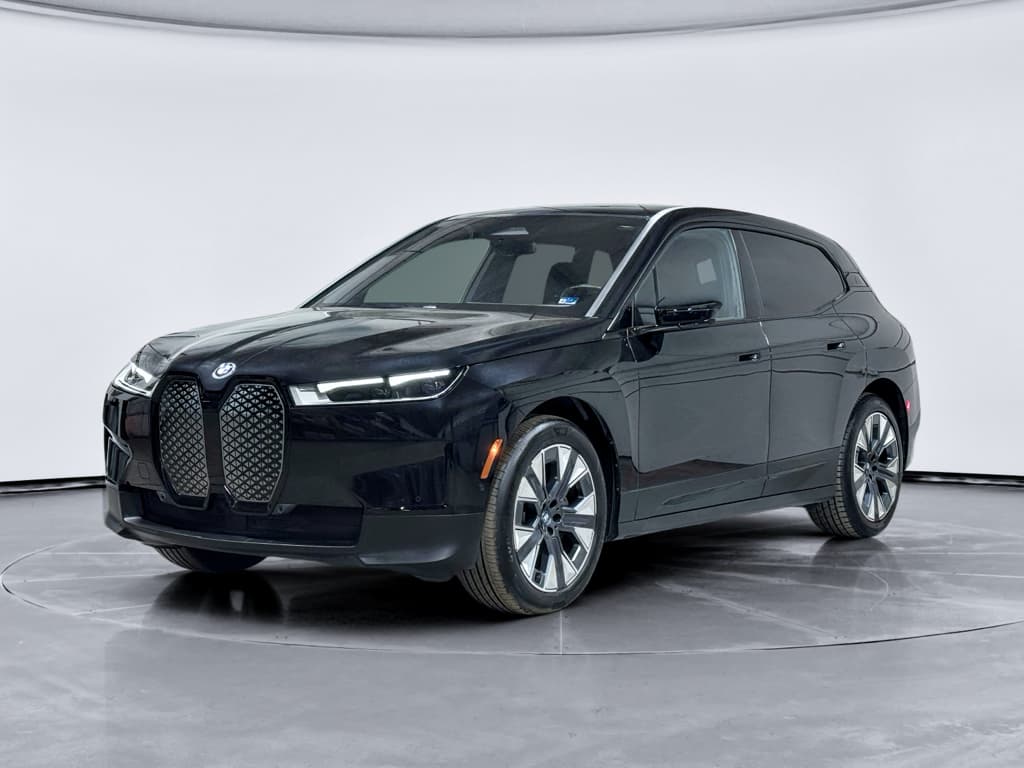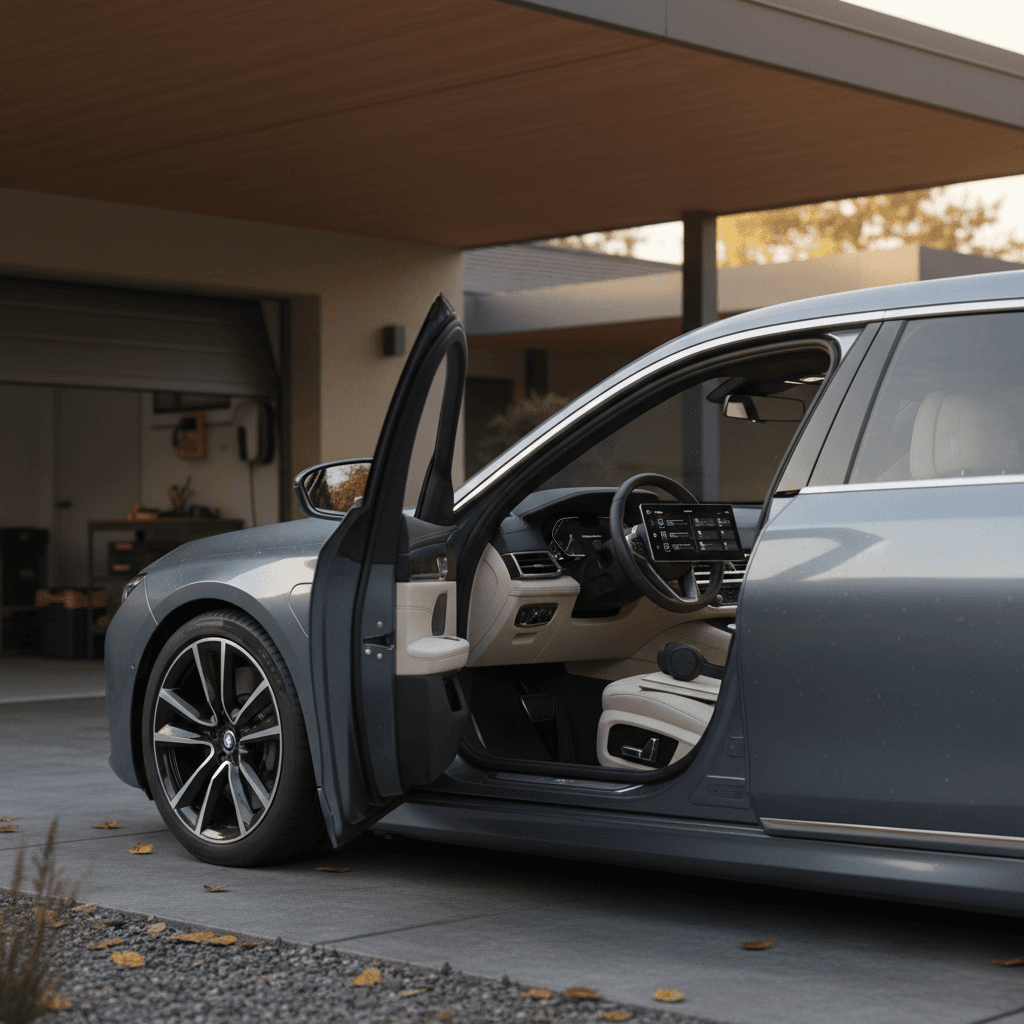
The BMW i7 is the all-electric 7 Series, an unapologetically opulent, 5,000‑plus‑pound salon on wheels. It’s brilliant to drive and even better to be driven in. But if you’re thinking about BMW i7 long term ownership cost, you’re asking the right question. A luxury EV like this can either be a quietly rational choice… or a very expensive science experiment.
Quick take
Why BMW i7 ownership costs matter
Traditional 7 Series sedans have long been infamous for heavy depreciation and pricey out‑of‑warranty repairs. The i7 inherits the same luxury‑flagship economics but swaps gas and oil changes for electrons and high‑voltage components. Your long‑term cost story is really a tug‑of‑war between falling resale value and lower running costs compared with a V8-powered 7 Series or Mercedes S‑Class.
- Upfront price: typically $120,000–$160,000 new once you add options.
- Huge early depreciation, often 50–60% gone within five years.
- Low routine maintenance but expensive out‑of‑warranty repairs if something big fails.
- Electricity that’s cheaper than gasoline, especially if you charge at home.
- Insurance and tires that are firmly in "luxury flagship" territory.
Who this guide is for
BMW i7 at a glance: price range and energy use
BMW i7 quick stats (U.S.-spec, recent model years)
In U.S. EPA testing, recent BMW i7 variants land around 38–42 kWh per 100 miles of driving, depending on trim and wheel size, on par with other big luxury EV sedans. That efficiency number is the backbone of your electricity‑cost math later on.
Depreciation: the biggest line item
Let’s talk about the elephant in the chauffeur lounge: depreciation. Luxury sedans are notorious for losing value, and the i7 behaves more like a bleeding‑edge gadget than a blue‑chip asset. That’s largely because EV tech is moving quickly, and a $140,000 sedan without the latest range and driver‑assist tricks looks old faster than it actually is.
Illustrative BMW i7 depreciation curve
Approximate market behavior for a well‑optioned i7 with a $145,000 new transaction price, assuming typical mileage and condition.
| Vehicle age | Approx. depreciation from new | Estimated value | What this means for you |
|---|---|---|---|
| 1 year | ~30% | ~$100,000 | You’ve lost the price of a nicely equipped 3 Series in 12 months. |
| 3 years | ~55–60% | ~$60,000–$65,000 | A lightly used i7 can cost less than half of new. |
| 5 years | ~70–75% | ~$35,000–$45,000 | Deep‑value territory; great for used buyers, not for first owners. |
| 8–10 years | ~80%+ | Often <$30,000 | Price increasingly governed by battery health more than original MSRP. |
These are directional estimates, not guaranteed resale values. Local market conditions, options, and mileage matter.
Why i7s fall so fast
If you buy new and sell after five years, depreciation will almost certainly be your single largest expense, easily $70,000–$90,000 lost in value. If you buy a three‑year‑old i7 instead, someone else has written that six‑figure check to the gods of progress on your behalf.
Energy costs: home and fast charging
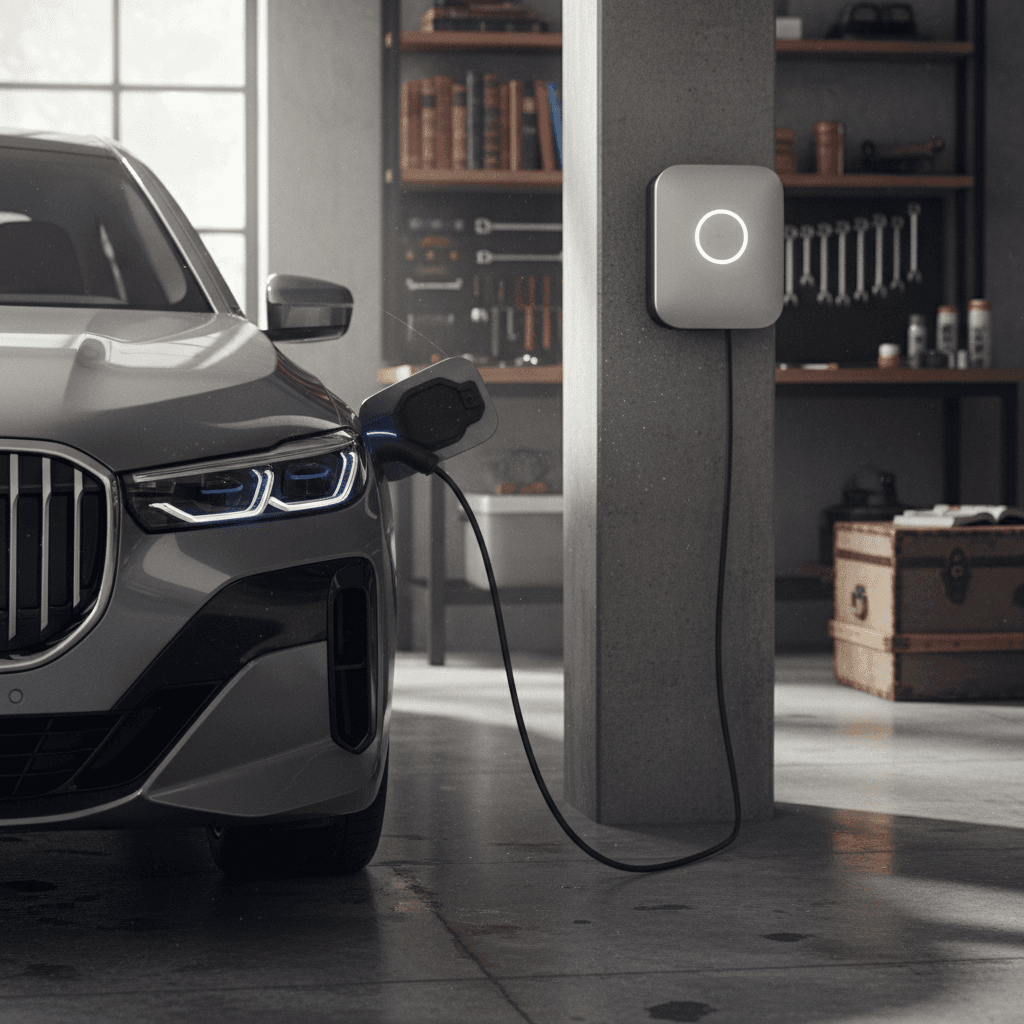
On the running‑cost side, the i7 is surprisingly gentle. At around 38–42 kWh/100 miles combined, it’s not a hyper‑efficient Tesla Model 3, but remember, you’re moving a leather‑lined skyscraper with a 31‑inch rear cinema screen.
Home charging costs
Assume a typical U.S. residential rate of $0.15/kWh and 40 kWh/100 miles.
- Cost per mile ≈ $0.06
- 12,000 miles/year ≈ $720/year
- 60,000 miles over 5 years ≈ $3,600
If your utility offers off‑peak EV rates or you have rooftop solar, your effective cost can drop well below this.
DC fast charging costs
At high‑end public fast chargers, electricity can run $0.35–$0.50/kWh.
- At $0.40/kWh, cost per mile ≈ $0.16
- 12,000 miles/year all on fast charge ≈ $1,920/year
Real‑world owners usually mix home and public charging; your blended cost will land somewhere in between.
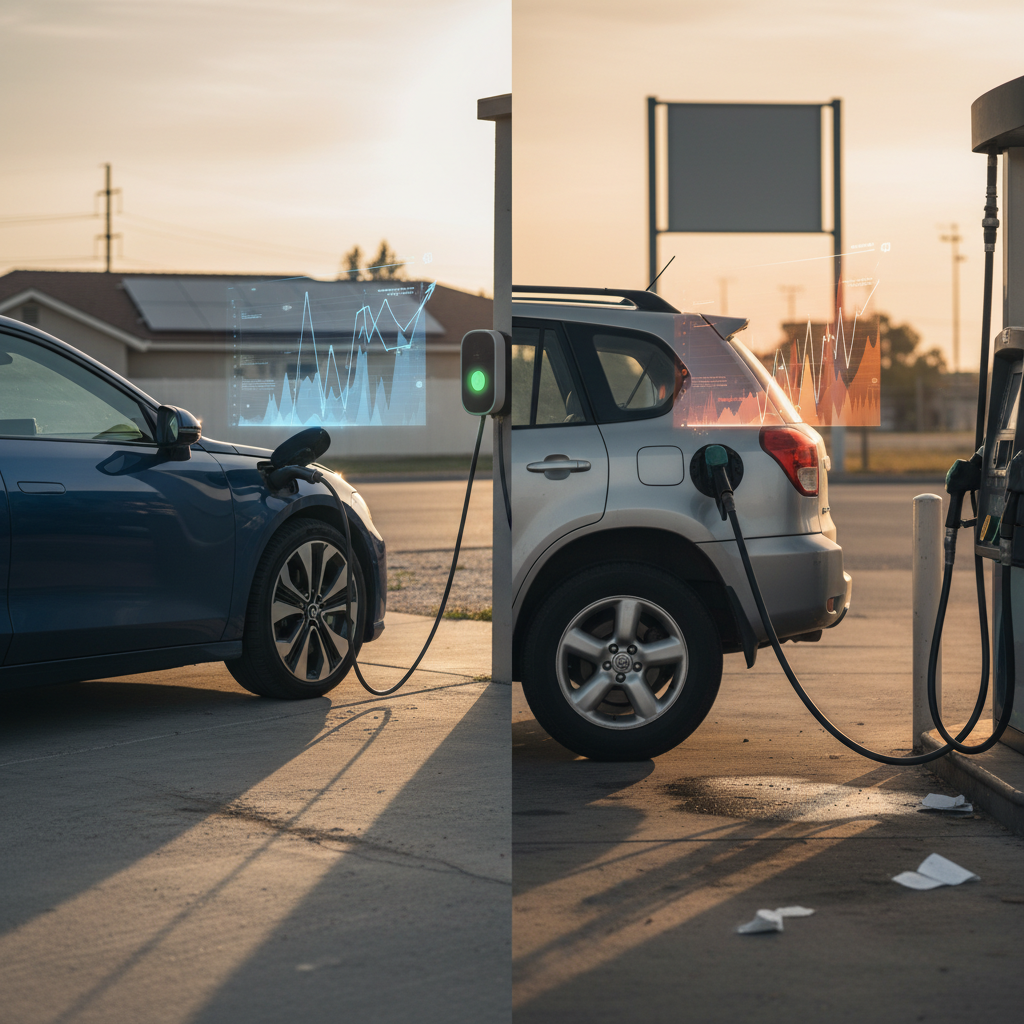
EV vs. gas comparison
Maintenance and repairs on an electric 7 Series
Mechanically, the i7 removes many traditional pain points: no engine oil, no spark plugs, no exhaust, no transmission in the conventional sense. BMW also includes three years of complimentary scheduled maintenance on new cars, and the high‑voltage battery and EV components are covered for 8 years/100,000 miles from the in‑service date.
Typical BMW i7 maintenance items
Less frequent than a gas 7 Series, but still not a Camry.
Brake fluid & coolant
Expect brake fluid service roughly every 2–3 years. Coolant for the battery and power electronics is long‑life but will eventually need attention.
Cabin filters & misc.
Microfilters, wiper blades, and cabin air filters are standard wear items. Typically a few hundred dollars per visit at a BMW dealer once you’re out of the free‑maintenance window.
Out‑of‑warranty repairs
Most i7 owners will avoid DIY. Complex air suspension, four‑wheel steering, and advanced electronics mean four‑figure repair bills are possible once the car ages.
EVs save on wear items
As a working estimate, plan on $700–$1,200 per year in maintenance and minor repairs once the free‑maintenance period ends, more if you insist on main‑dealer service only, less if you use a good independent EV‑savvy BMW specialist.
Insurance, tires, and other running costs
Insurance companies look at the i7 and see roughly what you see: a six‑figure luxury flagship loaded with sensors, glass, and LED jewelry. Unsurprisingly, they price policies accordingly.
Non‑energy running costs to budget for
Insurance premiums
Depending on your driving record and location, annual premiums for an i7 can easily run <strong>50–100% higher</strong> than for a mainstream EV. Think <strong>$2,000–$3,000+ per year</strong> in many U.S. metros.
Tires for a heavy EV
Most i7s run large, soft‑compound tires, often 20–21 inches, on a very heavy car. That means shorter tread life. A full set can easily cost <strong>$1,500–$2,500</strong> and may last 20,000–30,000 miles if you drive enthusiastically.
Alignment & suspension wear
All that weight plus rear‑axle steering and air suspension put stress on bushings and joints. Occasional alignments and, later in life, suspension work aren’t unusual on a big luxury sedan.
Registration & taxes
In some states, registration fees are tied to vehicle value or weight, and luxury EVs may carry additional EV surcharges. Check your DMV’s fee calculators when budgeting.
The body‑shop reality
5-year and 10-year BMW i7 cost scenarios
So how does all of this add up? Let’s sketch two simplified ownership stories for 60,000 and 120,000 miles. These aren’t precise quotes; they’re a framework you can adjust with your own numbers.
Example: 5‑year/60,000‑mile cost of ownership
Assumes mostly home charging, typical U.S. energy prices, and average insurance in a large metro area.
| Line item | Buy new i7 (~$140k) | Buy 3‑year‑old i7 (~$65k) |
|---|---|---|
| Depreciation | -$75,000 to -$90,000 | -$20,000 to -$30,000 |
| Electricity (mostly home) | ≈ -$3,600 | ≈ -$3,600 |
| Maintenance & minor repairs | ≈ -$2,500 (years 4–5 only) | ≈ -$4,000 |
| Insurance | ≈ -$12,500 ($2,500/yr) | ≈ -$10,000 ($2,000/yr) |
| Tires & misc. | ≈ -$3,000 | ≈ -$3,000 |
| Estimated total 5‑yr outlay | ≈ -$96k to -$111k | ≈ -$40k to -$51k |
Depreciation dominates if you buy new. Buying used radically changes the math.
10‑year keeper scenario
If you buy new and truly keep the i7 for 10 years and ~120,000 miles, your depreciation hit may approach $110,000+, with the car eventually settling somewhere around $25,000–$30,000 depending on battery health and market trends.
Add roughly $7,000–$8,000 in electricity, $10,000–$15,000 in maintenance and repairs as the car ages, and another $20,000–$25,000 in insurance, and you’re looking at a lifetime cost north of $150,000 all‑in.
10‑year used‑i7 scenario
Start with a 3‑ to 4‑year‑old i7 around $55,000–$70,000, keep it another decade, and your depreciation might be closer to $30,000–$40,000. The rest of the running costs are similar, though you’ll face more age‑related repairs.
Total 10‑year costs in this case can undercut the new‑car route by $60,000+.
Key insight
Why a used BMW i7 can be a bargain
For second and third owners, the i7 flips from financial villain to potential hero. Someone else absorbs the painful early depreciation; you get a still‑modern luxury EV for midsize‑sedan money. The catch is making sure the car’s battery health and complex hardware have aged gracefully.
Upsides of buying a used BMW i7
Why the math suddenly starts to make sense.
Huge discount vs. new
It’s not unusual to see three‑year‑old i7s listing for 40–60% off their original sticker prices, depending on spec and miles.
Battery warranty remaining
Because the high‑voltage battery is covered for 8 years/100,000 miles from the original sale, many used examples still have meaningful coverage left.
Flagship experience, smaller payment
You still get the quiet, the tech, and the rear‑seat theater, just with a monthly payment closer to a new mid‑range EV.
Don’t skip a battery health check
How Recharged helps with BMW i7 long-term costs
This is exactly the corner of the market where Recharged lives: high‑end used EVs whose first owners have already donated heavily to the depreciation gods. If you’re EV‑curious about the i7 but wary of long‑term costs, buying a vetted used example can be the sweet spot.
What you get with a BMW i7 from Recharged
Verified battery health with the Recharged Score
Every car on Recharged comes with a <strong>Recharged Score Report</strong>, including objective battery diagnostics. You’re not guessing whether the pack has been abused by years of DC fast charging.
Fair market pricing based on real depreciation
Because we specialize in used EVs and see current market data every day, pricing reflects real‑world depreciation, not wishful thinking. That helps you capture more of the value gap between new and used i7s.
Financing tuned to EV realities
Recharged offers <strong>EV‑friendly financing</strong>, plus tools to estimate your monthly payment and compare it with your projected charging and maintenance savings.
Trade‑in and selling options
Already own an EV or gas car? Recharged can provide an <strong>instant offer</strong> or consignment options to help you move out of your current car and into an i7 with less friction.
Nationwide delivery & EV‑specialist support
Whether you’re shopping online or visiting our Experience Center in Richmond, VA, you get access to EV‑specialist support that can walk you through total cost of ownership line by line.
BMW i7 ownership FAQ
Frequently asked questions about BMW i7 long-term costs
Bottom line: is a BMW i7 worth it long term?
In purely rational terms, a brand‑new BMW i7 is a luxury, not a spreadsheet play. BMW i7 long term ownership cost is dominated by early depreciation; cheap electricity and lower routine maintenance can’t fully offset the fact that this is a six‑figure rolling technology statement.
But as a used purchase, especially with verified battery health and transparent pricing, the i7 starts to look clever. You’re leveraging someone else’s depreciation, then enjoying a decade of quiet, all‑electric miles for roughly the cost of owning a new mainstream luxury sedan. If that’s the lane you want to be in, Recharged is built to help you get there with less risk and fewer surprises.