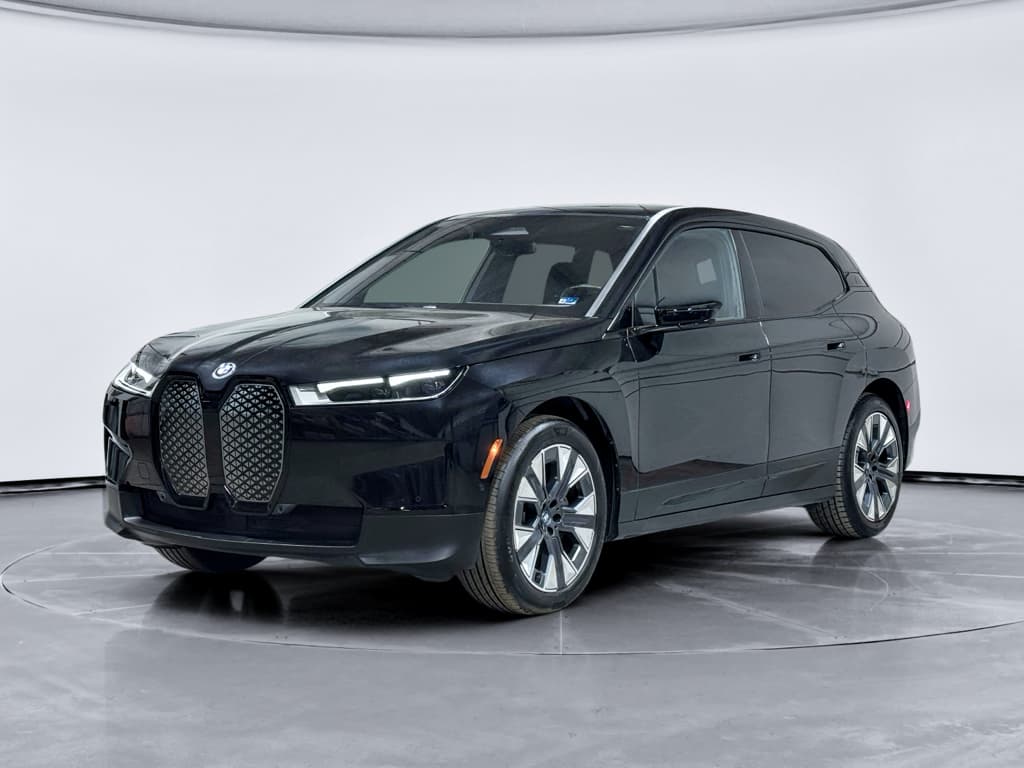
If you’re shopping for a flagship electric BMW, the BMW i7 insurance cost can be as sobering as the MSRP. It’s a six‑figure luxury EV packed with sensors, glass, and sanctuary‑quiet leather, wonderful to own, painful to repair. In this guide, we’ll unpack what i7 drivers actually pay for insurance in the U.S., why the premiums are so high, and what you can do, especially if you’re eyeing a used i7, to keep the costs from blowing up your total cost of ownership.
Luxury EV, luxury premium
BMW i7 insurance cost at a glance
Typical BMW i7 insurance picture in 2025
No two policies are the same, but data from cost‑to‑own tools and luxury‑segment quotes suggests that insuring a brand‑new BMW i7 in 2025 will often land in the $4,500–$5,800 per year ballpark for full coverage, assuming a 30‑ to 50‑year‑old driver with a clean record, normal annual mileage, and typical coverage limits. Pay in monthly installments and you’re looking at roughly $375–$485 per month just for the privilege of putting plates on your electric limousine.
How much does BMW i7 insurance cost?
Estimated BMW i7 full‑coverage insurance costs (U.S., 2025)
These are directional estimates for a clean‑record driver. Your actual quote can land well outside this band based on location, age, credit, and coverage choices.
| Scenario | Annual premium (estimate) | Monthly (estimate) | Notes |
|---|---|---|---|
| New BMW i7 xDrive60, urban, clean record | $5,500 | $460 | Typical for a 40‑year‑old driver in a large metro with full coverage and $500 deductibles. |
| New BMW i7 M70, urban, clean record | $5,800+ | $485+ | Performance trim, larger wheels, and higher MSRPs tend to push premiums higher. |
| New BMW i7, suburban, clean record | $4,500–$5,000 | $375–$420 | Lower traffic density and theft rates can trim 10–20% off the bill. |
| 3‑year‑old used i7, suburban, clean record | $3,800–$4,500 | $315–$375 | Lower vehicle value helps, but repair and parts costs are still high. |
| Young driver (under 25) in new i7 | $7,000+ | $585+ | Youth plus 500+ horsepower is an insurer’s least‑favorite pairing. |
| High‑deductible policy on used i7 | $3,300–$3,800 | $275–$315 | Raising deductibles and trimming extras can drop the premium significantly. |
Use this table as a sanity check when you start collecting quotes, not as a promise from your insurer.
Treat these as guide rails, not gospel
Why BMW i7 insurance is so expensive
Four big reasons insurers load the BMW i7
From the insurer’s point of view, this is a rolling liability cocktail: expensive, powerful, and packed with electronics.
It’s a six‑figure luxury flagship
A new BMW i7 can easily crest $120,000 with options. If the car is totaled or seriously damaged, your insurer is effectively buying a new one. High replacement cost is the single biggest driver of high premiums.
Complex EV powertrain
The i7 hides a huge battery pack, dual motors, and intricate thermal management. Even a moderate collision near the pack or power electronics can turn into a five‑figure repair, especially if high‑voltage components need replacement.
Screens, sensors, and glass everywhere
Laser headlights, 31‑inch theater screens, panoramic roofs, lidar‑like radar arrays, this is the stuff of an adjuster’s nightmares. Cosmetic damage that used to be a bumper respray is now a module plus calibration invoice.
Performance and weight
The i7 is a silent missile: 0–60 mph in well under 5 seconds in many trims, with a curb weight north of 5,800 pounds. More performance and mass mean higher potential claim severity when things go wrong.
To their credit, insurers can also see the upside: the i7 comes loaded with active safety tech, automatic emergency braking, lane‑keeping assist, sophisticated crash structures, which can help reduce claim frequency. But when you’re dealing with a car this heavy, fast, and complicated to fix, the math still leans toward expensive premiums.
8 factors that change your BMW i7 insurance rate
- Location: Dense urban ZIP codes with heavy traffic, higher theft risk, and pricier body shops tend to yield the highest premiums.
- Driving record: A single at‑fault accident or serious speeding ticket can add hundreds of dollars per year to an i7 policy.
- Age and experience: Insurers love boring middle‑aged drivers and dislike 22‑year‑olds in 536‑horsepower sedans.
- Credit‑based insurance score (in most states): Strong credit can mean lower rates; poor credit can move you into a higher‑risk tier.
- Annual mileage and use: Commuter traffic five days a week is riskier than a low‑mileage second car used for weekends.
- Coverage limits and deductibles: Higher liability limits and low deductibles push premiums up; the opposite pulls them down.
- Claims history: Multiple prior claims, especially comprehensive claims like glass or vandalism, signal more risk.
- Garaging and security: A locked garage, good lighting, and even tracking/anti‑theft devices can help keep the rate in check.
Pro tip: ask how each factor changes your quote
Trim, model year, and coverage: what really moves the needle
Trim & options
Within the i7 lineup, trims like the M70 with more power and larger wheels are typically a bit more expensive to insure than a base xDrive60. Insurers don’t just look at horsepower, they look at MSRP, parts cost, and claim history by VIN. More expensive cars with costlier options usually mean higher collision and comprehensive premiums.
Wheel and tire packages can matter too. Huge low‑profile tires on big wheels are more vulnerable to damage from potholes and curbs, and they’re more expensive to replace when something goes wrong.
Model year & coverage
For the first few years, most of what you’re paying for is replacement cost. A brand‑new i7 carries full freight. As the car ages and depreciates, collision and comprehensive coverage can gradually get cheaper, especially if you’re willing to raise deductibles.
Coverage type also matters. A lender‑financed new i7 will require full coverage and specific limits. A paid‑off, older i7 used lightly may justify higher deductibles or, eventually, dropping some coverages, though given the cost of parts, most owners keep comprehensive at a minimum.
9 smart ways to lower your BMW i7 insurance cost
Practical ways to keep your i7 premium in check
1. Shop multiple insurers, not just one
Luxury EVs price very differently from company to company. Get at least three quotes, ideally including one insurer known for good luxury‑car rates and one that leans into EVs.
2. Dial in your deductibles
Moving collision and comprehensive deductibles from $500 to $1,000 can noticeably cut premiums. Only do this if you can comfortably afford that out‑of‑pocket hit after a claim.
3. Right‑size your liability limits
Don’t skimp on liability, but don’t blindly accept ultra‑high limits either. Ask your agent to model a sensible middle ground based on your net worth and risk tolerance.
4. Use telematics or safe‑driver programs
If you’re genuinely a calm, low‑mileage driver, usage‑based programs that track your driving can help claw back some of the penalty that comes with a big, powerful sedan.
5. Bundle policies where it makes sense
Combining home, condo, or renters insurance with your auto policy can unlock multi‑policy discounts that take some sting out of the i7’s premium.
6. Improve garaging and security
Parking in a locked garage, adding security cameras, or enabling factory anti‑theft features can reduce comprehensive risk and sometimes qualify you for discounts.
7. Clean up tickets before you switch
If you’re a few months from an old violation aging off your record, it can be worth waiting to switch carriers or re‑shop your i7 to capture better pricing tiers.
8. Avoid unnecessary add‑ons
Rental reimbursement, roadside, and glass coverage can all be useful, but stacked together they add real money. Decide what you actually need for your situation.
9. Consider a slightly older i7
Moving from a brand‑new i7 to a well‑maintained 2‑ to 3‑year‑old example can reduce both your loan and your collision/comprehensive premiums. That’s where a platform like <strong>Recharged</strong> comes in.
Where Recharged fits in
Ready to find your next EV?
Browse VehiclesInsuring a used BMW i7: what changes and what doesn’t
A used BMW i7 doesn’t magically become cheap to insure, but the economics do soften around the edges. Depreciation has already chewed through the steepest part of the curve, so the amount an insurer has to pay out on a total loss is lower. That can take some pressure off collision and comprehensive premiums, especially if you’re comfortable with higher deductibles.
- What usually gets better: Collision and comprehensive costs can ease as the car’s value falls, particularly after the first 2–3 years.
- What usually stays high: Repair complexity, parts prices, and labor rates don’t really drop. An out‑of‑warranty i7 is still a complicated machine to fix.
- What you control: You can decide whether a 6‑ or 7‑year‑old i7 still merits full collision coverage, or whether your risk tolerance and cash reserve justify slimming the policy down.
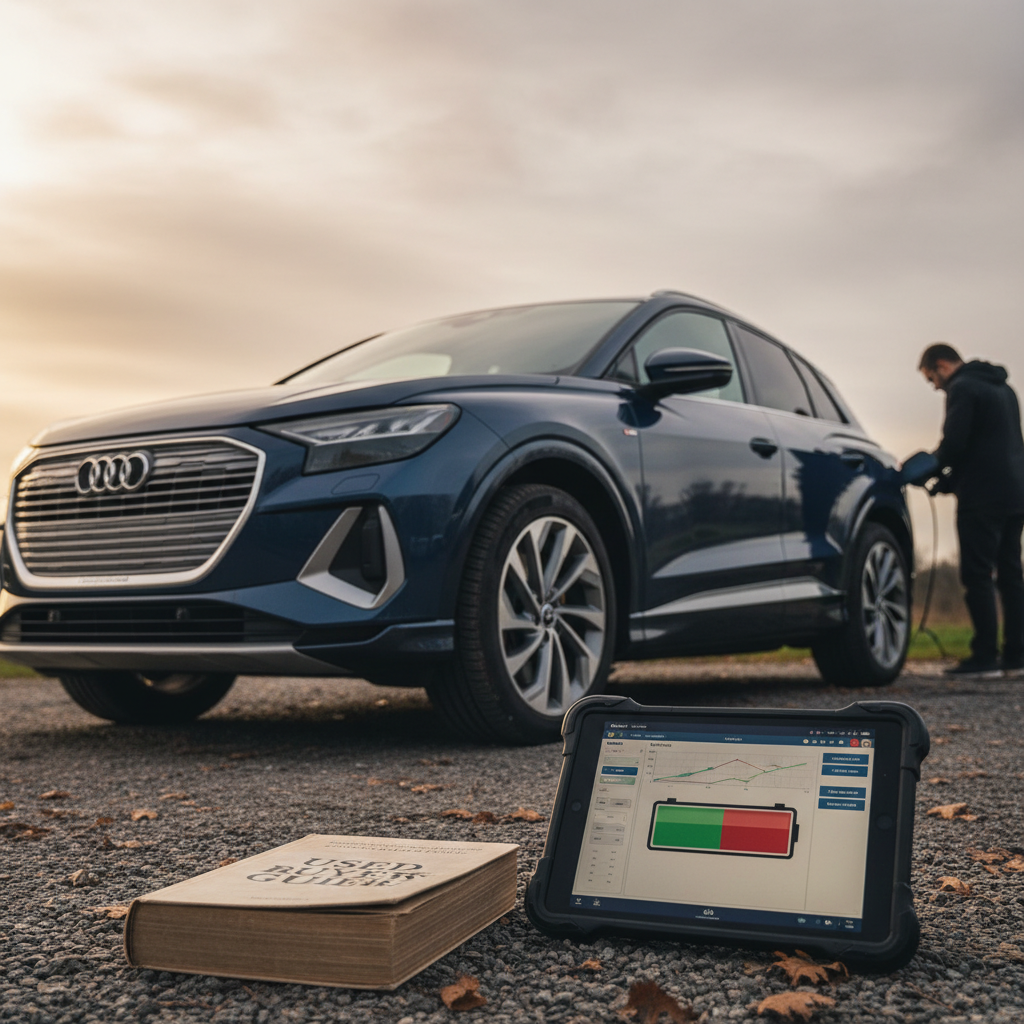
Use inspection reports as leverage
BMW i7 insurance vs other luxury EVs
How the BMW i7 compares on insurance cost
Approximate 2025 full‑coverage premiums for popular high‑end EVs and hybrids in the U.S., for a typical clean‑record driver.
| Model | Typical annual premium | Relative to national avg (~$2,600) | Insurance notes |
|---|---|---|---|
| BMW i7 | $4,500–$5,800 | +70–120% | Flagship luxury EV sedan; very high repair and replacement costs. |
| BMW 7 Series (gas/hybrid) | ~$4,800 | +80% | Historic 7 Series data shows premiums well above mass‑market vehicles. |
| Tesla Model S / Model X | $4,500–$6,500 | +70–150% | Among the most expensive EVs to insure due to complex repairs and high claim costs. |
| Mercedes‑Benz EQS | $4,200–$5,500 | +60–110% | Roughly similar to i7; large luxury EV sedan with pricey parts. |
| Mainstream compact SUV (CR‑V, RAV4, etc.) | $2,200–$2,400 | ≈ National avg | High safety ratings and lower repair costs keep premiums in check. |
These are directional comparisons, not exact quotes. Always verify with real‑time pricing.
The headline is simple: if you can afford the BMW i7, you can afford its insurance, but it will not feel like a bargain. In the insurance world, the i7 sits solidly in the same orbit as a Mercedes‑Benz EQS or Tesla Model S/X: safe, sophisticated, and objectively expensive to put back together after a shunt.
Checklist: What to do before you request quotes
Pre‑shopping checklist for BMW i7 insurance
Confirm the exact trim, options, and VIN
Insurers price by VIN. Have the full VIN, trim (xDrive60, M70, etc.), and major options handy so your quote reflects the actual car you’re buying or insuring.
Estimate your true annual mileage
Guessing low and then driving far more can cause issues if there’s a claim. Be honest about whether this is a daily commuter, second car, or occasional road‑trip machine.
Decide your deductible comfort zone
Before you call, know what you could realistically cover out of pocket after a claim, $500, $1,000, or higher. That number shapes your premium options.
Pull your driving and claims history
Know what’s on your record: accidents, violations, prior claims. Surprises on a CLUE report can derail rosy quote estimates.
Check your credit basics
In most states, your credit profile influences your insurance score. Cleaning up obvious errors on your credit report can pay off in the form of better i7 pricing tiers.
Line up your financing plan
If you’re financing, the lender will set minimum coverage requirements. With a used i7 from <strong>Recharged</strong>, you can also explore <strong>financing and pre‑qualification</strong> that factor into your broader monthly budget.