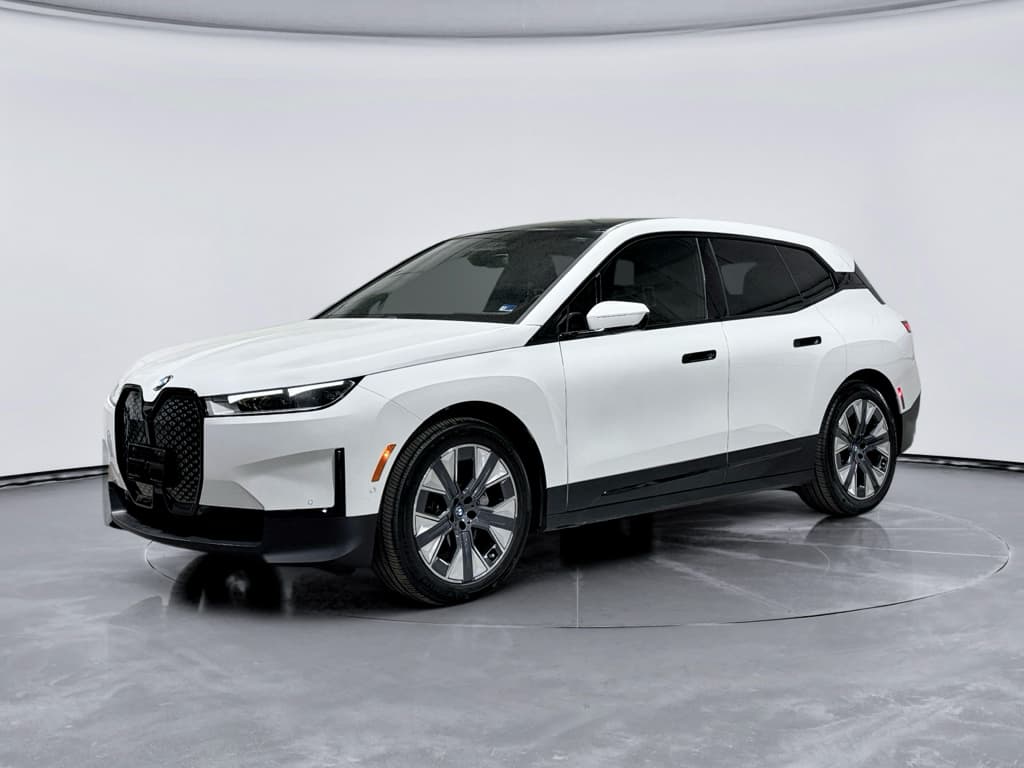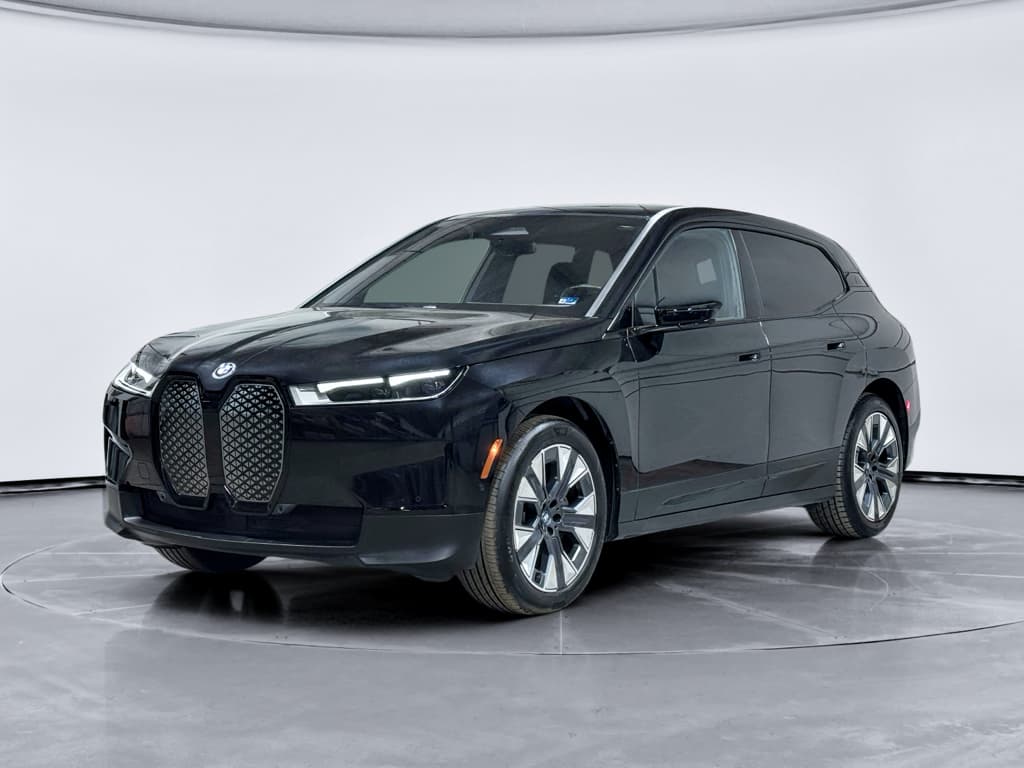
You bought a BMW i7 for its smooth, silent power and that big, effortless range. Under the floor sits a roughly 101.7 kWh usable battery, a serious piece of hardware designed to last the life of the car when treated well. The good news is you don’t have to baby it, but a few smart habits will help you maximize battery life and preserve the range that makes the i7 such an easy long‑distance cruiser.
Big picture
Why BMW i7 Battery Care Matters
BMW i7 Battery at a Glance
Lithium‑ion batteries don’t suddenly “die” like a 12‑volt lead‑acid; they slowly lose usable capacity over time. Your job as an owner is simply to slow that process down. For a big‑pack luxury EV like the i7, that means focusing on four things: how high you charge, how often you fast‑charge, how hot or cold the pack runs, and how you store the car when it sits.
A realistic goal
BMW i7 Battery Basics in Plain English
One big pack, different trims
All current BMW i7 variants (eDrive50, xDrive60, M70, and regional siblings) share essentially the same high‑voltage pack: about 105.7 kWh gross, 101.7 kWh usable. Power, acceleration, and official range ratings change with motors, gearing, and wheels, not with battery size.
That’s why one i7 might be EPA‑rated closer to 270 miles while another brushes 320. Underneath, you’re caring for the same battery architecture.
What actually wears a battery out?
- Time at very high state of charge (SoC) – Parking at 95–100% day after day.
- Deep cycles – Regularly running it close to 0% and then up to 100%.
- High temperature + high SoC – The toughest combo on cell chemistry.
- Frequent DC fast charging – Especially repeated 10–100% blasts.
Your i7’s thermal management and software protect the pack from the worst of this, but your habits still matter.
Don’t confuse range with battery health
Daily Charging Habits That Protect Your i7 Battery
Set‑and‑forget habits for everyday driving
1. Use an 80% target for daily charging
In the My BMW app or in‑car charging settings, set your charge limit around <strong>80%</strong> for routine use. BMW’s documentation and owner experience both point to this as the sweet spot between range and longevity. Going to 100% occasionally is fine, just don’t live there.
2. Start charging later, finish closer to departure
If you have home Level 2, use departure scheduling so the i7 finishes charging shortly before you leave. That cuts down the time the pack spends sitting at a high SoC, especially helpful in hot climates.
3. Avoid running it down into the single digits
The car will protect itself before you truly harm the pack, but repeatedly dropping under ~5–10% SoC adds stress. In daily life, try to stay in a <strong>20–80%</strong> or <strong>10–80%</strong> band whenever it’s convenient.
4. Prefer AC charging at home
Overnight AC charging (Level 1 or 2) is easier on the battery than frequent DC fast charging. It also lets the car manage pack temperature more gently, with plenty of time to balance cells.
5. Charge less often if you drive very little
If your i7 only sees short local trips, you don’t need to “top off” every night. Let it drift between, say, 40–70%, then bring it back to 80% when you’re heading farther. The car is perfectly happy at mid‑pack.
6. Use 100% intentionally, not by default
About to knock out a 250‑mile highway run? By all means, charge to 100% shortly before departure. Just avoid charging to 100% every night out of habit when you routinely use only a fraction of the pack.
What if I ignore all this?
How to Use DC Fast Charging Without Hurting the Battery
The i7 is built for road trips. It can pull close to 200 kW on a capable DC fast charger when the battery is warm and at a low state of charge, making quick work of those long‑distance days. The trade‑off is that repeated high‑power fast charging is harder on any lithium‑ion pack than slower AC charging, so a bit of strategy helps.
Five golden rules for healthier fast charging
Keep road trips easy without beating up the pack
Arrive low, not empty
Aim to arrive at the DC fast charger around 10–20% rather than below 5%. You’ll still get the highest charging power, but you’re not regularly forcing the car to its lowest reserves.
Ride the fast part of the curve
The i7 charges fastest between roughly 10% and 60–70%. On road trips, it’s often quicker (and easier on the pack) to do more stops in that window than to sit forever chasing 90–100% at a single charger.
Skip 100% on DC
Reserve 100% DC fast charges for truly rare, must‑make‑it legs. Past about 80%, the car tapers hard, so you’re paying more time and stress on the pack for very little extra usable range.
Let the car precondition
Use BMW’s built‑in navigation to route to your fast charger. The i7 will precondition the battery on the way, warming or cooling the pack into its sweet spot for both speed and cell health.
Plan a Plan B
When you’re counting on a specific charger, note a backup 10–20 miles down the road. You’ll avoid arriving with a totally flat pack if the first site is down or too busy.
Treat free charging as a tool, not a lifestyle
If you have a promotional DC fast‑charging plan, it’s tempting to live on it. Better: use it for road trips and occasional convenience, and let home AC charging be your default for the sake of long‑term battery health.
Don’t camp at a fast charger at 99%
Driving Tips to Maximize Range (and Reduce Battery Stress)
Battery life and range are cousins. The smoother and more efficient you are behind the wheel, the less power the pack has to deliver for any given trip. That means shallower cycles and less heat, both friends of longevity.
- Use the most efficient drive mode that still feels natural to you. BMW’s Comfort or Efficient settings moderate throttle response and climate draw without turning the i7 into a penalty box.
- Lean on regenerative braking instead of the friction brakes when traffic allows. Let the car do the slowing; you’ll recover a noticeable amount of energy on rolling terrain.
- High speeds are brutal on range. Cruising at 70 mph instead of 80 mph can claw back double‑digit percentage of range on highway runs, translating into fewer deep cycles over the car’s life.
- Avoid jackrabbit launches when the battery is cold or at a very high SoC. The occasional blast is fine, but repeatedly hammering full power in those conditions adds stress and heat.
- Keep tires properly inflated and aligned. Under‑inflated 21‑inch tires can add surprising drag, heating the pack more often just to maintain speed.
Think “smooth and steady,” not “slow and suffering”
Heat, Cold, and Climate Control: Protecting Your Pack
Heat: the main long‑term enemy
High temperature plus a high state of charge is the toughest combination on any EV battery. Your i7’s liquid cooling works hard, but you can help by:
- Parking in shade or indoors whenever possible in hot weather.
- Avoiding leaving the car at 100% in a baking sun for hours.
- Using the app to ventilate or pre‑cool the cabin while plugged in, so the battery doesn’t have to do as much heavy lifting.
Cold: more about convenience than damage
Cold doesn’t really wear the pack out; it just reduces available power and range temporarily. Your i7 manages pack temperature, but you’ll feel:
- Slower fast‑charge speeds until the pack warms.
- Higher consumption as the car heats the cabin.
- Less expressive regen until the battery is up to temperature.
Whenever you can, pre‑condition while plugged in so grid power, not the battery, warms the car.
Don’t panic at winter range loss
Parking and Storage Strategies for Long Battery Life
How your i7 sits is almost as important as how it drives. The pack is happiest when it lives its off‑hours somewhere around the middle of its charge window, at comfortable temperatures.
BMW i7 Storage Cheat Sheet
Quick reference for where to park your state of charge when the car will sit.
| Scenario | Recommended SoC range | Notes |
|---|---|---|
| Overnight at home | 40–80% | Use your 80% limit; no need to charge every night if you don’t drive much. |
| Weekend parked outside in summer | 40–60% | Avoid leaving it at 90–100% in hot sun if you can help it. |
| One–two weeks at airport | 30–60% | Turn off always‑on climate features; the car will barely sip energy while sleeping. |
| Multi‑month storage | 30–50% | Set around mid‑pack and let it sit. Check in every few weeks if it’s parked where you can. |
These aren’t rigid rules, think of them as healthy defaults you can aim for without over‑engineering your life.
Unplugged is fine for longer sits
How to Read Your BMW i7’s Battery Health Like a Pro
BMW doesn’t expose a raw “state‑of‑health” percentage on the main screens, and that’s probably a blessing. Still, you can learn a lot about your pack by watching how it behaves over time and, if you like, by using more advanced diagnostics.
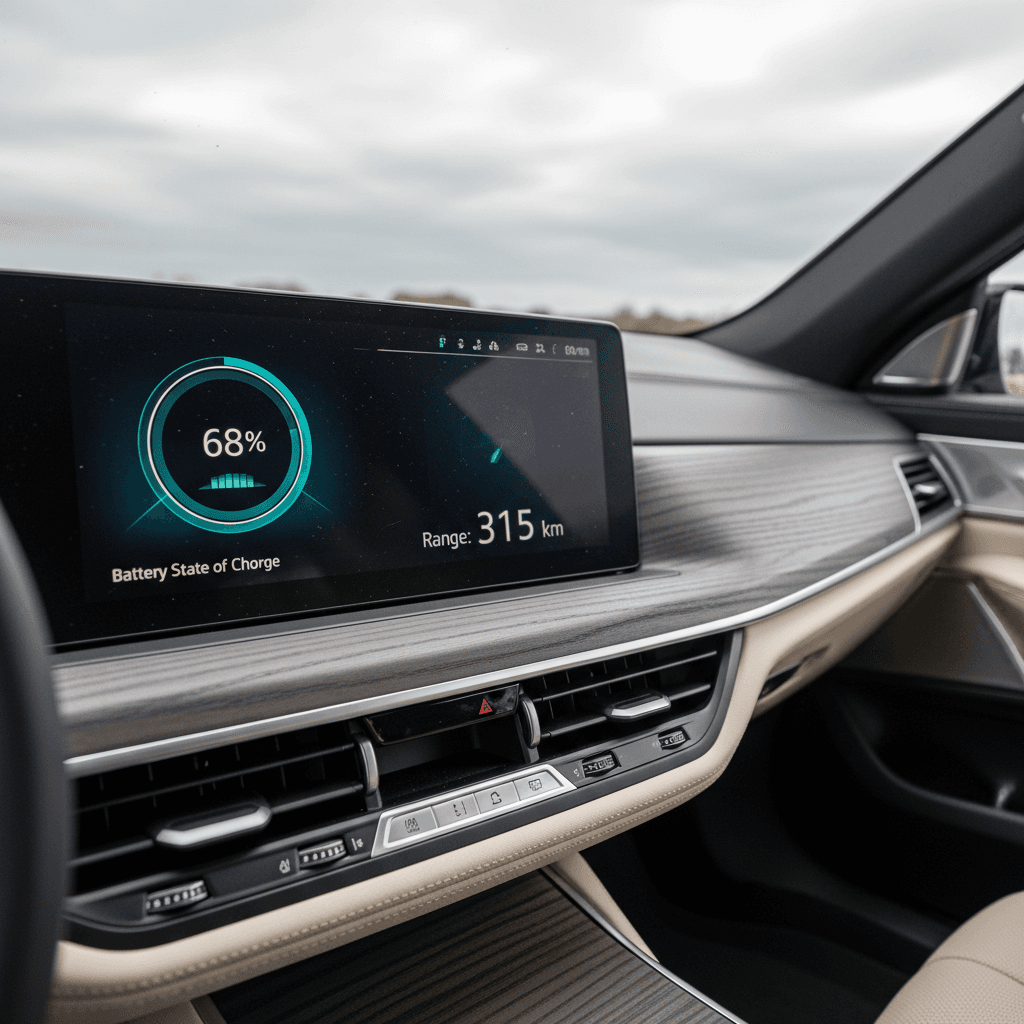
- Watch full‑charge range over seasons, not days. If a 100% charge shows 280 miles in mild weather on the same commute now and 240 miles two years later, that’s a hint of real degradation, though software updates and new tires can also move the number.
- Pay attention to fast‑charge curves. If a known charger that once held ~180–200 kW from 10–40% now struggles to clear 120 kW in similar conditions, that could indicate some wear or a cold pack. Look for patterns, not one‑off quirks.
- Use BMW service tools when something feels off. A dealer or independent EV specialist can pull more granular battery data if you suspect a problem or the car throws high‑voltage errors.
- Leverage third‑party health reports when buying used. At Recharged, every used EV, including the i7, comes with a Recharged Score Report that includes verified battery diagnostics instead of guesswork. That’s especially valuable on a large, expensive pack.
“Minor swings in displayed range, 5 to 10 percent, often come from software, tires, or weather, not sudden battery damage. True degradation is usually a slow story told over years.”
Buying a Used BMW i7? Battery Checklist
A big luxury sedan like the i7 is built to cover serious miles in comfort, which makes it a fantastic used‑EV candidate, if you know what you’re getting in the battery. Here’s how to sanity‑check things without dragging a lab into the garage.
Used BMW i7 battery questions to ask
1. How was it charged most of the time?
Listen for clues: lots of home Level 2 and highway miles is generally better than daily DC fast charging. A prior owner who mostly road‑tripped between cities but charged at home in between is ideal.
2. What’s the typical real‑world range?
Ask the seller what they reliably see on their commute or regular trips, not the single best number they ever got. Compare that to period‑correct EPA estimates to get a feel for any meaningful drop.
3. Check full‑charge estimates in mild weather
If possible, look at a 100% or 90% charge on a moderate‑temperature day. Extremely low estimates may reflect driving style or wheels, but they can also hint at a tired pack or mismatched tires.
4. Look for warnings or limiting behavior
Any history of high‑voltage battery warnings, sudden range loss, or the car refusing to fast‑charge should trigger a deeper inspection before you buy.
5. Get an independent battery health report
A third‑party test or a dealer readout is good; a structured report is better. <strong>Recharged</strong> includes a Recharged Score battery‑health assessment with every EV we sell, folding real diagnostics into the price, so you’re not guessing at future range.
6. Confirm remaining warranty
BMW’s high‑voltage battery warranty typically runs for years and plenty of miles. Knowing what’s left can give you a safety net if a latent defect shows up after purchase.
BMW i7 Battery Life: Frequently Asked Questions
Common BMW i7 Battery Questions
Key Takeaways: A BMW i7 Battery That Goes the Distance
Your BMW i7’s battery is far tougher than the myths make it sound. You don’t need spreadsheets or a Ph.D. in chemistry to keep it healthy, just a few consistent habits. Charge to around 80% for daily use, lean on home AC charging when you can, keep the car out of temperature extremes at very high states of charge, and save full 100% charges and repeated DC fast sessions for the road‑trip days that justify them.
Treat the battery that way and the i7 rewards you with the same deep‑reserve confidence and long‑legged comfort years down the line, whether you’re the first owner or the third. And if you’re considering a used BMW i7, look for real battery‑health data, like the Recharged Score that comes standard on every EV at Recharged, so you know exactly how much silent, electric luxury you’re getting for the money.