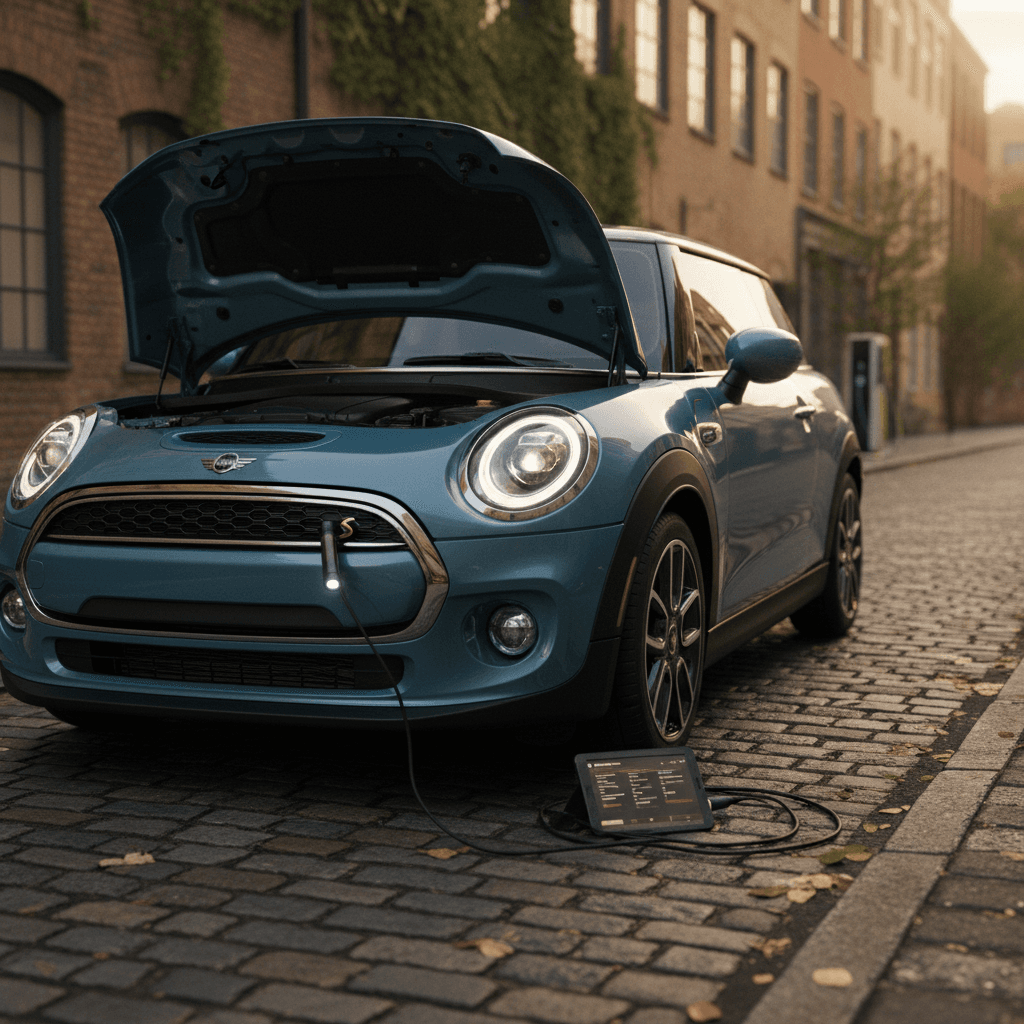
If you’re eyeing a 2024 Mini Cooper Electric (Mini Cooper SE), you’re probably not just wondering about range and style. You want to know whether this playful little hatch will start every morning, survive your commute, and avoid surprise repair bills. The good news: the 2024 Mini Electric has a strong reliability story overall, but there are a few quirks and a couple of important recall notes you should understand before you buy, especially if you’re shopping used.
Two different “2024” Mini Electrics
Quick overview: 2024 Mini Cooper Electric
2024 Mini Cooper Electric at a glance
On paper, the 2024 Mini Cooper Electric is a city‑friendly EV: compact, quick, and simple. Fewer moving parts than a gas Mini means fewer chances for mechanical drama. Where reliability really comes down to day‑to‑day peace of mind is the battery pack, charging hardware, and cold‑weather behavior.
Big picture: how reliable is the 2024 Mini Cooper Electric?
Mini as a brand did its time at the bottom of reliability charts in the 2000s. But by the late 2010s, quality improved dramatically. Recent dependability studies show Mini near the top of the industry for overall reliability, with three‑year‑old Minis posting fewer problems per 100 vehicles than many mainstream brands.
Strengths of the 2024 Mini Electric
- Proven platform: The outgoing F56‑based SE uses a mature chassis and electronics that have been refined for years.
- Simple powertrain: Single electric motor, single‑speed gearbox, and no complicated multi‑motor AWD system to fail.
- Owner reports: Many long‑term SE owners report few or no unscheduled repairs over 30–40k miles, beyond routine service.
- Low wear items: Regenerative braking reduces brake wear, and there’s no oil, spark plugs, or timing chains to service.
Weak spots and compromises
- High‑voltage battery recalls: 2020–2024 SE models have had recalls for potential battery water intrusion and short‑circuit risk, addressed via inspection and software updates.
- Small battery on older SE: Range drops sharply in winter, which some owners find more limiting than they expected.
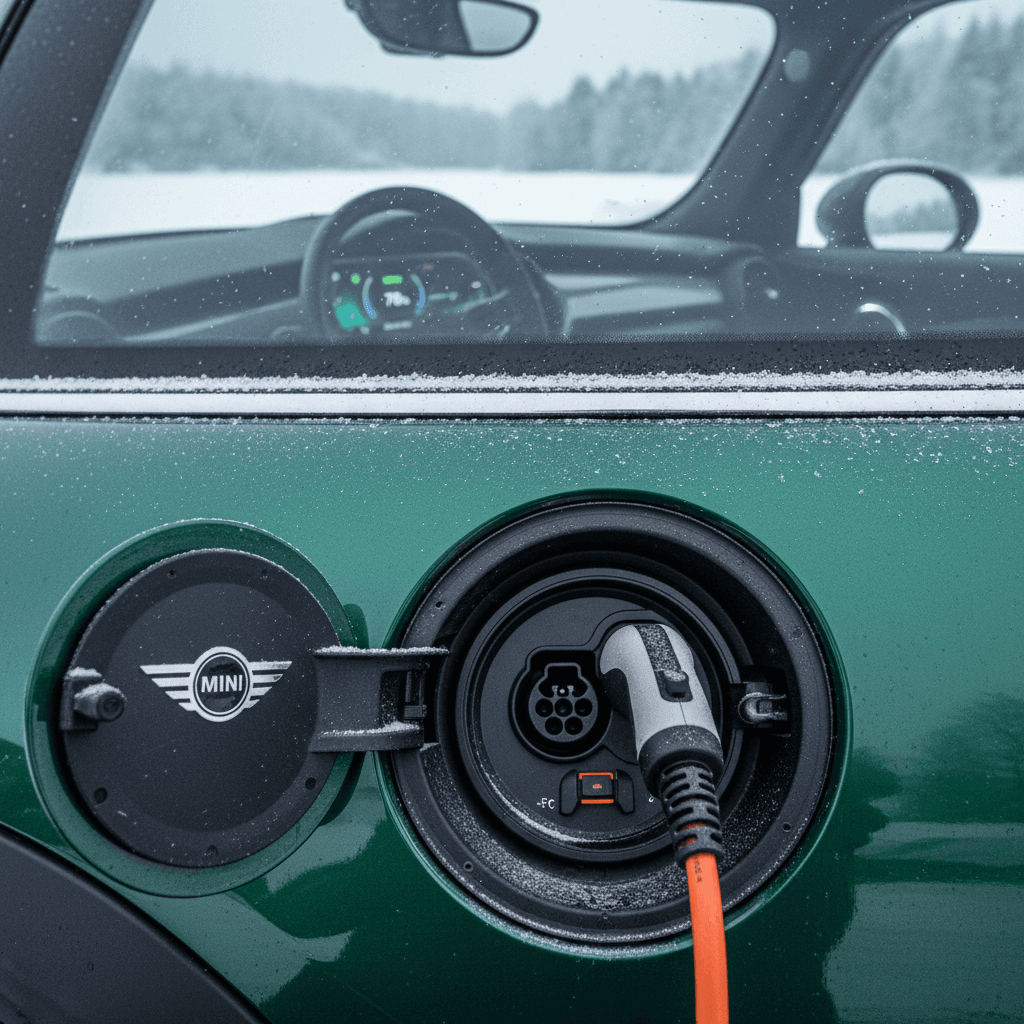
- Charging‑port flap sensor issues: A known nuisance failure can trigger a persistent “charging port open” warning.
- Cold‑weather HVAC behavior: No heat pump on the SE, so cabin heat can feel weak and power‑hungry at low state of charge.
Bottom line on reliability
Common issues on the 2024 Mini Cooper Electric
Every EV has a pattern of quirks that show up repeatedly in owner forums and service bays. The 2024 Mini Cooper Electric is no disaster story, but a few themes come up often enough that you’ll want to know them before you buy, especially as these cars age and enter the used market.
Most commonly reported Mini Cooper Electric issues
What tends to go wrong, and how serious it really is
Charging‑port flap sensor
Owners sometimes report a constant “charging port open” warning even when the flap is closed. The culprit is usually a wet or failed sensor inside the flap mechanism.
Annoying, but typically a minor repair handled under warranty or with a modest parts bill.
Battery‑system warnings in cold
A few owners see transient high‑voltage or 12‑volt battery warnings after preconditioning in very cold weather. In many cases, the car drives normally and the message clears.
If these warnings repeat, you’ll want a dealer to check for software updates and 12‑volt battery health.
Reduced power & HVAC in extreme cold
In deep cold, the Mini Electric may limit available power until the battery warms up. Cabin heat also gets weaker at low state of charge because the car relies on resistive heating, not a heat pump.
This feels more like a usability issue than a failure, but it surprises new owners in northern climates.
Important: high‑voltage battery recalls
- Occasional infotainment or app glitches (e.g., preconditioning commands not always executing).
- Navigation/estimated‑range (“guess‑o‑meter”) behavior that jumps around when you change HVAC settings or speed.
- Normal EV stuff: accelerated tire wear if you enjoy the instant torque, and squeaky brakes if you drive mostly on regen and rarely use the pads.
Battery life, degradation, and range reality
Battery health is the heart of 2024 Mini Cooper Electric reliability, because a mechanically solid car with a worn‑out pack becomes a short‑range toy. The encouraging news: owners putting 30–40k miles on earlier Mini SEs are seeing very modest capacity loss, often only a couple of percent after several years.
Real‑world owner experiences
Mini Electric battery & range: older SE vs. new 2024 J01
How the smaller‑battery SE compares with the larger‑pack 2024 Mini Electric that’s beginning to roll out.
| Model | Battery (net) | Typical mild‑weather range | Typical winter range | Fast‑charging peak |
|---|---|---|---|---|
| F56‑based Cooper SE (through 2024) | ~32 kWh | 100–120 mi | 70–90 mi | Up to ~50 kW |
| 2024 J01 Mini Cooper Electric | ~49 kWh | ~215–250 mi | ~150–190 mi | Higher peaks (varies by trim) |
Numbers are approximate and will vary with speed, climate, and driving style.
If you’re in the U.S., most 2024‑model Mini Electrics you’ll see in the used market today will be the older, smaller‑battery SE. For short commutes that’s fine; for winter highway driving, it’s a constraint you’ll feel.
How to judge a Mini Electric’s battery health
1. Look for an official battery report
Ask for a <strong>dealer‑printed high‑voltage battery report</strong> or, on a Recharged vehicle, review the <strong>Recharged Score battery health section</strong>. You’re looking for capacity well above the warranty’s minimum threshold.
2. Compare range to day‑one expectations
On a test drive, start near full and reset the trip computer. In mild weather, a healthy SE should use roughly 1–1.3% per mile in mixed driving. Drastically higher consumption can signal aggressive driving, bad tires, or a battery or thermal issue.
3. Check DC fast‑charge behavior
If you can, plug into a <strong>DC fast charger</strong>. The older SE will not be the quickest, but it should still ramp up without throwing errors or crawling at Level‑2 speeds unless the battery is very cold.
4. Review charging history
Ask the seller how they’ve charged. Every‑night 100% charges and frequent deep discharges are not instant death, but a car mostly kept between roughly 20–80% with home Level 2 is a better long‑term bet.
Winter performance: what happens in the cold
Cold weather is where opinions about Mini Electric “reliability” diverge. Mechanically, the car usually behaves as designed. But when your range shrinks and your heater feels weak at low state of charge, it’s easy to experience that as the car "letting you down."
What the Mini Electric does well in winter
- Battery thermal management: The SE uses liquid cooling, which helps protect the pack in hot and cold conditions.
- Predictable behavior: Range declines are fairly consistent: many owners report losing roughly 20–40% in real winter use, similar to other small‑battery EVs.
- Preconditioning: You can warm the cabin and battery while plugged in, preserving more driving range for the road.
Where it struggles
- Small battery, big heater draw: The SE uses resistive heating, which can pull several kilowatts. With a small pack, that’s a big hit.
- Heat at low state of charge: Owners report cabin air getting noticeably cooler below about 20–30% SOC as the car prioritizes propulsion and battery protection.
- Cold‑soaked power limits: After sitting outside in sub‑freezing temps, you may see reduced available power until the pack warms.
How to make a Mini Electric happy in winter
- Precondition the car while plugged into Level 2 before leaving, especially below freezing.
- Use seat and steering‑wheel heaters where available; they sip power compared with blasting the HVAC.
- Back off highway speeds a bit, dropping from 75 to 65 mph can make a big difference on a small pack.
- In very cold weather, avoid running the battery down into single digits if you still need lots of heat.
Recalls, warranty, and what’s covered
Reliability isn’t just about how often things break, it’s also how the manufacturer handles problems. For the 2024 Mini Cooper Electric, that story includes some serious‑sounding battery recalls, but also firm warranty coverage that protects you from the rare worst‑case scenario.
What you need to know about recalls and coverage
Battery safety, warranty basics, and how to protect yourself when buying used
High‑voltage battery recalls
2020–2024 Mini Cooper SE hatchbacks have seen recalls for:
- Potential high‑voltage short circuits in the battery pack, addressed with software and, in some cases, pack inspection or repair.
- Battery housing sealing issues that could allow water intrusion, again checked and repaired by dealers.
Most affected cars remain on the road after a thorough safety inspection; a few with serious defects can qualify for pack replacement.
Warranty protection
In the U.S., the Mini Electric typically carries:
- 4 yr / 50,000 mi new‑vehicle limited warranty.
- 8 yr / 100,000 mi high‑voltage battery warranty against manufacturing defects and excessive capacity loss (usually defined by Mini’s capacity test).
On a used car, make sure the in‑service date leaves you with meaningful battery coverage remaining.
Do not skip the recall check
2024 Mini Electric vs. earlier Mini Cooper SE reliability
Because Mini is rolling out an all‑new J01‑generation electric hatch while still selling down older SEs, you’re effectively shopping two different cars wearing the same badge. Reliability expectations are similar, but the driving experience, and range, are not.
Reliability snapshot: older SE vs. new 2024 Mini Electric
How the outgoing F56‑based SE compares with the new‑generation J01 in reliability‑relevant ways.
| Area | F56‑based Cooper SE (through 2024) | 2024 J01 Mini Cooper Electric |
|---|---|---|
| Platform age | Mature, many bugs worked out | Newer platform with more tech, still early in life |
| Battery size & stress | Small pack, cycled more deeply day‑to‑day | Larger pack, shallower daily cycles for same commute |
| Real‑world range | City/commute‑friendly, marginal for winter highway | Comfortable for most daily use, more road‑trip capable |
| Known issues | Charging‑port sensor, cold‑weather power limits, battery recalls | Too new for long‑term patterns; expect some software teething issues |
| Best use case | Short‑range urban EV on a budget | Primary car for modest‑distance drivers, especially if you want Mini character with fewer range compromises |
Both are generally solid; your main decision is range and feature set versus price.
Why “older” isn’t necessarily worse
Is the 2024 Mini Cooper Electric a good choice for you?
Now the real question: knowing what we know about 2024 Mini Cooper Electric reliability, who should actually buy one, and who should keep shopping? Think less about brand reputation and more about how you’ll use the car.
Who the 2024 Mini Electric is perfect for
And who might be happier in a different EV
Urban & suburban commuters
If your daily drive is under ~50–60 miles and you can charge at home or work, the Mini Electric’s reliability and low running costs make it a great little sidekick.
Highway road‑trippers
If you regularly hammer out long interstate runs in winter, the older SE’s range and cold‑weather HVAC will frustrate you. The newer 2024 J01 is better, but a larger‑battery EV might still fit you better.
Value‑focused used‑EV shoppers
As SEs roll into the used market, they can be a high‑value buy if you confirm battery health, recall history, and remaining warranty. That’s exactly what Recharged’s Recharged Score Report is built to clarify for you.
How Recharged helps de‑risk a Mini Electric purchase
Ready to find your next EV?
Browse VehiclesBuying a used Mini Cooper Electric: key checks
If a gently used 2021–2024 Mini Cooper SE is on your radar, you’re smart to think like a technician before you fall for the paint color. Here’s how to stack the reliability odds in your favor.
Used Mini Cooper Electric reliability checklist
1. Verify recall completion by VIN
Run the VIN through a Mini dealer or the official recall lookup. There should be <strong>no open campaigns</strong>, particularly for high‑voltage battery issues. On a Recharged car, this step is already done and documented.
2. Get a battery health snapshot
Request a <strong>dealer capacity test</strong> or rely on a third‑party diagnostic like the Recharged Score, which uses battery data to estimate remaining capacity and flag abnormal degradation.
3. Inspect the charging port & flap
Open and close the flap repeatedly, plug and unplug a Level 2 connector, and watch for any persistent “port open” warnings. Look for signs of moisture or corrosion around the charge inlet.
4. Test preconditioning & HVAC
Using the app and in‑car controls, make sure preconditioning works, the cabin heats evenly, and the AC blows cold. In cold climates, ask the seller how the car behaves in winter, not just on a pleasant test‑drive day.
5. Listen for suspension clunks and rattles
On a rough road, listen for clunks, squeaks, or buzzes. Minis are tight and solid when healthy; excessive noise can mean worn bushings or neglected suspension work.
6. Review service history
Ideally you’ll see <strong>annual inspections, brake‑fluid service, and software updates</strong>, even though EVs need less attention than gas cars. Gaps in records aren’t an automatic no, but well‑documented care is a strong plus.
Modern Minis still have personality and the occasional quirk, but the horror stories that built the brand’s old reputation don’t reflect what owners experience in the 2020s, especially with the electric models.
FAQ: 2024 Mini Cooper Electric reliability
Frequently asked questions about 2024 Mini Cooper Electric reliability
The 2024 Mini Cooper Electric is not the perfect EV for every driver, but it’s far from the fragile, fussy stereotype older Minis once carried. As a compact, city‑friendly hatch with a mostly drama‑free powertrain and a good brand reliability record, it can be a smart pick, especially used, if you respect its range limits and climate quirks. Do your homework on recalls, battery health, and your own daily mileage, and you’re far more likely to end up with what the Mini Electric really wants to be: a cheerful, dependable little runabout that makes every short drive feel like play. If you’d like help finding one that fits, Recharged’s team can decode the battery data and the fine print so you don’t have to.