Buy an EV

  • EVs for sale
  • Learn about EVs
  • Articles
  • Charging

Sell or trade

  • How it works

Financing

  • Get pre-qualified
  • Credit application

Contact us

  • Book a consultation
  • Call us at (804) 390-5910
  • Email us at hello@recharged.com
  • Visit our Experience Centers
    • Richmond, VA
    • Fairfax, VA
    • Charlotte, NC

© 2025 Recharged. All Rights Reserved.

7-Day Return Policy·Privacy Policy·SMS Opt-In·Do Not Sell or Share My Information·
TikTokYouTubeInstagramLinkedInFacebook
    BMW i7 Battery Warranty Details: Coverage, Limits, and Tips
    Battery & Range·9 min read·By Recharged Editorial Team

    BMW i7 Battery Warranty Details: Coverage, Limits, and Tips

    bmw-i7battery-warrantyhigh-voltage-batteryev-battery-healthused-ev-buyingluxury-evwarranty-coveragerecharged-score

    Table of Contents

    • BMW i7 battery warranty at a glance
    • How the BMW i7 warranty package breaks down
    • What the i7 high-voltage battery warranty actually covers
    • What is not covered, or can void coverage
    • Capacity loss, degradation, and real-world battery health
    • Battery warranty for used and Certified Pre-Owned BMW i7 models
    • How to check remaining battery warranty on a BMW i7
    • Warranty vs. extended protection: should you buy more coverage?
    • How Recharged evaluates BMW i7 battery health
    • FAQ: BMW i7 battery warranty details
    • Bottom line on the BMW i7 battery warranty

    If you’re considering a BMW i7, especially on the used market, the first thing you should understand is its battery warranty. The high-voltage pack is the heart of the car and the single most expensive component. Knowing the exact BMW i7 battery warranty details can help you decide which model year to buy, how long to keep it, and what kind of risk you’re actually taking.

    Quick takeaway

    Every new BMW i7 sold in the U.S. includes an 8‑year/100,000‑mile high‑voltage battery warranty, on top of the standard 4‑year/50,000‑mile new‑vehicle warranty. That battery coverage also carries over to subsequent owners for the remainder of the term.

    BMW i7 battery warranty at a glance

    Core BMW i7 warranty numbers

    4 yr / 50k
    Basic & Powertrain
    Standard new‑vehicle and drivetrain warranty on the BMW i7.
    8 yr / 100k
    HV Battery
    High‑voltage traction battery defect warranty on i7 models in the U.S.
    12 yr
    Corrosion
    Perforation (rust‑through) warranty with unlimited mileage.
    3 yr / 36k
    Maintenance
    Complimentary scheduled maintenance on new BMWs, including the i7.

    For U.S.‑spec BMW i7 models (including 2023–2026 model years), the key battery warranty term is 8 years or 100,000 miles, whichever comes first, covering the high‑voltage traction battery against defects in materials or workmanship. This sits alongside BMW’s 4‑year/50,000‑mile new‑vehicle limited warranty and 3‑year/36,000‑mile complimentary maintenance program for new vehicles.

    Model‑year note

    Dealers sometimes advertise slightly different numbers for plug‑in hybrids or earlier BMW EVs, but U.S.‑market i7 sedans are consistently listed with 8‑year/100,000‑mile traction battery coverage. Always verify your specific VIN’s warranty status, especially on cross‑border or imported vehicles.

    How the BMW i7 warranty package breaks down

    1. New‑vehicle limited warranty

    All new BMW i7 models sold in the U.S. come with a 4‑year/50,000‑mile New Vehicle Limited Warranty. This covers most components, electronics, interior hardware, suspension, body hardware, for defects in materials or workmanship. It applies to the entire car but doesn’t specifically guarantee battery capacity.

    2. High‑voltage battery & EV components

    On top of the basic warranty, BMW adds a separate 8‑year/100,000‑mile warranty that covers the high‑voltage traction battery and other critical EV components. This is similar to what you’ll see on other BMW EVs like the i4 and iX, and it’s designed to give long‑term peace of mind around the most expensive system in the car.

    3. Corrosion & roadside assistance

    • 12‑year / unlimited‑mile corrosion perforation warranty covers rust‑through on body panels.
    • 4‑year / unlimited‑mile roadside assistance helps with towing, lockouts, and similar roadside issues.

    4. Complimentary maintenance

    BMW also includes 3 years / 36,000 miles of scheduled maintenance on new i7 models. That’s oil‑free in an EV, but it still covers inspections, cabin filters, brake fluid, and other wear items according to BMW’s schedule.

    Don’t confuse maintenance with warranty

    BMW Ultimate Care (maintenance) simply pays for scheduled services. The warranty is what protects you from repair bills due to defects. An i7 can be out of maintenance coverage but still well within both the basic and battery warranties.

    What the i7 high-voltage battery warranty actually covers

    The BMW i7’s high‑voltage battery warranty is often misunderstood. It’s not an open‑ended promise that the battery will stay like new forever, but it does shield you from major manufacturing‑related issues during those first 8 years/100,000 miles.

    BMW i7 high-voltage battery coverage, in plain English

    Think in terms of defects, not wear‑and‑tear

    Defects in materials or workmanship

    If a battery module, pack casing, or internal component fails early because it was built incorrectly or used faulty materials, BMW will typically repair or replace it under the HV battery warranty.

    Internal HV battery components

    Coverage usually includes internal electronics, modules, and HV wiring associated with the traction battery, not just the cells themselves. Exact components are spelled out in the Service and Warranty booklet for your model year.

    Safety-related failures

    If a defect creates a risk of power loss or thermal issues, BMW will address it under warranty or recall, often by replacing modules or packs at no cost to you, as we’ve seen on select i‑series recalls.

    Capacity vs. defect coverage

    Pure capacity loss from normal aging is treated differently from a sudden failure caused by a manufacturing defect. The 8‑year/100,000‑mile warranty is primarily a defect warranty. Some markets and model lines include explicit minimum capacity percentages; for the U.S. i7, you’ll want to confirm the exact language for your VIN and model year.

    What is not covered, or can void coverage

    • Normal battery degradation over time, as long as it remains within BMW’s defined limits for that model year.
    • Damage from accidents, flooding, or other external events (your auto insurance may apply instead).
    • Modifications or tampering with the high‑voltage system, aftermarket tuning, or non‑approved repairs.
    • Use of incorrect charging equipment that causes damage, or improper installation of home charging hardware.
    • Neglecting required software updates or recall work that BMW has issued for the HV system.

    How owners accidentally cause problems

    The easiest way to get into a grey area is with DIY high‑voltage work or non‑approved repairs. On a car like the i7, that can be dangerous in every sense, physically and financially. Any battery or HV service should be done by a qualified technician following BMW procedures.

    Capacity loss, degradation, and real-world battery health

    All lithium‑ion batteries lose some capacity with age and mileage. In practice, the i7’s large pack makes moderate degradation less noticeable in day‑to‑day driving, but it still matters for long‑term ownership and resale value, especially once you’re out near year eight.

    What actually affects BMW i7 battery life?

    Your habits matter as much as the hardware

    Heat & climate

    Extended exposure to extreme heat can accelerate degradation. Garaging the car and avoiding frequent DC fast charging in very hot conditions both help protect the pack.

    Charging patterns

    Occasional DC fast charging is fine, but living on high‑power chargers and frequently charging to 100% can age the battery faster than slower Level 2 charging and keeping daily SOC in a moderate band.

    Mileage & usage

    More miles and heavier driving (high speeds, aggressive acceleration, towing) all work the battery harder. That doesn’t mean you should baby the car; it just means a 90,000‑mile i7 will naturally show more battery wear than a 20,000‑mile example.

    Smart habits to protect your i7 battery

    Day to day, try to charge between roughly 20–80% for regular use, save 100% charges for long trips, and use Level 2 AC charging at home when possible. Those simple habits can help keep the pack healthier well beyond the warranty window.
    Close-up of a BMW i7 plugged into a charger with battery status graphics, emphasizing the importance of battery health and warranty coverage.
    Understanding how you charge and care for your BMW i7 can be just as important as the formal battery warranty terms.

    Battery warranty for used and Certified Pre-Owned BMW i7 models

    If you’re shopping used, the good news is that BMW’s 8‑year/100,000‑mile high‑voltage battery warranty is transferable. Whether you buy from a BMW dealer, an independent retailer, or a private seller, you’re entitled to whatever remains of that original term.

    Used BMW i7 warranty scenarios

    How the battery warranty behaves when the car changes hands

    BMW Certified Pre‑Owned (CPO) i7

    A BMW Certified Pre‑Owned i7 keeps the original 8‑year/100,000‑mile battery warranty and adds a 1‑year, unlimited‑mile CPO warranty after the original 4‑year/50,000‑mile basic warranty expires. That extra year focuses on general vehicle coverage, not extending the 8‑year battery clock.

    Non‑CPO or private‑party i7

    If the car isn’t CPO, you still inherit whatever time and mileage remain on the original warranties, including the high‑voltage battery. There’s no special inspection required, but you also don’t get the extra CPO basic‑warranty year.

    Why this matters for value

    A 3‑year‑old i7 with 30,000 miles still has roughly 5 years and 70,000 miles of battery warranty left. That remaining coverage is a major reason late‑model used EVs can offer strong value relative to buying new, especially when you buy through a retailer that can verify battery health.

    How to check remaining battery warranty on a BMW i7

    Step-by-step: Confirming BMW i7 battery warranty status

    1. Start with the in-service date

    Warranty clocks start on the original <strong>in‑service date</strong>, when the car was first sold or leased, not the model year. A 2024 i7 first registered in March 2025 will have coverage until roughly March 2033 or 100,000 miles for the battery.

    2. Verify the odometer

    Compare current mileage to 100,000 miles. The earlier of 8 years or 100,000 miles ends the HV battery warranty, so a higher‑mileage highway commuter may age out on miles first.

    3. Call a BMW dealer with the VIN

    Any BMW service department can run the <strong>VIN</strong> through their system and tell you exactly when the new‑vehicle and high‑voltage battery warranties expire. Ask them to email or print the details so you have documentation.

    4. Review the Service & Warranty booklet

    If the seller still has the original booklet, check the section on the high‑voltage battery. It will spell out the duration, coverage, and any model‑specific conditions in writing.

    5. Check for open recalls or campaigns

    Ask the dealer (or use NHTSA’s VIN lookup) to see if the i7 has any <strong>open recalls or service campaigns</strong> related to the battery. These repairs are handled free of charge and can sometimes involve replacing modules or updating software.

    Get it in writing

    When you’re buying any used i7, it’s smart to keep a printed or emailed warranty status report from BMW with your records. It helps if you ever need to make a claim, or if you sell the car before the warranty runs out.

    Warranty vs. extended protection: should you buy more coverage?

    BMW and third‑party providers both offer extended service contracts that can stretch total coverage up to around seven years or 100,000 miles from the in‑service date. However, it’s important to understand where these plans fit alongside the i7’s battery warranty.

    Standard BMW i7 warranty vs. extended protection

    How factory coverage and optional plans interact

    Coverage typeTypical durationWhat it targetsHow it relates to HV battery
    New Vehicle Limited Warranty4 years / 50,000 milesMost mechanical & electrical defectsRuns in parallel with HV battery warranty.
    High‑Voltage Battery Warranty8 years / 100,000 milesTraction battery & related componentsSeparate clock; usually unaffected by extended plans.
    BMW Extended Service ContractsUp to 7 years / 100,000 miles totalMechanical & electronic components beyond basic warrantyFocus on non‑battery systems (suspension, electronics, HVAC, etc.).
    Third‑Party Service ContractsOften up to 10+ years / high mileageVaries widely; may include roadside, rentals, more shopsBattery coverage, if any, is usually limited, read the fine print.

    Exact terms vary by provider and state law; always review the written contract before you sign.

    When an extended plan can make sense

    If you’re planning to keep an i7 well past year four and you want predictable repair costs on complex luxury features (air suspension, advanced driver‑assist systems, four‑wheel steering, etc.), an extended plan can be worth a look. Just don’t buy one assuming it replaces the factory 8‑year battery warranty, it doesn’t.

    How Recharged evaluates BMW i7 battery health

    Because the warranty only tells part of the story, you also want to know how healthy the pack is today. That’s where diagnostics and real‑world data come in, especially if you’re comparing multiple used i7s.

    The Recharged approach to used BMW i7s

    Looking beyond the paperwork

    Recharged Score battery diagnostics

    Every EV sold through Recharged includes a Recharged Score Report. For a BMW i7, that means independent battery‑health testing that looks at usable capacity, charging performance, and data trends, not just what the dash display says.

    Transparent vehicle history & pricing

    We combine battery‑health data with service history, ownership records, and market pricing to show you exactly how a specific i7 stacks up against similar cars nationwide, so you’re not guessing what the warranty is really worth.

    EV‑specialist support & logistics

    From trade‑ins and financing to nationwide delivery and consignment, Recharged is built around EV ownership. Our team can help you compare multiple i7s, explain warranty implications, and choose the car that best fits your range and budget needs.

    Ready to find your next EV?

    Browse Vehicles

    Why this matters for you

    A clean history, strong battery‑health score, and plenty of remaining warranty can turn a used BMW i7 into a smart, confidence‑inspiring purchase, often at a substantial discount versus new.

    FAQ: BMW i7 battery warranty details

    Common BMW i7 battery warranty questions

    Bottom line on the BMW i7 battery warranty

    The BMW i7’s battery warranty is straightforward on paper, 8 years or 100,000 miles on the high‑voltage pack, layered over a 4‑year/50,000‑mile new‑vehicle warranty and strong corrosion coverage. The real art is understanding how much protection you have left on a specific car, and how that combines with real‑world battery health, usage history, and price.

    If you’re evaluating a used BMW i7, focus on three things: remaining factory coverage, verified battery condition, and a price that reflects both. That’s exactly why Recharged pairs detailed warranty information with a Recharged Score battery report, expert EV guidance, flexible financing, and nationwide delivery, so you can enjoy flagship‑level comfort and performance without guessing what’s happening under the floor.

    EVs on Recharged

    See all →
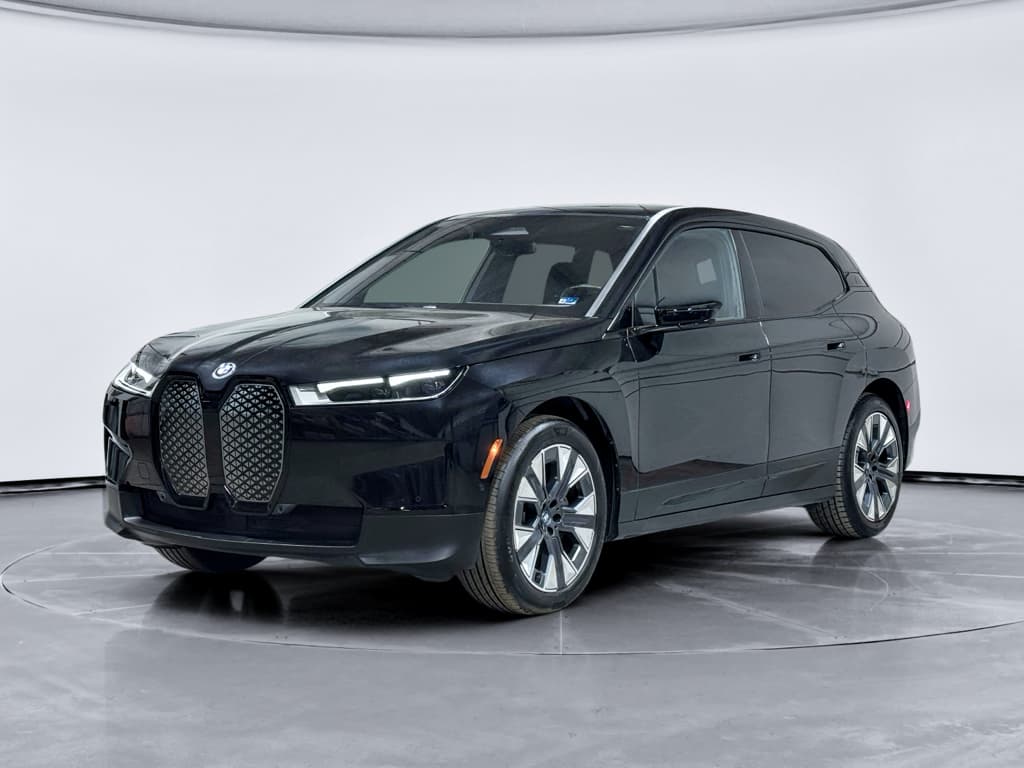
    2024 BMW iX

    2024 BMW iX

    xDrive50•41K mi•308 mi range
    4.8/5Recharged Score
    $45,997
    2023 BMW iX

    2023 BMW iX

    xDrive50•30K mi•305 mi range
    5.0/5Recharged Score
    $42,599
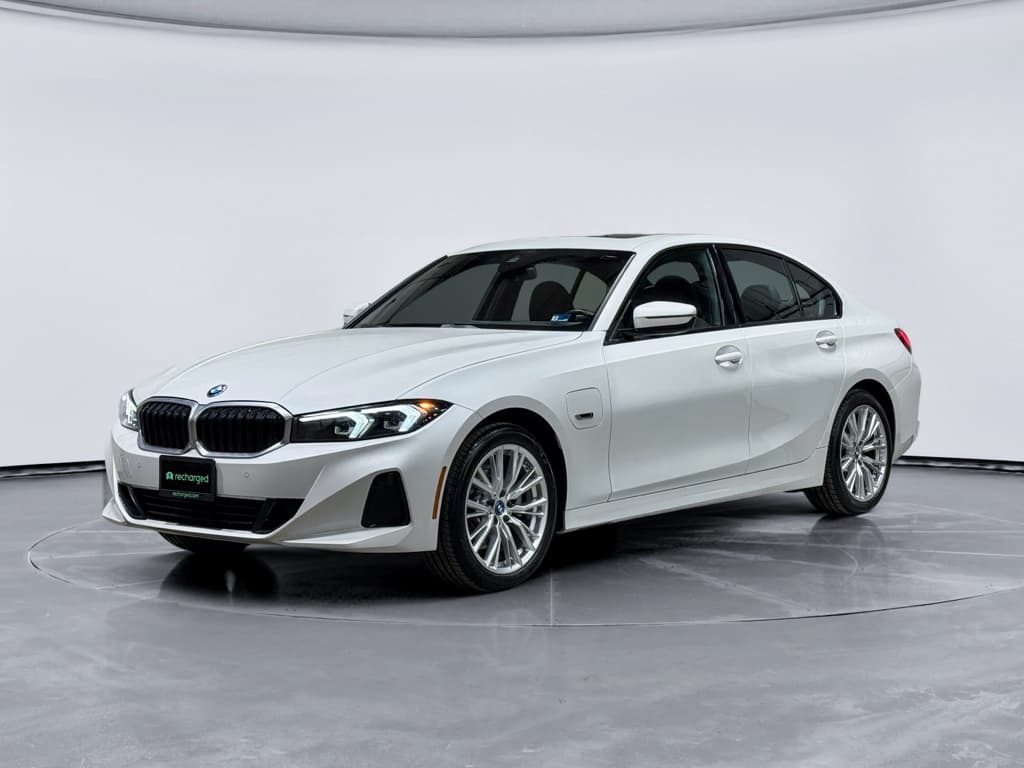
    2023 BMW 3 series

    2023 BMW 3 series

    330e xDrive•26K mi•290 mi range
    Pending Recharged Score
    $31,367

    Related Articles

    Average Electric Vehicle Price in 2025: What EVs Really Cost
    Buying Guides·9 min

    Average Electric Vehicle Price in 2025: What EVs Really Cost

    Wondering what the average electric vehicle price is in 2025? See real new and used EV price averages, trends since 2018, and how to get a fair deal on a used EV.

    ev-pricingused-ev-buyingaverage-ev-price
    How to Sell a 2021 Tesla Model Y for Its True Value in 2025–2026
    Selling·10 min

    How to Sell a 2021 Tesla Model Y for Its True Value in 2025–2026

    See what your 2021 Tesla Model Y is worth today and learn how to price, prep, and sell it for maximum value in 2025–2026, including where to sell and EV-specific tips.

    tesla-model-y2021-model-yearused-ev-selling
    Chevrolet Bolt EV Trade‑In Value in 2026: What Your Bolt Is Really Worth
    Selling·11 min

    Chevrolet Bolt EV Trade‑In Value in 2026: What Your Bolt Is Really Worth

    See what your Chevrolet Bolt EV trade in value could be in 2026. Learn real‑world price ranges, depreciation, and how to get the best offer for your used Bolt.

    chevrolet-bolt-evchevy-bolt-resaletrade-in-value