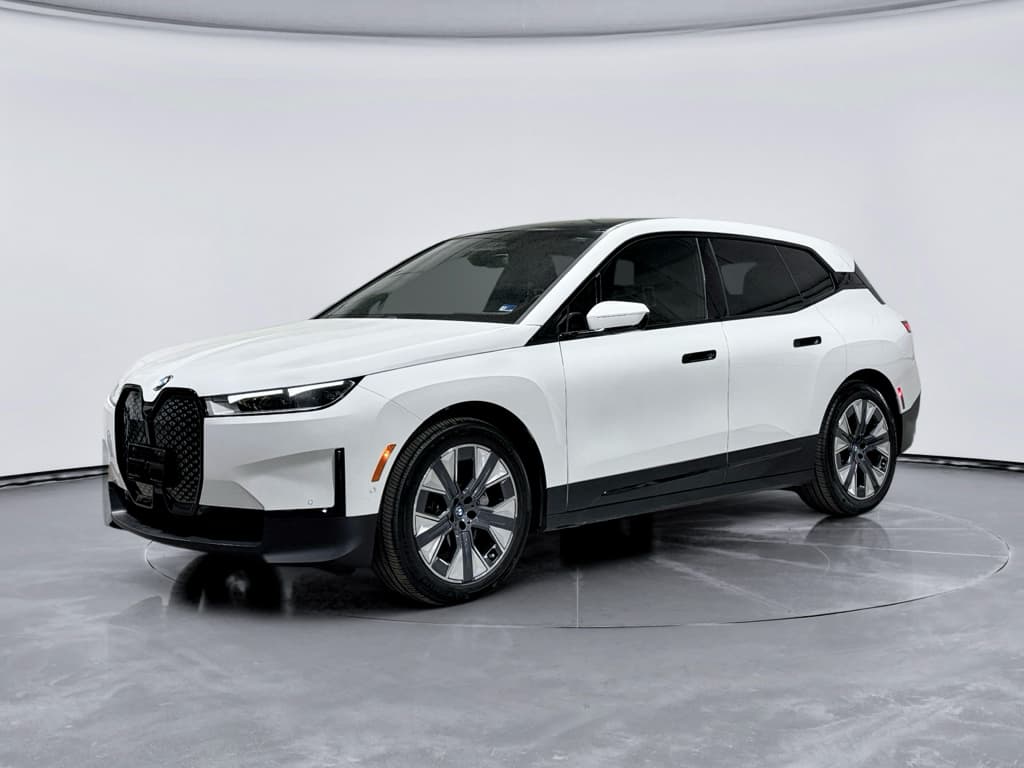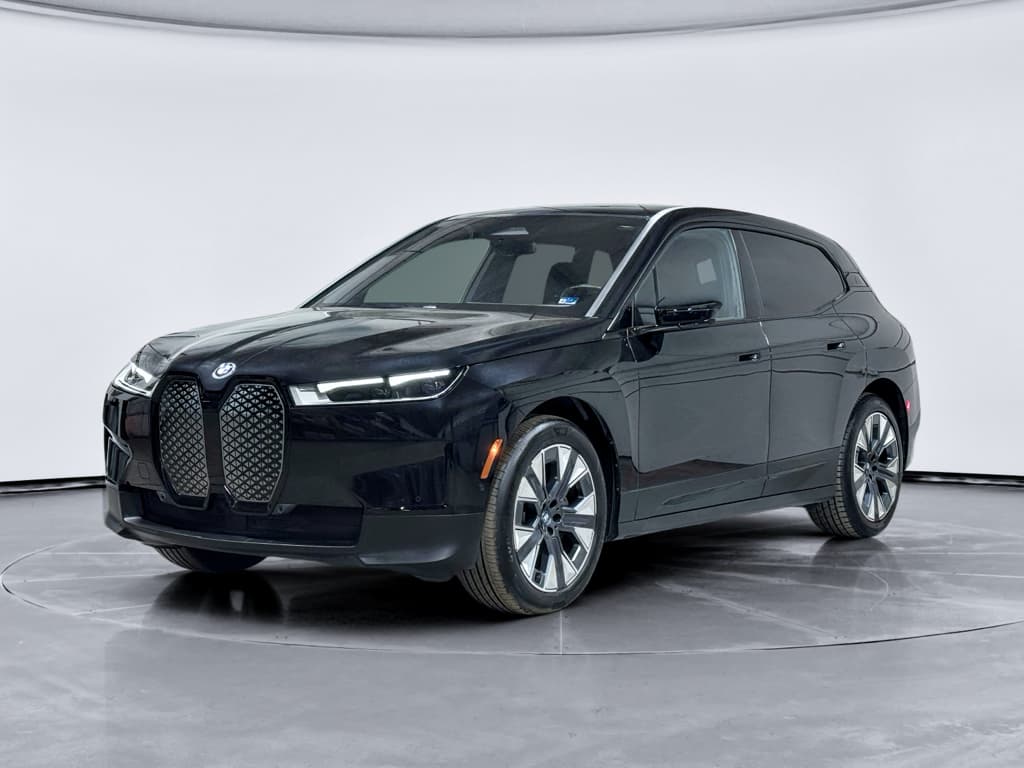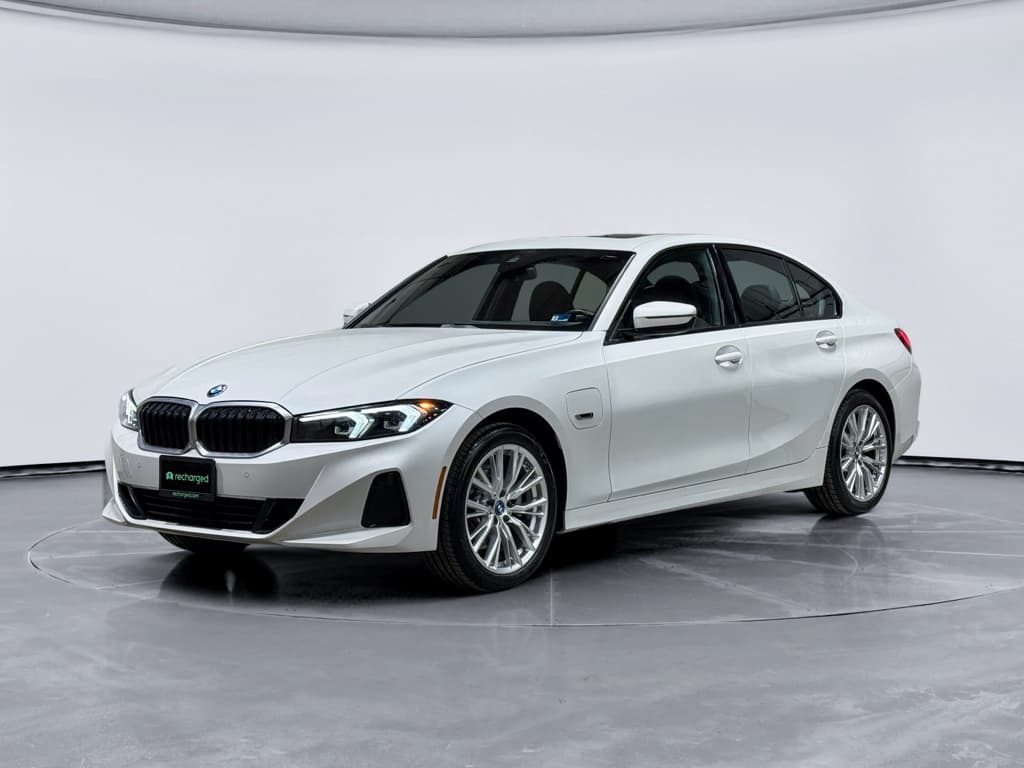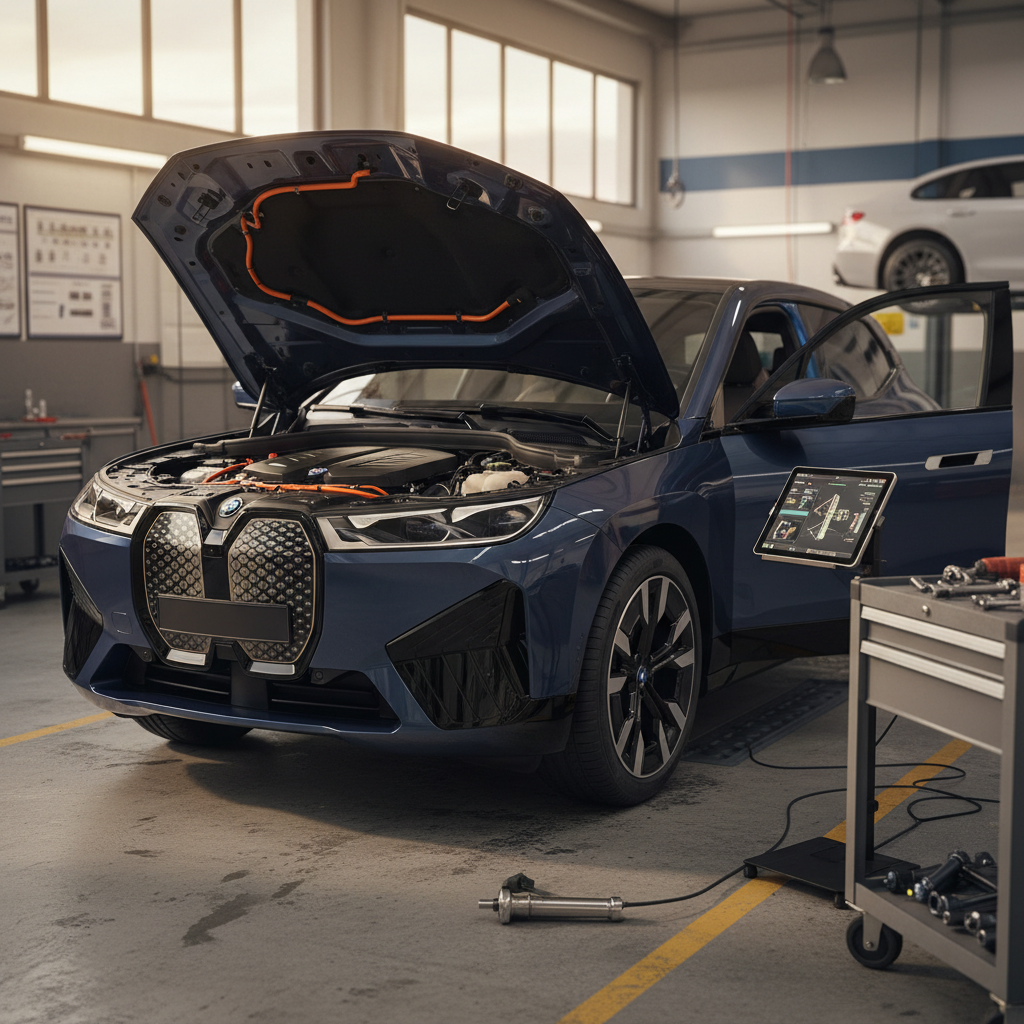
If you’re driving a BMW i5 and thinking about moving on to your next car in 2026, the big question is simple: what’s my BMW i5 trade‑in value in 2026? Because the i5 is a relatively new electric 5 Series, traditional pricing guides are still catching up, and EV depreciation can be steeper than many owners expect. This guide walks you through real‑world numbers, how dealers look at your i5, and what you can do to walk away with more money in your pocket.
A quick note on numbers
BMW i5 trade‑in value in 2026: quick overview
BMW i5 value snapshot for 2026 (typical U.S. market)
Think of those numbers as a weather report, not a guarantee. In 2026, your individual BMW i5 trade‑in value will be shaped by build (eDrive40 vs M60), miles, battery health, local demand, and whether you’re trading at a BMW store, independent dealer, or EV‑focused marketplace like Recharged that actually evaluates the battery instead of guessing.
How much is my BMW i5 worth in 2026?
Let’s put some rough 2026 ranges around the two main trims. Official pricing guides in early 2026 show clean 2025 i5 eDrive40 sedans, driven about 12,000 miles per year, with trade‑in values in the mid‑$40,000s when sold to a dealer and a few thousand more in private‑party sales. A similarly aged M60 can sit noticeably higher thanks to its original price and performance focus.
Typical 2026 value ranges for BMW i5 (U.S., average equipment)
These ballpark numbers assume clean condition and average miles for the model year. Real offers will vary with options, battery health and region.
| Model year & trim (U.S.) | Original MSRP (approx.) | Typical 2026 trade‑in range | Typical 2026 private‑party range |
|---|---|---|---|
| 2024 i5 eDrive40 | $67,000–$70,000 | $40,000–$47,000 | $43,000–$50,000 |
| 2024 i5 M60 | $84,000–$90,000+ | $52,000–$60,000 | $55,000–$65,000 |
| 2025 i5 eDrive40 | $67,000–$69,000 | $44,000–$50,000 | $47,000–$53,000 |
| 2025 i5 xDrive40 (if equipped) | High‑$60,000s to low‑$70,000s | $46,000–$52,000 | $49,000–$55,000 |
| 2025 i5 M60 | Mid‑$80,000s to low‑$90,000s | $56,000–$64,000 | $59,000–$68,000 |
Use this as a starting point, not a final answer. Always run your specific VIN and condition through a current appraisal tool or marketplace.
Don’t over‑focus on one number
One thing owners notice quickly in 2026: dealer retail prices on lightly used i5s often sit in the mid‑$40,000s to low‑$50,000s for eDrive40s, with M60s commanding more. That implies dealer trade‑in offers that are several thousand dollars below those asking prices to leave room for reconditioning, margins, and risk. Your goal is to understand how those numbers are built so you can push your offer toward the top of the range.
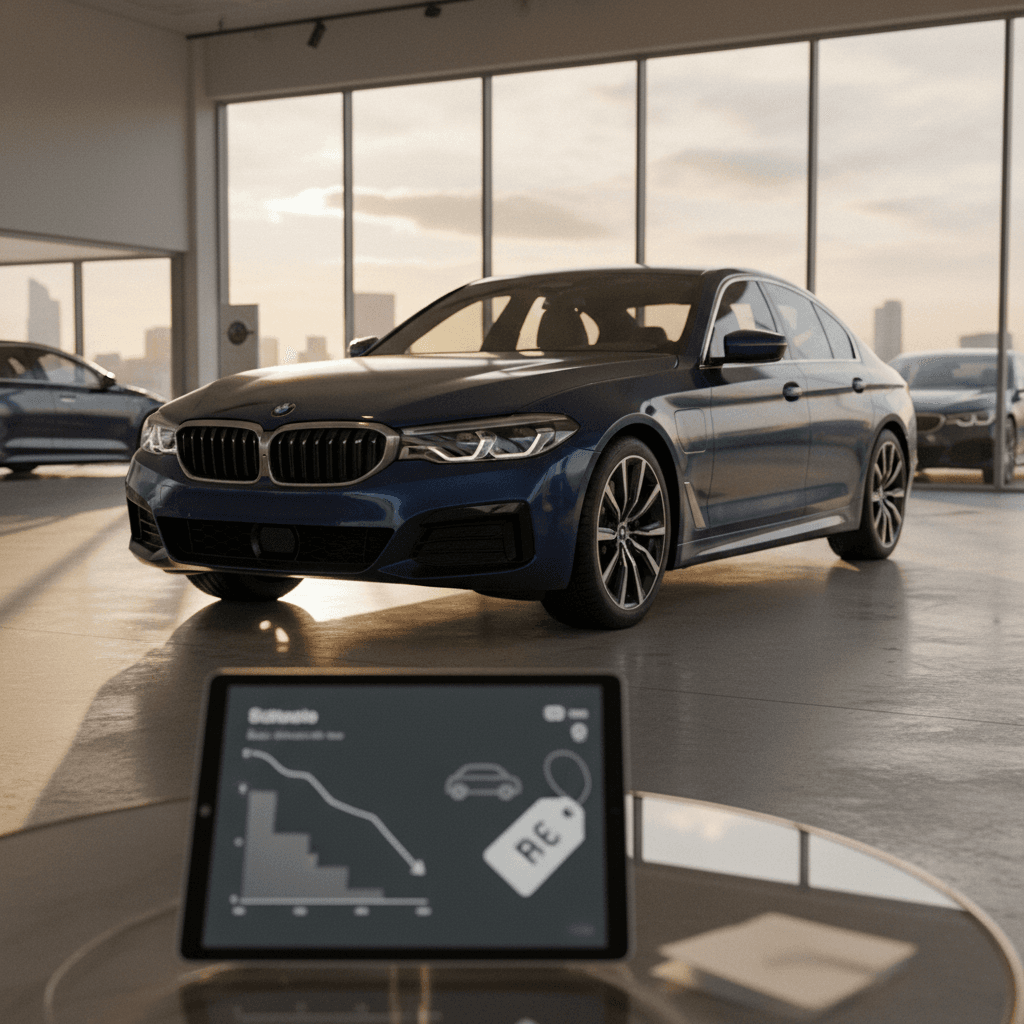
BMW i5 depreciation: what the first 5 years look like
Because the i5 only launched for the 2024 model year, we don’t yet have decade‑long histories. But by 2026 we do have enough early data to sketch a reasonable depreciation curve, especially for the popular eDrive40.
Illustrative BMW i5 eDrive40 value curve (typical U.S. market)
Approximate value retention for a well‑equipped i5 eDrive40 starting around $68,000 MSRP, assuming average mileage and normal market conditions.
| Age of vehicle | Approx. value vs. original MSRP | What that looks like on a $68,000 car |
|---|---|---|
| 1 year old (2025) | ~75% | ~$51,000 |
| 2 years old (2026) | ~60–65% | ~$40,000–$44,000 |
| 3 years old (2027) | ~50–55% | ~$34,000–$37,000 |
| 5 years old (2029) | ~45–50% | ~$30,000–$34,000 |
These are directional numbers using common EV depreciation patterns combined with early BMW i5 data, not guaranteed future prices.
How the i5 compares to other luxury EVs
In plain language, that means a well‑bought i5 that stickered near $68,000 new could plausibly be trading in the low‑$40,000s by the time it’s two to three years old. An M60 that started around $85,000 or more may still be comfortably above $55,000 in trade‑in value over the same window, provided miles stay reasonable and the car hasn’t suffered accident damage.
7 factors that move your i5 trade‑in value up or down
What dealers really look at on a 2026 BMW i5
Understanding these levers puts you in a better position at the negotiation table.
1. Trim & equipment
The jump from an eDrive40 to an M60 is enormous when the cars are new, and that doesn’t disappear in the used market. All else equal, your M60 is going to sit in a higher value bracket thanks to power, standard equipment and buyer demand.
2. Mileage & usage
In 2026, a typical 2024 i5 will have around 20,000–30,000 miles. Come in far below that and you’ll usually see a bump. Show up with 45,000+ miles and your trade‑in will trend toward the lower end of the range.
3. Accident & damage history
A clean history report and original paint are worth real money. Structural damage, airbag deployments or poorly repaired collisions can easily knock thousands off what a sophisticated buyer will pay.
4. Battery health
On an EV like the i5, battery health is the new compression test. A pack that’s still delivering close to its original usable capacity reassures the next buyer, and the dealer standing behind a warranty.
5. Options & packages
Packages like Premium, M Sport, adaptive driver assistance and high‑end audio make an i5 more desirable on the used lot. But not every dollar in options comes back at trade‑in, especially on very heavily optioned builds.
6. Local demand & incentives
Strong EV markets on the coasts may support higher used i5 values than areas where charging is sparse. At the same time, aggressive new‑car incentives or lease subventions can drag used values down in certain months.
7. Where you sell it
A BMW dealer, a general used‑car lot, an online instant‑offer buyer, and an EV‑specialist marketplace like Recharged will all value your car differently. One may prioritize quick inventory turns, another battery health, another export potential.
One easy way to test the market
Why battery health matters more than mileage on an i5
On a gas 5 Series, a dealer is mainly worried about miles, maintenance and mechanical condition. On a BMW i5, they’re thinking in terms of battery life, usable range and future warranty risk. Two cars with the same odometer reading can be worth very different amounts if their packs tell different stories.
Scenario A: High miles, healthy pack
Imagine a 2024 i5 eDrive40 with 36,000 highway‑heavy miles by mid‑2026, but the battery checks out beautifully. Usable capacity is still close to original, DC fast‑charging has been moderate, and the car has a clean history and full service records.
A smart buyer or EV‑savvy marketplace might only discount this car modestly compared with a lower‑mileage example, because the real‑world range and long‑term battery outlook are still strong.
Scenario B: Low miles, weak range
Now picture a 2024 i5 that’s been fast‑charged hard, short‑tripped constantly, or left sitting fully charged for long stretches. The odometer reads just 18,000, but usable range is clearly down and the pack shows early signs of stress.
That car is going to make risk‑averse dealers nervous. Many will either bid cautiously or skip the car altogether, pushing trade‑in value down more than the odometer alone would suggest.
How Recharged handles BMW i5 battery health
Ready to find your next EV?
Browse VehiclesIf you leased your BMW i5 vs bought it outright
By 2026, a significant share of BMW i5s on the road are leased, not purchased. That changes your exit strategy, and how “trade‑in value” really works.
- Leased i5: At the end of your term, the key numbers are your buyout (residual) and the i5’s current market value. If the car is worth more than the buyout, you may be able to buy it and resell or trade it for a profit. If it’s worth less, you typically just hand it back and walk away.
- Financed or owned i5: Trade‑in value is straightforward: what a dealer or marketplace will pay to buy your car and pay off your lender, with any equity (or negative equity) rolled into your next deal.
Watch those 2024–2026 lease deals
Before you assume you have equity, compare your contractual buyout to a realistic 2026 sale price. Get written offers for your i5, then see whether any of them beat the buyout after taxes and fees. If they don’t, simply turning the car in may be the most economical move.
Best places to sell or trade your BMW i5 in 2026
In 2026 you have more choices than ever for moving a BMW i5. Each option comes with a different mix of price, convenience and risk.
Where to take your BMW i5 in 2026
From quickest check to maximum proceeds, here’s how the options stack up.
BMW dealer trade‑in
Pros: One‑stop convenience if you’re buying another BMW, straightforward paperwork, possible loyalty incentives.
Cons: Offers are often conservative, especially if the store already has several i5s on the lot or is nervous about EV resale.
EV‑focused marketplace (like Recharged)
Pros: Battery‑health‑aware pricing, buyers specifically shopping for used EVs, digital process, and nationwide reach. Recharged can consign your i5, buy it outright, or help you trade into another EV, with transparent battery reporting.
Cons: May take a bit more time than a same‑day dealer trade, especially if you choose a consignment path aimed at maximizing return.
Online instant‑offer buyers
Pros: Fast online quotes, often free pickup, minimal hassle.
Cons: Not all of them understand EVs deeply. Some bake in big risk margins because they’re unsure about the pack, which can mean a lower offer for you.
Private‑party sale
Pros: Frequently delivers the highest sale price, especially on a well‑specced or rare‑color i5.
Cons: You handle marketing, test drives, paperwork and fraud risk. Many private buyers also don’t know how to evaluate battery health, which can make negotiations bumpy.
Use trade‑in and sale values together
Checklist: how to get top dollar for your BMW i5
Pre‑sale checklist for 2026 BMW i5 owners
1. Pull your service and charging history
Download or print your BMW service records and, if possible, charging summaries. Showing regular maintenance and reasonable fast‑charging habits gives buyers confidence in your i5’s battery health.
2. Fix small, visible issues first
Touch up curb‑rashed wheels, fix cracked glass, replace missing trim pieces and address inexpensive cosmetic flaws. These small repairs can swing a trade‑in appraisal by hundreds of dollars, sometimes more.
3. Detail the car inside and out
A professional detail is cheaper than most people think compared with its effect on perceived value. A clean, odor‑free interior and glossy exterior tell an appraiser the car has been cared for.
4. Get a battery health report
If you’re selling through <strong>Recharged</strong>, your i5 gets a Recharged Score battery health report automatically. If not, ask for a dealer or third‑party EV battery check. Coming in with data beats arguing about range from the driver’s seat.
5. Gather keys, charger and accessories
Missing key fobs, mobile charging cables or wheel locks drag your offer down because the next owner expects them. Track down everything that came with the car so a dealer doesn’t have to replace it.
6. Time your sale carefully
Seasonality and incentives matter. Trading during a local EV tax‑credit rush or when BMW is heavily discounting new i5s can suppress used values. If you have flexibility, watch incentives and shop your car when new‑car deals are a bit calmer.
7. Collect multiple written offers
Treat your i5 like a major investment, because it is. Get at least two or three written offers, then either negotiate upward or pick the combination of price and convenience that makes the most sense for you.
BMW i5 trade‑in value 2026: FAQ
BMW i5 trade‑in questions answered
Key takeaways before you trade your BMW i5
In 2026, the BMW i5 sits at the intersection of two powerful forces: strong brand equity as a 5 Series and the rapid evolution of EV technology. That combination makes it a compelling car to own, but it also means you can’t afford to be casual about depreciation or trade‑in value. Know roughly where your specific trim ought to land, document battery health and condition, and don’t rely on a single offer, especially for a well‑optioned M60 or a low‑mileage eDrive40.
If you’d like a sale or trade‑in process built around EV reality instead of old gas‑car assumptions, consider working with Recharged. Every used EV we buy, sell or consign comes with a Recharged Score Report that verifies battery health, fair market pricing and real‑world range. That transparency helps you capture more of your BMW i5’s true value in 2026 and makes life easier for the next owner, too.