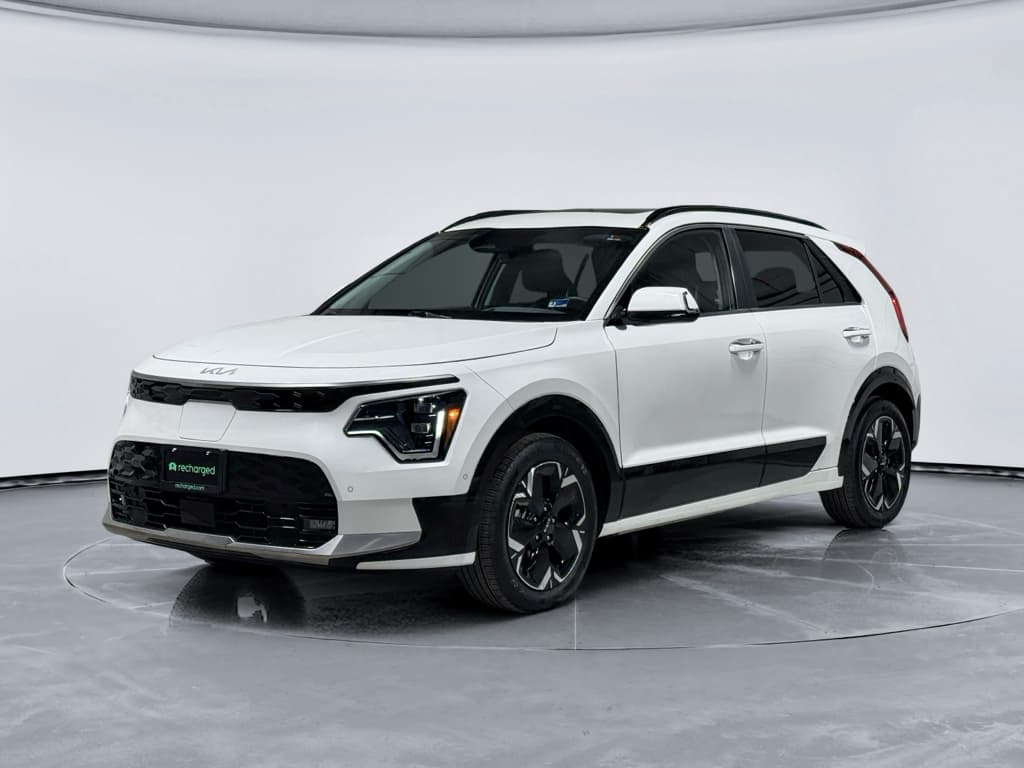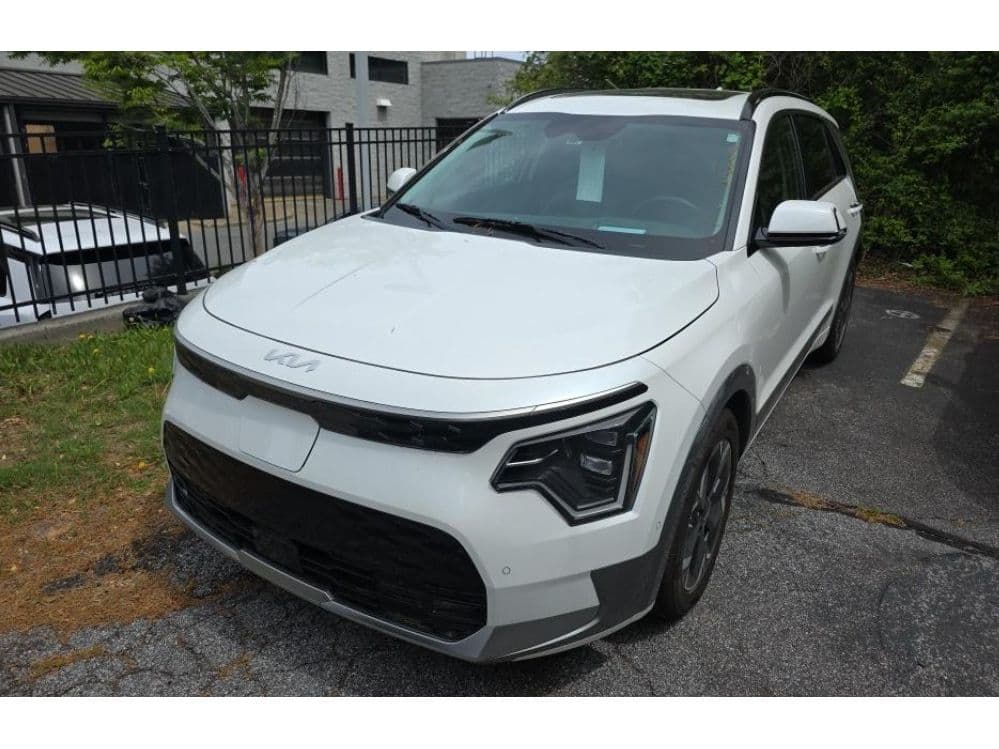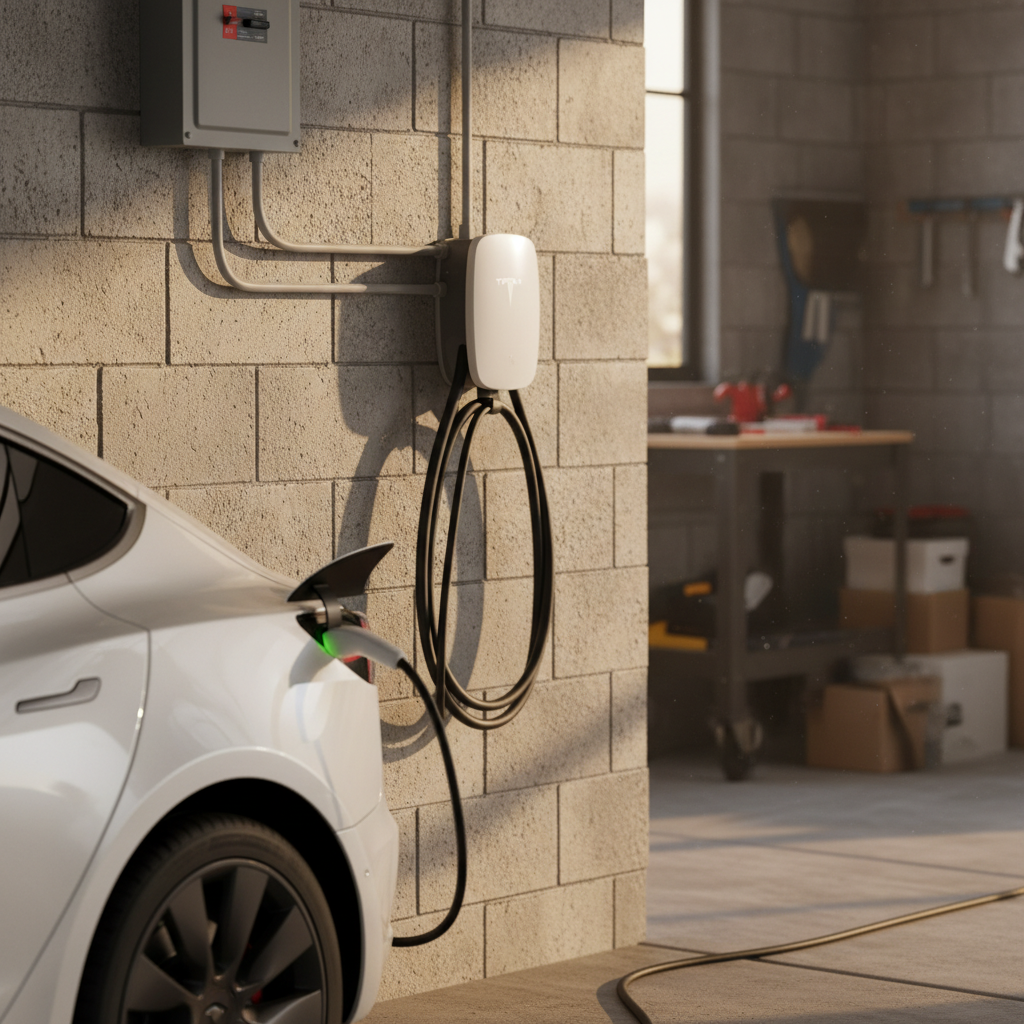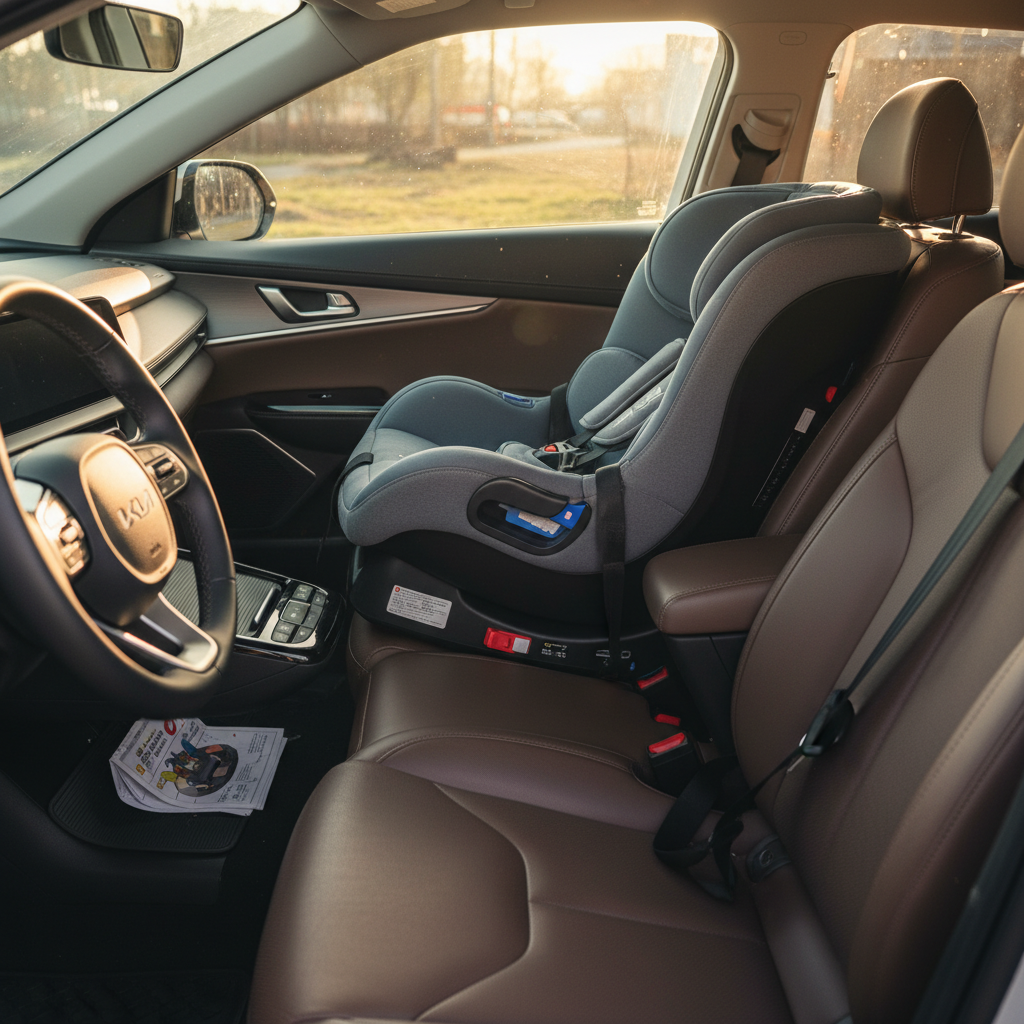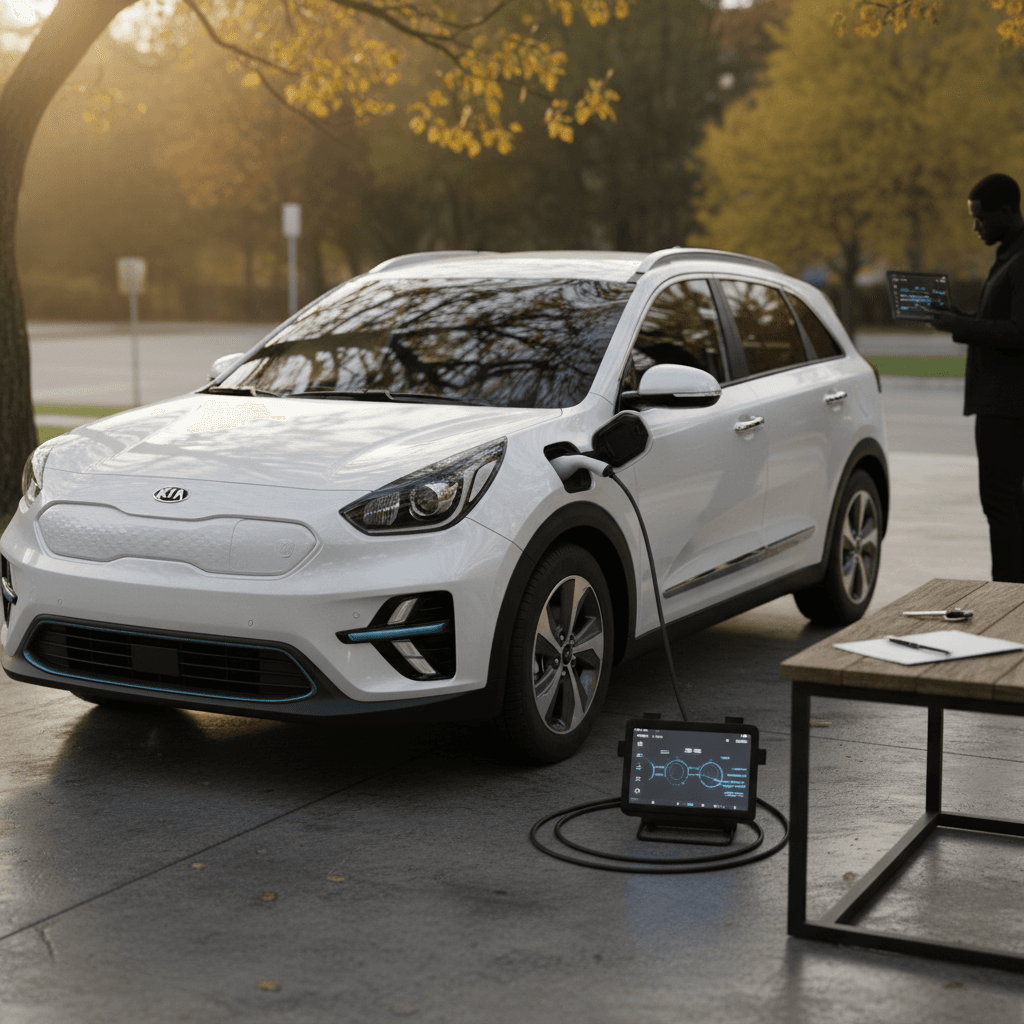
If you own a Kia Niro EV, you’ve probably heard the bad news: it’s one of the EVs that can lose roughly 60% of its value in the first five years. That makes selling feel like walking into a rigged casino. The upside? With the right strategy, you can turn that narrative to your advantage, attract the right buyer, and walk away with thousands more than the “easy” lowball offer. These tips for selling a Kia Niro EV will show you how.
The quick take
Why selling a Kia Niro EV feels tricky right now
Used EV prices have cooled since the 2021–2022 frenzy, and models like the Niro EV have taken a big hit. Studies of real‑world transactions show five‑year depreciation around the 59–60% mark, worse than the average SUV, and part of why so many owners are suddenly thinking about selling. At the same time, used Niro EVs often sell quickly when they’re priced right and properly presented. Your job is to bridge that gap: accept the reality of depreciation, then position your car as the smart buy it actually is.
Kia Niro EV resale, in plain numbers
Reality check on pricing
1. Understand what your Kia Niro EV is really worth
Before you photograph, detail, or daydream about your next car, you need a realistic value range. The Niro EV doesn’t follow generic SUV curves; it lives in the weird, still‑settling world of used EVs. That means plain‑vanilla pricing tools can be off, sometimes by thousands.
How to sanity‑check your Niro EV’s value
Check EV‑specific pricing sources
Use more than one source: EV‑focused marketplaces, dealer listings, and private‑party ads for similar year, trim, mileage, and region. Look at actual asking prices, not just book values, and note which cars sit and which disappear.
Compare trim, options, and tax‑credit history
A 2019 EX and a 2023 Wave are different planets. Factor in DC fast‑charge speed, driver‑assist features, and whether the first owner likely claimed a big federal tax credit that already bent the depreciation curve.
Factor mileage and usage type
A Niro EV with 60,000 highway miles isn’t automatically worse than one with 20,000 city miles. EV buyers increasingly care about <strong>how</strong> the car was used: commuter duty, rideshare, or occasional weekend runabout.
Look at local supply, not national averages
If your metro area has three Niro EVs for sale total, you can often price firmer than national estimates. If there are twenty nearly identical cars within 50 miles, you’ll need to be sharp on price or sharper on presentation.
Use a data‑driven baseline
2. Time your sale around demand and incentives
Timing the sale of a Kia Niro EV is like surfing: you don’t control the wave, but you can absolutely choose when you stand up. Demand for used EVs, and compact crossovers in particular, tends to be seasonal and policy‑driven.
Smart timing moves for Niro EV sellers
You can’t out‑logic depreciation, but you can pick your moment.
List before peak driving season
In many U.S. regions, late spring through early fall is prime car‑shopping season. Families are planning trips, commuters rethink their routines, and EV range anxiety eases when it’s warm.
Listing your Niro EV just before this upswing can mean more eyeballs and fewer hagglers.
Watch new‑car incentives
Deep discounts or lease deals on new Niro EVs (or close rivals like the Kona Electric) can drag used prices down in real time. If your local Kia dealers are blowing out new cars, be prepared to sharpen your price or wait it out.
Watch tax‑credit rules
Changes to federal or state EV incentives can flip the script overnight. If a popular credit is about to shrink or disappear for new EVs, your used Niro EV may suddenly look relatively more attractive.
That’s often a good moment to list.
When waiting doesn’t help
3. Lead with battery health, not just mileage
With gas cars, mileage is the religion. With EVs, especially a model like the Niro EV, battery health is what separates a great deal from a rolling anxiety attack. The twist is that Kia doesn’t show battery state‑of‑health in a big friendly gauge, so you have to be a little more intentional.
Show real‑world range
- On a full charge at 100%, take a photo of the estimated range on the dash and of the current odometer.
- Note typical driving mix (e.g., “50/50 city and highway, moderate climate, normal driving”).
- Buyers know the original EPA range; what they want to see is how close your car still gets in the real world.
Get an independent battery report
- Third‑party services can estimate battery health from driving and charging data.
- A professional battery diagnostic, like the Recharged Score report we run on every car we sell, gives buyers a hard number instead of guesswork.
- Attach or link that report in your listing; it’s instant credibility.
Make degradation boring, in a good way
4. Use Kia’s battery warranty story to your advantage
For many buyers, the phrase “used EV” triggers a specific fear: “What if the battery dies right after I buy it?” Kia gives you a strong counter‑narrative in the form of its long high‑voltage battery warranty, often around 10 years or 100,000 miles in the U.S., with coverage if capacity drops below a set threshold.
- Find the in‑service date (when the car was first sold new) so you can quote remaining warranty time accurately.
- Explain that the high‑voltage battery is covered separately from the basic bumper‑to‑bumper warranty, which may have already expired.
- If you’re the second owner, confirm whether the full battery warranty transferred and be transparent if it didn’t.
- Include a simple line in your listing like: “High‑voltage battery under Kia warranty until July 2031 or 100,000 miles (whichever comes first).”
Turn warranty into a sales line
5. Get your Niro EV looking and driving its best
If depreciation is the villain of the EV story, presentation is your redemption arc. The Niro EV is a sensible, almost modest little crossover; it doesn’t sell itself on drama. That means cleanliness, condition, and vibe matter even more than usual.
Prep checklist before photos or appraisals
You don’t need a full concours detail, just a car that looks obviously cared for.
Deep clean inside and out
Wash, clay, and wax if you can; at least get a quality hand wash. Vacuum every surface, clean the screens, and neutralize smells. EV buyers skew tech‑savvy and often notice the small stuff like grime around USB ports.
Fix the cheap, obvious stuff
Burnt‑out bulbs, wiper blades, cabin air filter, curb‑rashed hubcaps, these are small dollars that signal big neglect if you skip them. A Niro EV with fresh, quiet tires and a crisp brake feel drives “newer” than its model year.
Take honest, flattering photos
Shoot in soft daylight, not at night or in a dim garage. Include:
- Front 3/4 and rear 3/4 angles
- Both sides
- Close‑ups of wheels, seats, and cargo area
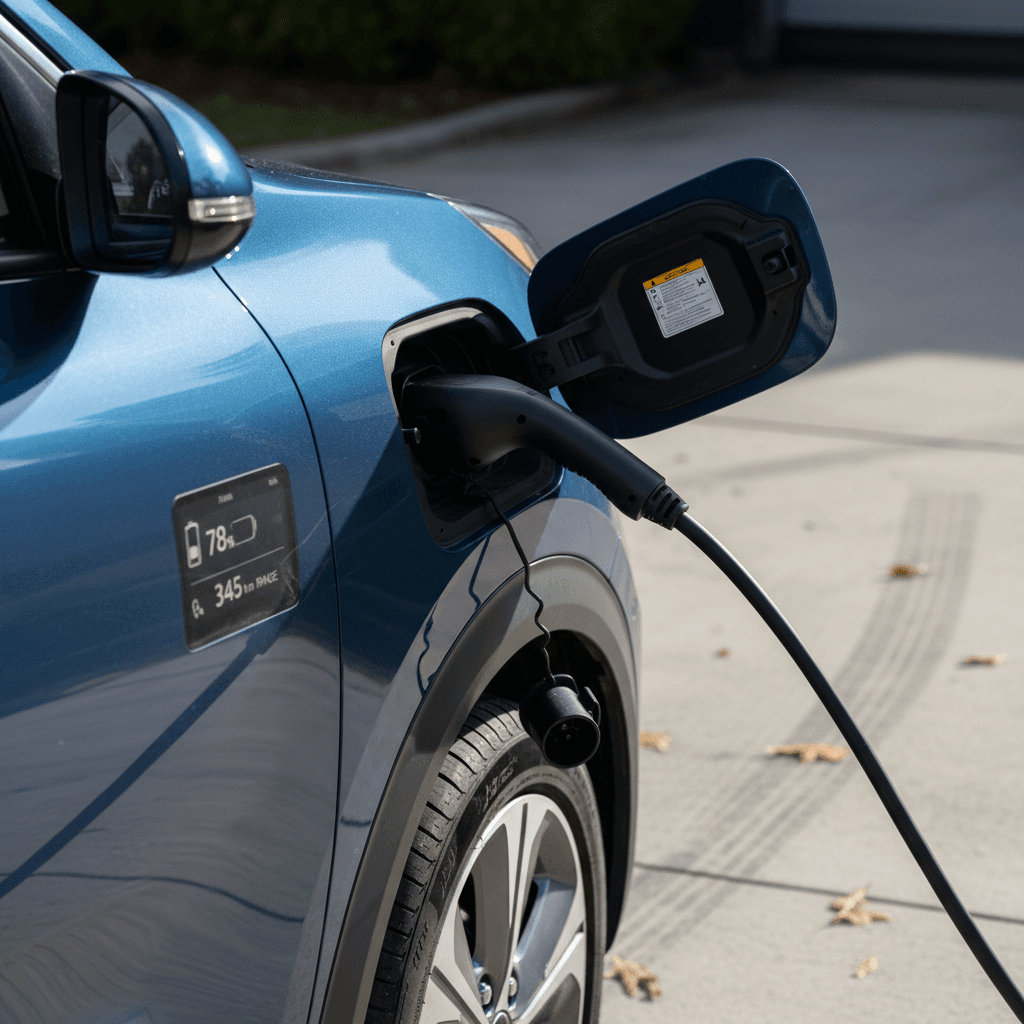
- Clear shots of the charge port and charging screen
Don’t “forget” cosmetic damage
6. Gather the paper trail EV buyers care about
A Kia Niro EV doesn’t have oil changes, spark plugs, or timing belts, but that doesn’t mean paperwork doesn’t matter. If anything, the thin maintenance schedule makes every record more important, because buyers are trying to infer how you treated the car.
Documents that make your Niro EV easier to sell
Service history and recalls
Print or save service records, especially any high‑voltage system checks, software updates, or recall work. Even inexpensive items (like cabin filters and brake fluid) reassure buyers that the car wasn’t neglected.
Charging habits and locations
If you mostly charged at home on Level 2, say so. Occasional DC fast charging is fine; a diet of nothing but 150 kW blasts may make some buyers nervous. A simple statement of typical charging behavior goes a long way.
Title, lien, and warranty info
Have the title (or payoff letter details) ready, plus any extended warranty documentation. Note clearly if the car is still under Kia’s high‑voltage battery warranty and what’s left on time and mileage.
Original equipment and accessories
List and photograph both key fobs, the OEM portable charge cable (if included), floor mats, manuals, and any roof racks or accessories. A “complete” car is always easier to move.
7. Write a listing that actually speaks to EV shoppers
Most Niro EV listings read like someone copy‑pasted the window sticker. You can do better. EV shoppers want three things answered up front: range, battery health, and total cost of ownership. Everything else is garnish.
Anatomy of an effective Kia Niro EV listing
Use this as a template you can adapt to your car.
| Section | What to include | Example for a Niro EV |
|---|---|---|
| Title | Year, trim, key selling points | "2022 Kia Niro EV EX Premium – 230‑mile range, 1‑owner, battery under warranty to 2032" |
| First paragraph | Mileage, real‑world range, battery report, warranty | "42k miles, consistently gets 215–230 miles per charge. Independent battery health report available. High‑voltage battery under Kia warranty until Nov 2032 or 100k miles." |
| Bullets | Top 5–7 features buyers care about | "Level 2 home charging cable included; DC fast charging; heated seats; adaptive cruise; full ADAS suite; clean title; no accidents." |
| Honesty section | Anything a buyer might discover on inspection | "Two curb‑scratched wheels (see photos), small paint chip on front bumper. Interior clean, non‑smoker." |
| Closing line | Call to action and flexibility | "Priced based on current market for similar Niro EVs with battery warranty. Happy to provide VIN, service records, and battery report on request." |
Strong listings lead with battery and value, not just trim and color.
Sneak in the EV education
8. Decide how to sell: private sale, trade‑in, or consign
There’s no one “right” way to sell a Kia Niro EV, only a spectrum between maximum money and minimum hassle. Where you land depends on your appetite for tire‑kickers, paperwork, and risk.
Private sale
- Pros: Usually nets the highest price if you’ve done your homework on battery health, presentation, and pricing.
- Cons: You’re doing everything: marketing, test drives, paperwork, and fraud prevention.
- Best for: Sellers comfortable screening strangers and answering lots of EV questions.
Dealer trade‑in
- Pros: Fast, simple, rolled into your next purchase. No strangers at your house, no DMV lines.
- Cons: Often the lowest raw number, and many dealers still don’t know how to value used EVs properly.
- Best for: Time‑pressed sellers who value convenience over squeezing every dollar out.
Consignment / EV marketplace
- Pros: Professional marketing, broader audience, and help with battery diagnostics and pricing. You get more than a trade‑in, with less DIY than a private sale.
- Cons: There’s usually a fee or commission, and the process can take longer than a straight trade.
- Best for: Sellers who want a data‑driven price and expert help without going full private‑party mode.
Where Recharged fits
9. Be ready for test drives and EV‑newbie questions
If you sell privately or via consignment with local test drives, assume at least half your prospects will be new to EVs, or at least new to Kia’s flavor of EV. A smooth, confident test‑drive experience can close the deal before they ever talk numbers.
Test‑drive prep for your Niro EV
Start with a near‑full battery
Aim for 70–100% charge so you can show realistic range, regen behavior, and highway manners without glancing nervously at the gauge.
Give a two‑minute EV tour
Before driving off, show them how to start the car, adjust drive modes, use one‑pedal / regen settings, and plug in for charging. Demystify the basics.
Pick a route that shows strengths
Include city streets (for quiet, smooth acceleration) and a short highway segment (for stability and noise levels). If safe, demo a quick 0–40 mph pull so they feel the EV torque.
Have answers to common questions
Expect questions like “How long does it take to charge?”, “How much does it add to your power bill?”, and “What happens on road trips?” Prepare honest, specific answers from your own experience.
10. Avoid common mistakes that cost sellers thousands
In a market where Kia Niro EV depreciation is already steep, small mistakes can turn into big money. The following missteps are depressingly common, and completely avoidable.
Biggest mistakes Niro EV sellers make
Think of these as landmines on the way to a fair deal.
Chasing a number that no longer exists
Maybe you saw your trim selling for $30k in 2023, and you’ve mentally anchored there. The market has moved. Pricing off old screenshots or hearsay from friends leads to stale listings and lowball offers when you finally cave.
Hiding the EV‑specific details
Vague language like “great range” and “charges fast” doesn’t cut it anymore. If you don’t share range, charging habits, or a battery report, serious buyers assume the worst and move on to better‑documented cars.
Skipping professional diagnostics
Without an independent assessment, you’re effectively asking buyers to take your word on the most expensive component in the car. A battery health report or Recharged Score turns hand‑waving into evidence.
Being inflexible on structure
Some buyers want help arranging financing, trade‑ins, or remote delivery. If you’re dead‑set on cash‑only, local‑only, Saturday‑only, you’re shrinking your pool. Partnering with a platform like Recharged can unlock more options without sacrificing safety.
Safety still comes first
11. How Recharged can simplify selling your Kia Niro EV
Selling a Kia Niro EV is not the same as unloading a used gas SUV. You’re selling a bundle of software, chemistry, and range anxiety management, with a depreciation curve that punishes guesswork. That’s exactly the problem Recharged was built to solve.
What Recharged brings to a Niro EV sale
Less improv, more data.
Recharged Score battery diagnostics
Every vehicle that passes through Recharged gets a Recharged Score Report with verified battery health and charging performance. That gives buyers the confidence they need, and lets your Niro EV stand out from every “trust me, it’s fine” listing.
Fair, transparent pricing
Recharged uses EV‑specific market data (not generic SUV curves) to price your Niro EV based on real transactions, trim, mileage, battery health, and region. You see exactly how the number is built, so you’re not left wondering what you left on the table.
Flexible ways to sell
Sell your Niro EV outright, trade into another used EV, or consign it through Recharged’s marketplace. You get EV‑specialist guidance, a fully digital experience, and optional nationwide pickup and delivery so you don’t have to play amateur car dealer on evenings and weekends.
Ready to find your next EV?
Browse VehiclesSelling your Kia Niro EV with confidence
The Kia Niro EV may not be a resale champion on paper, but that’s precisely why it can be a smart sale if you play it right. You’re offering a practical, efficient, real‑world 200‑plus‑mile EV with a strong battery warranty and a loyal following, if you can prove its health, price it realistically, and tell its story clearly.
Start by understanding your true market value and timing, then lead with battery health, warranty, and real‑world range. Clean the car like it’s meeting its future owner tomorrow, gather the paperwork, and write a listing that answers EV shoppers’ questions before they ask them. Whether you sell privately, trade in, or partner with Recharged for a data‑backed, low‑stress sale, you’ll step into your next car knowing you squeezed the most out of a misunderstood little workhorse.