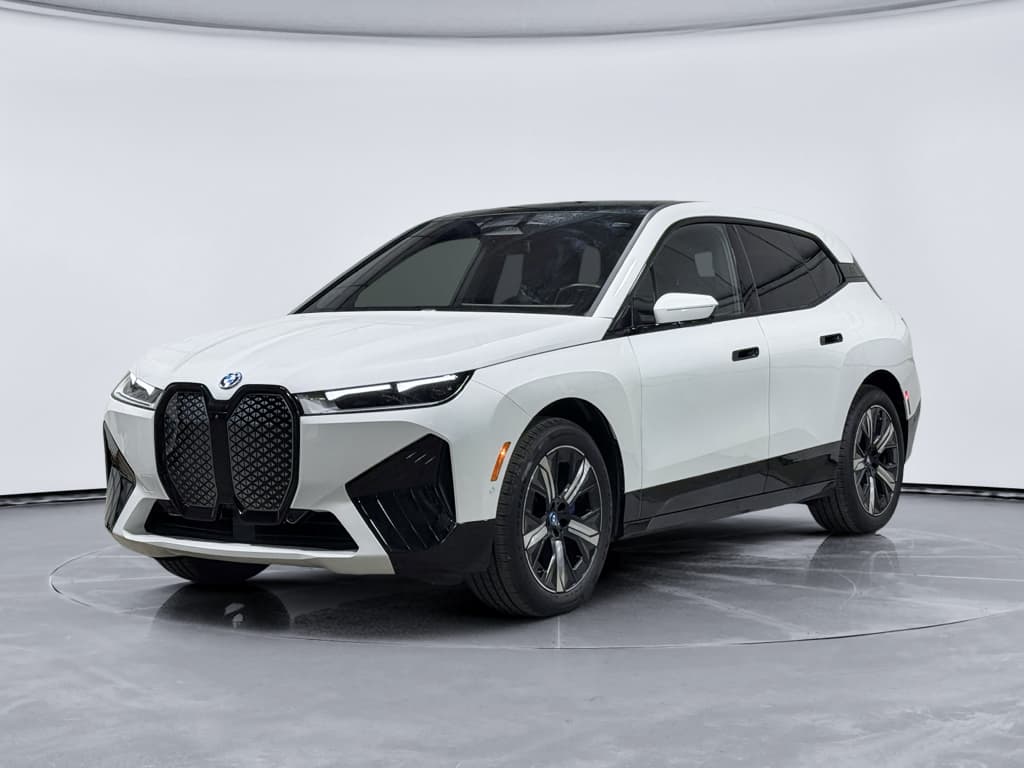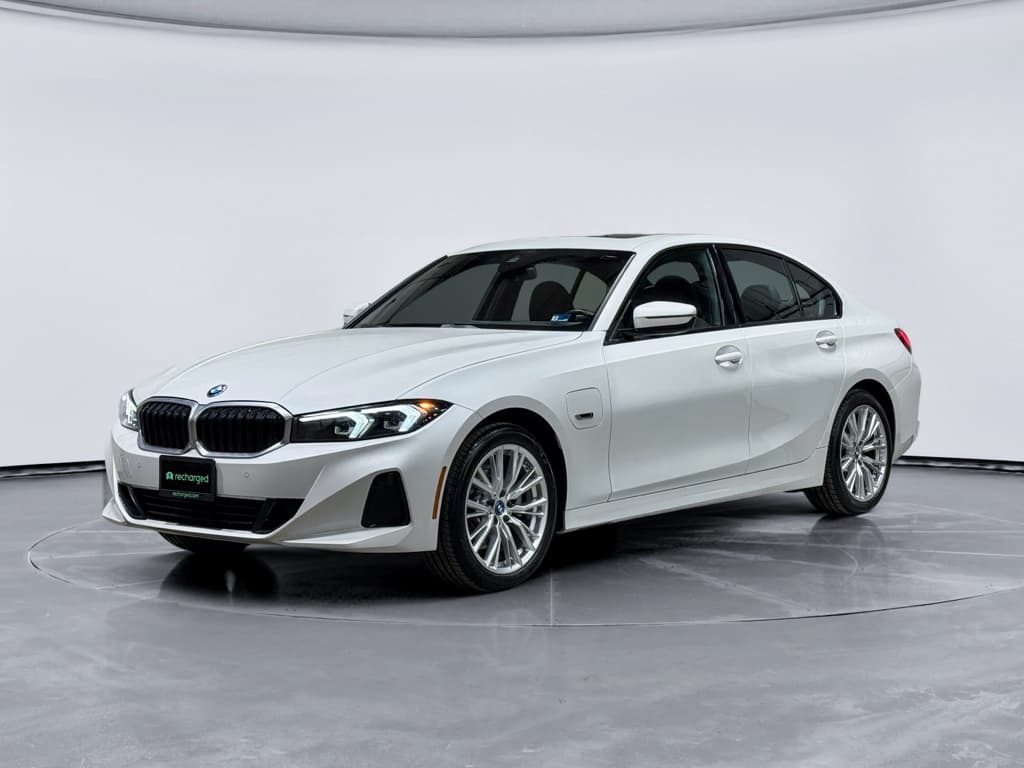
If you’re eyeing a BMW i5, or already driving one, you’re probably wondering what the real‑world highway range looks like, not just the glossy EPA number on the window sticker. At 70–80 mph with luggage, passengers, and weather that isn’t always perfect, the BMW i5’s real‑world highway range tells you how confidently you can cover long distances without constantly watching the battery gauge.
Two main BMW i5 versions
BMW i5 highway range overview
BMW i5 key range and efficiency stats (approximate)
In everyday highway use, most BMW i5 drivers see about 70–80% of the EPA range when cruising at modern interstate speeds. That’s normal for EVs: drag builds quickly as speed rises, and HVAC use, elevation, and wind all chip away at the theoretical maximum.
The i5’s roughly 81 kWh usable battery means that at a realistic consumption of 2.5 mi/kWh, you’re looking at about 200 miles of true highway range from a near‑full charge down to a low state of charge. You can stretch that in ideal conditions, or watch it shrink in a winter headwind at 80 mph.
EPA vs. real‑world: why your BMW i5 behaves differently on the highway
The EPA test cycle that produces the official range number isn’t a long‑haul interstate run at 75 mph. It mixes city and highway driving at lower average speeds, and the EPA then applies correction factors. That’s part of why your BMW i5 real‑world range on the highway often looks noticeably lower than the rating on the sticker.
- EPA tests include relatively gentle acceleration and lower average speeds than real U.S. highway traffic.
- A significant portion of the cycle is urban, where EVs shine thanks to regenerative braking.
- Climate control isn’t tested the way you actually use it on a blazing‑hot or freezing‑cold day.
- There’s no steep sustained uphill or strong headwind to mimic real‑world geography and weather.
Don’t judge range by the first 10 miles
BMW’s trip computer is better than most at learning from your recent driving and terrain. For longer journeys, rely on the car’s built‑in EV route planning and the in‑car or app‑based navigation, which will factor in elevation, temperature, and your driving style to suggest charging stops.
Real‑world BMW i5 highway range results at 70–80 mph
Exact numbers vary by wheel size, temperature, and terrain, but pulling together independent road tests and owner reports paints a consistent picture. Below are typical BMW i5 real‑world highway range outcomes in mild weather at steady cruise, assuming you’re going from nearly full to around 5–10% remaining.
Approximate BMW i5 real‑world highway range
Typical results for steady‑state highway driving on relatively flat roads, mild conditions, and light load.
| Model & wheels | Speed | Weather | Approx. efficiency | Usable battery | Real‑world highway range |
|---|---|---|---|---|---|
| i5 eDrive40 (19" wheels) | 70 mph | 60–70°F, dry | 2.7–2.9 mi/kWh | ~81 kWh | 210–230 miles |
| i5 eDrive40 (20"–21" wheels) | 70 mph | 60–70°F, dry | 2.4–2.6 mi/kWh | ~81 kWh | 190–210 miles |
| i5 eDrive40 | 75–80 mph | 60–70°F, dry | 2.1–2.4 mi/kWh | ~81 kWh | 170–195 miles |
| i5 M60 xDrive (20"–21" wheels) | 70 mph | 60–70°F, dry | 2.2–2.5 mi/kWh | ~81 kWh | 180–200 miles |
| i5 M60 xDrive | 75–80 mph | 60–70°F, dry | 1.9–2.2 mi/kWh | ~81 kWh | 155–180 miles |
These are ballpark figures, not guarantees, but they line up closely with repeated independent tests and real owner experience.
How these numbers are built
In practice, most owners don’t run from 100% down to 5%. Many leave home at 80–90% to protect long‑term battery health and aim to arrive at the next charger with 10–20%. That means your usable highway window is often more like 60–70% of the pack, which translates to 120–160 miles between fast‑charge stops on a long trip.
How weather, speed, and driving style change your BMW i5’s range
Once you’re above about 50 mph, aerodynamic drag is your main enemy. Energy use climbs non‑linearly with speed, so the last 5–10 mph you add on top of a comfortable cruise has an outsized hit on the BMW i5’s real‑world highway range.
Biggest factors that shrink BMW i5 highway range
Know what’s stealing your miles before you even leave the driveway.
Higher speed
Jumping from 70 to 80 mph can cost you 10–20% of your range. If you’re tight on distance between chargers, slowing down a notch is the quickest "range extender" you have.
Cold temperatures
Below freezing, energy goes into warming the battery and cabin. Expect as much as a 25–35% hit in harsh conditions, especially on short hops where everything keeps reheating.
Hills and headwinds
Long climbs and strong headwinds act like invisible trailers. Even mild grades over long distances can quietly nibble away at 10–15% of your expected range.
Driving style
On the highway, how hard you accelerate to merge matters less than you think, once you’re at speed, it’s all about how steady you are. Using adaptive cruise control or simply holding a constant speed avoids the repeated small surges that increase consumption. Gentle lane changes and planning ahead so you don’t have to brake hard into slower traffic also help.
Climate control & load
Running the climate control reasonably won’t destroy your range. Cranking cabin heat on a cold start does cost you extra, but once the cabin is warm, the draw settles down. Bigger hits come from roof boxes, bike racks, and aggressive wheel/tire packages, all of which slice into the i5’s slippery aero profile.
Pre‑condition like a pro
Planning real‑world road trips in a BMW i5
The BMW i5 is a long‑legged highway car. Its comfort and noise isolation make 300‑mile days feel easy, even if your charging pattern means you’re stopping every 120–160 miles. The trick is planning around the realistic highway range, not the headline EPA figure.
BMW i5 road trip planning checklist
1. Start with a realistic range number
For multi‑stop interstates at 70–75 mph, assume 180–200 miles of range in good weather for the i5 eDrive40 and a bit less for the M60. In winter, plan around 140–160 miles instead.
2. Use EV‑aware route planners
Leverage BMW’s built‑in navigation or an EV‑specific planner that knows about DC fast chargers. Let it pick stops where you can arrive around 10–20% and depart around 60–70%, that’s the fast‑charging sweet spot.
3. Aim for shorter, faster charges
Instead of one huge charge, plan several 18–30 minute stops, riding the fastest part of the charging curve. It often saves time compared with sitting from 10% to 90% at one station.
4. Watch live consumption, not just remaining miles
On your first leg, keep an eye on the kWh/100 mi or mi/kWh readout. If you’re running hotter than expected, back your speed off a couple of mph early rather than sweating through the last 20 miles.
5. Have a Plan B charger
When possible, have a backup station within 15–30 miles of your planned stop. If a charger is busy, down, or throttled, a Plan B lets you stay relaxed instead of hyper‑conserving energy.
6. Trust but verify with weather
Before a winter or stormy‑day trip, check for headwinds and temps. Strong headwinds can feel like adding 5–10 mph to your speed. It’s worth dialing back your cruise speed a notch.
How Recharged can help on road‑trip daydreams
Ready to find your next EV?
Browse VehiclesBMW i5 highway range vs. other luxury EV sedans
If you’re cross‑shopping, it helps to know whether the BMW i5’s highway range is competitive. The short answer: yes. In many independent tests, the i5 matches or slightly beats comparable luxury EV sedans for real‑world efficiency while delivering a very quiet, comfortable ride.
Approximate real‑world highway range comparison
Highway range estimates in mild conditions at ~70 mph, from near‑full to low state of charge.
| Model | Battery (usable) | EPA range (approx.) | Real‑world highway range | Highway character |
|---|---|---|---|---|
| BMW i5 eDrive40 | ~81 kWh | 270–290 mi | 210–230 mi | Quiet, relaxed, very efficient |
| BMW i5 M60 xDrive | ~81 kWh | 250–260 mi | 180–200 mi | Strong performance, still respectable range |
| Tesla Model S Long Range | ~95 kWh | 380–400 mi | 260–290 mi | Class‑leading range, firmer ride |
| Mercedes‑Benz EQE Sedan | ~90 kWh | 250–275 mi | 190–220 mi | Soft, comfort‑oriented, similar efficiency |
| Genesis Electrified G80 | ~83 kWh | 280–290 mi | 210–230 mi | Luxury‑heavy, efficient but limited rear space |
Numbers are rounded, but they show where the BMW i5 slots in among popular luxury EV sedans.
Comparing highway range fairly
Battery health, degradation, and used BMW i5s
Highway driving is generally easy on EV batteries: steady loads, good cooling airflow, and fewer high‑current spikes than repeated 0–60 launches. Over time, the biggest hits to usable range come from rapid DC fast‑charging habits, extreme heat, and age, not from a regular diet of 70 mph interstate cruising.
Early data from BMW’s fifth‑generation EV platform suggests that degradation is modest over the first 5–8 years if the car is charged sensibly, avoiding a constant 100% level, keeping the pack cool, and not living on fast chargers. That’s good news if you’re shopping for a used i5 and care about long‑distance comfort and range.
Checking battery health before you buy
Quick tips to maximize BMW i5 highway range
- Cruise at 70–72 mph instead of 78–80 mph when you’re stretching the distance between chargers, those few mph make a big difference.
- Use Eco Pro or a more efficient drive mode on long slogs when you don’t need instant response.
- Pre‑condition the cabin while plugged in, especially in winter, and use the heated seats and wheel rather than blasting cabin heat.
- Check tire pressures before big trips; under‑inflated tires are sneaky range killers and can hurt ride quality.
- Travel light on the roof, cargo boxes and bike racks cost aero efficiency. If you must use them, plan for a meaningful range hit.
- When charging, prefer several shorter 10–60% or 15–70% sessions instead of one long slog to 100% on a DC fast charger.
Don’t chase 0%
BMW i5 real‑world range on the highway: FAQ
Frequently asked questions about BMW i5 highway range
The BMW i5 is one of the most relaxed long‑distance EVs you can buy. On the highway, you can expect roughly 70–80% of its EPA rating as true, repeatable range at modern U.S. speeds, more in perfect conditions, less in deep winter or at 80 mph. Learn your own consumption at 70–75 mph, plan charging stops around realistic numbers, and the i5 will happily chew through road‑trip miles with very little drama.
If you’re shopping for a BMW i5, new or used, and want to understand how its battery health and equipment will fit your lifestyle, Recharged can help. Every car on our platform comes with a Recharged Score battery report, transparent pricing, and EV‑specialist guidance so you can buy with confidence and hit the highway knowing exactly what kind of real‑world range you’ll get.