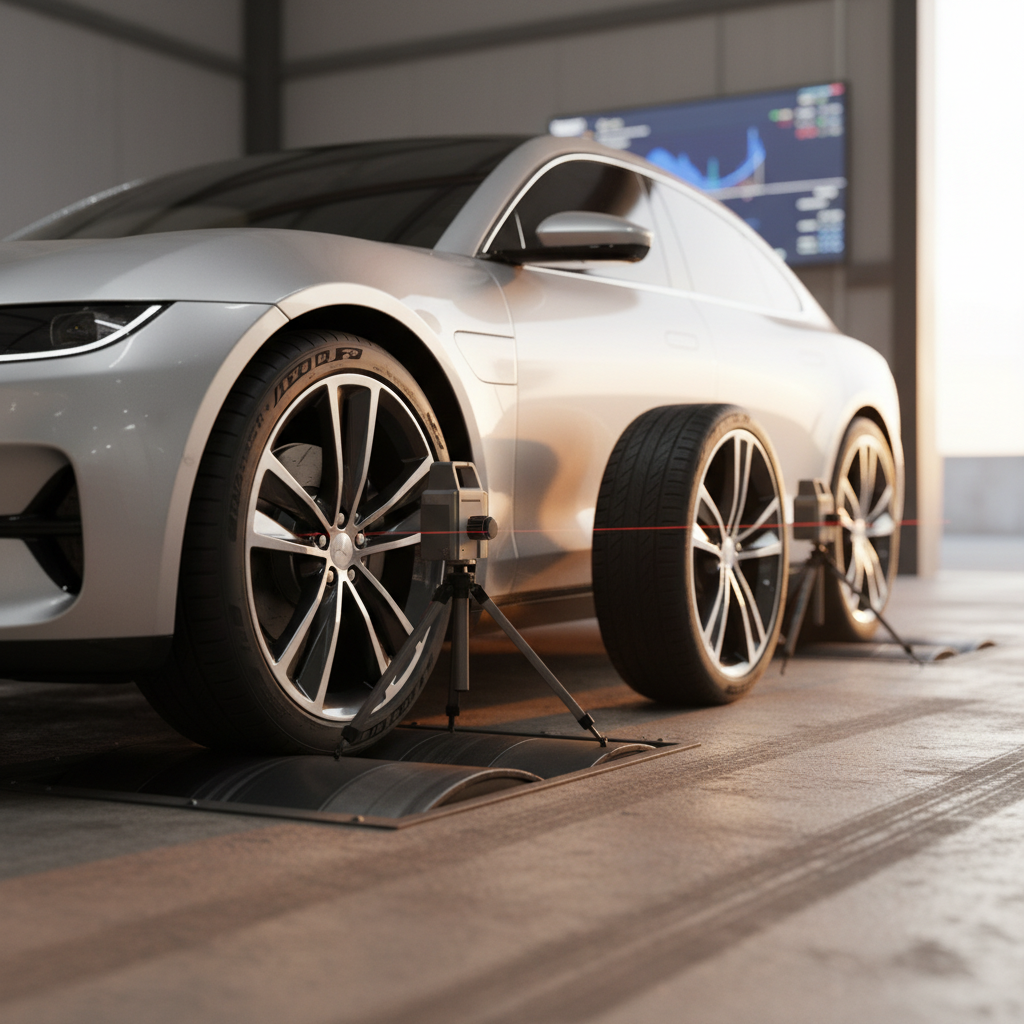
The BMW i5 maintenance schedule looks very different from a gas-powered 5 Series. There’s no engine oil, spark plugs, or timing chain to worry about, but you still have brakes, tires, coolant, software, and a sophisticated high-voltage system that all need attention. If you’re driving or shopping for a BMW i5, understanding the real service intervals and long‑term maintenance picture can save you time, money, and stress.
Quick take
BMW i5 maintenance overview
The BMW i5 is built on the same platform as the current 5 Series, but its electric powertrain dramatically changes the maintenance profile. You still follow a factory schedule, but the high‑value items are: - Safety inspections (suspension, steering, brakes) - Brake fluid changes - Cabin air filter and other filters - Coolant for the battery and power electronics - High‑voltage system checks - Software and firmware updates For most U.S. drivers, you’re looking at annual visits rather than old‑school 5,000–7,500‑mile oil changes.
How BMW i5 maintenance compares to gas cars
BMW i5 service intervals by mileage and time
BMW doesn’t publish a simple one‑page chart for every market; instead, the i5 uses Condition Based Service (CBS). The car monitors mileage, time, and driving style, then tells you when service is due. That said, most i5s in the U.S. will follow patterns that look roughly like this:
- Every 10,000–12,000 miles or 12 months: General inspection and basic service
- Every 2 years: Brake fluid replacement and broader safety checks
- Every 3–4 years: Cabin air filter, key coolant checks, 12‑volt battery health review
- Around 5–6 years: Deeper coolant service and more detailed high‑voltage inspections
Always defer to your i5’s on‑screen reminders
BMW i5 maintenance schedule at a glance
Here’s a simplified BMW i5 maintenance schedule to help you visualize what’s coming. Actual mileage can vary a bit by model year, driving style, and market, but this table gives you a realistic roadmap.
Typical BMW i5 maintenance schedule (planning guide)
Approximate intervals for common BMW i5 service items. Always confirm with your vehicle’s on‑board service menu and owner’s manual.
| Mileage / Time | Main Service Items | Notes |
|---|---|---|
| 10,000–12,000 miles or 12 months | Multi‑point inspection, tire rotation (if applicable), brake check, fluid level check | First full check‑in; some owners may see this closer to 8,000–10,000 miles |
| 20,000–24,000 miles or 2 years | Inspection, brake fluid change, cabin filter (if needed), software updates | Brake fluid interval is usually time‑based (about every 2 years) |
| 30,000–36,000 miles or 3 years | Inspection, alignment check if needed, coolant checks, 12‑volt battery test | May coincide with tire replacement depending on driving style |
| 40,000–48,000 miles or 4 years | Inspection, brake fluid change, cabin filter, more detailed suspension/brake check | Good time to evaluate brake pad/rotor wear |
| 60,000–72,000 miles or 6 years | Inspection, brake fluid, coolant service as recommended, high‑voltage system check | Heavier service visit; budget extra for any wear items |
| > 75,000 miles | Ongoing annual inspections, fluids as due, tires/brakes as needed | Battery and drive units typically inspected, not routinely replaced |
High‑voltage battery and drive units are generally inspected, not replaced, during normal ownership.
Use the BMW app to stay ahead
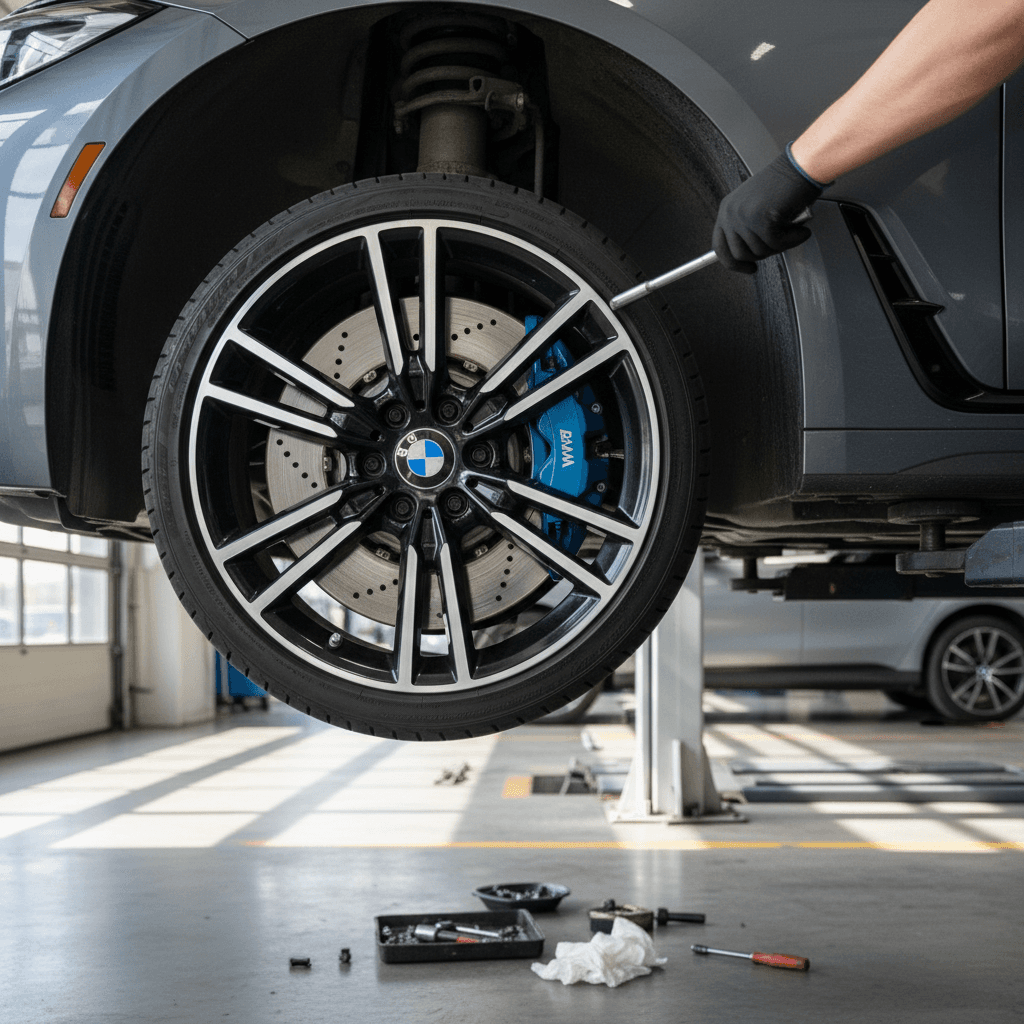
Key BMW i5 EV maintenance items explained
The BMW i5 eliminates many traditional services, but a few EV‑specific items matter more. Understanding them helps you read your maintenance schedule with confidence, and avoid approving work you don’t need.
Core BMW i5 maintenance items
What they are, why they matter, and when to expect them
Brake fluid
EVs still use hydraulic brakes. Over time, brake fluid absorbs moisture, which can corrode components and reduce performance.
Typical pattern: Every ~2 years, regardless of mileage.
Cabin air filter
Keeps dust and pollutants out of the cabin and HVAC system.
Typical pattern: About every 2–3 years, or sooner in dusty or urban environments.
Coolant for battery & power electronics
Liquid coolant manages temperatures for the high‑voltage battery, inverter, and other components.
Typical pattern: Inspected regularly; partial or full replacement tends to show up around the 5–6 year mark.
High‑voltage battery checks
Technicians monitor battery health, seal integrity, and software diagnostics rather than swapping major components.
Typical pattern: Inspected during scheduled services or when the car flags an issue.
Suspension & steering
i5s are heavy, powerful sedans. Bushings, tie rods, and other hardware still wear over time.
Typical pattern: Inspected annually; replacement is mileage and road‑condition dependent.
Software & firmware updates
Updates can improve efficiency, charging behavior, and even add features.
Typical pattern: Applied over‑the‑air or during dealer visits as they become available.
Don’t ignore brake warnings
BMW i5 maintenance costs and what actually wears out
With no oil changes or exhaust system, a BMW i5’s routine maintenance costs often undercut a gas 5 Series over the first several years. Where EVs catch up, or even surpass, traditional cars is in wear items like tires, brakes, and out‑of‑warranty electronics.
Lower‑frequency, lower‑cost items
- Annual inspections and fluid checks
- Brake fluid every ~2 years
- Cabin air filter every few years
- Basic software updates during visits
These visits are predictable and usually modest in cost compared with major ICE services like spark plug replacement or timing components.
Big‑ticket wear items to budget for
- Tires: Instant torque and weight can wear them faster, especially on performance trims.
- Brakes: Rotors and pads last longer thanks to regen, but city driving and aggressive use still add up.
- Alignment & suspension: Heavy EVs can be hard on bushings and alignment if you hit rough roads often.
These costs vary widely by driver. If you’re evaluating a used i5, tire and brake condition tell you a lot about how the car was driven.
How Recharged helps with cost transparency
Ready to find your next EV?
Browse VehiclesBattery health, software updates, and high-voltage checks
For most BMW i5 owners, the big long‑term question isn’t when to change brake fluid, it’s how the high‑voltage battery will age, and how BMW manages that over time. The good news: modern BMW packs are designed for long life, and typical maintenance visits focus on monitoring rather than replacing components.
- High‑voltage battery is inspected through diagnostics and visual checks, not opened up casually.
- Software updates can refine battery management, charging speeds, and range estimates over the life of the car.
- If the car detects a high‑voltage fault, it will trigger warnings and usually restrict driving until inspected.
- Most i5s carry a multi‑year battery warranty that covers excessive capacity loss or certain failures.
Everyday habits that protect your i5’s battery
Used BMW i5 maintenance checklist for shoppers
If you’re eyeing a used BMW i5, the maintenance schedule becomes your roadmap for due‑diligence. You want to know what’s been done, what’s overdue, and what’s coming up in the next 12–24 months.
Pre‑purchase BMW i5 maintenance checks
1. Review digital service history
Ask for BMW dealer service records or screenshots from the iDrive service menu. Confirm that brake fluid changes and inspections match the car’s age and mileage.
2. Inspect tires and brakes closely
Look for even tire wear, remaining tread depth, and any vibration under braking. An i5 that already needs tires and front brakes can add a four‑figure bill to your first year of ownership.
3. Check for warning lights and alerts
Turn the car on and verify there are no active warnings for the high‑voltage system, driver‑assist features, or chassis systems. Investigate any persistent alerts before you sign.
4. Confirm software is reasonably up to date
Ask the seller when the last software update was applied. Out‑of‑date software can affect charging behavior and feature availability.
5. Evaluate charging behavior
If possible, plug into Level 2 and verify the car charges normally and reaches expected power levels. Strange noises, repeated stops, or repeated error messages are red flags.
6. Get an independent EV‑focused inspection
A pre‑purchase inspection from an EV‑savvy shop, or a platform like Recharged that specializes in used EVs, can uncover issues that generic inspections might miss.
How Recharged evaluates used BMW i5s
DIY vs dealer: who should service your BMW i5?
The BMW i5 is a high‑tech executive sedan. Some maintenance tasks are well within reach of experienced DIY owners, while others are best left to a BMW dealer or independent EV specialist.
Reasonable DIY tasks
- Cabin air filter replacement (if you’re comfortable with interior panels)
- Wiper blades and basic exterior bulbs
- Tire rotations and seasonal wheel swaps (with proper equipment)
- Checking fluid levels in washer and, where accessible, brake fluid reservoirs
Always follow the owner’s manual, support the car safely, and avoid any orange‑cabled high‑voltage components.
Leave these to professionals
- High‑voltage system work or diagnostics
- Brake fluid replacement and ABS‑related work
- Coolant service for battery or power electronics
- ADAS calibration after repairs or glass replacement
- Complex software updates that require dealer tools
Shops that regularly handle EVs and BMWs in particular will have the tools and training to keep your i5 safe and compliant with warranty terms.
Respect EV safety boundaries
BMW i5 maintenance schedule FAQ
Frequently asked questions about BMW i5 maintenance
Bottom line: making BMW i5 maintenance predictable
The BMW i5 maintenance schedule is simpler than many luxury sedans, but it still demands attention to fluids, inspections, software, and high‑voltage health. If you keep up with annual checks, 2‑year brake fluid changes, and tire and brake wear, you can enjoy the car’s performance and comfort without nasty surprises. And if you’re considering a used i5, partnering with an EV‑focused retailer like Recharged, where every vehicle comes with a verified battery health report and transparent condition details, can turn a complicated decision into a confident one.