If you’re considering a BMW i5, you probably already like its blend of electric power and classic 5 Series comfort. The big question is more practical: how much can you actually carry? Understanding BMW i5 cargo space dimensions, not just the spec sheet numbers, but real-world usability, will tell you whether this executive EV fits your commute, Costco runs, and family road trips.
Quick cargo spec snapshot
BMW i5 cargo space overview
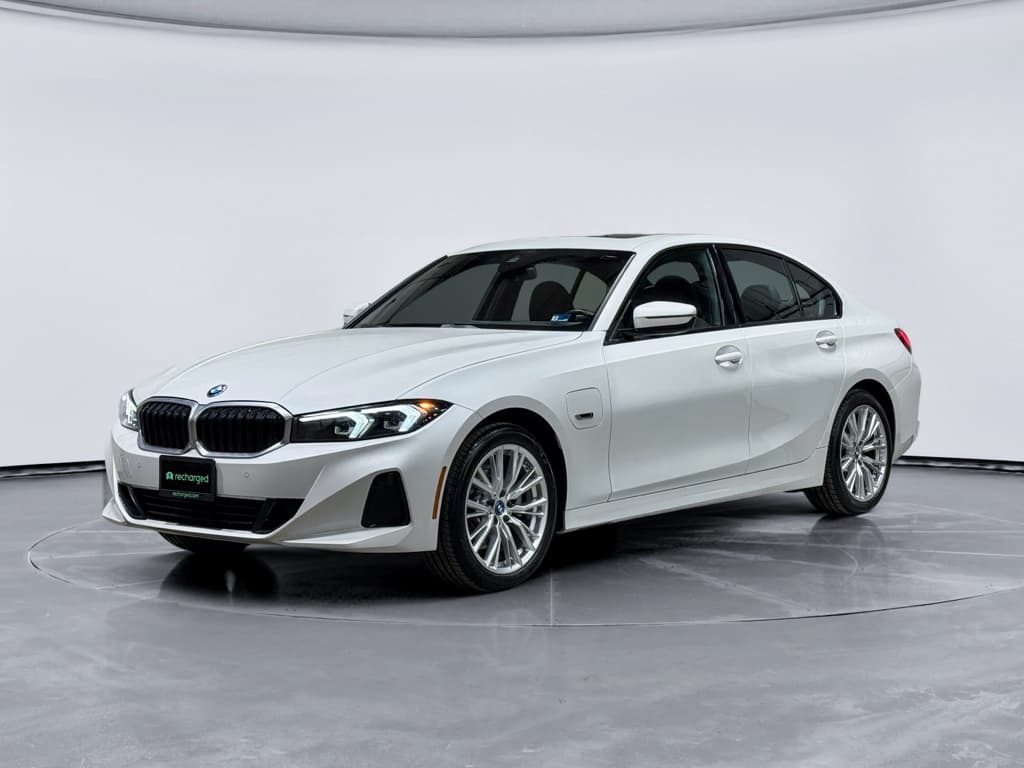
The BMW i5 is the fully electric version of the 5 Series sedan, so its cargo layout is familiar: a rear trunk with a conventional sedan opening, split‑fold rear seatbacks, and some under‑floor storage instead of a front trunk (frunk). In everyday use, it behaves much like a modern 5 Series, quiet, refined, and surprisingly accommodating, as long as you remember it’s a sedan, not an SUV.
- Traditional sedan trunk with a wide load floor
- Split‑folding rear seats for longer items
- No front trunk; power electronics occupy that space
- Battery is integrated into the floor, so trunk volume stays competitive for the class
No frunk on the BMW i5
BMW i5 cargo space dimensions and specs
BMW publishes trunk volume for the i5 in line with other 5 Series sedans. Exact figures can vary a bit by market and options, but you can use the following as a solid, buyer‑focused reference for a 2024–2025 i5 eDrive40 or i5 M60:
BMW i5 trunk and cargo dimensions (approximate)
Key BMW i5 cargo space numbers to help you visualize how much the trunk and rear seat area can hold.
| Measurement | BMW i5 Sedan (typical) | Why it matters |
|---|---|---|
| Trunk volume (rear seats up) | ≈17 cu ft | Core luggage space for daily use and weekend travel. |
| Max cargo (rear seats folded) | ≈45–47 cu ft (estimated) | Rough total space when you load to the roof behind front seats. |
| Trunk opening width | ≈40–42 in | Determines how easily wide suitcases or boxes slide in. |
| Trunk floor length (seats up) | ≈42–44 in | How long an item can be without folding the rear seats. |
| Max load length (seats folded) | ≈75–80 in | Gives you room for skis, small flat‑pack furniture, or lumber. |
| Rear seat split | 40/20/40 | Lets you fold the center section for skis while keeping two rear passengers. |
Cargo figures are approximate and can vary slightly by model year and market. Use them as a guide rather than lab‑grade measurements.
About these dimensions
Real-world luggage capacity in the BMW i5
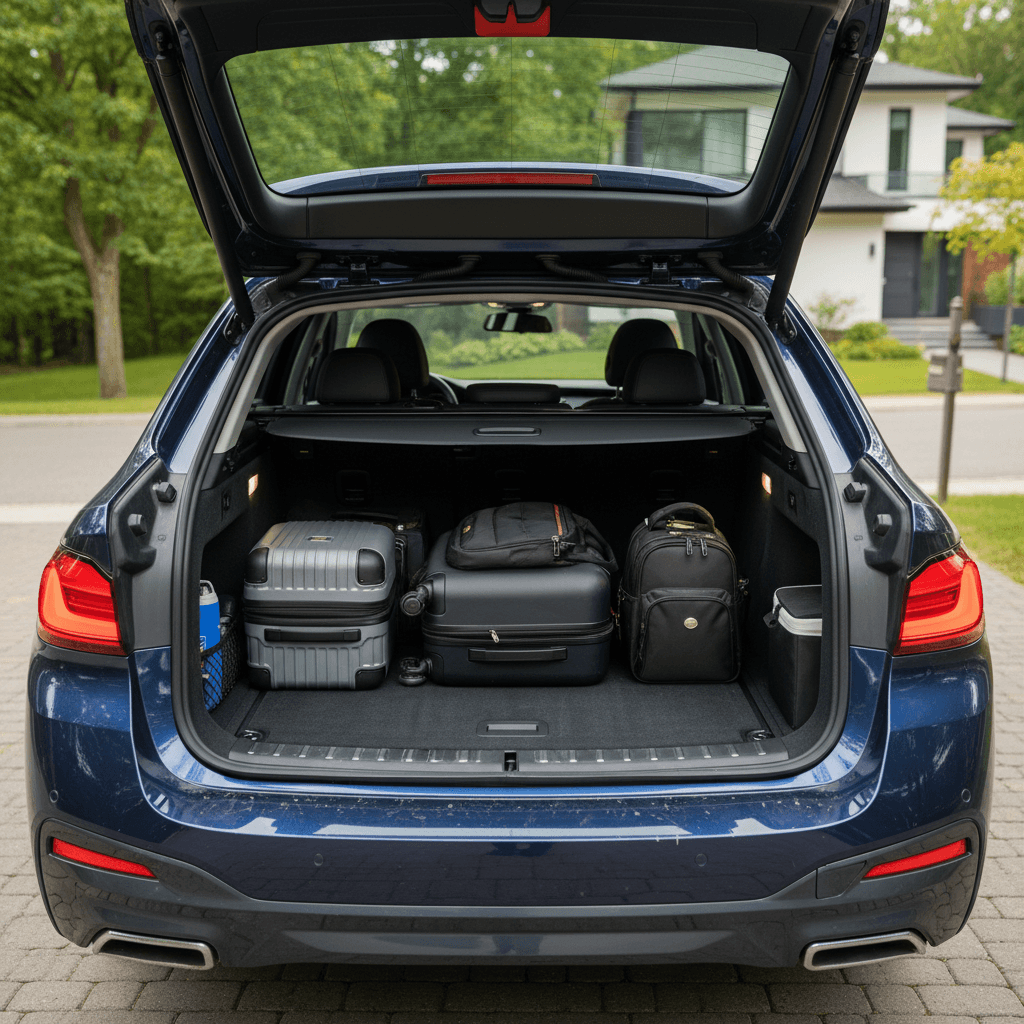
Specs are useful, but what you really care about is how many bags and bulky items the BMW i5 cargo space can swallow. Here’s how the trunk behaves with typical loads, based on the 5 Series layout and volume:
What fits in the BMW i5 trunk?
Everyday packing scenarios to benchmark against your life.
Airport run for four
Expect the i5 to handle:
- 2 large checked suitcases
- 2–3 carry‑on rollers
- Several soft duffel bags stacked on top
Soft bags pack more efficiently than hard‑shell cases, especially around the trunk sides.
Big grocery or Costco trip
The deep load floor and relatively tall trunk opening let you stack:
- Multiple large grocery totes
- Bulk paper goods or pet food
- Cases of beverages laid flat against the seatbacks
Plan heavier items low and forward for best balance.
Weekend ski or sports gear
With the 40/20/40 split, fold the center section and carry:
- 2–3 pairs of skis or snowboards
- Boot bags and helmets to each side
- Still keep two rear passengers comfortable
This is a big advantage over sedans with a simple 60/40 split.
Good news for golfers
Interior storage and small-item space
Cargo volume isn’t just about suitcases. In day‑to‑day driving you care about where your phone, water bottles, laptop bag, and kids’ gear live. Here the BMW i5 carries over the solid cabin storage of the latest 5 Series, plus a few EV‑specific touches.
- Deep front door pockets that can hold 1L bottles or umbrellas
- Covered center console bin for wallets and small electronics
- Wireless charging pad and open tray ahead of the cupholders for phones
- Rear door pockets and seatback map pockets for passengers
- Fold‑down rear armrest with cupholders and small storage tray
- Under‑floor trunk compartment ideal for charging cables or emergency kit
Use the under‑floor trunk space wisely
BMW i5 cargo space vs 5 Series and EV rivals
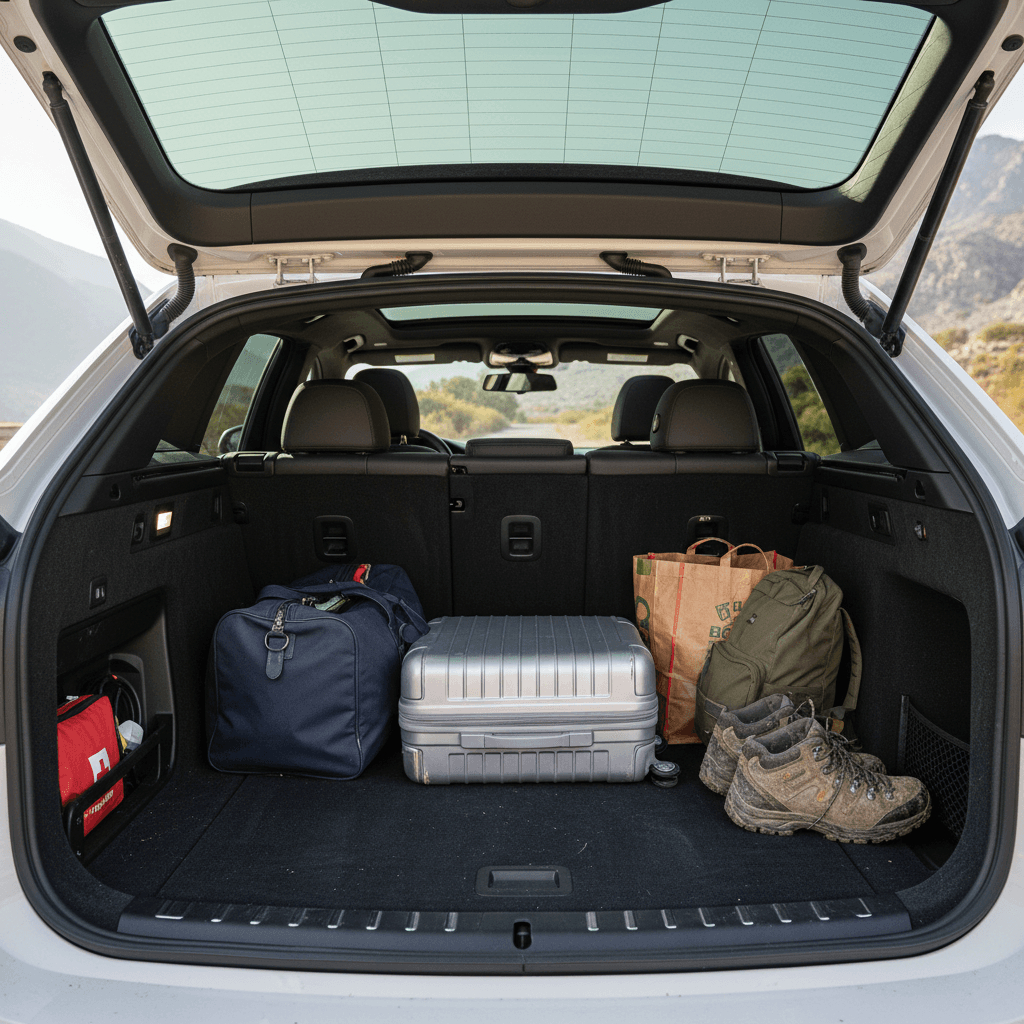
Because the i5 shares its body shell with the 5 Series, its trunk space feels very familiar if you’ve owned a gas 5 before. Where things get interesting is when you compare the BMW i5 cargo space dimensions with other premium EVs: some are sedans like the Mercedes‑Benz EQE, while others are liftbacks or crossovers that trade sleek lines for hatchback practicality.
BMW i5 cargo space vs key premium EV rivals
How the BMW i5’s sedan trunk stacks up against similar‑size electric sedans and liftback EVs.
| Model | Body style | Trunk / rear cargo (seats up) | Max cargo (seats folded) | Practical notes |
|---|---|---|---|---|
| BMW i5 | Sedan | ≈17 cu ft | ≈45–47 cu ft (est.) | Strong sedan trunk; narrower opening than a hatch. |
| BMW 5 Series (gas) | Sedan | Similar to i5 | Similar | Very similar real‑world trunk usability. |
| Mercedes‑Benz EQE Sedan | Sedan | Low‑to‑mid teens cu ft | N/A (conventional sedan) | Comparable trunk volume; also no hatch. |
| Tesla Model 3 | Sedan with passthrough | Mid‑teens cu ft + frunk | ≈40+ cu ft (est.) | Has a small frunk and good seat passthrough. |
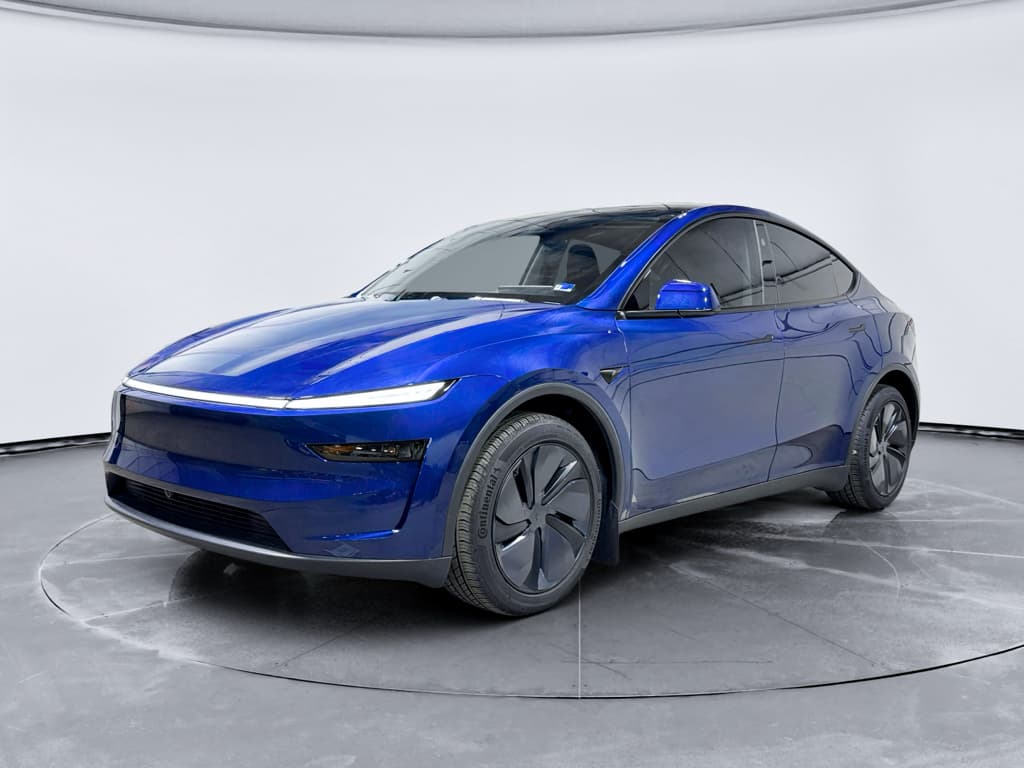
| Tesla Model Y | Crossover hatch | ≈30 cu ft | ≈70+ cu ft | Far more vertical and overall space; closer to an SUV. |
| Hyundai Ioniq 6 | Streamlined sedan | Mid‑teens cu ft | ≈40+ cu ft (est.) | Similar story: sleek sedan look, useful but not SUV‑like space. |
Figures are rounded and may vary by model year and configuration, but they show the general cargo‑space landscape.
Where the i5 lands
Is the BMW i5 big enough for families and road trips?
From a family‑use perspective, you should think of the i5 as a practical, family‑friendly sedan rather than a full‑on family hauler. For many households that’s exactly the right balance: comfortable for four adults (five in a pinch), with enough trunk to cover strollers, sports gear, and vacation bags if you pack thoughtfully.
Daily family life
- Stroller + groceries: A compact or mid‑size stroller plus a week’s groceries is very doable.
- School runs: Backpacks, musical instruments, and sports bags fit easily in the trunk and rear footwells.
- Car seats: Two child seats across the back still leave a useful trunk for gear.
Long‑distance travel
- Four‑person road trip: Plan on one suitcase per person plus shared soft bags.
- Roof box option: If you routinely max out space, a low‑profile roof box can take overflow without sacrificing cabin comfort.
- Charging gear: Keep cables under the trunk floor so they don’t compete with luggage.
Watch the trunk opening height
Tips to make the most of BMW i5 cargo space
With a little planning, you can stretch the usefulness of the BMW i5’s cargo area well beyond what the raw numbers might suggest. These strategies come from years of watching families and business travelers make sedans work hard.
Smart packing tips for BMW i5 owners
1. Favor soft-sided luggage
Duffel bags and soft‑shell suitcases conform to the sides of the trunk and beneath the parcel shelf, letting you use more of the available volume than hard suitcases.
2. Use the 40/20/40 split creatively
Fold just the center section for skis, fishing rods, or lumber, or one outer section to balance passengers and long cargo. This flexibility is a key advantage over many rivals.
3. Keep heavy items forward and low
Load dense items, tools, cases of drinks, heavy suitcases, against the rear seatbacks on the trunk floor. It improves handling and reduces the chance of items shifting under braking.
4. Reserve under-floor storage for essentials
Store charging cables, adapters, tire repair kits, and emergency gear in the under‑floor compartment so they are always with the car but don’t clutter the main trunk.
5. Protect the sill and interior
A simple cargo mat and trunk sill protector can save the carpet and paint from suitcases, strollers, and golf clubs, especially important if you plan to sell or trade the car later.
6. Plan pets and people together
Medium dogs may ride more comfortably in the rear seat with a hammock‑style cover than in the trunk, freeing up the trunk fully for bags.
Think ahead if you’ll resell later
What to check when buying a used BMW i5
If you’re shopping the used market, trunk space doesn’t change, but the condition of that space tells you a lot about how the car has been used. A well‑kept cargo area often indicates a careful owner, while deep scratches and stains can hint at harder duty as a workhorse or family mover.
Cargo-related checks on a used BMW i5
Quick inspection points that reveal how the car has lived.
Inspect trim and carpet
- Look for tears, burns, or heavy staining in the trunk carpet.
- Check plastic trim around the opening for deep gouges from loading heavy objects.
- Verify the load floor still sits flat and latches securely.
Confirm accessories and function
- Ensure the cargo net or hooks (if equipped) are present.
- Lift the floor and confirm the under‑floor tray is intact.
- Check that rear seatbacks fold and latch smoothly on both sides.
Look beyond space: battery health
Cargo space is important, but the high‑value component in any used EV is its battery. A Recharged Score Report includes objective battery health diagnostics so you know how much real‑world range you’re buying, not just how big the trunk is.
Match space to your lifestyle
Before you commit, picture your biggest regular load, strollers, musical gear, work cases, and ask the seller to let you test‑fit similar items. At Recharged’s Experience Center in Richmond, VA, our EV specialists encourage exactly this kind of real‑world fit check.
BMW i5 cargo space FAQ
Frequently asked questions about BMW i5 cargo space
Bottom line: BMW i5 practicality verdict
If you’re drawn to the BMW i5 for its quiet, electric take on the classic 5 Series formula, the cargo story should reassure you. BMW i5 cargo space dimensions are right on target for a midsize luxury sedan: a deep, usefully shaped trunk, fold‑flat rear seats, and enough interior storage to handle the clutter of daily life. It won’t rival an SUV or tall hatch for bulky cargo, but for business travel, family duty, and most road trips, it’s more than up to the job.
When you’re ready to shop, looking at real vehicles, and their actual trunks, matters more than any spec sheet. On Recharged, every used BMW i5 listing comes with a Recharged Score Report that details battery health, pricing fairness, and overall condition, so you can focus on whether the space, range, and budget line up with how you really live. That’s how you make an EV purchase that works not just on paper, but in your driveway.