The BMW i5 is one of the most convincing electric luxury sedans on sale today. But between trims, wheel packages, software options and charging plans, it’s very easy to overspend, or overlook something important. This BMW i5 buying checklist walks you step-by-step through everything to confirm before you sign a contract or wire a dime, whether you’re buying new or used.
Who this BMW i5 checklist is for
BMW i5 buying checklist overview
Quick BMW i5 checks before you buy
Use this as a high-level pass, then work through each step in detail below.
1. Pick the right trim
- eDrive40 (RWD comfort, best range)
- xDrive40 (AWD, mid-range performance)
- M60 (performance, least range)
2. Confirm battery & range fit
- Understand EPA range by trim & wheel size
- Match range to your longest regular trips
- Plan for winter and highway penalties
3. Nail your charging plan
- Home Level 2 vs public DC fast
- Check access to CCS networks you actually have nearby
- Know BMW’s Electrify America perks for current model years
- Verify must-have options (seats, audio, Highway Assistant, parking aids)
- Check software version and subscription trials (ConnectedDrive, Drive Recorder, etc.)
- On a used i5, get objective battery health data, not just the dash estimate
- Budget realistically for price, taxes and home charging install
- Use a structured test drive to check comfort, noise, one‑pedal feel and driver-assist behavior
Step 1: Choose your BMW i5 trim and budget
Start your BMW i5 buying checklist by deciding which drivetrain actually fits your use case. As of the 2025 model year, the i5 sedan lineup in the U.S. is built around three main trims: eDrive40 (rear‑wheel drive), xDrive40 (dual‑motor all‑wheel drive), and M60 xDrive (high‑performance dual‑motor). MSRP spans roughly from the high‑$60,000s for a base eDrive40 to the mid‑$80,000s for an M60 before options and destination.
BMW i5 trims at a glance (U.S. 2025 model year)
Use these numbers to decide which column of the configurator you should realistically be shopping in before you get distracted by colors and packages.
| Trim | Drive layout | Power (hp) | 0–60 mph (sec) | Approx. EPA range* | Starting MSRP (excl. dest.) |
|---|---|---|---|---|---|
| i5 eDrive40 | RWD, single motor | ~335 | 5.7 | 270–295 miles | $67,100 |
| i5 xDrive40 | AWD, dual motor | ~389 | 5.2 | 248–266 miles | $70,100 |
| i5 M60 xDrive | AWD, dual motor | up to 593 | 3.7 | ~240–253 miles | $84,100 |
Figures are manufacturer or BMW‑quoted values for 2025 i5 sedans; exact EPA range depends on wheel size and equipment.
Trim choice shortcut
Trim and budget checklist
Confirm your real performance needs
Be honest: the eDrive40 and xDrive40 are already very quick in daily traffic. If you’ll never launch the car hard or track it, the M60’s extra power may just be wasted range and money.
Decide if AWD is truly necessary
In many U.S. climates a good set of winter tires on an eDrive40 is more impactful than AWD on all‑seasons. If you regularly deal with snow, steep driveways or unplowed roads, xDrive40 is worth the extra cost and range hit.
Set a hard out‑the‑door number
Include taxes, fees, destination, likely dealer doc fees and a rough estimate for a home Level 2 install. Then work backward into trim and options instead of letting the payment balloon around a spec sheet fantasy.
Factor in incentives and credits
The i5 doesn’t currently qualify for the U.S. federal EV tax credit due to price and import rules, but some states and utilities offer rebates on vehicles or home charging equipment. Don’t assume a $7,500 discount that may not exist.
Step 2: Range, battery and wheel choices
Every U.S. BMW i5 sedan uses a large lithium‑ion battery pack with roughly 81–84 kWh of usable capacity, but range varies meaningfully by trim and wheel size. For 2025, BMW quotes up to about 295 miles of EPA combined range for an eDrive40 on 19‑inch wheels, while an M60 on 21‑inch wheels can dip closer to the 240‑mile ballpark. Bigger wheels and stickier tires look great, but they absolutely cost you range and efficiency.
How configuration affects BMW i5 range
Don’t shop range by brochure alone
Range & wheels checklist
Map your longest regular trip
Think about the furthest regular drive you do, say, the cabin 140 miles away or a twice‑monthly client visit. Add 30% to that distance and compare to the i5’s *realistic* range with your chosen trim and wheels.
Pick wheels with your head, not just eyes
If range and comfort matter, prioritize 19" wheels with lower rolling‑resistance tires. 20" and 21" packages look sharp but usually reduce range and can stiffen the ride, especially on rough U.S. pavement.
Understand battery warranty vs. health
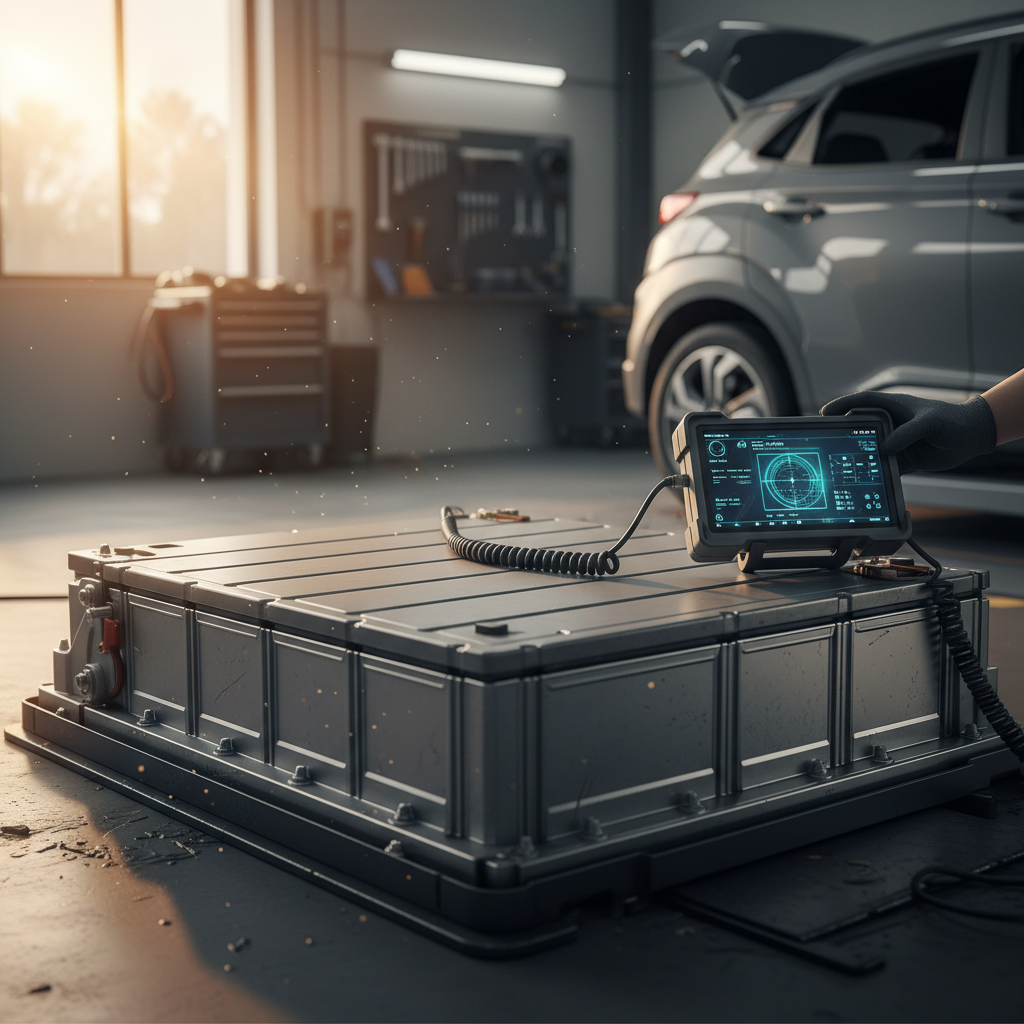
BMW’s EV battery warranty typically covers a minimum capacity threshold over several years, but real‑world degradation depends on use patterns. On a used i5, don’t rely solely on the dash percentage, get an independent battery health readout if you can.
Plan around degradation, not just today
Modern packs tend to lose capacity slowly, but you should still assume some range loss over 5–10 years. If your use case is already right on the edge today, consider moving up to a higher‑range config or reconsidering the wheel package.
Step 3: Charging strategy – home, public and benefits
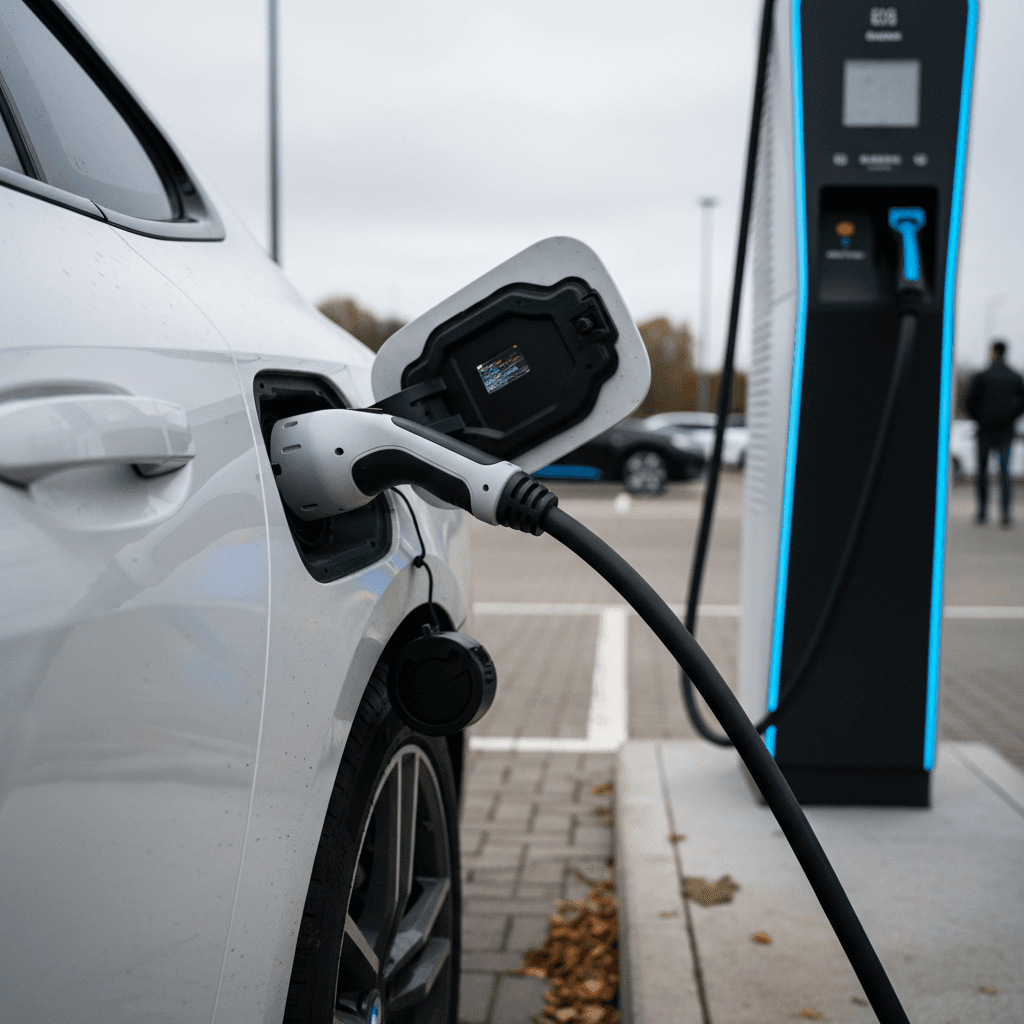
The i5’s charging hardware is one of its strengths, but only if you pair it with a realistic plan. AC charging tops out at about 11 kW on most U.S. cars (with a 22 kW onboard option in some markets), which means a full charge from low state of charge at home is an overnight affair on a 48‑amp Level 2 station. On DC fast chargers, the i5 can peak around 205 kW, adding roughly 10–80% in about half an hour on a strong CCS fast charger.
Home charging checklist
- Electrical panel capacity: Have an electrician confirm you can support a 40–60A circuit for a Level 2 charger.
- Parking pattern: Measure where the i5’s charge port sits relative to your driveway or garage so cable length isn’t a surprise.
- Charger choice: A 40A (9.6 kW) or 48A (11.5 kW) wallbox is the sweet spot for most i5 owners.
- Schedule charging: Use BMW’s software or your utility’s time‑of‑use plan to charge off‑peak and cut operating cost.
Public & road‑trip charging checklist
- CCS coverage near you: Check Electrify America, EVgo and other CCS networks where you actually drive, not just your home ZIP code.
- Free or discounted charging offers: Newer i5s include complimentary DC fast or a kWh allowance on Electrify America for the first two years, understand how it works and when it expires for your VIN.
- Trip planner: Learn BMW’s built‑in route planner and smartphone app before your first long trip so charging stops are predictable, not stressful.
- Tesla access roadmap: BMW has announced Supercharger access via NACS in 2025, but in practice availability and adapters will roll out gradually, don’t base today’s purchase solely on future promises.
Pro tip: Size your home charger for convenience, not bragging rights
BMW i5 charging checklist
Confirm your overnight parking situation
If you rent or live in a condo, talk to your landlord or HOA before you buy the car. A beautiful i5 with only a 120V outlet is a recipe for frustration unless your daily miles are very low.
Verify Electrify America coverage on your routes
Pull up the network map for the highways and corridors you travel most. If there are known dead zones or unreliable stations, factor that into whether an i5, or any large EV, makes sense as your only car.
Understand DC fast etiquette and limits
Plan to fast‑charge mostly between about 10–80% state of charge, both for speed and long‑term battery health. Don’t expect the headline 200‑kW rate up to 100%, no EV works that way.
Step 4: Options, software and driver assistance
A big part of the BMW i5’s appeal is its tech stack: curved display, iDrive 8‑style interface, advanced driver assistance and a long options list. That also means two seemingly similar cars in the classifieds can have radically different equipment levels. For a buying checklist, you want to separate true must‑haves from nice‑to‑haves so you’re not paying thousands for features you never use.
BMW i5 options to prioritize (or skip)
Focus your money on comfort, safety and resale value rather than gimmicks you’ll use twice.
Comfort & usability
- Heated (and ideally ventilated) front seats
- Heated steering wheel if you see winter
- Power trunk with hands‑free access
- Memory seats if multiple drivers share the car
Driver assistance
- Adaptive cruise + lane‑centering you’re comfortable with
- Highway Assistant / hands‑free functionality where legal
- 360° camera and parking assistant for tight garages
Infotainment & extras
- Head‑up display if you rely on navigation often
- Premium audio only if you genuinely care about sound quality
- Rear‑seat comfort options for family or clients
Watch recurring software costs
Options & software checklist
Decode the build sheet or window sticker
Ask the seller for the original build sheet or window sticker so you can verify option packages. Don’t rely on generic listing text, "fully loaded" is rarely accurate.
Test every driver‑assist feature on the road
On your test drive, deliberately engage adaptive cruise, lane‑keeping and any highway hands‑free features. Make sure you understand what they do *and* what they don’t do before assuming Tesla‑style autonomy that isn’t there.
Check app connectivity on your phone
Pair your device, test remote lock/unlock, pre‑conditioning and route sending from the BMW app. If a feature is important to you, confirm it’s active for that particular vehicle and account setup.
Step 5: Test drive and feature-function checklist
A structured test drive turns "this feels nice" into a real inspection. The goal is to evaluate comfort, refinement, software behavior and how the i5 fits your daily use, not just how hard it launches in Sport Boost.
Before you drive
- Walk around the car looking for panel misalignment, uneven gaps and wheel rash.
- Check all doors, trunk and charge port open and close smoothly.
- Verify both keys are present and working, and test keyless entry if equipped.
- Plug into a Level 2 or DC fast charger if possible and confirm charging initiates cleanly.
On the road
- Drive the same loop in Comfort, Eco Pro and Sport to feel differences in throttle, steering and suspension.
- Listen for wind noise around mirrors and the panoramic roof at highway speed.
- Test one‑pedal behavior and regen levels to see if you’re comfortable with the braking feel.
- Do at least one full‑power merge to ensure acceleration is smooth and free of shudders or warning lights.
Feature & function checks
Climate control & heat pump
Verify heat and A/C reach target temperatures quickly and quietly. Poor HVAC performance can hurt comfort and winter range.
Infotainment responsiveness
Cycle between navigation, media, phone and settings. Laggy or glitchy behavior during a short test drive can become maddening when you live with the car.
Noise, vibration & harshness (NVH)
On a smooth stretch of road at 65–70 mph, pay attention to road roar from the tires and any creaks from the dash or seats. Luxury EVs should feel calm here.
Charging behavior
If possible, start a DC fast session from a low state of charge and confirm the car ramps smoothly to high power without throwing errors. Watch how quickly it tapers as you pass 60–70%.
Step 6: Buying a used BMW i5 – what to inspect
The first wave of BMW i5s is already entering the used market through off‑lease returns and early adopters trading out. A used i5 can be a smart way to get a lot of car for the money, as long as you’re disciplined about battery health, accident history and option content. This is where a generic gas‑car checklist simply isn’t enough.
Non‑negotiables on a used i5
Used BMW i5 inspection checklist
Battery health and DC fast‑charging history
Ask how often the car has been DC fast‑charged and at what state of charge. Heavy, frequent fast‑charging from high states of charge can accelerate degradation. Whenever possible, get a battery health report that shows usable capacity rather than guessing from the dash range estimate.
Charging hardware & cables
Confirm that the original Level 1/Level 2 portable cable (if included from factory), any wallbox, and the CCS port are all in good shape with no melted plastic, bent pins or makeshift repairs.
Service history and software updates
Look for documented software updates, high‑voltage system checks and any warranty work on the battery, drive units or charging hardware. Recalls and campaigns should be completed before you take delivery.
Accident and wheel damage
EVs are heavy; suspension and alignment matter. Check for curb rash, replaced wheels and uneven tire wear, which may indicate pothole damage or poor repairs after an impact.
Warranty status and transferable perks
Verify in writing how much factory EV drivetrain and battery warranty remains by time and mileage. For newer cars, confirm whether complimentary charging programs or connected‑service subscriptions transfer to you.
Certified vs. non‑certified i5s
How Recharged helps with a used BMW i5
Because EVs pack so much value into their battery and software, buying used blindly is riskier than it looks. That’s exactly the problem Recharged was built to solve. Every used EV we sell, including the BMW i5 when available, comes with a Recharged Score Report that verifies battery health, analyzes fair‑market pricing and flags anything unusual in the vehicle’s data.
Verified battery health
Our diagnostics go beyond a simple dash reading to give you a data‑driven view of pack health and estimated remaining capacity, so you know what you’re buying.
Transparent pricing
The Recharged Score compares the vehicle against market data so you can see whether an i5 is priced fairly for its age, mileage, trim and options.
End‑to‑end EV support
From financing and trade‑in to nationwide delivery and EV‑specialist guidance, Recharged can help you move from research to keys‑in‑hand entirely online, or at our Experience Center in Richmond, VA.
Leaning toward a used i5?
BMW i5 buying checklist summary
A BMW i5 can be an outstanding daily driver: quiet, quick, tech‑forward and efficient. But it’s also a complex, software‑heavy EV where trim choice, wheels, charging access and battery health all materially affect your ownership experience. Use this checklist to pick the right trim, right range and right options; verify the charging reality where you live; and, if you’re buying used, anchor your decision in objective battery and vehicle data. If you want expert backup, Recharged’s combination of verified battery diagnostics, fair‑market pricing and EV‑specialist support is built to de‑risk exactly this kind of purchase.