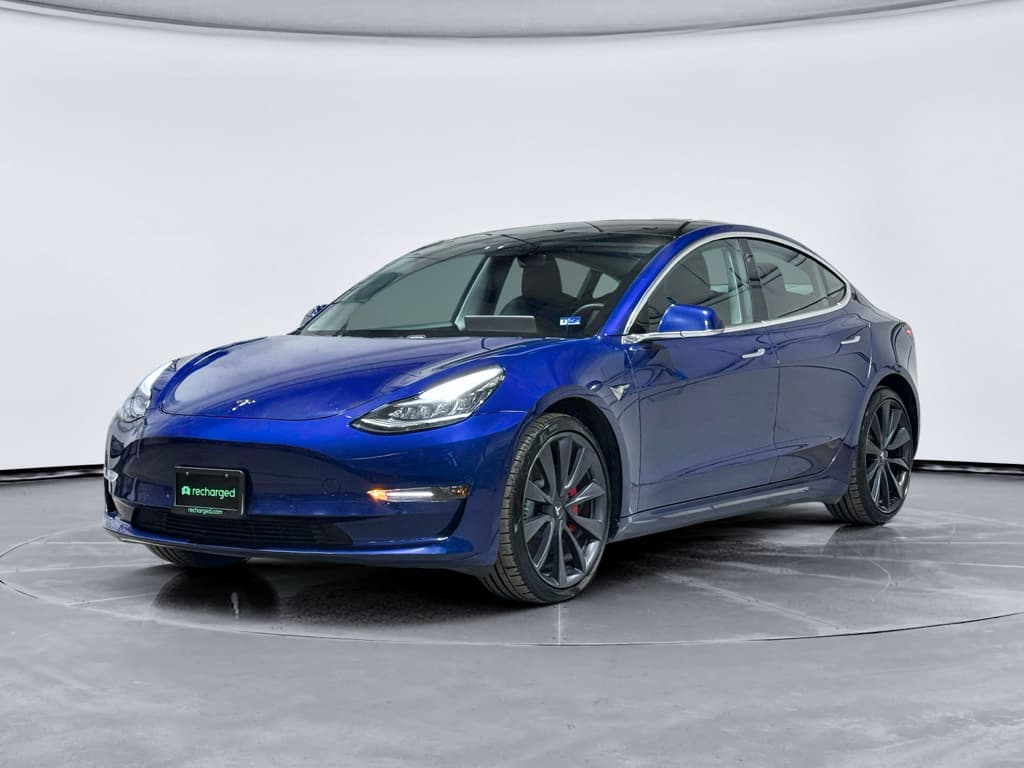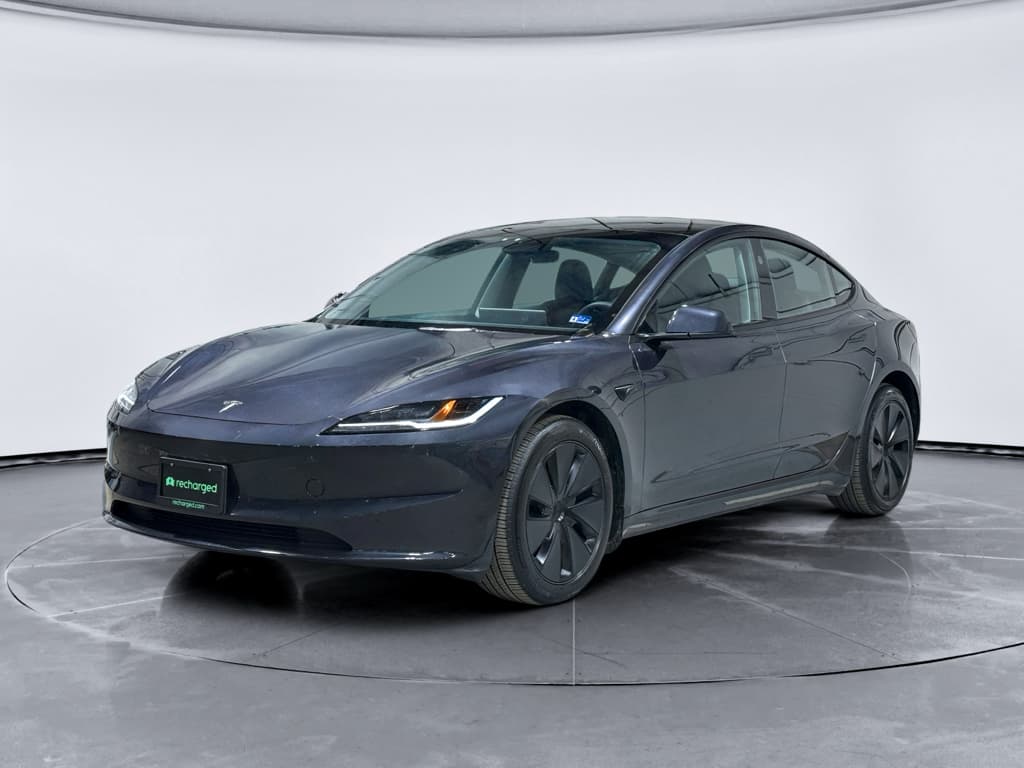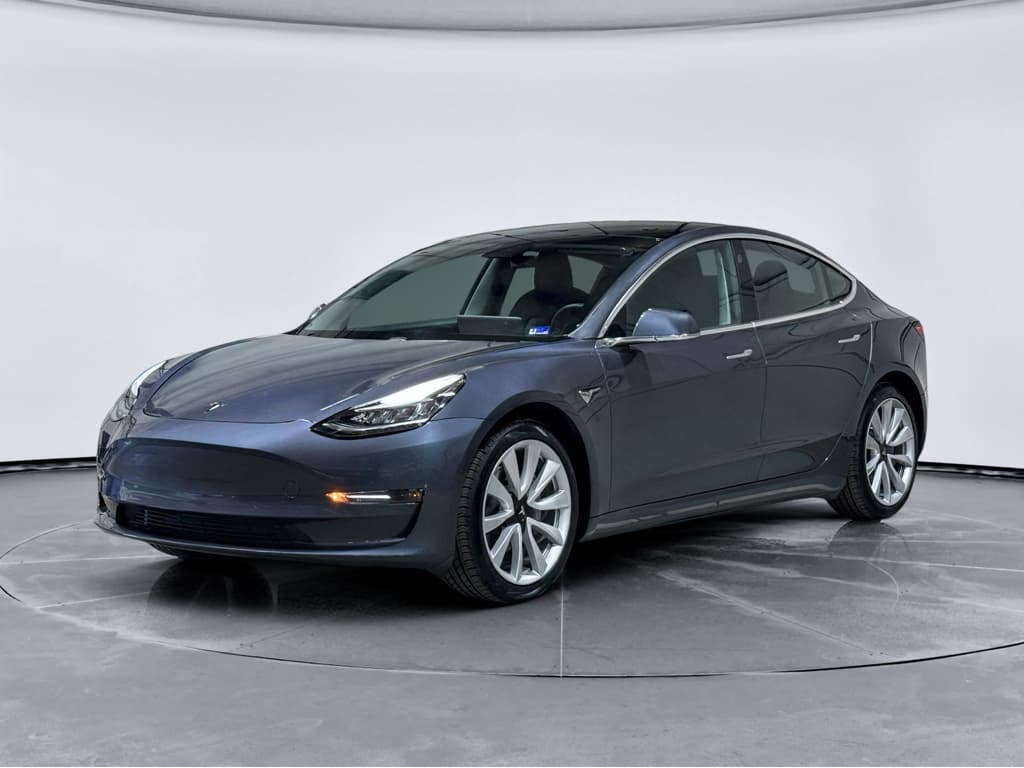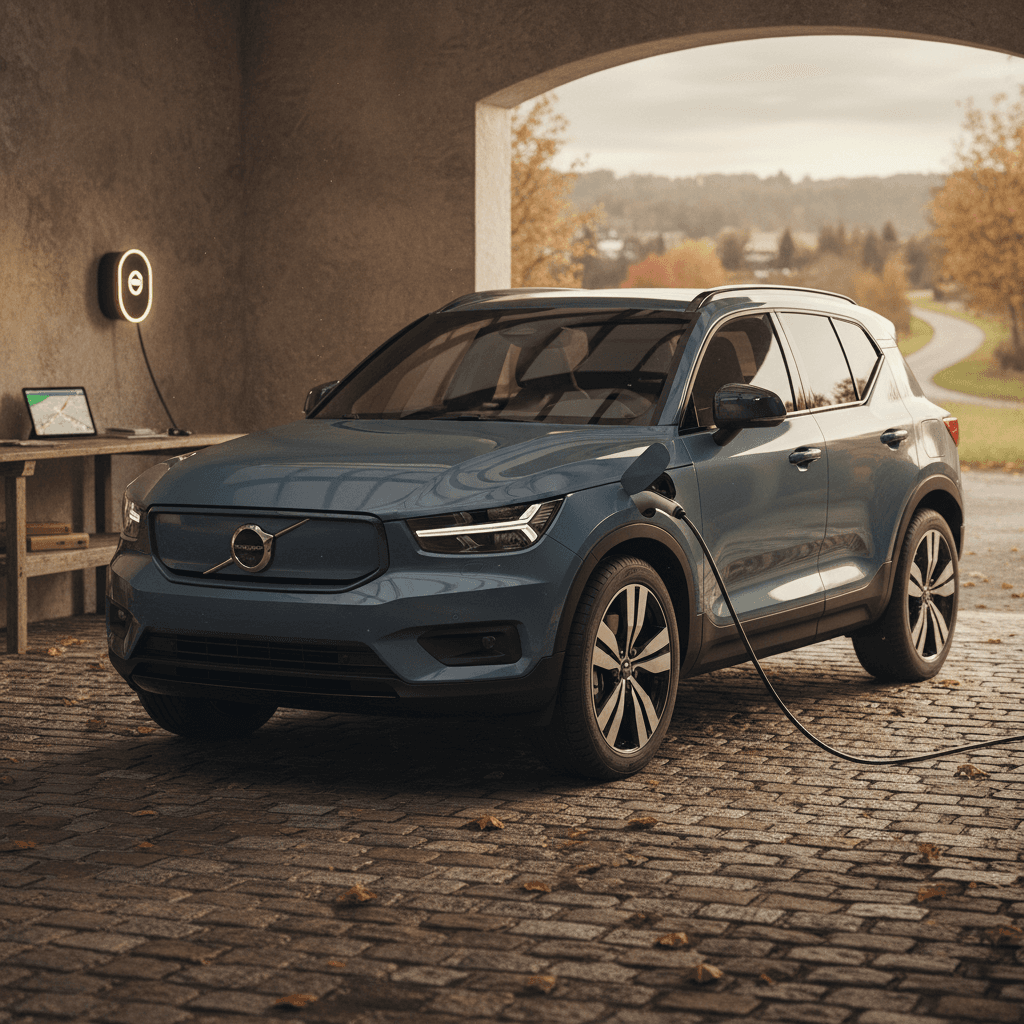
If you’re shopping for a used EV, the question of used Tesla Model 3 vs Nissan Leaf comes up fast. Both are among the most common used electric cars on the market, but they deliver very different experiences in range, charging, tech, and long‑term value.
Two very different takes on a used EV
Overview: Used Tesla Model 3 vs Nissan Leaf
Used Tesla Model 3 (2018–2023 typical)
- Segment: Compact sport sedan
- Typical battery: ~50–82 kWh, liquid‑cooled
- Typical EPA range when new: ~220–358 miles depending on trim
- Best for: Longer commutes, highway trips, tech‑focused drivers
- Key strengths: Range, Supercharger access, fast charging, strong performance
Used Nissan Leaf (2018–2024 typical)
- Segment: Compact hatchback
- Typical battery: 24–62 kWh, passive air‑cooled
- Typical EPA range when new: ~84–226 miles depending on generation and pack
- Best for: Short daily errands and affordable second cars
- Key strengths: Low purchase price, simple to live with, practical hatch
On paper, a used Model 3 usually offers more range, faster charging, better efficiency, and more advanced tech. A used Leaf often undercuts it on purchase price by thousands of dollars, and for some city‑focused drivers, that’s enough.
Quick take: who each car fits best
Tesla Model 3 vs Nissan Leaf at a glance
Match the car to your driving pattern, not just your budget.
Choose a used Tesla Model 3 if…
- You regularly drive 40+ miles per day or take highway trips.
- You want one EV that can do it all, commuting, errands, and road trips.
- Tech, over‑the‑air updates, and a minimalist cabin appeal to you.
- You have (or plan to install) Level 2 home charging.
Choose a used Nissan Leaf if…
- Your typical day is under 30–40 miles, mostly city/suburban.
- You want the lowest entry price into EV ownership.
- You can live with limited fast‑charging speed or rarely need it.
- You value a practical hatchback and easy parking over performance.
Start with your use case
Range and battery: daily use and road trips
Typical EPA ranges when new (popular trims)
Range is where the used Tesla Model 3 usually runs away from the Nissan Leaf. Even an early Standard Range or Standard Range Plus Model 3 started around 220–250 miles when new, and Long Range trims pushed well above 300 miles. A typical used Leaf, especially older models with 24 or 30 kWh packs, may now deliver well under 100 real‑world miles on a full charge, depending on climate and battery health.
Used Tesla Model 3 vs Nissan Leaf: Typical real‑world range today
These are broad, real‑world estimates for U.S. buyers. Actual range depends heavily on battery health, temperature, speed, and driving style.
| Model / Pack | Model years commonly on used market | EPA range when new | Typical usable range today* |
|---|---|---|---|
| Model 3 Standard/Standard Range Plus (~50–55 kWh) | 2018–2021 | ~220–263 mi | ~190–240 mi |
| Model 3 Long Range (~75–82 kWh) | 2018–2023 | ~310–358 mi | ~260–320 mi |
| Leaf 24 kWh | 2011–2015 | ~73–84 mi | Often 50–70 mi |
| Leaf 30 kWh | 2016–2017 | ~107 mi | Often 70–90 mi |
| Leaf 40 kWh | 2018+ | ~149–151 mi | ~110–135 mi |
| Leaf 62 kWh (Leaf+) | .2019+ | ~215–226 mi | ~170–200 mi |
Always verify current battery State of Health (SOH) before relying on any range estimate.
Leaf range is very climate‑sensitive
If you expect to take road trips or need a big buffer in winter, the Model 3’s larger, liquid‑cooled pack is the safer bet. If your driving is short, predictable, and mostly in mild climates, a 40 or 62 kWh Leaf can be entirely workable, just don’t buy based on the original window‑sticker range alone.
Charging experience: home and public
Home charging
- Both cars charge happily on Level 2 (240V) at home.
- Model 3 supports up to ~11.5 kW AC charging on the right circuit, adding roughly 40+ miles of range per hour.
- Newer Leafs typically charge at up to 6.6 kW, adding ~20–25 miles per hour depending on pack and conditions.
- If you only have a basic 120V outlet, both will charge slowly, but the Leaf’s smaller pack may reach full overnight more easily.
Public and fast charging
- Tesla Model 3: Access to Tesla Superchargers plus CCS networks via adapters on many trims, with peak DC rates often 150–250 kW depending on model year.
- Nissan Leaf: Uses CHAdeMO DC fast‑charging on most trims, which is now a shrinking standard in the U.S. with fewer new stations being built.
- Leaf fast‑charging is slower, and repeated DC sessions can cause heat‑related throttling (“rapidgate”), especially on long summer drives.
Network reality check
Driving experience, comfort, and practicality
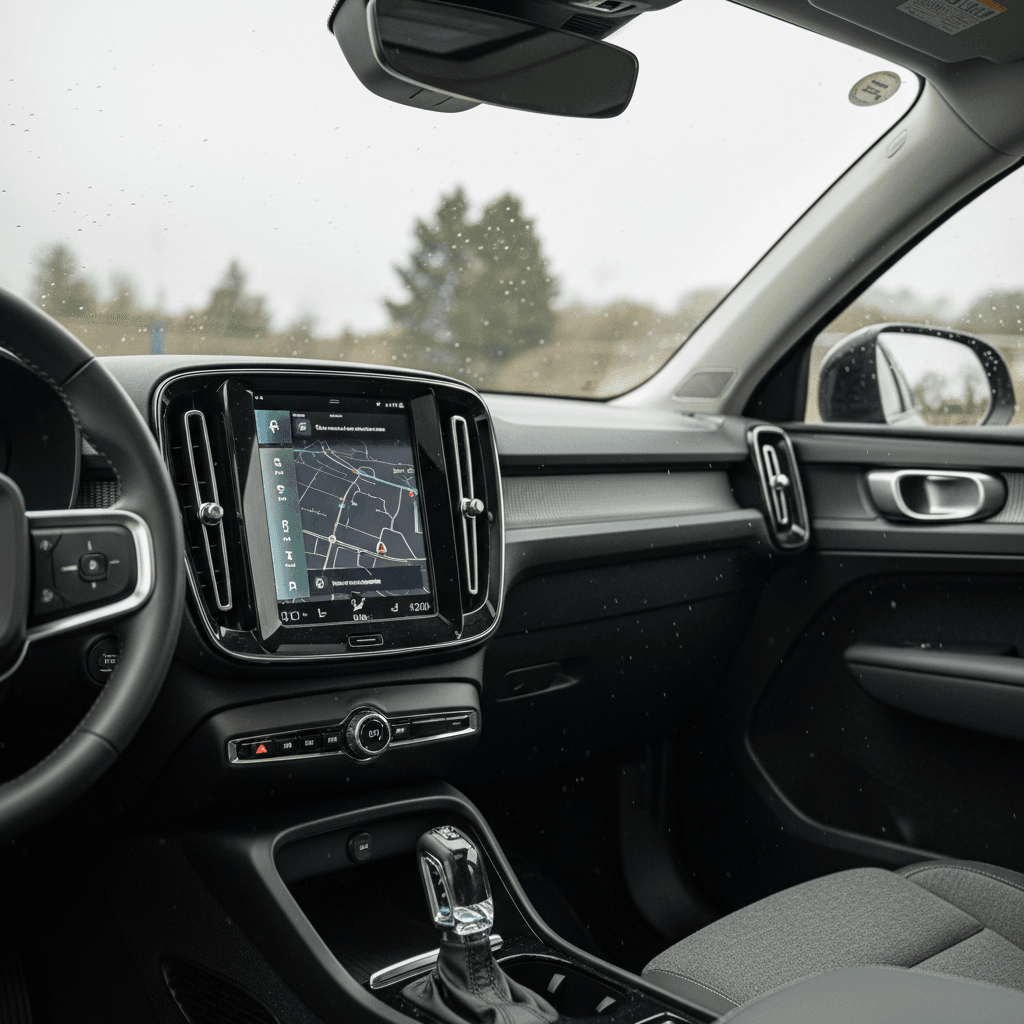
How they feel on the road
Numbers aside, you have to live with the car every day.
Tesla Model 3
- Performance: Even base trims feel quick; Dual Motor and Performance models are genuinely fast.
- Ride & handling: Taut, sporty feel. Some owners find the ride firm on rough pavement.
- Cabin: Minimalist interior dominated by a large center touchscreen, quiet at speed.
- Practicality: Sedan trunk plus front trunk (frunk); rear seats fold but opening is smaller than a hatchback.
Nissan Leaf
- Performance: Adequate around town, but slower for highway passing than a Model 3.
- Ride & handling: More softly sprung, biased toward comfort and city driving.
- Cabin: Conventional compact‑car layout with physical buttons and smaller screens.
- Practicality: True hatchback with upright tail and easy cargo loading; great for city errands.
If you enjoy driving and plan to spend real time on the highway, the Model 3 feels like a step up from nearly any generation of Leaf. But for urban errands, the Leaf’s shorter length, higher seating position, and hatchback utility are genuinely convenient.
Technology, safety, and in-car experience
Tesla Model 3 tech highlights
- Large central touchscreen that controls almost everything.
- Frequent over‑the‑air software updates add features and refine driving behavior.
- Standard active safety suite and available advanced driver‑assist (Autopilot, optional Full Self‑Driving package on some cars).
- Native trip planning that integrates Supercharger stops and battery preconditioning.
Nissan Leaf tech highlights
- More traditional controls with physical buttons and knobs, less learning curve.
- ProPILOT Assist (on many newer trims) adds lane centering and adaptive cruise, though less refined than Tesla’s system.
- Apple CarPlay/Android Auto on newer Leafs, which some buyers prefer over Tesla’s proprietary interface.
- Updates are less frequent and mostly dealer‑based; the car you buy is closer to what you’ll have long‑term.
Both can be safe choices
Reliability, battery health, and degradation
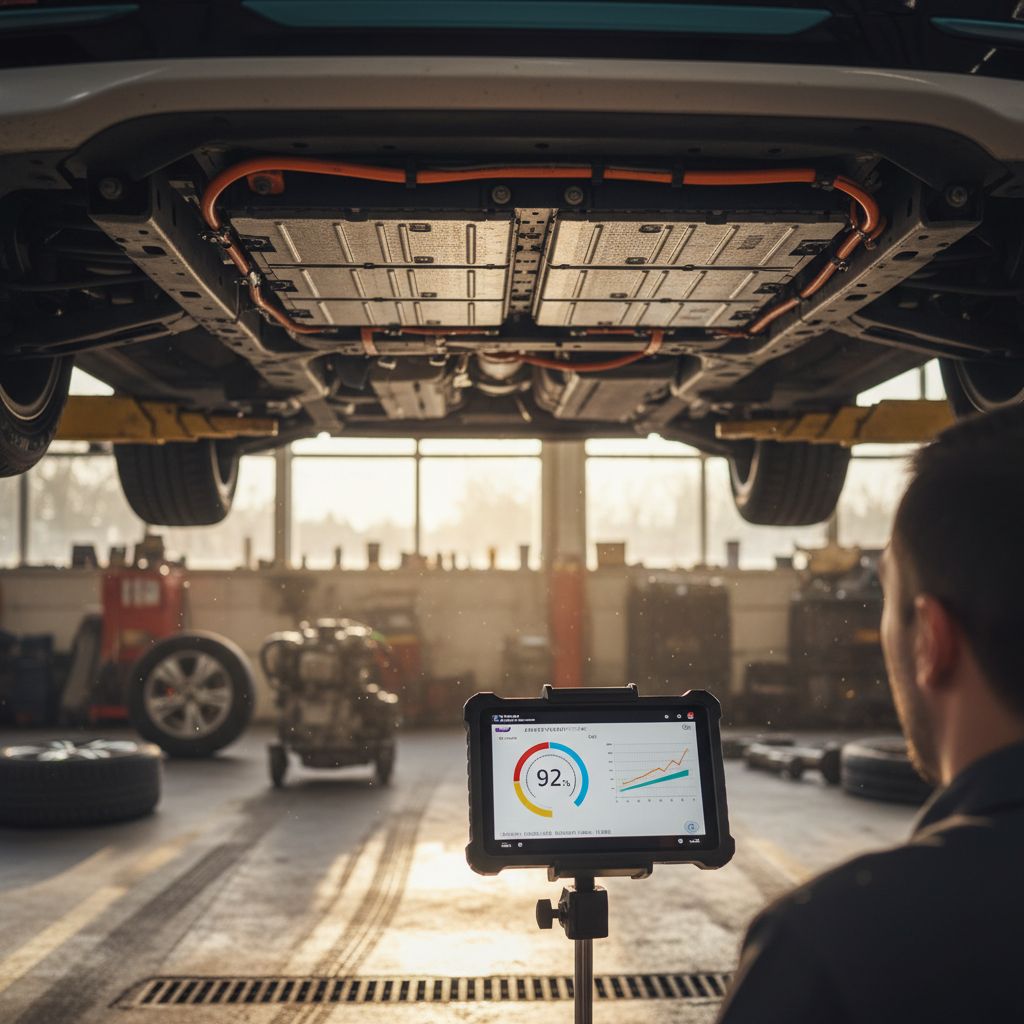
With any used EV, the battery is the story. Industry‑wide, average EV degradation is under 2% per year, but the details matter. Tesla is generally at the low end of degradation, while early Leafs are infamous for losing range faster, especially in hot climates and with frequent fast charging.
- Tesla Model 3 packs are liquid‑cooled and actively managed, which helps maintain more consistent temperatures and slows long‑term degradation.
- The Leaf’s air‑cooled pack can be perfectly adequate in mild regions, but can suffer accelerated wear in consistently hot, sunny climates or with repeated DC fast charging.
- Newer Leafs with 40 and 62 kWh packs tend to hold up better than the very early 24 kWh cars, but climate history still matters a lot.
- On any used EV, you should look for at least ~80% State of Health (SOH) as a baseline for a long, useful second life.
Do not buy blind on battery condition
Every vehicle sold through Recharged includes a Recharged Score Report that measures real battery health, so you’re not relying on guesswork or a dash gauge that only tells part of the story.
Price, depreciation, and total cost of ownership
In today’s market, both the Tesla Model 3 and the Nissan Leaf have seen substantial price corrections compared with their new‑car MSRPs. Used Leafs typically sit at the bottom of the EV price ladder. Used Model 3 pricing has fallen sharply in the last couple of years as more cars hit the market and new‑car price cuts ripple into used values.
Typical U.S. used‑market positioning (big‑picture)
Exact prices vary by region, trim, battery, mileage, and incentives. This is meant as a directional guide, not a quote.
| Used Nissan Leaf | Used Tesla Model 3 | |
|---|---|---|
| Typical entry price | Lower; often among the cheapest used EVs available | Higher; generally mid‑pack among used EVs |
| 5‑year retained value | Historically around one‑third of original price for many trims | Recently under pressure; still stronger than Leaf in many cases |
| Insurance costs | Often slightly lower, depending on region and trim | Can be higher due to repair costs and performance |
| Electricity & efficiency | Older Leafs less efficient; newer ones moderate | Model 3 is one of the more efficient EVs per mile |
| Maintenance | No oil changes, but battery cooling is simpler; some older components age out | Also low routine maintenance; advanced systems can be pricier out of warranty |
Always compare specific vehicles on age, mileage, trim, and battery SOH before judging value.
When a cheap Leaf is actually a smart buy
Which is better for you? Real-world scenarios
Match your lifestyle to the right EV
1. 60‑mile round‑trip commuter with occasional road trips
You drive 60 miles a day for work and take a few 300‑mile trips a year. Here, a <strong>used Tesla Model 3 Long Range</strong> is the clear winner. You’ll have buffer for winter, higher speeds, and can lean on the Supercharger network when you head out of town.
2. City‑only household second car
You already have another vehicle for long trips, and this EV will live in a city, doing school runs and grocery trips. A <strong>used Nissan Leaf</strong> with a solid battery makes a ton of sense: low cost, easy to park, and a hatchback layout that’s perfect for errands.
3. Apartment dweller relying on public charging
Without reliable home charging, the health and availability of public fast charging are critical. A <strong>Model 3</strong> usually wins because of better access to well‑maintained fast‑charging networks and higher peak speeds. A Leaf can still work if you have dependable CHAdeMO stations nearby, but investigate first.
4. Budget‑conscious first EV owner
You want to try EV ownership without over‑committing. A <strong>Leaf</strong> offers a low‑risk entry if your range needs are modest. If you can stretch the budget and want an EV that’s more future‑proof, a <strong>higher‑mileage Model 3 with a strong battery score</strong> may be the smarter long‑term play.
How Recharged helps you compare used EVs
Comparing a used Tesla Model 3 vs Nissan Leaf on a listing site can feel like apples to oranges, different batteries, different histories, different charging stories. That’s exactly the gap Recharged was built to close.
Buying used EVs with confidence
Every car, whether it’s a Model 3 or a Leaf, gets the same transparent treatment.
Recharged Score battery diagnostics
Fair market pricing
Digital‑first, supported experience
If you have a gas car or even an older EV to sell, Recharged can help with trade‑ins, instant offers, or consignment, making it easier to step into whichever used EV fits your life best, Model 3, Leaf, or something else entirely.
FAQ: used Tesla Model 3 vs Nissan Leaf
Frequently asked questions
Bottom line: Model 3 vs Leaf
If you want an EV that can comfortably handle today’s commute and tomorrow’s road trip, a used Tesla Model 3 is usually the better long‑term bet, stronger range, better charging options, and a more modern tech experience. If your budget is tight and your driving is short‑range and predictable, a used Nissan Leaf can still be a smart, low‑cost way to go electric, especially in mild climates with a healthy battery.
Either way, your decision should start with three questions: How far do I really drive? Where will I charge? and What’s the actual battery health? Answer those honestly, then use tools like the Recharged Score Report and EV‑specialist guidance to compare individual cars, not just nameplates, and you’ll land on the EV that truly fits your life.