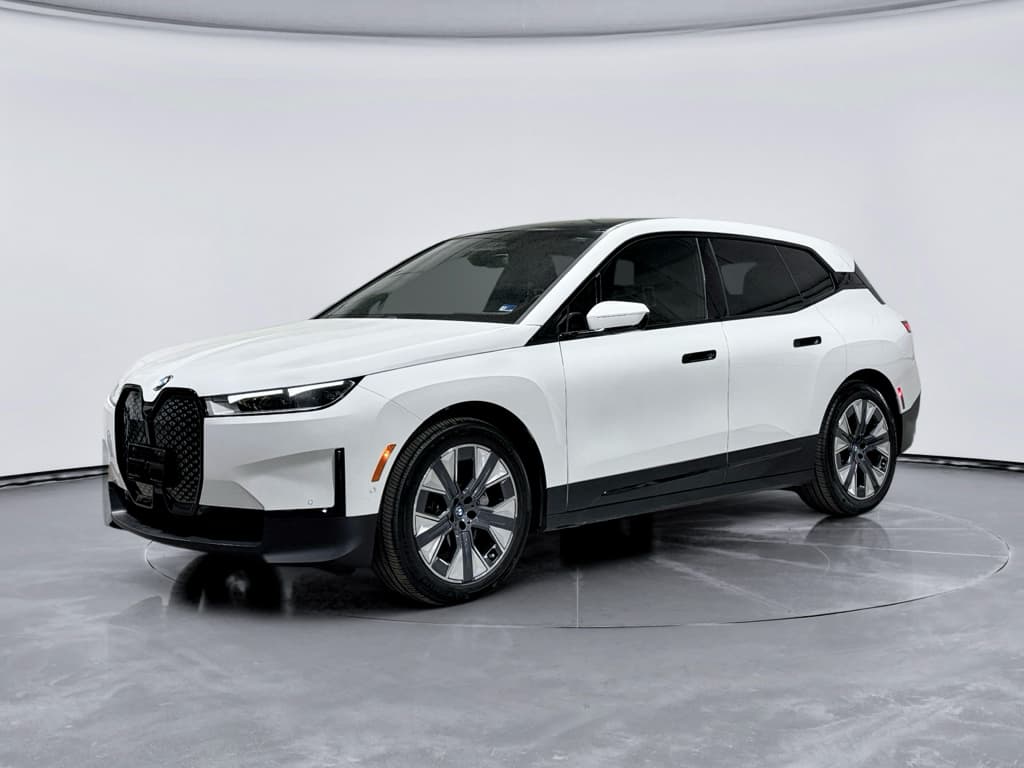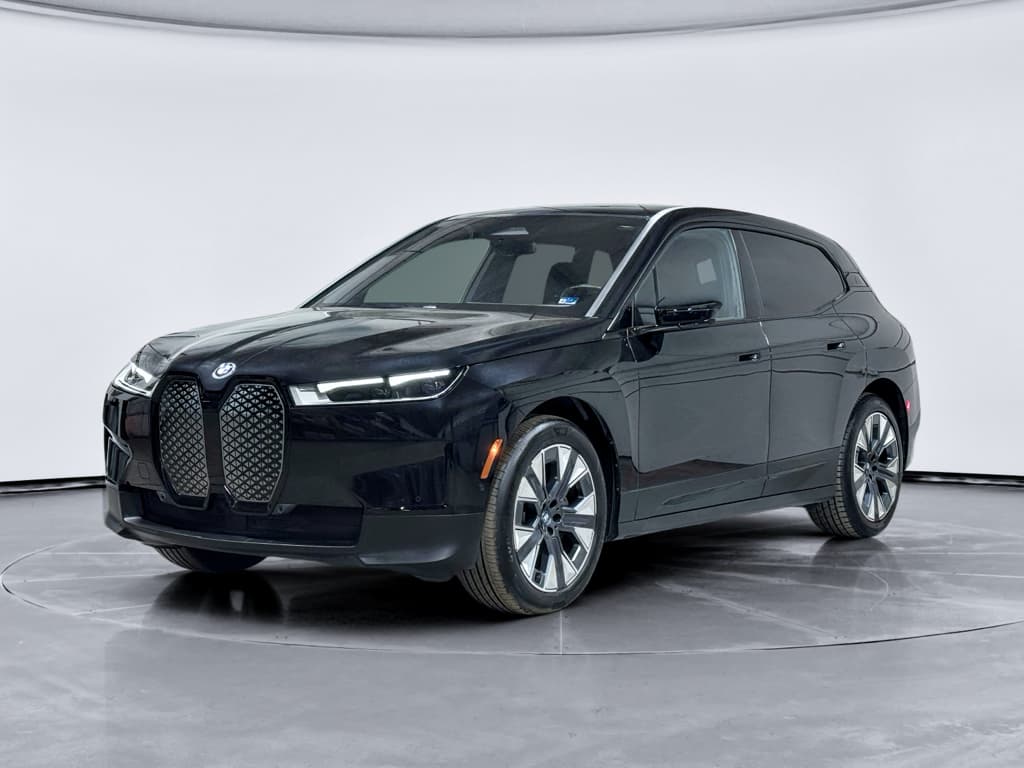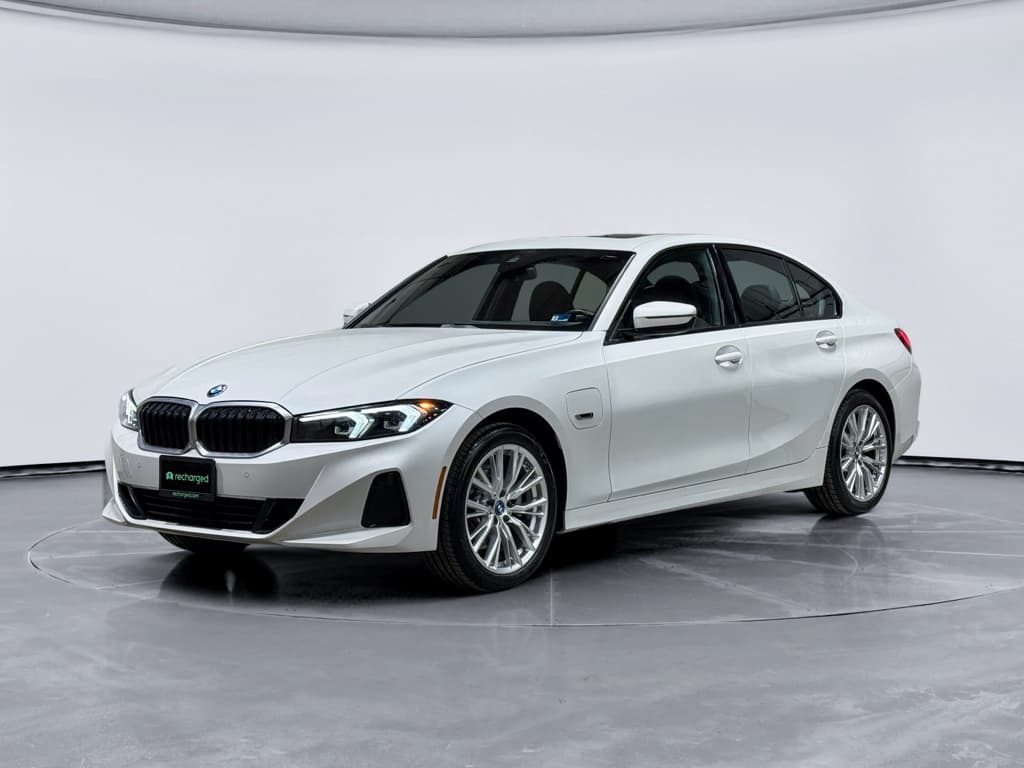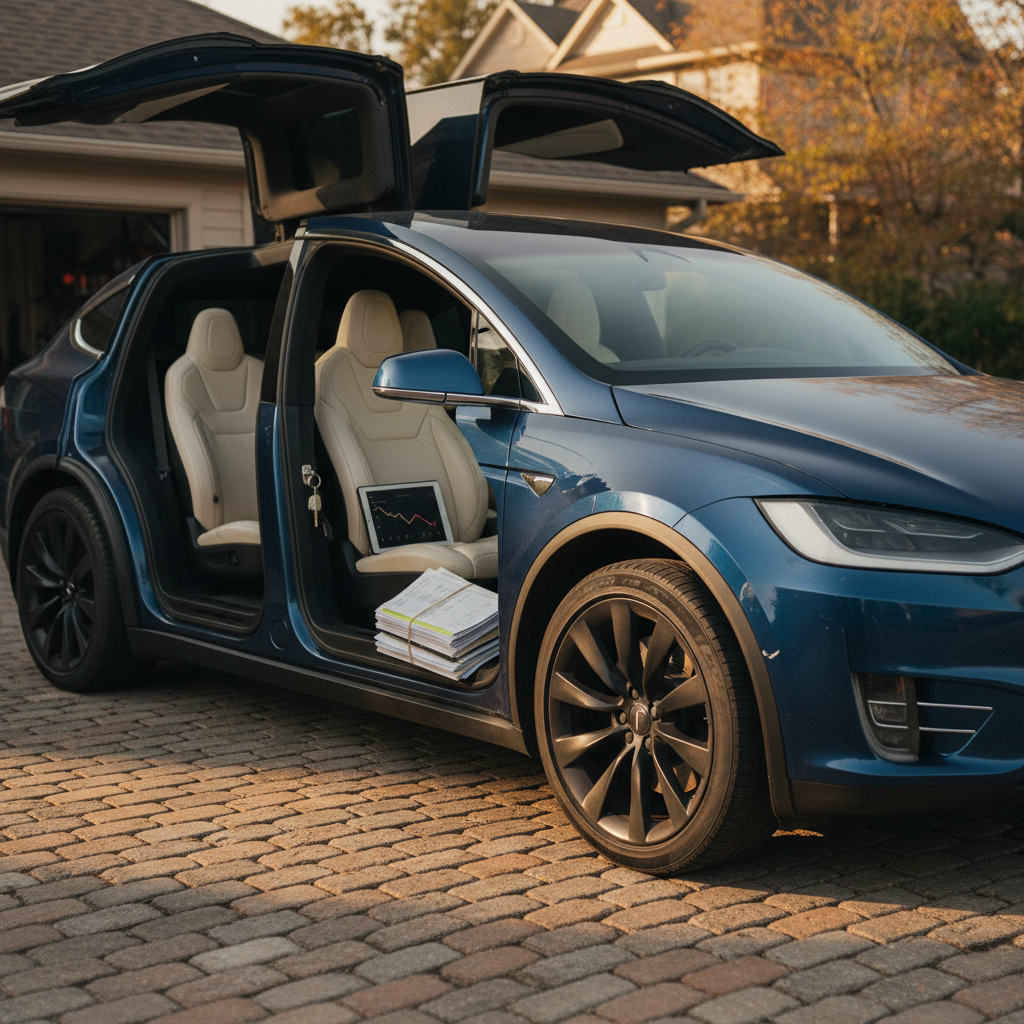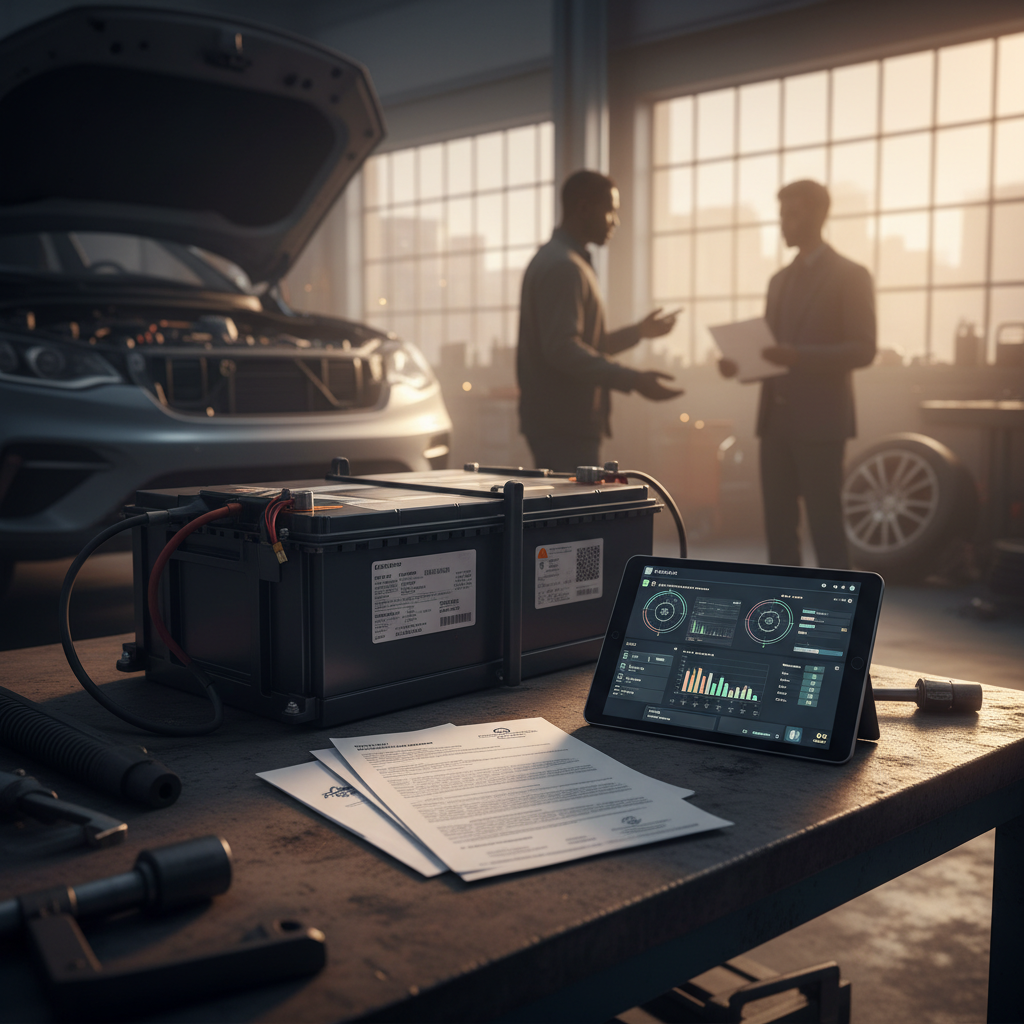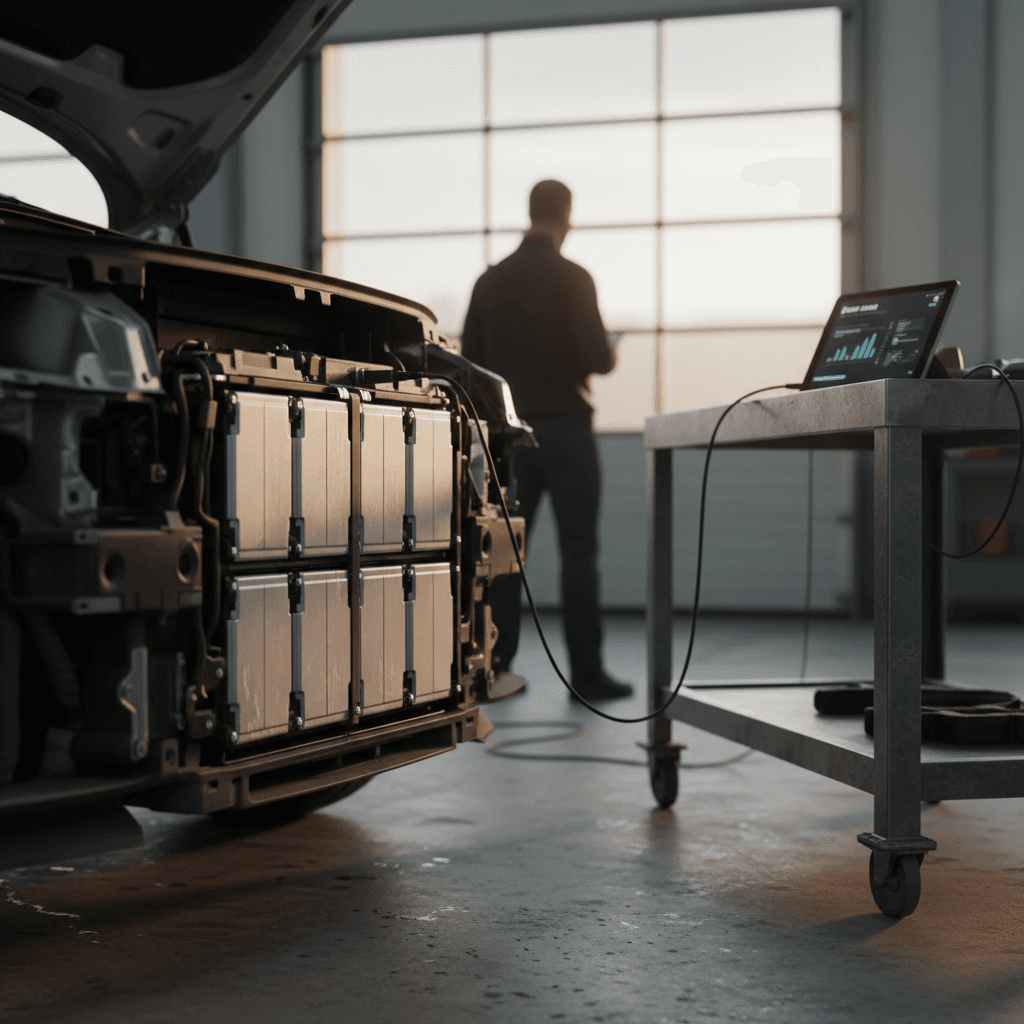
If you’re looking at a BMW i5, the **high‑voltage battery warranty details** matter just as much as range, 0–60 times, or leather options. The pack under the floor is a five‑figure component; knowing exactly how BMW stands behind it is the difference between confident ownership and late‑night Googling about degradation charts.
Short answer
BMW i5 battery warranty at a glance
Core BMW i5 battery and vehicle warranty terms (U.S.)
For 2024–2026 BMW i5 models in the U.S., BMW pairs its familiar **4‑year / 50,000‑mile** new‑vehicle warranty with a dedicated **high‑voltage battery warranty of 8 years / 100,000 miles**, similar to what you’ll see on the i4 and iX siblings. That longer term is there specifically to calm the biggest EV fear: that the battery will fade before the payment book does.
How the BMW i5 battery warranty works
BMW treats the i5’s battery pack as its own major system with separate coverage. On U.S.‑spec cars, the **high‑voltage (HV) battery warranty** is written as a limited warranty against **defects in materials or workmanship** for **96 months (8 years) or 100,000 miles**, whichever comes first. That clock starts on the original in‑service date, not when you buy the car used.
- Coverage applies to the **high‑voltage battery pack and its internal components** (modules, control electronics, sensors).
- If BMW determines there is a warrantable defect, the repair may involve **replacing individual modules** or the entire pack, depending on what’s more practical and safe.
- The work must be performed by an **authorized BMW dealer** or BMW‑approved facility using genuine parts for BMW to pick up the tab.
- You’ll still pay for **wear items and regular service** (tires, wipers, brake fluid, etc.), but not for the battery repair itself when it’s clearly a covered defect.
Check the in‑service date
Battery warranty vs. BMW new‑vehicle warranty
The **battery warranty** sits on top of BMW’s regular new‑car coverage. They overlap for the first four years, then the battery keeps going after the broader warranty expires. Here’s how it breaks down for a typical 2025 BMW i5 in the U.S.
BMW i5 warranty coverage by component (U.S. market)
How the i5’s battery warranty compares with other factory coverage.
| Component / System | Typical Coverage | Time Limit | Mileage Limit |
|---|---|---|---|
| High‑voltage battery (traction pack) | Limited battery defect warranty | 8 years | 100,000 miles |
| EV drive components (motors, inverter, charging electronics) | Included under new‑vehicle limited warranty; some components may follow battery terms if BMW classifies them as EV‑specific | 4–8 years | 50,000–100,000 miles |
| Full vehicle (bumper‑to‑bumper) | New‑vehicle limited warranty | 4 years | 50,000 miles |
| Powertrain (where listed separately) | Generally mirrors new‑vehicle warranty on fully electric i5 | 4 years | 50,000 miles |
| Corrosion perforation | Rust‑through warranty | 12 years | Unlimited miles |
| Roadside assistance | BMW roadside program | 4 years | Unlimited miles |
| Complimentary scheduled maintenance | BMW Ultimate Care | 3 years | 36,000 miles |
Always confirm exact terms on your specific VIN and state, but this captures the typical U.S. pattern for 2024–2026 BMW i5 models.
Why the battery warranty is longer
Is battery degradation covered on the i5?
This is the fine print everyone cares about: **what if the i5’s range drops**? All lithium‑ion packs lose capacity over time, it’s chemistry, not a character flaw. The warranty is there to catch **abnormal** loss, not every single mile of natural aging.
What’s generally covered
- Defects in cells or modules that cause sudden or localized capacity drops.
- Software or hardware failures in the battery management system (BMS) that keep the pack from charging or discharging correctly.
- Safety‑related issues tied to the pack, like internal short circuits or failed isolation, when not caused by external damage.
What’s usually not covered
- Normal, gradual range loss over years of use and charging.
- Damage tied to improper modifications, such as aftermarket tuning, non‑approved charging hardware, or structural repairs that affect the pack.
- Damage from accidents, flooding, or extreme abuse that your insurer should be handling, not the warranty.
Degradation threshold: ask for it in writing
In practice, an i5 that’s lost a few percentage points of capacity in four or five years is behaving normally. The warranty is there for the outliers: the car that’s down to, say, 60–65% of its rated range within the warranty window, or the car that refuses to fast‑charge because of a battery‑side fault.
Used and CPO BMW i5 battery warranty
Here’s the good news for used buyers: the **BMW i5 high‑voltage battery warranty is transferable**. If you buy a 3‑year‑old i5 with 30,000 miles on it, you typically still have **five years and 70,000 miles** of battery coverage left, assuming U.S.‑market terms and no mileage overage.
How battery coverage works on used vs. CPO BMW i5 models
The battery warranty doesn’t reset, but CPO can add peace of mind for everything around it.
Buying a regular used BMW i5
- You inherit the remaining portion of the 8‑year / 100,000‑mile HV battery warranty.
- No new bumper‑to‑bumper coverage unless you buy an extended service contract.
- Ideal if the car is fairly new and you’re mainly worried about the pack itself.
Buying a BMW Certified Pre‑Owned (CPO) i5
- CPO adds at least one extra year of limited vehicle warranty with unlimited miles, beyond the original 4/50, on top of the existing 8/100 battery coverage.
- The battery warranty clock still runs from the original in‑service date; it isn’t reset by certification.
- Great if you want **extra coverage on non‑battery components** like electronics and suspension.
How Recharged fits in
Ready to find your next EV?
Browse VehiclesReal‑world examples: when the i5 battery warranty helps
To understand what this warranty actually does for you, it helps to run a few scenarios. Think of them as stress tests for BMW’s promises.
- **Scenario 1: Sudden range loss at 5 years / 60,000 miles.** You’ve been getting 270 miles of highway range out of your i5 eDrive40. Over a couple of months, that drops to 190, with no big change in your routes or weather. Diagnostics show one module is badly out of line. That’s classic battery defect territory, squarely in the 8‑year / 100,000‑mile coverage window.
- **Scenario 2: Won’t DC fast‑charge anymore at 6 years / 80,000 miles.** The car AC‑charges fine at home, but every DC fast‑charger fails to start a session. The dealer finds a failed HV battery junction box or contactor inside the pack. That’s a high‑voltage battery component, not wear and tear, and it’s typically treated as a warranty repair inside the 8/100 window.
- **Scenario 3: 12‑year‑old i5 with 130,000 miles has 20% less range.** At this age and mileage, you’re long past both the 4/50 and 8/100 limits. A modest loss in usable range is simply the arc of lithium‑ion life; that’s on you, not BMW, and it should be priced into the car’s resale value.
What the BMW i5 battery warranty does NOT cover
BMW’s documents read like any other high‑end OEM: they promise a lot, within reason. Warranty coverage is not an all‑you‑can‑eat plan for anything that plugs into the high‑voltage system. Expect pushback if the failure looks like abuse, external damage, or ignored maintenance.
Common exclusions and situations where you’re on the hook
1. Collision or flood damage
If the i5’s pack is compromised in a crash, flood, or off‑road excursion gone very wrong, that’s an insurance claim, not a warranty issue, even if the car is only months old.
2. Non‑approved modifications
Cutting into high‑voltage wiring, installing unapproved aftermarket battery heaters, or doing body work that pierces the pack’s structure can void coverage on affected components.
3. Abuse and ignored warnings
Repeatedly driving with critical battery warnings lit, ignoring cooling‑system faults, or overheating the pack on track days after BMW tells you to stop, all of that can give the manufacturer an excuse to say no.
4. Third‑party chargers gone wrong
BMW warrants defects in its own hardware, not your $199 no‑name DC adapter. Damage clearly traced to off‑spec charging gear may be excluded.
5. Cosmetic issues alone
Scratches on the battery housing or surface corrosion on brackets don’t usually count. BMW cares about safety and function, not concours‑level underbody beauty.
High‑voltage ≠ DIY
How to check remaining battery warranty on an i5
Before you sign for any BMW i5, new or used, treat the battery warranty like you would a title search on a house. You’re confirming that the most expensive system is still on the hook for a few more years.
Four quick steps to verify BMW i5 battery warranty status
Do this whether you’re buying from a dealer, a private seller, or online.
1. Get the VIN
2. Confirm in‑service date
3. Check current mileage
4. Request a printout
How Recharged handles this for you
BMW i5 battery warranty FAQ
Common questions about BMW i5 battery warranty details
Key takeaways for BMW i5 battery warranty
The **BMW i5 battery warranty** is fundamentally solid: **8 years / 100,000 miles** of protection on the most expensive part of the car, plus the familiar **4‑year / 50,000‑mile** new‑vehicle warranty that covers the rest. It’s not a blank check, normal range loss, abuse, and accident damage are on you, but it dramatically lowers the odds that you’ll ever face a surprise five‑figure battery bill while the loan is still warm.
If you’re buying used, the homework is simple but essential: verify the in‑service date, current mileage, and remaining coverage; get a credible read on the pack’s health; and price the car as if the warranty is a real asset, not just a brochure promise. When you shop a BMW i5 through Recharged, that work is done for you, battery diagnostics, remaining warranty, and market‑correct pricing are all rolled into the **Recharged Score Report**, so you can focus on the fun part: deciding whether you want your i5 in business‑class gray or something a little louder.