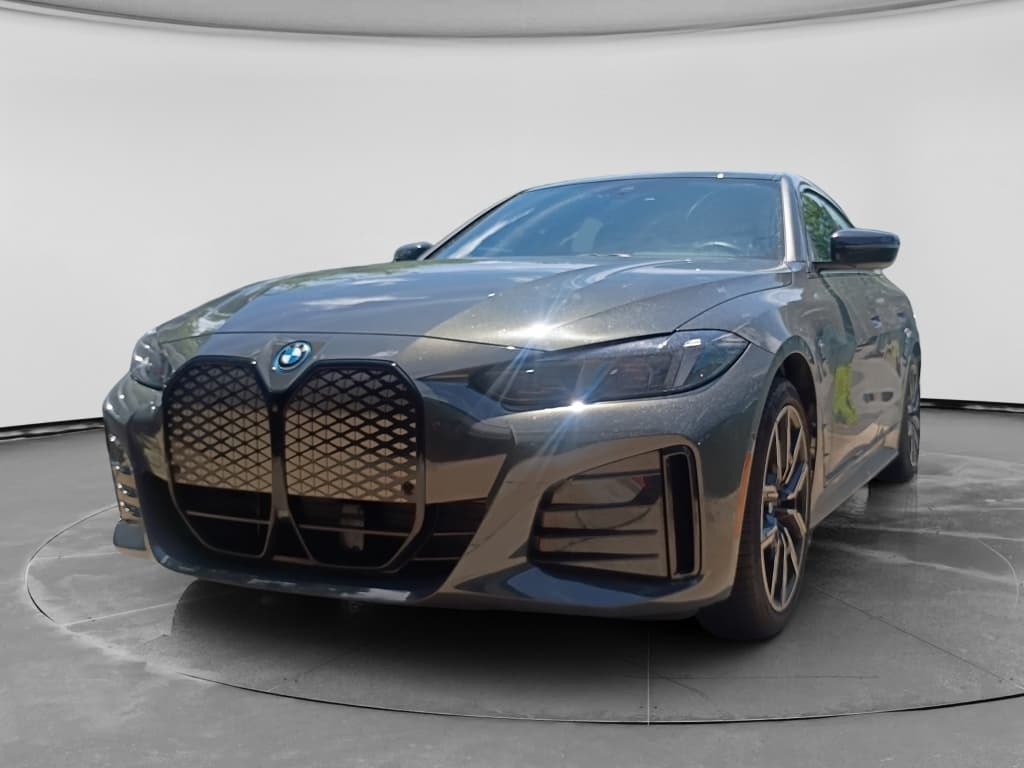
If you’re looking at a BMW i4, you’re probably wondering how it really stacks up in crash tests, not just marketing talk. The good news: the i4 performs very well in U.S. crash testing, but its European scorecard is a bit more mixed. In this guide, we’ll unpack every major BMW i4 safety rating and crash test, then translate that into what it means for you, especially if you’re considering a used i4.
Quick takeaway
BMW i4 safety overview
The BMW i4 is the fully electric version of BMW’s 4 Series Gran Coupé, launched for the 2022 model year. That means most crash data and safety ratings apply broadly across all trims, eDrive40, xDrive40 and M50, with only minor differences tied to equipment like headlights and driver‑assist options.
Headline safety numbers for the BMW i4
In plain English, the i4 protects its occupants very well in a crash. Where it loses ground, especially in Europe, is in the way its driver‑assistance tech is packaged and scored, not in the strength of the body shell.
IIHS crash test results for the BMW i4
In the U.S., the key independent rating body is the Insurance Institute for Highway Safety (IIHS). For 2025–2026 models, the IIHS has put the BMW i4 through its newer, tougher moderate overlap front test that emphasizes rear‑seat protection as well as the driver.
How the BMW i4 scores with IIHS
Crashworthiness and crash‑avoidance at a glance
Crashworthiness
Moderate overlap front (updated): Good (G)
- Strong structure and safety cage
- Good injury measures for the driver in all body regions
- Rear passenger injury measures mostly Good, with an Acceptable rating for restraints/kinematics
Crash avoidance & mitigation
Pedestrian front crash prevention: Good (G)
- Standard Active Driving Assistant avoids or significantly slows many pedestrian impacts, including at night
- Headlight rating varies by trim, from Marginal (M) to Poor (P) on lower‑spec units
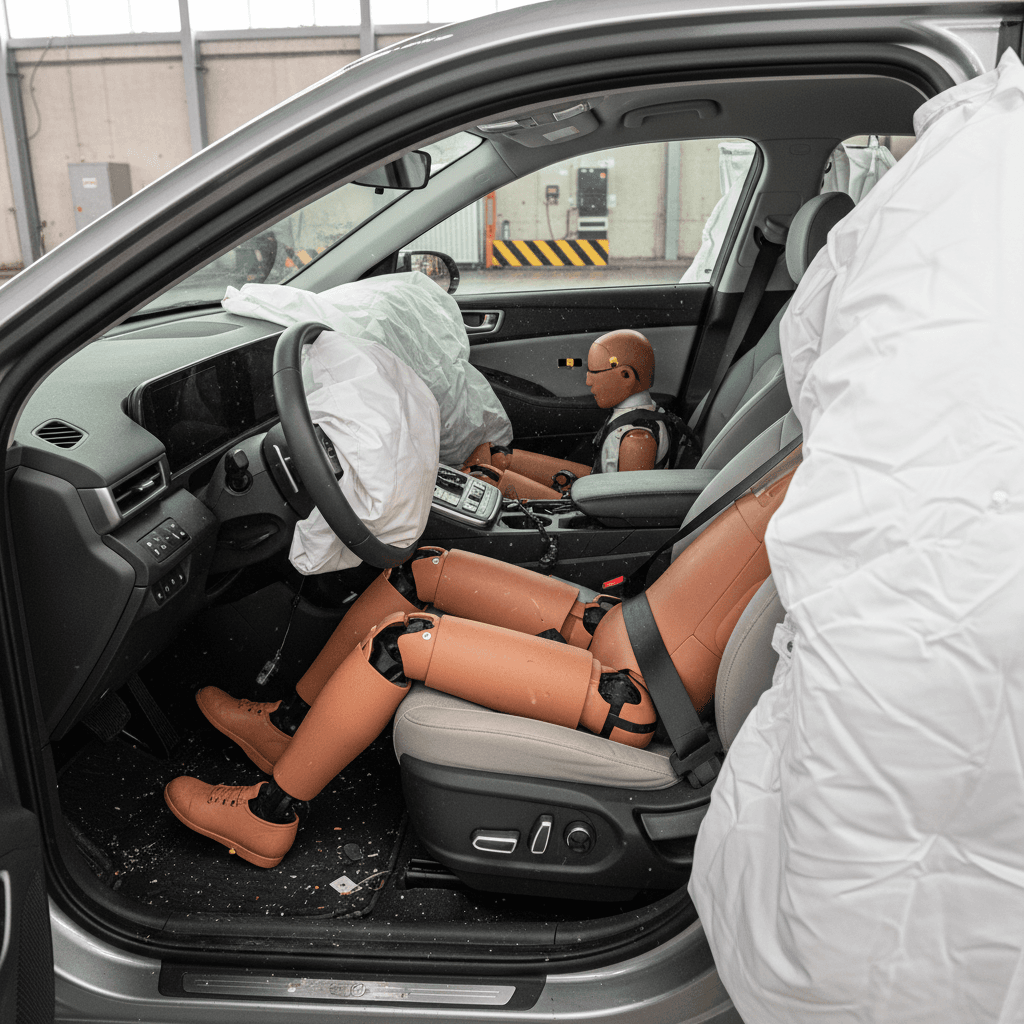
The updated moderate overlap test is intentionally demanding: IIHS shifted its focus to what happens to someone riding in the back seat, because families increasingly use the rear for kids and adult passengers. The i4 not only keeps the cabin intact, it also shows low forces on the dummies in both front and rear seats, exactly what you want to see.
Seat belt reminder isn’t perfect
Euro NCAP BMW i4 rating explained
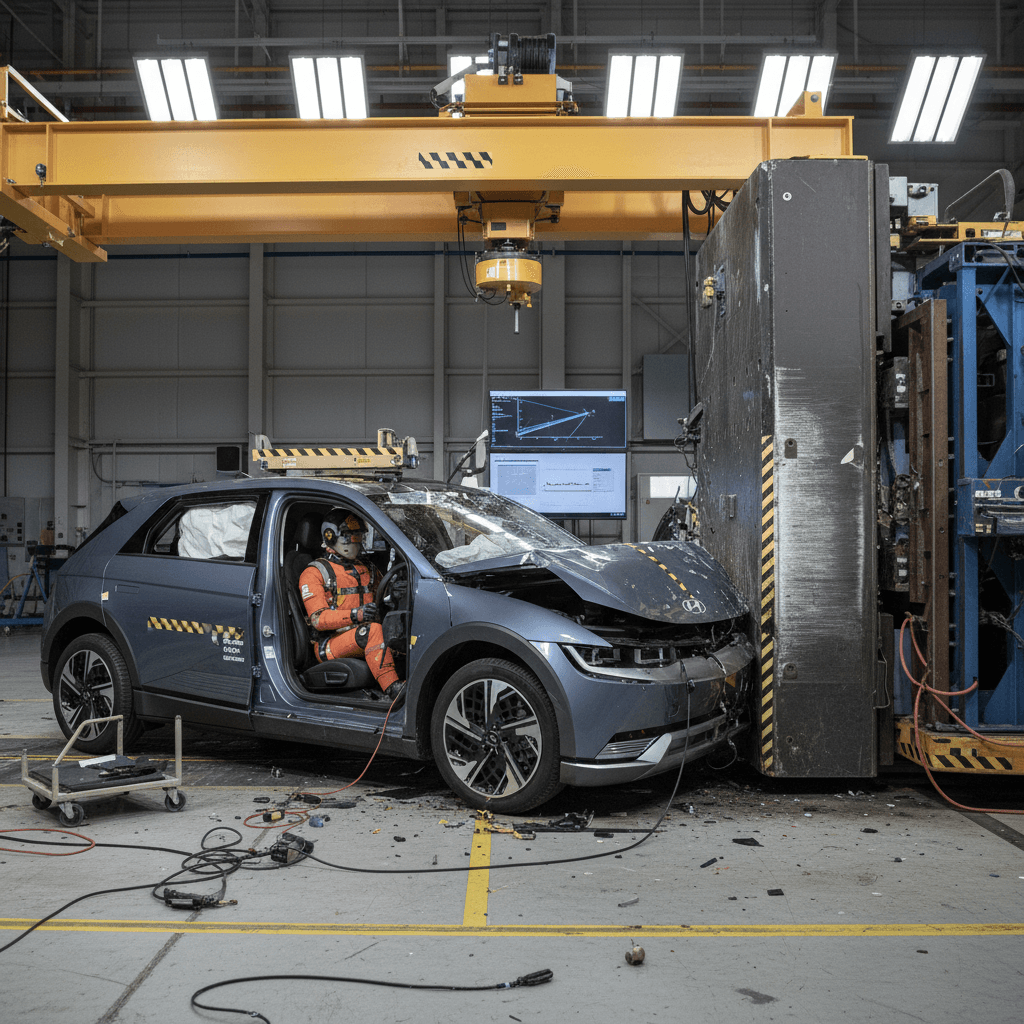
European buyers look to Euro NCAP for independent crash results. When the BMW i4 was tested in 2022, it received an overall 4‑star rating rather than the top 5‑star score many rivals achieved that year.
BMW i4 Euro NCAP 2022 results
Detailed Euro NCAP scores for the BMW i4 (all variants, 2022 rating applicable to subsequent model years unless otherwise specified).
| Category | Score | What it means for you |
|---|---|---|
| Adult Occupant | 87% | Strong protection in frontal, side and rear‑impact tests; structure performs very well. |
| Child Occupant | 87% | Excellent protection for 6- and 10‑year‑old dummies and good child‑seat installation options. |
| Vulnerable Road Users | 71% | Good head and leg protection for pedestrians and cyclists; mixed results around pelvis and some bumper areas. |
| Safety Assist | 64% | Solid but not class‑leading driver‑assistance tech and lane‑keeping support compared with newer rivals. |
The i4’s lower overall Euro NCAP rating comes down mostly to Safety Assist scoring, not crash protection.
For context, those percentages in Adult and Child Occupant protection are more than respectable, they’re right in line with many 5‑star cars. The overall 4‑star result is mainly due to the i4’s Safety Assist score. Euro NCAP wanted more advanced or more consistently standard driver‑assistance features when it tested the car, plus items like a center airbag were absent on the early European test vehicles.
Why IIHS and Euro NCAP don’t always agree
Standard and available BMW i4 safety features
Beyond crash‑test scores, the BMW i4 backs up its safety case with a long list of standard airbags and driver‑assistance systems. Exact equipment can vary by model year and package, but you’ll typically see the following on U.S. cars:
- Front, side, and head‑curtain airbags for front and rear outboard occupants
- Three‑point belts with pretensioners and load limiters in the front seats
- Anti‑lock brakes (ABS) and electronic stability control
- Standard forward collision warning with automatic emergency braking (vehicle and pedestrian detection)
- Lane departure warning with steering wheel vibration
- Blind spot monitoring and rear cross‑traffic alert (often bundled as standard on U.S. trims)
- Available adaptive cruise control with stop‑and‑go functionality
- Available lane‑keeping or lane‑centering assist, depending on package
- Front and rear parking sensors, rearview camera, and available surround‑view camera system
Know your package names
Where the BMW i4 shines, and where it falls short
Where the BMW i4 is strong
- Excellent crash structure: IIHS and Euro NCAP both show low intrusion and low injury measures in major crash modes.
- Rear‑seat protection that meets tougher standards: The updated IIHS moderate overlap test emphasizes rear occupants, and the i4 still earns a Good rating.
- Effective pedestrian AEB: In IIHS testing, the i4’s system avoided several pedestrian impacts outright, including at night.
- High child‑occupant scores: Euro NCAP’s 87% Child Occupant rating indicates good belt and LATCH layouts and strong child‑seat performance.
Where it could be better
- Mixed headlight performance: Lower‑spec headlights can be rated Marginal or Poor, which hurts visibility on dark two‑lane roads.
- Average Safety Assist score in Europe: At 64%, the i4 trails some rivals that offer more advanced lane‑keeping and automation as standard.
- Seat‑belt reminders: IIHS finds the alerts for unbelted occupants could be louder or more persistent, especially in back.
- Feature variation by trim: Not every used i4 will have the top driver‑assist package, so you need to shop carefully if those systems matter to you.
The big picture
Recalls, reliability and real‑world safety
Crash labs are one thing; living with the car is another. When you’re evaluating BMW i4 safety, you also want to understand reliability and recall history, because a software bug that shuts down drive power on the highway is just as real a safety concern as a poorly performing airbag.
BMW’s early electric models have generally been solid, and owner‑reported issues on the i4 are limited so far. However, there has been at least one notable recall campaign in North America covering 2022–2025 BMW EVs, including the i4, for a software problem that could lead to a loss of drive power. BMW’s remedy is a software update, often delivered over‑the‑air or at a dealer.
Always run a recall check
Real‑world crash data specific to the i4 is still sparse compared with long‑running gasoline models, simply because the fleet is smaller and newer. That’s where buying through a platform that specializes in used EVs can help: you get a clearer view of how a particular car has been used and maintained.
How Recharged helps on the safety front
Safety checklist for shopping a used BMW i4
If you’re looking at a used BMW i4, here’s a focused checklist to keep its safety performance working for you, not against you.
Used BMW i4 safety checklist
1. Confirm model year and trim
Later model years benefit from incremental software updates and, in some cases, improved driver‑assist tuning. Note whether you’re looking at an eDrive40, xDrive40 or M50 and compare equipment lists.
2. Verify all recalls are closed
Use the VIN to check for open recalls on NHTSA’s site or with a BMW dealer. Make sure any software‑related campaigns have been completed and documented.
3. Inspect headlights and test night visibility
If possible, drive the car at night on an unlit road. Poor‑spec headlights can feel underwhelming compared with what you’d expect from a premium EV.
4. Check airbag and safety warning lights
On startup, all warning lamps should cycle on and then go out. Any persistent airbag or restraint system warning is a red flag that needs diagnosis before you buy.
5. Test driver‑assistance features
On a safe, lightly traveled road, gently test adaptive cruise, lane‑keeping, blind‑spot monitoring and automatic emergency braking. Confirm they work as expected and that the previous owner hasn’t disabled them in menus.
6. Review accident and repair history
Request a vehicle history report and look for any structural repairs, airbag deployments or flood damage. At Recharged, expert inspections and the Recharged Score flag potential issues before a car is listed.
7. Evaluate tires and brakes
Good crash performance assumes healthy tires and brakes. Uneven tire wear, budget replacement rubber or worn pads can all lengthen stopping distances.
Lean on EV‑savvy inspectors
How the BMW i4 safety rating compares to other EVs
When you’re cross‑shopping, it helps to know where the i4 stands in the broader EV landscape. In recent IIHS testing of several electric models, the BMW i4 was one of a small group to earn a Good rating in the updated moderate overlap front test, joining vehicles like the Chevrolet Blazer EV and Volkswagen ID.Buzz. Some others struggled more with rear‑seat protection.
BMW i4
- IIHS: Good in updated moderate overlap front
- Euro NCAP: 4 stars (87% adult, 87% child)
- Role: Midsize premium sport sedan alternative to Tesla Model 3
Tesla Model 3
- Very strong IIHS performance overall
- Recent moderate overlap test shows excellent driver protection and good, but still evolving, rear‑seat metrics
- Euro NCAP: 5 stars in many configurations
Other premium EVs
- Many luxury EVs now achieve 5‑star Euro NCAP ratings and top IIHS scores
- The difference vs. i4 often comes down to standardization of advanced driver‑assist tech, not raw crash strength
Don’t overreact to 4 vs. 5 stars
BMW i4 safety rating & crash test FAQ
Frequently asked questions about BMW i4 safety
Bottom line: Is the BMW i4 a safe EV to buy used?
If you’re weighing safety heavily in your next EV purchase, the BMW i4 deserves a spot on your shortlist. Its crash‑test performance with IIHS and Euro NCAP shows a robust structure, strong restraint systems and high levels of protection for adults and children alike. The knocks against it, headlight variation, mid‑pack Safety Assist scores and a software recall that needs to be closed, are manageable with informed shopping.
Focus on finding an example with the safety and lighting packages you want, verify recall completion, and make sure any prior damage has been properly repaired. When you do that, and especially when you leverage tools like the Recharged Score Report and EV‑specialist support, you can enjoy the BMW i4’s blend of performance, refinement and technology with confidence in its safety credentials.