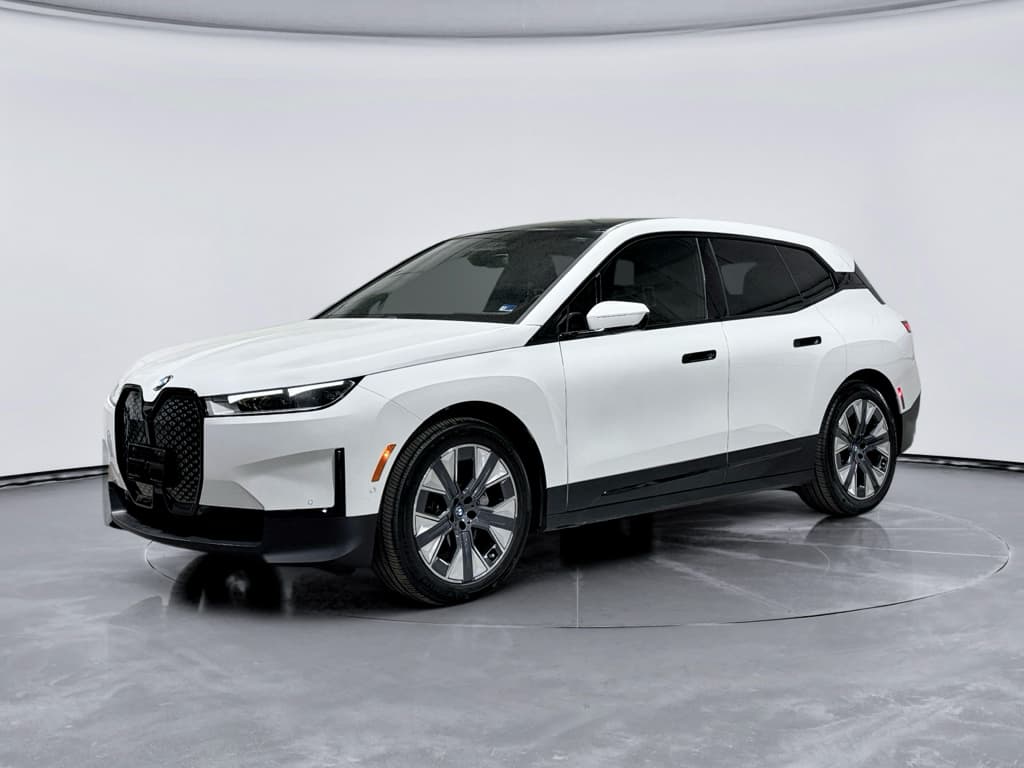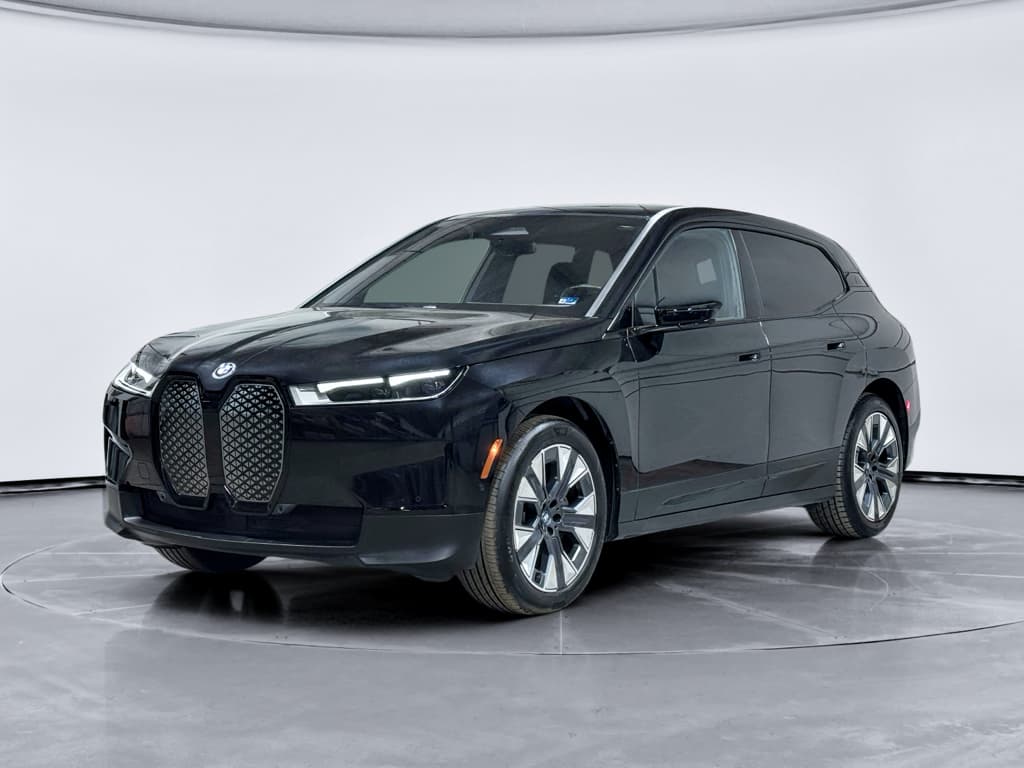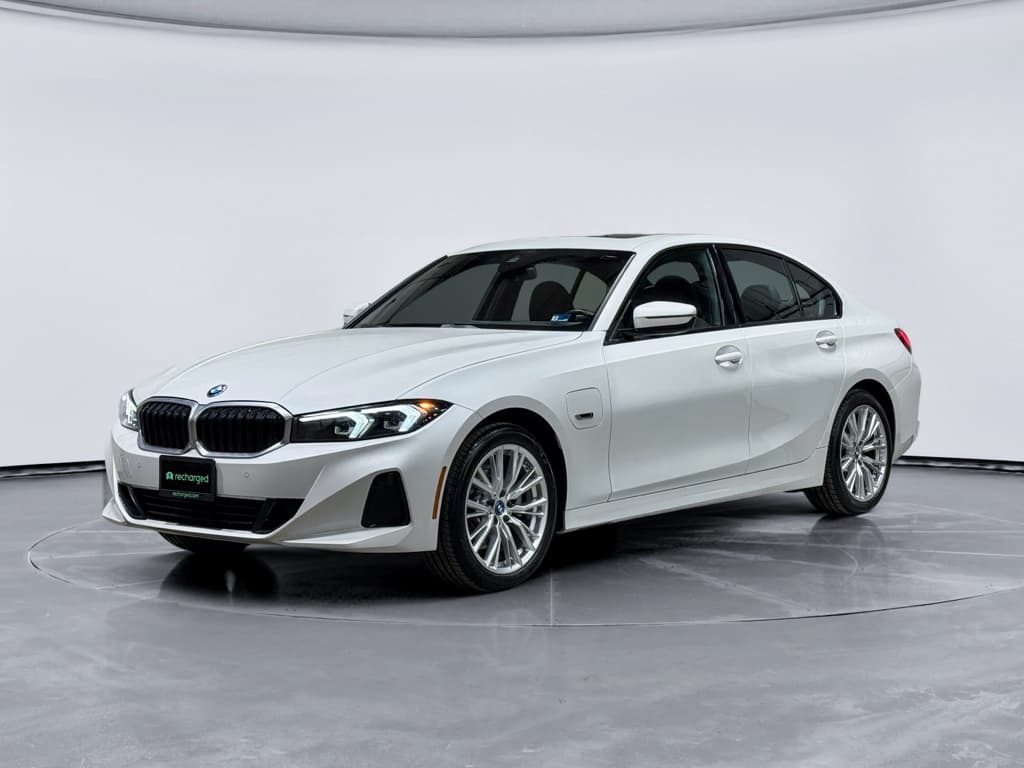
If you’re planning a ski trip, moving day, or looking at a rooftop tent, you need to know the **BMW i4 roof rack weight limit** before you strap anything to the top of your Gran Coupé. The catch: BMW’s own number is conservative, aftermarket racks sometimes show a higher rating, and not all of that capacity is available for your gear.
Key spec at a glance
BMW i4 roof rack weight limit: the short answer
BMW rates the i4 (G26 Gran Coupé, including eDrive and M60 trims) for a **maximum roof load of 75 kg, or about 165 lbs**. This figure appears consistently in technical data sheets and third‑party spec databases for the model range, and it does **not** change between most trims or wheel options.
- Maximum roof load: 75 kg / 165 lbs
- Applies to: i4 eDrive35, eDrive40, xDrive40, M50/M60 (G26) unless local documentation states otherwise
- Includes: weight of crossbars + feet + accessories + cargo
- Limit is for driving (“dynamic”) use, not parked (static) scenarios
Vehicle limit always wins
BMW i4 roof load and cargo basics
Dynamic vs static load on a BMW i4 roof
A lot of confusion around roof tents and heavy cargo comes from mixing up **dynamic load** (while driving) and **static load** (while parked). BMW only publishes the dynamic figure for the i4: 75 kg / 165 lbs. Here’s how to think about it.
Dynamic vs static roof load explained
Why your i4’s 75 kg rating doesn’t mean the roof collapses at 76 kg
Dynamic roof load
What it is: Weight on the roof while you’re driving.
- Includes rack, box, bikes, skis, etc.
- Rated for braking, cornering, bumps, and crosswinds.
- On a BMW i4, this is 75 kg / 165 lbs.
Static roof load
What it is: Weight on the roof when the car is parked.
- Applies to roof tents with people inside.
- Structure can usually handle several times the dynamic rating.
- BMW does not publish a static number for the i4.
Roof tent fine print
How much weight can you really carry on a BMW i4 roof rack?
Because the 75 kg / 165 lbs limit includes everything on top of the metal roof, you need to subtract the hardware first. After that, what’s left is your **usable cargo capacity**.
Real‑world BMW i4 roof rack capacity
Approximate component weights and remaining capacity. Always check your specific rack’s manual for exact numbers.
| Setup | Approx. rack weight | Example accessory weight | Remaining capacity for cargo* |
|---|---|---|---|
| Basic crossbars only (no box) | 6–8 kg (13–18 lbs) | 0 kg | ~67–69 kg (148–152 lbs) |
| Crossbars + small cargo box | 6–8 kg (13–18 lbs) | 12–18 kg (26–40 lbs) | ~49–57 kg (108–126 lbs) |
| Crossbars + large box | 6–8 kg (13–18 lbs) | 18–23 kg (40–50 lbs) | ~44–51 kg (97–112 lbs) |
| Crossbars + 2 bikes | 6–8 kg (13–18 lbs) | 28–36 kg (62–79 lbs including trays) | ~31–41 kg (68–90 lbs) for a third light bike or gear |
These are typical figures for common i4 roof rack setups, not official BMW data.
A quick rule of thumb
Can you run a roof tent on a BMW i4?
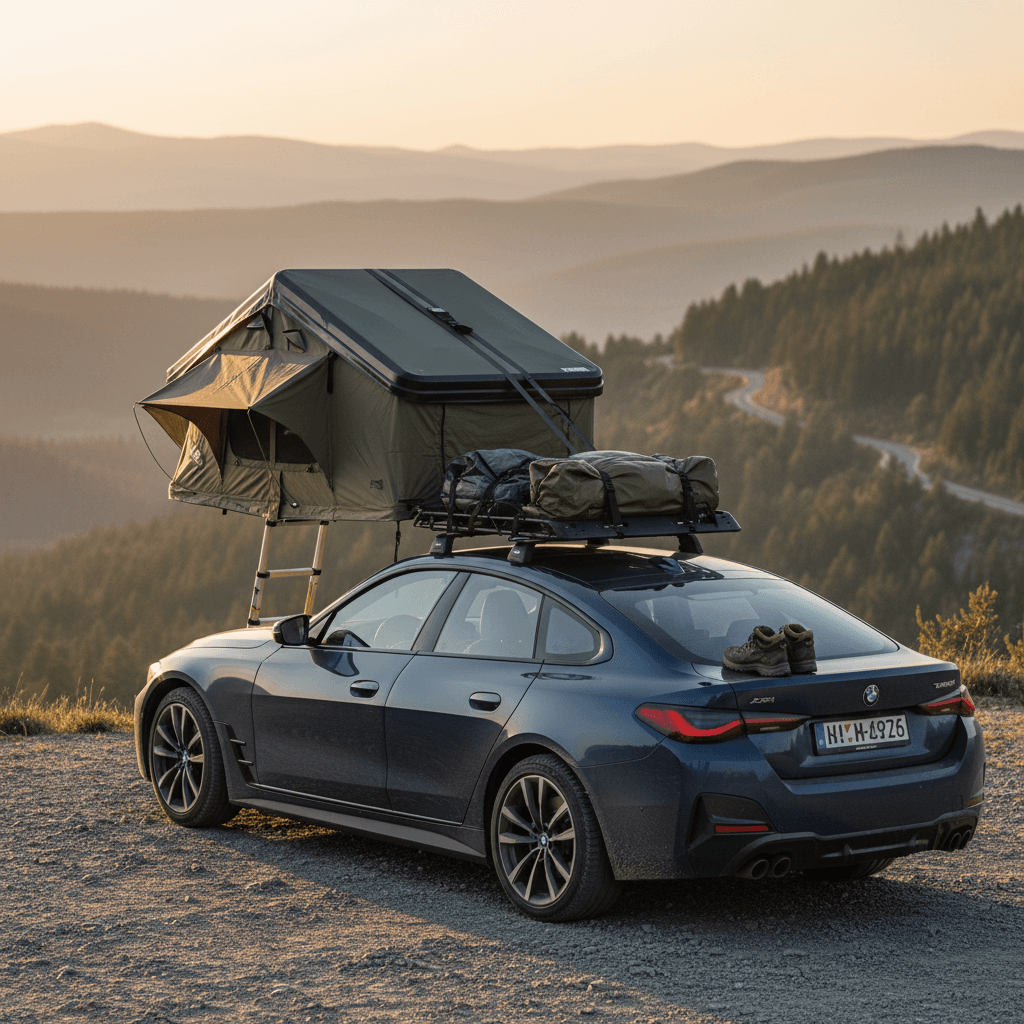
A growing number of EV owners want to know if they can mount a **rooftop tent** on the BMW i4. It’s technically possible to bolt a low‑profile tent onto a compatible rack, but there are several reasons to be cautious.
Roof tent considerations for the BMW i4
1. Respect the 75 kg dynamic limit
Many hard‑shell tents weigh 55–75 kg (120–165 lbs) before you add crossbars. That alone can exceed the i4’s 75 kg roof limit before you or a passenger climb in.
2. Rack maker compatibility
Some premium brands explicitly state which vehicle + rack + tent combos they approve. If the i4 isn’t listed, you’re outside their tested envelope and could void warranties.
3. Mounting point stress
The i4 uses fixed mounting points under the roof edge trim. A heavy tent concentrates load in a small footprint, especially under emergency manoeuvres or potholes.
4. EV centre of gravity and rollover margins
The i4 carries its battery low, which helps stability, but a tall, heavy tent plus people on the roof increases rollover risk in a severe swerve or off‑camber situation.
5. Legal and insurance gray areas
If a roof‑load accident occurs and investigators find your total weight exceeded BMW’s 75 kg spec, your insurer may have grounds to push back on coverage.
Our conservative view
Choosing a compatible BMW i4 roof rack and crossbars
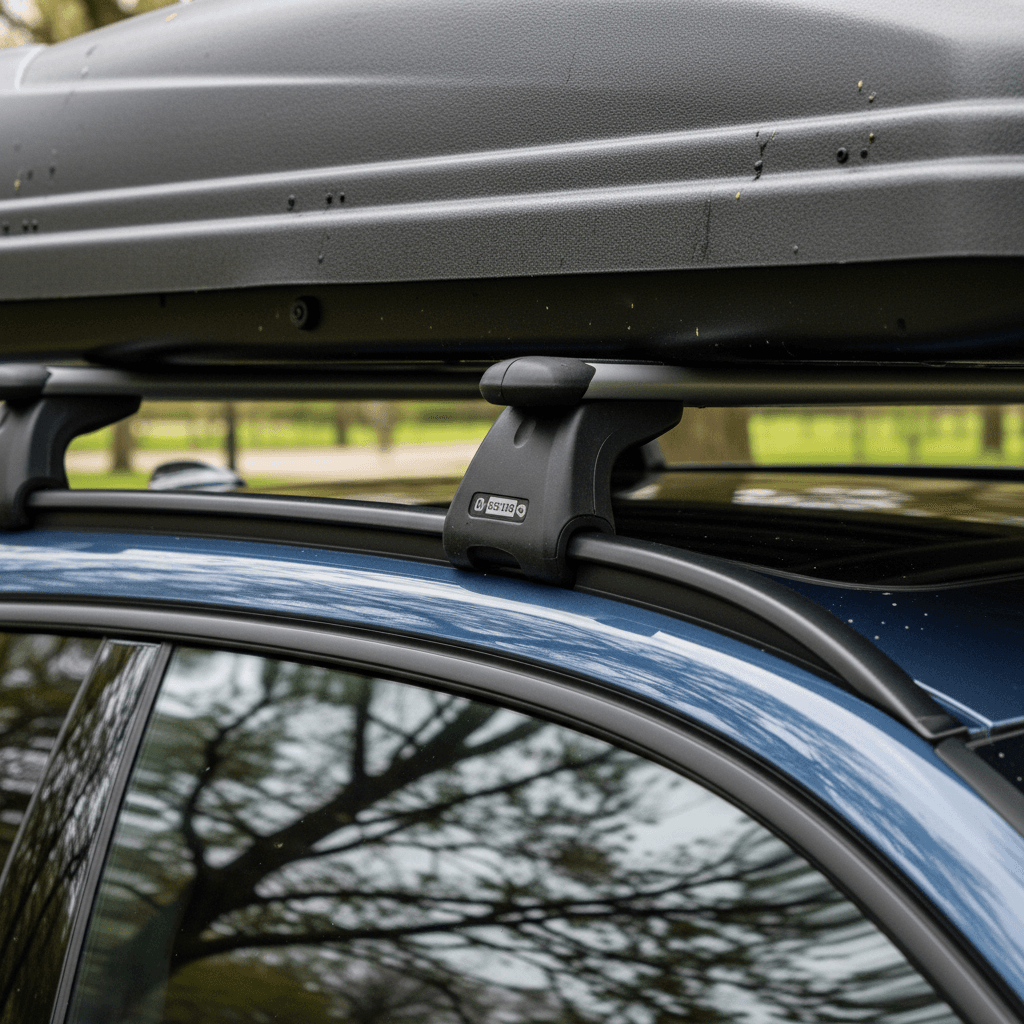
The BMW i4 does **not** ship with raised rails; it uses hidden fixed points above the doors. You’ll need a rack system designed for the G26 i4’s mounting pattern. Several OEM and aftermarket options are available.
Common BMW i4 roof rack options
What most owners use, and what to look for
BMW OEM rack
Pros:
- Perfect fit to factory mounting points.
- Styling matches the car; dealer install available.
- Documentation clearly references BMW’s 75 kg roof limit.
Best for: Owners who want a simple, warrantied solution for boxes and ski racks.
Premium aftermarket (Thule, Yakima, etc.)
Pros:
- Aerodynamic bars (e.g., WingBar‑style) reduce wind noise.
- Huge ecosystem of bike, ski, and cargo accessories.
- Often list the i4 specifically, using a dedicated fit kit.
Watch for: Crossbar ratings that exceed 75 kg, they don’t raise the car’s limit.
Budget and generic bars
Pros: Lower cost upfront.
- Often rely on clamp‑style mounts.
- May not be optimized for the i4’s roof curvature.
Risk: Poor fit or unclear instructions can damage paint or trim and may not be tested at EV‑typical speeds.
Fit‑kit matters more than the bar
Safe loading best practices for your i4 roof rack
Even if you stay under the 75 kg limit, how and where you place that weight matters just as much. The i4’s sleek roofline and hatchback design reward careful packing.
BMW i4 roof loading checklist
1. Weigh components realistically
Check the published weights of your crossbars, feet, box, and carriers. If you don’t have a spec sheet, use a bathroom scale, guessing is how owners end up over the limit.
2. Pack light, bulky items up top
Use the roof for skis, snowboards, helmets, duffel bags, and camping gear, not for building materials, liquids, or dense tools. Keep the heavy stuff in the trunk over the axle.
3. Distribute weight evenly
Center your load between the crossbars and left‑to‑right. Avoid single heavy items that sit off to one side; they can upset handling in sudden manoeuvres.
4. Watch bar spacing and overhang
Follow the rack maker’s recommended bar spacing. Don’t let long items extend so far forward or back that they can hit the hatch or windshield under braking.
5. Double‑check clearances
With an i4, a loaded box can add 12–18 inches of height. Confirm you still clear your garage door, parking garages, and drive‑thru structures before driving in.
6. Re‑torque and inspect regularly
After the first 25–50 miles of driving with a new load, stop and re‑check torque on all clamps and bolts. Repeat before every long trip.
Safety margin strategy
How roof weight and cargo affect BMW i4 range
Adding a rack and cargo to your BMW i4 doesn’t just change how much you can carry, it also affects **aerodynamics, efficiency, and handling**. At highway speeds, aero drag is a major piece of your energy use, and boxes or bikes are essentially extra sails on the roof.
Energy use and range
- A bare set of crossbars usually costs only a few percent of range at 65–75 mph.
- A full‑size, tall cargo box can increase consumption by 10–20% depending on speed and wind.
- Roof‑mounted bikes are even less aero than a sleek box and can push losses higher.
- On a 300‑mile rated i4, a 15% hit means planning around 255 miles between charges.
Handling and braking
- 75 kg on the roof raises your centre of gravity and can increase body roll.
- Emergency lane changes feel different with a high, heavy load, practice gentle inputs.
- Braking distances lengthen with more total vehicle mass, including roof cargo.
- BMW’s ESC and stability systems help, but can’t change basic physics.
Charging and trip‑planning reality check
Used BMW i4 buyers: what to check if a rack is included
If you’re shopping the used market, a BMW i4 with a quality roof rack and cargo box can be a great find, provided everything was installed and used correctly. This is exactly the kind of detail Recharged looks at when assessing used EVs.
Roof‑rack checks when buying a used BMW i4
1. Inspect mounting points and paint
Look under the door‑edge trim where the feet sit. You’re checking for chipped paint, bent metal, or signs of over‑tightening that could lead to rust down the line.
2. Ask how the rack was used
Light ski trips a few times a year are different from year‑round heavy loads or an unofficial rooftop tent. A seller who casually mentions “massive loads” is a yellow flag.
3. Verify hardware completeness
Make sure the car comes with all the keys, torque tools, end caps, and fit‑kit parts. Replacing oddball pieces adds cost and hassle later.
4. Cross‑check brand and fitment
Confirm that the rack system is actually rated for the BMW i4 G26, not just a generic 4 Series. A quick check against the manufacturer’s current fit guide is worth the time.
5. Pair with battery health data
Roof‑rack use often goes hand‑in‑hand with road‑trip miles. A <strong>Recharged Score battery health report</strong> helps you see how those trips affected the pack, not just the paint.
How Recharged can help
BMW i4 roof rack weight limit: FAQ
Frequently asked questions about the BMW i4 roof load
The bottom line is simple: your BMW i4’s roof is officially rated for **75 kg / 165 lbs total**, and that number has to cover everything you bolt or strap above the glass. Stay under that limit, load light and bulky gear instead of dense weight, and your i4 will happily carry skis, boards, camping gear, or a week’s worth of soft luggage on your next trip. If you’re looking for a used BMW i4 that’s already road‑trip ready, and want clear insight into how it’s been driven and charged, Recharged’s battery‑health‑first approach makes it easier to buy with confidence.