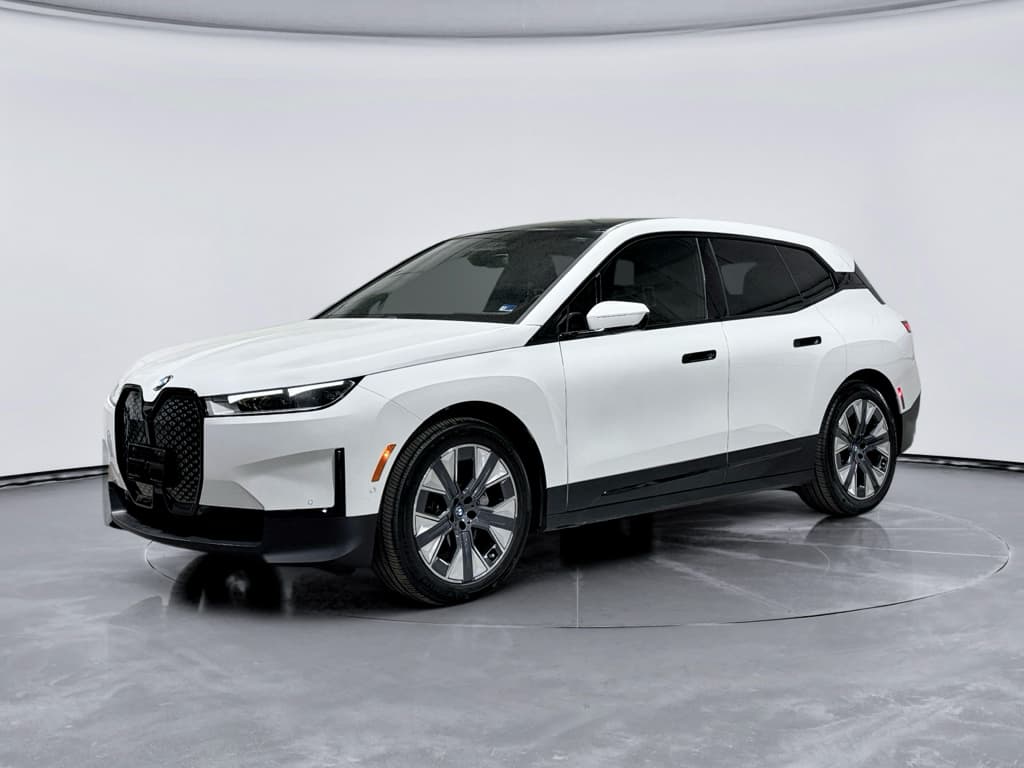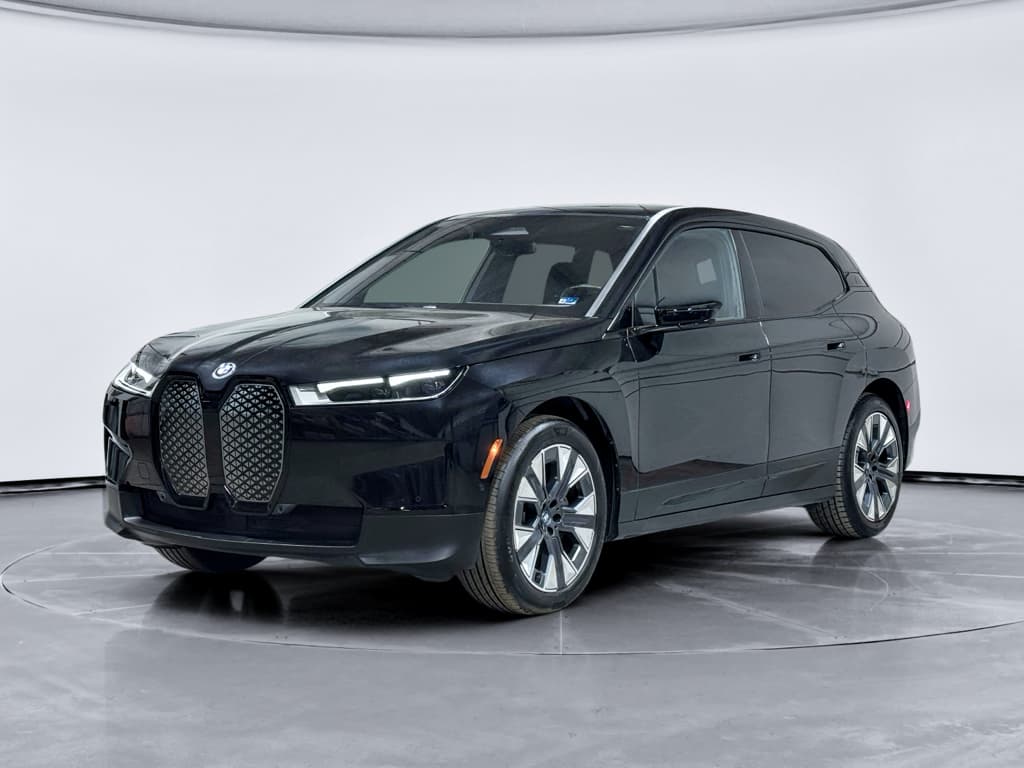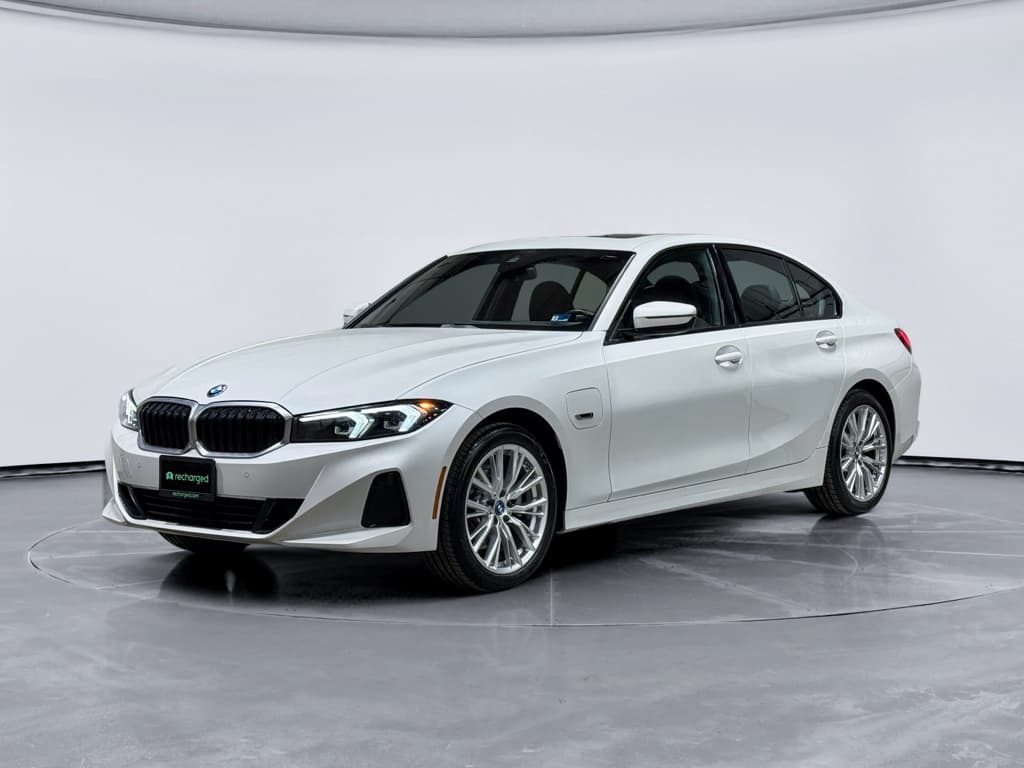
If you’re looking at a BMW i4, you probably care about performance and refinement, but you also need to know whether the **BMW i4 cargo space dimensions** will actually work for your daily life. Can it handle groceries, strollers, skis, or luggage for a road trip? Let’s break down the numbers and the real‑world usability so you can make a confident decision, especially if you’re shopping the used i4 market.
Quick takeaway
BMW i4 cargo space at a glance
Key BMW i4 cargo numbers
BMW dealers, comparison tests, and spec databases consistently quote **about 16.6 cubic feet of cargo space behind the rear seats** and **up to 45.6 cubic feet with the rear seats folded** across recent model years (2022–2025). That puts the i4 squarely in compact luxury hatchback territory, not the roomiest EV on the market, but comfortably usable for most daily needs.
Watch out for conflicting numbers
Official BMW i4 cargo space dimensions
While BMW doesn’t publish detailed length/width measurements for the cargo floor in every market, the headline figures and layout are consistent across trims like eDrive35, eDrive40, xDrive40, and M50. Here’s how the **BMW i4 trunk size** breaks down in plain English.
BMW i4 cargo space figures (recent model years)
Approximate cargo specs for U.S. and European‑spec BMW i4 models from 2022 onward.
| Measurement | Seats position | Approx. value | Notes |
|---|---|---|---|
| Cargo volume (trunk) | Rear seats up | ~16.6 ft³ (≈ 470 L) | Usable space behind rear seats under cargo cover. |
| Max cargo volume | Rear seats folded | ~45.6 ft³ (≈ 1,290 L) | Measured to roof with 40/20/40 split folded. |
| Cargo volume (trunk, conservative) | Rear seats up | ~10 ft³ | Some U.S. spec sheets quote a smaller measurement area. |
| Body style | N/A | Hatchback (Gran Coupé) | Large rear hatch instead of small sedan trunk lid. |
| Frunk (front trunk) | N/A | 0 ft³ | No storage under hood; space taken by motor and components. |
Figures vary slightly by source and measurement standard but give a solid real‑world picture.
How big is 16.6 cubic feet in human terms?
What actually fits in the BMW i4 trunk
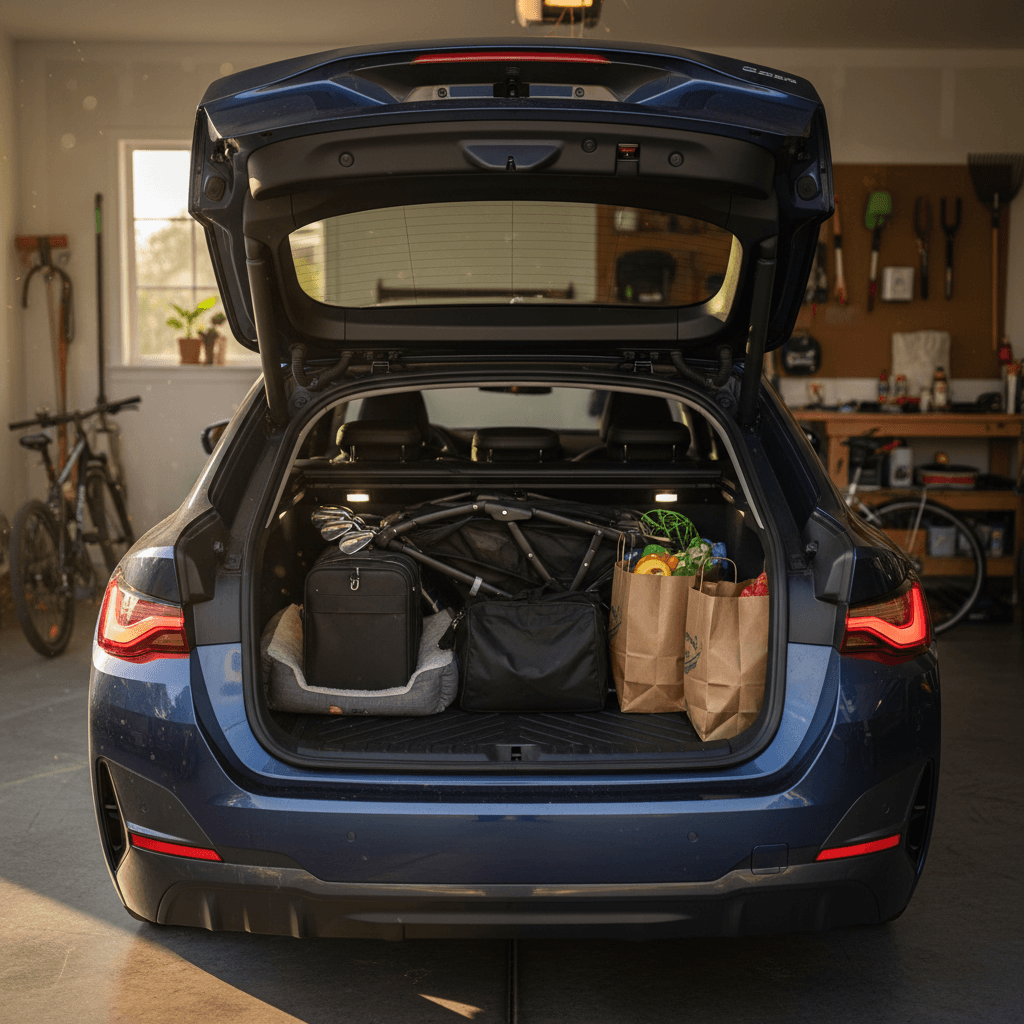
Numbers are helpful, but what most shoppers really want to know is: *What can I actually fit back there?* Because the i4 is a hatchback, its **opening is taller and wider than a traditional sedan**, which means bulkier items that might not fit through a narrow trunk lid can still make it inside.
BMW i4 cargo space in real-world scenarios
Here’s what the i4’s cargo area realistically handles.
Airport runs
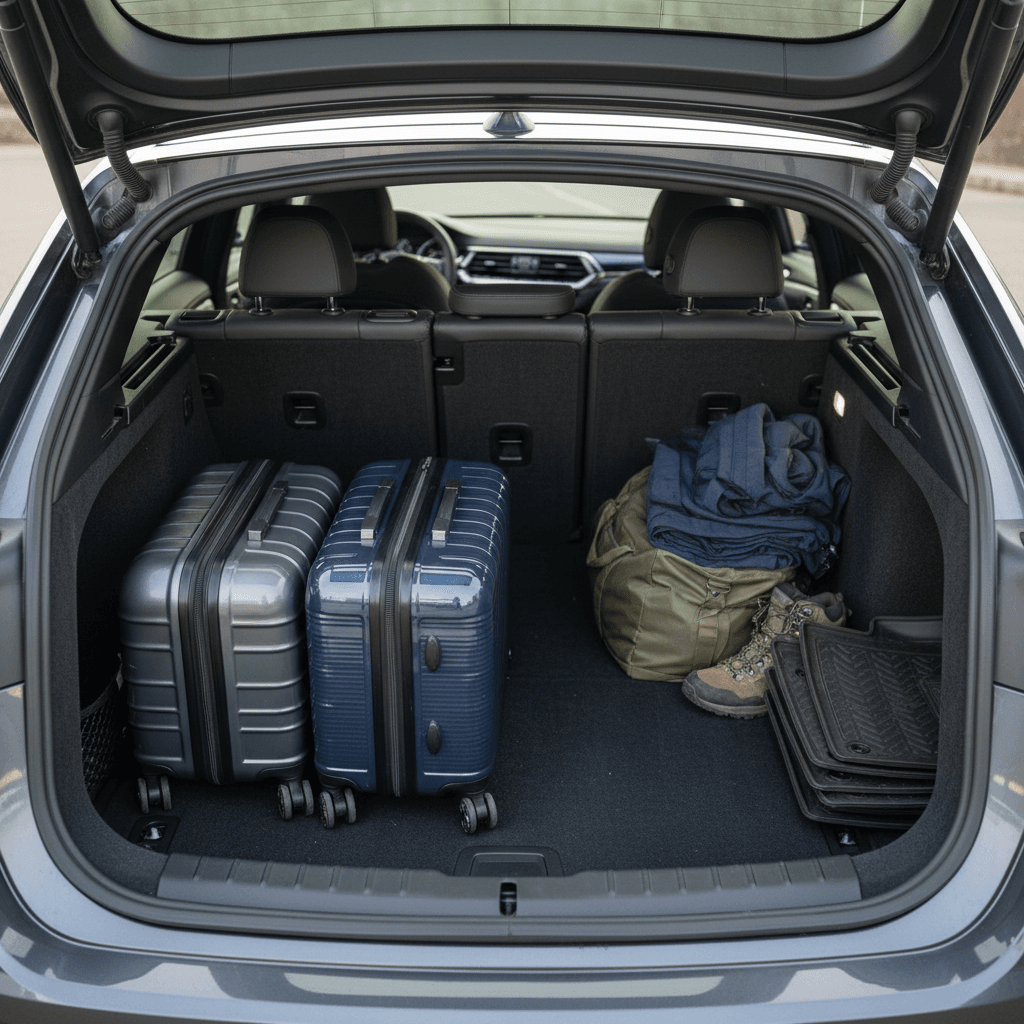
- Seats up: 2 large checked suitcases + 2 carry‑ons, stacked under the parcel shelf.
- Add soft bags or backpacks around them.
Groceries & errands
- Weekly grocery haul for a family of 3–4.
- Cases of water or bulk items fit best slid in lengthwise.
Weekend getaways
- 2–3 duffel bags + gear like a small cooler.
- Folding stroller or travel crib fits more easily with one rear seat section folded.
Pro tip: use soft luggage
Folding seats and cargo flexibility
Every BMW i4 comes with a **40/20/40 split‑folding rear seat**, which is a big part of why its **max 45.6 ft³ cargo capacity** is so usable. You’re not stuck with an all‑or‑nothing bench, there are multiple configurations that keep the car practical for passengers and cargo at the same time.
Common BMW i4 cargo configurations
1. All seats up (daily driving)
Use the standard trunk area with the cargo cover in place. Great for groceries, day‑to‑day errands, and a couple of suitcases.
2. 40/20/40 with center section folded
Fold only the narrow center section to carry long items, like skis or flat‑packed furniture, while still keeping two rear passengers comfortable.
3. 60/40 or 40/60 split for extra luggage
Fold the larger portion of the rear bench on one side to open up space for bulky boxes or bikes, while keeping one usable rear seat on the other side.
4. All rear seats folded flat
Drop all three sections for the full ~45.6 ft³. This is your go‑to setup for moving day, IKEA runs, or hauling sporting gear and camping equipment.
Carrying long items
The BMW i4’s hatch and folding center section make it easy to carry **skis, snowboards, fishing rods, or rolled rugs**. Slide them through the middle while rear passengers sit on either side, no need to cram everyone up front.
Carrying bulky items
With all three rear sections folded, the load floor becomes long and mostly flat. That’s when you can fit **flat boxes, a compact bike (front wheel removed), or a small chest of drawers** that simply wouldn’t clear a typical sedan trunk opening.
BMW i4 cargo space vs other popular EVs
The i4 doesn’t live in a vacuum. If cargo is a priority, you’ll want to know how it stacks up against other EVs you might be cross‑shopping, especially Tesla’s Model 3 and roomier hatchback or SUV‑style EVs.
BMW i4 cargo space vs key EV rivals
Approximate manufacturer or test‑measured cargo volumes for popular EVs with rear seats up.
| Model | Body style | Seats up (rear) | Max seats folded | Front trunk (frunk) | Cargo highlight |
|---|---|---|---|---|---|
| BMW i4 | Hatchback sedan | ~16.6 ft³ | ~45.6 ft³ | None | Strong max capacity thanks to hatch and folding seats. |
| Tesla Model 3 | Sedan with trunk | ~19–20 ft³ rear + ~3 ft³ frunk | ~43 ft³ | Yes | More total volume, but smaller rear opening; less flexible for bulky items. |
| Hyundai Ioniq 5 | Compact crossover | ~27–28 ft³ | ~59–60 ft³ | No (U.S.) | Boxier shape and higher roof give more everyday utility. |
| Volkswagen ID.4 | Compact crossover | ~30–31 ft³ | ~64 ft³ | No | One of the roomiest options in this class for families. |
| Polestar 2 | Liftback | ~14 ft³ | ~38 ft³ | Small | Similar concept to i4 but slightly less overall volume. |
Figures are rounded and may vary slightly by source and model year, but they illustrate the hierarchy clearly.
Where the i4 shines
Where the i4 falls short
Storage details, loading height, and limitations
Beyond cubic feet, day‑to‑day practicality comes down to **loading height, under‑floor storage, and small‑item organization**. Here’s how the i4 behaves in normal use.
BMW i4 cargo area strengths and weaknesses
The good, the not‑so‑good, and what to know before you buy.
Loading height & floor
- The i4 sits lower than an SUV, so lifting heavy items into the trunk is relatively easy.
- The load floor is mostly flat with seats folded, though not as tall as a crossover’s.
Under‑floor storage
- Small under‑floor compartments help hide charging cables or small items.
- Space is modest, don’t expect large bins like some SUVs provide.
No front trunk (frunk)
- There’s no usable storage under the hood, electric hardware fills the space.
- If you’re coming from a Tesla with a frunk, this can feel like a step down in flexibility.
Rear tunnel & seat comfort
- Because the i4 shares a platform with a gasoline 4 Series, there’s a central tunnel on the rear floor.
- This doesn’t affect cargo directly but does make the middle rear seat less comfortable on long trips.
Charging gear storage
Is BMW i4 cargo space enough for your lifestyle?
Whether the BMW i4’s cargo area works for you depends less on its raw figures and more on how you actually use your car. For many drivers, it hits a sweet spot: more flexible than a small sedan, more elegant and efficient than a bulky SUV.
How well the BMW i4 fits different owners
Urban & suburban commuters
Daily trips with groceries, gym bags, and the occasional airport run are easy with seats up.
Compact footprint and hatchback access make tight‑garage loading straightforward.
If you don’t regularly carry more than 2–3 people plus luggage, the i4 is a strong fit.
Young families
Fits a stroller and diaper bag, but larger travel systems may need a seat folded for road trips.
Two child seats in back plus cargo is fine; three across with big luggage will feel tight.
If you often travel fully loaded with kids, consider test‑packing your gear at a dealership or used‑EV retailer.
Outdoor & road‑trip enthusiasts
Fold‑flat seats and long hatch opening work well for skis, boards, tents, and camping bins.
Ground clearance is still sedan‑like, great for efficiency, less ideal for rough trails.
Roof racks or hitch‑mounted cargo carriers can meaningfully expand carrying capacity.
Business & gig‑economy drivers
Sample cases, trade‑show materials, or photography gear fit well with seats folded.
If you routinely transport large boxes or bulky equipment, a small electric SUV might be more practical.
The i4’s refined cabin and quiet ride are excellent if you’re doing a lot of highway miles.
Buying used? Factor cargo into total value
Ready to find your next EV?
Browse VehiclesBottom line: the **BMW i4 cargo space dimensions** won’t rival a large SUV, but they’re more generous and flexible than a quick glance at the spec sheet suggests. The hatchback body, 40/20/40 split‑fold rear seats, and up to roughly 45.6 cubic feet with the seats down give you real versatility in a sleek, efficient package. If you’re considering an i4, especially on the used market, take a moment to picture your own luggage, strollers, and gear inside it. For many drivers, that mental test (or a real‑world test pack) confirms that the i4 delivers the right mix of performance, luxury, and everyday practicality.