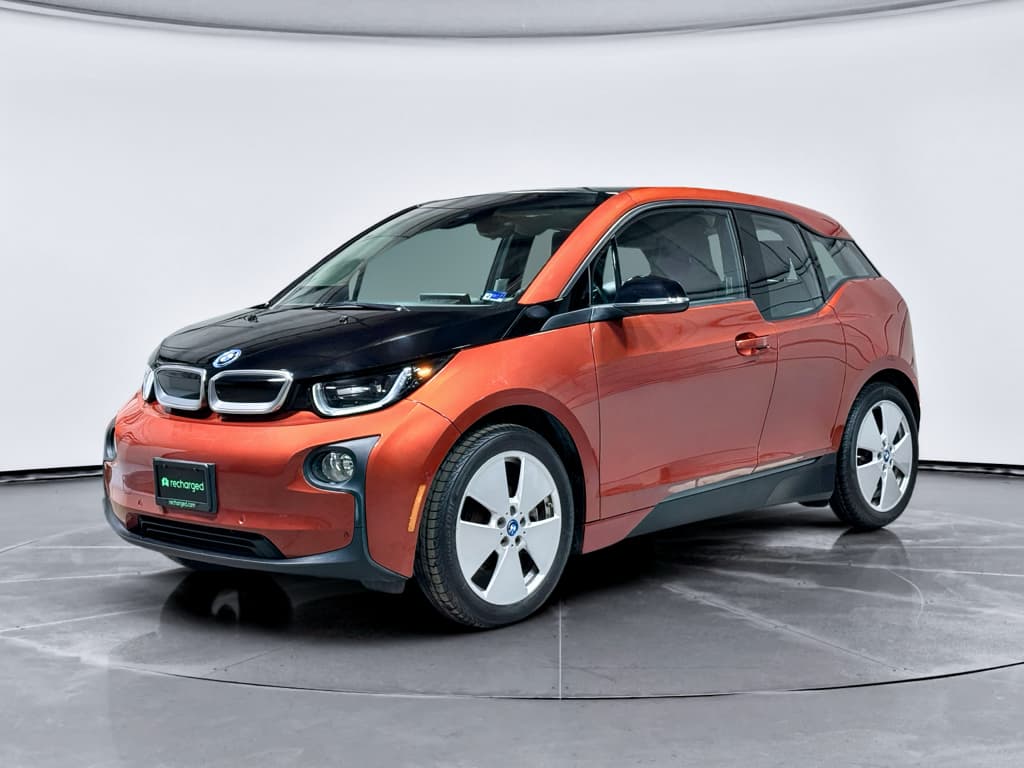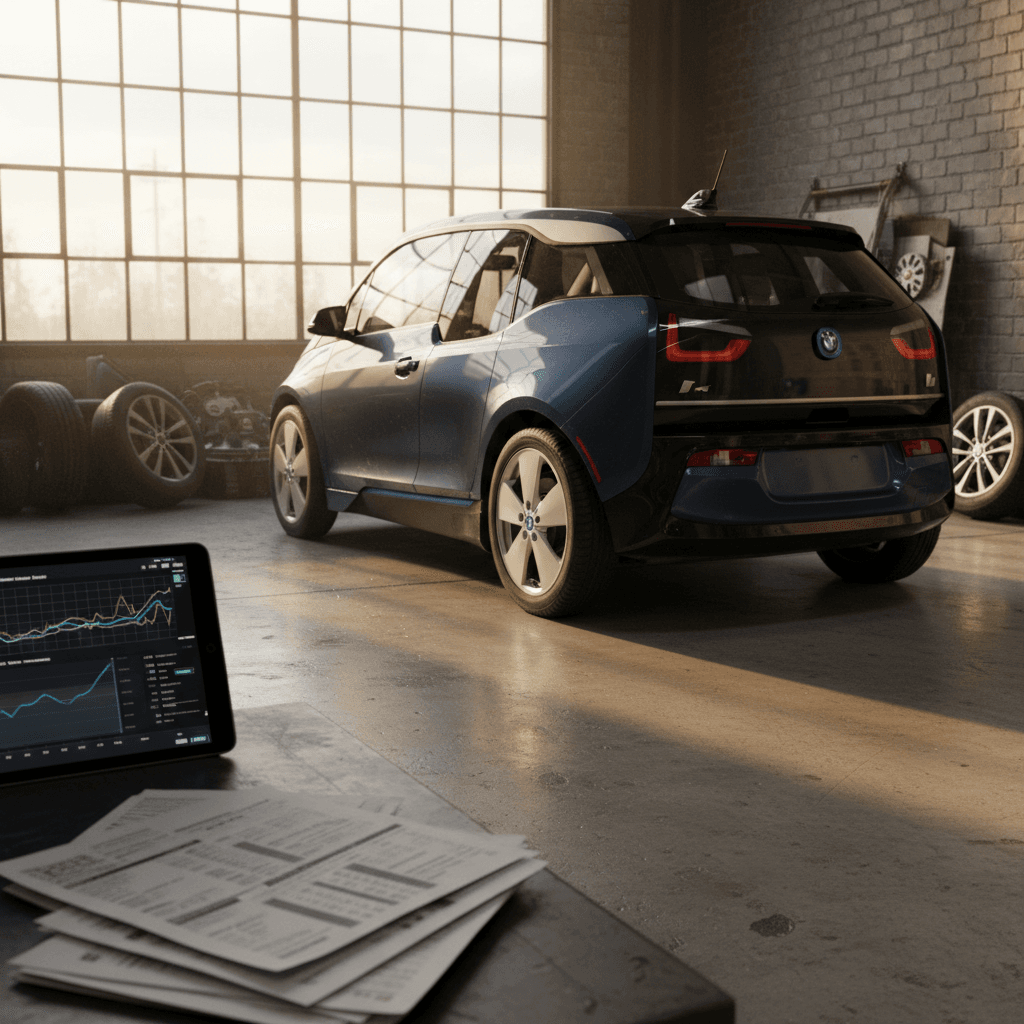
If you’re shopping for a compact EV with personality, the BMW i3 electric car should be on your shortlist. Because production ended in 2022 and depreciation has done its work, BMW i3 electric car prices on the used market in 2025 are often far lower than you’d expect for a premium-brand vehicle with this much technology.
Quick context
Why BMW i3 prices are so attractive now
The i3 launched as BMW’s first mass‑produced EV, with a carbon‑fiber structure, rear‑wheel drive, and a distinctive upright hatchback body. New, it carried a premium price tag. Fast‑forward to 2025: the newest i3 you can buy is already a few years old, and most are a decade old or close to it. That combination of age, discontinued status, and limited range versus newer EVs means used prices have dropped sharply.
BMW i3 price & value snapshot (2025)
Value sweet spot
Typical BMW i3 electric car price ranges in 2025
Exact pricing will always depend on your local market, mileage, condition, and options. But as of late 2025, here’s where BMW i3 electric car prices typically shake out in the U.S. retail market when you look at real‑world listings and transactions.
BMW i3 used price ranges by model year (U.S., late 2025)
Approximate asking prices for clean‑title, average‑mileage cars sold by dealers or well‑documented private sellers. Outliers at either extreme are always possible.
| Model years & type | Battery pack | Typical EPA range (new) | Approx. price range* | Notes |
|---|---|---|---|---|
| 2014–2015 i3 BEV | 60 Ah (≈22 kWh) | ≈81 mi | $7,000–$11,000 | Lowest prices; adequate for short urban commutes. |
| 2014–2015 i3 REx | 60 Ah + gas extender | ≈72 mi EV + gas | $8,000–$12,000 | Carries a price premium because of backup gas engine. |
| 2017–2018 i3 BEV | 94 Ah (≈33 kWh) | ≈114–117 mi | $11,000–$16,000 | Strong sweet spot for many buyers. |
| 2017–2018 i3 REx | 94 Ah + gas extender | ≈97–99 mi EV + gas | $12,000–$17,000 | Popular with suburban and rural buyers. |
| 2019–2021 i3 BEV | 120 Ah (≈42 kWh) | ≈153 mi | $16,000–$23,000 | Newest battery, longest range, highest prices. |
| 2019–2021 i3 REx | 120 Ah + gas extender | ≈126 mi EV + gas | $17,000–$24,000 | Rarest and most valuable i3 configuration. |
These ranges assume typical equipment and 60k–90k miles for older cars, 30k–60k miles for newer ones.
Important fine print
How battery size & range affect BMW i3 value
Three main battery sizes were offered in the BMW i3 over its life, and they’re a major driver of price because they define real‑world range and flexibility. Range‑extended (REx) models add a small gasoline generator, which also affects value.
BMW i3 battery evolution at a glance
Bigger batteries command higher prices but may not be necessary for every driver.
60 Ah (early cars)
2014–2016 i3, roughly 22 kWh gross. EPA range around 81 miles BEV, less for REx.
Today, these are the most affordable i3s. Great as a second car or short‑range commuter.
94 Ah (mid‑cycle)
2017–2018 i3, roughly 33 kWh gross. EPA range around 114–117 miles BEV.
This pack significantly improves flexibility and usually adds $3,000–$4,000 over similar 60 Ah cars.
120 Ah (final cars)
2019–2021 i3, roughly 42 kWh gross. EPA range about 153 miles for BEV models.
Best all‑around usability and strongest resale values, often priced like newer mainstream EVs.
BEV (battery‑only) pricing
Pure electric i3s (often just called "BEV" models) are simpler mechanically, lighter, and slightly more efficient. In markets with plenty of public charging or where you mainly do city miles, they usually offer the best bang for the buck.
On the used market, BEVs often sell for $1,000–$2,000 less than comparable REx cars of the same year and mileage because some buyers place a premium on having that gasoline backup.
REx (range‑extended) pricing
The i3 REx adds a small gasoline engine that maintains charge once the battery is low. It doesn’t turn the car into a long‑range cruiser, but it can save you from being stranded.
In regions with sparse DC fast charging, REx models frequently bring extra money on resale, especially with the larger 94 Ah and 120 Ah packs.
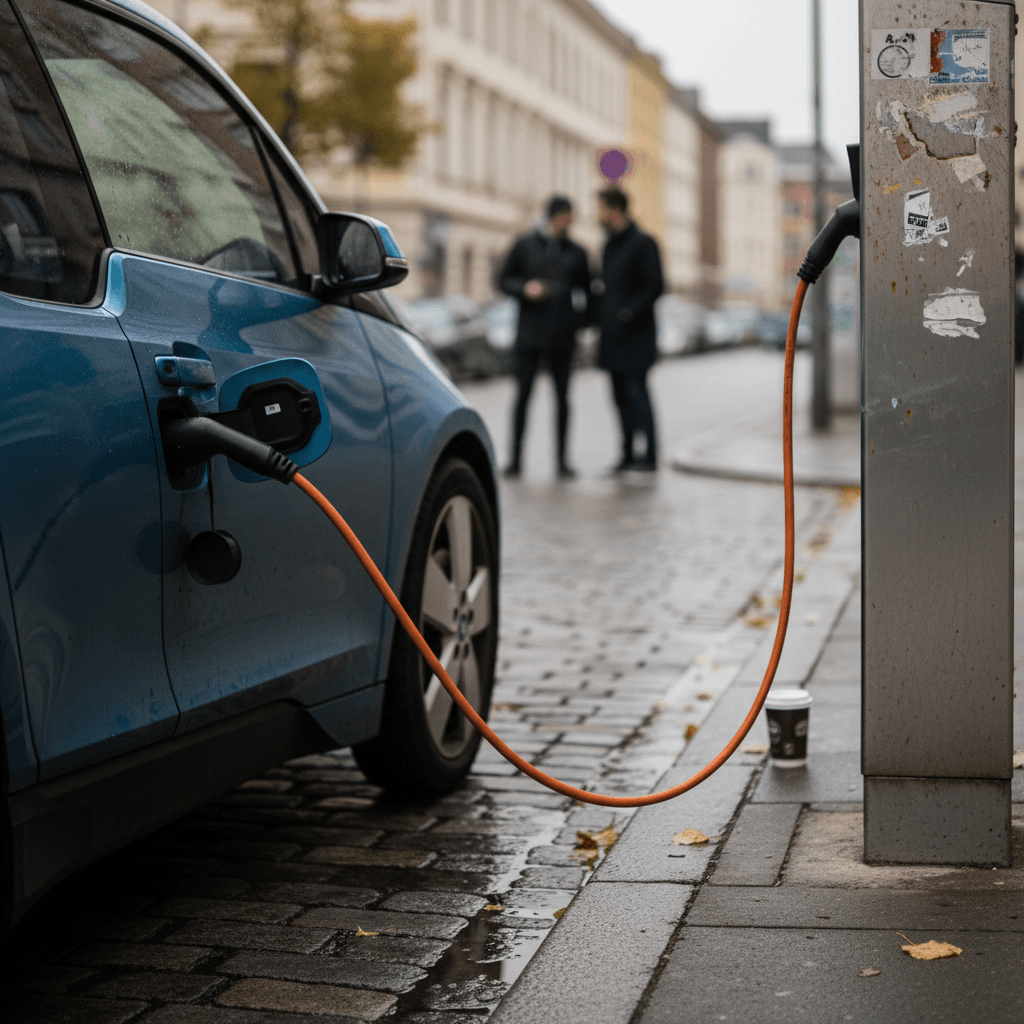
Watch real, not just rated, range
Other factors that move BMW i3 prices up or down
- Mileage: High‑miles i3s (100k+ miles) can be thousands cheaper, but buyers often discount for perceived battery wear and cosmetic aging.
- Options & trim: The "World" interior packages (Mega, Giga, Tera), larger wheels, parking tech, and Harman Kardon audio all influence desirability and price.
- Accident & repair history: Because the i3 uses a carbon‑fiber passenger cell, major repairs can be complex. Clean history and documented repairs matter.
- Region: In EV‑dense states like California, selection is wide and prices can be softer. In areas where EVs are still rare, a nice i3 may command a premium.
- Charging hardware: Cars that include a Level 2 home charger or have proven fast‑charging use can be more attractive to buyers who want a turn‑key setup.
Be cautious with flood or salvage cars
Cost to own a used BMW i3
Purchase price is only part of the story. The i3’s lightweight design and single‑speed electric drivetrain help keep running costs low, but you should still budget realistically.
Typical ongoing costs for a used BMW i3
Compared to gas cars, the i3 can be inexpensive to run if you buy carefully.
Electricity vs. gasoline
At average U.S. residential rates, many owners spend the equivalent of $0.03–$0.05 per mile on electricity, depending on local pricing and how efficiently they drive.
That’s often less than half the fuel cost of a comparable gas BMW 3 Series.
Maintenance & repairs
No oil changes and far fewer moving parts mean routine maintenance is modest: cabin filters, brake fluid, tires, and occasional brake service.
However, when something i3‑specific fails (like the charge port door or a high‑voltage component), repairs can be pricey at a BMW dealer.
Battery health & replacement
The original BMW high‑voltage battery warranty was generally 8 years/100,000 miles. Many early cars are now beyond that window.
Full battery replacement through BMW can cost many thousands of dollars, so you want evidence the existing pack is still healthy.
Insurance & incentives
Insurance costs depend on your record and region but are often similar to other small BMWs.
While new‑EV tax credits don’t apply, some states and utilities still offer rebates for installing home charging, which can cut setup costs.
Where Recharged fits in
Ready to find your next EV?
Browse VehiclesBMW i3 vs similar‑priced used EVs
If you’re comparing BMW i3 electric car prices to other used EVs in the $10,000–$20,000 range, you’ll likely cross‑shop cars like the Nissan Leaf, Chevy Bolt EV, and older Tesla Model S or 3 examples. The i3 is different enough that it helps to lay out the trade‑offs.
BMW i3 vs common similarly priced used EVs
High‑level comparison of what you typically get for a similar budget on the used market.
| Model | Typical price band (2025) | Typical range | Strengths | Potential drawbacks |
|---|---|---|---|---|
| BMW i3 | ≈$7,000–$24,000 | ≈81–153 mi | Premium interior, lightweight carbon structure, great city dynamics. | Limited range, unusual styling, discontinued model. |
| Nissan Leaf (2nd gen) | ≈$9,000–$20,000 | ≈150–226 mi | More range for the money, plentiful supply. | No active battery cooling on many models; faster degradation in hot climates. |
| Chevy Bolt EV (early years) | ≈$13,000–$22,000 | ≈238 mi | Excellent range, strong efficiency, familiar hatchback layout. | Battery recall history means you must verify recall work and software updates. |
| Older Tesla Model S / 3 | ≈$18,000–$30,000+ | ≈200–300+ mi | Long range, access to Supercharger network (varies by model), strong performance. | Higher prices, complex tech, repairs can be costly outside warranty. |
Specific prices vary by year and spec, but this gives a sense of value positioning.
Who the i3 suits best
How to shop smart for a used BMW i3
Essential steps before you agree on price
1. Decide on battery size and REx vs BEV
Be honest about your driving. If most days are under 40–50 miles and you have home charging, a cheaper 60 Ah BEV can work. If you regularly stretch beyond 80–100 miles or lack charging at one end of your commute, target a 94 Ah or 120 Ah car, ideally with the REx.
2. Check real‑world range and SOH
Ask the seller for recent photos of the dash showing estimated range at 100% charge in typical weather. When possible, get a battery State of Health (SOH) report or use a third‑party service that can read pack data from the OBD port.
3. Review charging history and options
A car that lived on gentle overnight Level 2 charging is often a better bet than one fast‑charged to 100% daily. Confirm that DC fast charging is fitted (it became standard in the U.S. for 2015+) and make sure you receive at least the portable Level 1 cord.
4. Inspect for accident or structural repairs
Look closely at panel gaps, paint overspray, and the cargo‑area floor. Because of the i3’s carbon‑fiber structure, walk away from anything with questionable crash repairs unless documentation proves the work was done to BMW standards.
5. Compare asking price to the broader market
Don’t evaluate a single listing in a vacuum. Look at several comparable i3s across your region by year, mileage, battery, and equipment so you know whether a particular car is fairly priced, high, or suspiciously cheap.
6. Consider professional evaluation
If EVs are new territory, a pre‑purchase inspection from an EV‑savvy shop, or buying via a platform like <strong>Recharged</strong> that includes independent battery diagnostics, can pay for itself by helping you avoid a problem car.
"The BMW i3 remains one of the most interesting used EV values on the market, premium where it counts, but often priced like an economy car."
FAQ: BMW i3 electric car price & value
Frequently asked questions about BMW i3 prices
Bottom line: is a used BMW i3 worth it?
If you’re drawn to the BMW i3’s design and you understand its range limits, today’s BMW i3 electric car prices make it one of the most intriguing used‑EV deals on the market. You get a premium badge, a distinctive carbon‑fiber city car, and running costs that can undercut similar gas vehicles, often for well under $20,000.
The key is buying with your eyes open: choose the right battery size for your lifestyle, insist on evidence of strong battery health, and compare pricing against similar cars across the broader market. Partnering with an EV‑focused retailer like Recharged, with battery‑health reporting, fair‑market pricing, and nationwide delivery, can turn what might feel like a gamble into a confident, data‑backed decision.