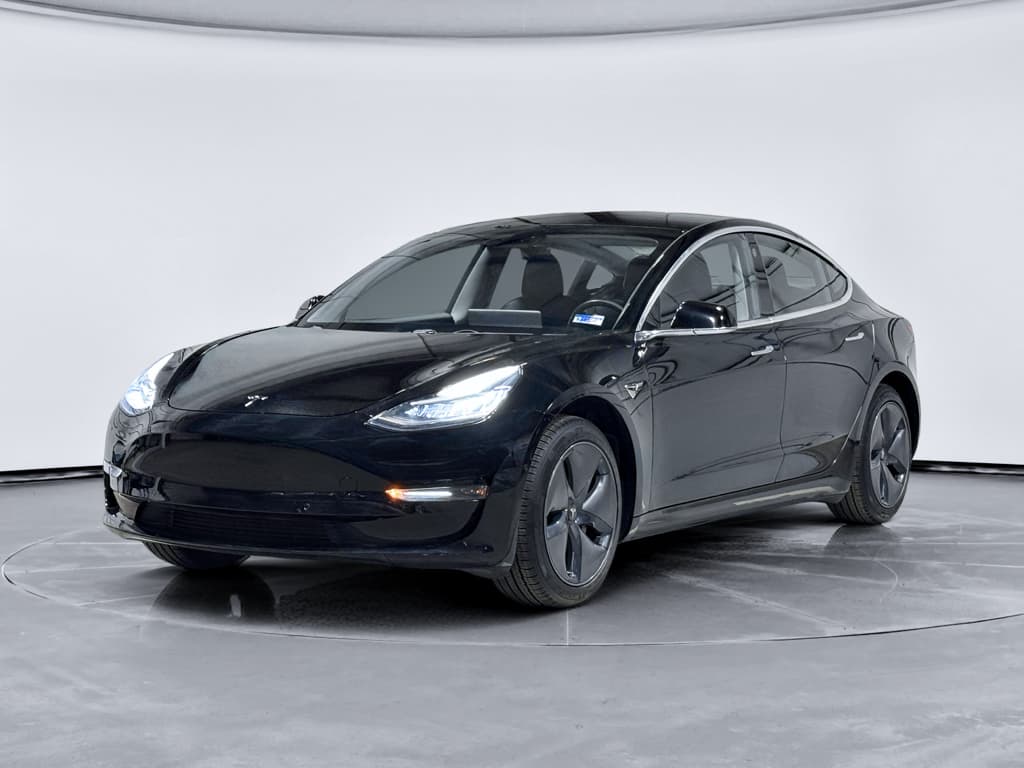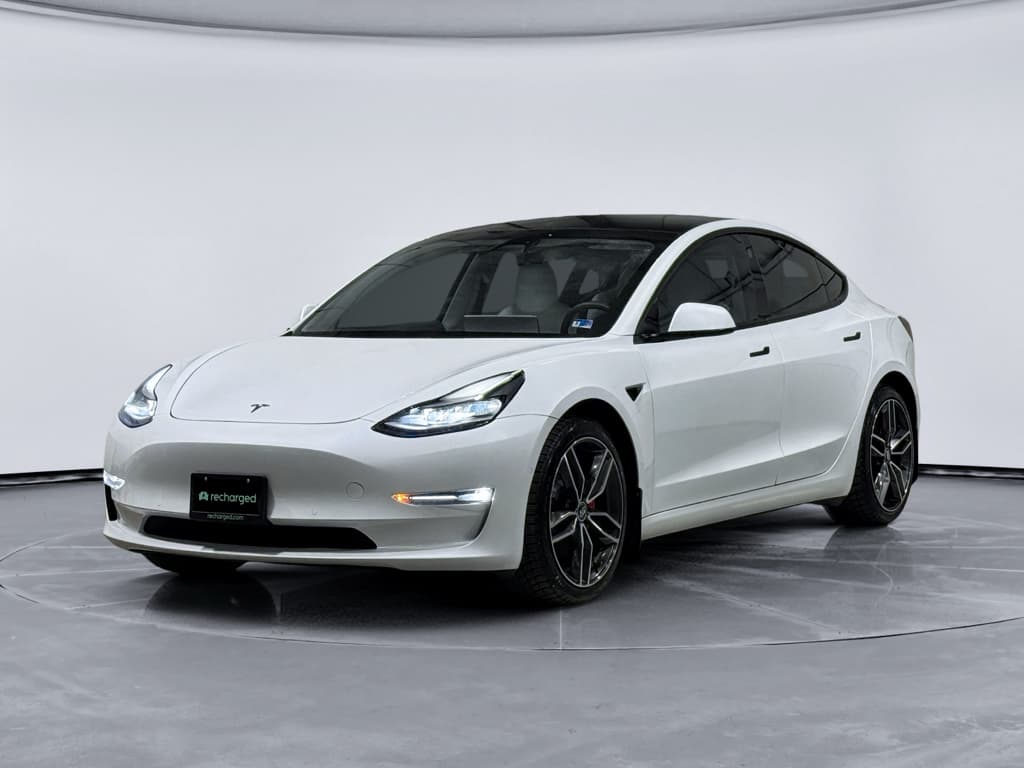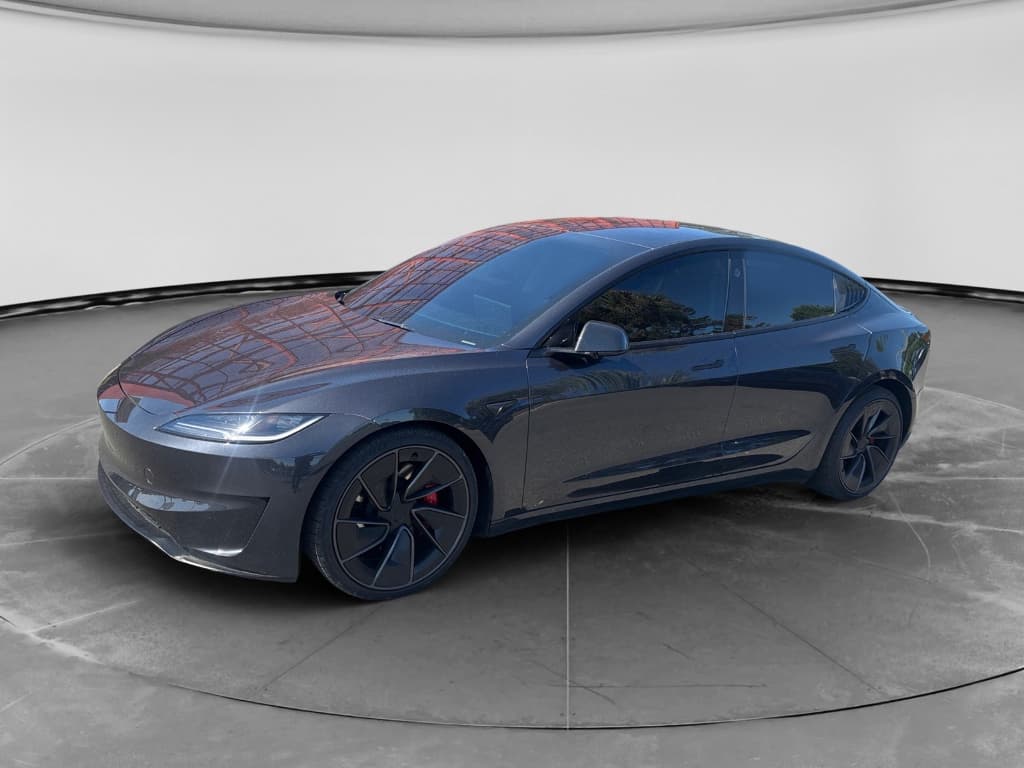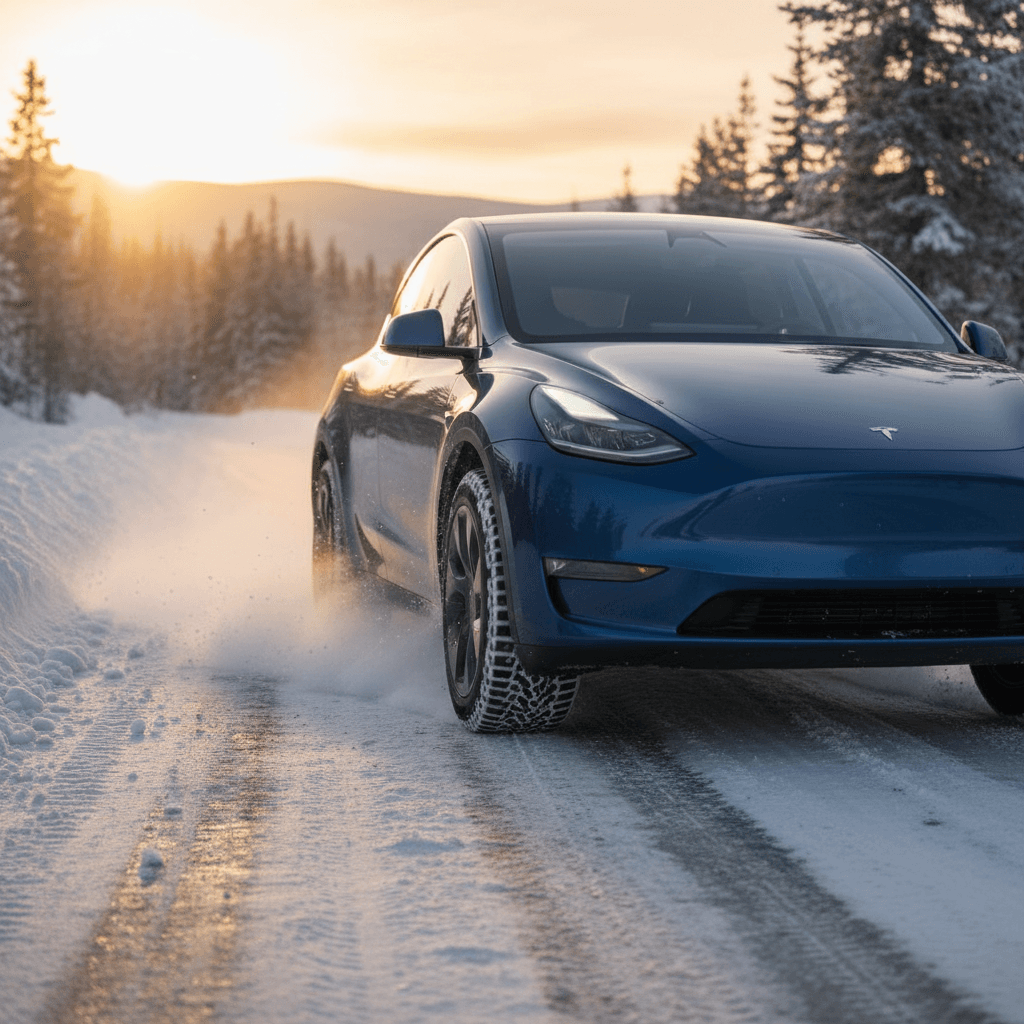
If you daily a Tesla Model 3 anywhere that sees real winter, dedicated winter tires are one of the most important safety upgrades you can buy. The Model 3’s instant torque, relatively heavy battery pack, and often wide, low-profile factory rubber make it especially sensitive to cold-weather traction. In this guide, we’ll break down the best winter tires for the Tesla Model 3, how they affect range and comfort, and how to choose the right setup for your climate and driving style.
Quick takeaway
Why winter tires matter on a Tesla Model 3
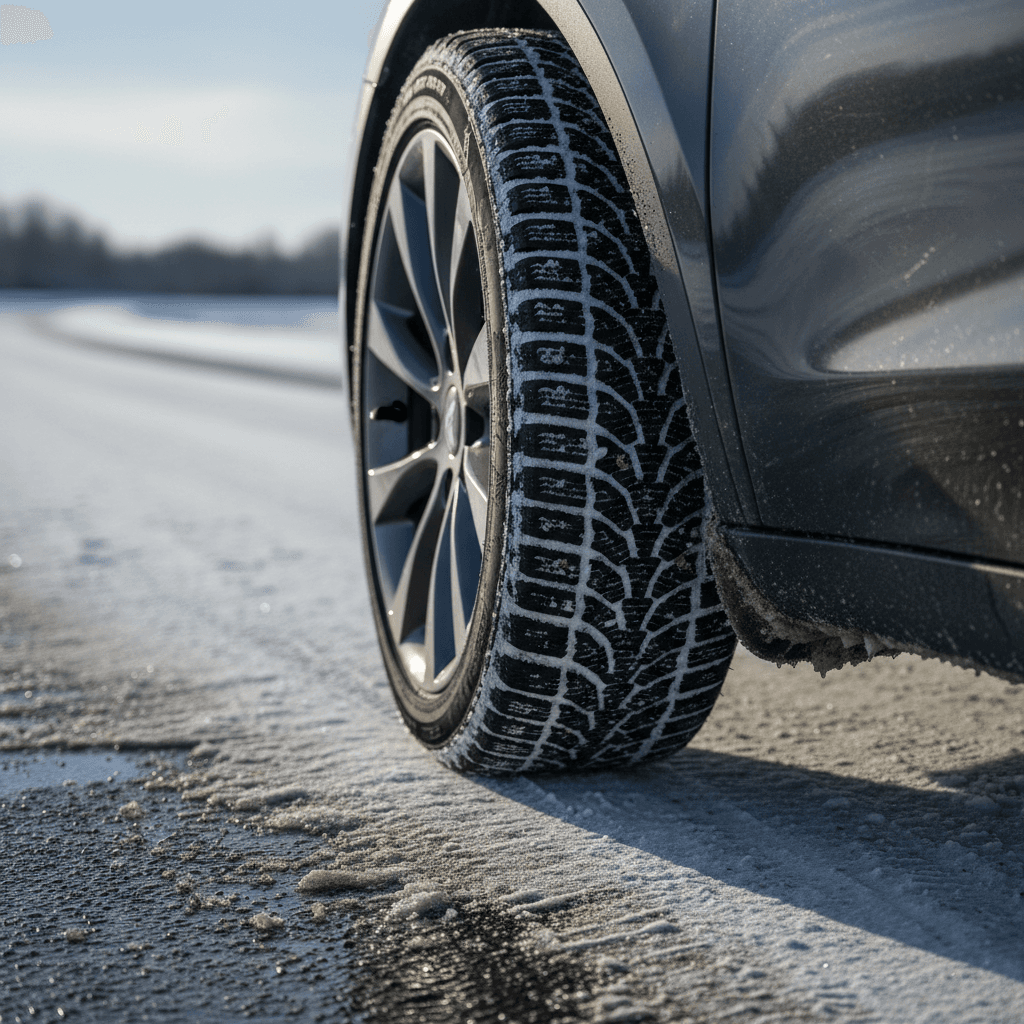
Tesla’s own owner’s manual is blunt: summer and even many all‑season tires don’t provide adequate traction in cold, snowy, or icy conditions. Below about 40°F (5°C), the rubber compounds used in performance and summer tires harden, dramatically reducing grip and increasing stopping distances. True winter tires use softer, silica‑rich compounds and aggressive siping to stay flexible and bite into snow and ice.
- Shorter stopping distances on snow and ice compared with all‑season tires
- More predictable traction when instant EV torque would otherwise overwhelm cold rubber
- Better ability for ABS, traction control, and stability systems to do their job
- Less white‑knuckle driving on slushy highways or unplowed side streets
Don’t rely on electronics alone
Tesla Model 3 winter tire sizes and basics
Before you can choose the best winter tires for your Tesla Model 3, you need to know your wheel size and tire specs. From the factory, most Model 3 variants in North America use one of three sizes:
Factory Tesla Model 3 wheel and tire sizes
Common wheel and tire sizes you’ll be converting to winter tires.
| Wheel size | Typical factory tire size | Common winter upgrade notes |
|---|---|---|
| 18" Aero | 235/45R18 | Most popular winter size; easy to downsize to 18" on many trims for more sidewall and better winter compliance. |
| 19" Sport/Gemini | 235/40R19 | Can keep 19" for winter, but many owners step down to 18" wheels for more sidewall and lower replacement cost. |
| 20" Performance | 235/35R20 front, 275/30R20 rear | Generally recommended to switch to a square 18" or 19" winter setup, narrower tires improve snow performance and reduce wheel damage risk. |
Always confirm your exact size on the door‑jamb label or existing tires before ordering.
Check your door‑jamb label
For winter duty, many Model 3 owners intentionally go to a slightly narrower tire on a smaller wheel diameter (for example, moving from 19" to 18"). Narrower tread cuts through slush better, and the added sidewall protects wheels from potholes and gives the car a more forgiving ride over frozen ruts.
Best winter tires for Tesla Model 3: top picks
There isn’t a single “best winter tire for every Tesla Model 3.” Your climate, driving style, wheel size, and budget all matter. Below are well‑regarded models that are commonly available in Model 3‑friendly sizes like 235/45R18 and 235/40R19. Always confirm exact fitment with your tire shop before buying.
Top true winter tires for strong snow and ice performance
Best for drivers who regularly see packed snow, black ice, and sub‑freezing temperatures.
Nokian Hakkapeliitta R5
One of the benchmarks for non‑studded winter performance. The Hakkapeliitta line is engineered specifically for harsh Nordic winters.
- Excellent ice and deep‑snow traction
- Quiet for an aggressive winter tire
- Available in common Model 3 sizes
Ideal if you live in the Snow Belt and prioritize maximum safety over absolute range or tread life.
Continental VikingContact 7
A well‑balanced winter tire that performs strongly on snow and ice while retaining decent wet‑road manners.
- Grippy compound that stays flexible in extreme cold
- Confident braking on ice and packed snow
- Often praised for predictable handling
Great choice if you split time between plowed highways and sketchier back roads.
Bridgestone Blizzak WS/ IcePeak line
Bridgestone’s Blizzak family has long been a go‑to for winter traction. The latest IcePeak‑branded versions bring improved ice braking and longevity.
- Exceptional stopping distances on ice
- Very forgiving in low‑grip situations
- Widespread availability and EV‑friendly sizes
Especially attractive if you want a widely supported, easy‑to‑find winter option.
Budget and all‑weather winter options
For milder climates or cost‑conscious drivers who still want a real winter upgrade.
Falken Winterpeak F-Ice 1
A strong value‑oriented winter tire that still carries the 3‑Peak Mountain Snowflake rating.
- Good snow and ice traction for the price
- Can be studded where legal for extra bite
- Available in many Model 3‑friendly sizes
Ideal if you want dedicated winters without paying top‑shelf prices.
Michelin X-Ice Snow
A premium winter tire that emphasizes longevity and low rolling resistance.
- Excellent ice braking and wet‑road grip
- Often quieter and more efficient than aggressive rivals
- Good match for long‑range commuters
Great if you want winter confidence with minimal hit to efficiency.
All‑weather 3PMSF tires
Tires like the Michelin CrossClimate 2 and similar “all‑weather” models carry the 3‑Peak Mountain Snowflake symbol while remaining usable year‑round.
- Better winter grip than traditional all‑seasons
- Convenience of one set of tires
- Not as capable as true winters on ice
Best if you only see occasional snow but still want a serious cold‑weather upgrade.
Avoid ultra‑high‑performance summers in winter
Range, noise, and comfort: what to expect
Every tire choice on an EV is a trade‑off between grip, efficiency, and comfort. Winter tires change the Model 3’s behavior in a few noticeable ways:
- Range: Winter tires typically reduce efficiency versus low‑rolling‑resistance all‑seasons. In real‑world driving, expect roughly a 5–15% hit from tires alone, plus additional winter range loss from cold batteries and cabin heating.
- Noise: Aggressive winter tread blocks and siping can generate more road noise, especially on dry pavement. Premium models like Michelin X‑Ice and Nokian R5 tend to be quieter.
- Ride comfort: If you move from 19" or 20" wheels down to 18" for winter, the added sidewall usually makes the car more compliant over potholes and frost heaves.
- Handling feel: Steering may feel slightly less sharp on dry roads because the tread blocks deform more. That’s normal, and a fair trade for dramatically better grip on snow and ice.
Winter range is more than just tires
Wheels, sensors, and TPMS for winter sets
The best winter tires for your Tesla Model 3 are only half the equation. Many owners choose a dedicated winter wheel and tire package so they can swap sets at home and avoid remounting tires twice a year.
What to include in a Model 3 winter wheel package
Correct wheel size and offset
Tesla lists 18x8.5J and 19x8.5J as common wheel specs for the Model 3. Aftermarket winter wheels should match offset and bolt pattern so they clear the brakes and suspension without rubbing.
BLE TPMS sensors
Newer Model 3s use Bluetooth Low Energy (BLE) tire‑pressure sensors. If you’re building a second set of wheels, include compatible TPMS so you don’t have warning lights all winter.
Square setup for simplicity
Most owners run the same width and tire size at all four corners in winter. It simplifies rotation and helps the car behave more predictably on low‑grip surfaces.
Hub‑centric fitment and proper hardware
Ensure the wheels are hub‑centric and that you use correct lug nuts and torque. Your owner’s manual specifies the torque; many shops can print it on the work order.
Room to clear chains (if needed)
If you expect to use chains in the mountains, verify that your wheel and tire combo has enough inner clearance for Tesla‑approved chains.
Factory winter packages as a benchmark
Chains, studs, and extreme winter setups
If you live in the mountains or face steep, unplowed roads, you may need more than just winter tires. Tesla approves specific snow‑chain models for the Model 3 and allows studded tires where they’re legal, but both options come with caveats.
Snow chains
Chains dramatically boost traction in deep snow and on ice, but they’re intended for low‑speed, temporary use.
- Only install chains on the rear axle on a Model 3, and only on Tesla‑approved sizes.
- Remove aero wheel covers before installing to avoid damage.
- Keep speeds low and remove chains once you reach clear pavement.
Studded and studdable tires
Some winter tires (like Falken Winterpeak F‑Ice 1) can accept studs for extreme ice traction in states where they’re legal.
- Outstanding grip on hard‑packed snow and ice
- More noise and potential road‑wear; often restricted seasonally
- Usually overkill for plowed urban or suburban driving
Know your local laws
How to choose the right winter tires for you
You don’t need to be a tire engineer to make a smart choice. Start with your climate and driving pattern, then work backward to the right level of winter capability, and budget.
Model 3 winter tire recommendations by driver type
Snow‑belt commuter (frequent storms, plowed roads)
Prioritize non‑studded true winters like Nokian Hakkapeliitta R5, Continental VikingContact 7, or Michelin X‑Ice Snow.
Run a square 18" setup with 235/45R18 tires for cost, comfort, and snow performance.
Consider a second set of wheels with BLE TPMS for easy seasonal swaps.
Occasional snow / mixed climate
Look at premium all‑weather 3PMSF tires such as Michelin CrossClimate 2, especially if you don’t want two separate sets.
If you see a few big storms each year, true winters still offer a clear safety margin on ice.
Stick with your factory wheel size if you don’t want to invest in extra wheels.
Mountain and ski‑trip driver
Choose aggressive winter tires (Blizzak, Nokian) and carry Tesla‑approved chains for high‑country passes.
Downsize to 18" wheels with narrower tires to improve deep‑snow performance and protect against potholes.
Plan charging stops with extra buffer; climbing in cold weather on winter tires can increase consumption.
Urban driver, light snow
All‑weather 3PMSF tires can be “good enough” if your city plows quickly and you rarely see ice.
If you park outside and deal with black ice in the mornings, step up to true winters for peace of mind.
Focus on quieter, more efficient winter tires to keep the daily driving experience comfortable.
Match your tires to your EV plans
Winter tire maintenance and storage tips
Once you’ve invested in the best winter tires for your Tesla Model 3, a bit of basic care will help them last multiple seasons and perform consistently.
Keep your Model 3 winter tires working their best
Monitor tire pressures
Cold weather can drop tire pressures by several PSI. Check them regularly and adjust to the recommendations on your door‑jamb label. Under‑inflation hurts range and handling; over‑inflation reduces grip.
Rotate every 5,000–7,500 miles
EVs are hard on tires. Regular rotation evens out wear and preserves snow and ice traction across all four corners.
Inspect tread depth before each season
Winter tires lose much of their advantage once tread depth falls below about 5/32". If you’re close to that heading into winter, budget for a replacement set.
Store properly in the off‑season
When you switch back to summer or all‑season tires, clean your winter set, bag them, and store in a cool, dry place away from sunlight and ozone (like electric motors or furnaces).
Update tire configuration in the car
After mounting new tires or wheels, use the Service menu on your Tesla touchscreen to reset the tire configuration so the car can recalibrate traction and regenerative braking behavior.
FAQ: Tesla Model 3 winter tires
Frequently asked questions about Model 3 winter tires
The bottom line on Model 3 winter tires
The best winter tires for your Tesla Model 3 are the ones that match your climate, driving style, and long‑term plans for the car, but almost any quality 3PMSF‑rated winter tire is a huge upgrade over running summer or basic all‑seasons in the cold. If you routinely see snow and ice, a dedicated set of winter tires on properly sized wheels turns the Model 3 from “barely manageable” to “confident and predictable,” especially under hard braking.
When you’re comparing used Model 3s, whether in local classifieds or on a purpose‑built EV marketplace like Recharged, treat winter tires and wheel packages as part of the overall value equation, just like battery health and charging equipment. A car that comes with a thoughtful winter setup often belonged to an owner who understood EVs and cared about safety. That’s exactly the kind of car you want to live with when the roads turn white.