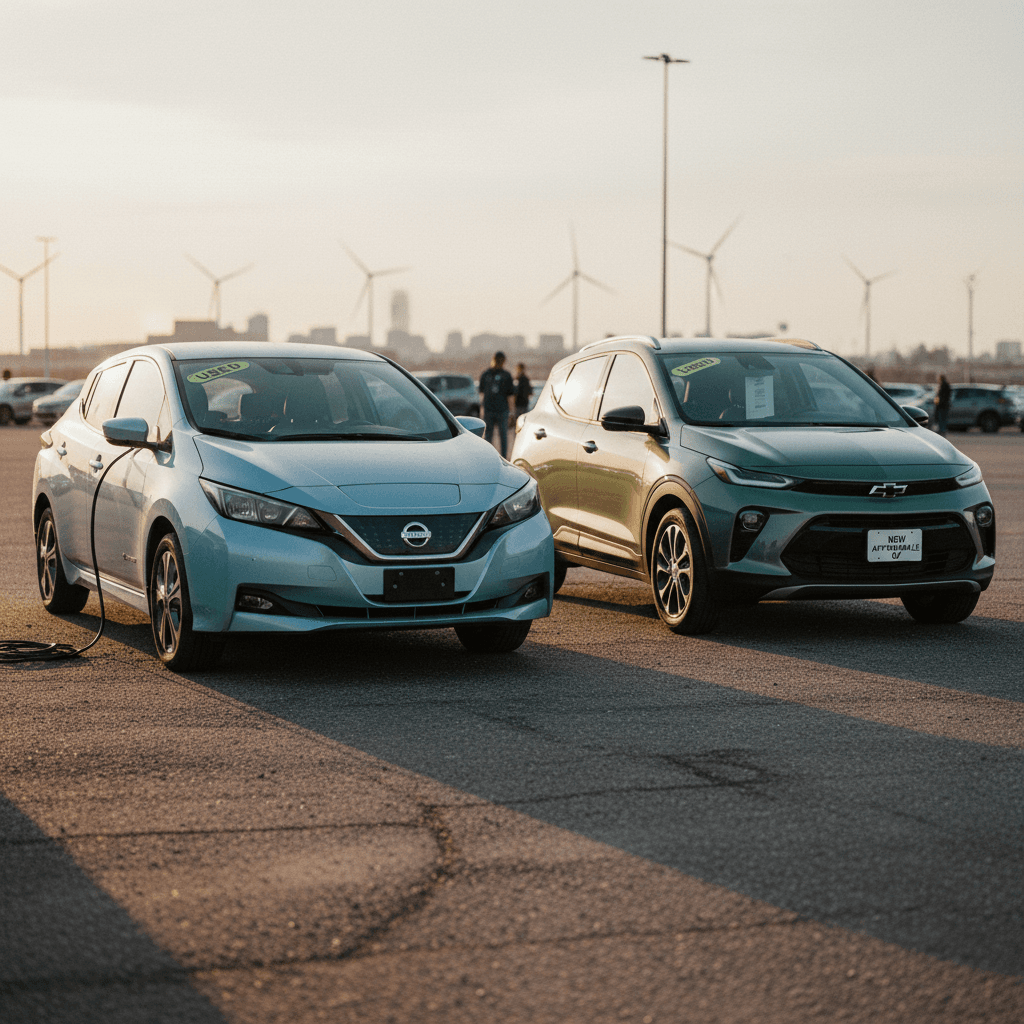
If you’re hunting for the best value EV in 2025, you’ve already figured out the hard truth: cheap and good are not the same thing. A low sticker price can hide a tired battery, obsolete charging tech, or resale value that falls faster than a phone’s battery in January. Value, in EV land, is about how much real car you get per dollar over the next 5–10 years, not just the deal you strike on delivery day.
Value ≠ bargain-bin
Why the “best value EV” isn’t just the cheapest
Open any list of “cheapest electric cars” and you’ll see familiar names: Nissan Leaf, Fiat 500e, Hyundai Kona Electric, a smattering of budget crossovers, and the looming return of the Chevrolet Bolt with sub‑$30,000 pricing and roughly 250 miles of range. These are impressive numbers on paper, especially now that many new EVs start north of $40,000. But MSRP alone does not make a best value EV.
- An inexpensive EV with short range and slow DC charging can age quickly as infrastructure and expectations move on.
- A car that uses an older fast‑charging standard (CHAdeMO, in the case of the Leaf) may be harder to fast‑charge on road trips.
- Some premium EVs that were $60,000+ new now sit in the mid‑$20,000s used, with more range, better tech, and better crash performance than the cheap new stuff.
So when we talk about “best value,” we’re looking at a cocktail of factors: purchase price, battery health, real‑world range, charging convenience, warranty coverage, and resale value. With that in mind, let’s look at the standouts in 2025.
EV value in 2025, by the numbers
Best value new EVs in 2025
Among new vehicles, “best value EV” usually means acceptable range, solid efficiency, and modern charging hardware at a realistic price. Think more Costco than boutique wine bar.
Best value new EVs in 2025 (U.S.)
Approximate base prices and ranges; actual MSRP and EPA figures vary by trim and options. Always confirm current specs before you buy.
| Model (2025) | Type | Approx. Base MSRP | EPA Range (mi) | Why it’s a value pick |
|---|---|---|---|---|
| Nissan Leaf | Compact hatch | $28k–$29k | ~149–212 | Still one of the lowest MSRPs; great for short commutes, but CHAdeMO charging is aging. |
| Fiat 500e | City car | ~$30k–$32k | ~115–145 | Charming urban runabout; ideal second car if you don’t need long‑range capability. |
| Hyundai Kona Electric | Subcompact SUV | ~$34k | ~200–260 | Strong range for the money and a practical crossover form factor. |
| Chevrolet Equinox EV | Compact SUV | ~$35k | ~250–300 | Spacious, long range, and designed as a mainstream family EV from day one. |
| Hyundai Ioniq 6 | Midsize sedan | High‑$30ks | ~240–340 | Super‑efficient aero sedan with road‑trip‑friendly range and fast charging. |
New EVs that stretch your dollar without feeling like penalty boxes.
The new Bolt wildcard
When a new EV makes sense
- You want the latest safety tech and driver‑assist features.
- You qualify for state or local EV incentives that heavily favor new purchases.
- You plan to keep the car for 8–10 years and want full original warranty coverage.
- You drive relatively modest mileage and value predictable ownership over rock‑bottom pricing.
When a used EV is better value
- You want more range and space than entry‑level new EVs offer at the same price.
- You’re comfortable buying a 3–6‑year‑old vehicle if the battery is verified healthy.
- You plan to keep the car for 3–6 years, not forever.
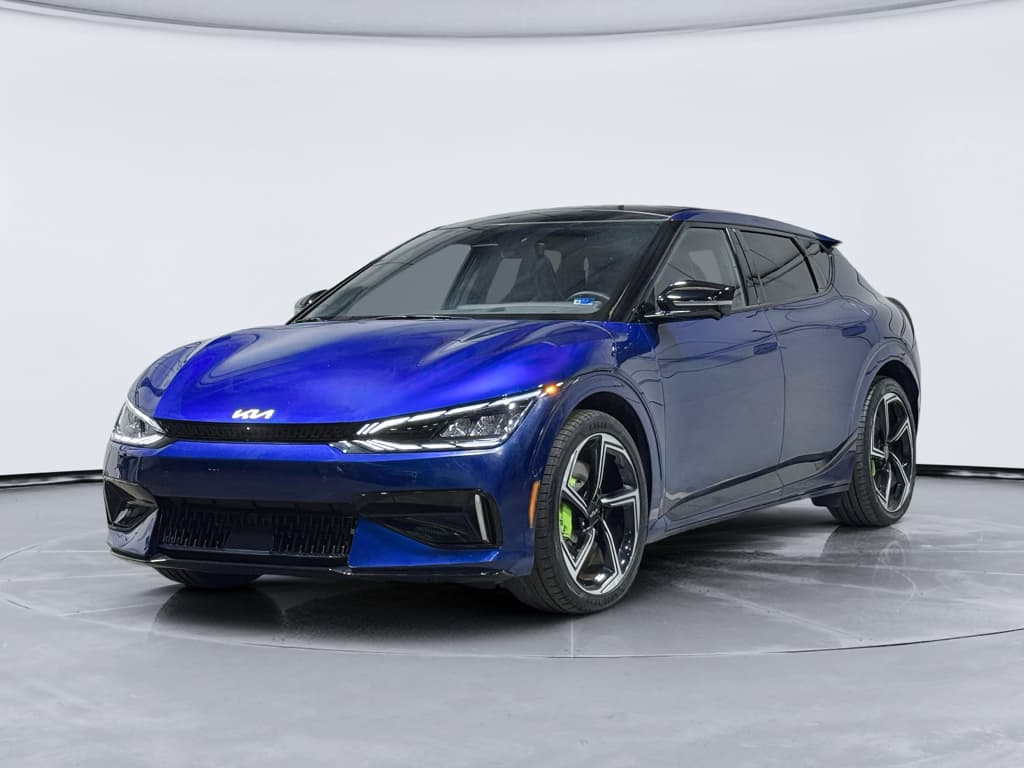
- You’re open to premium brands (Tesla, Kia EV6, Polestar, Cadillac Lyriq) once depreciation has taken the big hit.
Why used EVs are the true value play
Here’s the part most dealership ads gloss over: in 2025, the best value EV is very often a used one. Early adopters already paid for the privilege of driving the first three years off the depreciation curve. You get the leftovers, in the best possible sense.
Look where the depreciation hurts most
What you gain with a high‑value used EV
Why “slightly pre‑loved” often beats brand‑new bargain models.
More range per dollar
Faster charging
Safety & tech
Best value used EVs: a 2025 shortlist
At Recharged we see patterns in the cars people keep, the ones they dump early, and the ones that get snapped up the moment they hit the site. A few models consistently look like best value EV contenders on the used market right now.
Used EVs that punch above their price
Typical U.S. used‑market pricing as of late 2025 for clean‑title, average‑mileage examples. Local prices and incentives vary.
| Model (used) | Typical price range* | Rough EPA range when new | Why it’s a value hero |
|---|---|---|---|
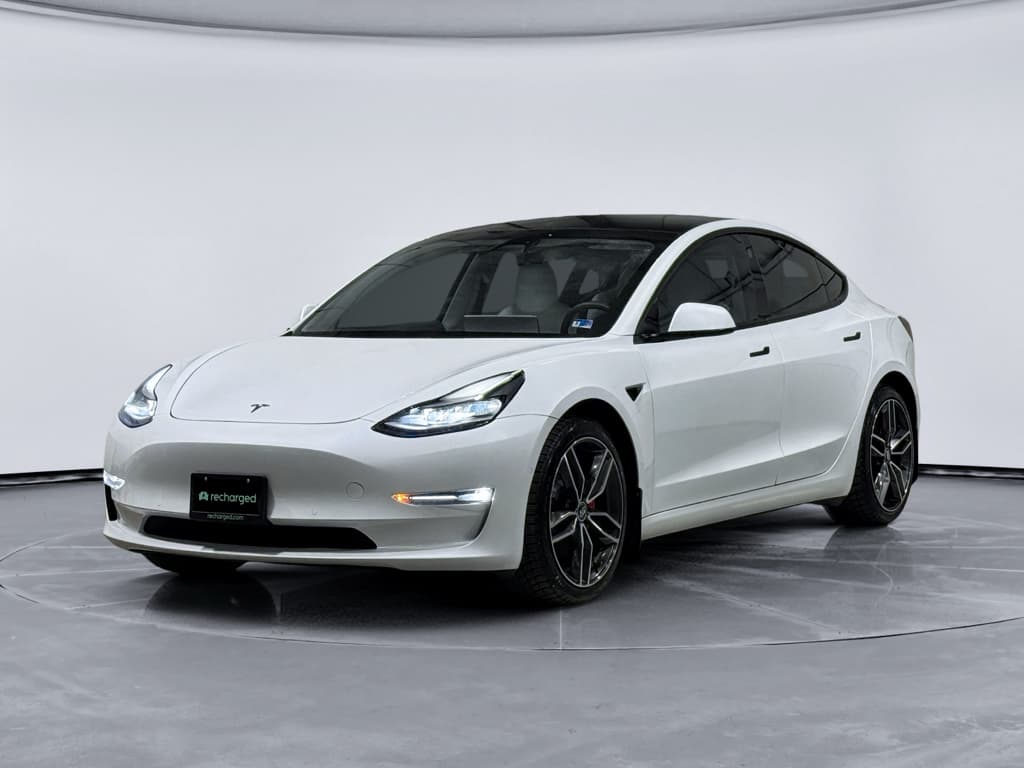
| Tesla Model 3 RWD / Long Range (2018–2022) | Mid‑$20ks to low‑$30ks | ~240–358 mi | Huge charging network access, efficient, mature platform, and still feels modern inside. |
| Hyundai Kona Electric (2019–2023) | High‑teens to mid‑$20ks | ~250–258 mi | Excellent efficiency, compact SUV shape, and often still under battery warranty. |
| Kia EV6 (early model years) | Low‑$30ks | ~232–310 mi | 800‑volt fast charging, stylish inside and out, and a sweet spot between performance and comfort. |
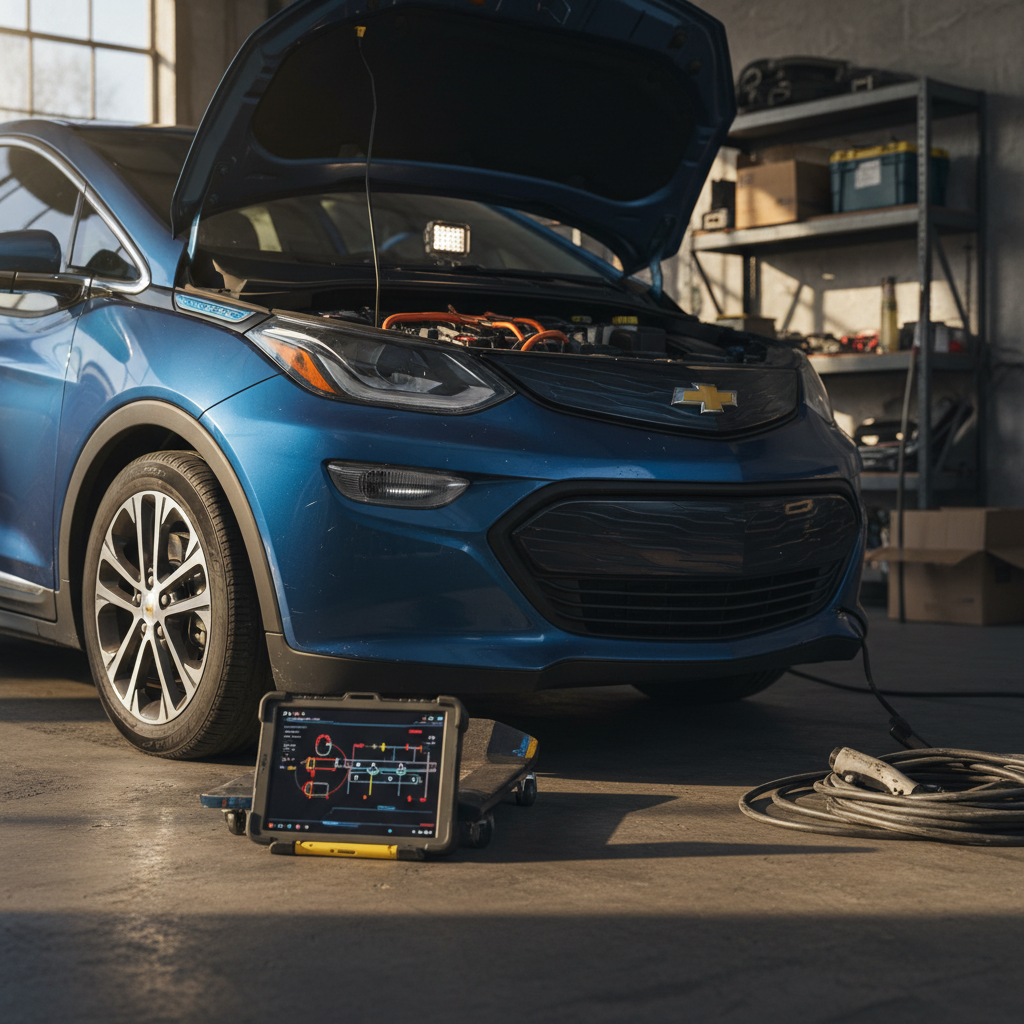
| Chevrolet Bolt EV / EUV (2019–2023) | Mid‑teens to low‑$20ks | ~238–259 mi | Brilliant commuting appliance with solid range; battery recalls mean many packs are newer than the car. |
| Polestar 2 | Mid‑$20ks to low‑$30ks | ~240–320 mi | Understated premium cabin, good range, and big early‑adopter depreciation working in your favor. |
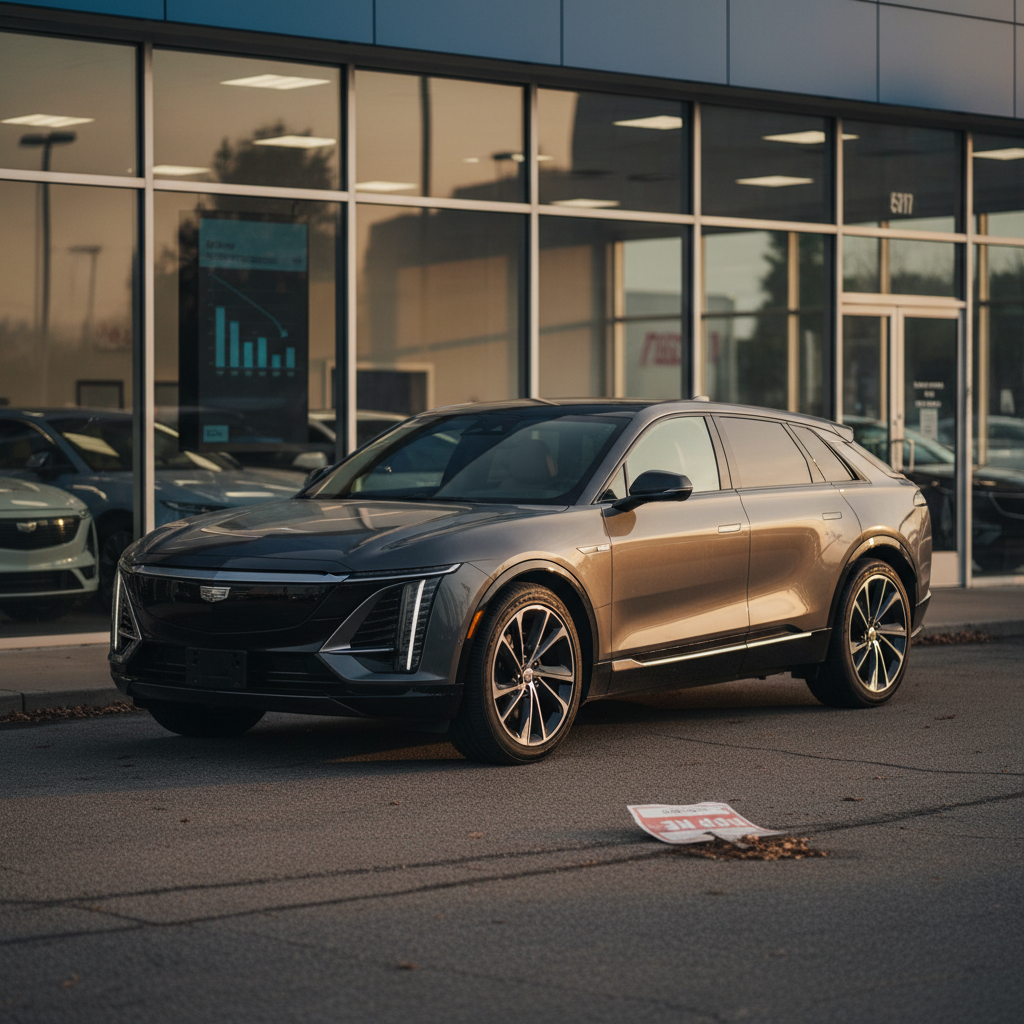
| Cadillac Lyriq (early build) | High‑$30ks | ~300+ mi | Luxury EV experience at a big discount versus new, with long‑range and upscale cabin materials. |
These are the cars that often deliver the most real‑world EV for the money.
About those price ranges
Battery health: the make-or-break factor
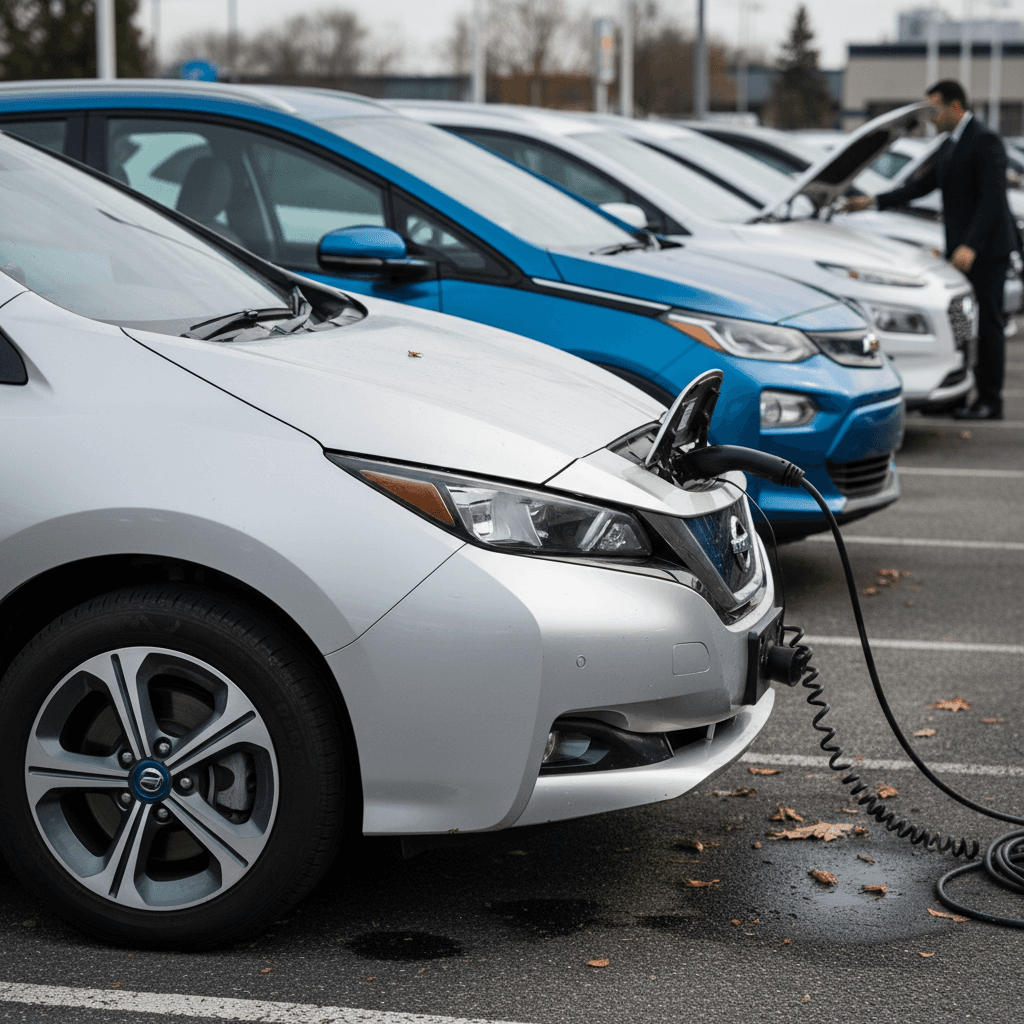
With gas cars, you worry about head gaskets and transmissions. With EVs, it’s the battery pack that keeps you up at night. A great‑on‑paper deal can turn sour if the battery has lost a big chunk of its capacity. Conversely, a fairly priced used EV with a verified healthy pack might be the best value EV you’ll ever own.
- Most modern EVs lose only a few percent of capacity in the first couple of years, then degrade slowly if treated well.
- Fast charging, extreme heat, and constant 100% charges can accelerate degradation, but the effect varies hugely by chemistry and brand.
- Battery replacement is expensive enough that you should assume you’ll never do it; instead, buy the car whose pack you trust.
Where Recharged fits in
If you’re buying elsewhere, insist on a detailed battery report, not just, “It says 240 miles on the screen.” At a minimum, compare the car’s current maximum displayed range at 100% to its EPA rating when new and adjust your expectations, and price, accordingly.
Ownership costs that matter more than MSRP
To find the best value EV for you, zoom out from the purchase price and look at the full picture. EVs are cheap to “fuel” but can be expensive to insure and repair. The trick is to balance the ledger.
Six cost factors that decide EV value
Ignore any salesman who only talks about monthly payment.
Home charging
Electric rates
Insurance
Maintenance & tires
Incentives & taxes
Resale value
Don’t count on tomorrow’s incentives
How to evaluate an EV’s value in 10 minutes
Here’s a quick, repeatable framework you can use on any listing, whether it’s a new lease deal or a used EV on a marketplace site.
10‑minute best value EV checklist
1. Compare price to original MSRP
Look up what the car cost new. Has it dropped at least 30% after 3–4 years? If not, there may be better value elsewhere unless demand is unusually strong.
2. Check real range vs your life
Estimate your daily mileage and worst‑case road‑trip scenario. If the car’s <strong>usable</strong> range is less than 2× your daily need, you may resent it within a year.
3. Verify battery health
Ask for a battery health report or a Recharged Score‑style diagnostic. Walk away from sellers who hand‑wave this part.
4. Look at charging compatibility
Does it use CCS or NACS, or an older standard like CHAdeMO? How many compatible fast chargers exist on your typical routes?
5. Run insurance quotes
Take 5 minutes to get online insurance estimates with the VIN or at least the exact year, trim, and ZIP code.
6. Read the warranty fine print
Many EVs have 8‑year/100,000‑mile battery warranties. See how much is left, and confirm whether it transfers to you.
7. Scan for common issues
Search for recalls and common problems for that specific model year. Some EVs have known teething problems that affect value.
8. Add charging setup cost
If you need a 240V outlet or wallbox at home, include that $500–$2,000 project in your mental math.
How Recharged helps you buy a high-value EV
If you’d rather not moonlight as your own EV analyst, this is literally why Recharged exists. We’re built around one idea: make EV ownership simple and transparent, especially for used buyers who care about value more than hype.
What you get when you buy a used EV through Recharged
Less guesswork, more confidence.
Recharged Score Report
EV‑specialist support
Nationwide delivery
Flexible ways to buy
Fully digital journey
Fair pricing, no games
Ready to find your next EV?
Browse VehiclesPre‑qualify without dinging your credit
Best value EV FAQ
Frequently asked questions about best value EVs
Bottom line: which EV is the best value for you?
If you want a simple answer, here it is: the best value EV for most U.S. drivers in 2025 is a lightly used, mainstream EV with verified battery health and at least ~230 miles of real‑world range. That might be a Tesla Model 3, a Hyundai Kona Electric, a Kia EV6, a Chevy Bolt, or any number of similar models that have already taken their depreciation hit.
If you’re on a tight budget and your life is short‑hop city driving, a brand‑new Leaf, 500e, or the next‑gen Bolt could still be your smart play. But resist the urge to chase the lowest possible price. Look at range, charging standard, battery health, and total cost of ownership. Get those right and you won’t just save money up front, you’ll own an EV that actually works for your life five winters from now.
And if you’d like a co‑pilot for that decision, Recharged is built for exactly this moment: used EVs, real battery data, fair pricing, and specialists who care more about you getting the right car than closing a quick deal. That, more than any single model, is where the real value lives.