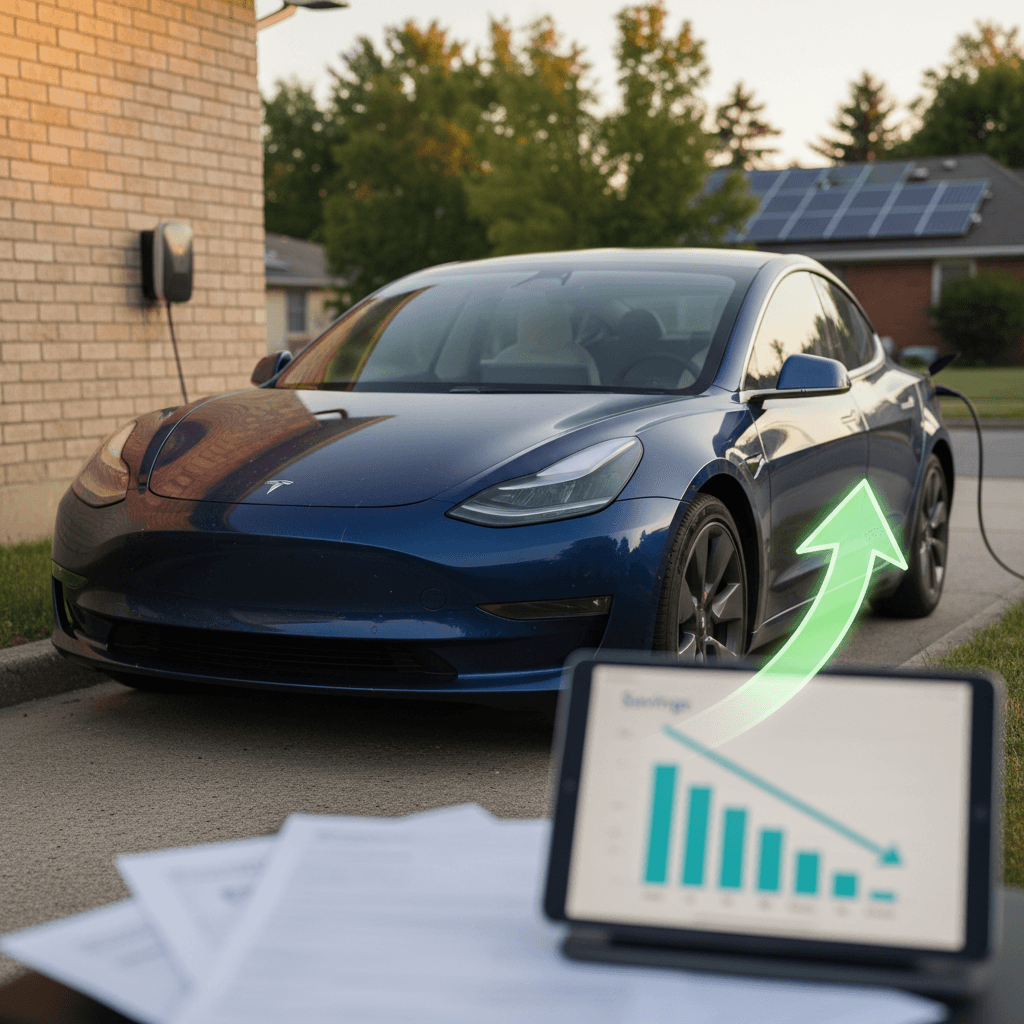
If you strip the marketing glitter off the showroom floor, the best value automobile is brutally simple: it’s the car that gives you the most useful miles, over the most years, for the least money and hassle. In 2025, that equation increasingly points to one answer, a well‑chosen used electric vehicle.
Value isn’t the sticker; it’s the story
What “best value automobile” really means in 2025
When people search for the best value automobile, they often mean “a cheap car that doesn’t feel cheap.” That’s the wrong metric. The right one is cost per year of useful life, or if you’re really serious, cost per mile you actually drive.
How value looks in hard numbers
Those “most reliable” Civics and Corollas deliver around $2,000–$2,700 per year of usable life, well under the $4,197 average. A used EV that can match or beat that number once you factor in very low running costs is, by any rational measure, a best value automobile, even if its purchase price is higher than a tired gas sedan on Craigslist.
Four pillars of true car value
Price is just the opening bid; value is everything that follows.
Purchase price
Energy costs
Maintenance & repairs
Resale & lifespan
Think in cost-per-year, not payment-per-month
Why used EVs often beat gas cars on value

Ten years ago, EVs were technological curiosities with luxury‑car prices. In 2025, they’re just cars, with some very un‑car‑like running costs. That’s good news if you’re hunting the best value automobile rather than the flashiest badge.
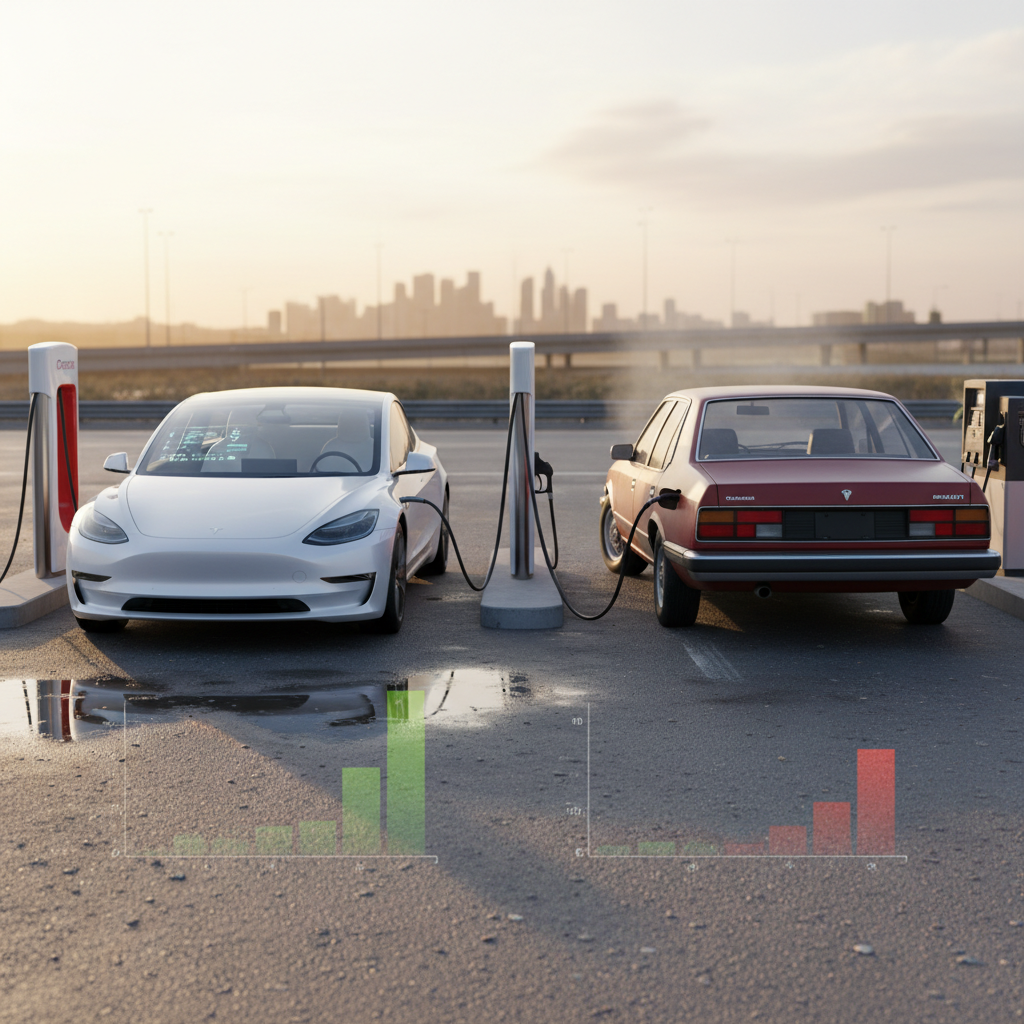
- Electricity is cheaper and calmer than gas. Depending on your rates, home charging often works out to the equivalent of paying $1.00–$1.50 per gallon of fuel, sometimes less with off‑peak pricing.
- Maintenance is radically simpler. No oil changes, no spark plugs, no timing belts, no exhaust, no multi‑gear automatic transmission. Brake wear is lower thanks to regenerative braking.
- Used EV prices have softened. As more EVs hit the used market, especially Teslas and mainstream crossovers, prices have come down to meet, and sometimes undercut, comparable gas cars.
- Insurance is stabilizing. As insurers gather more EV data, some models (like the Chevy Equinox EV) are now among the more affordable EVs to insure.
The used Tesla surprise
Combine softer used prices with lower fuel and maintenance spend, and a three‑ to six‑year‑old EV often beats a similarly priced gas car on total cost of ownership, especially if you can charge at home.
Models that quietly scream “best value” right now
There’s no single “best value automobile” for everyone, but a few EVs keep showing up where the smart money goes: solid range, sane pricing, reasonable insurance, and decent long‑term reliability.
Used EVs that often deliver standout value
Representative examples, not endorsements of a specific VIN. Always verify individual condition and battery health.
| Model | Why it’s a value play | Typical sweet-spot years | Who it suits best |
|---|---|---|---|
| Tesla Model 3 | Strong range, simple interiors, over‑the‑air updates; used prices now under market average for many trims. | 2019–2023 | Commuters and road‑trippers who can charge at home and want mainstream styling. |
| Chevy Equinox EV | Compact crossover packaging, competitive range, relatively affordable to insure for an EV. | 2024–2025 | Families who’d otherwise buy a gas RAV4 or CR‑V but want lower running costs. |
| Hyundai Ioniq 5 | Roomy interior, quick charging, good reliability record so far, strong used availability. | 2022–2024 | Suburban households that do a mix of commuting and weekend driving. |
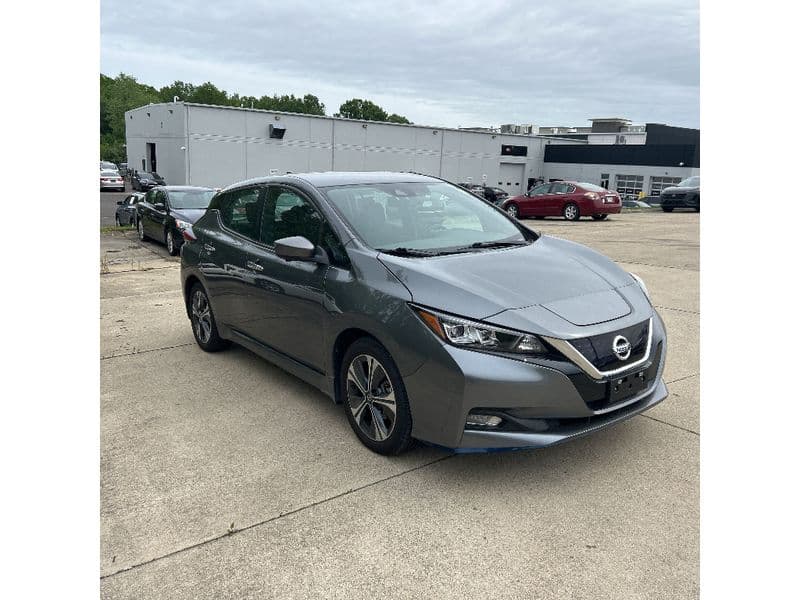
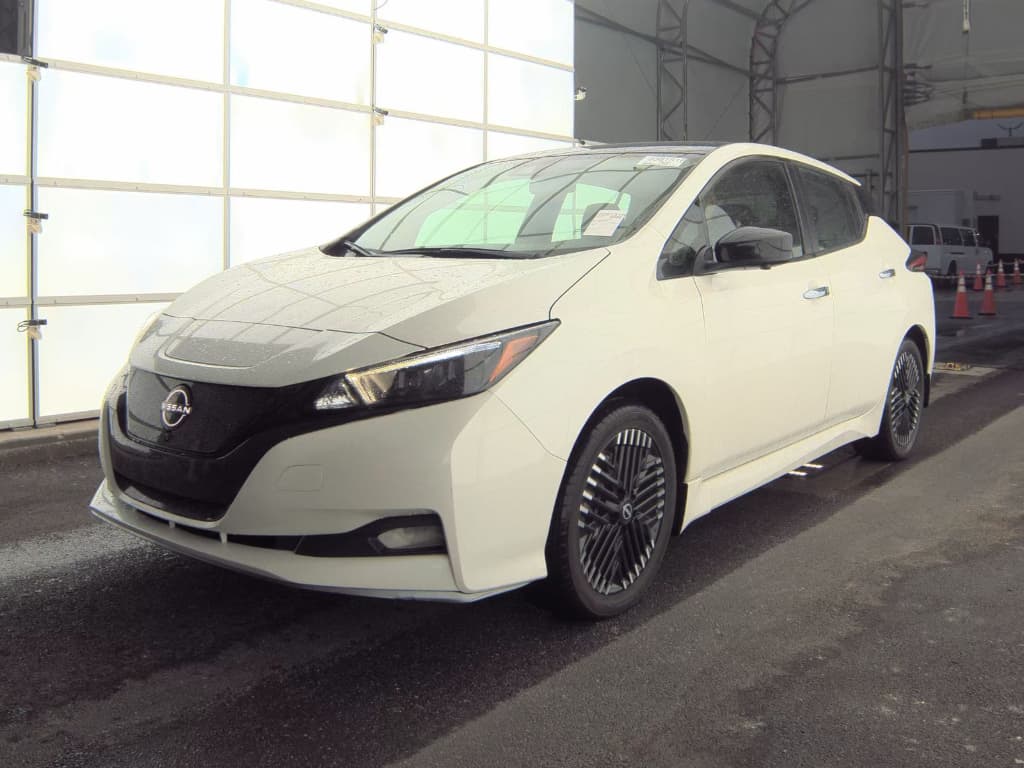
| Nissan Leaf (2nd gen) | Older tech and shorter range, but prices are low; good city car if you understand its limits. | 2019–2022 | Urban drivers with short daily trips and reliable home or workplace charging. |
| Kia EV6 | Sportier drive, solid range, quick charging; depreciation has made some trims quite approachable used. | 2022–2024 | Drivers who like a bit of style and performance with their practicality. |
Expect exact prices and ranges to vary by year, trim, options, and your local market.
Trim and options matter more than the badge
How battery health makes or breaks value
In a gasoline car, the engine and transmission are the heart of the value. In an EV, it’s the battery pack and its thermal management system. A cheap EV with a tired pack is a false economy; a fairly priced EV with verified strong battery health is a bargain hiding in plain sight.
Why battery health matters so much
- Range is value. Losing 10–15% of range over many years is normal; losing 30–40% makes a car hard to live with and kills resale value.
- Battery replacement is expensive. Full pack replacements can run into five figures on many models; that’s the nuclear option you want to avoid.
- Thermal management is destiny. Cars with active liquid cooling usually age more gracefully than early air‑cooled designs.
How Recharged measures it for you
Every vehicle listed on Recharged includes a Recharged Score Report with verified battery health, drawn from deep diagnostics rather than just a dashboard guess.
- Measured state of health (SoH) vs. original capacity
- Fast‑charging history and patterns, when data is available
- Consistency checks across cells and modules
That lets you compare cars by their actual remaining life, not just mileage and paint shine.
The real value hack: verified battery health
Total cost of ownership: the only number that really matters
Ignore the noise; focus on total cost of ownership (TCO) over the period you realistically keep the car, usually 5–10 years. That’s where the “best value automobile” quietly emerges.
A simple way to compare two cars on value
1. Start with the out‑the‑door price
Include taxes, doc fees, and any add‑ons you can’t realistically avoid. Ignore dealer fluff like paint sealant; you rarely need it.
2. Estimate your annual miles
Most US drivers are around 12,000 miles per year. If you’re far above or below that, your fuel math changes significantly.
3. Compare energy costs honestly
Use your local electricity rate and a realistic consumption figure in kWh/100 miles. Do the same for a gas car using mpg and current fuel prices.
4. Add maintenance and repairs
Oil changes, brake jobs, timing belts, transmissions for gas; tires, brakes, coolant services and the occasional software or hardware fix for EVs.
5. Think about resale, not just payoff
If you plan to sell in five years, your “cost” is purchase minus future resale value, not just what you paid today.
6. Divide by years of use
Once you’ve got a rough five‑year TCO, divide by five. That’s your true cost per year. Compare that number across cars, not their monthly payments.
Beware the false bargain
How to shop for the best value EV, step by step
Let’s turn all this theory into a practical, Saturday‑afternoon‑usable plan. Here’s how to hunt down your personal best value automobile, very likely a used EV, in a sane, structured way.
Different paths to a high‑value EV
First‑time EV buyer
Start with mainstream models (Model 3/Y, Ioniq 5, Equinox EV, Leaf) rather than exotics.
Prioritize range that covers 150–200% of your daily needs so winter and aging don’t sting.
Shop cars with a clear battery health report instead of guessing from the dash.
Visit an EV‑specialist retailer like Recharged to talk through home charging and daily use.
Budget‑conscious commuter
Look at older Leafs and early Model 3s with honest histories and strong packs.
Accept cosmetic blemishes if it means better mechanical and battery condition.
Check insurance quotes before you fall in love with any specific VIN.
Use Recharged’s financing tools to see whether a slightly newer, more efficient car actually costs less per month once fuel is included.
Family hauler
Shop crossovers like Equinox EV, Ioniq 5, EV6, and similar for space and charging speed.
Test‑fit child seats, strollers and luggage; practicality is part of value.
Pay attention to DC fast‑charge speeds if you do road trips; time is money with kids in the back.
Consider a trade‑in of your current vehicle to keep your cash outlay down without resorting to very long loan terms.
Enthusiast on a budget
Look for older performance EV trims that have already taken their big depreciation hit.
Focus on cars with clean alignment and suspension reports; worn chassis parts can eat your budget.
Factor in tire costs, powerful EVs can be hard on rubber.
Decide upfront how much performance you’ll actually use day‑to‑day; sometimes the mid‑trim is the real sweet spot.
Use the internet like a pro, not a mark
Financing and trade-ins: turning value on paper into reality
You can absolutely ruin a great‑value car with bad financing. Conversely, you can make a slightly more expensive, much better car work beautifully with the right structure.
Financing rules that protect value
- Don’t out‑finance the car’s useful life. A seven‑year loan on a car that will be “done” for your needs in six is asking for negative equity.
- Watch the total interest, not just the rate. A slightly higher rate on a much shorter term can still cost you less overall.
- Avoid heavy add‑ons. Paint protection, VIN etching, and mystery “security” packages all nibble away at your value story.
How Recharged can help here
Because Recharged is built around EVs specifically, the financing and trade‑in conversations focus on total ownership cost, not just the monthly sticker.
- Pre‑qualification options that don’t impact your credit score.
- Instant offers or consignment for your current car to boost your down payment.
- Nationwide delivery and a fully digital process if you don’t live near the Richmond, VA Experience Center.
The goal is simple: get you into a car that will still feel like a smart decision in five years, not five weeks.
When upgrading actually saves you money
Common mistakes that quietly destroy car value
Plenty of perfectly good cars are turned into bad deals by owner behavior. If you want your next car to be the best value automobile you’ve ever owned, avoid these own‑goals.
- Stretching to the longest possible loan term just to hit a lower monthly payment.
- Skipping basic maintenance because “it’s just an electric car.” Tires, alignment and brake fluid still matter.
- Ignoring home‑charging options and relying exclusively on expensive DC fast charging.
- Buying an EV without any real battery health data, then discovering the pack is already tired.
- Chasing low purchase price at the expense of safety features and modern driver‑assistance tech that you’ll appreciate for years.
- Assuming all insurance costs are the same; some trims and wheel/tire packages are dramatically more expensive to insure.
The most expensive words in car buying
Best value automobile: FAQ
Frequently asked questions about getting the best value automobile
Bottom line: why the best value in 2025 probably plugs in
The phrase “best value automobile” sounds like ad copy, but in practice it’s a cold, mathematical thing. Add what you pay to what you spend to keep the wheels turning, subtract what you’ll get back when you sell, divide by the years in between. In that light, the quiet heroes of 2025 are not the latest luxury crossovers or over‑styled trucks. They are sensible, properly‑diagnosed used EVs driven by owners who understand charging and don’t treat maintenance as an optional hobby.
If you can plug in at home, drive a normal amount, and buy with real battery data instead of guesswork, there is a very good chance your personal best value automobile already exists on the used EV market. The trick is matching your life to the right car, and refusing to compromise on transparency. That’s exactly the gap companies like Recharged are built to fill, so that when you sign for your next car, you’re not just getting a set of wheels. You’re buying years of low‑drama, low‑cost miles.