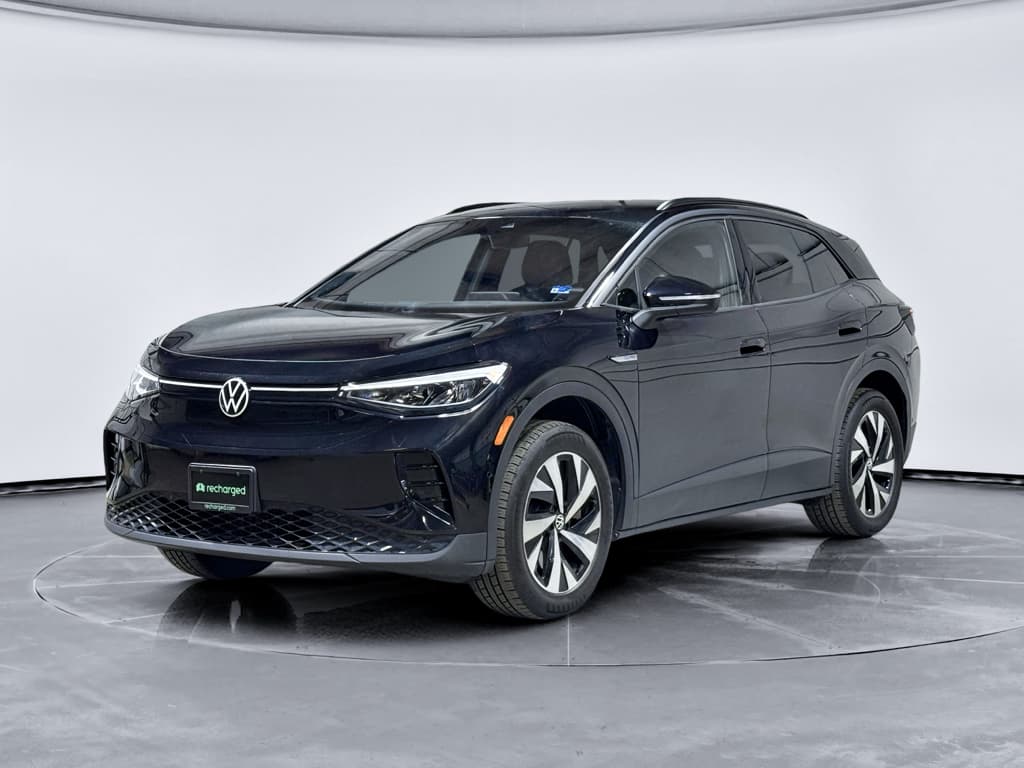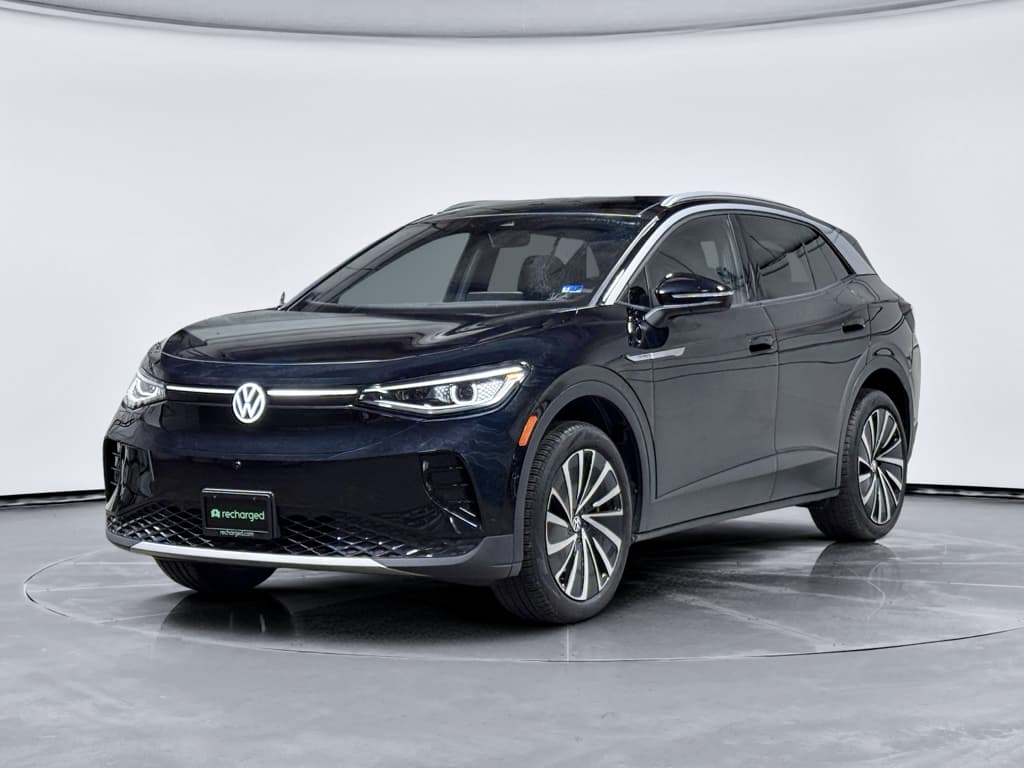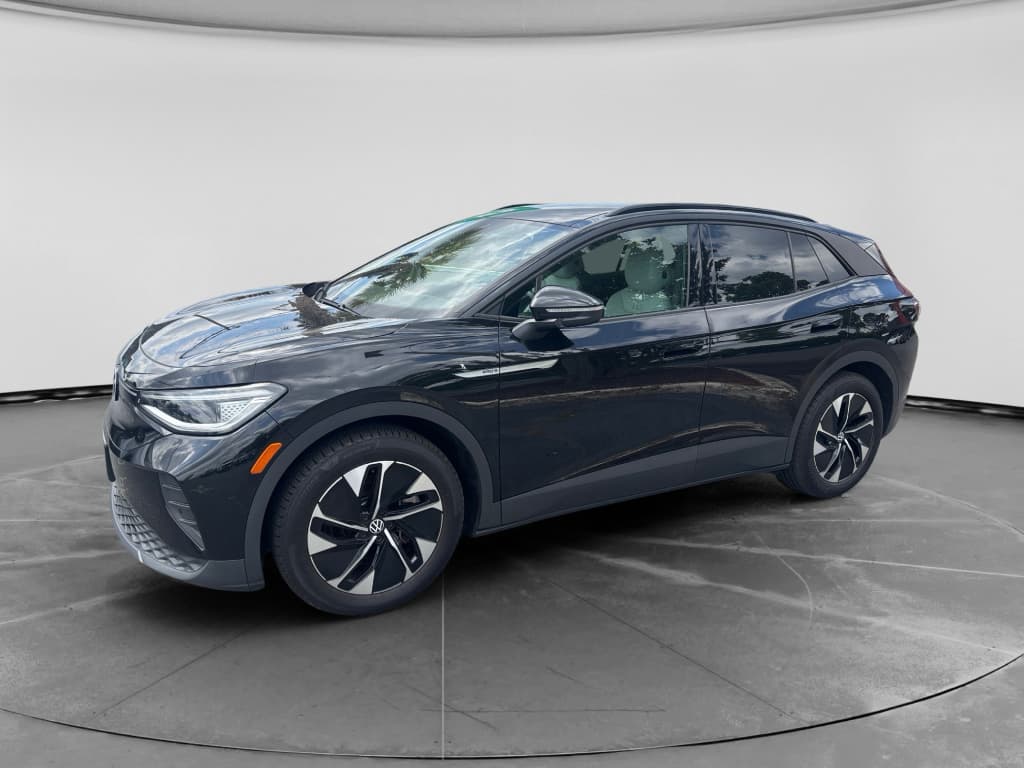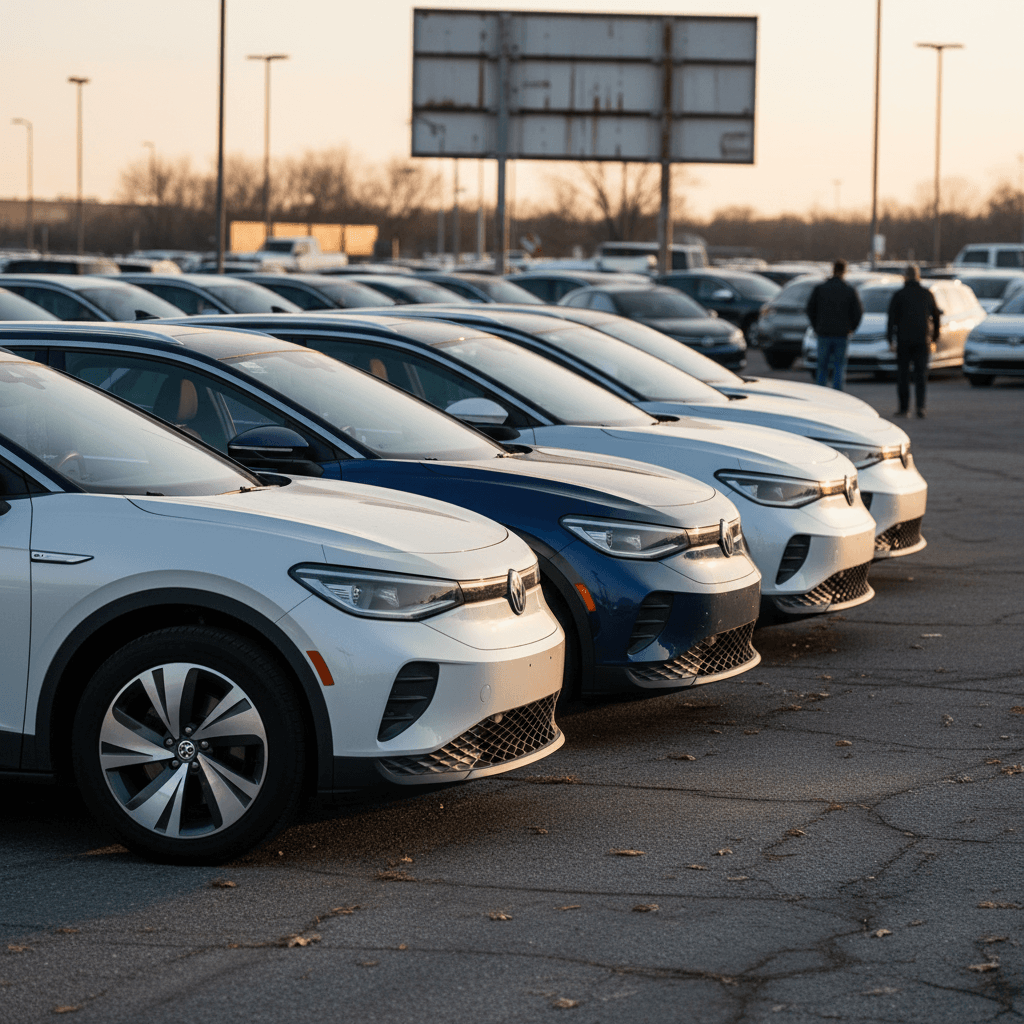
If you’re hunting for the best used Volkswagen ID.4 to buy in 2026, you’re in good company. VW’s compact electric SUV has become a go‑to alternative to the Tesla Model Y and Hyundai Ioniq 5, and used prices are finally getting interesting. The trick is knowing which model years, trims, and batteries are smart buys, and which ones you should leave on the lot.
What this guide covers
Why the ID.4 Makes Sense Used in 2026
- It’s one of the more affordable all‑electric SUVs on the used market in 2026.
- Practical, roomy cabin that feels familiar if you’re coming from a traditional compact SUV.
- Comfort‑biased ride and quiet highway manners, great for families and commuters.
- Ongoing software updates have fixed many of the early‑build glitches.
- Later model years (especially 2024) bring stronger performance and better efficiency without a huge jump in price when bought used.
Where Recharged fits in
Quick Recommendations: Best Used ID.4 Configurations
Best Used Volkswagen ID.4 Picks for 2026 Shoppers
Start here, then refine based on budget and driving needs.
Best All‑Around Value
2022 ID.4 Pro (RWD), 82 kWh battery
- EPA range around mid‑250s miles when new.
- Plenty of inventory coming off 3‑year leases.
- Good balance of price, range, and features.
Best for Performance & Highway Use
2024 ID.4 Pro AWD (82 kWh)
- New APP 550 motor offers more power and efficiency.
- Improved infotainment and driver‑assist tech.
- Ideal if you value confident passing power.
Budget‑Friendly City Commuter
2023 ID.4 Standard (62 kWh, RWD)
- Smaller battery, lower purchase price.
- Best for short commutes and home charging.
- Still a full‑size compact SUV with lots of space.
ID.4 Model Years at a Glance (2021–2024)
Used Volkswagen ID.4 Model Year Snapshot
How 2021–2024 ID.4s differ on battery, range and tech for U.S. buyers.
| Model year | Key batteries (U.S.) | Approx. range when new | Notable changes |
|---|---|---|---|
| 2021 | 82 kWh RWD / AWD | ~240–260 mi RWD, ~230 mi AWD | Launch year, early software quirks, imported from Europe. |
| 2022 | 82 kWh RWD / AWD | Similar to 2021, slightly improved | Incremental software & charging updates. |
| 2023 | 62 kWh Standard, 82 kWh Pro/Pro S (RWD & AWD) | ~209 mi (62 kWh), mid‑250s for 82 kWh RWD | U.S. production in Chattanooga, new 62 kWh entry model, updated interior and infotainment. |
| 2024 | 82 kWh (revised powertrain), 62 kWh base in some trims | Up to ~291 mi on 82 kWh Pro RWD | New, more powerful APP 550 motor on 82 kWh models, better efficiency and updated software. |
Exact EPA ranges vary by trim, wheel size and conditions, but this table captures the broad trade‑offs.
About 2025 ID.4s
Best Value Picks: 2021–2022 ID.4
If your priority is maximum value per dollar, 2021 and 2022 ID.4s should be on your short list. They’re old enough to have taken their biggest depreciation hit, but young enough that the original battery and high‑voltage components should still have plenty of life left, especially if the car has been well cared for.
What 2021–2022 ID.4s Do Well
- 82 kWh battery only, which simplifies shopping, no need to worry about accidentally getting the smaller pack.
- Comfortable, quiet ride that makes daily commuting easy.
- Decent DC fast‑charging capability for road trips with good planning.
- Plenty of Pro and Pro S examples coming off 36‑month leases in 2024–2025.
What to Watch For
- Early software gremlins: infotainment freezes, random warning lights, and buggy driver‑assist behavior in some 2021 builds.
- Dealer‑applied software updates are critical; verify service history.
- As with any EV, check real‑world range versus original EPA estimates.
Best 2021–2022 pick
Sweet Spot: 2023 ID.4 – When It’s Worth Paying More
The 2023 model year is the sweet spot for many used‑ID.4 shoppers. It’s the first year of U.S.‑built models from VW’s Chattanooga plant and adds the more affordable 62 kWh battery option. You also get a refreshed center console, larger infotainment in many trims, and incremental software improvements over the early years.
2023 ID.4 Trims Most Worth Hunting For
Focus on battery size and your real‑world driving needs.
ID.4 Pro (82 kWh, RWD)
Best all‑around 2023 choice.
- Similar range to 2022 Pro but with newer hardware.
- Often lightly used off‑lease by 2026.
ID.4 Standard (62 kWh, RWD)
Good if you rarely road trip.
- Lower price point, shorter range.
- Ideal for urban or suburban commuters with home charging.
ID.4 Pro AWD (82 kWh)
Added traction and power.
- Stronger acceleration and all‑weather confidence.
- Slightly lower range than RWD but still very usable.
2023 vs. 2022: Which to choose?
Tech and Performance Upgrade: 2024 ID.4 Highlights
For 2024, Volkswagen gave the 82 kWh ID.4 a significant powertrain update in the form of the APP 550 rear motor. Power jumps substantially, efficiency improves, and the Pro RWD’s EPA range climbs to around 291 miles when new, putting it right in the hunt with newer rivals.
Why 2024 Is Great Used, If You Can Afford It
- Noticeably stronger acceleration, especially in AWD trims.
- More refined infotainment with updated menus and processing.
- Better efficiency means fewer charging stops on long drives.
- Still relatively new in 2026, often with original warranty coverage remaining.
The Catch
- Higher prices: 2024s haven’t depreciated as much as 2021–2022 models.
- Limited supply on the used market in early 2026.
- If you’re stretching your budget, a well‑equipped 2022–2023 might still be the better value.
Who should stretch to a 2024?
Which ID.4 Trims and Batteries Are Best Used?
Battery & Trim Choices That Matter Most
When you’re comparing used ID.4s, think less in terms of alphabet soup and more in terms of how you drive. The big dividing lines are battery size, drivetrain, and feature content.
How to Match ID.4 Configurations to Your Needs
1. Choose your battery size first
If you regularly drive more than 60–70 highway miles per day or want easier road trips, prioritize the <strong>82 kWh pack</strong>. The 62 kWh battery can work for local use, but it will feel limiting if you don’t have reliable home charging.
2. Decide if you really need AWD
AWD adds traction and power but costs more and trims range slightly. In snow‑belt states or hilly areas, it’s a strong plus. In milder climates, a set of good all‑season or winter tires on a RWD car can be just as effective for most drivers.
3. Balance Pro vs. Pro S features
Pro models typically give you the essentials: bigger battery, solid range, and core driver‑assist tech. Pro S adds features like more premium seating, lighting and convenience items. If you’re value‑oriented, a Pro often makes more sense used.
4. Look closely at wheel size
Larger wheels (20–21 inches) look great but can slightly reduce range and cost more to replace. If efficiency and comfort are bigger priorities than style, don’t be afraid of smaller‑wheel trims.
5. Factor in future resale
Configurations with the <strong>larger battery and popular colors</strong> tend to hold value better. If you know you’ll sell in a few years, stick close to mainstream trims and options.
Issues to Watch For on a Used ID.4
No EV is perfect, and the ID.4 has its share of trouble spots. Many early complaints centered on software and electronics rather than mechanical failures, but there have also been recalls and owner reports around charging behavior and high‑voltage battery reliability that you should understand before you buy.
Common ID.4 Problem Areas Reported by Owners
Most aren’t deal‑breakers, but they’re bargaining chips if you know what to look for.
1. Software Glitches & Infotainment Lag
Some owners of 2021–2022 cars report:
- Slow or frozen infotainment screens.
- Random warning messages that clear with a restart.
- Quirky driver‑assist behavior.
Many of these have been addressed with software updates, but you’ll want to confirm the car is fully up to date.
2. Charging & High‑Voltage Battery Concerns
There have been recalls and complaints involving:
- DC fast‑charging sessions that fail or taper too early.
- Error messages at public chargers.
- Isolated cases of premature capacity loss and, in later models, battery‑module quality issues addressed by recall.
That’s why third‑party battery health data and recall‑completion checks are critical on a used ID.4.
Non‑negotiable: recall and battery checks
Inspection Checklist for Shopping Used ID.4s
10 Things to Check Before You Buy a Used ID.4
1. Confirm battery size and trim
Use the window sticker, build sheet, or VIN‑based lookup to confirm whether you’re looking at a <strong>62 kWh vs 82 kWh</strong> car and which trim (Standard, Pro, Pro S, AWD). Don’t rely solely on the seller’s description.
2. Review software and service history
Ask for records showing completed software updates and recall work. A car that’s been regularly updated at a VW dealer is usually a safer bet than one with spotty service history.
3. Check battery health report
Request a recent <strong>high‑voltage battery health</strong> report. On Recharged, this is part of the Recharged Score and includes pack health, estimated real‑world range, and any charging anomalies detected.
4. Test DC fast‑charging behavior
If possible, take the car to a public DC fast charger and observe how it behaves. Watch for repeated connection errors or unexpectedly slow charging, which could indicate underlying issues.
5. Inspect tires and wheels
Uneven tire wear can hint at alignment or suspension problems. Bent or heavily curbed wheels are a red flag if the car has seen hard use on rough roads.
6. Evaluate interior wear
Look for abnormal seat wear, broken trim pieces, or significant scuffs given the mileage. EVs used heavily in ride‑share or delivery may show more interior fatigue.
7. Verify driver‑assist features
On the test drive, gently exercise adaptive cruise, lane‑keeping, parking sensors, and cameras. Make sure there are no warning lights or odd behavior.
8. Listen for suspension and wind noise
Because EVs are quiet, suspension clunks or excessive wind noise are easier to detect. On a freeway test, note whether the ID.4 still feels solid and tight.
9. Confirm charging‑equipment condition
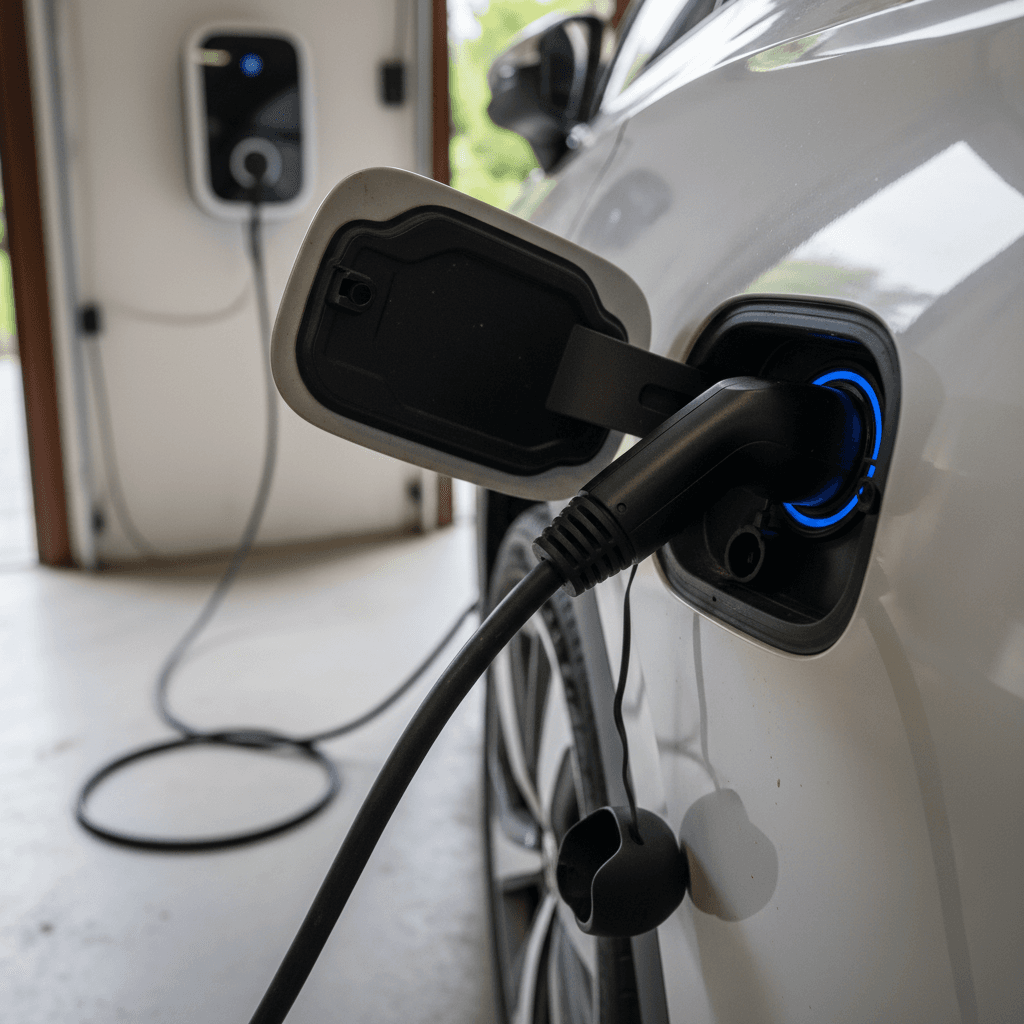
Inspect the included home charging cable for damage, corrosion, or missing parts. Replacing a damaged OEM cable isn’t cheap.
10. Ask about usage pattern
Find out whether the previous owner regularly DC fast‑charged, left the car parked at 100% for long periods, or used it mostly for short trips. This context helps interpret any battery‑health data you see.
How Battery Health Affects a Used ID.4’s Value
On a used EV, the battery pack is effectively the engine and fuel tank combined. Two ID.4s with the same year, trim, and odometer reading can have very different real‑world values if one has lost more usable capacity than the other.
Healthy Pack: What You Want to See
- Real‑world range that’s reasonably close to original EPA estimates when adjusted for your driving conditions.
- Consistent charging performance at both home and DC fast chargers.
- No history of high‑voltage battery warranty work beyond minor software‑related fixes.
Degraded or Questionable Pack: When to Walk Away
- Noticeably reduced range versus similar ID.4s, even after software updates and recalibration.
- Frequent error messages when charging or driving.
- Open high‑voltage battery recalls that haven’t been addressed.
Use data, not gut feel
Financing and Total Cost When Buying a Used ID.4
Even the best‑picked ID.4 can be a mistake if the financing and ownership costs don’t fit your budget. Beyond the purchase price, think through insurance, charging costs, maintenance, and potential out‑of‑warranty repairs as the vehicle ages.
Key Cost Factors for a Used Volkswagen ID.4
Look past the sticker price to the full ownership picture.
Financing Terms
Compare rates and total interest, not just the monthly payment. Shorter terms often save thousands over the life of the loan.
Charging Costs
Home charging on a reasonable electric rate is usually far cheaper than gasoline. Heavy DC fast‑charging use can narrow the gap.
Maintenance & Repairs
EVs generally have fewer wear items than gas SUVs, but out‑of‑warranty electronics or battery‑related repairs can be costly. Factor in remaining warranty coverage.
Leverage EV‑savvy financing
Ready to find your next EV?
Browse VehiclesFAQ: Best Used Volkswagen ID.4 to Buy in 2026
Frequently Asked Questions About Buying a Used VW ID.4
Bottom Line: Choosing the Right Used ID.4 in 2026
When you cut through the noise, the best used Volkswagen ID.4 to buy in 2026 comes down to matching battery size, model year, and price to how you actually drive. A 2022–2023 ID.4 Pro with the 82 kWh pack will hit the bull’s‑eye for many shoppers, while 2024 models reward those willing to pay more for stronger performance and efficiency. What matters most is choosing a car with healthy battery data, clean recall and service history, and pricing that honestly reflects its condition.
If you want to make that decision with confidence, browsing ID.4 listings on Recharged is a smart next step. Every vehicle comes with a Recharged Score Report, EV‑savvy support, and nationwide delivery options, so you can focus on picking the right ID.4, not worrying about what you might be missing.