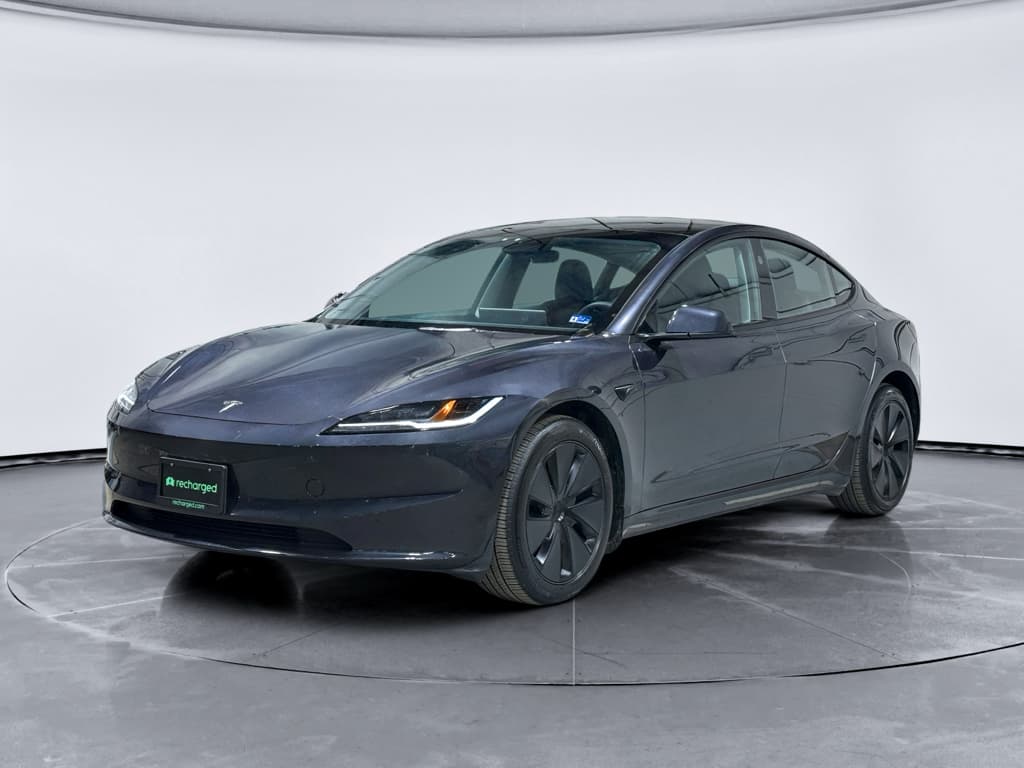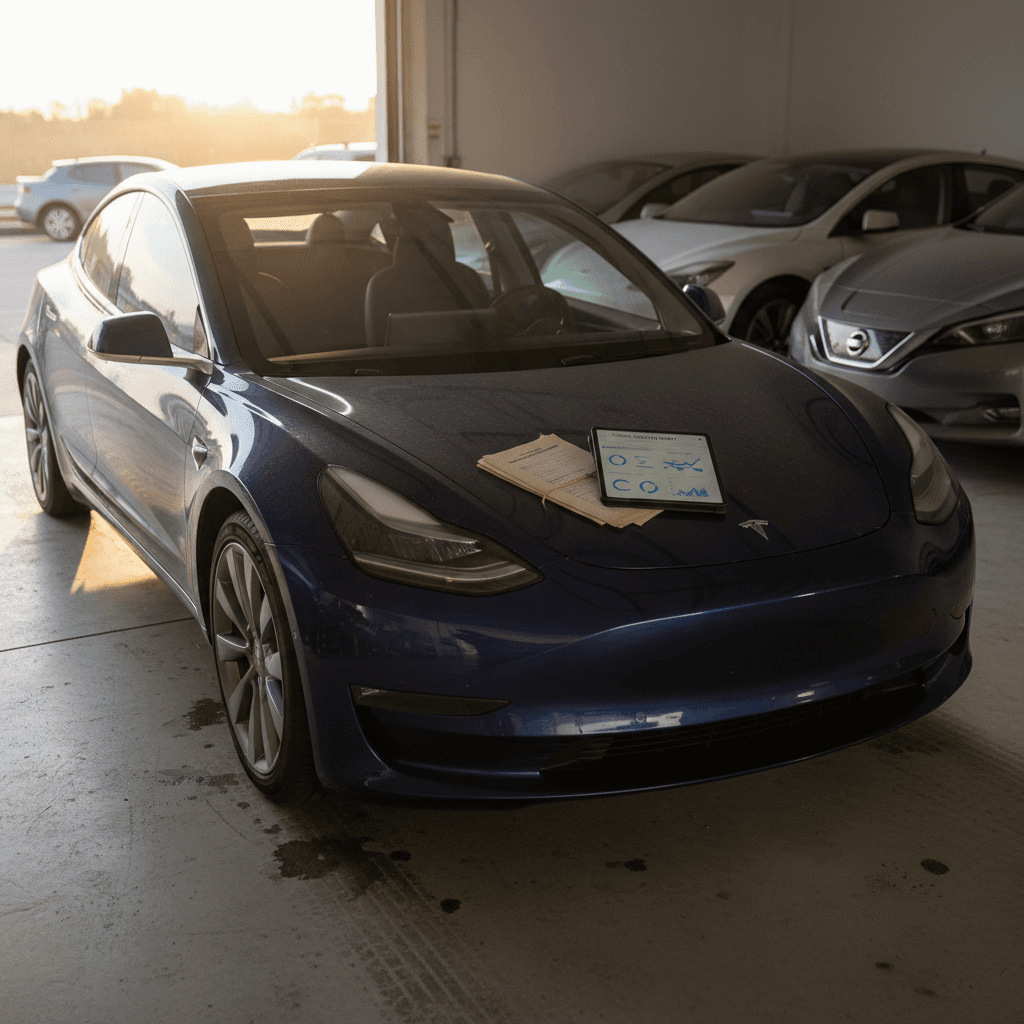
You picked the right year to start shopping. Used Tesla prices slid hard through 2024 and 2025, and by early 2026 a used Model 3 or Model Y often costs what a used Honda Accord or RAV4 did a few years ago. The trick isn’t **finding** a used Tesla, it’s knowing which model, year, and battery you actually want to live with.
What this 2026 guide covers
Why 2026 is a great year for a used Tesla
The used Tesla market heading into 2026
Used EV values have finally come down to earth. Between softer new‑Tesla demand and a wave of off‑lease cars, there’s real inventory on the market. At the same time, we now have **millions of real‑world Tesla miles** to show that their batteries generally degrade slowly when they haven’t been abused. That makes 2026 one of the best moments so far to slide into a used Model 3 or Model Y, if you pick carefully.
Quick answer: Best used Teslas to buy in 2026
Best used Tesla picks for 2026 at a glance
Start with these shortlists, then refine based on your budget and driving style.
Best all‑around: Model 3 Long Range (2021–2023)
Why: Excellent efficiency, range, and charging speed with mature build quality.
- Real‑world 270–320 miles after a few years
- Dual‑motor traction for bad weather
- Often the best blend of price and capability
Best family pick: Model Y Long Range (2021–2024)
Why: More space and practicality with similar tech to the Model 3.
- True family hauler with hatchback cargo
- Strong reliability ratings in recent years
- Holds value but deals are emerging in 2026
Best value commuter: Model 3 RWD (LFP, 2022–2024)
Why: Lower purchase price and durable LFP battery chemistry.
- Comfortable daily range, even in winter
- LFP prefers regular 100% charging
- Great entry point under many budgets
How to use this guide
Best used Tesla by budget in 2026
Best used Tesla picks by typical 2026 budget range
Approximate U.S. retail asking ranges based on early‑2026 listings. Local prices vary; always shop actual market data.
| Price range (USD) | Best picks | Why they make sense |
|---|---|---|
| Around $20,000 | 2019–2021 Model 3 Standard Range / RWD | Cheapest on‑ramp into Tesla ownership; focus on clean history and healthy battery rather than fancy options. |
| $22,000–$27,000 | 2021–2022 Model 3 RWD (LFP pack) | Newer interiors, heat pump, and LFP battery that tolerates daily 100% charging, great for apartment dwellers and commuters. |
| $27,000–$32,000 | 2021–2023 Model 3 Long Range AWD | Excellent range and performance; often the sweet spot for buyers who road‑trip or drive in snow. |
| $30,000–$35,000 | 2021–2023 Model Y Long Range | Family‑friendly cargo and AWD; prices finally reachable after big drops in 2024–2025. |
| $35,000–$45,000 | 2022–2024 Model Y Long Range or Performance | Latest tech, strong range, and still under most battery warranties, good if you want to keep the car for a long time. |
| $40,000+ | Late‑build Model S or Model X (2020–2023) | High‑end comfort and performance, but only worth it if you value the space and are comfortable with higher running costs. |
Use this as a directional guide, not a guarantee of prices in your ZIP code.
Budget tip
Used Model 3 vs Model Y: Which is better for you?
Why a used Model 3 is often the “best used Tesla”
- Lowest prices: Massive production volumes mean a deep used market and more negotiating leverage.
- Efficiency king: Uses less energy per mile than the Y, so your charging costs and winter range hits are smaller.
- Easier to park: Shorter and lower than the Y, which city and apartment dwellers appreciate.
- Best value trims: 2021–2023 Long Range AWD or 2022+ RWD with LFP pack.
Why a used Model Y might be better for real life
- Cargo and comfort: The hatchback and taller seating make daily life with kids, dogs, or gear much easier.
- Strong reliability story: Recent studies show the Y as Tesla’s most reliable model, thanks to its simpler design and mature production.
- Road‑trip ready: Similar software and charging experience to the 3, just with more room.
- Best years: 2021–2024 Long Range; skip the very earliest build months if quality concerns you.
Rule of thumb
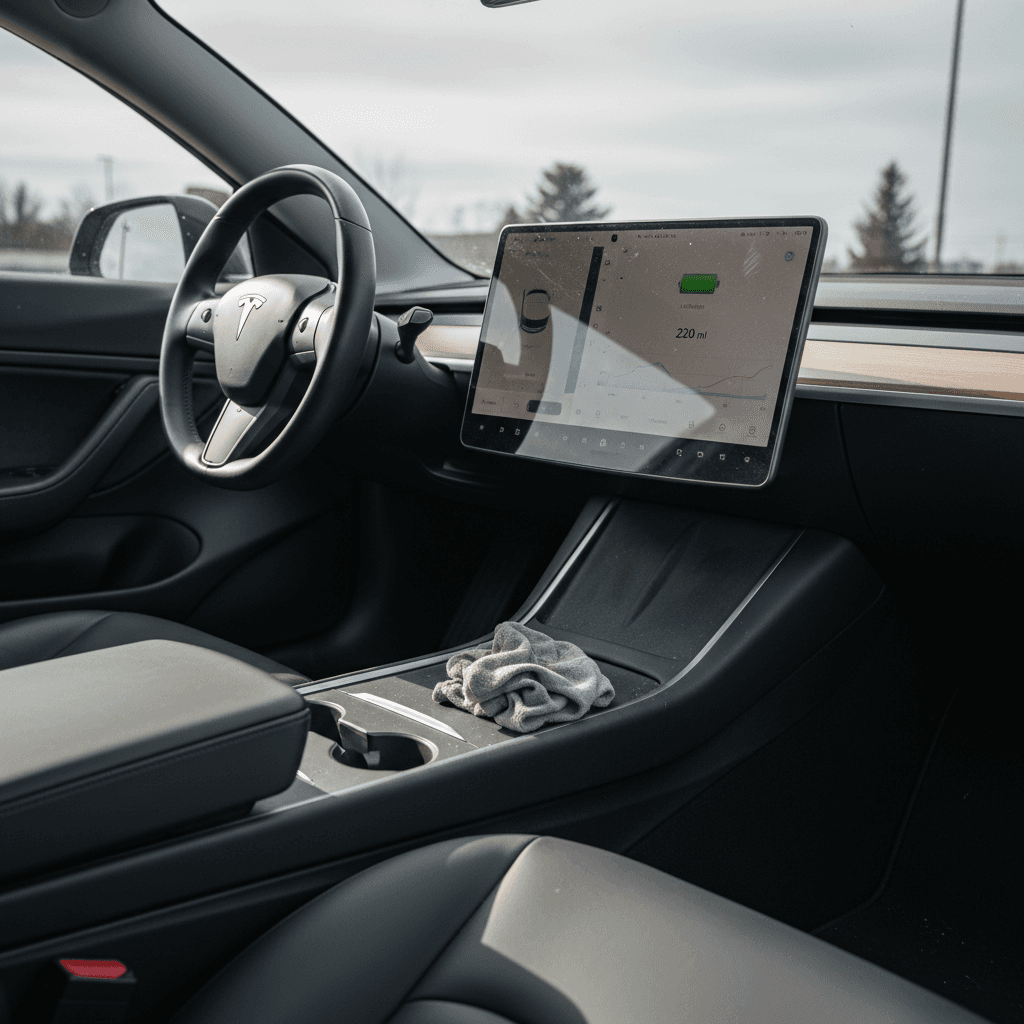
Best years and trims for each Tesla model
Best used years and trims in 2026 by model
Use this as a filter before you start scrolling listings.
Model 3: Best used years
- 2019–2020: Good value if priced right and battery health is strong. Expect more miles and minor squeaks/rattles.
- 2021–2023: The sweet spot, updated interior, heat pump, improved build quality and still under battery warranty in most cases.
- 2024 “Highland” refresh: If you find one used at a fair discount, you get the latest design and interior; inventory is thinner but growing in 2026.
Model Y: Best used years
- 2020: Early build quality could be hit‑or‑miss, so inspect panel gaps and water leaks carefully.
- 2021–2023: Generally the safest bet, production matured, and reliability scores stabilized.
- 2024: If you want to keep the car long‑term, paying more for a low‑mile 2024 Y can make sense, especially for families.
Model S: When it’s a good idea
- 2018–2020: Can be compelling if you specifically want the big‑range luxury sedan and accept higher running costs.
- 2021+ refresh: Performance and interior tech are fantastic, but even used prices tend to be high and depreciation has been steep.
- 2026 reality: With new S production ending, treat these as enthusiast cars, not value plays.
Model X: Niche but special
- 2018–2020: Incredible space and doors, but repairs and maintenance can sting if you’re unlucky.
- 2021+ refresh: Stunning road‑trip machine if you find a clean example and understand insurance and tire costs.
- Who it’s for: Big families who truly need the space and are comfortable with premium‑car expenses.
Years to approach with caution
Battery health: The real make-or-break factor
When you’re deciding on the best used Tesla to buy in 2026, the battery is the whole story. Range, charging speed, and resale value all live or die by pack health. Age and miles matter, but how the car was charged and driven matters more.
- Aim for **battery State of Health (SOH)** above roughly 88–90% on a 3–5 year‑old car when possible.
- Larger‑pack cars (Long Range, Performance) can tolerate a bit more degradation because they start with more range.
- Cars that fast‑charged constantly or sat at 100% for long periods are more likely to show above‑average wear.
- LFP‑battery cars (many 2022+ Model 3 RWD) like frequent 100% charges and often age more gracefully.
How to check used Tesla battery health in practice
1. Get a data‑backed battery report
Ask for a professional battery health report, either from a third‑party EV diagnostic or a marketplace like Recharged that includes a <strong>Recharged Score</strong> with verified pack health instead of just guessing from the dash estimate.
2. Compare to original EPA range
Look up the original EPA range for that model and trim, then compare it to the report’s estimated usable range. A drop of ~6–10% over the first 100,000 miles is common; significantly more should trigger hard questions or a lower price.
3. Check remaining battery warranty
Most Teslas carry an 8‑year battery and drive unit warranty with a specific mileage cap. A car with several years of coverage left may be worth paying extra for, especially if you plan to keep it long‑term.
4. Look for charging behavior clues
Service records showing frequent DC fast charging, ride‑hail usage, or extreme climates are all reasons to scrutinize battery data more carefully.
5. Test drive for power and charging behavior
On your test drive, watch for sudden drops in estimated range, power‑limit messages, or unusually slow DC fast‑charging speeds compared with published norms.
Why Recharged includes a battery report
Used Tesla inspection checklist for 2026 shoppers
Teslas age differently from gas cars. You’re watching for battery and software red flags as much as physical wear. Bring this checklist, on paper or on your phone, when you go see a car.
Key items to check on any used Tesla
Confirm VIN, mileage, and title status
Match the VIN on the car, title, and listing. Avoid branded titles (salvage, rebuilt) unless you deeply understand the risks and have a steep discount.
Verify software features and connectivity
From inside the car, check that it’s logged into the seller’s Tesla account and that features like Autopilot or Full Self‑Driving (if advertised) actually show as enabled, not just mentioned in the description.
Inspect tires, wheels, and suspension
Teslas are heavy and can be hard on tires and suspension. Uneven wear, bald edges, or budget replacement tires can hint at alignment or suspension issues.
Look for water leaks and panel gaps
Check the hatch, trunk, windshield, and door seals for evidence of leaks or poor repairs. Early Model Y and some Model 3 builds are worth a closer look here.
Test all doors, handles, and seats
Make sure every door, trunk, and (on Model X) Falcon Wing door operates smoothly. Test power seats, steering wheel adjustment, and climate controls.
Check charging hardware
Confirm that the included charge cable, adapters, and any wall connector function properly. Plug in if possible, even to a Level 2 station, to confirm normal charging behavior.
Don’t skip a pre‑purchase inspection
Should you buy used from Tesla, a marketplace, or private seller?
Buying used directly from Tesla
- Pros: Simple online process, potential extra limited warranty on top of the original coverage, and vehicles usually brought up to Tesla’s current software standard.
- Cons: Less room to negotiate, limited ability to see detailed battery health data, and inventory that can be hit‑or‑miss by region.
Buying from a used‑EV specialist like Recharged
- Pros: Built specifically around used EVs, battery‑health diagnostics, transparent pricing, and help comparing trims and years.
- Recharged adds a Recharged Score Report with verified battery health, fair market pricing, and nationwide delivery options, plus EV‑specialist support throughout the process.
- Cons: Limited to the vehicles in stock, so the exact color or wheel combo in your head might not exist today.
Buying from a private seller or general dealer
- Pros: Often the lowest list prices and room to negotiate; lots of selection on classifieds sites.
- Cons: Very inconsistent disclosure about battery health and software features, and you’re on your own for inspection and paperwork.
Where value and confidence intersect
When a “cheap” used Tesla isn’t a good deal
In 2026 you’ll see some eyebrow‑raising used Tesla prices. A few of them are genuinely solid bargains. Others are cheap for reasons that will become your problem the minute you sign.
- **Salvage or rebuilt titles** without impeccable documentation and a big discount. Many Tesla warranties are void on salvage cars, especially for the high‑voltage system.
- **Heavily fast‑charged ex‑fleet or ride‑hail cars** showing above‑average battery degradation or obvious interior wear.
- Cars with missing or downgraded software features (for example, FSD removed after ownership transfer, or premium connectivity expired when you counted on it).
- “Performance bargains” with oversized wheels, worn tires, and a suspension that’s already had a hard life.
- Any car where the seller can’t or won’t provide credible battery health information. Walk away, no matter how good the monthly payment looks.
Five‑figure mistake to avoid
FAQ: Best used Tesla to buy in 2026
Frequently asked questions about buying a used Tesla in 2026
Bottom line: Picking the right used Tesla in 2026
If you’re shopping in 2026, the best used Tesla to buy usually isn’t the flashiest one on the lot. It’s the **well‑cared‑for Model 3 or Model Y** with a healthy battery, clean history, and the right body style for your life. For most people that means a 2021–2023 Model 3 Long Range or 2021–2023 Model Y Long Range, cars that balance price, range, and everyday livability beautifully.
Start by deciding whether you’re a sedan or crossover person, then narrow down to the strongest years and trims. From there, make battery health, warranty coverage, and honest pricing your must‑haves. If you want help, Recharged can pair you with an EV specialist, provide a Recharged Score Report on every car, and even handle financing, trade‑in, and nationwide delivery. That way, when you finally take delivery of your used Tesla, the only surprise you get is how quickly it starts to feel like the car you should have bought years ago.