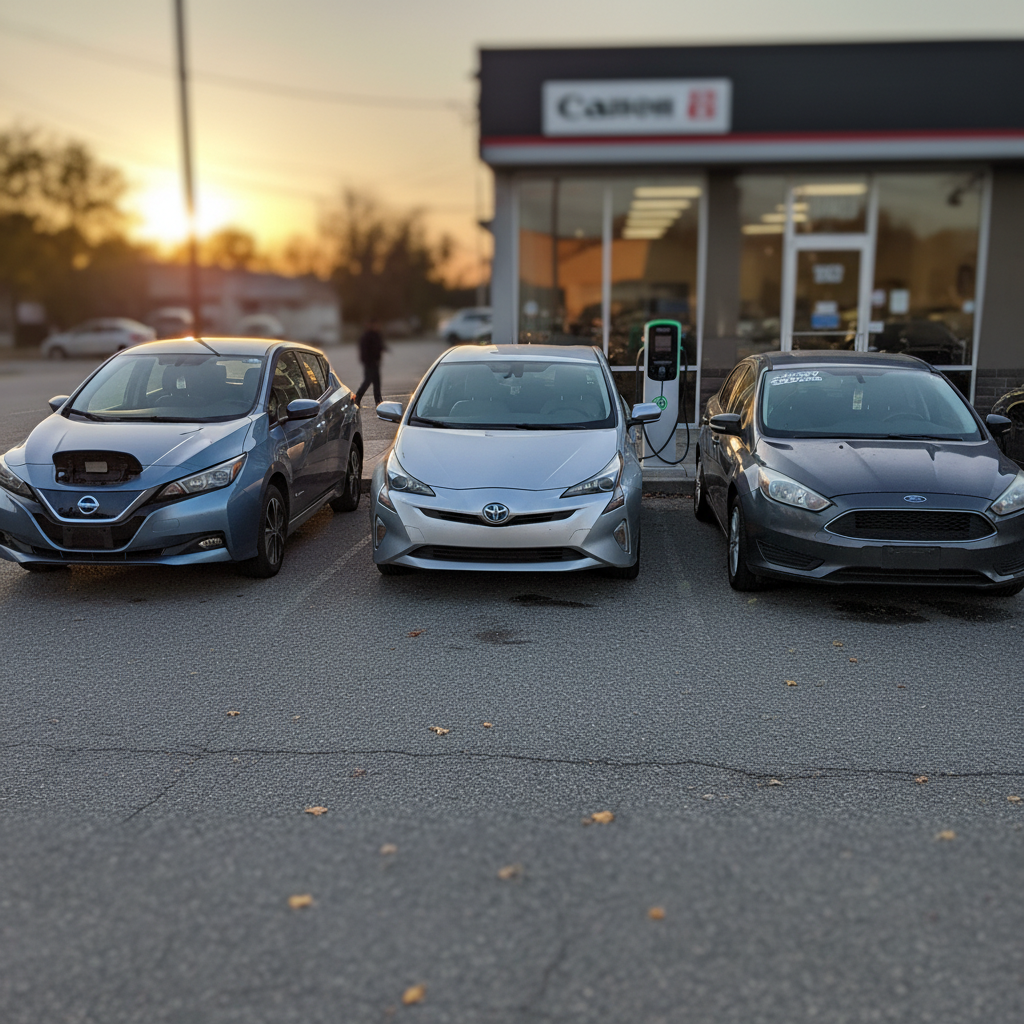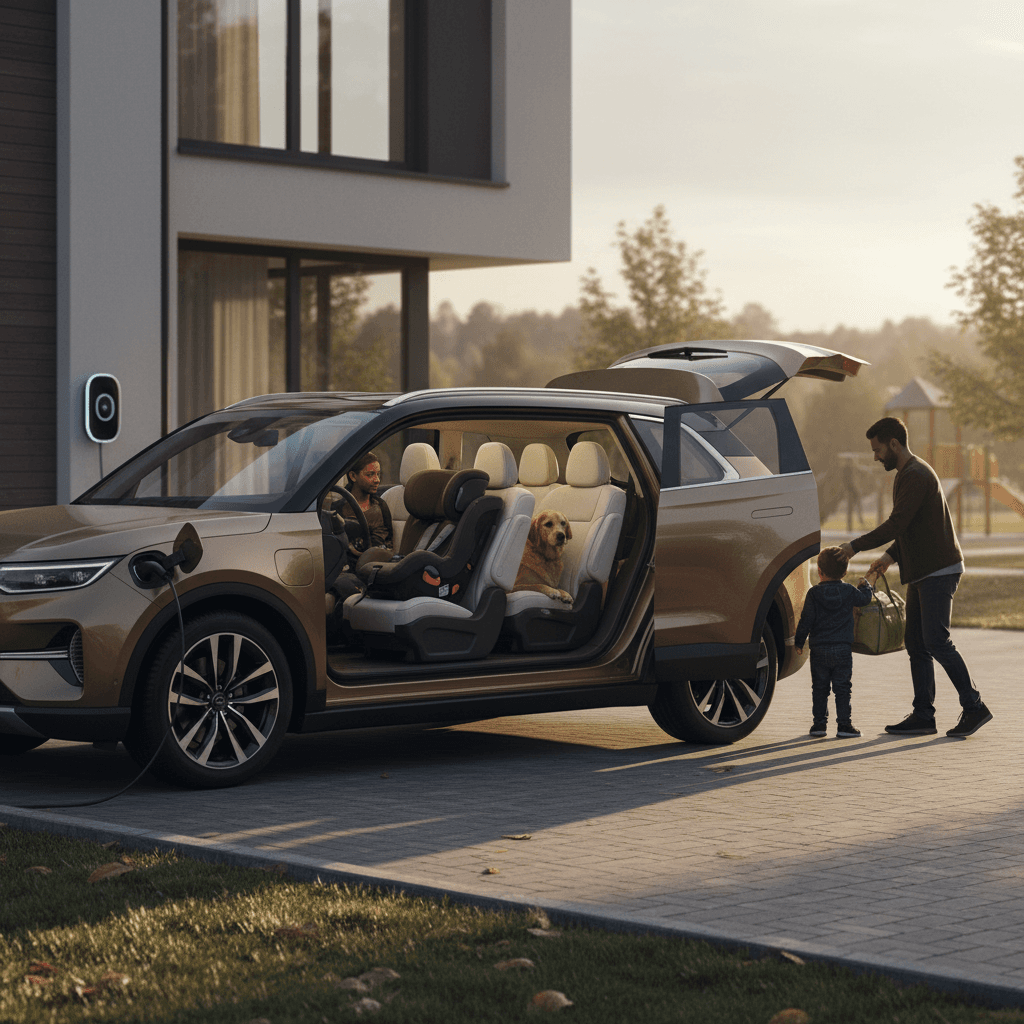
If you’ve got three kids (or two kids plus a frequent grandparent) the **best electric car for a family of 5** has to solve more than just range. You need space for car seats, easy access to the third spot, room for strollers and sports gear, and tech that keeps everyone calm on long drives, without blowing your budget.
What matters most for a family EV
How to choose the best electric car for a family of 5
- Seats and access: Can three kids actually fit across the second row, and can the middle passenger buckle without gymnastics? If you use three car seats, do they install securely?
- Cargo with all passengers aboard: Many EVs look big outside but lose space to the battery and sloping rooflines. Focus on trunk space with all rows up, not just max “seats folded” numbers.
- Safety and driver‑assist tech: Look for top crash scores, robust active safety (automatic emergency braking, blind‑spot monitoring, lane‑keeping), and good visibility.
- Real‑world range: A rated 280‑mile EV might feel like 200–230 miles at 70 mph with a full family and luggage. If you road‑trip, aim higher on paper than you think you need.
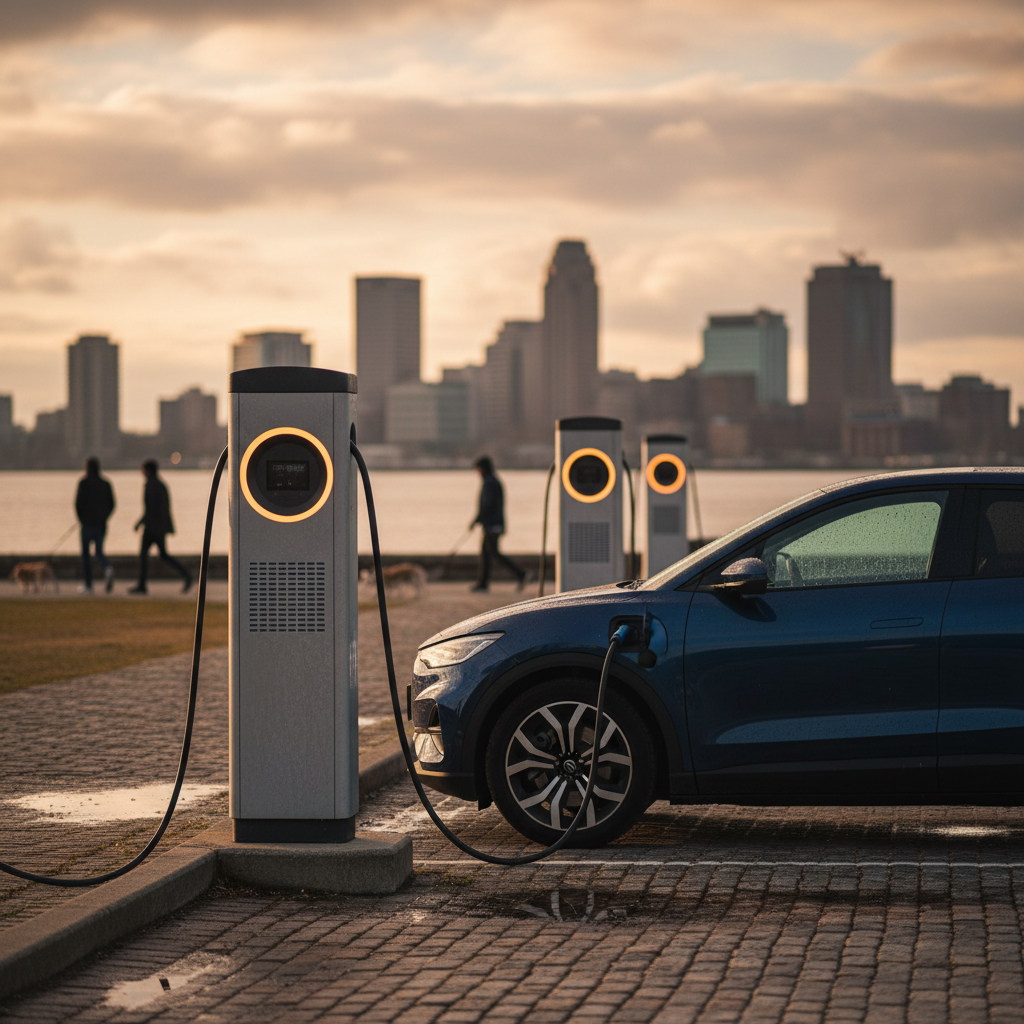
- Charging access: Home Level 2 charging is a game‑changer for families. On the road, access to the Tesla Supercharger network (now opening to more brands) makes life easier.
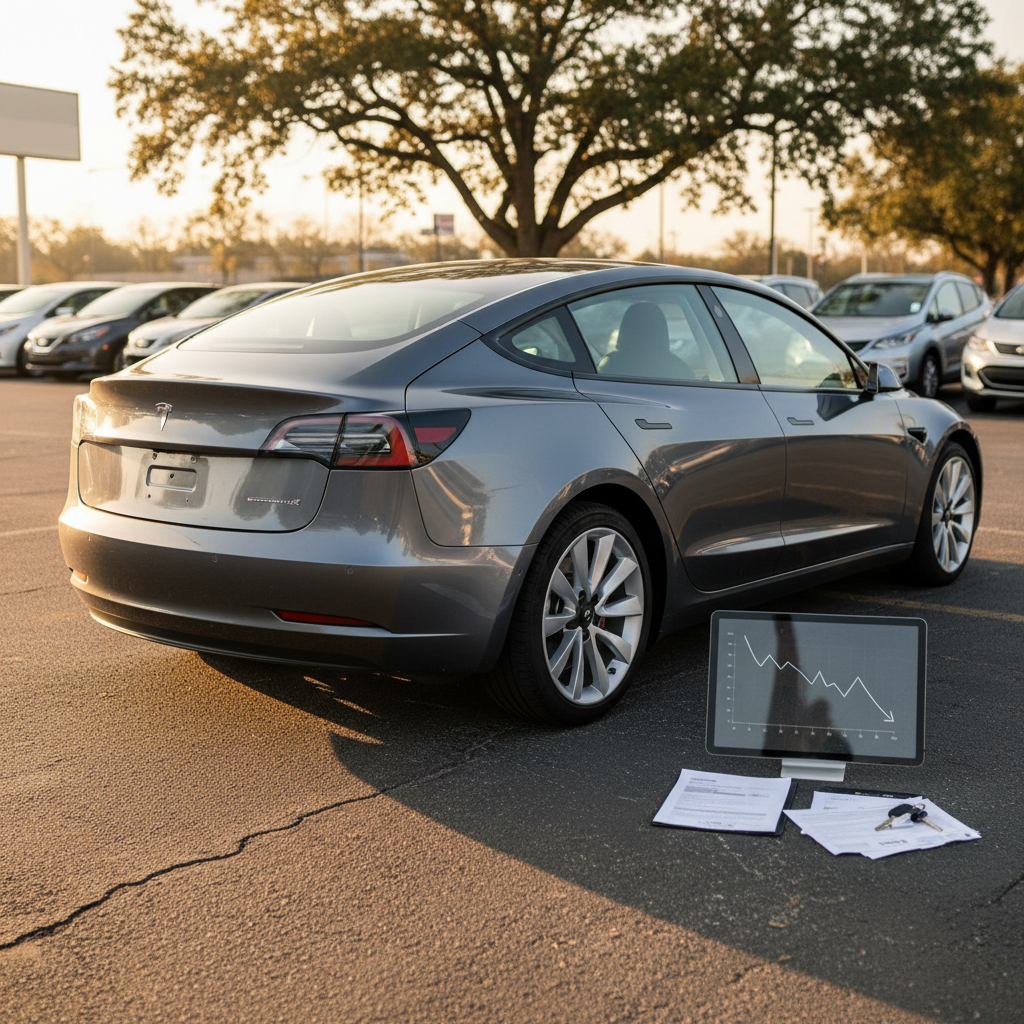
- Budget, incentives, and resale: New 3‑row EVs can get expensive fast. A **used EV with verified battery health** often delivers far better value for family buyers.
Why families are moving to electric
Quick picks: Best electric cars for a family of 5
Best EVs for a family of five in 2026
Highlights across 2‑row and 3‑row electric SUVs
Kia EV9
Best overall 3‑row family EV
- Seats 6 or 7 with adult‑usable third row
- Approx. 230–300 miles EPA range depending on trim
- Won multiple "Family Car of the Year" and "Best Electric 7‑Seater" awards
- Great if you regularly carry 5 people plus gear
Hyundai Ioniq 9
Best emerging 3‑row value
- New 3‑row SUV on Hyundai’s E‑GMP platform
- Large 110 kWh battery and three‑row flexibility
- More affordable than luxury 3‑row EVs
- Good option if you like the Ioniq 5 but need more seats
Hyundai Ioniq 5 / Tesla Model Y
Best 2‑row family EVs
- Comfortable for 5 with lots of cargo space
- Ioniq 5: roomy cabin, very fast charging
- Model Y: strong range, Supercharger network, optional small 3rd row
- Ideal if you rarely use a 3rd row but want family‑friendly versatility
Think in use‑cases, not just specs
Do you really need a 3‑row electric SUV?
When a 2‑row EV is enough
- Your three kids are out of bulky rear‑facing seats.
- You only rarely carry extra adults; you could borrow or rent a larger vehicle a few times a year.
- You prioritize range and efficiency over maximum seating.
- You live in a city or tight suburb where big SUVs are hard to park.
In this case, a well‑packaged 2‑row like the Hyundai Ioniq 5 or Tesla Model Y is often the sweet spot, roomy for five, easier to maneuver, and generally cheaper than the big 3‑row EVs.
When a 3‑row EV is worth it
- You have three kids in car seats or boosters and need easier access.
- You often drive grandparents, cousins, or friends along with your core family.
- Road trips with a lot of luggage, sports gear, or pets are common.
- You want true minivan‑like flexibility without going back to gas.
Here, a 3‑row EV like the Kia EV9 or Hyundai Ioniq 9 keeps everyone more comfortable, and fights fewer back‑seat battles.
Watch out for “5 seats” on paper
Best 3‑row electric SUVs for a family of 5
If you regularly carry five people plus luggage, or you’re juggling multiple car seats, a 3‑row electric SUV gives you breathing room. Here are standout options available new, and increasingly attractive on the used market.
Key 3‑row electric SUVs for families of five
Approximate U.S. specs; always confirm exact figures for the model year and trim you’re shopping.
| Model | Seats | EPA range (approx.) | Notable strengths for families |
|---|---|---|---|
| Kia EV9 | 6–7 | 230–304 mi | Spacious cabin, adult‑usable 3rd row, strong safety tech, good value vs. luxury rivals |
| Hyundai Ioniq 9 | 6–7 | TBA (large 110 kWh pack) | Newer 3‑row EV with big battery, likely strong range and fast charging; more approachable pricing |
| Cadillac Vistiq | 7 | ~305 mi | Luxury 3‑row with standard AWD, advanced driver assist (Super Cruise), upscale cabin |
| Volvo EM90 (where available) | 6 | CLTC 450+ mi | Electric minivan‑style space, lounge‑like interior; currently limited to certain markets |
Focus on usable space and charging, not just headline range numbers.
Why the Kia EV9 keeps winning family awards
If you’re shopping used, an early EV9 in a mid‑trim can be a smart buy: you still get the big battery, modern safety tech, and three rows, but you avoid new‑car depreciation. This is exactly the kind of vehicle where a **battery health report**, like Recharged’s *Recharged Score*, matters, replacing a large pack out of warranty can be a five‑figure bill.
Best 2‑row electric cars for a family of 5
Not every family of five needs a huge SUV. If your kids are a bit older or you don’t road‑trip with a mountain of gear, a smartly designed 2‑row electric crossover can be more than enough, and easier on the wallet.
Top 2‑row EVs that work for five
Great if you mostly drive in town and take a few longer trips a year
Hyundai Ioniq 5
Award‑winning family EV with a surprisingly airy cabin and generous rear legroom. Recent guides have named it a top family electric vehicle thanks to its space and 800‑volt fast‑charging.
- Comfortable for 5 with flat floor
- EPA range ~245–320 miles depending on trim
- Very quick DC fast charging (10–80% in under 20 minutes at high‑power stations)
Tesla Model Y
The default choice for many U.S. families thanks to range and the Supercharger network. There’s an optional small 3rd row, but think of this as a 2‑row with bonus kid seats, not a true 7‑seater.
- Strong range and efficiency
- Excellent road‑trip charging coverage
- Sparse interior that some families love, others dislike
Other contenders
Depending on market and budget, consider models like the Nissan Ariya, Volkswagen ID.4, or Ford Mustang Mach‑E. All offer five‑seat practicality and enough range for most families’ daily driving.
In these vehicles, the key is testing three‑across fit in the back seat with your actual child seats or boosters.
Try your actual car seats before you buy
Car seats, safety ratings, and kid-friendly details
Safety is non‑negotiable in a family car, and EVs tend to score well thanks to their strong platforms and low centers of gravity. But families of five have some very specific needs that don’t always show up in a crash‑test star rating.
Family‑focused safety checklist for EVs
Check crash scores and headlights
Look for top overall crash ratings from major testing agencies and don’t overlook headlight performance, good headlights are a nightly safety feature when you’re driving kids.
Evaluate car‑seat anchor access
Some EVs hide LATCH anchors deep in the cushions or under plastic flaps. Make sure you can easily attach and tighten seats, especially in the middle position if you use it.
Test three‑across and third‑row access
With three kids, you’ll either run three‑across in row two or use row three regularly. Practice getting everyone in and out while parked at the dealer, doors, seat sliders, and buckles all matter.
Review driver‑assist systems
Features like adaptive cruise control, lane‑centering, blind‑spot monitoring, and rear cross‑traffic alert can significantly reduce your workload with kids on board. Try them on a test drive if possible.
Kid‑friendly storage and materials
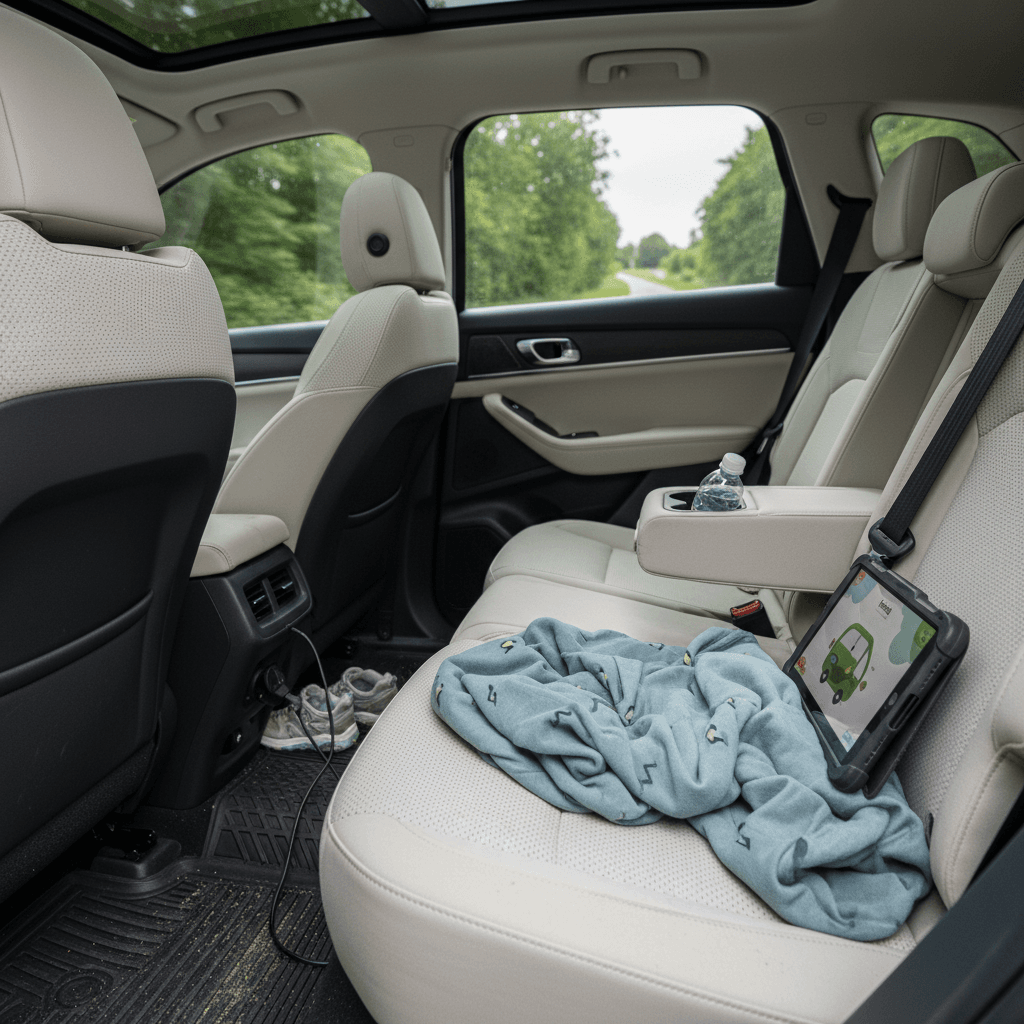
Look for lots of small storage spaces, cupholders that fit kids’ bottles, and durable, easy‑to‑wipe materials. Light interiors look nice but can show stains faster.
Don’t let screens replace supervision
Range, charging, and road trips with a family of 5
With five people and luggage on board, your EV will use more energy than the brochure suggests, especially at highway speeds. That doesn’t mean road‑tripping in an electric family car is hard; it just means you should choose your range and charging strategy deliberately.
- Daily driving: For school runs, errands, and commuting, 220–260 miles of rated range is usually plenty if you can charge at home. You’ll rarely arrive home with less than 30–40% battery.
- Weekend trips: If you often drive 150–200 miles in a day with the family, a rated range in the high‑200s gives breathing room for weather, detours, and running climate control generously.
- Long road trips: Here, the combination of real 250+ mile highway range and reliable DC fast‑charging coverage matters more than one eye‑catching range number. The Kia EV9, Tesla Model Y, and emerging 3‑row options like the Hyundai Ioniq 9 are designed with this in mind.
- Charging networks: Many newer EVs now support the Tesla Supercharger network via NACS ports or adapters, dramatically improving road‑trip convenience. Confirm what your specific model year supports, especially on the used market.
Align charging stops with kid stops
New vs. used: Stretching your budget with a family EV
A new 3‑row electric SUV can easily crest $70,000 with options. For many families, the smarter move is a **lightly used electric SUV or crossover** with proven reliability, strong remaining battery life, and a track record in the real world.
Why consider a used family EV
- Lower upfront cost: Let the first owner absorb the steepest depreciation, especially on premium trims.
- Proven track record: By year 2–3, common issues are well‑known and often already resolved under warranty.
- More EV for your money: A used EV9 or Ioniq 5 Limited may cost the same as a new, sparsely equipped compact EV.
What to watch closely on used EVs
- Battery health: Range loss varies widely by model and owner behavior. You want an objective test, not just an optimistic guess from the seller.
- Remaining warranty: Many EVs carry 8‑year battery warranties; knowing how much time and mileage is left is crucial.
- Charging history: Heavy DC‑fast‑charging use isn’t automatically bad, but it’s a data point to consider with battery health.
Why the battery report matters more than the odometer
How Recharged helps families buy the right used EV
Recharged exists for exactly the questions families are wrestling with right now: "Is this used EV actually a good deal? Will the battery still meet our needs? And will it fit our kids and car seats without surprises?"
What you get when you buy a used EV through Recharged
Family‑oriented transparency and support, from shortlists to delivery
Recharged Score battery health diagnostics
Every vehicle on Recharged comes with a Recharged Score Report that includes verified battery health and projected real‑world range. You can quickly see whether a specific EV still has the legs for your school runs and road trips with a full family.
EV‑specialist guidance
Recharged’s EV specialists help you compare models like the Kia EV9, Ioniq 9, Ioniq 5, and Model Y for your specific family needs, seat layout, range, home charging, and budget, so you’re not just relying on marketing copy.
Financing, trade‑in, and delivery
You can finance your used EV, trade in your current vehicle, and get nationwide delivery through a fully digital experience or visit the Recharged Experience Center in Richmond, VA if you want to see vehicles in person.
From research to driveway, without the dealership dance
FAQ: Best electric car for a family of 5
Frequently asked questions
If you’re shopping for the **best electric car for a family of 5**, don’t fixate on a single spec or the latest hype. Focus on how the seats, cargo space, safety tech, range, and charging fit your actual life, with your actual kids and car seats. Whether that leads you to a 3‑row Kia EV9, a new‑wave 3‑row like the Hyundai Ioniq 9, or a smartly chosen used Ioniq 5 or Model Y, the right EV can make family logistics quieter, cheaper, and a lot less stressful.
Recharged is built to make that transition easier. With verified battery health reports, transparent pricing, EV‑savvy support, and nationwide delivery, you can move from research to school‑drop‑off duty without the usual dealership drama.