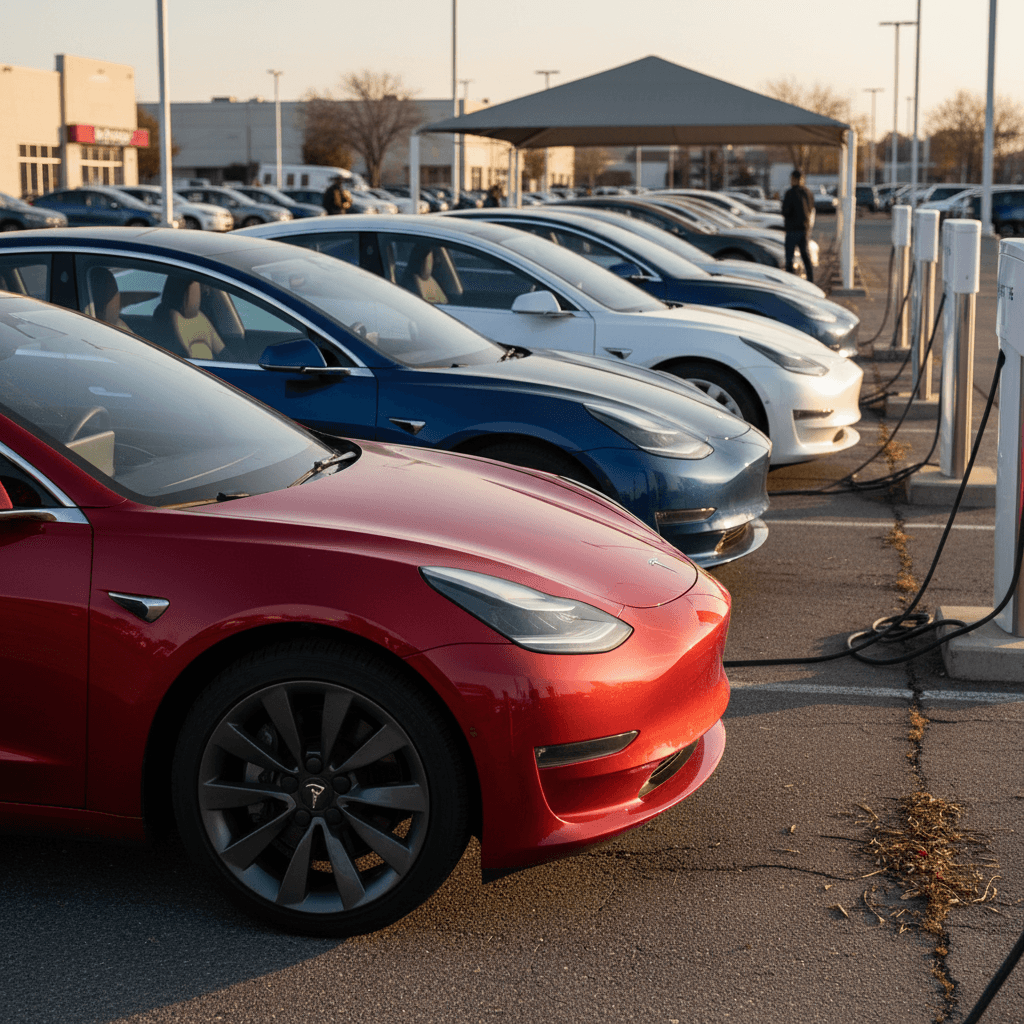
You’re not imagining it: the best used Tesla Model 3 to buy in 2026 might be the single smartest way into EV ownership right now. The car is everywhere, the tech is mature, the charging ecosystem is robust, and depreciation has finally done some of the hard work for you. The catch is choosing the right year, trim, and battery, and not getting burned by a hard‑driven, mystery-history car.
The short version
Why a used Tesla Model 3 is so attractive in 2026
1. It’s the benchmark EV sedan. Since launching in 2017, the Model 3 has become the reference point for electric sedans: quick, efficient, and software‑driven. It’s the car everyone else reverse‑engineered.
On the used market in 2026, that means huge supply. More cars, more build years, more price points, and more chances to make a mistake if you don’t know what you’re looking at.
2. Batteries are aging far better than people feared. Real‑world data from fleets and owner logs shows most Model 3 packs losing well under 10% of usable range in the first four to five years when properly cared for. The horror stories are the exception, not the rule.
The trick is separating a healthy pack from one that’s been fast‑charged to within an inch of its life, something a proper health report like the Recharged Score can expose.
What you’re typically getting in a good used Model 3
Quick picks: best used Model 3 in 2026 by buyer type
Best used Tesla Model 3 to buy in 2026 (by use case)
If you just want the answer, start here and then read the details below.
Best budget buy
Pick: 2019–2021 Model 3 RWD (Standard Range/Standard Range Plus/RWD)
- Often the lowest entry price
- Still plenty of real‑world range for commuting
- Watch options: basic audio, smaller battery
Best all‑around choice
Pick: 2021–2023 Model 3 Long Range AWD
- Biggest real‑world range and all‑weather traction
- Strong performance without Performance‑trim tire bills
- Typically better equipped and better cared for
Best for enthusiasts
Pick: 2020–2023 Model 3 Performance
- Truly fast, track‑capable sedan
- Upgraded brakes, wheels, and suspension tuning
- Look hard at tire wear and alignment history
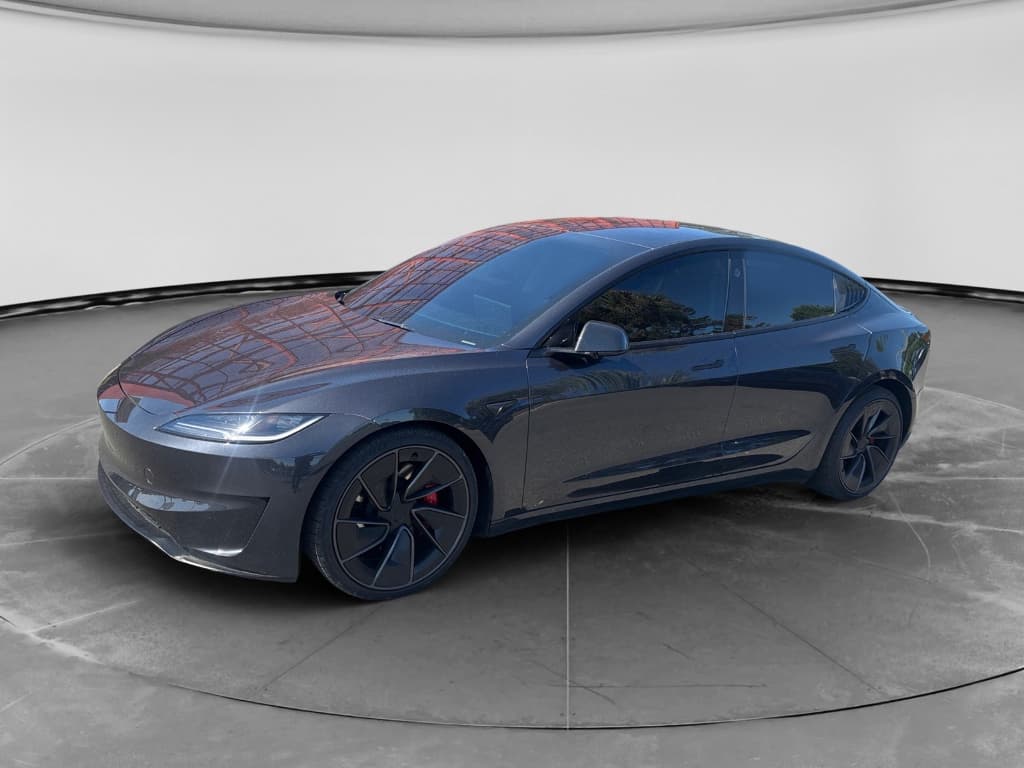
When to target the 2024+ “Highland” refresh
The facelifted Model 3 is still rare used in 2026, but worth hunting if you can.
Who it fits
- You want the quietest, most refined Model 3 cabin
- You care about interior materials and ride comfort more than outright speed
- You’re willing to pay a premium for being at the front of the depreciation curve
When to skip
- Your budget is tight and you’d rather have a newer battery with more options on a 2021–2023 car
- You prioritize value per dollar over owning the latest facelift
Best Tesla Model 3 model years to buy in 2026
Tesla does not do traditional model years so much as rolling updates. But when you’re trying to choose the best used Tesla Model 3 to buy in 2026, a few breakpoints really matter: early build quality, battery chemistry changes, the heat pump arrival, and the 2024 “Highland” refresh.
Tesla Model 3 model-year sweet spots for 2026 shoppers
Broad strokes only, individual car condition and battery health matter more than the calendar.
| Model Year | Why consider it | Why be cautious |
|---|---|---|
| 2018–2019 | First wave of volume cars; now heavily depreciated. Great entry point if battery health is strong and build issues have been fixed. | Early build quality can be hit‑or‑miss; some cars have more squeaks, rattles, and cosmetic issues. Check for warranty repairs. |
| 2020 | Mature early design with many early bugs ironed out. Often good value with mid‑pack mileage. | Pre‑heat‑pump cars are less efficient and less comfortable in cold climates; look closely at winter range needs. |
| 2021–2023 | The practical sweet spot. Most cars get the heat pump, updated interior details, and improved efficiency. Range and charging behavior are excellent. | Prices still relatively strong; you’re paying more but getting most of the Highland benefits in substance if not style. |
| 2024–2025 (Highland) | New front and rear styling, quieter cabin, suspension refinements, updated interior and screens. If you want the latest feel, this is it. | Still near the top of the depreciation curve; you’re paying for “newness.” Some options and trims may be limited in the early refresh years. |
Use this as a starting point, then narrow down by trim, mileage, and verified battery health.
Smart move for most buyers
Model 3 years and configs to approach carefully
- Early 2017–early 2018 builds: These are historically where most of the fit‑and‑finish complaints and teething issues live. Some have been thoroughly sorted under warranty; others feel like beta hardware. If you buy one, the price should make that compromise obvious.
- High‑mileage rideshare cars: A Model 3 that lived its life doing airport runs can rack up 150,000+ miles with heavy DC fast‑charging. That’s hard on seats, door handles, suspension, and the pack. Battery health data is non‑negotiable here.
- Performance trims on worn tires and brakes: The car is strong enough to embarrass real sports sedans. Owners sometimes drive them accordingly, then sell them with tired rubber and cooked pads. Budget for fresh, quality tires and a proper alignment at minimum.
- Cars with lots of bodywork: Tesla aluminum is expensive to fix correctly. Poor collision repairs can create wind noise, leaks, and alignment weirdness. Always run a history report and, if possible, inspect panel gaps and paint carefully in bright light.
Don’t chase the absolute cheapest car
Which used Tesla Model 3 trim should you buy?
There are three main flavors of Model 3 you’ll see on the used market in 2026: Rear‑Wheel Drive/Standard Range, Long Range AWD, and Performance. Tesla has renamed and tweaked them over time, but those are the core personalities.
Used Model 3 trim comparison: which suits you best?
Highlights assume typical 2020–2023 cars; check exact spec for the year you’re shopping.
| Trim | Typical real‑world range | Personality | Best for |
|---|---|---|---|
| RWD / Standard Range / Standard Range Plus | 200–240 miles | Balanced and efficient. Enough punch to feel quick, but focused on cost and simplicity. | Urban/suburban commuters, second cars, buyers who charge at home most nights. |
| Long Range AWD | 260–330 miles | The grand‑touring spec. Big battery, dual motors, very strong acceleration, excellent highway range. | One‑car households, road‑trippers, colder‑climate drivers, people who keep cars for a long time. |
| Performance | 230–300 miles (depending on wheels/tires) | Sports sedan with a software addiction. Huge punch, grippier tires, stiffer ride. | Enthusiasts, track‑day dabblers, anyone who thinks passing power is a personality trait. |
Range figures are approximate real‑world numbers, not optimistic marketing claims.
Trim recommendation in one sentence
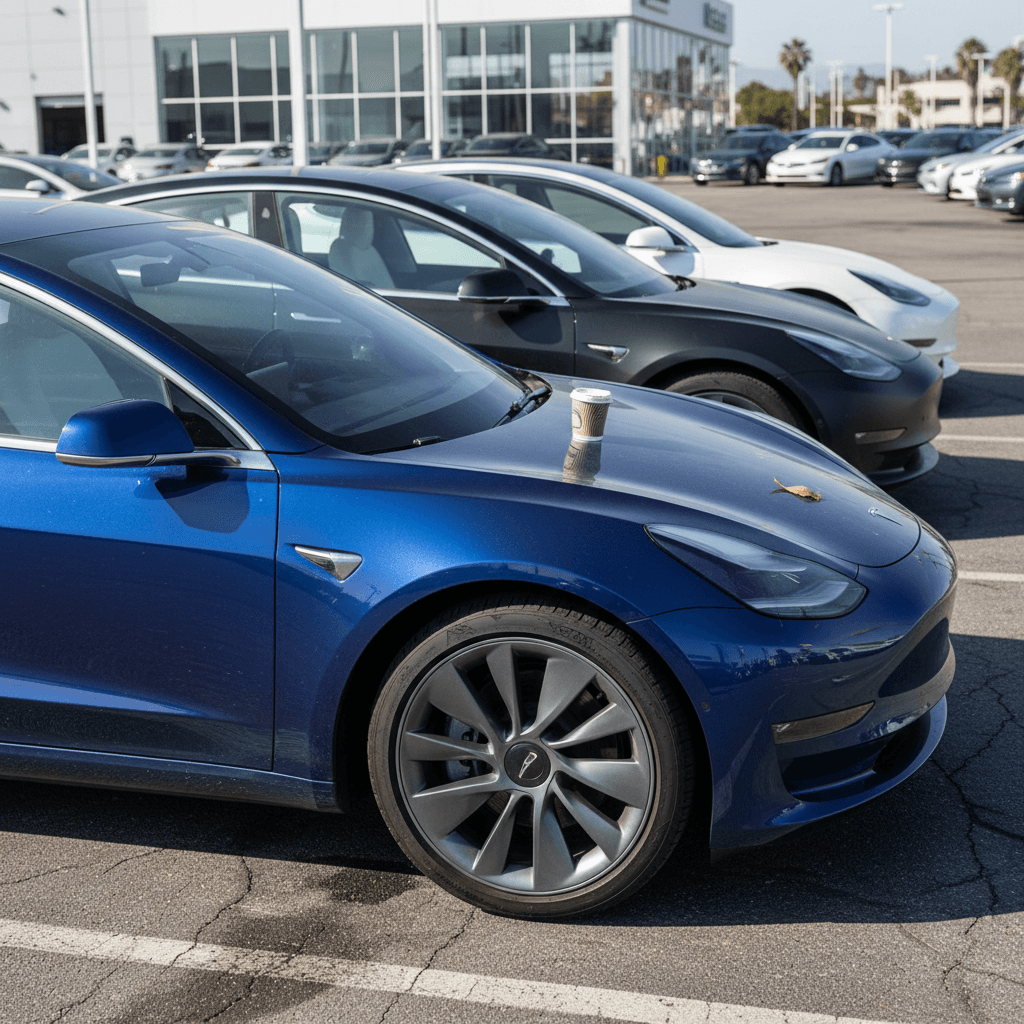
Battery health: what really matters on a used Model 3
The defining question of any used EV is simple: how much real battery do I have left? With Model 3, the good news is that most packs hold up remarkably well. Independent data in 2025 suggests many cars see less than 10% capacity loss after four to five years of normal use. But you’re not buying an average, you’re buying one specific car.
Good signs
- Battery health around 90–95% after ~50,000 miles is common and not alarming.
- Owner mostly charged at home, kept daily charge targets around 70–80% on non‑LFP packs.
- Car wasn’t supercharged daily for high‑mileage commute or rideshare use.
Red flags
- Unexplained drops in displayed range or big swings after software updates.
- Reported battery health well below peers at similar age/mileage.
- History of repeated fast‑charging and high‑mileage fleet duty with no documentation.
Why a real health report matters
Key battery questions to answer before you buy
1. What’s the measured battery health, not just the mileage?
Two Model 3s with the same odometer reading can have very different pack health depending on how they were charged and driven. Ask for a quantified state‑of‑health figure, not just “range seems fine.”
2. How was the car typically charged?
Home Level 2 charging at moderate charge levels is ideal. Heavy DC fast‑charging isn’t an automatic deal‑breaker, but it should factor into price and your long‑term expectations.
3. Has Tesla done any high‑voltage or pack‑related repairs?
Battery‑related service history can be good (issues already addressed) or a warning sign (recurring problems). On a Recharged vehicle, this is summarized in the Recharged Score report.
4. What’s left on the battery warranty?
Most Model 3 packs carry an 8‑year / 100,000–120,000‑mile battery and drive unit warranty, depending on trim. Check the in‑service date and mileage so you know how much factory coverage remains.
Price, depreciation, and what a fair deal looks like
Tesla changes pricing like some people change playlists, which means used values float in a sea of list‑price drama. The pattern for 2026, though, is clear: early cars are firmly in value territory, mid‑cycle cars have settled into a reasonable middle, and “Highland” is still wearing some of its showroom gloss in the asking price.
How depreciation usually shakes out
- 2018–2019 cars often show the steepest percentage drop from MSRP, especially lower‑spec RWD trims.
- 2020–2022 cars tend to be the sweet spot on price vs. remaining warranty and modern features.
- 2023–2025 examples hold a premium, but may still make sense if you’re planning long‑term ownership.
What makes a price “fair”
- Battery health that matches or beats peers at the same age and mileage.
- Clean accident history and documented service records.
- Options you’ll actually use (Autopilot, premium interior) without paying for software you don’t care about.
On Recharged, each car is priced against live market data and its Recharged Score, so you can see exactly how battery health, condition, and market comps drive the number.
Don’t overpay for software you can’t keep
Inspection checklist before you buy a used Model 3
Physical and digital checks that matter most
1. Exterior, glass, and wheels
Walk the car in good light. Look for misaligned panels, mismatched paint, cracked glass roof, curb‑rashed wheels, and evidence of cheap collision repair. Performance cars with 20‑inch wheels deserve extra scrutiny.
2. Interior wear and tear
High‑miles cars can have shiny steering wheels, worn bolsters, and loose trim. A tight, quiet cabin says a lot about how the car was treated day‑to‑day.
3. Suspension and ride quality
On a test drive, listen for knocks over bumps and pay attention to how the car tracks straight. Uneven tire wear plus wandering steering can point to past curb hits or poor alignment.
4. Software status and features
Check for the current software version, active connectivity, and which driver‑assist features are actually enabled. Confirm that what’s advertised in the listing matches the car’s on‑screen menus.
5. Charging behavior
Plug into AC if possible and verify that charging starts promptly and at the expected rate. For DC fast‑charging, past logs and health reports are often the only window into how the car behaves at high power.
Skip the sight‑unseen gamble
How Recharged de-risks buying a used Tesla Model 3
Tesla made the Model 3 simple to drive and complex to judge. There’s hardware variation by year and factory, software variation by update, and battery variation by how the last owner treated their electrons. This is why Recharged exists: to put structure and transparency around a car that can otherwise feel like a black box.
What you get when you buy a used Model 3 through Recharged
Less guesswork, more data, and support from people who live and breathe EVs.
Recharged Score battery diagnostics
Every car comes with a Recharged Score Report that includes verified battery health, charging behavior, and how that car compares to similar Model 3s. You’re not just trusting a dash display, you’re seeing real diagnostics.
Fair‑market pricing & financing
Recharged benchmarks each Tesla Model 3 against live market data, mileage, options, and battery health to land at a fair price. You can also finance directly through Recharged and even apply your trade‑in or instant offer toward the car.
Nationwide delivery & EV‑savvy support
From the digital showroom to delivery, the process is fully online, backed by EV specialists who can walk you through trims, years, and battery reports. Prefer to see one in person? Visit the Recharged Experience Center in Richmond, VA.
Ready to find your next EV?
Browse VehiclesUsed Tesla Model 3 FAQ for 2026
Frequently asked questions about buying a used Model 3 in 2026
Bottom line: the best used Tesla Model 3 to buy in 2026
If you want the TL;DR: the best used Tesla Model 3 to buy in 2026 is usually a 2021–2023 Long Range AWD with verified battery health, clean history, and the options you’ll actually use. Value‑hunters can dip into 2019–2020 RWD cars with a good health report, while enthusiasts can justify a well‑kept Performance model, just budget for tires. If you crave the latest styling and refinement, a 2024+ Highland sits at the top of the heap, priced accordingly.
However you slice it, the key is transparency: know the pack, know the history, and know how the price lines up with reality. That’s exactly what Recharged is built to deliver, with Recharged Score reports, fair pricing, EV‑savvy support, and nationwide delivery. Get those pieces right, and a used Model 3 isn’t just a good EV, it’s the moment the future of cars finally makes financial sense.