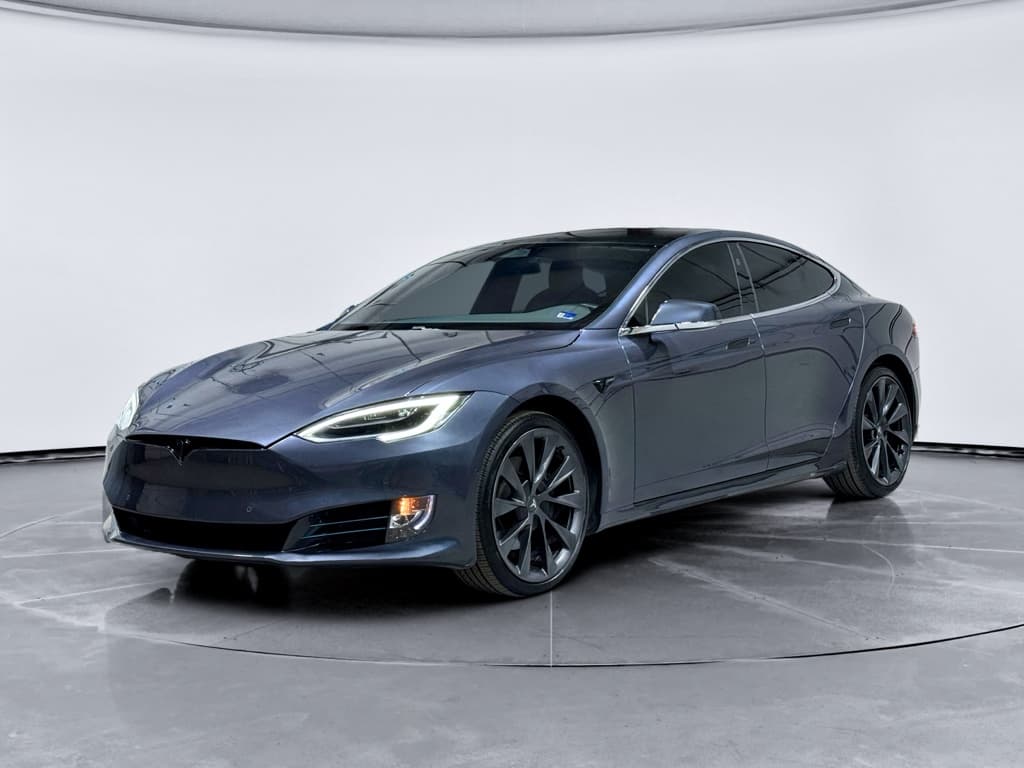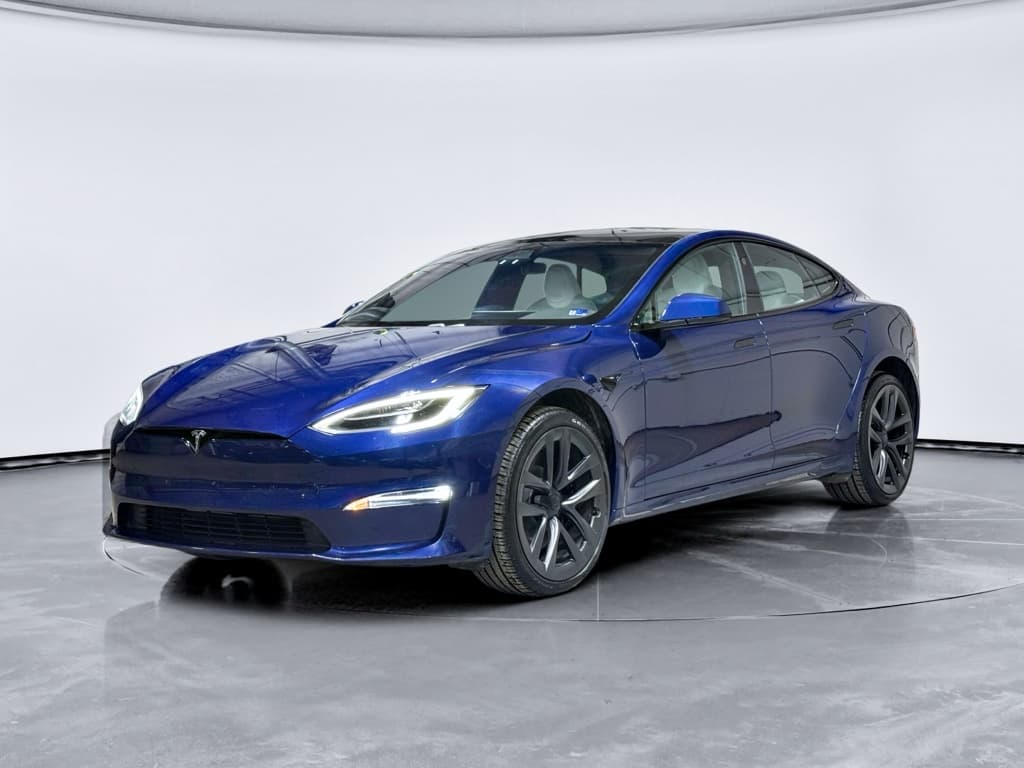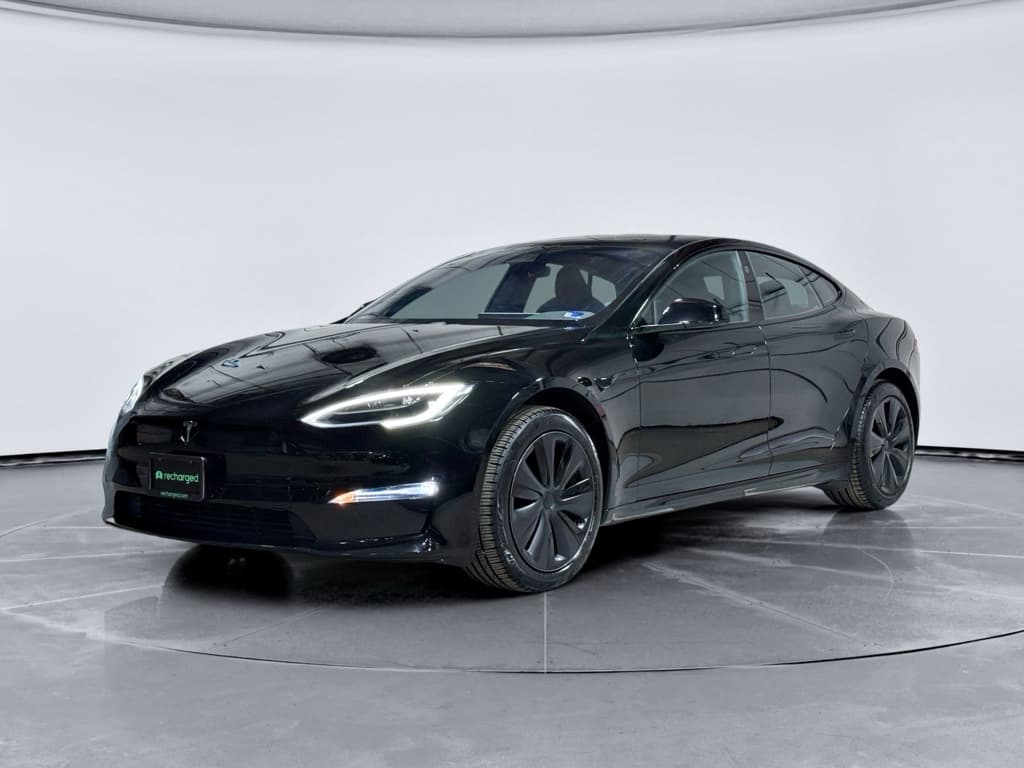
If you want a long‑range luxury EV without six‑figure pricing, a 2020 Tesla Model S is probably on your shortlist. It sits at a sweet spot: newer "Raven" hardware, serious performance, usable range, and enough age that prices have come down hard. This 2020 Tesla Model S buying guide walks you through trims, pricing, warranty, battery health, common issues, and a practical inspection checklist so you can shop confidently on today’s used‑EV market.
Big picture: where 2020 Model S fits today
Why the 2020 Model S is on so many shortlists
2020 Model S at a glance
The 2020 Model S was part of Tesla’s "Raven" update era, pairing the 100 kWh pack with updated motors and adaptive air suspension. Compared with earlier cars, you get better efficiency, smoother ride quality, and stronger range numbers. For many buyers, a 2020 car feels modern enough in tech and performance, but sits well below new‑car pricing, especially after Tesla’s price cuts dragged used values down across 2024 and early 2025.
Where it makes the most sense
2020 Tesla Model S trims and key specs
For the 2020 model year in the U.S., the Model S lineup was simple: Long Range Plus and Performance, both with dual‑motor all‑wheel drive and a 100 kWh battery. Tesla updated naming mid‑cycle, but for used shoppers the big distinctions are range and acceleration, not pack size.
2020 Tesla Model S trim overview
Approximate specs for U.S.‑market 2020 Model S. Exact numbers vary slightly by wheel/tire choice and software updates.
| Trim | Drivetrain | Battery | EPA range (approx.) | 0–60 mph (approx.) | Notable traits |
|---|---|---|---|---|---|
| Long Range Plus | Dual‑motor AWD | ~100 kWh | ≈387 miles | ≈3.7 sec | Best for long‑distance driving and efficiency. |
| Performance | Dual‑motor AWD | ~100 kWh | ≈348 miles | as low as ≈2.3 sec (w/ Ludicrous) | Supercar acceleration, slightly less range. |
Use this as a directional guide; confirm details against the specific car’s window sticker or Tesla account when possible.
Tesla’s spec sheets move around
Long Range Plus: The road‑trip hero
If you prioritize maximum range and don’t need supercar launches, the Long Range Plus is usually the smarter buy. On a healthy battery, many owners see 300+ miles of real‑world freeway range at moderate speeds, even with some degradation.
Performance: The sleeper sports car
The Performance trim trades some range for brutal acceleration. If you care about 0–60 times and enjoy back‑road driving, it’s the more emotional choice, but tires, brakes and even energy usage will cost you more over time.
What 2020 Model S cars are actually selling for
Used EV pricing has been volatile. Between 2023 and mid‑2025, used Tesla values, especially the Model S, fell faster than the broader used‑car market as new‑car price cuts rippled through resale values. By late 2025 and early 2026, Model S/X pricing began to firm up again after Tesla killed both models, but they remain relatively affordable versus past years.
Typical 2020 Model S asking prices (U.S., early 2026)
Real‑world list‑price bands for 2020 Model S based on mileage and configuration, using recent market data and Recharged pricing analysis.
| Trim & condition | Odometer range | Typical asking range | Notes |
|---|---|---|---|
| Long Range Plus – lower miles | Under 40,000 mi | $34,000–$40,000+ | One‑owner cars with clean history and remaining basic warranty or CPO backing command a premium. |
| Long Range Plus – average miles | 40,000–70,000 mi | $30,000–$36,000 | Most of the market sits here; price hinges on options and battery health. |
| Long Range Plus – high miles | 70,000–100,000+ mi | $26,000–$32,000 | Still attractive if battery health and service records check out. |
| Performance – mixed miles | 40,000–80,000 mi | $32,000–$42,000+ | Wide range depending on wheels, Ludicrous, and whether it has FSD. |
| Performance – high miles or rough history | 80,000+ mi or accidents | Low $30,000s and down | Discounts reflect wear, potential suspension and tire costs, and buyer concern about past damage. |
Expect negotiation room and regional variation; these are directional shopping brackets, not guarantees.
Use price as a starting point, not the decision
Warranty and battery coverage on a 2020 Model S
Every 2020 Model S left the factory with two key coverages: a Basic Vehicle Limited Warranty and a Battery and Drive Unit Limited Warranty. By 2026, most 2020 cars are out of basic coverage but still within their high‑voltage battery and drive‑unit window.
Standard 2020 Model S warranty overview
Actual in‑service date matters, but these are the factory baselines.
Basic vehicle warranty
4 years / 50,000 miles from the original in‑service date, whichever comes first. Covers most non‑wear parts but excludes tires, brakes, and cosmetic items.
Battery & drive unit
For most late‑2010s/early‑2020s Model S, the high‑voltage battery and drive unit are covered for 8 years, with a mileage cap (commonly around 150,000 miles) and a minimum 70% capacity retention clause.
CPO & third‑party options
Some used Teslas sold directly by Tesla carried additional limited coverage, and third‑party extended service contracts exist. Read terms carefully, many exclude the battery pack.
Always check the in‑service date
When you shop, ask for a factory warranty status printout or screenshot from the Tesla app. At Recharged, every Tesla listing clearly notes remaining battery and drive‑unit coverage and summarizes those details in the Recharged Score report so you’re not guessing about expensive components.
Common 2019–2020 Model S issues to watch for
The 2020 Model S avoids some early‑production headaches (like first‑generation door handles and the original MCU1 infotainment unit), but there are still known trouble spots. None are automatic deal‑breakers, but you should budget and inspect accordingly.
- Suspension and half‑shaft shudder: Owners of 2016–2020 Model S and X frequently report vibration or shudder under hard acceleration, often linked to front half‑shafts and motor mounts.
- Air suspension wear: The adaptive air system rides well when healthy, but leaks or compressor issues can be expensive out of warranty.
- Door handles and latches: Later Model S handles are more robust than early ones, but sticky or partially extending handles still show up in inspections.
- MCU and screen issues: By 2020, most cars use the more robust MCU2 hardware, but check for laggy behavior, yellowing borders, or ghost touches.
- Paint and trim: Tesla’s paint and panel alignment were improving by 2020 but still not class‑leading; look for uneven gaps, bubbling, or mismatched panels after repairs.
- Wind noise and seals: Frameless doors can develop additional wind noise over time if seals are worn or misaligned.
Don’t ignore air‑suspension warning messages
Battery health, real‑world range, and charging habits
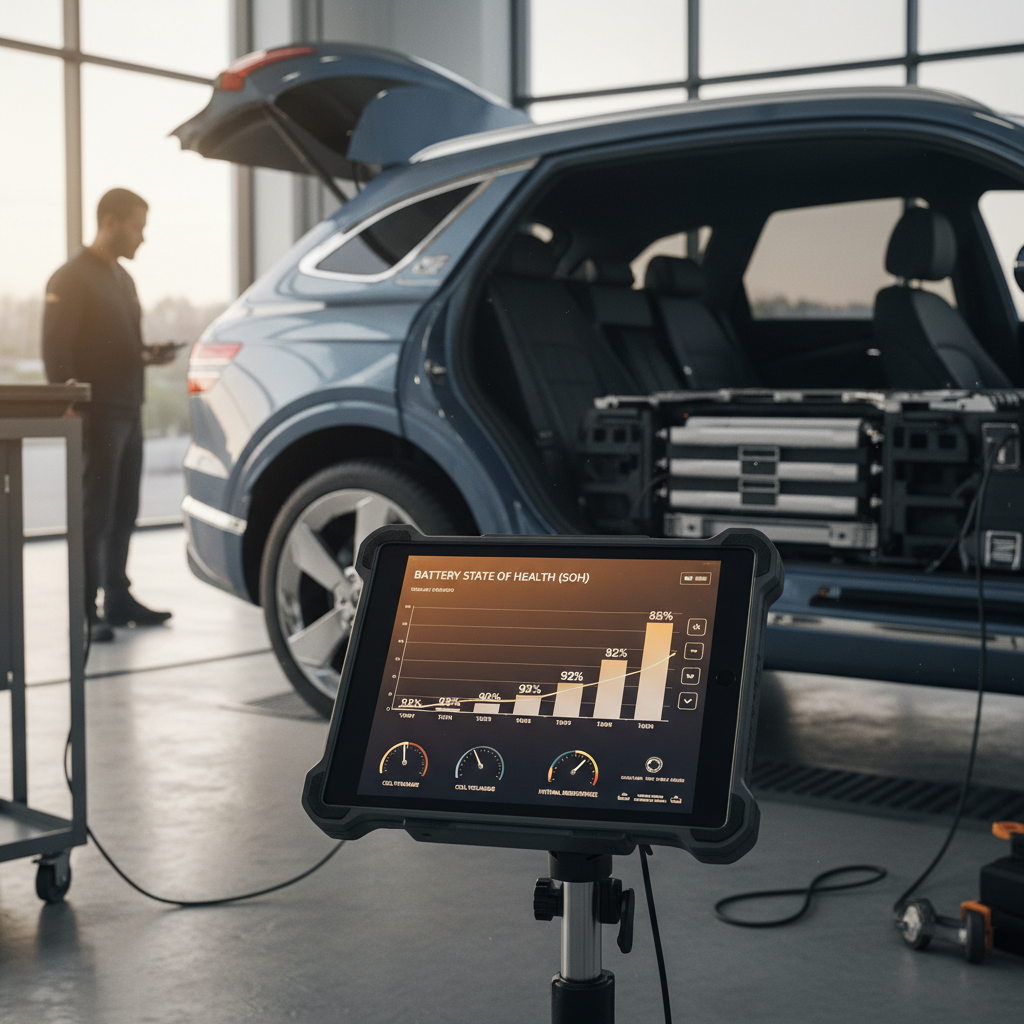
On a used EV, the battery pack is the single most important component. A 2020 Model S with a healthy pack should still deliver excellent range, but real‑world numbers depend heavily on how the previous owner charged and drove the car.
What “good” looks like on a 2020 pack
- Typical degradation for a well‑cared‑for pack might be in the ballpark of 5–10% by year 6, though individual cars vary.
- A Long Range Plus that once showed ~387 miles at 100% might now show somewhere in the mid‑300s.
- Moderate, predictable loss over time is normal; sudden, large drops deserve extra scrutiny.
Charging history matters
- Heavy, daily DC fast‑charging (Supercharging) can accelerate degradation versus mostly Level 2 home charging.
- Keeping the battery near 100% or 0% for long periods isn’t healthy; most owners are better off living between about 10–90% for daily use.
- Consistent, gentle use usually matters more than occasional road‑trip fast‑charging.
How Recharged checks battery health
Autopilot vs. FSD: How much is that software worth?
Almost every 2020 Model S has some form of Autopilot, but the exact software bundle, Basic Autopilot, Enhanced Autopilot, or Full Self‑Driving (FSD), can change the asking price by thousands of dollars. Tesla has also reshuffled naming and feature sets several times, so it’s easy to get confused.
2020 Autopilot & FSD packages in plain English
Names shifted over the years, but these are the big shopper‑level differences.
Basic Autopilot
Typically includes traffic‑aware cruise control and lane‑keeping on highways. Most 2020 cars have this enabled.
Enhanced Autopilot
Adds features like auto lane‑change, Navigate on Autopilot (highway on‑ramp to off‑ramp routing), and enhanced Summon where available.
Full Self‑Driving (FSD)
Unlocks Tesla’s most advanced driver‑assist beta software when available and approved. It has been a pricey add‑on and a major resale talking point.
Should you pay up for FSD on a 2020 car?
2020 Model S vs. newer Model S and other EVs
New Model S production stopped in 2025, and the latest cars carry six‑figure MSRPs when you find them. That makes the 2020 model year a kind of inflection point: it has the modern Raven powertrain but predates more recent interior redesigns and software hardware changes.
2020 vs. refreshed Model S
- Newer cars offer a more radical interior redesign (yoke/round wheel options, landscape screen) and updated infotainment hardware.
- They cost dramatically more on the used market.
- Range differences aren’t always huge for everyday driving, especially once you factor in price.
2020 Model S vs. Model 3/Y
- Model 3/Y are smaller and more efficient, often cheaper used.
- Model S gives you hatchback practicality, more upscale ride, and stronger performance.
- If you regularly haul people and cargo, Model S still feels more like a luxury flagship.
2020 Model S vs. rival luxury EVs
- Competitors may offer nicer interiors and dealer service networks.
- Tesla’s strengths remain software, charging network, and straight‑line speed.
- Your decision often comes down to how much you value the Supercharger network and Tesla’s tech stack.
2020 Tesla Model S pre‑purchase checklist
Before you wire money or sign a finance contract, walk through a structured checklist. Here’s a practical sequence tailored to 2020 Model S shoppers.
Step‑by‑step inspection guide
1. Verify VIN, history, and recalls
Run a full vehicle‑history report, match the VIN on the car, and confirm there are no open safety recalls. Look closely at prior accidents, airbag deployments, and any branded title history.
2. Confirm warranty dates and coverage
Ask the seller or Tesla service for the original in‑service date and verify how much <strong>battery and drive‑unit warranty</strong> time and mileage are left. Use this to frame your risk window.
3. Evaluate battery health & range
With the battery around 80–90% charge, check the projected range. Compare it with original EPA figures and any Recharged Score battery report or third‑party diagnostic. Look for consistency rather than obsessing over a single number.
4. Review charging and service history
Ask for Tesla service records, tire invoices, alignment reports, and any notes on Supercharging use. Frequent DC fast‑charging isn’t inherently bad, but a diet of nearly all Supercharging is a flag to probe further.
5. Inspect suspension, tires, and brakes
During a test drive, feel for shudder under hard acceleration, clunks over bumps, or body roll that feels excessive. Check tread depth and look for uneven wear that might indicate alignment or suspension issues.
6. Test all doors, handles, and electronics
Cycle every door handle multiple times, open/close the hatch, and try every seat adjustment. Spend time on the touchscreen: audio, navigation, HVAC, cameras, and Bluetooth should work without freezing or reboots.
7. Confirm Autopilot/FSD configuration
From the touchscreen, open the Autopilot menu and take photos of the exact features enabled. Don’t rely on the ad text; it’s common for listings to mis‑label Enhanced Autopilot vs. FSD.
8. Drive the car in multiple conditions
Include highway speeds and rough pavement. Listen for wind noise, rattles, or suspension groans. Make sure the car tracks straight, brakes confidently, and doesn’t exhibit inconsistent power delivery.
Bring another set of eyes
How Recharged handles used Tesla Model S shopping
A 2020 Tesla Model S is not just another used car purchase, it’s a high‑voltage luxury EV with software, hardware, and depreciation curves that behave differently from traditional sedans. That’s exactly the space where Recharged specializes.
What you get when you buy a used Model S through Recharged
Built specifically for EV buyers, not retrofitted from gas‑car playbooks.
Recharged Score battery diagnostics
Every Model S on our platform includes a Recharged Score report with verified battery health and range analysis. You’ll see pack condition, estimated capacity, and how the car’s charging history compares with peers.
Fair‑market pricing & finance options
We benchmark against the broader EV market, where used Tesla prices have swung sharply, which helps you avoid overpaying when values move. You can finance directly through Recharged and see terms online without games.
Specialist support & delivery
From our EV‑savvy team to nationwide delivery and an in‑person Experience Center in Richmond, VA, we try to make a complex EV purchase feel boring, in the best way. We also support trade‑ins and consignment if you’re switching out of another vehicle.
Ready to find your next EV?
Browse Vehicles2020 Tesla Model S FAQ
Frequently asked questions about buying a 2020 Model S
Is a 2020 Tesla Model S right for you?
The 2020 Tesla Model S occupies a rare niche: a true flagship EV with big range and big performance, selling today at prices that would have been hard to imagine a few years ago. You’re stepping into a discontinued model line, yes, but also into a car that still feels current in capability and software if you choose carefully.
If you value long‑distance electric road‑tripping, a hatchback trunk, over‑the‑air updates, and effortless acceleration, a well‑vetted 2020 Model S can be a smart buy. Spend your energy on the details that really matter, battery health, warranty status, suspension condition, and realistic pricing, and don’t be afraid to walk away from a car that fails those tests.
Whether you’re browsing listings or ready to move on a particular VIN, Recharged can help you read between the lines with objective battery diagnostics, transparent pricing, and EV‑specialist guidance from first question through delivery. The right 2020 Model S is out there; the goal is making sure you find it, and that you know exactly what you’re getting when you do.