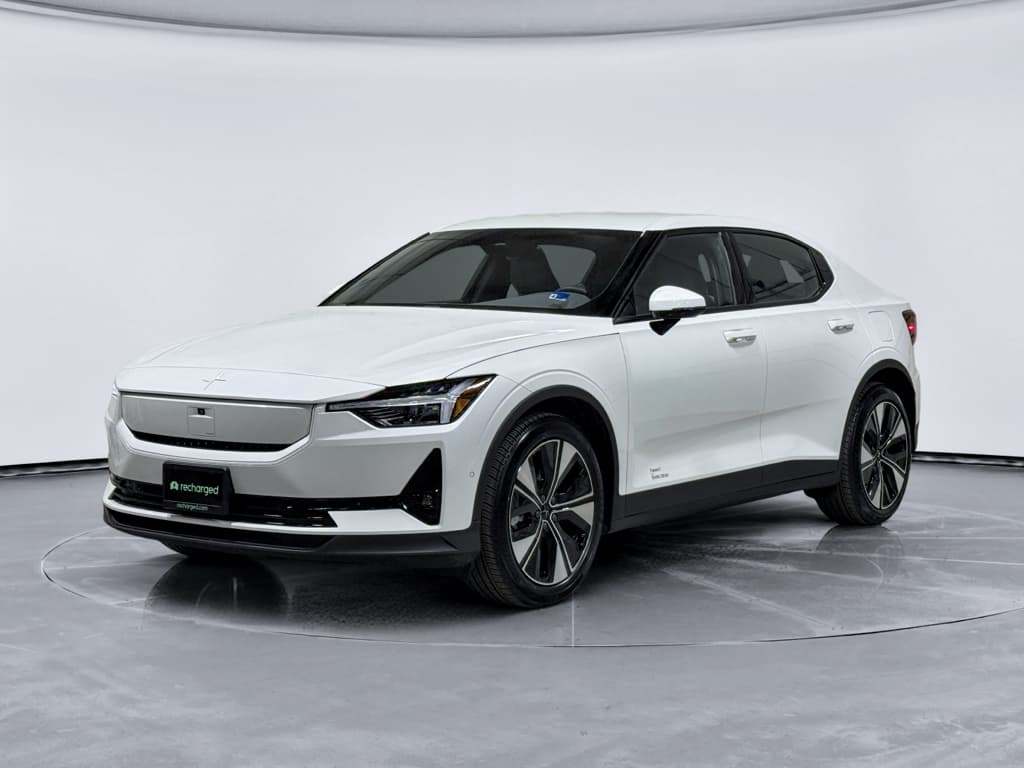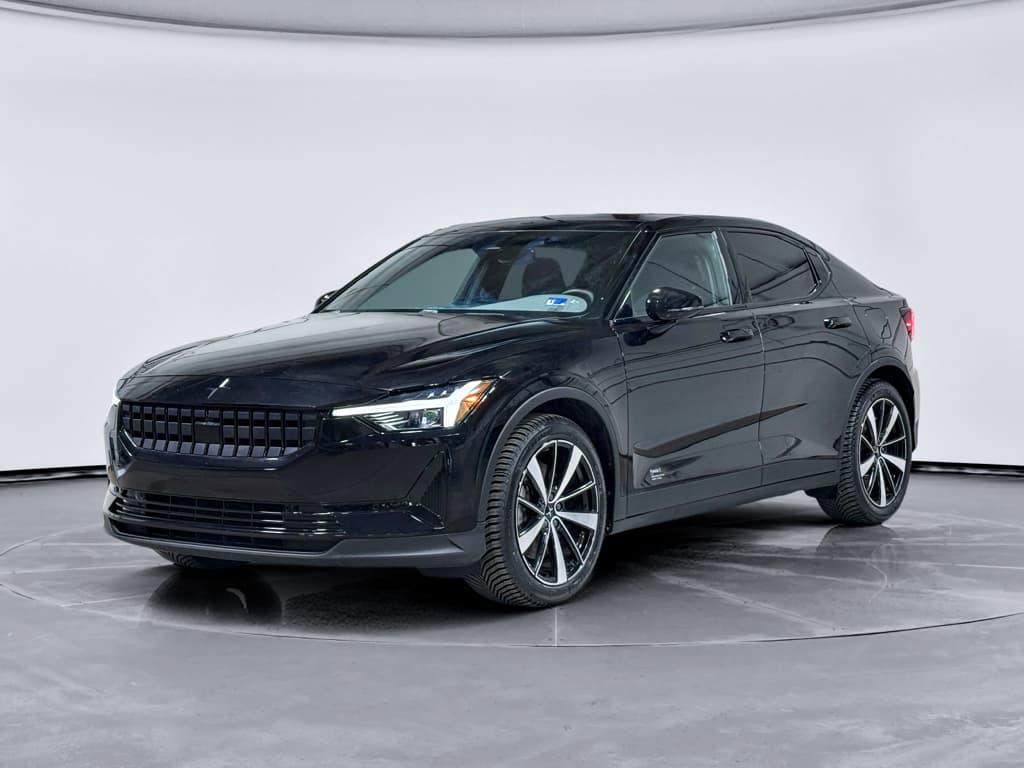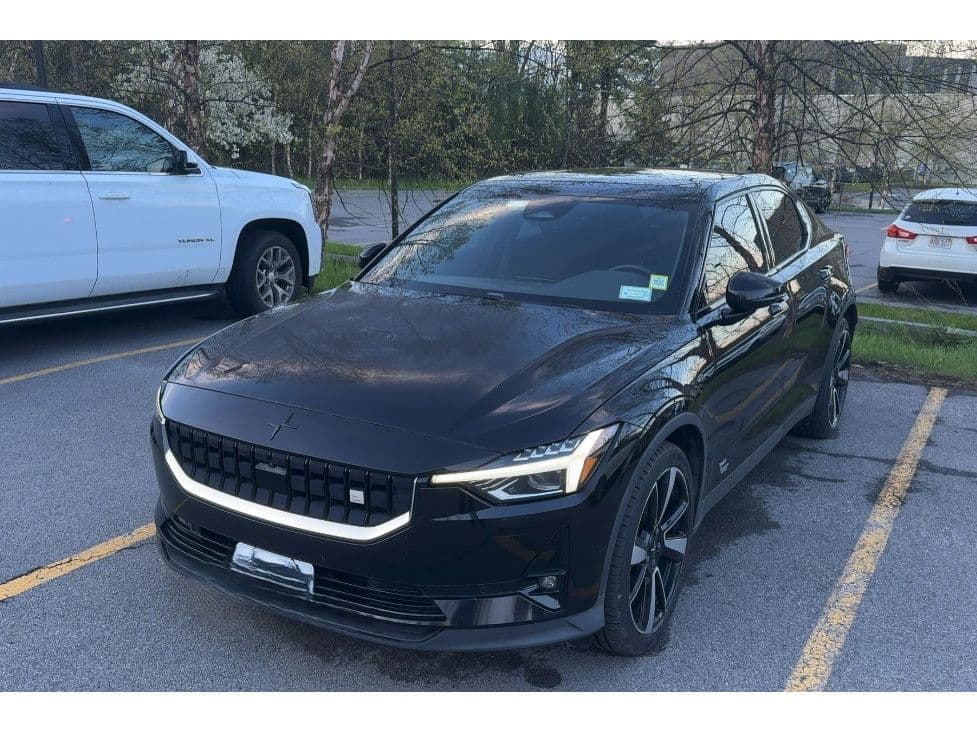
If you like the idea of a Scandinavian-tuned EV with Google-native software, the Polestar 2 is probably on your short list. In 2026, the best used Polestar 2 to buy is the one that balances newer hardware, solid range, and still‑healthy warranties with the deep depreciation we’re now seeing on early cars. This guide breaks down which model years and trims are smartest to target, and which to skip.
What this guide covers
Why a used Polestar 2 makes sense in 2026
Premium EV at mainstream prices
First‑wave Polestar 2s launched as premium compact EVs, priced alongside well‑optioned Tesla Model 3s and German luxury sedans. By 2026, many 2021–2023 cars have shed 35–55% of their original MSRP, putting well‑equipped examples into the high‑$20,000s to mid‑$30,000s range for typical mileage.
Tech and safety still feel current
Because the Polestar 2 shipped with an Android Automotive‑based infotainment system and a strong driver‑assistance suite from the start, even earlier model years still feel modern. Unlike some early EVs, you’re not buying into obsolete software or primitive range.
Battery warranty is on your side
Quick recommendations: best used Polestar 2 picks
Best used Polestar 2 configurations for 2026
If you just want the TL;DR, start your search here.
Best all‑around buy
2023 Long Range Single Motor (front‑wheel drive) with Plus + Pilot packs.
- Good balance of price, efficiency, and features
- Still deep in both basic and battery warranty
- Real‑world range competitive with newer EVs
Best for cold climates
2022–2024 Long Range Single Motor or Dual Motor with Plus pack (heat pump).
- Heat pump improves winter efficiency
- Heated seats, wheel, and preconditioning make a big difference
- Look for cars with documented software updates
Best performance deal
2021–2023 Dual Motor, ideally with the Performance pack if you care about handling.
- Big depreciation makes early dual motors strong value
- Plenty quick even without the Performance software
- Shorter range than later RWD cars, so know your use case
When to skip a Polestar 2
Polestar 2 model-year changes at a glance
Understanding the model‑year evolution is key to deciding which used Polestar 2 is “best” for you. The car didn’t change radically every year, but there are some important hardware and efficiency milestones to know about.
Polestar 2 model‑year differences (U.S. overview)
High‑level changes that matter most when you’re cross‑shopping used cars in 2026.
| Model year | Drivetrain basics | Battery & range notes | Key changes vs. prior year | Who it suits best |
|---|---|---|---|---|
| 2021 | Dual‑motor AWD only at launch; later single‑motor FWD added | ~75 kWh usable pack, competitive EPA range for the time | Launch year; strong performance, Google‑native infotainment, no heat pump in U.S. cars | Best for value‑hunters who want AWD and don’t mind shorter range |
| 2022 | Single‑motor FWD Long Range and dual‑motor AWD | Same basic pack; incremental efficiency gains | Heat pump introduced with Plus pack; more software refinement | Great all‑rounder; start here if you want a heat pump on a budget |
| 2023 | Single‑motor FWD and dual‑motor AWD | Efficiency tuning, similar pack size | Software updates, minor option tweaks; pre‑facelift hardware | Sweet spot between depreciation and freshness; tech feels modern |
| 2024 | Single‑motor rear‑wheel drive standard; updated dual motor | Larger usable battery on RWD cars; improved range and performance | Major hardware refresh: stronger rear motor, RWD dynamics, better efficiency | Best if you prioritize range and driving feel and can pay a bit more |
| 2025 | Carries 2024 hardware forward with small spec/hardware refinements | Battery and range broadly similar to 2024 | Still near‑new in 2026; limited savings vs. new pricing | For buyers who want “almost new” with a small used‑market discount |
Exact specs and trims can vary slightly by market and build date, but this table captures the big changes that affect value, range, and driving experience.
Model‑year sweet spots
Pricing & depreciation: what you can expect to pay
Polestar 2 used pricing context for 2026
Exact numbers will depend heavily on mileage, condition, options, and local demand, but the pattern is clear: early Polestar 2s have already done most of their depreciating. A 2021 dual‑motor that might have stickered over $60,000 when new can now show up in the high‑$20,000s to low‑$30,000s. Later 2023–2024 cars often sit in the low‑ to mid‑$30,000s for typical mileage, with 2025 examples commanding more.
Compared with many mainstream EVs that shed 50–60% of their value in the first five years, the Polestar 2’s depreciation curve is front‑loaded into the first three to four. That’s painful for the first owner but exactly why shopping used in 2026 can make sense, especially if you’re buying while there’s still plenty of battery warranty left.
Watch out for “thin” discounts on 2025s
Single motor vs. dual motor: which is best used?
Single motor (FWD, then RWD)
- 2021–2023: Front‑wheel drive, adequate power, good efficiency.
- 2024 onward: Switched to rear‑wheel drive with a stronger rear motor, noticeably better performance and feel.
- Typically offers the best real‑world range, especially post‑refresh.
- Lower energy consumption means less charging and lower operating costs.
Best for: Commuters, road‑trippers, and anyone prioritizing range and efficiency over all‑weather traction.
Dual motor (AWD)
- All‑wheel drive, strong acceleration from every model year.
- Earlier cars have slightly smaller usable battery and a bit less range.
- More performance, but also more complexity and (slightly) higher energy use.
Best for: Drivers in snow‑belt states, people who care about quick acceleration, or those towing small trailers/light loads (where allowed).
My short list by use case
Must-have options & packs on a used Polestar 2
Polestar kept its options structure fairly simple, which makes used shopping easier. But a few packages make a big difference in day‑to‑day livability and resale value, especially the Plus and Pilot packs.
Key Polestar 2 options to look for
These packs matter more than paint color.
Plus pack (strongly recommended in cold climates)
- Includes an energy‑saving heat pump on 2022+ cars.
- Adds pano roof, premium audio, and upgraded interior materials.
- Makes winter efficiency and comfort meaningfully better.
If you live where it’s cold for months at a time, the Plus pack is worth prioritizing.
Pilot / Pilot Assist pack
- Brings adaptive cruise, lane‑keeping, and active safety upgrades.
- Turns the Polestar 2 into a very competent highway car.
- Also helps resale, since many buyers expect these features in a premium EV.
Performance pack (for enthusiasts)
- Available mainly on dual‑motor cars.
- Adds Öhlins dampers, Brembo brakes, and unique wheels/trim.
- Ride can be firmer; great if you care about handling, overkill if you don’t.
How to verify packs on a used car
Battery, range, and warranty on a used Polestar 2
Range and battery health are where used EVs either shine or disappoint. The good news is that Polestar 2 packs have, so far, avoided the headline‑grabbing degradation issues that plagued some early EVs, but you still want to understand the basics before you buy.
Battery, range, and warranty snapshot
High‑level battery and range context for common used Polestar 2 configurations.
| Config | Battery (approx. usable) | EPA‑style range when new | Battery warranty | What to expect used |
|---|---|---|---|---|
| 2021–2023 Single Motor Long Range | ~75 kWh | Mid‑200s to ~270 miles | 8 yrs / 100,000 miles | Mild capacity loss; expect perhaps 5–10% less usable range on higher‑mileage examples. |
| 2021–2023 Dual Motor | ~75 kWh | Lower 200s to mid‑200s miles | 8 yrs / 100,000 miles | Shorter range but strong performance; check for heavy DC‑fast‑charge use on road‑warrior cars. |
| 2024–2025 Single Motor (RWD) | Slightly larger usable pack than earlier years | Higher official range than pre‑refresh cars | 8 yrs / 100,000 miles | Best blend of efficiency and performance; most will still feel nearly new in 2026. |
Figures are approximate; real‑world range will vary with climate, driving style, wheels/tires, and software version.
Don’t ignore warranty start date
If you’re buying outside a certified pre‑owned program, it’s also smart to budget for a third‑party warranty or an EV‑savvy service fund once the 4‑year/50,000‑mile basic coverage expires. The battery and motors will still be backed for defects, but infotainment hardware, suspension, and convenience features will not.
Inspection checklist before you buy
Used Polestar 2 pre‑purchase checklist
1. Confirm model year, trim, and packs
Verify VIN, window sticker, or build sheet to confirm whether the car is single or dual motor, which battery it has, and whether Plus, Pilot, and Performance packs are present.
2. Check warranty status and in‑service date
Call a Polestar retailer or use Polestar support to confirm basic and battery warranty dates and mileage. Make sure the odometer and dates line up with your expectations.
3. Review software and service history
Ask for records showing over‑the‑air or dealer‑performed software updates, especially for early cars. Look for regular maintenance, tire rotations, and any repaired recalls or campaigns.
4. Inspect wheels, tires, and suspension
The Polestar 2’s low‑profile tires and heavy curb weight can be hard on wheels and suspension. Look for bent rims, uneven tire wear, or clunks over bumps that could indicate damage.
5. Evaluate battery health and charging behavior
If possible, review recent range numbers at a known state of charge, or use a battery‑health report where available. Ask how often the prior owner DC‑fast‑charged and whether they regularly charged to 100%.
6. Test driver‑assist and infotainment
On the test drive, verify adaptive cruise, lane‑keeping, cameras, parking sensors, and the Google‑based infotainment system work smoothly. Glitches here are annoying and can be expensive out of warranty.
Bring data to your inspection
How buying a used Polestar 2 with Recharged helps
The hardest part of buying a used Polestar 2 isn’t finding a car, it’s knowing whether the one you’re looking at is fairly priced, battery‑healthy, and correctly specced. That’s exactly the problem Recharged exists to solve for used EVs.
What Recharged adds to a used Polestar 2 purchase
Beyond classifieds: real transparency around battery and value.
Recharged Score battery health
Every Polestar 2 on Recharged includes a Recharged Score Report with verified high‑voltage battery health, charging behavior insights, and range expectations, so you’re not guessing about pack condition.
Fair market pricing
Recharged benchmarks each car against current market data and Polestar 2 depreciation trends, so you can see if an asking price makes sense for that model year, mileage, and equipment.
EV‑specialist support & delivery
From trade‑in and financing to nationwide delivery and an Experience Center in Richmond, VA, Recharged is set up specifically for EV buyers. You can shop and complete your purchase fully online with EV‑savvy help when you need it.
Ready to find your next EV?
Browse VehiclesMake the used EV learning curve less steep
FAQ: Best used Polestar 2 to buy in 2026
Frequently asked questions
The “best” used Polestar 2 to buy in 2026 isn’t the newest or the cheapest one you can find, it’s the car whose model year, drivetrain, option packs, price, and battery health line up with how you actually drive. For most shoppers that means a 2022–2023 Long Range single‑motor with Plus and Pilot packs, or a well‑priced 2021–2022 dual‑motor if you want AWD and performance on a budget. Go in armed with the model‑year details and checklist above, or let a platform like Recharged surface that work for you, and you’ll be well positioned to get a great Polestar 2 the first time.