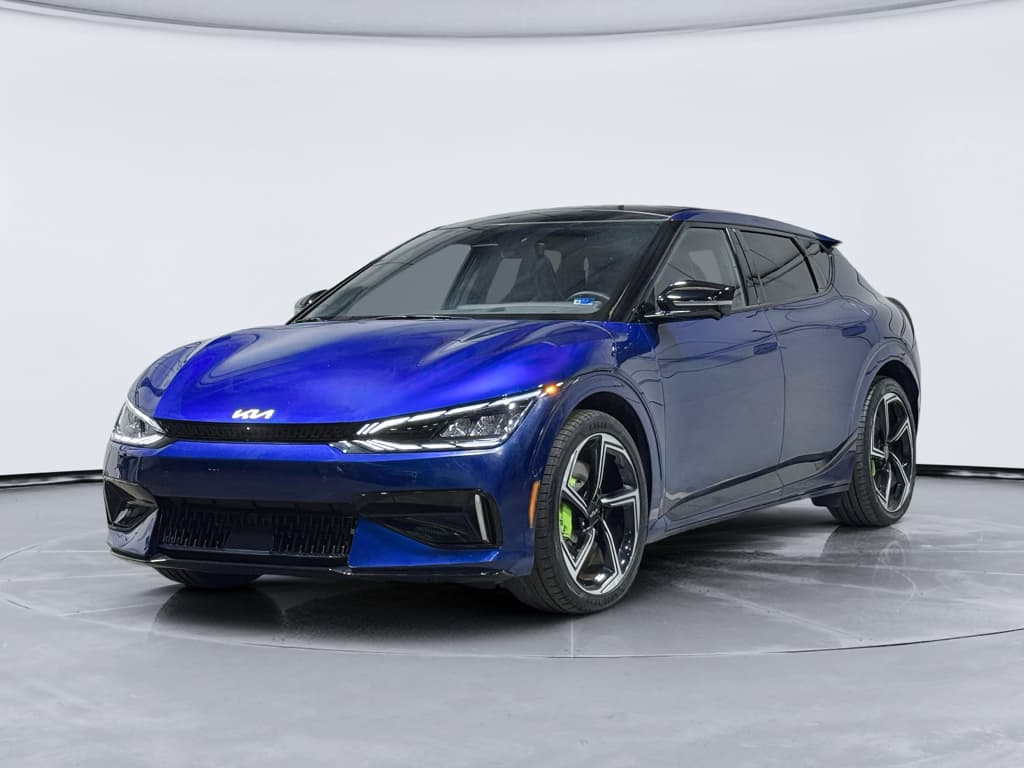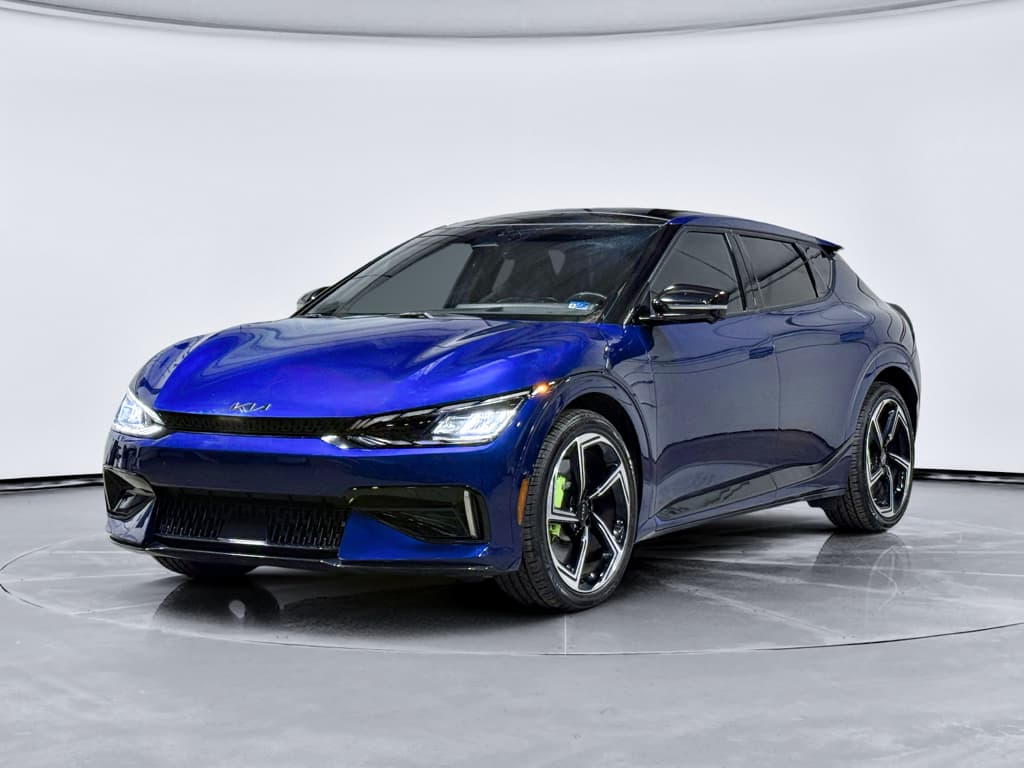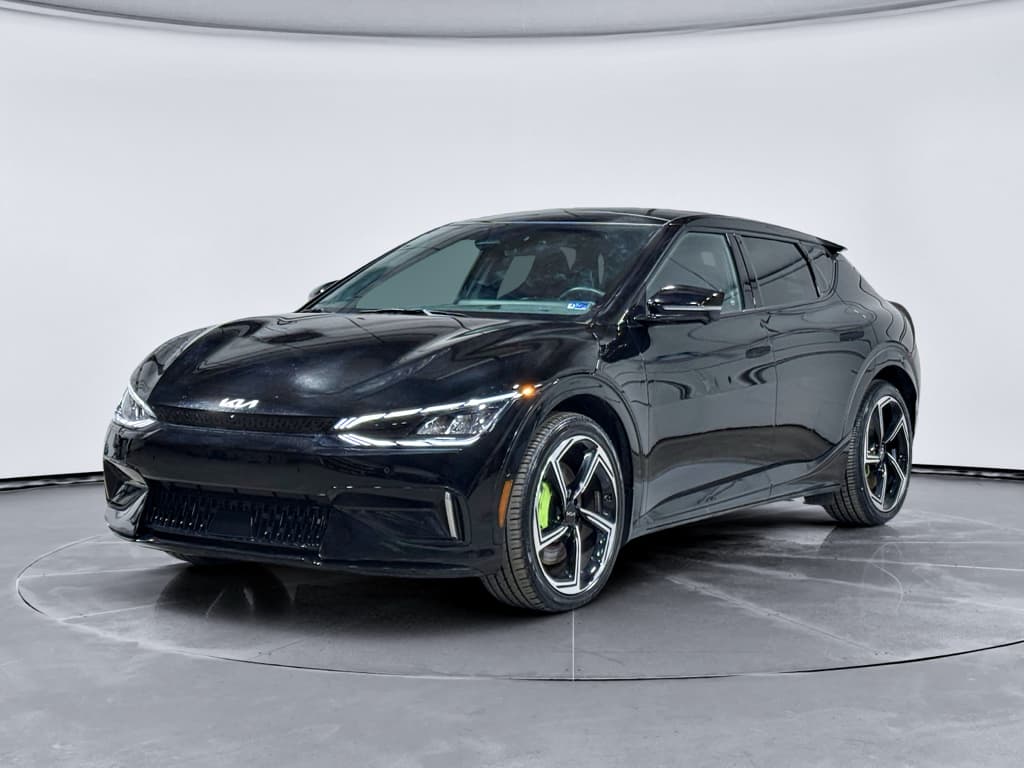
If you like the idea of a quick, stylish electric crossover that still fits real‑world family life, a used Kia EV6 belongs on your 2026 shopping list. The question isn’t whether the EV6 is good, it is. The real question is which used Kia EV6 is best to buy in 2026, and which years or trims you’re better off skipping. This guide breaks down trims, model years, common issues, and smart buying strategies so you end up with the right EV6, not just the cheapest one.
At a glance
Why the Kia EV6 Is a Strong Used Buy in 2026
- Excellent DC fast‑charging performance for road trips, thanks to an 800‑volt E‑GMP platform that can accept very high charge rates when conditions are right.
- Competitive real‑world range, especially on 77.4 kWh long‑range battery models, with many trims comfortably over 250 miles when new.
- Modern tech and safety features, including available Highway Driving Assist, 360° cameras, and over‑the‑air update capability.
- Distinctive styling and a roomy cabin that make it feel more premium than many mainstream crossovers.
- Rapid early depreciation that makes a 2–4‑year‑old EV6 far cheaper than new, even though the core hardware (battery and drivetrain) is built for the long term.
Battery warranty advantage
Kia EV6 model years and what changed
Kia EV6 U.S. model years at a glance
Key changes that affect how attractive each model year is on the used market in 2026.
| Model year | Key trims | Battery options | Notable changes |
|---|---|---|---|
| 2022 | Light, Wind, GT-Line, GT | 58.0 kWh (Light), 77.4 kWh (others) | Launch year; early software; some recalls, particularly around charging electronics. |
| 2023 | Light, Wind, GT-Line, GT | 58.0 & 77.4 kWh | Mostly carry‑over; additional driver‑assist tweaks and software updates; performance GT continues. |
| 2024 | Light, Light Long Range, Wind, GT-Line, GT | 58.0 kWh, 77.4 kWh | Lineup shuffled; 77.4 kWh battery introduced even on Light Long Range trim; slight range improvements and pricing adjustments. |
| 2025 | Standard Range, Long Range, GT-Line, GT (names may vary) | Around 63.0 kWh & 81–84 kWh (market‑dependent) | Mid‑cycle update in many markets with slightly larger battery, revised styling and interior; NACS charging port added in North America; incremental range and charging improvements. |
| 2026 (early used) | Similar to 2025 | 63.0 kWh & ~81–84 kWh | Too new to see big discounts yet; mostly relevant if you find a demo or early off‑lease unit. |
For 2026 buyers, the sweet spot is usually the 2023–2024 models with the 77.4 kWh long‑range battery and mainstream trims like Wind and GT‑Line.
About 2025–2026 data
Best used Kia EV6 trims to buy in 2026
Top three used EV6 trims for most buyers in 2026
Balancing price, range, comfort and performance
1. Wind RWD (2022–2024)
Best all‑around used Kia EV6 to buy in 2026 for most shoppers.
- 77.4 kWh long‑range battery and rear‑wheel drive.
- Strong range, pleasant ride, and plenty of standard equipment.
- Usually thousands cheaper than GT‑Line with few real sacrifices.
If you want maximum value and don’t need all‑wheel drive, start your search with Wind RWD.
2. GT-Line RWD or AWD (2022–2024)
Pick the GT-Line if you like style and features.
- Same 77.4 kWh battery as Wind on most models.
- Sportier appearance, more tech, nicer interior.
- AWD trims trade some range for traction and acceleration.
Great if you’re willing to pay a bit more for a near‑luxury feel.
3. EV6 GT (2022–2025)
The EV6 GT is the halo performance model.
- Dual‑motor AWD with eye‑opening acceleration.
- Lower range than other trims and higher tire/maintenance costs.
- Best as a fun daily driver or second car, not a budget commuter.
Buy it for thrills, not for maximum efficiency or value.
One‑sentence recommendation
Which EV6 years are best? 2022 vs. 2023 vs. 2024–2025
2022–2023 EV6: Value and selection
By 2026, most used EV6s on the market will be 2022 and 2023 models. That’s where you’ll see the biggest selection and the steepest depreciation.
- Plenty of Wind and GT‑Line trims with the 77.4 kWh battery.
- Early software and infotainment quirks mostly fixed via updates.
- These years were affected by the widely discussed ICCU (integrated charging control unit) issues; many cars have already had recall work done.
If you’re price‑sensitive but still want long range and fast charging, a well‑sorted 2023 EV6 Wind or GT‑Line can be a bargain, just pay close attention to recall history and charging behavior on a test drive.
2024–2025 EV6: Refinement and future‑proofing
The 2024 and 2025 model years add more polish.
- Lineup tweaks bring the 77.4 kWh battery to more trims, including Light Long Range.
- Incremental range bumps and feature shuffles.
- 2025+ U.S. cars gain the NACS charge port and slightly larger long‑range battery in many markets, improving both range and Supercharger access.
You’ll pay more for a 2024–2025 EV6, but you’re getting a newer car, potential hardware improvements, and a longer remaining factory warranty. For many buyers, that’s worth the premium.
Be careful with very early 2022 builds
Battery size, range and charging: what matters most used
EV6 long‑range strengths (when new)
For used‑EV shoppers, battery size and charging performance matter just as much as they do for new‑car buyers, sometimes more. The 77.4 kWh long‑range pack is the one you want in a used EV6 unless you have an unusually short daily commute and always charge at home.
- Short‑range / Standard Range packs (around 58–63 kWh) are fine for city duty but limit highway flexibility and road‑trip comfort. They can be a good budget play if you know you’ll rarely see a DC fast charger.
- Long‑range packs (77.4 kWh and later ~81–84 kWh) give you extra margin for cold weather, battery aging, and high‑speed driving. They also make it easier to skip crowded chargers on busy travel weekends.
- The EV6’s 800‑volt architecture and strong DC charging curve mean it can add a lot of miles in a short session, critical if you road‑trip regularly.
- In 2025+, the move to a factory NACS port in North America simplifies charging at Tesla Superchargers, removing the need for a separate adapter. That’s a big plus if your local public infrastructure is spotty outside Tesla’s network.
Range vs. price rule of thumb
Known issues, recalls and reliability
Overall, the EV6 lands in the middle of the EV reliability pack: not a disaster, but not as bulletproof as a typical Toyota hybrid either. The big story, shared with Hyundai and Genesis cousins, is the ICCU (integrated charging control unit), which has been linked to vehicles losing power or refusing to charge until repaired.
- Multiple recalls and software updates have targeted ICCU‑related problems on 2022–2024 cars. Some owners have seen the issue fixed once and then recur months later.
- A failing ICCU can strand the car or severely limit charging ability, so you want clear documentation showing recall work and any follow‑up repairs.
- Like most modern EVs, the EV6 is software‑heavy. Infotainment quirks and occasional warning lights are not unusual but should be investigated, not ignored.
- Wear‑and‑tear items, tires, brakes, suspension bushings, can be surprising on heavier, torquey EVs. High‑spec trims with 20‑ or 21‑inch wheels may eat tires faster than you’re used to from a compact crossover.
Non‑negotiable step: recall and service history
“I love the car, but when the ICCU fails and it comes to a dead stop on the road, it is hard to want to keep it.”
How Recharged handles reliability concerns
Pricing, depreciation and value sweet spots
Exact numbers will vary by mileage, region, and equipment, but by 2026 the EV6 has done what most new EVs do: depreciated harder than an equivalent gasoline crossover in the first few years. That’s bad news for the original owner, and an opportunity for you.
How EV6 trims tend to line up on value (2026 used market)
A directional guide to where the best value often sits among used EV6 trims by 2026. Always compare real‑world listings in your area.
| Trim / configuration | Typical buyer profile | Value rating in 2026 |
|---|---|---|
| Light / Standard Range | Budget shoppers, short‑range commuters | Good: affordable entry, but limited highway comfort |
| Wind RWD (77.4 kWh) | Balanced commuters, families, road‑trippers | Excellent: best mix of price, range and equipment |
| Wind AWD | Snow‑belt drivers, performance‑minded commuters | Very good: more traction, slightly less range and higher price |
| GT-Line RWD/AWD | Feature‑hungry, style‑conscious buyers | Good: worth it if you care about extras, but not essential |
| EV6 GT | Performance enthusiasts, second‑car buyers | Niche: incredible speed, but higher running costs and lower range |
Think of this as a hierarchy of value rather than hard pricing. Local supply, mileage, and condition can shuffle the order.
Mileage vs. model year
How to inspect a used Kia EV6 like a pro
10 checks before you say yes to a used EV6
1. Confirm battery and drivetrain
Match the VIN or window sticker to the trim and battery you think you’re buying: is it a 58–63 kWh Standard Range or a 77.4+ kWh long‑range pack? Is it RWD or AWD? Don’t rely on the seller’s description alone.
2. Review recall and ICCU history
Use Kia’s website or dealer to check for open recalls. Ask for paperwork showing ICCU recall completion and any subsequent charging‑system repairs.
3. Check DC fast‑charging behavior
On a test drive, stop at a DC fast charger if possible. Watch how quickly the car ramps up to higher kilowatt levels and whether charging remains stable. Sudden drop‑offs or error messages are red flags.
4. Scan for warning lights and messages
On startup and while driving, look for any EV system warnings, charging‑system lights, or persistent check‑engine indicators. Modern EVs will tell you when they’re unhappy, don’t ignore it.
5. Inspect tires and wheels
Aggressive factory wheel/tire packages can wear quickly, especially on GT and GT‑Line AWD models. Uneven wear may hint at alignment or suspension issues from pothole damage or hard driving.
6. Test all driver‑assist systems
Verify adaptive cruise control, lane‑centering, blind‑spot cameras, and parking sensors work smoothly. Glitches here can point to previous collision repairs or camera/radar calibration issues.
7. Evaluate interior wear
Check seat bolsters, steering wheel, and touchpoints for wear that doesn’t match the odometer. Excessive wear may indicate hard use or ride‑hail duty.
8. Verify software is up to date
Ask the seller or dealer to show that the latest software and navigation updates have been applied. Updated software can improve charging, range estimation, and driver‑assist behavior.
9. Look underneath for corrosion or damage
Even though EV6s are relatively new, cars from harsh‑winter regions or coastal areas can show early rust or underbody damage. Pay attention around jacking points and suspension mounts.
10. Get an independent EV‑savvy inspection
If you’re buying privately or from a non‑EV‑specialist dealer, consider a pre‑purchase inspection with a shop or marketplace that understands EVs, especially battery health, high‑voltage safety, and charging systems.
Don’t skip a battery health check
How Recharged helps with used EV6 shopping
You don’t need to become a Kia engineer to shop smart. At Recharged, every used EV6 goes through an EV‑specific evaluation so you can focus on how the car fits your life instead of decoding acronyms and service bulletins.
Why shop for a used EV6 with Recharged?
We’re built around EVs, not adapted from gas‑car playbooks
Recharged Score battery & condition report
Every EV6 on Recharged includes a Recharged Score Report with:
- Measured battery health and estimated usable capacity.
- Charging history indicators where available.
- Open‑recall status and summary of known campaigns.
- Pricing analysis against the current used‑EV market.
EV‑specialist support and easy logistics
Recharged offers end‑to‑end help:
- Expert EV specialists to compare trims and years (Wind vs. GT‑Line vs. GT, etc.).
- Financing options tailored to used EVs.
- Trade‑in or instant offer for your current car.
- Nationwide delivery and an EV Experience Center in Richmond, VA if you want an in‑person walk‑through.
Ready to find your next EV?
Browse VehiclesPutting it together
FAQ: Best used Kia EV6 to buy in 2026
Frequently asked questions about buying a used Kia EV6 in 2026
A used Kia EV6 can be a terrific purchase in 2026, quick, comfortable, future‑friendly and far cheaper than it was new. The key is choosing the right year and trim, then verifying that the battery, charging system and software are healthy. For most shoppers, that points to a 2023–2024 Wind or GT‑Line with the long‑range battery, clean recall history, and a solid battery‑health report. Do your homework, lean on EV‑savvy experts, and you’ll end up with an electric crossover that still feels cutting‑edge years into ownership.