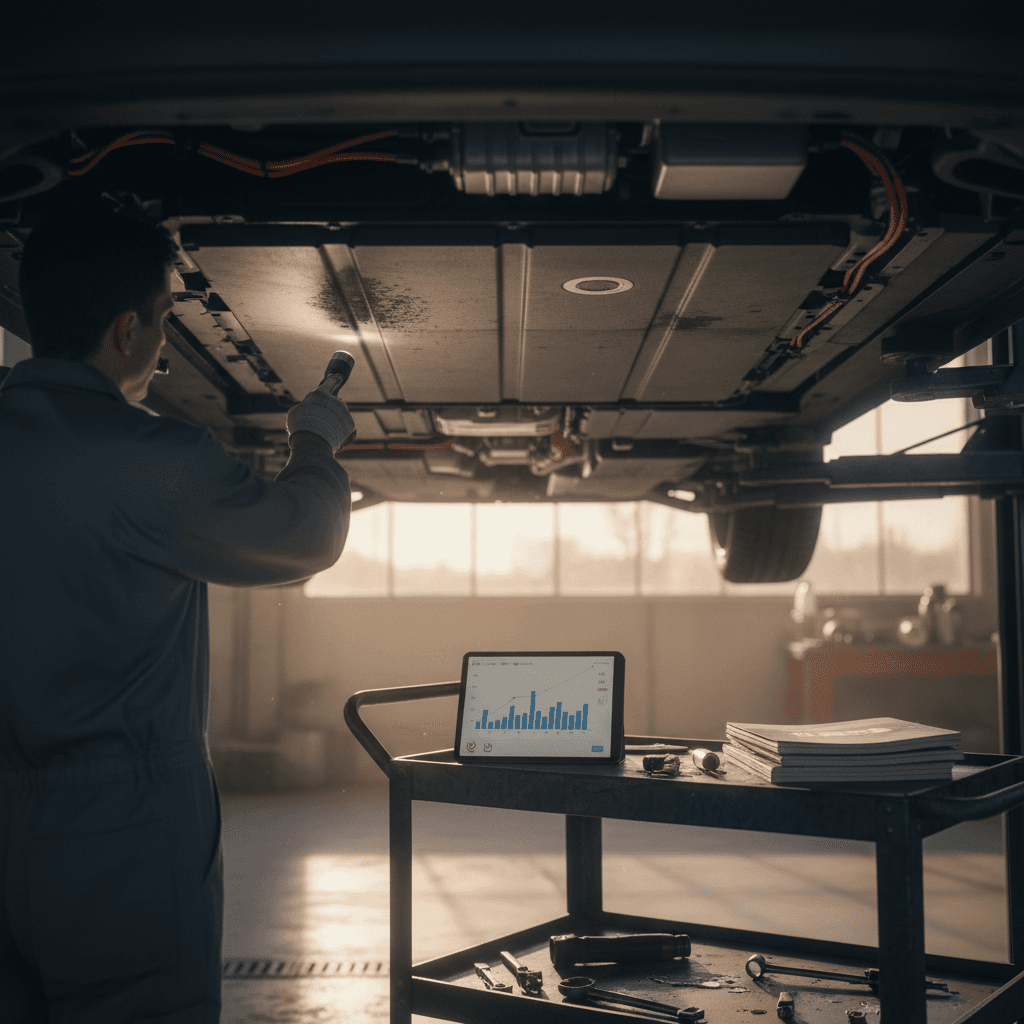
If you’re eyeing a **2019 Kia Niro EV**, you’re probably looking for a practical, efficient electric crossover that won’t turn into a money pit. The good news: in real‑world use, the 2019 Niro EV has proven to be a generally solid, efficient workhorse with excellent battery durability. The not‑so‑good news: there are a few specific mechanical issues you absolutely need to check before you sign anything.
Quick verdict
2019 Kia Niro EV reliability at a glance
2019 Kia Niro EV reliability snapshot
On paper and in owner forums, the 2019 Niro EV comes across as **durable but not flawless**. Most complaints cluster around a few mechanical components, while the **high‑voltage battery and core EV systems hold up very well** when properly maintained.
How reliable is the 2019 Kia Niro EV overall?
Big picture, the 2019 Niro EV is **one of the more dependable early long‑range EVs** if you avoid problem children. J.D. Power rates the 2019 Niro family (hybrid and EV combined) around **77/100 for Quality & Reliability**, which falls solidly in the “Average” band. Consumer Reports also pegs the 2019 Niro Electric at about **average reliability** compared with other 2019 vehicles, with no “red‑flag” rating that would tell you to run in the opposite direction.
Owner feedback fills in the nuance: - Many drivers report **years of trouble‑free driving** beyond 60,000–100,000 miles, calling it the best car they’ve owned. - Others have faced a **noisy reduction gear or motor**, occasionally needing a replacement under warranty. - A smaller group has battled **AC, mirror, or 12‑volt battery issues**, often annoying but fixable. The pattern: when a 2019 Niro EV has a problem, it’s usually *very specific* and often shows up as a distinct **front‑end noise** or repeated warning messages, not a vague sense that the whole car is falling apart.
Owner satisfaction is high
Battery health, range and degradation
When you’re buying any used EV, battery health is the headline. The 2019 Niro EV uses a **64‑kWh lithium‑ion pack** rated for **239 miles EPA** when new. In the real world, owners often see 230–260 miles in mild weather, sometimes more with gentle driving.
- Owners with 30,000–40,000 miles commonly report **no noticeable range loss** versus new, or just a few miles.
- One long‑term driver logged **110,000 miles** and still measured about **96% battery state of health** with mostly Level 2 charging and occasional DC fast charging.
- Several used‑Niro buyers in 2023–2025 report **battery degradation far lower** than they experienced on some early Nissan Leaf models, where 15–30 miles of range loss was common.
How to quickly gauge battery health
What helps Niro EV batteries last
- Liquid cooling: Helps manage cell temperatures compared with air‑cooled packs on some older EVs.
- Mild chemistry: The pack isn’t pushed to absurd charge rates, which usually supports longevity.
- Thoughtful owners: Many early Niro EV owners naturally baby their cars, keeping charge between ~30–80% and limiting frequent 100% DC fast charges.
What can hurt battery life
- Living in extreme heat with the car parked outside for years.
- Regularly charging to 100% and letting it sit full for days.
- Frequent DC fast charging from very low (under 10%) to 100%.
None of these are automatic deal killers, but they’re worth asking about when you’re shopping used.
Common 2019 Niro EV problems to know about
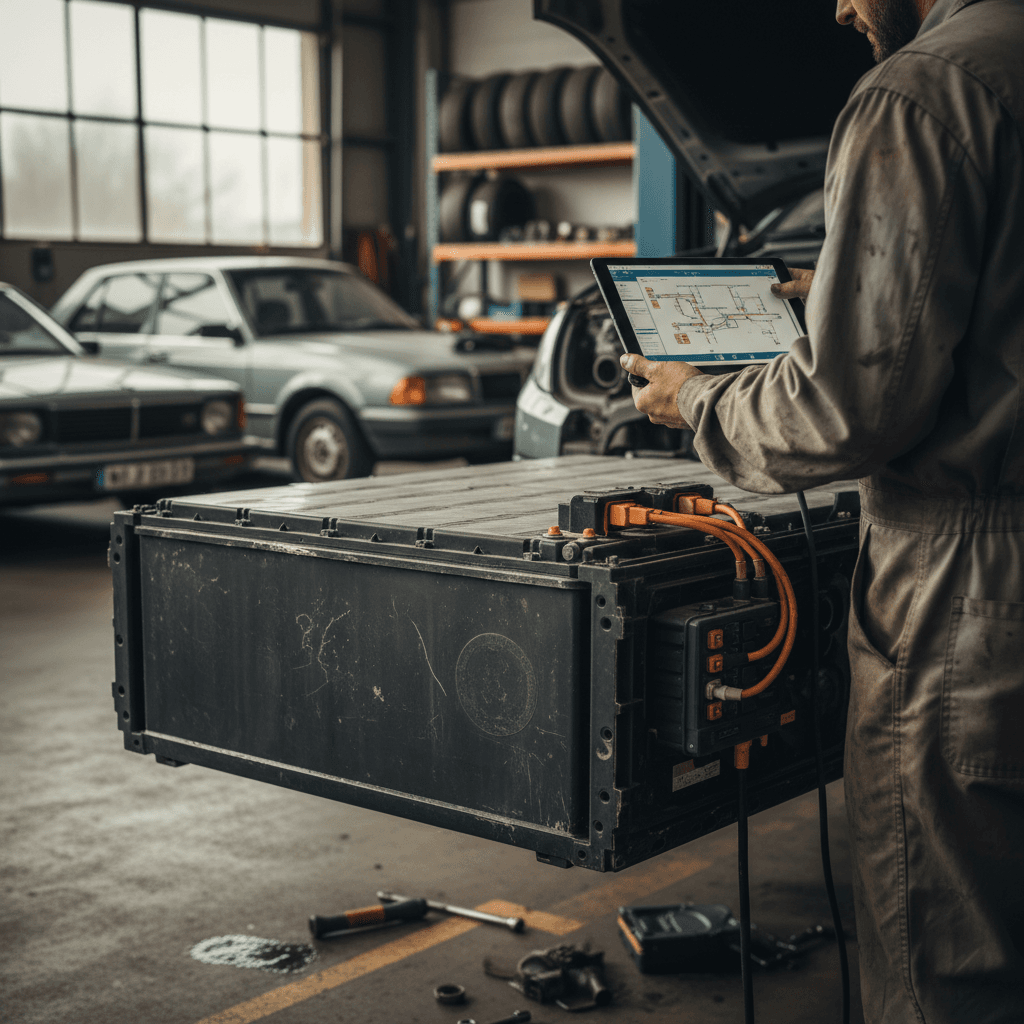
No used car is perfect, and the 2019 Niro EV has a **short menu of recurring issues** worth understanding. The upside is that once you know how to check for them, you can quickly separate the keepers from the headaches.
Most common 2019 Niro EV trouble spots
What to listen for, watch for, and budget for
Reduction gear / motor noise
A subset of owners report a grinding, humming, or “wheel of fortune” noise from the front end, often between 40–60 mph. In some cases the reduction gear (part of the single‑speed transmission) or motor has been replaced under warranty.
On your test drive, turn off the radio and HVAC and listen carefully at highway speeds.
12‑volt battery failures
Several owners mention **weak or dead 12‑volt batteries** around the 3‑year mark. When the small battery goes, the car can refuse to ‘start’ even though the main pack is fine.
Ask when the 12‑volt was last replaced; budget for an AGM upgrade if it’s original or older than ~3–4 years.
Climate control & accessories
There are scattered reports of **AC losing cooling**, inverter‑coolant warnings, or power‑folding mirror failures on higher‑mileage 2019s. One owner saw a large repair estimate but had it fully covered by a certified‑pre‑owned warranty.
These are typically annoying, not catastrophic, but can create downtime while parts are sourced.
Pay attention to front‑end noises
- Brake feel and noises: some owners report odd grinding noises that turned out to be drivetrain‑related, not the brakes themselves.
- Suspension wear: bushings and CV components can start to make noise after high mileage, similar to any compact crossover.
- Software quirks: like many early EVs, occasional infotainment or connectivity glitches show up in owner comments, but usually not as major reliability issues.
Warranty coverage and recalls for 2019 Niro EV
Kia’s long warranty is one of the **biggest safety nets** when you’re shopping a 2019 Niro EV used. When new, it carried:
2019 Kia Niro EV factory warranty coverage
What’s covered, and for how long, on an original‑owner 2019 Niro EV.
| Coverage | Term (years / miles) | What it covers |
|---|---|---|
| Basic (bumper‑to‑bumper) | 5 yrs / 60,000 mi | Most components excluding wear items. |
| Powertrain | 10 yrs / 100,000 mi | Motor, reduction gear, and related drivetrain parts. |
| EV battery | 10 yrs / 100,000 mi | High‑voltage battery defects and failure (not normal wear). |
| Roadside assistance | 5 yrs / 60,000 mi | Towing, flat tire help, basic assistance. |
Many used buyers can still benefit from the long powertrain and battery warranties if mileage is reasonable.
If you’re buying in 2026, a 2019 Niro EV is **out of basic warranty**, but may still have **powertrain and battery coverage** left, depending on mileage and ownership history. Always verify warranty status with a Kia dealer using the VIN, you want that in writing before you depend on it.
Recalls (or lack thereof)
Maintenance, running costs and downtime
One of the Niro EV’s charms is that it behaves like a **normal compact crossover**, only simpler to maintain. There’s no oil to change and far fewer moving parts than a gas Niro, but it still shares some conventional hardware: suspension, brake hydraulics, cabin filters, and the 12‑volt system.
Typical 2019 Niro EV maintenance and wear items
Tires every 30k–45k miles
Like most EVs, the Niro EV’s torque and weight are hard on tires. Many owners report replacing tires two or three times by 100,000 miles, especially if they prioritize grip over low rolling resistance.
Brake service is light, but not zero
Regenerative braking means pads and rotors can last a long time, but they can still rust or warp in harsh climates. Listen for pulsing or scraping and ask for a brake inspection report.
Coolant and inverter services
Kia specifies coolant service intervals; some owners also had **inverter coolant recalls** handled under warranty. Verify that any open campaigns are completed and fluids are fresh.
12‑volt battery replacement
Plan on a **12‑volt battery replacement every 3–5 years**. Many owners choose an AGM battery for better durability than the original flooded design.
Software updates
Like any modern EV, the Niro benefits from updated control software for the battery, charging, and driver‑assist systems. Ask the seller or dealer to confirm the car is fully up to date.
Low running costs when you get a good one
How 2019 Niro EV reliability compares to other used EVs
Versus other compact EV crossovers
- Hyundai Kona Electric: Shares much of its hardware with the Niro EV. Reliability is similar; some regions saw more battery‑related recalls on the Kona, while Niro issues skew a bit more to reduction‑gear noise.
- Nissan Leaf (40–62 kWh): Earlier Leafs often suffered more noticeable battery degradation and had several battery‑related recalls in recent years. The Niro EV generally has a stronger reputation for long‑term range stability.
- Chevy Bolt EV: Excellent efficiency but widely publicized battery‑fire recalls, with many packs replaced. A 2019 Niro EV avoids that particular drama but has less DC fast‑charging speed.
Where the 2019 Niro EV shines
- Battery and range stability are standout strengths. Owner stories of 90,000–110,000 miles with minimal degradation are common.
- Everyday usability, it drives and feels like a normal small crossover, which cuts down on weird, one‑off failures you sometimes see in more experimental EVs.
- Warranty safety net can still be active for powertrain and battery, which is not the case for many 2017–2018 EVs.
If you want a used EV that just quietly gets the job done, the 2019 Niro EV deserves a close look, especially if you find a clean one with full service history.
Pre‑purchase checklist for a used 2019 Niro EV
This is where reliability moves from theory to practice. Before you buy a 2019 Niro EV, work through this list. It’s the same sort of playbook we use when evaluating cars for a **Recharged Score battery and health report**.
Must‑do checks before you buy
1. Listen for reduction‑gear or motor noise
On a highway test drive, hold 45–65 mph on smooth pavement with the HVAC and audio off. Any persistent <strong>grinding, humming, rattling, or “wheel of fortune” sound</strong> from the front is a red flag. Ask for repair records; if none exist and it’s out of warranty, be ready to walk.
2. Verify battery health, not just range guess
Use a trusted scan tool or a third‑party battery report (like a <strong>Recharged Score</strong>) to check individual cell voltages and estimated state of health. Dash‑displayed range can be optimistic or pessimistic depending on recent driving.
3. Check 12‑volt battery age
Look for a date sticker or code on the 12‑volt battery. If it’s original or older than ~4 years, assume you’ll replace it soon. It’s a small expense, but a weak 12‑volt can masquerade as bigger problems.
4. Inspect tires, brakes and suspension
Uneven tire wear, noisy bushings, or brake pulsation can signal deferred maintenance. None of these are unique to the Niro EV, but they add cost. A pre‑purchase inspection should include a full suspension and brake check.
5. Test all climate and comfort features
Run the AC and heat in multiple modes, fold and unfold mirrors, and operate windows and locks from each switch. Intermittent AC or accessory failures show up in a minority of cars, better to catch them now.
6. Confirm warranty and recall status
Have a Kia dealer run the VIN for <strong>warranty balance and open campaigns</strong>. Get a printout or at least an email. Do not rely on verbal assurances from a third‑party seller.
Don’t skip a professional inspection
How Recharged can help with a used Niro EV
If you like what you’ve read about the 2019 Niro EV but don’t love the idea of decoding reduction‑gear noises and battery scan reports on your own, this is exactly where **Recharged** comes in.
Buying a 2019 Niro EV the low‑stress way
How Recharged simplifies used EV ownership
Verified battery health
Every vehicle on Recharged includes a Recharged Score Report with lab‑grade battery diagnostics. You see real state of health, not just an optimistic range guess on the dash.
Drivetrain & noise checks
Our inspectors are trained to **listen for and document common Niro EV issues**, including reduction‑gear noises, brake feel, and suspension wear, before a car ever hits the marketplace.
Financing & trade‑in support
Recharged offers **EV‑focused financing, trade‑in and consignment options**, plus nationwide delivery and an Experience Center in Richmond, VA if you prefer to see a vehicle in person.
Because Recharged specializes in used EVs, not just any used car, we’re set up to answer the specific questions that matter with a 2019 Niro EV: Is the range still solid? Is that front‑end noise normal? Are you protected if something fails? Our goal is simple: make sure you know exactly what you’re getting into before you press “buy.”
2019 Kia Niro EV reliability FAQ
Frequently asked questions about 2019 Niro EV reliability
Bottom line: Who should buy a 2019 Niro EV?
If you want an electric car that feels familiar, easy to drive, roomy enough for a small family, and frugal to run, the **2019 Kia Niro EV** is one of the most sensible used choices on the market. Its story on reliability is straightforward: the **high‑voltage battery and core EV hardware are generally robust**, while a minority of cars develop **noisy reduction gears, accessory glitches, or weak 12‑volt batteries**.
The trick is choosing the right example. A quiet test drive, clean service history, and a **proper battery and drivetrain health check** turn the 2019 Niro EV from a question mark into a very safe bet. And if you’d rather have experts sweating those details, working with **Recharged** means every candidate comes with a **Recharged Score Report**, transparent pricing, and EV‑savvy support from search to delivery. That’s exactly what you want when you’re betting on a used EV to carry you through the next decade.