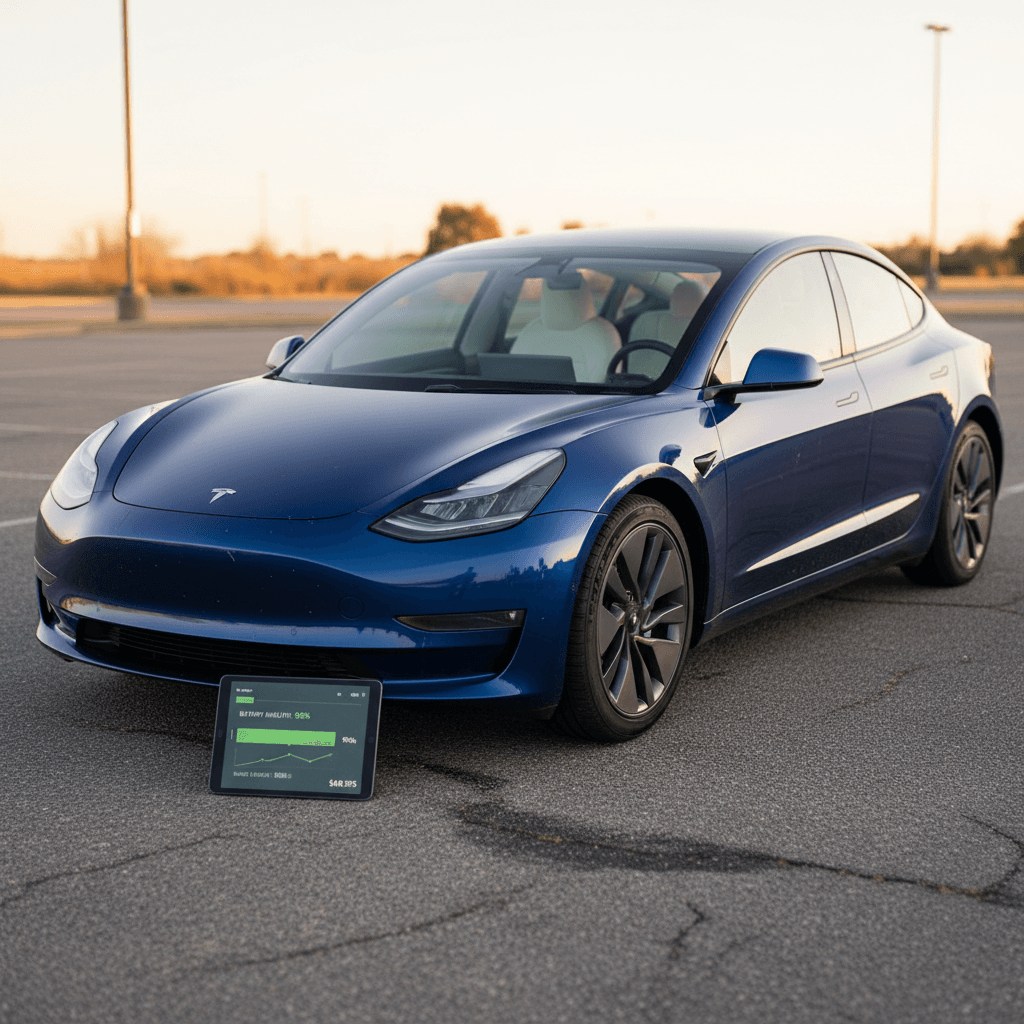
If you’re shopping for the best used EV under $50K, you’re in a sweet spot. In 2026, prices on 1–5‑year‑old electric vehicles are down sharply from their pandemic peaks, selection is up, and you can now get premium range and tech for what mid‑trim gas crossovers used to cost. The challenge isn’t finding *a* used EV under $50,000, it’s figuring out which models deliver the best mix of range, battery health, comfort, and long‑term value.
Why focus on used, not new?
Why $50K Is a Sweet Spot for Used EVs in 2026
Used EV Market Snapshot in 2025–2026
A $50,000 cap puts most mainstream and many premium used EVs within reach: well‑equipped Tesla Model 3 and Model Y, Hyundai Ioniq 5, Kia EV6, Ford Mustang Mach‑E, Volkswagen ID.4, and value leaders like the Chevy Bolt EV/EUV and Hyundai Kona Electric. At this level, you’re not forced into early, short‑range compliance cars, you can shop modern platforms with fast charging, active safety tech, and usable road‑trip range.
How We Picked the Best Used EVs Under $50K
- Typical U.S. used‑market pricing under $50,000 for 2–5‑year‑old vehicles as of early 2026 (exact numbers vary by mileage and region).
- Real‑world range (we favored ~230+ miles EPA where possible, but included shorter‑range standouts for value shoppers).
- Fast‑charging capability and network access (how easy it is to actually live with on the road).
- Battery and reliability track record based on early‑life data and owner surveys.
- Practicality: cargo space, interior comfort, and feature content.
- Total cost of ownership, insurance, maintenance, and depreciation patterns.
- Availability in the used market, no vaporware or ultra‑rare one‑offs.
About prices and incentives
Quick Ranking: Best Used EVs Under $50K
Best Used EVs Under $50K: At‑a‑Glance
Representative picks based on 2–5‑year‑old U.S. used‑market vehicles that commonly transact below $50,000.
| Rank | Model | Body Type | Typical Used Price* | Est. Range (mi) | Why It Stands Out |
|---|---|---|---|---|---|
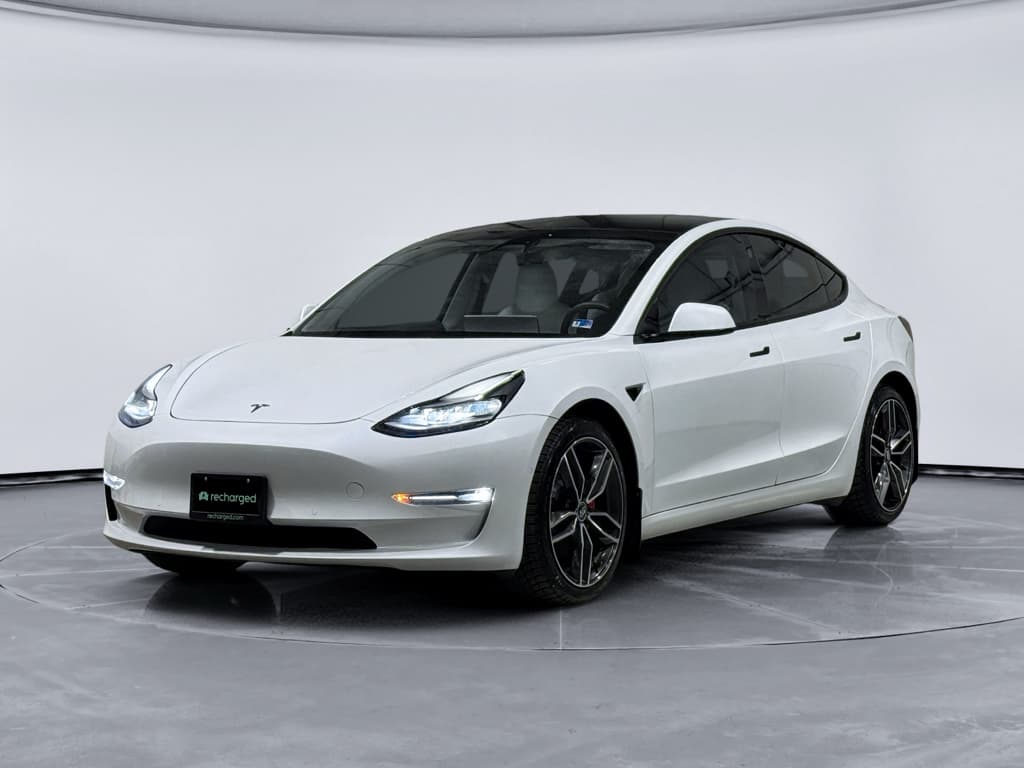
| 1 | Tesla Model 3 (RWD/Long Range) | Sedan | $22K–$40K | 250–333 | Excellent efficiency, Supercharger access, huge inventory. |
| 2 | Hyundai Ioniq 5 | Crossover | $28K–$45K | 220–303 | Fast charging, roomy cabin, strong owner satisfaction. |
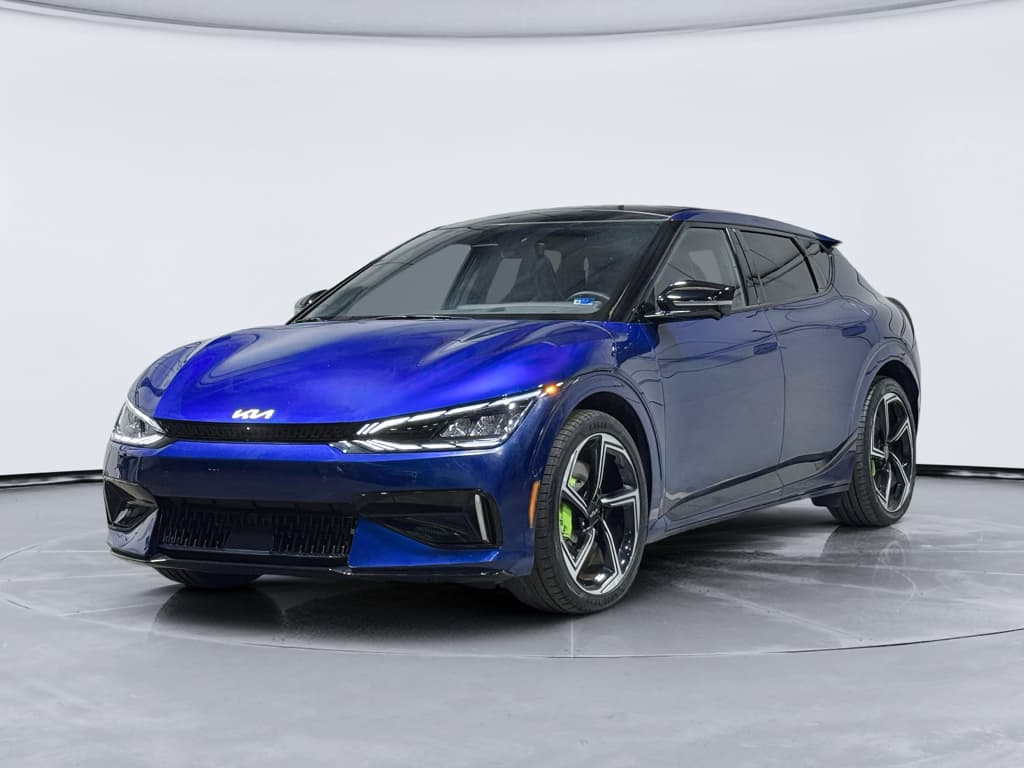
| 3 | Kia EV6 | Crossover | $30K–$45K | 225–310 | Sporty drive, striking design, robust fast charging. |
| 4 | Tesla Model Y (Long Range) | Crossover | $32K–$48K | 279–330 | Family‑friendly space plus range and charging network. |
| 5 | Ford Mustang Mach‑E | Crossover | $27K–$42K | 224–312 | Comfortable, familiar brand, wide dealer support. |
| 6 | Volkswagen ID.4 | Crossover | $23K–$38K | 209–291 | Value pricing, practical cabin, comfortable ride. |
| 7 | Chevy Bolt EV / EUV | Hatchback | $13K–$25K | 247–259 | Ultra‑affordable, efficient daily driver, compact size. |
| 8 | Hyundai Kona Electric | Subcompact SUV | $15K–$28K | 258 | Excellent value and range in a small footprint. |
Pricing varies by trim, mileage, and region. Ranges are EPA estimates when new.
How to use this list
Best Used EV Sedans Under $50K
Top Used EV Sedans Under $50K
Efficient daily drivers with road‑trip‑ready range.
1. Tesla Model 3 (RWD & Long Range)
Best all‑around used EV sedan if you want range, charging access, and software polish.
- Typical used price: ~$22K–$40K for 2019–2023 cars, depending on trim and mileage.
- Range: Roughly 250–330 miles EPA when new, depending on battery and drive layout.
- Charging: Direct access to the Supercharger network plus other DC fast‑chargers via adapters.
- Why it’s a top pick: Huge inventory, strong efficiency, and OTA software updates that keep older cars feeling fresh.
Prioritize vehicles with a clean accident history and documented service; use a battery‑health report to distinguish the best examples.
2. Polestar 2
Premium compact sedan alternative with Scandinavian design.
- Typical used price: ~$28K–$45K for 2021–2024 cars.
- Range: Around 230–320 miles EPA depending on battery and motor count.
- Charging: CCS fast charging on major public networks, NACS adapters increasingly available.
- Why it’s compelling: Distinctive styling, high‑quality interior, and strong safety tech, often priced below comparable German EVs.
Inventory is smaller than Tesla’s, so you may need to cast a wider geographic net.
If you value efficiency and tech more than ride height, sedans like the Model 3 and Polestar 2 give you more range per dollar than most crossovers. They also tend to be lighter and more engaging to drive, which matters if you spend a lot of time on the highway.
Best Used EV SUVs & Crossovers Under $50K
Top Used EV SUVs & Crossovers Under $50K
Space for people and cargo without giving up range.
1. Hyundai Ioniq 5
Best all‑around family EV for many shoppers under $50K.
- Typical used price: ~$28K–$45K for 2022–2024 models.
- Range: About 220–303 miles EPA when new, depending on battery and drive layout.
- Charging: Among the fastest in its class on an 800‑V architecture, great for road trips.
- Strengths: Spacious interior, sliding rear seats, comfortable ride, strong owner satisfaction scores.
If you road‑trip often, target trims with the larger battery pack to leave more degradation headroom over time.
2. Kia EV6
Sportier cousin to the Ioniq 5 with a lower, more aggressive stance.
- Typical used price: ~$30K–$45K.
- Range: About 225–310 miles EPA depending on configuration.
- Charging: Shares the same ultra‑fast platform as Ioniq 5, so DC sessions are quick.
- Strengths: Sharp handling, supportive seats, and eye‑catching design.
If you like to drive, the EV6 can feel more rewarding than many crossovers while still offering hatchback practicality.
3. Tesla Model Y (Long Range)
Default choice for many U.S. families who want an EV crossover.
- Typical used price: ~$32K–$48K for 2021–2024 examples.
- Range: Around 279–330 miles EPA when new for dual‑motor Long Range trims.
- Charging: Full access to Tesla’s Supercharger network plus growing third‑party options.
- Strengths: Big cargo area, convenient software ecosystem, and strong reliability scores from many owners.
Model Y prices fell hard from early highs, so you can now find well‑equipped cars below $50K that were out of reach a few years ago.
4. Ford Mustang Mach‑E
Comfort‑oriented EV crossover with familiar Ford dealer coverage.
- Typical used price: ~$27K–$42K.
- Range: Roughly 224–312 miles EPA depending on battery size and drive layout.
- Charging: CCS fast charging and growing NACS access; Ford’s BlueOval Charge Network streamlines billing.
- Strengths: Comfortable ride, intuitive cabin, and strong safety scores, with plenty of used inventory nationwide.
If you prefer a traditional dealer relationship for service, Mach‑E is a safe bet with solid under‑$50K options.
Volkswagen ID.4
The VW ID.4 is a smart buy if you prize comfort and value over performance.
- Typical used price: ~$23K–$38K for early‑production rear‑wheel‑drive models up through newer trims.
- Range: About 209–291 miles EPA depending on model year and battery.
- Best for: Families who want a calm ride, conventional interior layout, and generous warranty coverage on younger models.
Luxury SUVs Sneaking Under $50K
If you hunt carefully, you may see early‑run Volvo XC40 Recharge, Mercedes‑Benz EQB, or similar premium compact SUVs dip near or under $50K used.
- Expect higher insurance and maintenance costs but plusher cabins.
- Range often trails mainstream rivals; scrutinize specs so you’re not surprised on your first road trip.
For most buyers, mainstream crossovers like Ioniq 5, EV6, Model Y, and Mach‑E strike a better balance of range and running costs.
Budget Picks: Great Used EVs Well Under $50K
High‑Value Used EVs Under ~$30K
Ideal if you care more about cost per mile than badge prestige.
Chevy Bolt EV / Bolt EUV
Why it’s great: One of the cheapest ways to get into a modern EV with ~250 miles of range.
- Typical used price: ~$13K–$25K depending on year and miles.
- Range: Around 247–259 miles EPA.
- Best for: City/suburban commuters who want low fuel costs and easy parking.
Be sure any recall battery work has been completed and confirm pack health with a diagnostic report.
Hyundai Kona Electric
Why it’s great: Compact SUV style with impressive range and efficiency.
- Typical used price: ~$15K–$28K.
- Range: About 258 miles EPA on many trims.
- Best for: Solo drivers or couples who want maximum range in a small footprint.
Interior and ride are more economy‑car than luxury, but value is hard to beat.
Nissan Leaf (2nd Gen, 40–62 kWh)
Why it’s great: Very affordable with a long track record, but charging tech is older.
- Typical used price: often well under $20K for recent models.
- Range: Roughly 150–226 miles EPA depending on battery.
- Best for: Short‑hop urban use where DC fast‑charging speed and CHAdeMO limitations aren’t deal‑breakers.
If you road‑trip, other options on this list will serve you better.
Watch early‑generation EVs
Battery Health and Range: What Matters Most
Two used EVs can look identical on the lot yet have very different remaining battery life and real‑world range. That’s what separates a bargain from an expensive mistake. You want enough range not just for today, but with headroom for normal degradation over the next 5–8 years.
1. Range Targets by Use Case
- City commuters: 150–220 miles can be fine if you charge at home or work.
- Suburban families: 220–280 miles gives flexibility for errands and occasional trips.
- Frequent road‑trippers: 260+ miles plus solid DC fast‑charging speeds are worth paying for.
Remember that cold weather, high speeds, and rooftop cargo can easily shave 15–30% off rated range.
2. Reading Battery Health the Right Way
- Don’t rely on range estimate alone. Learn how much usable capacity the pack still has.
- Ask for a quantified battery‑health report rather than vague phrases like “good for its age.”
- Look for consistency: A car that’s fast‑charged hard every day may show more wear than a similar‑mileage car charged mostly at home.
That’s exactly what tools like the Recharged Score are designed to surface before you buy.
Make degradation work for you
Ownership Costs: Insurance, Maintenance, and Charging
Sticker price is just one piece of the puzzle. The best used EV under $50K is the one that fits your monthly budget after insurance, charging, and maintenance, not just the one with the biggest screen or longest spec‑sheet range.
Key Cost Factors for Used EVs
Where EVs save you money, and where they don’t.
Fuel & Charging
Upside: Electricity is typically cheaper per mile than gasoline, especially if you can charge at home on off‑peak rates.
Watch for: Heavy DC fast‑charging can cost more per kWh and add to battery wear. If you rely on public charging, factor those rates into your budget.
Maintenance & Repairs
Upside: No oil changes and fewer moving parts mean lower routine maintenance than comparable gas vehicles.
Watch for: Tires (EVs are heavy and torquey), brake fluid, cabin filters, and out‑of‑warranty items like suspension components, especially on higher‑mileage luxury EVs.
Insurance & Fees
Mixed: Insurance premiums can be slightly higher for some EVs due to repair costs, while others are comparable to similar gas cars.
New normal: Some states and federal policy changes have added EV‑specific registration or road‑use fees. Make sure to price those in for your location.
Financing a used EV
Buying Checklist for a Used EV Under $50K
Step‑by‑Step Checklist Before You Buy
1. Lock in your real budget
Decide your monthly comfort zone, not just a top price. Include estimated insurance, charging, and any EV‑specific registration fees in your math so a $45K car doesn’t behave like a $55K one in practice.
2. Match range to your lifestyle
List your longest typical days and a few “worst case” trips. Aim for an EV whose real‑world range still covers those needs with 20–30% buffer, rather than paying for extra capacity you’ll never use.
3. Narrow to 2–3 target models
Based on body style, range, and budget, pick a short list (for example: Model 3 vs Ioniq 5 vs Mach‑E). Research common issues, recall campaigns, and warranty coverage for each.
4. Get a battery‑health and condition report
For any serious candidate, insist on a <strong>quantitative</strong> battery‑health readout plus inspection notes: tire wear, brake life, alignment, accident history, and software recall status.
5. Test‑drive for charging and comfort
On your drive, pay attention to ride quality, visibility, seat comfort, and driver‑assist behavior. If possible, plug into a Level 2 or DC fast‑charger to verify the stated charging speeds look realistic.
6. Compare total cost of ownership
Before signing, compare a few VIN‑specific options on price, mileage, battery health, and expected out‑of‑pocket costs. A slightly higher sticker on a better‑cared‑for EV often wins over the long term.
Don’t skip the boring paperwork
How Recharged Helps You Shop Used EVs Smarter
EVs age differently than gas cars, and traditional used‑car listings rarely tell you what you really need to know about battery health or charging history. That’s the gap Recharged was built to close.
What You Get With a Used EV From Recharged
Less guesswork, more data, especially on the battery.
Recharged Score Battery Health Report
Every vehicle on Recharged comes with a Recharged Score Report that translates pack diagnostics into plain language:
- Verified remaining battery capacity and estimated real‑world range.
- Charging behavior patterns (home vs fast‑charge heavy use, where available).
- Highlights of any abnormal degradation or issues to watch.
That lets you compare two “similar” EVs on the metric that matters most, their batteries.
EV‑Specialist Support, Trade‑Ins & Delivery
Recharged pairs data with hands‑on help:
- EV‑savvy specialists who can explain differences between, say, an Ioniq 5 and a Model Y in everyday terms.
- Financing options tailored to used EVs.
- Trade‑in or instant offer for your current vehicle, plus consignment options.
- Nationwide delivery and an in‑person Experience Center in Richmond, VA.
You can shop and complete your purchase fully online, with transparent pricing from the start.
Ready to find your next EV?
Browse VehiclesFAQs: Best Used EV Under $50K
Frequently Asked Questions
Bottom Line: Choosing the Best Used EV Under $50K
A budget of $50,000 in today’s used market unlocks a wide range of EVs, from value standouts like the Chevy Bolt EUV and Hyundai Kona Electric to do‑it‑all crossovers like the Tesla Model Y, Hyundai Ioniq 5, and Kia EV6. Instead of chasing a single “winner,” focus on matching range, body style, and charging needs to your real life, then compare individual cars on their battery health, history, and price.
If you’d rather not decode all of that on your own, Recharged can help. Every EV comes with a Recharged Score that translates diagnostics into plain‑English insights, plus EV‑savvy support, financing, trade‑in options, and nationwide delivery. However you choose to shop, taking a data‑driven approach will help you land the best used EV under $50K for your budget, and enjoy lower running costs for years to come.