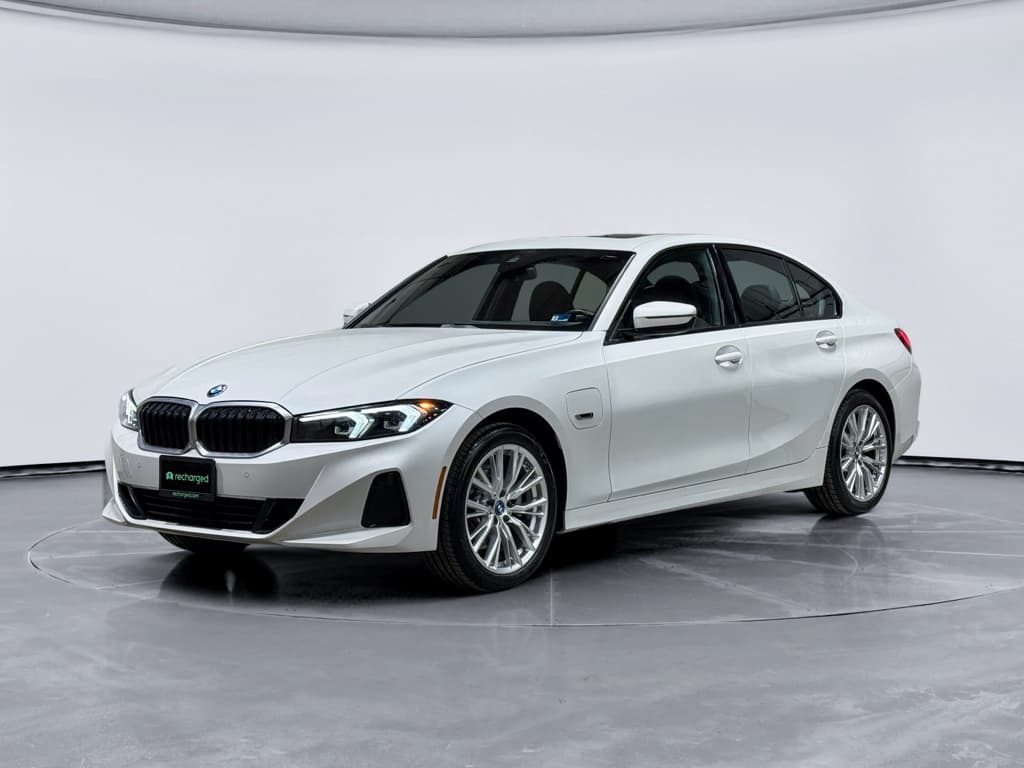
If you’re considering a BMW i4 in 2026, especially a used 2022–2025 model, you’re probably wondering what the **most common BMW i4 problems** really look like beyond the marketing brochure. The good news: the i4 has avoided the sort of widespread, chronic battery failures that can sink an EV’s reputation. The trade‑off is a mix of software quirks, charging headaches, and a few high‑profile recalls you absolutely need to understand before you buy.
Quick Take for 2026 Shoppers
BMW i4 Problems in 2026: Big Picture
BMW i4 Problem Landscape (2022–2025 Data)
From a 2026 vantage point, the BMW i4 looks like a **solid but software‑sensitive EV**. The core hardware, motors, high‑voltage battery, basic chassis components, has been reasonably robust so far. Where owners tend to get frustrated is with **buggy updates, inconsistent app behavior, and public fast‑charging that doesn’t always work as advertised**. On top of that, there are a few **important recalls** you must clear before you sign paperwork on a used i4.
Don’t Skip the Recall Check
Most Common BMW i4 Problems Owners Report
Core BMW i4 Problem Categories
Most 2026 owner complaints fall into one of these buckets.
1. Software & Infotainment
2. Charging & Communication
3. Recalls & Safety Campaigns
When people say their BMW i4 "has problems" in 2026, they’re often talking about one of those three areas. Traditional gas‑car issues, like chronic oil leaks or transmission failures, don’t really apply here, but **EV‑specific headaches** can still cost you time and money if you don’t know what to look for.
Battery & Charging Problems on the BMW i4
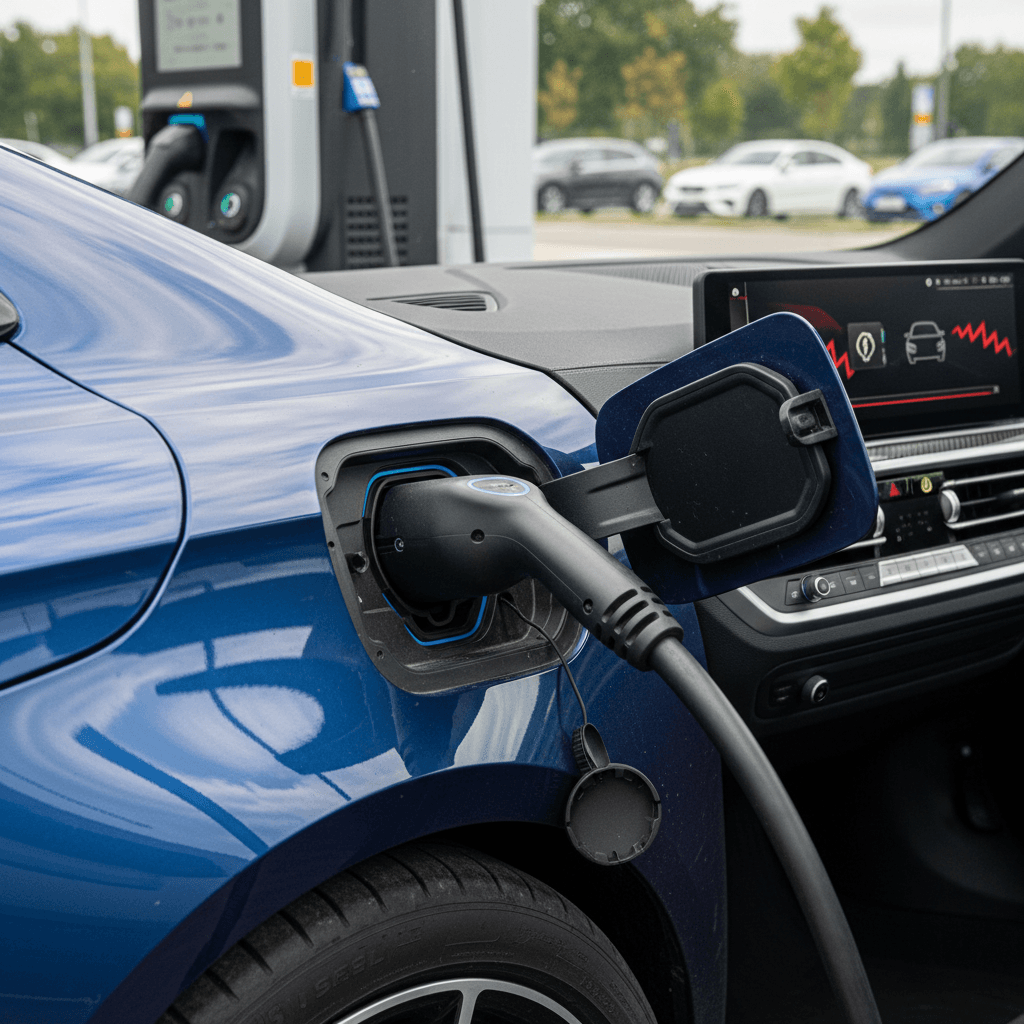
Battery‑related horror stories tend to grab headlines, but for the BMW i4, the picture is more nuanced. There *have* been safety recalls tied to the high‑voltage battery, yet day‑to‑day owner complaints in 2026 are more about **charging reliability and cold‑weather performance** than packs failing outright.
- Occasional **"Unable to charge" or "charge interrupted" warnings**, especially on busy or finicky DC fast‑charging sites.
- Sessions that **start normally, then ramp down or stop early**, sometimes blaming the charger, sometimes the car.
- A handful of owners reporting **high‑voltage or battery malfunction messages** that trigger a dealer visit, often resolved with module replacement or software updates.
- Typical EV behavior like **reduced range and slower DC charging in very cold weather**, which can feel worse if you’re coming from a gas BMW.
Pro Tip for Test Drives
Battery recalls vs. everyday degradation
Several early‑production 2022–2023 i4s were recalled for **battery module defects that could lead to fire risk or sudden loss of drive power**. Those cars were either repaired with new modules or, in rare cases, had packs replaced. For a used‑car shopper, the key is verifying: - That **all battery‑related recalls have been completed** (your seller or BMW dealer can print a recall history). - That the car shows **no current high‑voltage faults** in the digital service record. So far, there’s no data suggesting severe, across‑the‑board **battery degradation** on i4s driven and charged normally. You should still expect **some range loss after 3–4 years**, especially if the car saw frequent DC fast‑charging, but not a collapse in usable range.
How Recharged Verifies Battery Health
Ready to find your next EV?
Browse VehiclesSoftware, Infotainment & App Glitches
If there’s one truly "common" BMW i4 problem by 2026, it’s **software weirdness**. Owners consistently report that the car drives beautifully but can be let down by **buggy infotainment and app behavior**, especially after major OTA updates or an iOS/Android change.
Typical BMW i4 Software & Infotainment Problems
These are the glitches i4 owners most often mention by 2026, along with what they feel like day to day.
| Issue | What Owners Experience | Typical Impact |
|---|---|---|
| Apple CarPlay / Android Auto instability | CarPlay fails to launch, disconnects mid‑drive, or lags after phone or car software updates. | Annoying; may require re‑pairing devices, updating software, or occasional dealer visit. |
| Frozen or laggy iDrive screen | Infotainment screen becomes slow to respond, showing delays when switching menus or maps. | Usually fixed by a restart or software update; rarely requires hardware replacement. |
| Driver profile & settings bugs | Seat, climate, or driver‑assist settings don’t stick to the selected profile. | Inconvenient but not unsafe; often resolved with software patches. |
| MyBMW app charge‑status errors | App shows incorrect charging state or won’t start a session at certain public chargers. | Can complicate public charging; sometimes tied to charger network backend issues, not just the car. |
Most problems are frustrating rather than dangerous, but they can sour the ownership experience if they happen often.
Context: EVs Are Rolling Computers
Key BMW i4 Recalls to Know About (2022–2025)
By 2026, several **major recall campaigns** have touched the BMW i4 lineup. These aren’t reasons to avoid the car outright, but they’re absolutely reasons to verify any used i4 has been brought up to date before you take delivery.
- **Battery module fire‑risk recalls (2022–2023 i4):** Early cars built with certain battery modules were recalled because internal damage could, in rare cases, cause a thermal event or sudden loss of drive power. Affected packs received new modules or were fully replaced at no cost to owners.
- **Electric drive‑motor software recall (2022–2025 i4):** A later campaign covered tens of thousands of i4s for a software issue that could trigger unintentional loss of drive power. The fix was typically a **software update to the electric drive motor control unit** performed at the dealer.
- **Rear side‑member / structural recall (select 2024 builds):** A smaller 2024 campaign focused on the **left‑rear structural member** on a limited VIN range of 2024 i4s. The remedy involves inspection and, if necessary, replacement of the component.
- Other smaller campaigns have addressed items like **charging‑system diagnostics and warning labels**, but the three above are the ones most likely to appear on a Carfax or BMW service printout.
Red Flag: Open Safety Recalls
BMW i4 Reliability by Model Year (2022–2025)
2022–2023 BMW i4
- Pros: Earliest adopters report strong performance and engaging dynamics. Many cars have already had major recalls addressed.
- Watch for: Battery‑module recalls, early software quirks, and higher DC‑fast‑charging exposure on road‑warrior cars.
- Best for: Buyers looking for lower entry prices and willing to vet recall and charging history carefully.
2024–2025 BMW i4
- Pros: Benefit from BMW’s software refinement and lessons learned from early recalls. Later builds often feel more polished.
- Watch for: 2024 structural recall coverage, continued infotainment/app bugs, and any drive‑motor software campaigns.
- Best for: Shoppers who want a more “sorted” experience but still want to save vs. a brand‑new i4.
How Recharged Uses Model‑Year Data
How to Spot These Problems on a Used BMW i4
Used BMW i4 Inspection Checklist (2026)
1. Pull a full recall & service history
Ask the seller or a BMW dealer to print the **factory recall and warranty repair history** using the VIN. Ensure all battery, drive‑motor, and structural campaigns show as completed.
2. Test Level 2 charging for 20–30 minutes
Plug into a **known‑good Level 2 charger**. Confirm the car ramps to its expected AC charge rate, doesn’t stop unexpectedly, and shows consistent charge status in the cluster and MyBMW app.
3. Inspect for high‑voltage warnings
On the test drive, cycle through the instrument cluster and infotainment menus. There should be **no persistent high‑voltage or drivetrain warnings**, even after the car has been fully shut down and restarted.
4. Stress‑test infotainment & CarPlay
Pair your phone, run **navigation + music + CarPlay/Android Auto** for at least 15–20 minutes. Watch for freezes, disconnects, or lag that might signal buggy software or a failing head unit.
5. Check for prior body or structural repairs
Look closely at the rear quarters and hatch area, especially on 2024 cars, for uneven panel gaps, overspray, or VIN stickers that don’t match. That’s your early warning of crash or structural work.
6. Review tire wear and ride quality
Uneven tire wear, tramlining, or clunks over bumps can hint at **suspension alignment issues or pothole damage**, which are more about previous use than an inherent i4 flaw.
Lean on an EV‑Savvy Seller
What Repairs Cost, and What Warranty Should Cover
Repair costs on a BMW i4 in 2026 depend heavily on whether you’re still inside the **8‑year/100,000‑mile high‑voltage battery warranty** and any extended coverage. The scariest‑sounding problems, battery modules, drive‑motor software, structural recalls, have generally been handled **at no charge** under warranty campaigns.
Typical BMW i4 Problem Areas & Likely Cost Exposure
Approximate out‑of‑pocket costs once you’re outside of warranty. Actual prices vary by dealer, region, and diagnostic results.
| Problem Area | Typical Scenario in 2026 | Who Usually Pays? |
|---|---|---|
| Battery module or pack defect | Vehicle falls under an existing BMW safety recall or high‑voltage warranty campaign. | BMW, via recall or high‑voltage warranty. |
| Drive‑motor software recall | Car needs updated software to prevent possible loss of drive power. | BMW, via recall; should be free to owner. |
| Infotainment / CarPlay issues | Frozen screen, failed head unit, or persistent connectivity bugs. | If in basic warranty or CPO, usually BMW; otherwise, owner may pay for diagnosis and replacement. |
| DC fast‑charging failures | Inconsistent charging at certain public networks, with no hardware fault found in the car. | Charger operator; owner eats the inconvenience, not usually a repairable vehicle defect. |
| Suspension or wheel damage | Curb rash, bent wheels, or alignment issues from previous use. | Owner; treated as wear or damage, not a defect. |
Battery and safety‑critical defects are usually covered by warranty or recall; software and infotainment fixes may not be.
Budgeting for Ownership
Is the BMW i4 a Reliable EV in 2026?
Stacked up against other early‑to‑mid‑2020s luxury EVs, the BMW i4 lands in the **"above‑average but not flawless"** camp. Owners praise its **driving dynamics, efficiency, and cabin quality**, while venting about software hiccups and inconsistent public charging experiences, many of which are as much about the charging networks as the car itself.
- No pattern of catastrophic **battery degradation** or widespread motor failures by 2026.
- A history of **meaningful recalls**, but with solid remedies if you confirm they’ve been done.
- A steady drumbeat of **software complaints** that tend to ebb and flow with each wave of OTA updates.
- Charging frustrations that often reflect **U.S. public charging realities** more than a uniquely defective i4 design.
If you walk into a BMW i4 purchase in 2026 with your eyes open, armed with recall history, a solid charging test, and a clear read on the car’s software behavior, it can be a **very compelling used EV**. Where things go wrong is when buyers treat it like any other used sedan and skip the EV‑specific homework. Working with a partner like Recharged, which **tests battery health, vets recalls, and prices around real‑world reliability data**, can turn the i4 from a question mark into a confident long‑term daily driver.