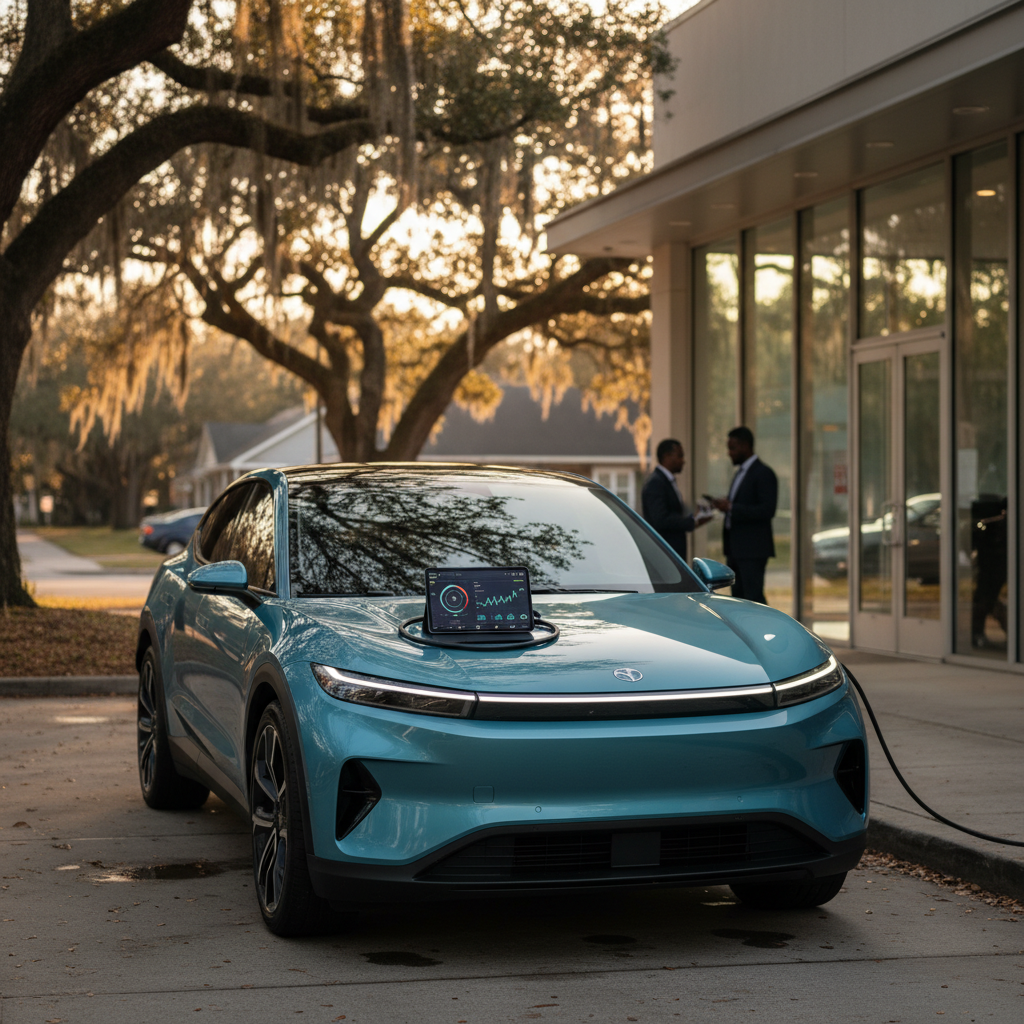
If you’re shopping for the best used EV under $40,000 in 2026, you’re walking into one of the most buyer‑friendly used‑car markets in years. Deep depreciation on three‑ to five‑year‑old electric models, slower new‑EV sales growth, and a flood of lease returns have pushed many once‑premium EVs squarely into used‑car budget territory.
Why this guide focuses on 2020–2024 models
Why 2026 Is a Sweet Spot for Used EVs Under $40K
Used EV Market Snapshot in 2025–2026 (U.S.)
In 2025 and into early 2026, used EVs in the U.S. have been depreciating faster than gas cars, largely because of rapid tech turnover, shifting incentives, and uneven demand. That’s painful for first owners, but if you’re buying second‑hand, it means you can now get near‑new tech at mid‑market prices.
Why shop used EVs at all?
How We Picked the Best Used EVs Under $40,000
For this 2026 list, we focused on EVs you can realistically find under $40,000 at U.S. dealerships and online marketplaces. We leaned on current listing data and recent pricing analyses, plus what we see moving quickly in the used market.
- Realistic transaction prices under $40,000 in 2026 for typical mileage and condition
- At least ~220 miles of original EPA range (except dedicated city cars and budget picks)
- Decent DC fast‑charging speed for road trips, or strong efficiency for commuting
- Solid reliability record and manageable recall history
- Availability across multiple U.S. regions, not just one or two coastal metros
- Good value versus original MSRP after recent EV depreciation trends
About prices in this article
Quick Ranking: Best Used EVs Under $40,000 in 2026
Top Used EV Picks Under $40K (2026 Snapshot)
High‑level view of our top recommendations, focused on value and everyday usability.
| Rank / Role | Model (Model Years) | Typical 2026 Price | EPA Range (new) | Highlight |
|---|---|---|---|---|
| 1 – Best all‑rounder | Hyundai Ioniq 5 (2022–2024) | $28,000–$38,000 | 220–303 mi | Ultra‑fast charging, roomy, modern tech |
| 2 – Best value commuter | Kia Niro EV (2019–2023) | $16,000–$28,000 | 239–253 mi | Efficient crossover, big depreciation = bargains |
| 3 – Best long‑range value | Tesla Model 3 RWD/LR (2019–2023) | $20,000–$35,000 | 240–358 mi | Range + Supercharger access (with right hardware) |
| 4 – Best budget pick | Chevy Bolt EV / EUV (2019–2023) | $13,000–$24,000 | 247–259 mi | Low prices, great efficiency, compact footprint |
| 5 – Best SUV feel | Ford Mustang Mach‑E (2021–2023) | $25,000–$38,000 | 211–312 mi | Sporty styling, crossover practicality |
All prices reflect typical 2026 U.S. used‑market ranges for well‑kept examples.
Where Recharged fits in
Ready to find your next EV?
Browse Vehicles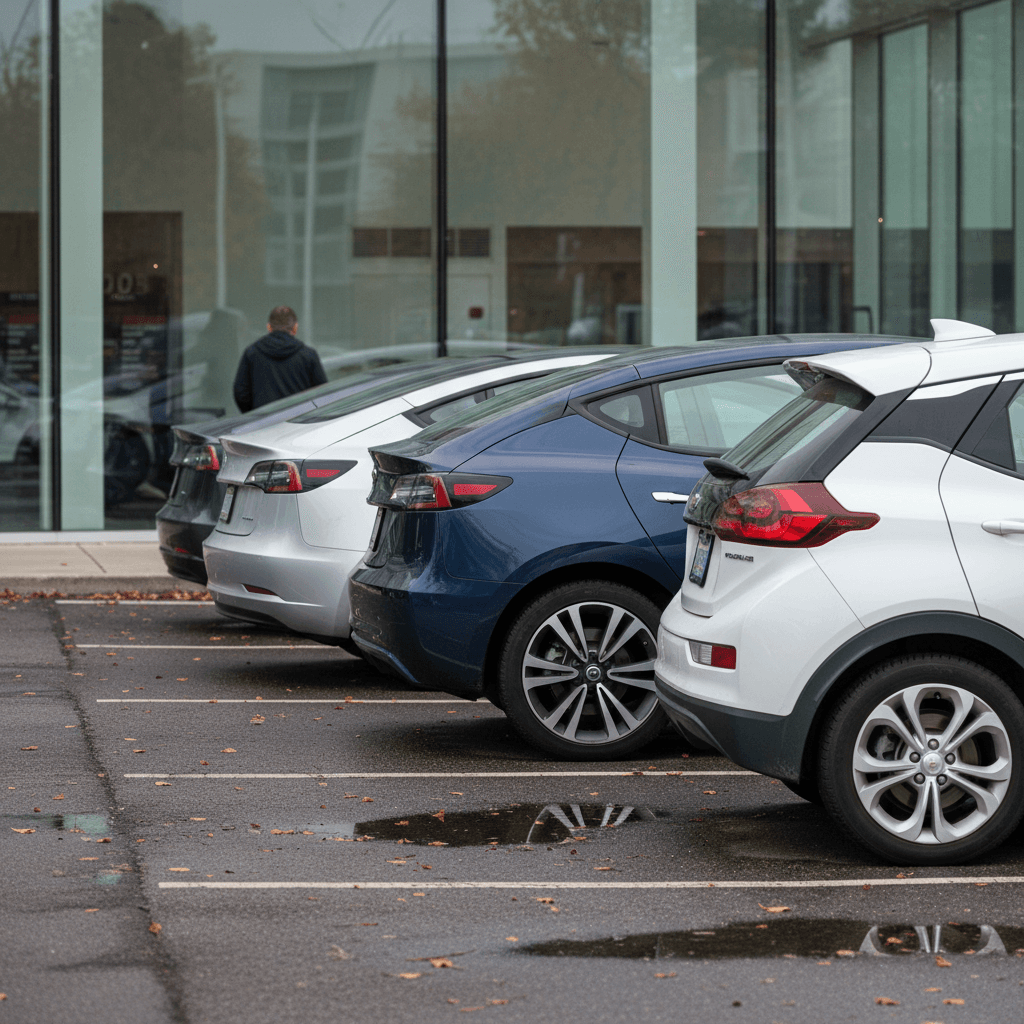
Best All‑Rounder: Hyundai Ioniq 5
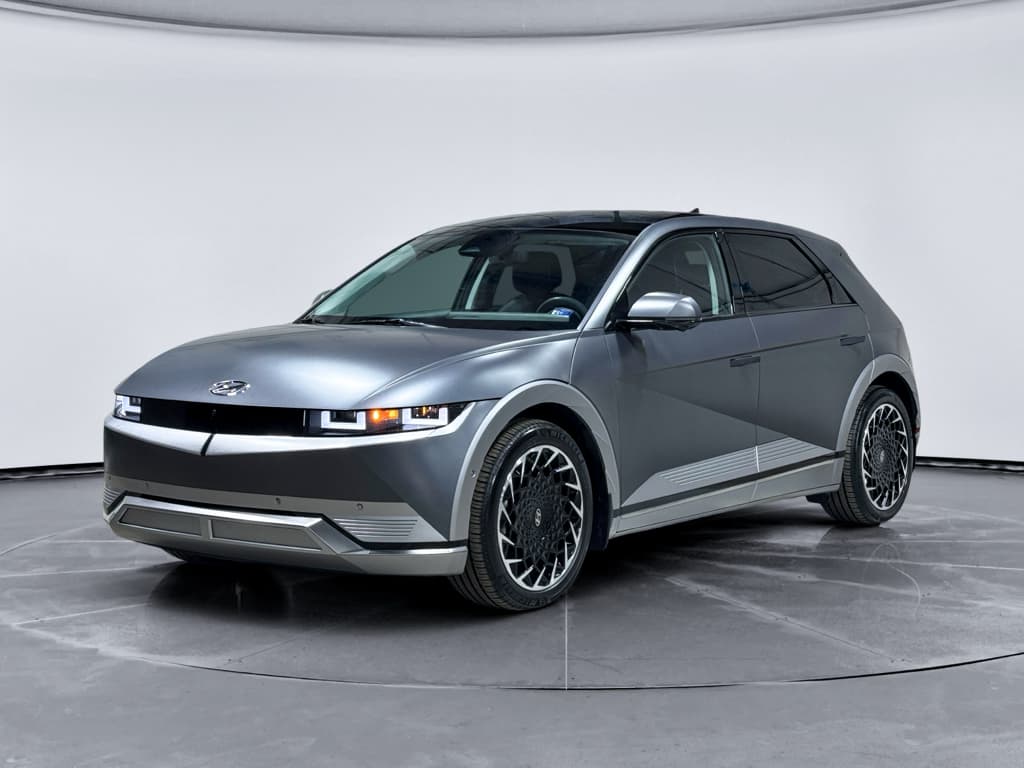
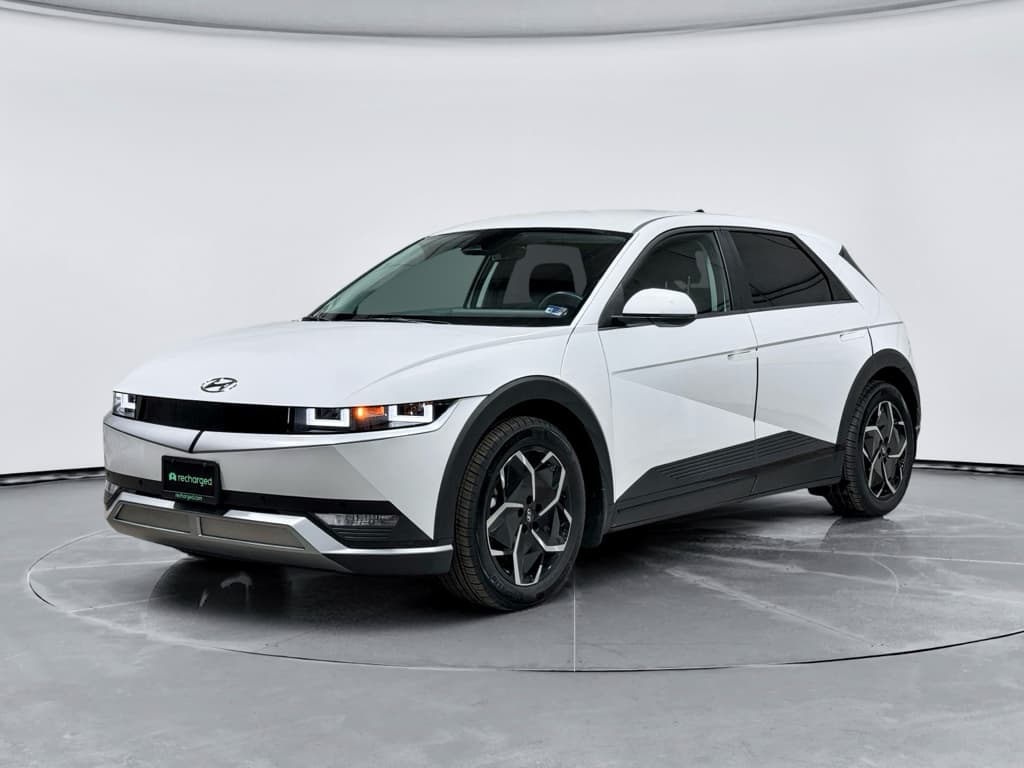
Ask used‑car managers what moves fast under $40,000, and the Hyundai Ioniq 5 keeps coming up. As a used buy, it blends real‑world range, very fast DC charging, and a roomy cabin that works for families and commuters alike.
Hyundai Ioniq 5 at a Glance
Why it tops many under‑$40k shortlists in 2026
Typical price (2026)
2022–2023 SE/SEL/Limited models often list around $28,000–$38,000, depending on battery size, AWD, and mileage.
Range & charging
EPA range of roughly 220–303 miles new, plus 800‑volt DC fast charging that can add a big chunk of range in well under 30 minutes on a strong station.
Space & comfort
Flat floor, generous rear legroom, and a long wheelbase make it feel more like a midsize SUV inside than a compact crossover.
Trim and battery to target
On a site like Recharged, an Ioniq 5’s Recharged Score will highlight how much range to realistically expect at its current battery health, plus how its asking price lines up with similar cars across the country. That’s critical in a segment where asking prices can swing several thousand dollars for similar‑looking cars.
Best Value Commuter: Kia Niro EV
If you’re less concerned with flashy styling and more with efficient, do‑everything transportation, the Kia Niro EV is one of the quiet standouts of the used market. Deep depreciation has pushed many examples well below $25,000, even though they started life as $40,000‑plus crossovers.
Why it’s a deal in 2026
- Price: Many 2019–2022 Niro EVs now list around the mid‑teens to low‑$20,000s, with later 2023 models still often under $30,000.
- Range: Original EPA range around 239–253 miles keeps daily commuting easy without constant charging stops.
- Body style: Practical hatchback/crossover profile with decent cargo space, not just a small hatchback.
What to watch
- Earlier model years may lack the very fastest DC fast‑charging speeds now common on newer EVs.
- As with any used EV, battery health matters more than odometer miles, check for a detailed battery report, not just a Carfax.
- Some shoppers find the Niro’s interior a bit conservative; if you want a "wow" factor cabin, the Ioniq 5 may suit you better.
Who the Niro EV fits best
Best Long Range per Dollar: Tesla Model 3
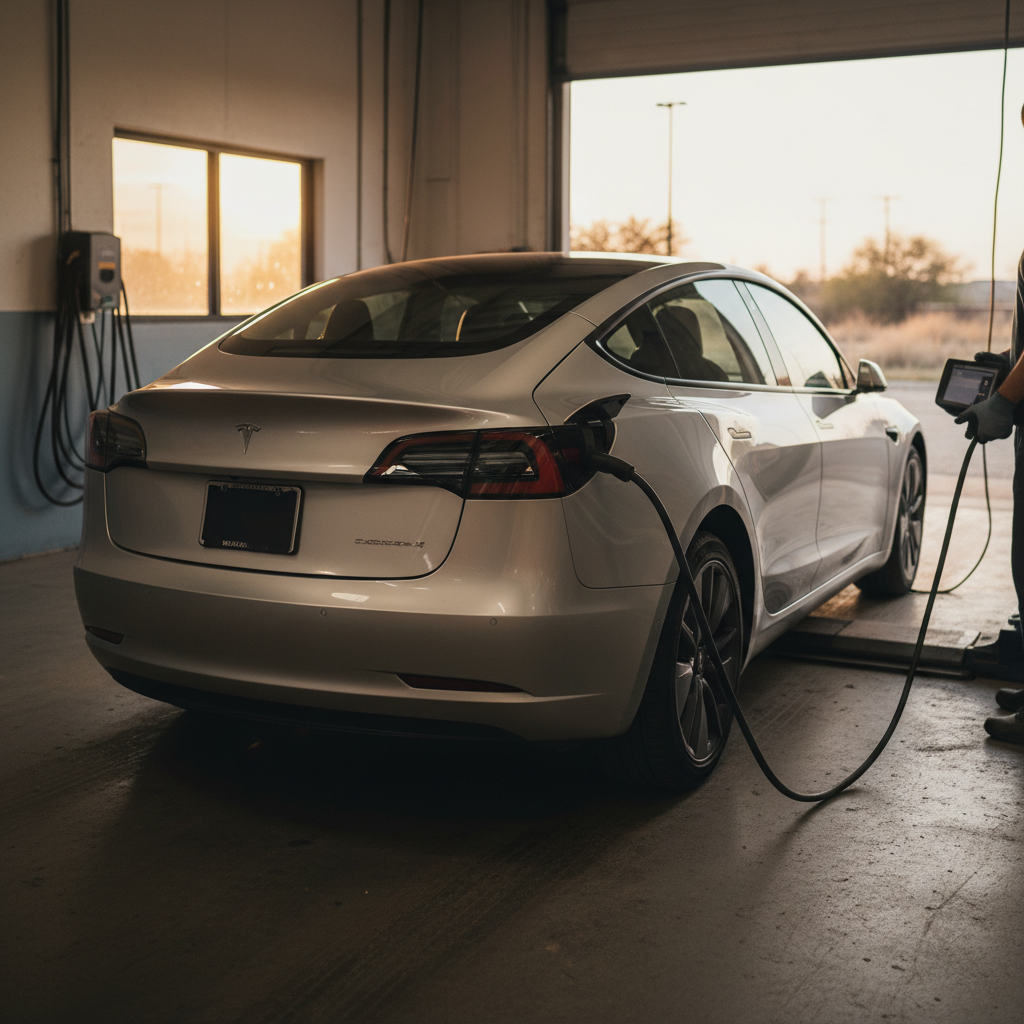
Used Tesla Model 3 pricing has come down sharply from early‑EV days, and that’s pushed plenty of RWD and Long Range sedans into the $20,000–$35,000 window in 2026. For buyers who prioritize range and access to a large fast‑charging network, it’s tough to ignore.
Tesla Model 3: Strengths & Tradeoffs as a Used Buy
What you’re really getting under $40,000
Range & efficiency
Depending on year and trim, original EPA range runs from the mid‑200s to mid‑300s in miles. Even with some degradation, that’s more than enough for most road‑trip duty.
Supercharger access
Most U.S. Model 3s have native access to Tesla’s Supercharger network. As more non‑Teslas gain access, that network is still a major convenience advantage.
What you give up
A sedan body, firmer ride than some rivals, and an interior that some shoppers find too minimalist. Build‑quality concerns vary by year, so look closely at history reports.
Pay attention to build year and options
On Recharged, Model 3 listings come with a battery health score so you can quickly see how a particular car stacks up against its peers. That’s key, because a low‑priced Tesla with an unusually tired pack may cost you more in the long run.
Best Budget Pick: Chevrolet Bolt EV & EUV
If you want a reliable, efficient EV and keep your payment as low as possible, few cars punch above their weight like the Chevrolet Bolt EV and slightly larger Bolt EUV. A wave of lease returns and aggressive new‑car incentives in past years have turned them into used‑market bargains.
Chevy Bolt EV vs. Bolt EUV: Used‑Market Snapshot
How the two Bolts compare when you’re shopping with a strict budget.
| Model | Typical 2026 Price | EPA Range (new) | Notable traits |
|---|---|---|---|
| Bolt EV (2019–2023) | $13,000–$20,000 | 247–259 mi | Smaller hatchback, excellent efficiency, easy to park |
| Bolt EUV (2022–2023) | $16,000–$24,000 | 247 mi | Slightly more rear legroom and SUV‑style stance |
Both versions commonly fall well below $25,000 used, even with modest miles.
Battery recall history matters here
If your ceiling is $20,000–$25,000, a clean, post‑recall Bolt with documented battery work gives you modern range and low running costs without flirting with the upper edge of our $40,000 budget.
Best SUV Feel: Ford Mustang Mach‑E
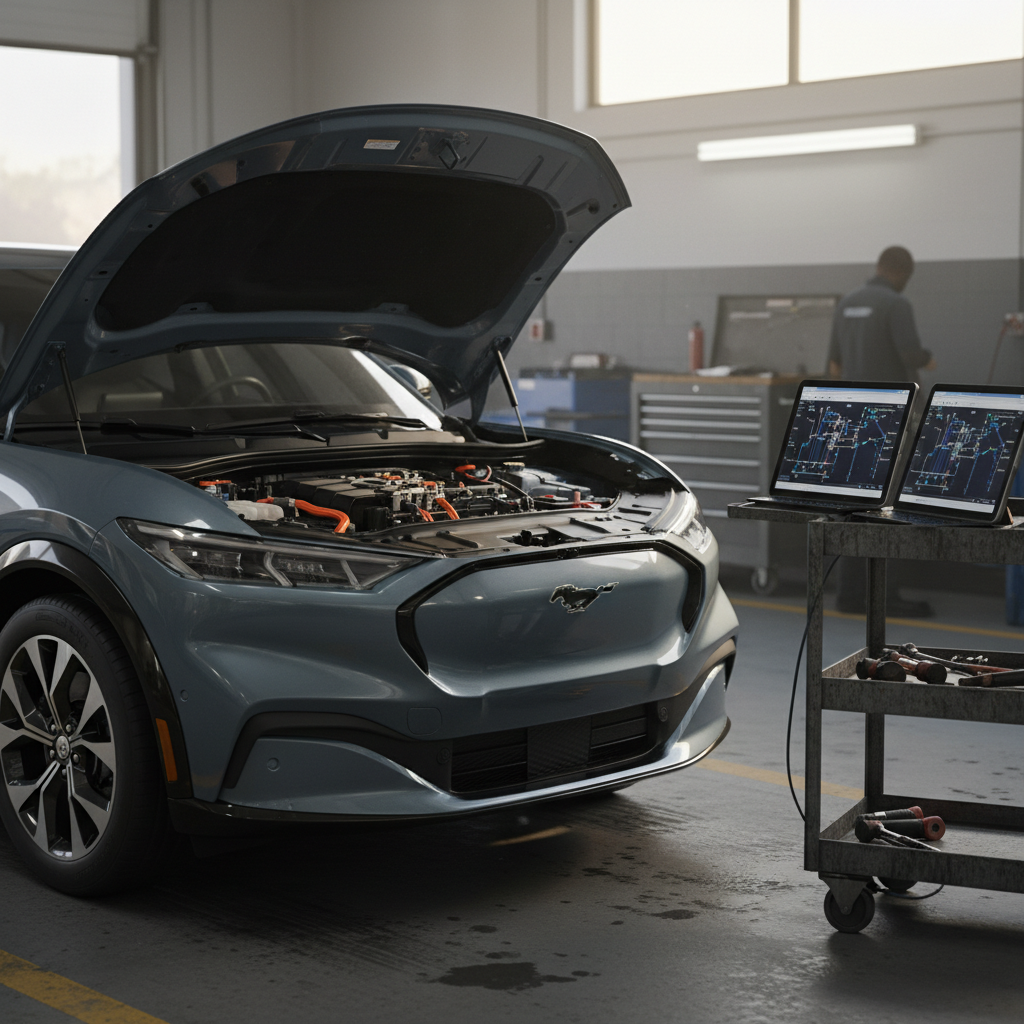
Shoppers who want SUV stance and a more emotional design often land on the Ford Mustang Mach‑E. Early range‑extended trims that were $50,000‑plus new now show up under $40,000 used, especially with higher mileage or in less EV‑dense regions.
Ford Mustang Mach‑E Pros & Cons Under $40K
A more emotional choice that still makes sense on paper
Pros
- Crossover ride height and cargo space for families.
- Multiple battery sizes and performance levels, including peppier trims.
- Competitive range (roughly low‑200s to 300+ miles EPA new depending on version).
Cons
- Charging curve not as strong as Hyundai/Kia’s latest ultra‑fast setups.
- Software and infotainment have improved, but test everything on a long drive.
- Insurance and tire costs can be higher than smaller EVs.
Pricing reality check
Price Bands: What $40,000 Buys You in 2026
Used‑EV pricing in 2026 isn’t random; most models fall into fairly predictable bands depending on age, trim, and range. Here’s a simplified view of what shoppers typically see.
Typical Used EV Price Bands in 2026 (U.S.)
Approximate asking‑price ranges for popular models under $40,000.
| Price band | What you’ll usually find | Example models |
|---|---|---|
| $15,000–$25,000 | Older but still capable commuters, often compact hatchbacks or early crossovers | Chevy Bolt EV/EUV, early Kia Niro EV, Nissan Leaf Plus |
| $25,000–$32,000 | Well‑equipped commuters and early crossovers, plus sedans with strong range | Many Kia Niro EVs, Tesla Model 3 RWD, some Mach‑E Select, VW ID.4 |
| $32,000–$40,000 | Newer build years, larger packs, AWD, or higher trims of mainstream crossovers | Hyundai Ioniq 5, better‑equipped Mach‑E, Tesla Model 3 Long Range, higher‑trim ID.4 |
Ranges assume clean titles and average mileage; tax credits and local demand can shift your out‑the‑door number.
Use total cost, not just sticker, as your yardstick
Battery Health: The Make‑or‑Break Used EV Metric
In the gas world, you’ve been trained to care about mileage and maintenance records. With EVs, those still matter, but battery State of Health (SoH) is king. Two identical‑looking cars can differ by 10–20% in usable capacity, which directly affects range and resale value.
What strong battery health looks like
- SoH in the 90s% on a three‑ to five‑year‑old EV is usually a good sign.
- Range that’s still close to the original EPA figure at moderate highway speeds.
- No history of frequent DC fast‑charging abuse, daily DCFC on older chemistries can accelerate wear.
How Recharged measures it
Every vehicle on Recharged gets a Recharged Score Report that includes:
- Scan‑based battery‑health data (where the vehicle supports it).
- Estimated real‑world range today, not just the day it left the factory.
- Pricing benchmarks that adjust for battery condition versus similar listings.
Don’t buy an EV on Carfax alone
Buying Checklist for Used EVs Under $40K
Essential Checklist Before You Commit
1. Confirm real‑world battery health
Ask for a recent battery‑health report or SoH reading. On Recharged, review the Recharged Score to see how that pack compares with others of the same model and year.
2. Match range to your reality
Add up a typical week’s driving, including weekend trips. If you need 150 miles between charges, don’t rely on an EV that only delivers that when it was new.
3. Inspect charging options
Check which connector it uses (CCS, NACS, or CHAdeMO), where you’ll normally charge (home Level 2 vs. public), and how fast it charges on DC fast chargers.
4. Review recall and warranty status
Look up open recalls, especially on models with known battery campaigns like the Chevy Bolt. Confirm how much battery or powertrain warranty is left by calendar date and mileage.
5. Test‑drive like you own it
Cold‑start the car, try highway speeds, sample driver‑assist systems, and run climate control. Listen for unusual noises from the drivetrain or suspension.
6. Compare pricing to the wider market
Don’t judge a car just against other units on the same lot. Tools like Recharged’s fair‑market pricing compare listings nationwide so you can see if you’re actually getting a deal.
FAQ: Best Used EV Under $40,000 in 2026
Frequently Asked Questions
Bottom Line: Choosing the Right Used EV for You
In 2026, the phrase “best used EV under $40,000” doesn’t point to just one car, it points to a short list shaped by how you drive. If you want a future‑proof crossover with fast charging and space, the Hyundai Ioniq 5 and Ford Mustang Mach‑E are hard to ignore. If you care mostly about value and commuting, the Kia Niro EV and Chevy Bolt twins deliver a lot of miles per dollar. If long‑range road trips are the priority, a carefully vetted Tesla Model 3 remains a formidable option.
The common thread is that battery health and fair pricing matter more than ever. That’s where a platform built for EVs helps: every vehicle on Recharged comes with a Recharged Score Report, EV‑specialist support, and options for financing, trade‑in, consignment, and nationwide delivery, plus an Experience Center in Richmond, VA if you prefer to talk in person. Do your homework, lean on real battery data, and a sub‑$40k used EV can deliver new‑car tech and low running costs for years to come.