If you’re shopping for the best used EV under $20,000 in 2026, you’re in a sweet spot. Depreciation, generous new‑car incentives, and rapidly improving tech have pushed a wave of very capable electric cars into true budget territory, without asking you to live with 60 miles of range and no fast charging.
What this guide covers
Why used EVs under $20K are so attractive in 2026
The 2026 U.S. used‑EV value story at a glance
Two big forces make 2026 a uniquely good time to buy a budget EV. First, rapid tech turnover, newer models with longer range and faster charging, has pushed early EVs down the depreciation curve faster than comparable gas cars. Second, generous new‑EV incentives in 2023–2025 effectively lowered new prices, pulling used values down behind them. The result: many shoppers can now cross‑shop a lightly used, 200‑mile EV against a basic used crossover or compact gas sedan at the same price.
Not all cheap EVs are good deals
Quick list: Best used EVs under $20,000 in 2026
Best used EVs under $20K in 2026 (U.S. market)
Exact prices depend on mileage, condition and region, but these models routinely show up at or below $20,000 on late‑2025 and early‑2026 listings.
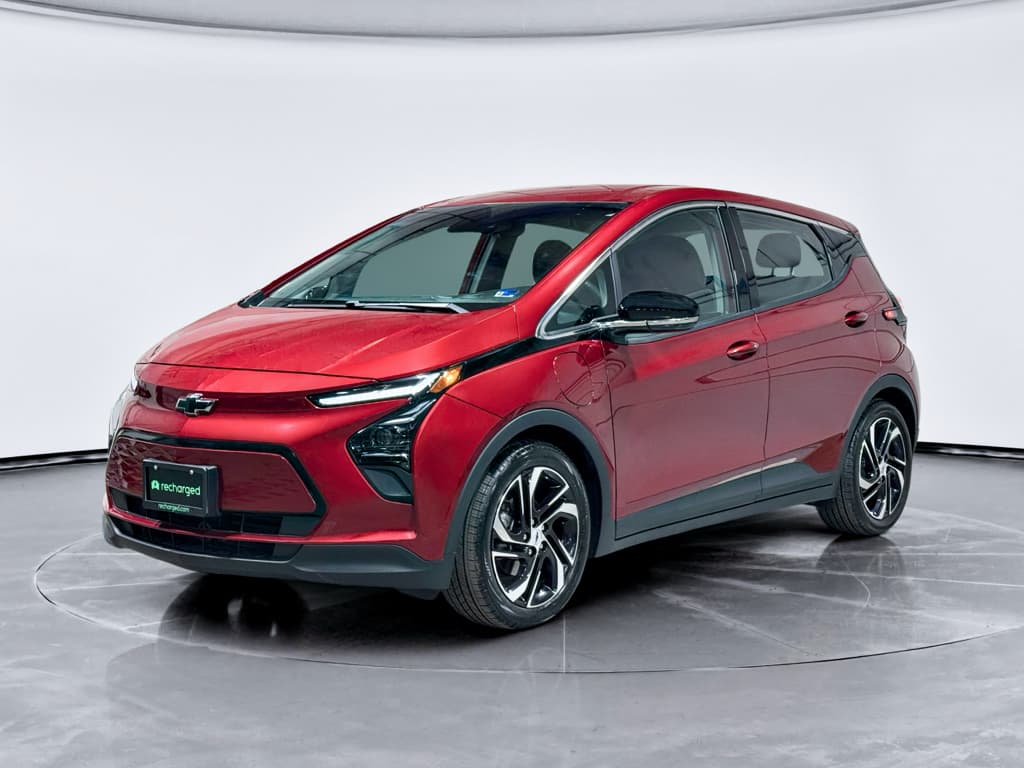
Chevrolet Bolt EV (2017–2022)
Best overall for most buyers
- Real‑world range: ~200–250 miles depending on year and weather.
- DC fast charging, compact footprint, big interior.
- Many cars had new battery packs installed under recall.
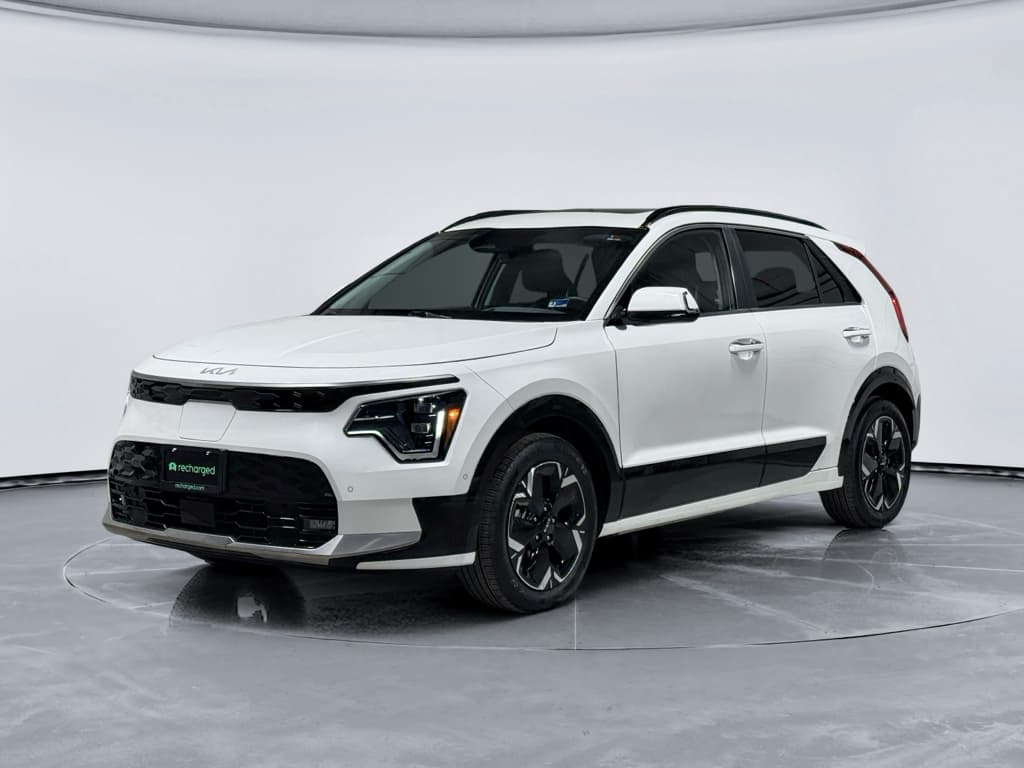
Kia Niro EV (2019–2022)
Best all‑rounder crossover
- EPA range around 239–253 miles.
- Practical hatchback body, comfortable ride.
- Often available in the mid‑teens with higher miles.
Nissan Leaf (40 & 62 kWh, 2018–2022)
Cheapest to buy
- Early 40 kWh cars can dip well below $15K.
- 62 kWh "Plus" trims offer ~200+ miles.
- Beware battery degradation and CHAdeMO fast‑charge limitations.
Hyundai Ioniq Electric & Kona Electric
Efficiency champs
- Ioniq Electric: extremely efficient but smaller pack.
- Kona Electric: 250+ mile EPA range.
- Both show up in the high‑teens depending on miles.
How to use this list
Chevrolet Bolt EV (2017–2022): Range champ on a budget
Why the Bolt EV dominates the under‑$20K list
- Range per dollar: Early Bolts launched at 238 miles EPA, later cars nudged closer to 259. In the real world, 200+ miles is very realistic for mixed driving.
- Compact outside, roomy inside: The upright hatchback body hides a surprisingly large cabin and cargo area.
- Modern driving experience: Strong one‑pedal driving, responsive acceleration, and good infotainment even on older cars.
What to watch for on a used Bolt EV
- Battery recall history: Many 2017–2019 cars received entirely new packs under GM’s recall campaign. That’s a huge upside, if it’s documented.
- DC fast‑charging rate: Adequate for road trips, but not as quick as newer 800‑volt architectures. Plan on longer stops than in a new Ioniq 5 or EV6.
- Seats and ride: Some drivers find early seats too firm, and the ride can feel busy on rough pavement.
Chevrolet Bolt EV key used‑buyer specs
Approximate figures for U.S. models that frequently appear under $20K in 2026.
| Model years | Typical price in 2026* | EPA range (mi) | Battery size (kWh) | Fast charging |
|---|---|---|---|---|
| 2017–2019 | $13,000–$17,000 | ~238 | 60 | Yes, CCS |
| 2020–2022 | $16,000–$20,000 | ~259 | 66 | Yes, CCS |
Always verify exact trim, battery recall status, and remaining warranty on any specific car.
Bolt EV buying tip
Kia Niro EV (2019–2022): The balanced all‑rounder
If you want a car that feels like a conventional compact crossover but runs on electrons, the Kia Niro EV is hard to beat. In multiple 2024–2025 value analyses, the Niro EV ranks near the top for bang‑for‑buck because it launched with a high MSRP and has since taken a steep depreciation hit. That’s good news for you in 2026.
Is a used Niro EV right for you?
Great for small families
- Comfortable back seat and usable cargo area.
- Easy to load strollers, groceries, or sports gear.
Urban and suburban commuters
- Compact footprint and good visibility.
- Enough range that you’re not constantly hunting chargers.
Efficiency‑minded drivers
- EPA range around 239–253 miles.
- Solid efficiency, especially at city speeds.
Niro EV watch‑outs
Nissan Leaf (2018–2022): Affordable, but know which one
The Nissan Leaf is the original mass‑market EV, and in 2026 it also represents some of the lowest purchase prices in the electric world. But there’s a big gap between an early 40 kWh car that spends its life in a hot climate and a newer 62 kWh “Leaf Plus” that lived in a mild, coastal city.
40 kWh Leaf (2018–2022)
- EPA range started around 149 miles when new.
- Many cars are now well under $15,000.
- Best for short commutes, second‑car duty, or cooler climates.
Risk: Without liquid‑cooled batteries, some 40 kWh packs in hot regions show noticeable degradation by year eight or nine.
62 kWh Leaf Plus
- EPA range up to about 215–226 miles depending on trim.
- Many used examples fall into the mid‑ to high‑teens.
- Far more flexible for longer drives and winter use.
Limitation: Still uses CHAdeMO fast charging, which is slowly being phased out in North America.
Leaf fast‑charging caveat
Hyundai Ioniq Electric & Kona Electric: Efficient alternatives
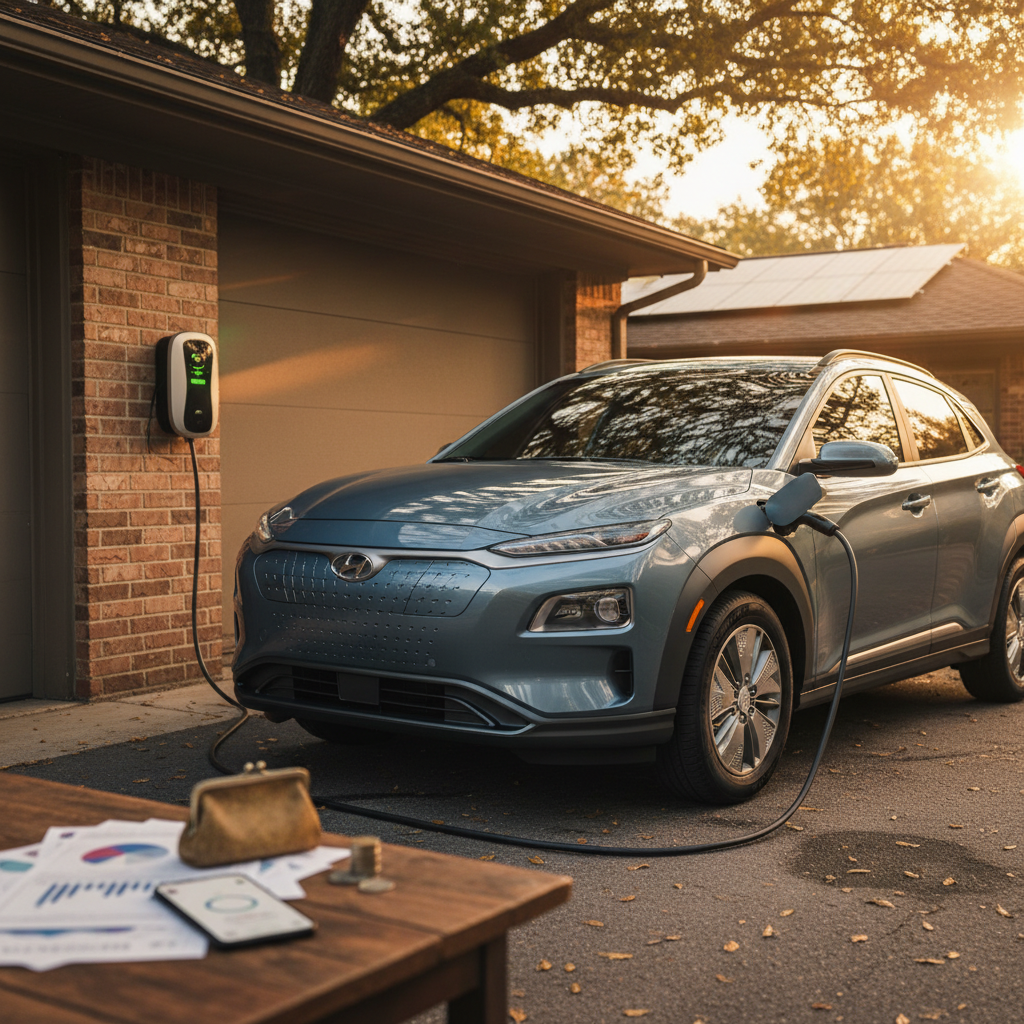
Hyundai’s early EVs quietly became value standouts. The Ioniq Electric is one of the most efficient EVs ever sold in the U.S., while the Kona Electric pairs a compact crossover body with genuinely road‑trip‑capable range. In many regions, higher‑mileage examples of both now land under $20,000 by 2026.
Hyundai used EVs commonly under $20K
Approximate 2026 U.S. used‑market figures, always confirm local pricing.
| Model | Typical years under $20K | EPA range (mi) | Battery size (kWh) | Best for |
|---|---|---|---|---|
| Ioniq Electric | 2017–2019 | ~124 | 28 | Efficient short‑range commuting |
| Kona Electric | 2019–2021 | ~258 | 64 | One‑car households and longer trips |
Both cars offer DC fast charging via CCS; the Kona’s larger pack makes it a better all‑rounder.
Hyundai value play
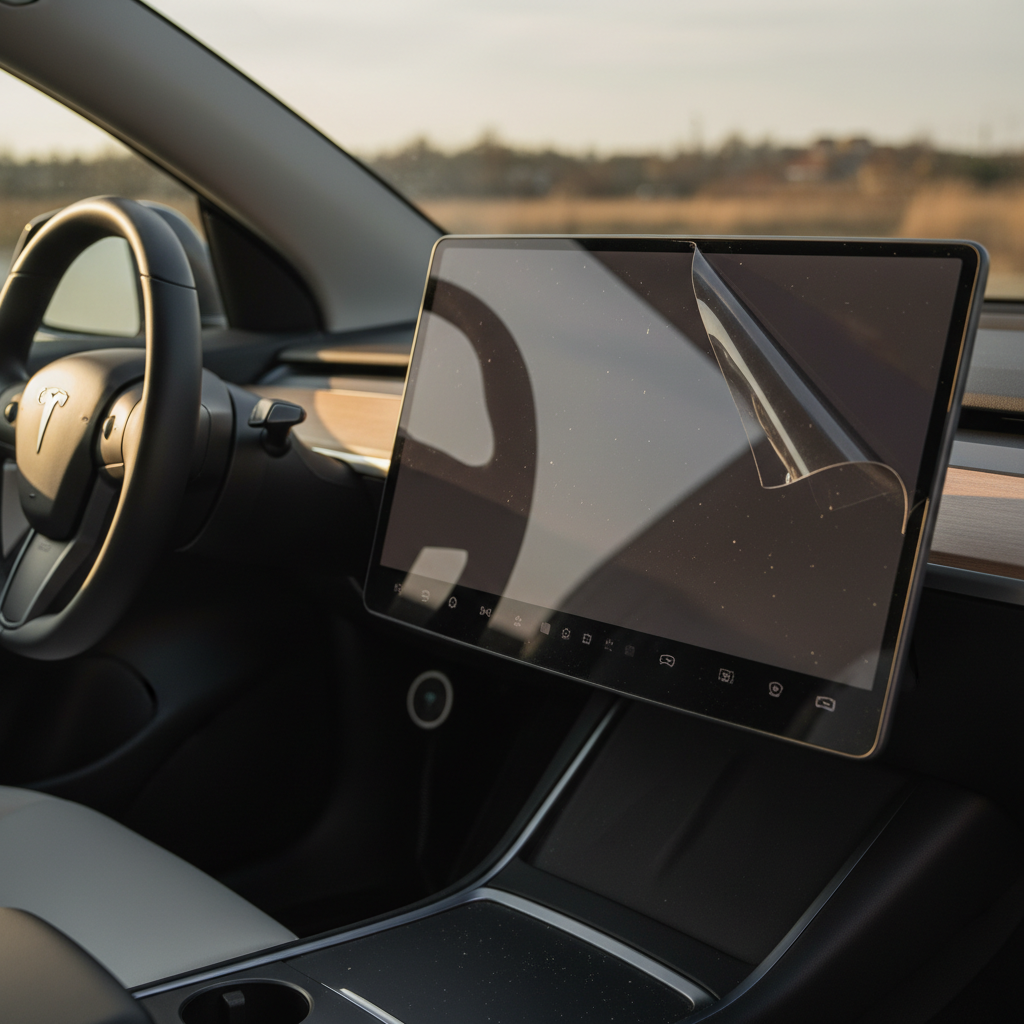
Can you get a Tesla Model 3 under $20,000 in 2026?
By early 2026, we’re starting to see high‑mileage Tesla Model 3s flirt with the $20,000 line, especially older rear‑wheel‑drive cars with 100,000 miles or more. They’re not common at this price yet, and condition varies widely, but if you’re patient and flexible about color and options, it can happen.
- Most sub‑$20K cars will be 2017–2019 build years with higher mileage.
- You’re trading lower purchase price for more wear on suspension, interior, and trim.
- Battery and drive‑unit warranties may still be active, but basic bumper‑to‑bumper coverage is typically long gone.
- Insurance and repair costs will usually be higher than for a Bolt or Leaf.
When a cheap Model 3 doesn’t pencil out
Battery health, warranty and the true cost of a “cheap” EV
With used EVs, the single most important component is the traction battery. A $15,000 EV with a tired pack can effectively be a $25,000 car once you factor in replacement or the loss in usable range. That’s why you should demand data, not guesses, about battery health.
Battery and charging checks before you buy
1. Get a real battery health report
Ask for a recent OEM diagnostic printout or an independent battery report (for example, Recharged’s <strong>Score Report</strong> includes verified battery health for every vehicle). If a seller won’t provide this, walk away.
2. Confirm remaining battery warranty
Most modern EVs sold in the U.S. carry 8‑year/100,000‑mile (or more) battery coverage. Verify the in‑service date and mileage to know exactly how much time is left.
3. Check real‑world range, not just EPA numbers
Ask the owner what they see on a full charge in normal driving. If a car that was rated for 240 miles only shows 150 miles at 100% in mild weather, that’s telling you something.
4. Inspect DC fast‑charging behavior
If possible, observe one DC fast‑charge session. Extremely slow charging or sudden stops could indicate battery or thermal‑management issues.
5. Look at charging history and climate
Cars that fast‑charged every day in very hot climates are more likely to have accelerated degradation than garage‑kept commuters in moderate weather.
6. Verify onboard charger and ports
Plug in at Level 2 and, if equipped, DC fast‑charge. Make sure there are no intermittent errors or loose connectors at the charge port.
Never skip battery due diligence
How to choose the best under‑$20K EV for your driving pattern
There’s no universal “best” EV under $20,000. The right answer depends on how far you drive, how often you road‑trip, and what your home‑charging situation looks like. Start with your daily reality, then back into a specific model.
Match the EV to your life, not the other way around
Short‑range commuters (under 40 miles/day)
Older 40 kWh Nissan Leaf, Ioniq Electric, or early BMW i3 can work well.
Home Level 2 charging is highly recommended but not strictly required if workplace charging is available.
Prioritize price and condition over maximum range, but still verify battery health.
Mixed driving, occasional weekend trips
Chevy Bolt EV, Leaf Plus, Niro EV, or Kona Electric are strong candidates.
Look for 200+ miles real‑world range so you’re not anxious on chilly days.
Make sure DC fast charging works properly for those longer days on the road.
One‑car households and frequent road‑trippers
Kona Electric, Niro EV, or a well‑priced Bolt/Kona with fast‑charge reliability should be at the top of your list.
Plan realistic road‑trip routes, older EVs may need more frequent or longer stops than brand‑new models.
If you frequently travel through fast‑charging deserts, a CHAdeMO‑only Leaf may not be the right tool.
Apartment dwellers or no home charging
Prioritize cars with good efficiency, reliable DC fast charging, and strong public‑network support (Bolt, Kona, Niro).
Scout your local charging options before you buy and factor charging costs into your budget.
Consider your tolerance for inconvenience; in some cases, a plug‑in hybrid may be the better bridge solution.
Plan with real chargers, not just specs
Used EV financing and trade‑in: How Recharged helps
Once you’ve narrowed down your shortlist, the next questions are practical: How will you finance it, what is your current car worth, and who’s standing behind the vehicle if something goes wrong? This is where buying from an EV‑focused retailer can tilt the odds in your favor.
Making the numbers work
- Financing built for used EVs: Recharged offers financing options tailored to used EV price points, so you can see how a $16,000 Bolt compares to an $18,500 Niro EV on a monthly basis.
- Instant offer or consignment: If you’re coming out of a gas car, you can get an instant offer or choose consignment to potentially net more and lower your effective EV cost.
- Nationwide delivery: If the right under‑$20K car is at our Experience Center in Richmond, VA, we can still get it to your driveway.
Reducing the risk
- Recharged Score battery diagnostics: Every vehicle comes with a Recharged Score Report that includes verified battery health, so you’re not guessing about pack condition.
- EV‑specialist support: Our team spends all day with electric cars. They can walk you through trade‑offs between a Leaf Plus and a Bolt, or help you understand home‑charging needs.
- Fully digital experience: You can browse, finance, and arrange delivery entirely online, then visit the Richmond Experience Center if you want to see and feel specific models in person.
FAQ: Best used EVs under $20,000
Frequently asked questions about used EVs under $20K
Bottom line: Which used EV under $20K is best in 2026?
If your goal is the best used EV under $20,000 in 2026, it’s hard to go wrong starting with a Chevrolet Bolt EV, Kia Niro EV, Hyundai Kona Electric, or a well‑vetted Nissan Leaf Plus. The trick isn’t just finding the lowest price, it’s finding the right car with healthy battery life, usable range in your climate, and charging that fits your daily routine.
Begin by mapping your real‑world driving patterns, then use objective tools, battery‑health reports, vehicle history, and expert help, to narrow your options. That’s exactly what Recharged was built for: combining a transparent Recharged Score Report, fair market pricing, and EV‑specialist support so your under‑$20K EV feels like a smart long‑term decision, not a gamble. Take your time, ask hard questions, and you’ll end up with an electric car that costs less than many used gas vehicles yet delivers a quieter, cleaner daily drive.