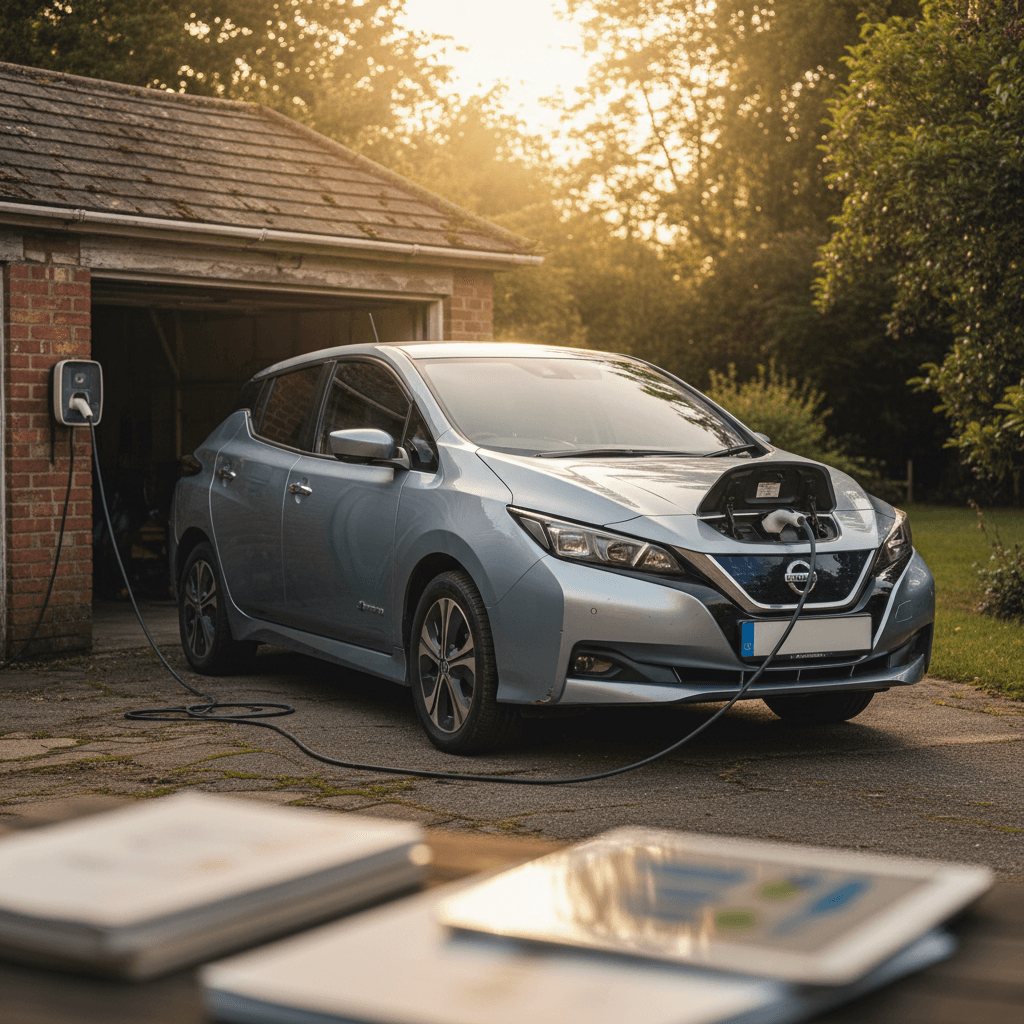
You can absolutely find a used EV under $10,000 in 2026, but you’re not getting a budget Tesla miracle. You’re shopping the first generation of modern EVs: short‑range city cars, orphaned fast‑charging standards, and some wildly underpriced tech if you know what you’re looking at. This guide walks you through the best sub‑$10k electric cars, what kind of range you’ll really get, and how to avoid buying a battery-shaped headache.
First, set expectations
Why “Best Used EV Under $10k” Looks Different in 2026
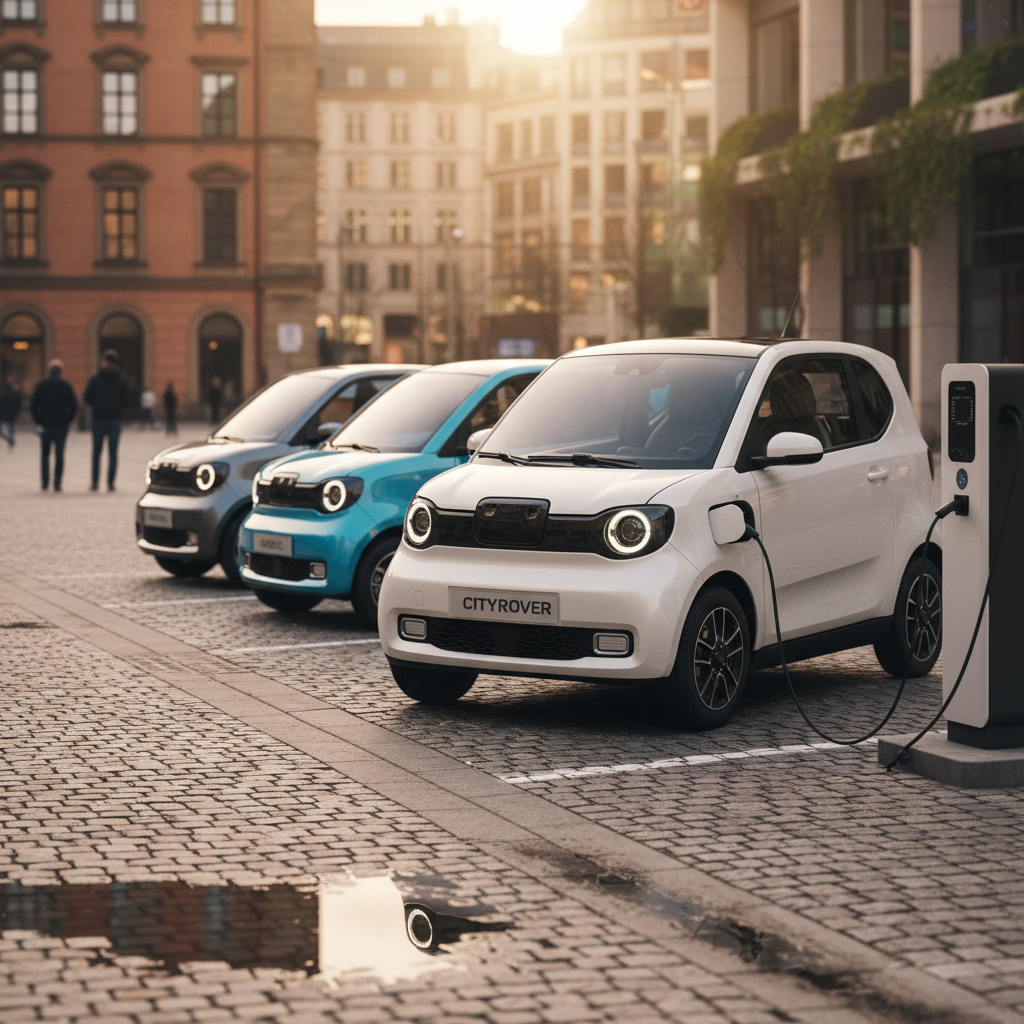
In 2024 and 2025, used EV prices in the U.S. dropped hard, often more than 15% year‑over‑year, as new EV incentives, rising inventory, and shifting demand pushed values down. Today, that means early EVs like the Nissan Leaf, Fiat 500e, and Chevy Spark EV routinely dip below $10,000, sometimes well below. At the same time, newer long‑range models, Kia Niro EV, Tesla Model 3, Hyundai Ioniq 5, have slid into the $15,000–$25,000 range, pushing the whole market down.
The good news for you: sub‑$10k EVs are no longer just compliance‑car curiosities. There’s enough real‑world battery data now to know which ones age gracefully and which ones lose range like a melting snowman. High‑mileage EVs commonly show 88–95% battery State of Health when they’ve been treated decently, so cheap doesn’t automatically mean “dead battery”, but you have to verify, not guess.
Used EVs Under $10k: 2026 Snapshot
Quick Ranking: Best Used EVs Under $10,000
Best Used EVs Under $10,000 (U.S. Market, 2026)
Typical U.S. market pricing and realistic range estimates for popular sub‑$10,000 electric cars. Numbers assume average battery health; use them as ballparks, not promises.
| Rank | Model & Years (Typical) | Typical Price (USD) | Realistic Range* | Best For |
|---|---|---|---|---|
| 1 | Nissan Leaf (2013–2017, 24–30 kWh) | $4,500–$8,500 | 55–85 miles | Cheap, simple commuter with lots of inventory |
| 2 | Fiat 500e (2013–2019) | $6,000–$9,500 | 60–90 miles | Fun city car, stylish second car |
| 3 | BMW i3 BEV (2014–2017) | $8,000–$10,000 | 70–100 miles | Design lovers, premium feel on a budget |
| 4 | Chevy Spark EV (2014–2016) | $6,000–$9,000 | 55–85 miles | Tiny but punchy urban runabout |
| 5 | Smart EQ / Electric Drive (2013–2017) | $5,000–$8,000 | 45–70 miles | Short urban hops, tight city parking |
Pricing and range vary by region, mileage, and battery condition. Always verify with a recent battery health report.
About those ranges…
Model Deep Dives: Budget Used EVs That Make Sense
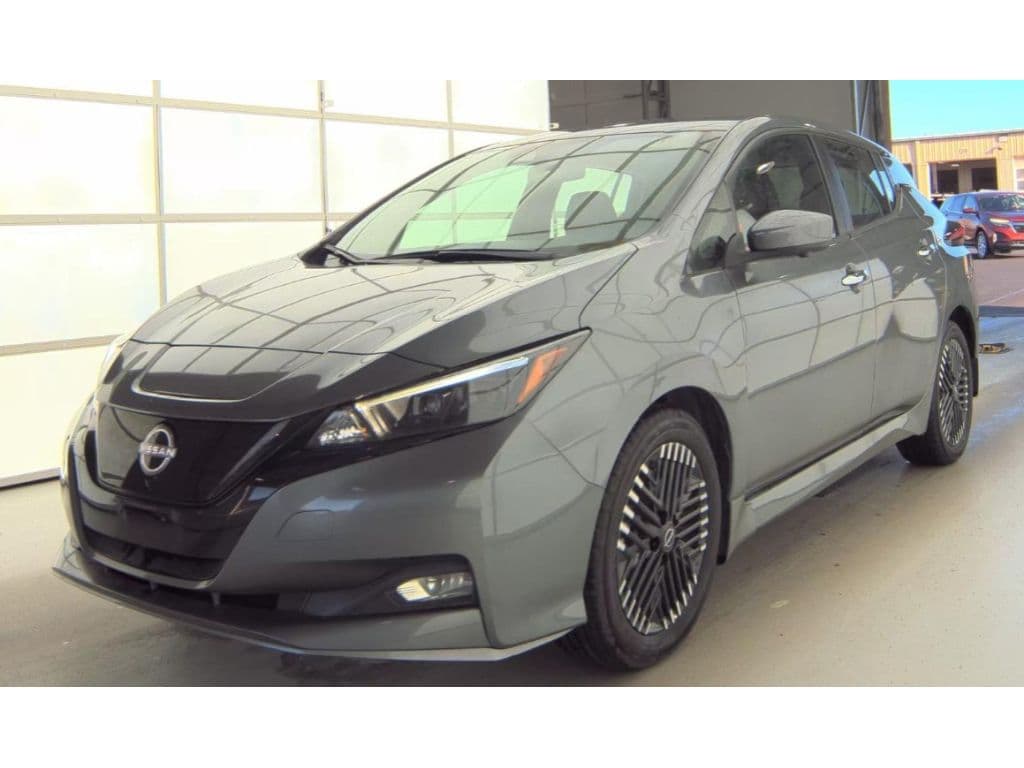
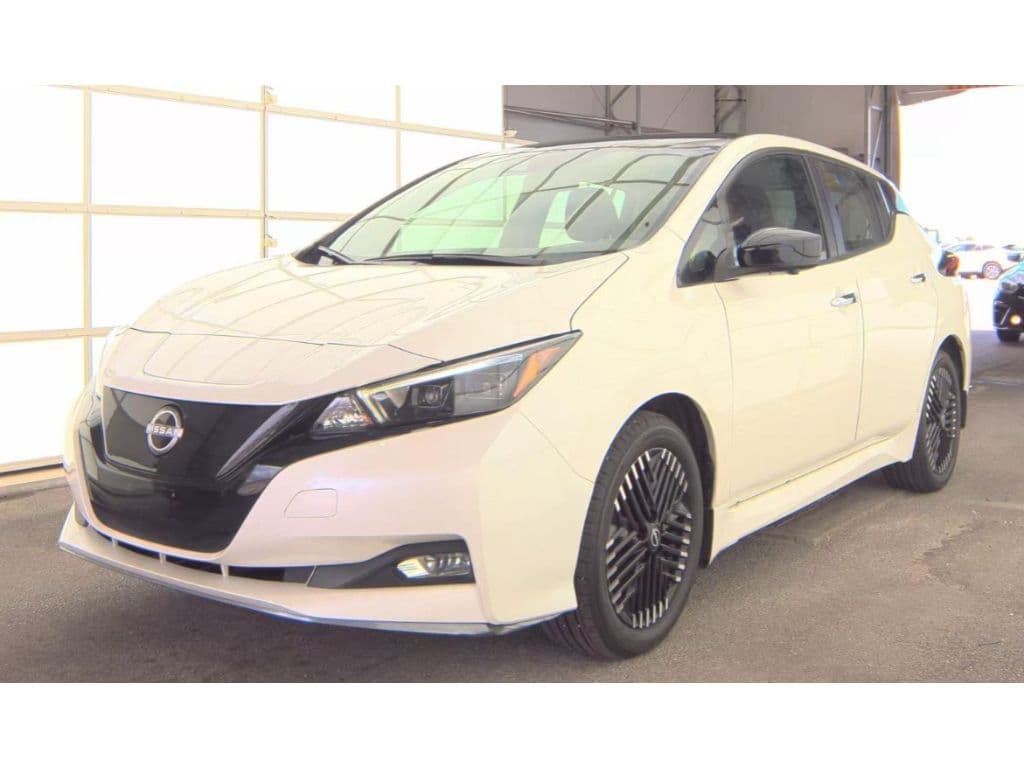
1. Nissan Leaf (2013–2017): The Default Cheap EV
Why the Leaf dominates sub‑$10k
- Everywhere: The Leaf is the Corolla of early EVs, loads of supply, easy parts, lots of DIY knowledge.
- Easy to drive: Smooth, quiet, unfussy. Great for new EV drivers or as a commuter.
- Low running costs: Cheap tires, simple mechanicals, almost no routine maintenance beyond brakes and fluids.
Where the Leaf bites back
- Battery cooling: Early Leafs rely on passive air cooling. Hot‑climate cars can show heavy degradation.
- CHAdeMO fast charging: Public CHAdeMO is being slowly sidelined in favor of CCS and NACS.
- Short highway legs: A 2013–2015 Leaf with a tired pack can feel very short‑ranged at 70 mph.
If you just want the cheapest possible EV to slash fuel costs on a 20–40‑mile daily commute, a well‑vetted Leaf is hard to beat. Focus on later 30 kWh cars (2016–2017) when you can, they age better and give you a more comfortable buffer. The key is battery health transparency: don’t buy one just because it looks clean and the tires are shiny.
2. Fiat 500e: The Fashionable City Weapon
The Fiat 500e started life as a California compliance car, a rolling corporate apology that turned out to be genuinely fun. It’s quick off the line, tiny for urban parking, and has more personality than three economy crossovers put together. For many shoppers, it’s the sweetest blend of price, style, and city‑friendly size under $10,000.
500e shopping tip
3. BMW i3 BEV: Weird, Brilliant, and Getting Cheap
If you want a cheap EV that still feels genuinely special, the BMW i3 is it. Carbon‑fiber structure, rear‑wheel drive, a lounge‑like interior, and the steering feel of a proper German car. Earlier BEV (battery‑only) models are now flirting with $8,000–$10,000, especially with higher mileage.
- Pick BEV (no range‑extender) if you want simplicity and slightly better reliability.
- Aim for cars with documented battery warranty work or recent health checks.
- Remember it’s still a BMW: suspension, body and trim parts can be pricier than a Leaf.
4. Chevy Spark EV: The Sleeper Hot Hatch
The Spark EV is a cartoonish little box with ludicrous torque for its size. It’s not a road‑trip car; it’s a grin machine for city use. If you find one under $10,000 with reasonable miles and solid battery health, you get instant‑on torque, tiny‑car maneuverability, and a powertrain that’s aged better than people expected.
5. Smart Electric Drive / EQ: Niche, but Can Work
Smart’s EVs make sense only if your life is basically a small European alleyway. Range is modest, highway stability is “fine if you’re not in a hurry,” and crash protection is more theoretical than in a bigger car. But for ultra‑short city hops, tight parking, and low‑speed errands, you can get into one cheaply and barely spend on fuel or maintenance.
Battery Health on Cheap EVs: What Really Matters
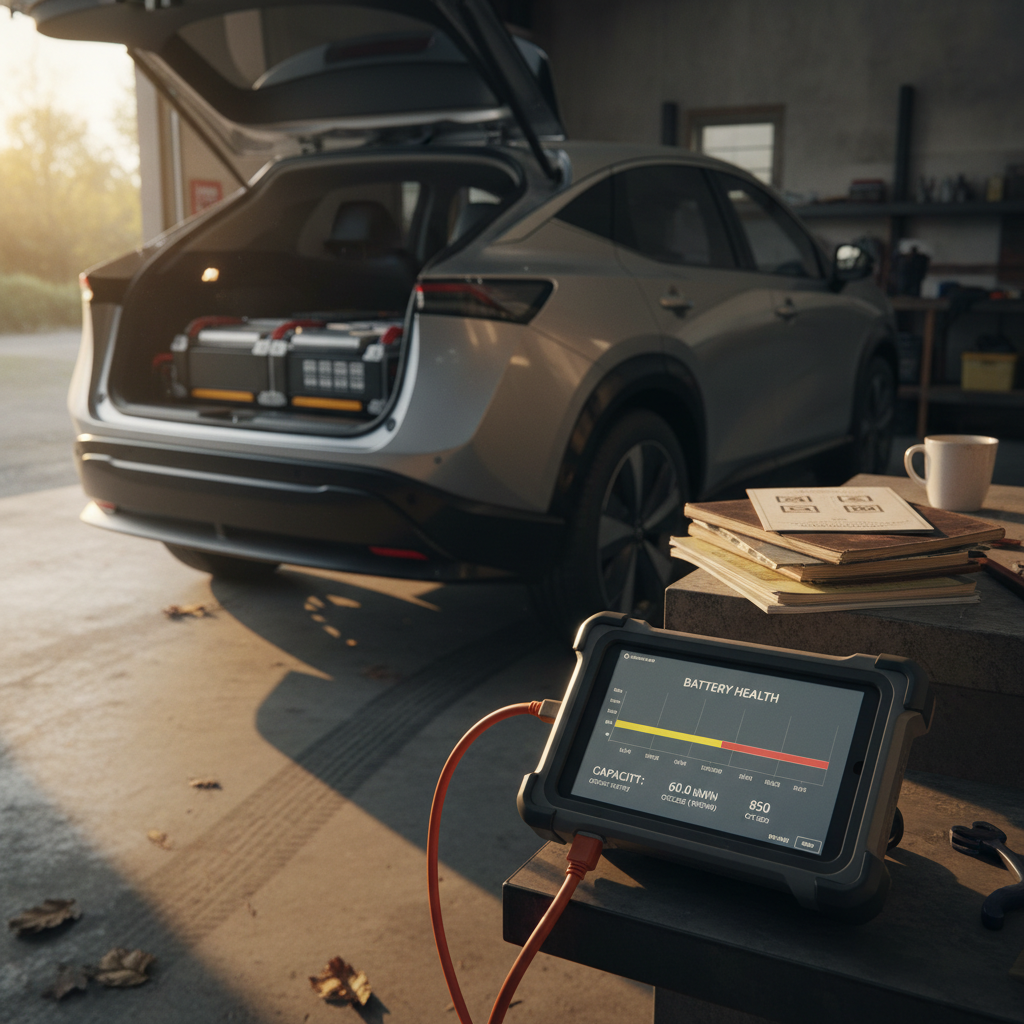
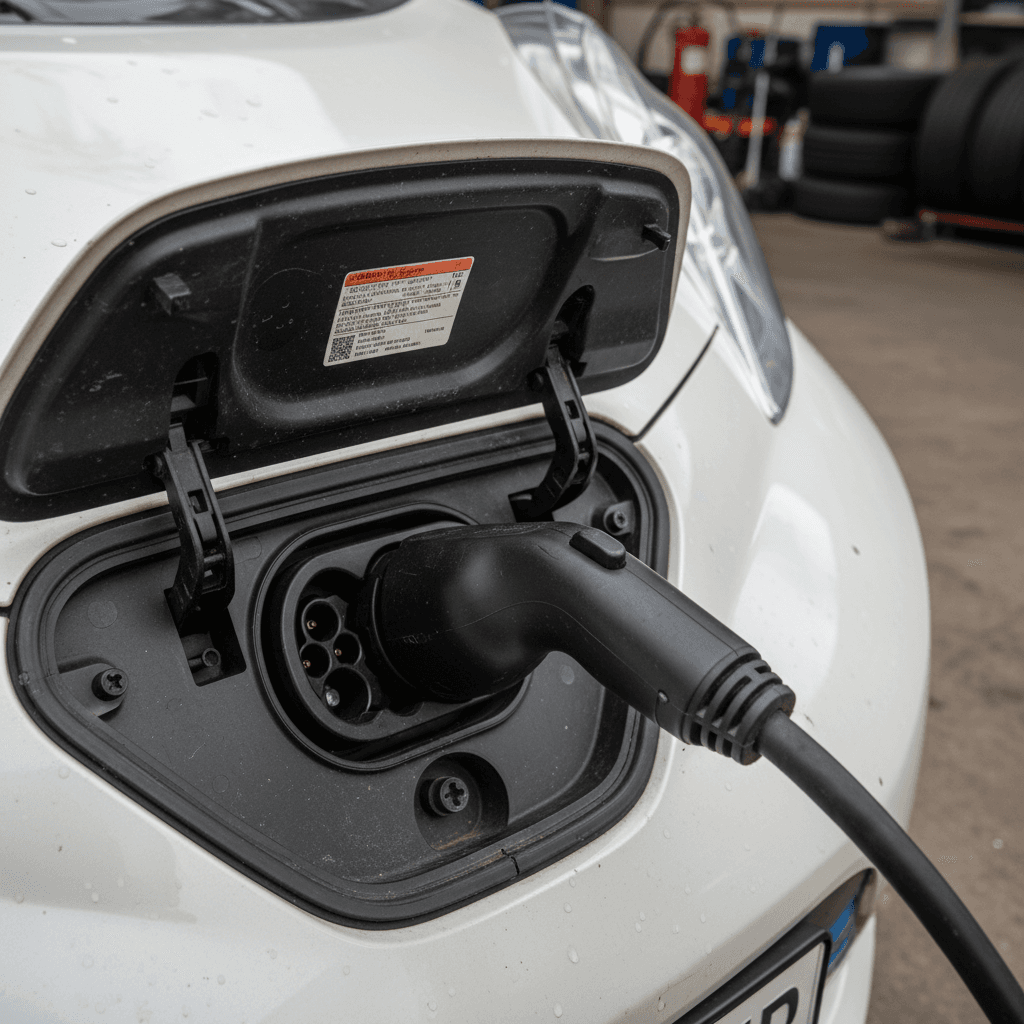
Battery health is the whole game with an older EV. The pack is the single most expensive component in the car, and replacing it usually erases the value proposition of a sub‑$10k purchase. The upside: large fleet and telematics studies now show that modern packs, especially with good thermal management, often retain 88–95% of their capacity even after 100,000 miles, when charged and stored reasonably.
Battery Health: Green Flags vs Red Flags
What to look for when you’re shopping a cheap EV
Green flags
- Documented battery health from a scan tool or third‑party report.
- Service history showing regular checks, firmware updates, and warranty work.
- Mild‑climate history (Pacific Northwest, coastal Northeast) rather than extreme heat.
- Consistent daily use vs. sitting fully charged for months.
Red flags
- Car spent life in very hot climates without active cooling.
- Battery icons or warning lights on the cluster.
- Seller “doesn’t know” range or claims “it goes forever.”
- Fast charging multiple times a day for years (rideshare, fleets) without proof of good health.
Never buy blind on battery health
Range Reality Check: City vs. Highway
Brochure range numbers were optimistic even when these cars were new. Ten years and 80,000 miles later, you need to think in terms of your specific use case, not EPA test cycles. A 2015 Leaf with a tired pack might do 45 miles at 70 mph in winter, but the same car might feel perfectly adequate for 25‑mile round‑trip errands around town.
Quick Range Sanity Check Before You Buy
1. Map your worst‑case day
What’s the longest round‑trip distance you realistically drive in a day now, commute, daycare, errands, unexpected detours? Use that number, not today’s short commute, as your baseline.
2. Add a 30–40% buffer
If you need 40 miles on your worst day, shop for an EV that can realistically do 55–60 miles in bad weather at highway speeds. That buffer protects you from cold, headwinds, and degradation over the next few years.
3. Separate city and highway use
These older EVs are far happier doing 35–50 mph in town than hammering down an interstate. A car that feels tight on the freeway can feel completely relaxed and efficient in city use.
4. Consider winter penalties
Cabin heat and cold batteries can slice range by 20–40%. If you live in a northern climate, plan for winter range, not sunny‑day range.
5. Test a full charge to near‑empty once
On a test drive (with seller’s blessing), start near full and do a varied route. Compare miles driven vs. percent of battery used to sanity‑check the seller’s claims.
Costs Beyond the Price Tag
A $9,000 EV that costs almost nothing to run beats a $7,000 EV that eats tires and throws inverter codes. Under $10k, total cost of ownership matters more than the sticker. The whole point is to trade fuel and maintenance costs for predictability.
What you’ll probably save
- Fuel: Even on expensive electricity, cost‑per‑mile is usually half or less of a similar gas car.
- Routine maintenance: No oil changes, fewer moving parts, gentle brake wear thanks to regen.
- Emissions tests: In many states, EVs skip smog checks entirely.
What you still pay for
- Insurance: Sometimes higher than a comparable gas car, especially on quirky models.
- Tires: Instant torque plus heavy curb weight can eat cheap tires. Don’t skimp.
- Home charging: You may need a Level 2 charger and potentially a 240V outlet installed.
Home charging is the real upgrade
How to Shop Smart for a Sub‑$10k EV
At this price point, you’re not just shopping models, you’re shopping individual histories. Two identical Leafs on paper can be a dream and a nightmare depending on climate, charging habits, and how transparent the seller is about battery health.
Step‑by‑Step: Buying the Best Used EV Under $10k
1. Start with your use case, not the car
Decide how many miles you need daily, where you’ll charge, and whether you ever truly need fast charging. That determines whether a Leaf, 500e, or i3 makes sense, and whether a $12k Niro EV might actually be the smarter stretch.
2. Shortlist 2–3 models
Pick a couple of target models that fit: for example, Leaf vs 500e, or Spark EV vs i3. Research their common issues, recall history, and how local parts and service availability look.
3. Demand real battery data
Ask for a recent battery health report. On a marketplace like Recharged, that data is bundled into the Recharged Score, so you’re not decoding vague dashboard bars or guesswork from the seller.
4. Check charging standards and cables
Verify what connector the car uses (J1772, CHAdeMO, CCS) and whether it includes the right home charging cable. Make sure you understand how it will work with your local public network and any adapters you might need.
5. Inspect like any used car
Crash damage, rust, water intrusion, uneven tire wear, and neglected interior all matter. An EV powertrain doesn’t make a bent suspension magically fine.
6. Test drive with purpose
Drive 20–30 minutes mixing city and highway. Listen for clunks, note how quickly the battery percentage drops, and verify that all charging modes work (at least Level 2; DC fast if available).
Where a Marketplace Like Recharged Fits In
If all of this sounds like homework, that’s because it is. The way you get burned on a cheap EV is by skipping the battery‑health and pricing homework and trusting a random listing that says “range is great.” Recharged exists specifically to make used EV ownership less of a science project and more of a normal car purchase.
How Recharged Simplifies Buying a Cheap Used EV
Especially when you’re shopping on a tight budget
Recharged Score battery report
Fair market pricing
Digital, guided experience
Ready to find your next EV?
Browse VehiclesIf you’re near Richmond, VA, you can even visit the Recharged Experience Center, get hands‑on with different EVs, and talk through whether a sub‑$10k car truly fits your life, or whether nudging the budget up a bit unlocks a longer‑range model that solves future headaches.
FAQ: Best Used EV Under $10k
Frequently Asked Questions
Bottom Line: Is a Used EV Under $10k Worth It?
If your expectations are honest, a used EV under $10,000 can be one of the smartest car buys in America right now. You’re getting a quiet, low‑maintenance commuter that vaporizes your fuel bill and shrugs off stop‑and‑go traffic. What you’re not getting is endless highway range or future‑proof charging tech. That’s okay, play to its strengths.
The winners in this price band, the Nissan Leaf, Fiat 500e, BMW i3, Spark EV, are not perfect, but they are predictable if you buy with real battery data instead of vibes. Whether you shop privately or through a specialist like Recharged, your job is the same: match the car’s true range to your life, verify the health of the pack, and make the numbers work over the next few years. Do that, and the best used EV under $10k isn’t the one that looks newest in the photos; it’s the one that quietly does your whole week on a single cheap charge.