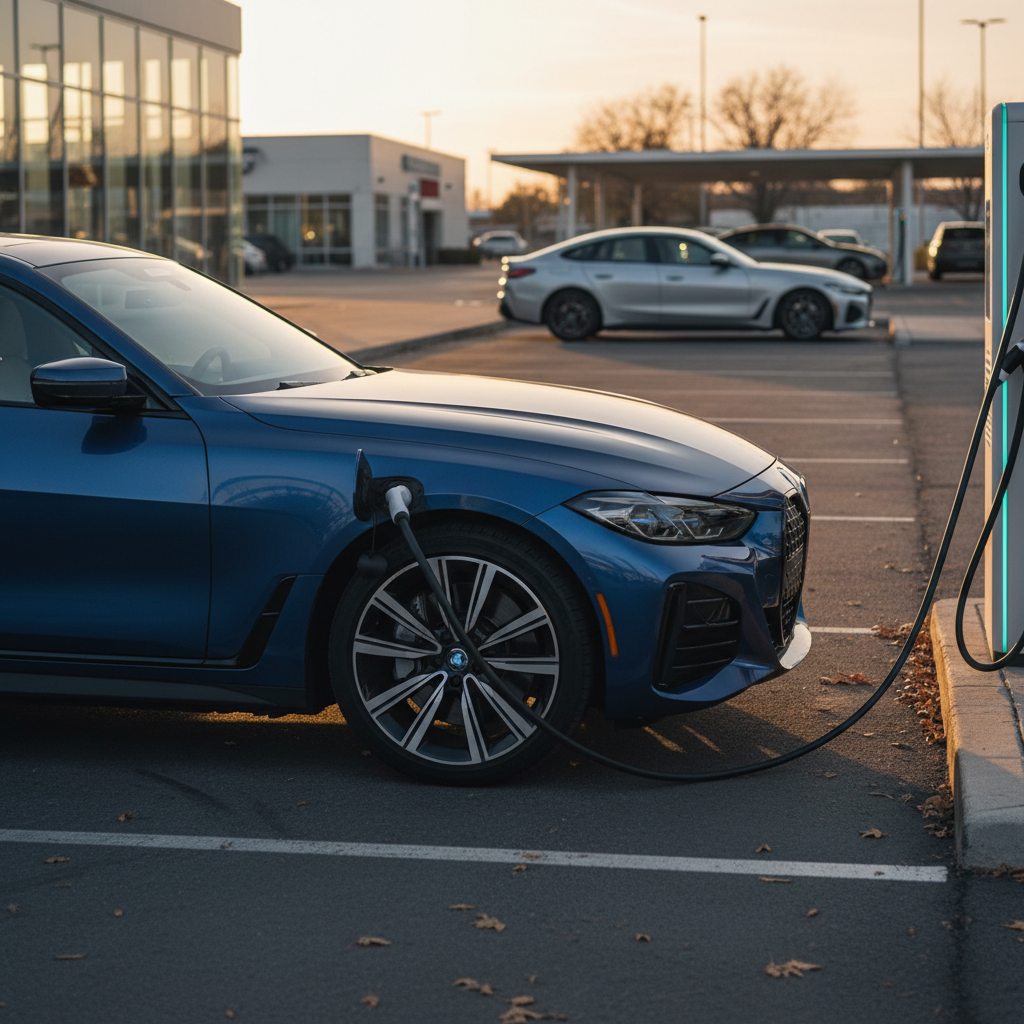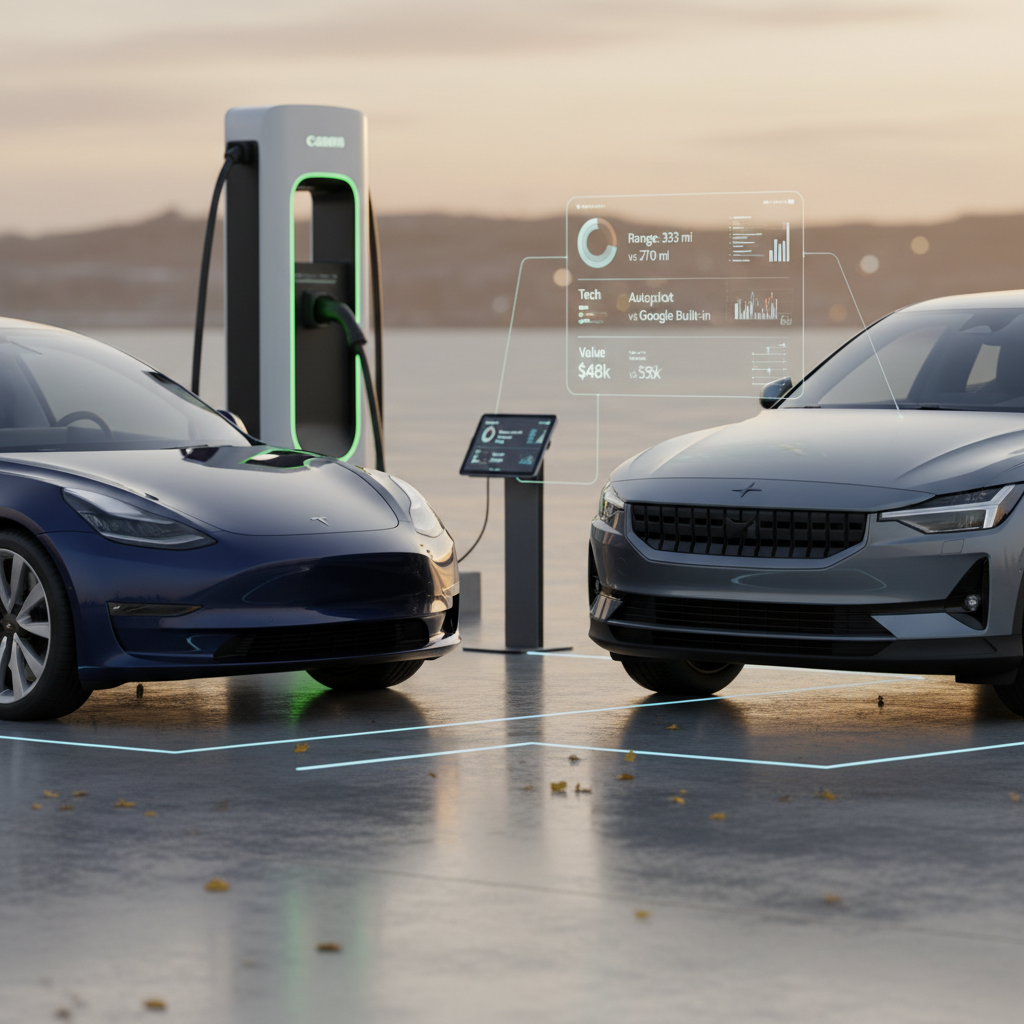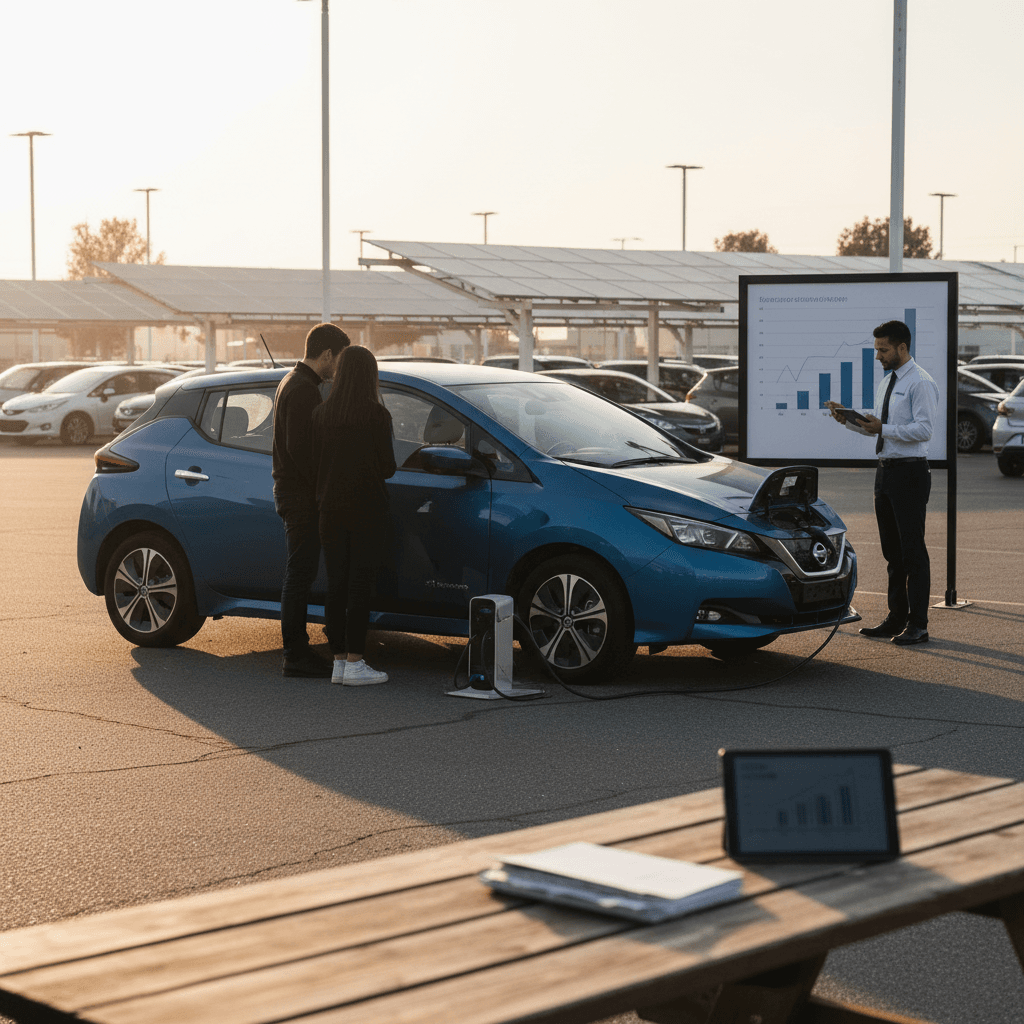
If you’re doing DoorDash, Uber Eats, Instacart, Amazon Flex or local parcel routes, a used EV can turn fuel and maintenance costs into profit. The trick is choosing the best used EV for delivery drivers based on your route, budget, and charging options, without getting burned by a tired battery or cramped cargo area.
Why this guide is different
Why Used EVs Make Sense for Delivery Drivers
- Fuel savings: Many drivers see electricity costs equivalent to paying $1–$1.50 per gallon versus gasoline, especially if they can charge at home or off‑peak.
- Lower maintenance: No oil changes, fewer moving parts, and much less brake wear thanks to regenerative braking, ideal for stop‑and‑go routes.
- Quiet, low‑stress driving: Instant torque and one‑pedal driving reduce fatigue over long shifts.
- Depreciation opportunity: Used EV prices have fallen sharply since 2023, so you can often buy a 3–5‑year‑old EV at a deep discount while the battery still has plenty of life.
Think in cost per mile, not monthly payment
What Delivery Drivers Actually Need From an EV
The best used EV for delivery drivers isn’t necessarily the fanciest one. It’s the car that fits your daily pattern with the lowest risk and cost. Focus on these fundamentals:
Core EV Requirements for Delivery Work
Match the car to your route and schedule, not the other way around.
Real‑World Range
Look for at least 140–160 miles of real‑world range for urban food delivery, and 200+ miles if you do long suburban routes or rideshare between shifts.
Cargo & Access
Hatchbacks and small crossovers make loading insulated bags and packages much easier. Flat load floors and wide hatch openings beat sedans almost every time.
Charging Fit
If you can charge at home overnight, almost any used EV with Level 2 capability can work. If you rely on public fast charging, you’ll want faster DC rates and a bigger battery.
Comfort & Durability
You might be sitting 6–10 hours a day. Supportive seats, good visibility, and a stable ride matter more than 0–60 times. Pay attention to seat wear and interior condition in high‑mileage cars, those are your office furniture.
Software & Safety
Modern driver‑assist (adaptive cruise, lane‑keeping, automatic emergency braking) can reduce fatigue and collisions. Even on a budget, avoid cars that lack basic active safety tech.
Watch your insurance rules
Best Used EVs for Delivery Drivers by Use Case
Below are used EVs that tend to work well for delivery, based on range, cargo flexibility, reliability, and resale values as of 2025. Actual prices will vary by mileage and market, but falling EV values mean there are genuine bargains right now.
Why Used EVs Are Attractive in 2025
Best Budget Pick: Chevrolet Bolt EV / EUV
For many app‑based delivery drivers, the Chevrolet Bolt EV and slightly larger Bolt EUV hit a sweet spot of price, range, and usability.
- EPA range up to ~259 miles (Bolt EV) and ~247 miles (Bolt EUV), giving solid buffer even as the battery ages.
- Compact footprint for tight city parking, but a surprisingly tall hatchback cargo area for big insulated bags and grocery orders.
- Modern active safety features on newer model years, plus smartphone integration for navigation and gig apps.
- Used prices in many markets remain relatively low thanks to earlier recall headlines, but post‑recall cars received new battery packs, effectively giving you a younger battery in an older shell.
Bolt battery recall can be a positive
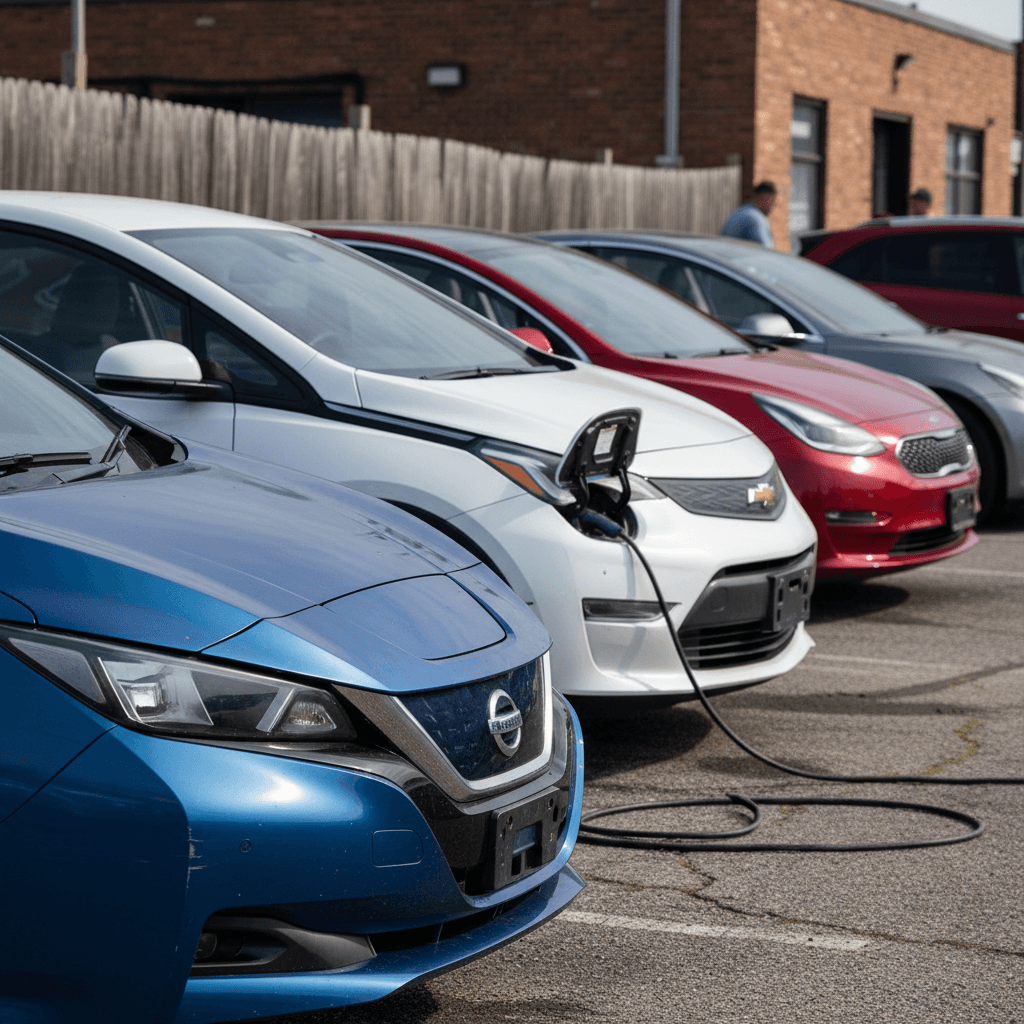
Best Ultra‑Cheap City Car: Nissan Leaf (2nd Gen, 2018+)
If your routes stay within a compact city or you have short suburban runs with easy mid‑shift charging, a second‑generation Nissan Leaf can be a cost‑effective workhorse.
- Later Leafs (40 kWh and 62 kWh "Plus" models) offer EPA ranges roughly in the 150–225‑mile band when new, enough for many urban shifts even after some degradation.
- Leafs are among the cheapest used EVs on the market, which lowers your monthly payment and financial risk if your gig income fluctuates.
- Simple, durable interior and a big hatch opening make it easy to toss in multiple delivery bags.
The leaf’s main limitation: battery cooling
Best Small Crossover: Hyundai Kona Electric & Kia Niro EV
If you want more range and SUV‑like practicality without going full‑size, the Hyundai Kona Electric and Kia Niro EV are standouts in the used market.
- Both offer around 239–250 miles of EPA range when new, which gives plenty of cushion for long suburban or multi‑app days.
- Crossover ride height and hatchback form factor mean easy loading and good visibility in traffic.
- Liquid‑cooled batteries and decent DC fast‑charging speeds make them well‑suited to high‑mileage duty.
- Used prices have fallen sharply relative to MSRP, creating strong value for drivers who need more utility than a small hatchback.
Best for mixed urban–suburban routes
Best for Rideshare + Delivery Combo: Tesla Model 3 RWD
If you split your time between food/package delivery and rideshare, a used Tesla Model 3 (especially rear‑wheel‑drive variants) is worth a close look.
- Longer ranges than most compact EVs make it easy to run rideshare before or after delivery shifts without daily fast charging.
- Access to the Supercharger network (and, increasingly, NACS fast chargers from other networks) gives you reliable long‑distance coverage if your work radius is big.
- Over‑the‑air software updates and strong app integration make it simpler to live with as a high‑mileage work tool.
- The sedan trunk opening isn’t as practical as a hatchback, but folding rear seats still allow plenty of cargo for food delivery or medium parcels.
Mind the suspension and tires
When You Need Maximum Space: ID.4, Mustang Mach‑E & Other Crossovers
If you’re hauling bulkier parcels, grocery crates, or running multi‑stop routes for local businesses, a compact‑to‑mid‑size electric SUV can pay off despite higher purchase prices.
- Volkswagen ID.4: Spacious rear seat and cargo area, comfortable ride, and good range options. Particularly compelling if you routinely fill the cargo bay.
- Ford Mustang Mach‑E: Sportier drive with strong range in extended‑range trims, plus a front trunk that can swallow smaller items you want to keep separate.
- Other options like the Hyundai Ioniq 5 or Kia EV6 can also work if you find a good deal, but their sloping rooflines can slightly limit tall cargo compared to boxier SUVs.
Spec Comparison: Key Used EVs for Delivery
Use this table as a directional guide. Actual used prices and range will vary by year, trim, mileage, climate history, and battery health. Always cross‑check a specific VIN.
Popular Used EVs for Delivery Drivers
Approximate specs for common used EV candidates in North America.
| Model | Body Style | EPA Range When New (mi) | Typical Used Role | Cargo Friendliness |
|---|---|---|---|---|
| Chevrolet Bolt EV/EUV | Compact hatch / small crossover | 247–259 | Budget all‑rounder, urban & suburban | Good – tall hatch, seats fold flat |
| Nissan Leaf (2nd gen) | Compact hatchback | 149–226 | Low‑cost city routes | Good – wide hatch, but modest depth |
| Hyundai Kona Electric | Subcompact crossover | 258 | Mixed city/suburb, longer routes | Very good – boxy cargo area |
| Kia Niro EV | Compact crossover | 239 | Groceries, light parcels, mixed routes | Very good – practical shape |
| Tesla Model 3 RWD | Compact sedan | ~240–270 | Rideshare + delivery hybrid | Fair – trunk opening limits bulky items |
| VW ID.4 | Compact SUV | 208–275 | Higher‑volume parcels, family duty + delivery | Excellent – wide load floor |
| Ford Mustang Mach‑E | Compact SUV | 211–312 | Faster highway routes, mixed use | Very good – plus usable front trunk |
Values are typical for 2019–2023 model years; always verify exact specs for the car you’re considering.
Battery Health and High‑Mileage Driving
Delivery drivers rack up miles fast, which makes battery health the make‑or‑break variable for any used EV. The good news: real‑world tests on mainstream EVs show far less degradation than early skeptics feared, even after 100,000+ miles, assuming reasonable charging habits.
Battery Realities for Working EVs
Understand what actually wears a pack out, and what doesn’t.
Miles Alone Aren’t Fatal
Modern lithium‑ion packs can handle high mileage if they stay within healthy temperature and state‑of‑charge ranges. A well‑treated 100k‑mile EV can be a better bet than a abused 40k‑mile one.
Heat & Fast Charging
Frequent DC fast charging in hot climates is harder on batteries than slow overnight charging in cooler regions. Liquid‑cooled packs (Bolt, Kona, Niro, ID.4, Mach‑E, Model 3) are generally more robust for heavy use.
Depth of Charge
Regularly running from 0–100% is harder on the pack than staying roughly in the 20–80% window. For delivery work, planning around that window can add years of useful life.
How Recharged approaches battery risk
Charging Strategy for Full‑Time Delivery
Choosing the right car is only half the equation. Your charging plan needs to fit your route, housing situation, and schedule. Here’s how most delivery drivers make it work.
Charging Playbook for Delivery Drivers
1. Prioritize overnight Level 2 if possible
If you have access to a 240V outlet or a dedicated Level 2 charger at home, you can start each day with a full battery and avoid wasting time at public chargers. For many drivers, this is the single biggest quality‑of‑life upgrade.
2. Aim to stay between 20–80%
Plan your shifts and breaks so you don’t regularly arrive at chargers with single‑digit state of charge or sit at 100% for hours. This helps preserve battery health over the long haul.
3. Use fast charging strategically
DC fast charging is great as an occasional top‑up between lunch and dinner rushes, but relying on it every day, especially in hot weather, can accelerate wear. Choose cars with decent fast‑charge speeds if you must rely on it often.
4. Build charging into your workflow
Map chargers near your hot delivery zones and favorite restaurants. Turning a 25‑minute meal break into a charge session feels less like lost time and more like part of your routine.
5. Factor charging into your hourly earnings
If public charging is expensive in your area, include those costs when you estimate earnings per hour or per mile. A cheap used EV that forces constant paid fast charging may not be cheaper than a slightly pricier car you can charge at home.
Don’t ignore broken or busy chargers
Inspection Checklist Before You Buy a Used EV
Before you commit to a used EV for delivery, take an extra hour to verify that it’s ready for high‑mileage work. Here’s a delivery‑focused checklist you can use on any candidate.
Used EV Inspection for Delivery Duty
1. Confirm realistic range
Ask the seller for recent full‑charge range estimates from the dash (or app) and compare to the original EPA rating. A modest drop is normal; a dramatic drop may signal abuse or a bad pack.
2. Scan for battery or charging history
Look for service records, recall work (for example, Bolt battery replacements), and any notes about repeated charging errors. On Teslas and some others, you can also review charging statistics in the settings.
3. Check tires, brakes, and suspension
High‑mileage EVs wear tires and suspension components faster due to instant torque and weight. Uneven tire wear, knocking over bumps, or long brake‑pedal travel can all signal upcoming repair bills.
4. Test cargo usability
Bring your actual insulated bags, crates, or parcel totes. Make sure they fit easily through the hatch or doors, and that you can still see out the rear window when loaded.
5. Verify infotainment & app functions
You’ll live in navigation and gig apps. Make sure Bluetooth is stable, the screen is responsive, and any companion app (Tesla, GM, Hyundai, etc.) works with the VIN and region.
6. Review charging connector and adapters
In North America, most used EVs use CCS or older CHAdeMO (Leaf) for fast charging and J1772 for Level 2. Tesla uses NACS. Make sure you understand <strong>which plugs you can use</strong> in your area and whether you’ll need adapters now or in the near future.
How Recharged Helps Delivery Drivers Shop Smarter
If you’re relying on an EV to make a living, surprises are the enemy. That’s exactly the problem Recharged is built to solve for used EV buyers.
Why Delivery Drivers Like Shopping With Recharged
Battery‑first transparency plus flexible buying options.
Recharged Score Battery Report
Every vehicle comes with a Recharged Score Report that includes battery‑health diagnostics and fair‑market pricing. You see how much usable range you can realistically expect before you buy.
Financing & Trade‑In
Need to move out of a gas car or older EV? Recharged offers financing and trade‑in options, plus instant offers or consignment, so you can put your current vehicle’s value toward a more efficient work tool.
Digital Convenience, Real‑World Support
Shop fully online with nationwide delivery, or visit the Recharged Experience Center in Richmond, VA. You get EV‑specialist support from people who understand the demands of high‑mileage driving.
Test your use case, not just the car
FAQ: Best Used EV for Delivery Drivers
Frequently Asked Questions
For delivery drivers, the right used EV is less about brand prestige and more about matching range, cargo space, and charging to your actual route. Compact hatchbacks like the Bolt and Leaf, practical crossovers like the Kona, Niro, ID.4 and Mach‑E, and flexible all‑rounders like the Model 3 can all be excellent work tools when chosen carefully. Take the time to understand battery health, charging logistics, and total cost per mile, and, if you want a head start, let a Recharged Score Report and EV‑specialist support do some of that homework for you before you hit “accept order” on your next shift.