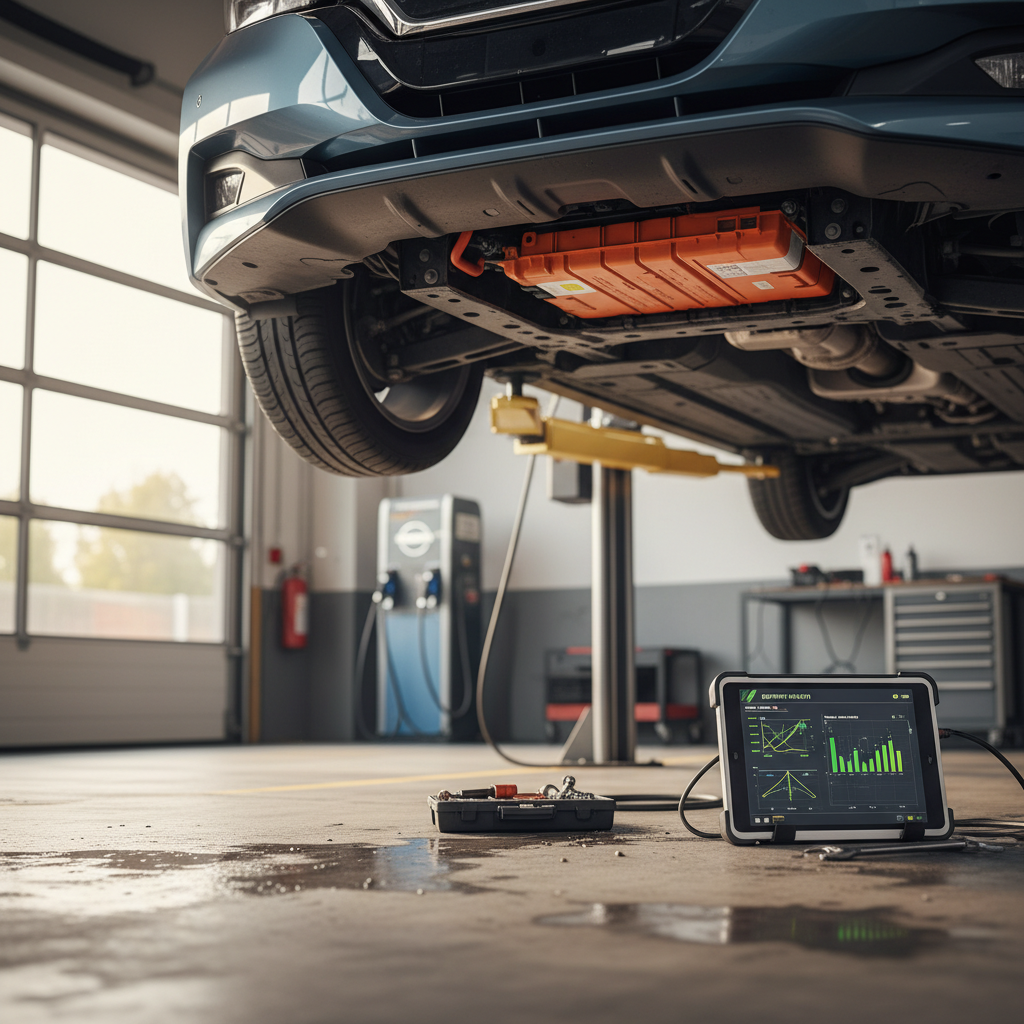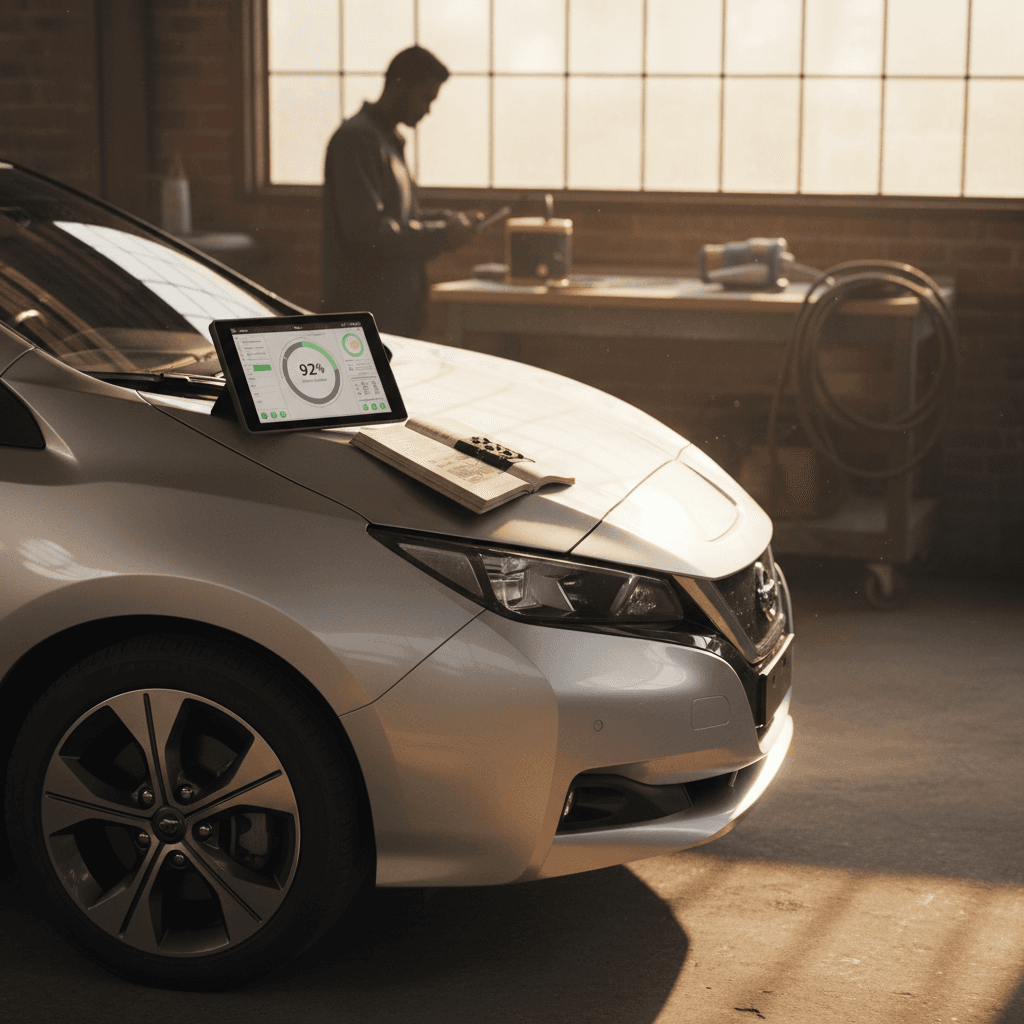
If you’re shopping for the best used electric vehicle in 2025, you’re in a sweet spot. EV technology has matured, used prices have fallen sharply, and incentives now favor second‑hand buyers. The catch: not all used EVs are equal on range, depreciation, or battery health. This guide cuts through the noise so you can pick a used EV that fits your life instead of just chasing a badge or a bargain ad.
Why this moment matters
Why Used EVs Are So Attractive in 2025
Used EV Market Snapshot, 2025
EVs today behave more like smartphones than old‑school cars in terms of pricing: technology moves quickly and early adopters pay a premium. Five years later, you can often buy the same hardware, sometimes still getting over‑the‑air software updates, for a fraction of the original price. That’s especially true with Tesla and Korean brands, which took early pricing risks that today’s used‑car shoppers can exploit.
Tip: Let someone else pay for the tech curve
How to Define the “Best” Used Electric Vehicle for You
There isn’t a single “best used electric vehicle” for everyone. A commuter in Phoenix and a family in Vermont have very different needs. Instead of asking, “What’s the best EV?”, ask, “Which used EV gives me the right mix of range, space, and total cost for how I actually drive?”
Three Levers That Define the “Best” Used EV
Range, space, and charging access matter far more than 0–60 times.
Your daily driving pattern
List your real trips for a typical week.
- Daily commute distance
- Weekend errands
- Monthly road trips (if any)
If you rarely exceed 120 miles in a day, you don’t need a 300‑mile battery.
Space & use case
Be honest about how you use your car.
- Solo commuting → hatchback or compact crossover
- Kids and cargo → compact or midsize SUV
- Towing or work → electric pickup or large SUV
Charging situation
Your access to charging changes everything.
- Home Level 2: widest choice of used EVs
- Apartment: prioritize fast‑charging speed and public networks
- Frequent road trips: look for strong DC fast‑charge rates and reliable networks
Don’t chase range for its own sake
Best Used EVs by Category: Quick Picks
Here are category‑based recommendations that reflect 2024–2025 pricing, depreciation trends, and real‑world ownership feedback. Think of this as a short list to compare against your own needs.
Category Winners at a Glance
Who each model is best for, in one view.
Best budget city EV: Chevy Bolt EV
Why: Often among the cheapest used EVs on the market, with over 200 miles of range and a small footprint that’s great for cities.
Consider if: You want to spend as little as possible and mostly drive locally.
Best all‑round compact: Hyundai Kona Electric
Why: Practical range, compact SUV shape, generous warranty coverage on many 2019–2022 models, and strong used‑market pricing.
Consider if: You want a no‑drama daily driver that’s easy to park but still road‑trip capable with planning.
Best value family crossover: Kia Niro EV
Why: Spacious cabin, long warranty, and some of the steepest new‑to‑used price drops in the segment, making it an exceptional value.
Consider if: You have kids or gear and want an efficient family hauler without paying Tesla money.
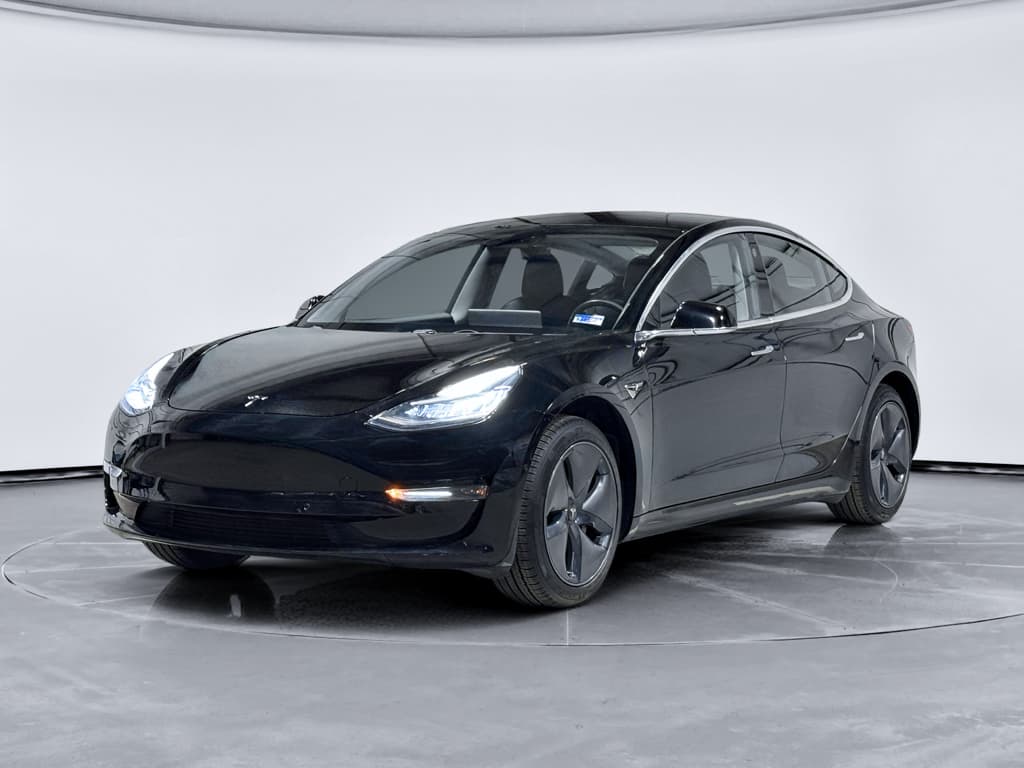
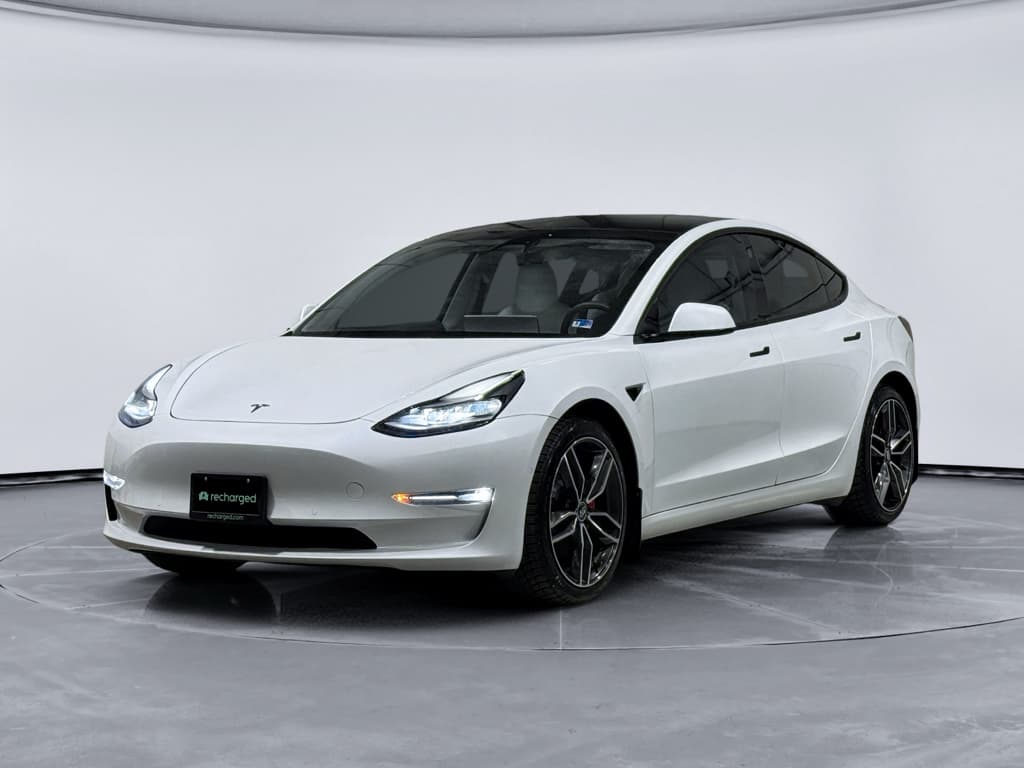
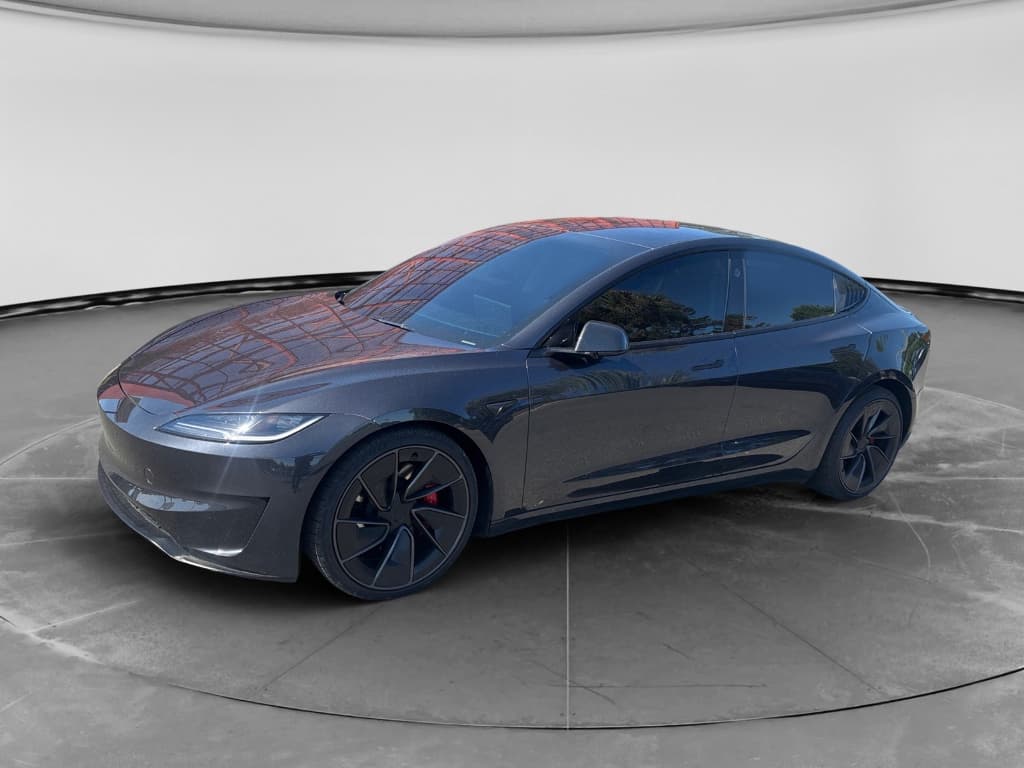
Best tech ecosystem: Tesla Model 3
Why: Excellent efficiency, strong fast‑charging, continuous software updates, and access to a growing portion of the Supercharger network for non‑Tesla EVs with NACS.
Consider if: You want great range and are comfortable with a minimalist interior and strong software focus.
Best electric truck value: Ford F‑150 Lightning (work‑focused trims)
Why: Rapid depreciation is making early Lightnings far more affordable, while still delivering serious torque and on‑site power.
Consider if: You tow or haul occasionally and mostly operate within a known radius.
Best three‑row family hauler: Kia EV9 (early used units)
Why: One of the first mainstream three‑row EV SUVs; as early models hit the used market, they’re dropping in price faster than many gas three‑rows did.
Consider if: You need three rows and want to skip minivan culture entirely.
Top-Value Used EVs: Deals Driven by Depreciation
Because EVs still depreciate faster than comparable gas cars, savvy buyers can target models that were expensive new but are now priced like mainstream crossovers. The trick is distinguishing between healthy depreciation (good for you) and depreciation driven by fatal flaws (bad software support, dead‑end charging, or unfixable battery issues).
Value Standouts Among Used EVs (2020–2023 Model Years)
Approximate U.S. used‑market conditions as of late 2025; prices vary by trim, mileage, and region.
| Model | Typical Used Price Range | Original MSRP (approx.) | EPA Range When New | Why It’s a Value |
|---|---|---|---|---|
| Kia Niro EV | $12,000–$22,000 | $45,000+ | 212–253 mi | Steep depreciation, long warranty, versatile crossover packaging. |
| Hyundai Kona Electric | $14,000–$24,000 | $32,000–$38,000 | 258 mi (varies by year) | Compact, efficient, and often still under battery warranty. |
| Tesla Model 3 | $18,000–$32,000 | $35,000–$55,000+ | 220–358 mi | Strong range and fast‑charging; software and feature set age well. |
| Volkswagen ID.4 | $20,000–$28,000 | $45,000+ | 240–275 mi | Roomy family crossover; now priced like compact gas SUVs. |
| Chevrolet Bolt EV | $10,000–$18,000 | $31,000–$38,000 | ~238–259 mi | One of the lowest entry prices into 200‑mile‑plus EV ownership. |
| Kia EV6 | $23,000–$35,000 | $42,000+ | 232–310 mi | Ultra‑fast DC charging and sharp styling at used‑car prices. |
These models combine strong range, modern tech, and steep discounts versus their original MSRP.
Where Recharged fits in
Ready to find your next EV?
Browse VehiclesModels to Shortlist for Most Buyers
1. Hyundai Kona Electric: The sensible all‑rounder
The Kona Electric shows up repeatedly on “best used EV” lists because it hits the practical middle: solid range, compact footprint, and a long factory warranty on many used examples. It’s not flashy, but it quietly does nearly everything right.
- Best for: Daily commuters, city/suburban drivers, small families.
- Watch for: Older software updates and tire wear, torque can be hard on rubber.
2. Kia Niro EV: Steep depreciation, big value
The Niro EV has taken a major value hit from new to used, which is bad news for first owners but a gift for you. With a more spacious cabin than the Kona and a long warranty, it’s one of the best value plays in the used‑EV market.
- Best for: Families who need space but want to spend compact‑car money.
- Watch for: High‑mileage ride quality and infotainment quirks on early models.
3. Tesla Model 3: Range and network strength
If you do long highway miles, a used Model 3 still sets the benchmark on efficiency and charging convenience, especially as more networks adopt the NACS connector. Even older Standard Range cars often deliver enough range for daily use plus weekend trips.
- Best for: Drivers prioritizing range, fast‑charging, and tech.
- Watch for: Build‑quality issues on early cars, interior wear, and how often fast‑charging was used.
4. Volkswagen ID.4 & Kia EV6: Family and road‑trip flexibility
The ID.4 offers a comfortable ride and decent range for families, while the EV6 layers on ultra‑fast DC charging and a sportier drive. Both have dropped into pricing territory that overlaps with used compact SUVs and sedans.
- Best for: Households replacing their main family vehicle with an EV.
- Watch for: Software updates and, on the EV6, tire/efficiency trade‑offs with bigger wheels.
Battery Health: What Really Matters on a Used EV
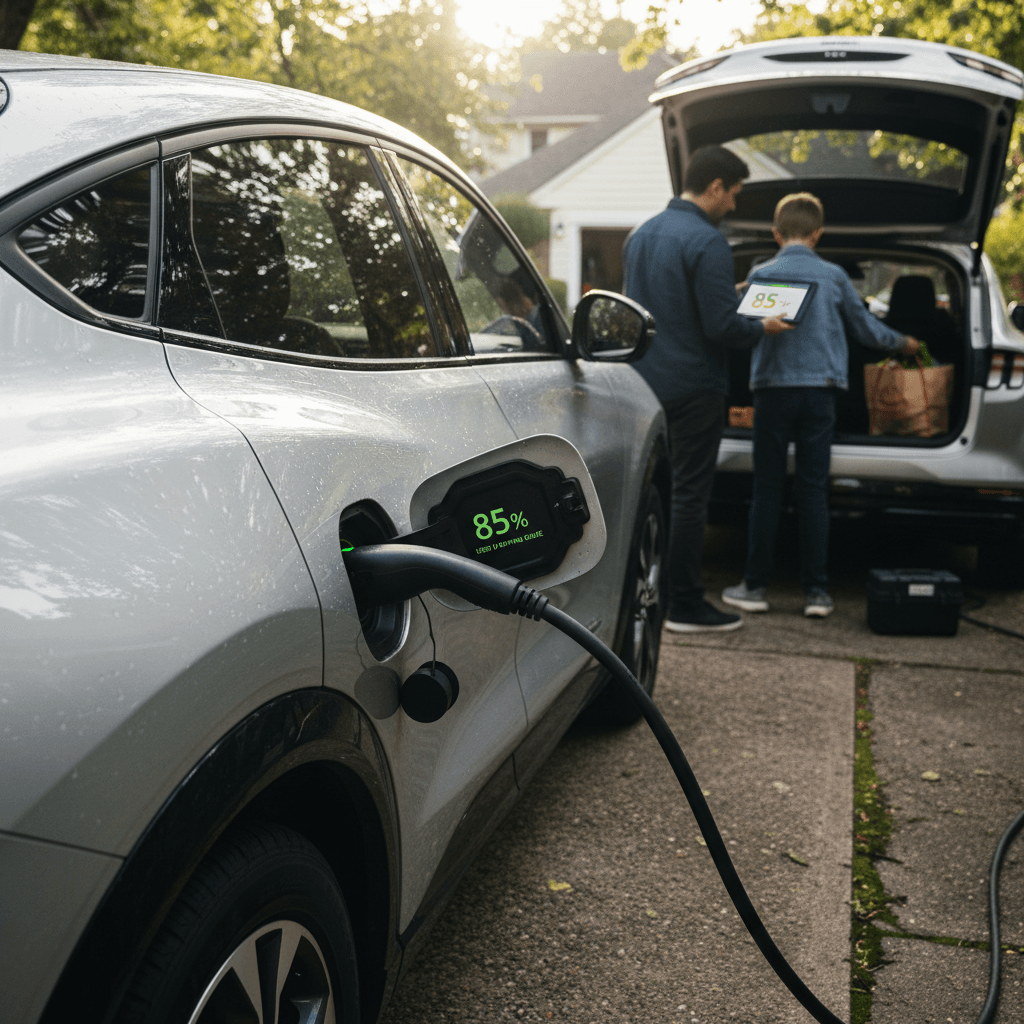
Battery health is the heart of any used‑EV decision. The good news: real‑world data shows many modern EV batteries hold up better than early skeptics predicted, often retaining 80% or more of their capacity after 8–10 years if they’ve been treated reasonably well.
Battery Myths vs. Reality
What you should actually worry about when buying used.
Myth: “EV batteries all die in 5–7 years”
Reality: Modern packs with good thermal management often lose capacity slowly, roughly a couple of percent a year in typical use.
The bigger risk is abuse (constant DC fast‑charging, extreme heat, chronic 100% charges), not normal commuting.
Myth: “Any degradation is a dealbreaker”
Reality: If a car started at 250 miles EPA and now reliably does 200–210, it’s still a highly usable EV for most owners.
Focus on whether the remaining range covers your real life with buffer.
Myth: “You can’t measure battery health”
Reality: You can get a strong view using:
- On‑board range estimates at various states of charge
- Third‑party diagnostics where available
- Professional battery‑health testing, like the Recharged Score
What the Recharged Score adds
Used EV Inspection Checklist
Step‑by‑Step: How to Inspect a Used EV
1. Confirm usable range for your routes
Charge the car to 80–100% and note the estimated range. Compare that to the original EPA rating and, more importantly, to your longest typical day with at least a 20–30% buffer.
2. Check DC fast‑charging behavior
If possible, plug into a DC fast charger when the battery is around 20–40%. You’re looking for stable charging, no unexpected disconnects, and speeds that roughly match what the model should deliver for its age and state of charge.
3. Inspect the charging port and cable
Look for corrosion, bent pins, excessive dirt, or signs of overheating (discoloration or melting). Test the included Level 1 or Level 2 charger to make sure it works and isn’t throwing errors.
4. Review service history & recalls
Ask for documented service, software updates, and recall work, especially battery or high‑voltage system campaigns. A clean recall record and regular maintenance are good signs for long‑term reliability.
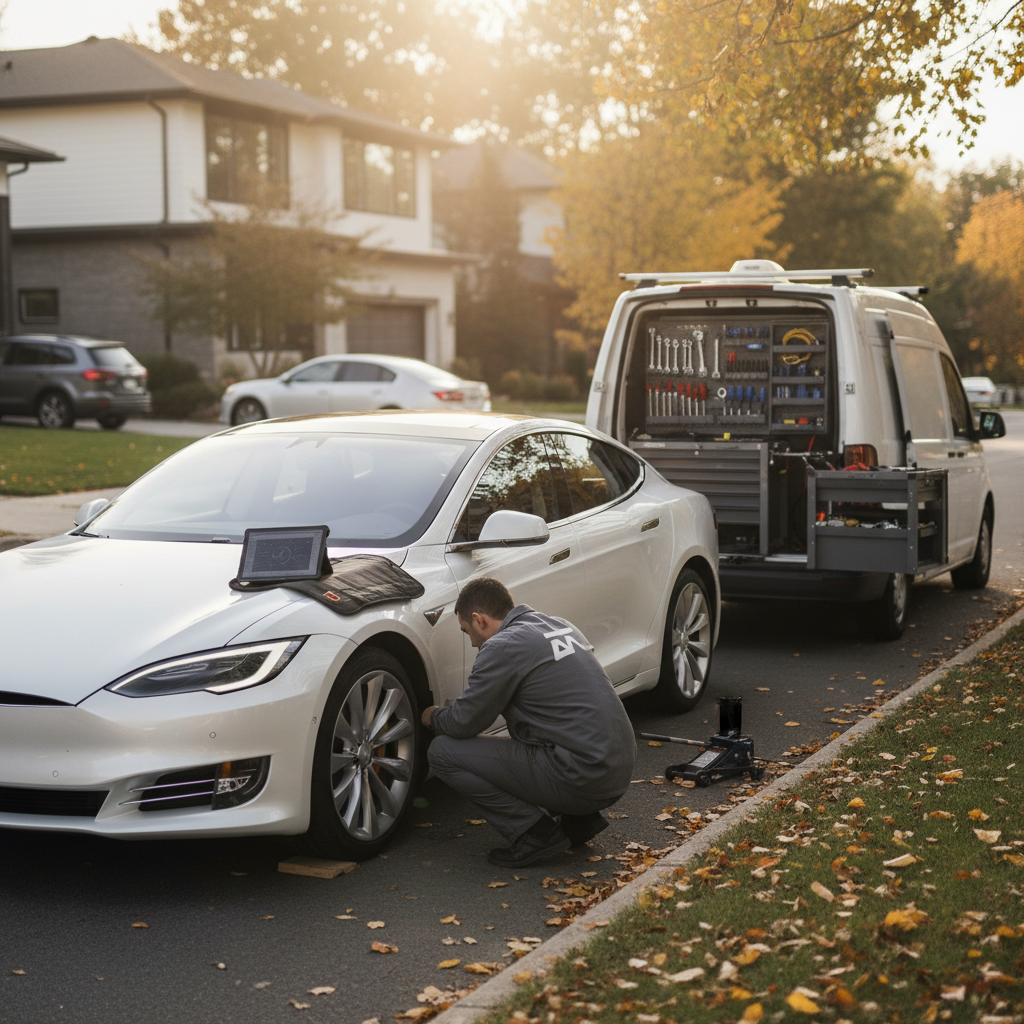
5. Evaluate tires, brakes, and suspension
EVs are heavy; worn tires or tired suspension can show up earlier than on comparably sized gas cars. Take a thorough test drive over broken pavement and at highway speed to listen for clunks, vibrations, or pulling.
6. Test all tech and driver‑assist features
Check infotainment responsiveness, camera clarity, and safety features like adaptive cruise, lane‑keeping, and parking sensors. Technology is a big part of EV value; you want it fully functional.
Financing and Total Cost of Ownership
Many buyers fixate on sticker price and forget how much cheaper an EV can be to run. Electricity is usually cheaper per mile than gasoline, and EVs have fewer wearable parts, no oil changes, timing belts, or complex multi‑gear transmissions. That said, you do need to plan for tires, brakes, and, over a long enough horizon, potential battery work.
Where the savings come from
- Fuel: In many U.S. regions, home charging can cut ‘fuel’ costs by 40–70% versus gas.
- Maintenance: No oil changes, fewer moving parts, and simpler drivetrains mean fewer routine shop visits.
- Incentives: Depending on policy at the time of purchase, some used EVs qualify for federal or state credits, further improving the math.
How Recharged can help you finance
Recharged offers EV‑friendly financing with a fully digital process. You can pre‑qualify, structure a loan that reflects your lower running costs, and even roll a trade‑in, gas or electric, into the deal. Nationwide delivery and an in‑person Experience Center in Richmond, VA give you flexibility in how you shop.
Use TCO, not just price, to compare
When a “Cheap” Used EV Isn’t a Good Deal
Some of the biggest price drops in the EV world come from models with genuine shortcomings: limited range by modern standards, poor fast‑charging support, or documented reliability issues. In other words, not every huge discount is a smart buy.
Red Flags With Very Cheap Used EVs
Questions to ask when a price looks too good to be true.
Thermal management weaknesses
Early or budget EVs that rely heavily on passive battery cooling can suffer faster degradation in hot climates.
If the car spent its life in a very hot region and lacks active cooling, inspect battery health extra carefully.
Slow or unreliable fast‑charging
Some older models technically support DC fast‑charging but do so slowly or with spotty network compatibility.
For apartment dwellers or road‑trippers, this can be a dealbreaker.
Orphaned software or support
Be cautious with low‑volume or discontinued models where software support or parts availability is uncertain.
Make sure there is a clear service path and up‑to‑date software before committing.
Don’t ignore a missing battery warranty
FAQ: Choosing the Best Used Electric Vehicle
Frequently Asked Questions About Used EVs
Bottom Line: How to Choose Your Best Used EV
The best used electric vehicle for you isn’t the one with the flashiest badge or the longest spec‑sheet range. It’s the EV that comfortably covers your real driving, fits your household, and has a healthy battery at a price that reflects how much life it has left. For many buyers in 2025, that means looking hard at value standouts like the Hyundai Kona Electric, Kia Niro EV, Tesla Model 3, and their crossover peers.
If you take nothing else from this guide, let it be this: buy the battery and the use case, not the hype. Use a structured checklist, insist on objective battery‑health information, and compare total ownership costs, not just sticker prices. And if you’d like expert help reading the data, exploring financing, or trading into an EV with verified battery health, Recharged is built to make that next step simple and transparent.