If you’re hunting for the best used electric SUV under $50,000, you’re in a great spot as a buyer. Prices have cooled from early-pandemic peaks, more three- to five-year-old EV SUVs are coming off lease, and battery tech from this era is holding up better than many shoppers expect. The challenge today isn’t finding a used electric SUV, it’s sorting the real values from the risky bets.
Who this guide is for
Why $50,000 Is a Sweet Spot for Used Electric SUVs
Used Electric SUV Market Snapshot (2026)
Staying under $50,000 on the used market opens the door to well‑optioned electric SUVs that were $55,000–$70,000 when new. Think dual‑motor all‑wheel drive, larger battery packs, panoramic roofs, and full active‑safety suites. Instead of paying new‑car money to be the first owner, you’re taking advantage of EV depreciation while most of the battery warranty and software support is still in play.
Quick Picks: Best Used Electric SUVs Under $50K
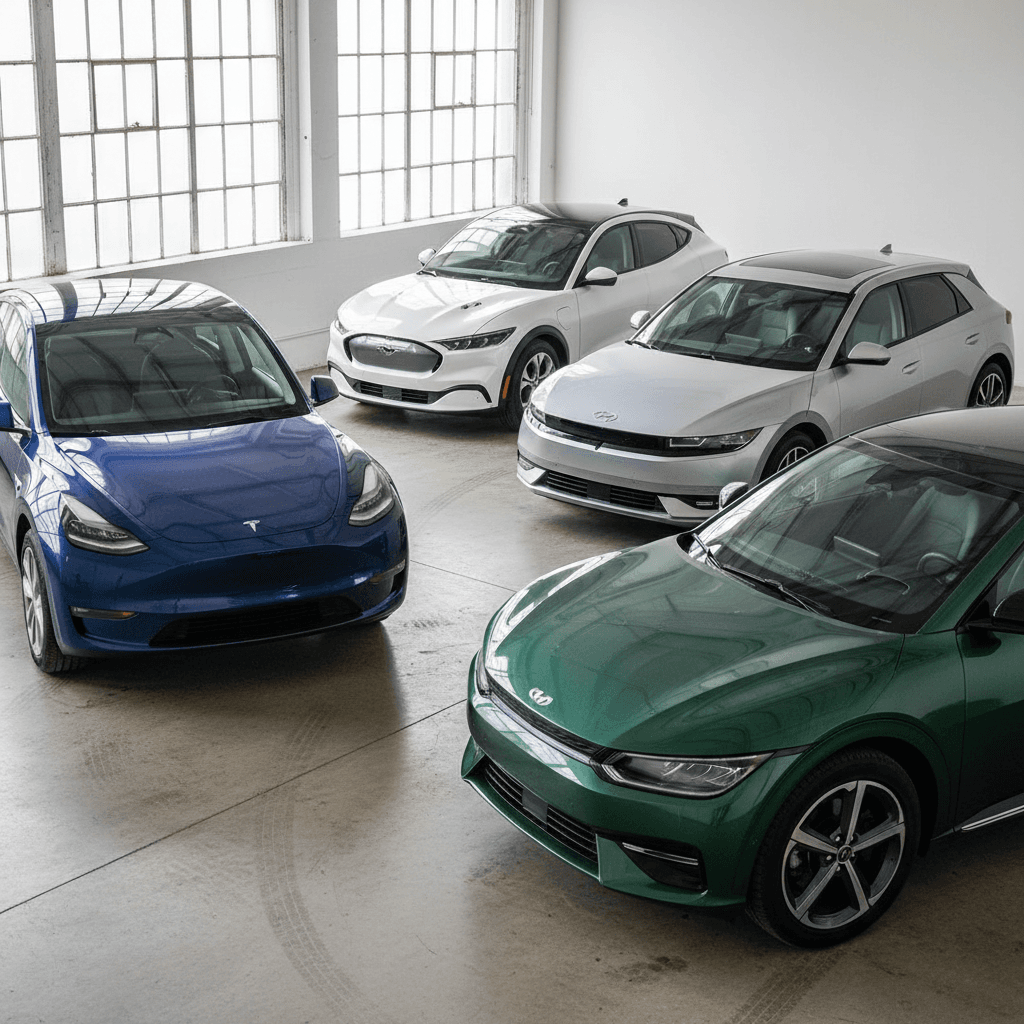
Below is a short list of standout used electric SUVs that commonly appear under $50,000 in the U.S. by 2026. Exact pricing will vary by trim, mileage, and incentives, but these nameplates routinely land in or below this bracket on the used market.
Standout Used Electric SUVs Under $50K (U.S. Market)
Representative models you’ll frequently find in the mid‑$30,000s to sub‑$50,000 range on the used market.
| Model | Typical Used Price* | EPA Range (new) | Drive Type | Best For |
|---|---|---|---|---|
| Hyundai Ioniq 5 | Mid‑$30Ks to low‑$40Ks | Up to ~300 mi | RWD/AWD | Balanced all‑rounder, families |
| Kia EV6 | Mid‑$30Ks to mid‑$40Ks | Up to ~310 mi | RWD/AWD | Sporty driving, road trips |
| Volkswagen ID.4 | High‑$20Ks to mid‑$30Ks | ~209–291 mi | RWD/AWD | Value seekers, city + suburbs |
| Ford Mustang Mach‑E | Low‑$30Ks to mid‑$40Ks | ~240–320 mi | RWD/AWD | Drivers who want style + fun |
| Chevrolet Equinox EV | High‑$30Ks to high‑$40Ks | Up to low‑300s mi | FWD/AWD | Newer tech, mainstream price |
| Nissan Ariya | Mid‑$30Ks to mid‑$40Ks | Up to ~289 mi | FWD/AWD | Comfort, quiet ride |
| Volvo EX30 | High‑$30Ks to under $50K | Up to ~275 mi | RWD/AWD | Compact luxury, urban use |
| Cadillac Lyriq | High‑$40Ks (earlier trims) | Up to ~314 mi | RWD/AWD | Near‑luxury comfort under $50K |
Prices are typical used asking ranges in early 2026, not guaranteed offers.
Used prices move fast
How Much Range You Really Need in a Used Electric SUV
Range anxiety still drives a lot of buying decisions, but once you run the numbers for your own life, you may realize you don’t need a 330‑mile battery pack to be happy. For most U.S. households, a used electric SUV with a real‑world 200–260 miles of range is plenty for daily driving and most weekend trips.
Match Your Range to Your Driving Pattern
Use these rough guidelines to choose a realistic target.
Urban / Suburban Commuter
Daily round‑trip: 20–60 miles
- Target: 180–240 miles EPA range new
- Used examples will still comfortably cover your day, even with some degradation.
Highway Road‑Trip Driver
Frequent long drives: 150–300 miles at a time
- Target: 250–300+ miles EPA range new
- Focus on fast DC charging (higher peak kW, good charging curve).
Family Hauler
Full cabin, cargo, climate use
- Target: 220–280 miles EPA range new
- Heavier loads and HVAC eat into range, so give yourself a buffer.
Think in legs, not total trip distance
Battery Health and Warranty: What to Check Before You Buy
On a used electric SUV, battery health is the make‑or‑break item. A healthy pack can make a three‑year‑old EV feel nearly new. A weak pack can turn a good deal into an expensive headache, no matter how nice the interior is.
Battery & Warranty Checklist for Used Electric SUVs
1. Confirm remaining battery warranty
Most EV SUVs carry 8–10‑year, ~100,000‑mile battery warranties. Verify the in‑service date, mileage, and whether coverage is transferable. Ask the seller to show the original warranty booklet or an online warranty summary.
2. Review battery health documentation
Look for a recent, <strong>independent battery health report</strong> or dealer diagnostic. A simple dashboard range estimate isn’t enough; you want a measurement tied to state of health (SOH) or remaining usable capacity.
3. Compare displayed range to original EPA rating
With a full charge, compare the SUV’s displayed range to what it delivered when new. A modest reduction over several years, often in the 5–10% ballpark, is common. Deep drops can be a red flag unless there’s a clear explanation.
4. Check DC fast‑charging history
Ask how often the vehicle has been DC fast‑charged. Occasional road‑trip use is normal. Heavy, daily fast‑charging in very hot climates can accelerate wear, especially on older designs with less sophisticated thermal management.
5. Inspect service history for software and recalls
EVs rely heavily on software. Confirm that major battery‑related software updates and recall campaigns have been completed, these can improve range predictions, charging behavior, and pack longevity.
6. Look for uneven cell behavior symptoms
Watch for signs like the state of charge dropping rapidly under acceleration, big swings in estimated range, or large differences between displayed percentage and actual miles driven. These can point to cell imbalance or capacity loss.
How Recharged handles battery health
Ready to find your next EV?
Browse VehiclesFeature Priorities by Driver Type
Once you’re comfortable with range and battery health, the next question is how to balance features. Under $50,000, you’ll see everything from cloth‑seat base models to near‑luxury trims. The trick is matching what you pay for to how you actually drive.
What to Prioritize in a Used Electric SUV
Daily Commuters
Single‑motor RWD or FWD is usually enough, save money vs AWD.
Prioritize driver‑assist features like adaptive cruise and lane centering for stop‑and‑go traffic.
Look for heat pumps and efficient HVAC if you live in a cold‑weather state.
Families & Carpoolers
Give extra weight to rear‑seat legroom, headroom, and child‑seat friendliness.
Check for roof rails and tow ratings if you plan to add a bike rack or small utility trailer.
Prioritize cargo space with seats up; third‑row options may trade range for weight and aero drag.
Road‑Trip & Outdoor Drivers
Focus on DC fast‑charging speed and availability of compatible charging networks.
All‑wheel drive is a plus for snowbelt regions and light off‑pavement use.
Look for built‑in route planning that accounts for charging stops and weather.
Tech Enthusiasts
Software support and update cadence matter; research how often the brand pushes features and bug fixes.
Wireless Apple CarPlay/Android Auto or native Google built‑in can dramatically improve day‑to‑day convenience.
Consider whether you care about semi‑automated driving suites, over‑the‑air upgrades, and app‑based remote controls.
When a higher trim is worth it
- Includes a larger battery pack and longer range.
- Adds key safety features not available on lower trims.
- Unlocks faster DC charging hardware.
- Still lands well under your $50,000 budget on the used market.
When to skip the top trim
- Upgrades are mainly cosmetic: bigger wheels, special paint, ambient lighting.
- Performance gains (0–60 mph times) you’ll rarely use.
- It pushes the SUV to the top of your budget with no battery or charging benefit.
Price Range Breakdown Under $50K
The “under $50,000” used EV SUV market actually breaks into a few useful brackets. Knowing where a model typically lands helps you negotiate and decide whether to stretch or look for a better value.
What You Typically Get at Different Price Bands
Representative examples; exact pricing depends on mileage, options, region, and incentives.
| Price Band (Used) | What You Usually See | Example Fits |
|---|---|---|
| Under $30,000 | Older model years, smaller battery packs, higher mileage, or mainstream brands with aggressive depreciation. | Early Volkswagen ID.4, base Hyundai Kona Electric, older Nissan Ariya trims. |
| $30,000–$39,999 | Recent‑model mainstream SUVs with decent range, mid‑level trims, and moderate mileage. | Hyundai Ioniq 5 SE/SEL, Kia EV6 Wind, Ford Mustang Mach‑E Select/Premium. |
| $40,000–$44,999 | Newer builds, larger packs, AWD options, and better equipment; some near‑luxury names enter. | Higher‑range Ioniq 5 and EV6 trims, newer Equinox EV, Nissan Ariya with e‑4ORCE AWD. |
| $45,000–$49,999 | Low‑mileage top mainstream trims or earlier luxury entries now dipping under $50K. | Higher‑spec Kia EV6 GT‑Line (depending on mileage), early Cadillac Lyriq or similar near‑luxury SUVs. |
Use this as a directional guide, not a hard rulebook.
Watch the out‑the‑door price
Where to Shop: Dealer Lot vs Online Marketplace
You can find a used electric SUV under $50,000 at traditional franchised dealers, independent used‑car lots, and online‑first marketplaces. Each has trade‑offs in transparency, selection, and convenience.
Comparing Your Main Shopping Options
Franchised & Independent Dealers
- Pros: In‑person test drives, on‑site financing, potential certified programs.
- Cons: EV expertise can vary widely; battery health information may be thin; traditional haggling playbook still common.
Online Marketplaces & EV Specialists
- Pros: Wider selection, digital paperwork, more transparent condition reports, EV‑specific support on platforms like Recharged.
- Cons: Test drives may be appointment‑based or limited to hubs; you’ll rely more on inspections and documentation.
Non‑negotiables for any seller
How Recharged Helps You Buy a Used Electric SUV With Confidence
Used EVs aren’t just “used cars with batteries.” You’re buying software, charging behavior, and long‑term energy storage performance. That’s why Recharged was built specifically around used EVs instead of treating them like an afterthought.
- Recharged Score Report: Every vehicle comes with a standardized battery health and condition report, so you can compare SUVs on more than just mileage and photos.
- Fair‑market pricing analysis: We benchmark each listing against current market data so you can quickly see whether a vehicle is priced high, low, or right on the money.
- Expert EV support: EV‑specialist guides are available to answer questions about charging, road‑tripping, home setup, and specific models, without commission‑driven pressure.
- Financing and trade‑in options: You can line up financing, get an instant offer on your current vehicle, or explore consignment options from the same platform.
- Nationwide delivery + Experience Center: Shop fully online or visit the Recharged Experience Center in Richmond, VA if you prefer to see vehicles in person.
Plan your whole ownership journey
FAQ: Best Used Electric SUVs Under $50K
Common Questions About Used Electric SUVs Under $50K
Bottom Line: Finding the Best Used Electric SUV Under $50K
Shopping for the best used electric SUV under $50,000 in 2026 is less about chasing one perfect model and more about matching the right vehicle to your life. Start by deciding how much real‑world range you need, then zero in on battery health, remaining warranty, and charging behavior. From there, let space, features, and price bands narrow the field.
If you want help cutting through the noise, a platform like Recharged can streamline the process with verified battery diagnostics, transparent pricing, EV‑savvy support, and nationwide delivery. However you shop, a bit of homework up front will pay off in years of quiet, low‑maintenance driving from a used electric SUV that fits both your family and your budget.